Top 8 Natural Monuments around Pompignan
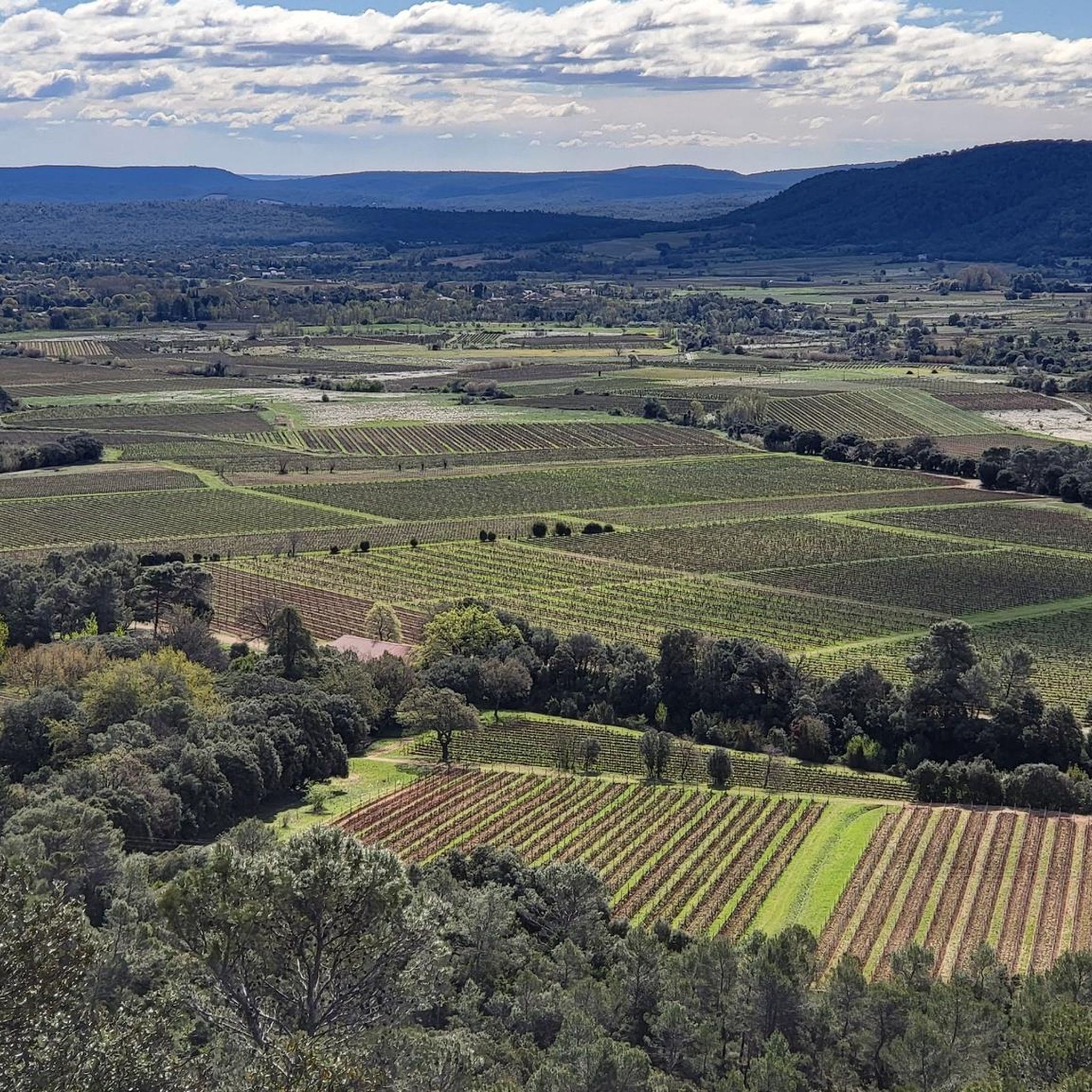
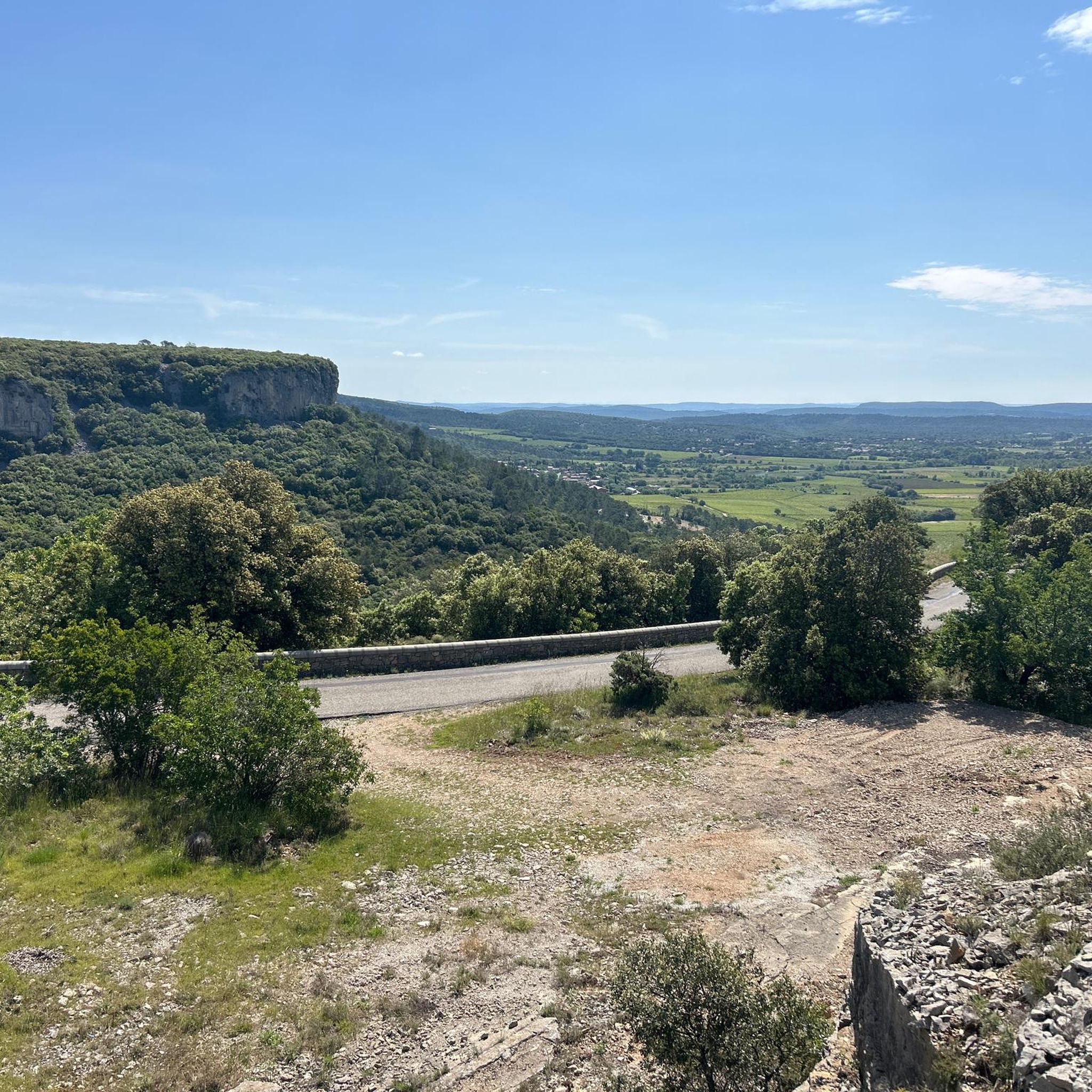
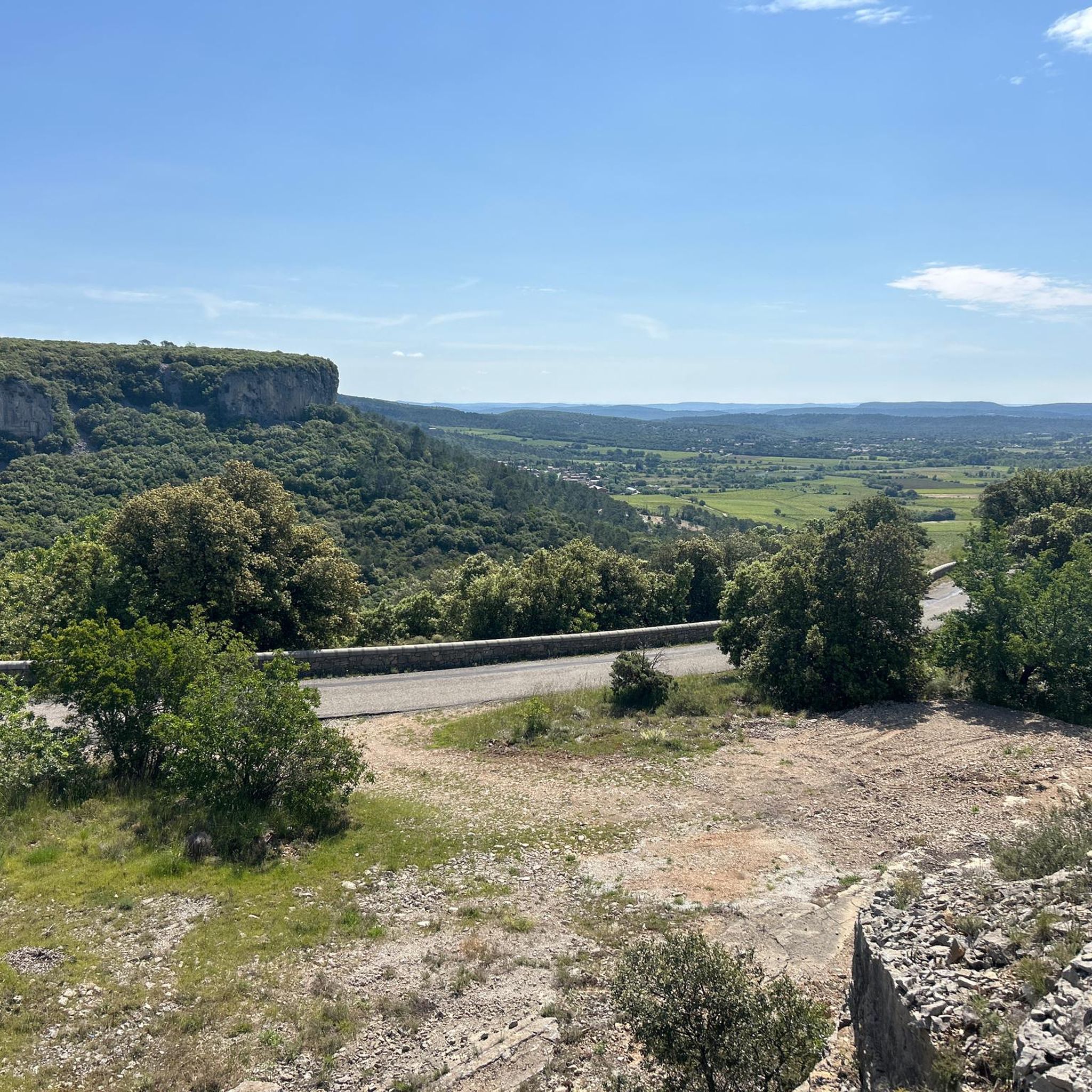
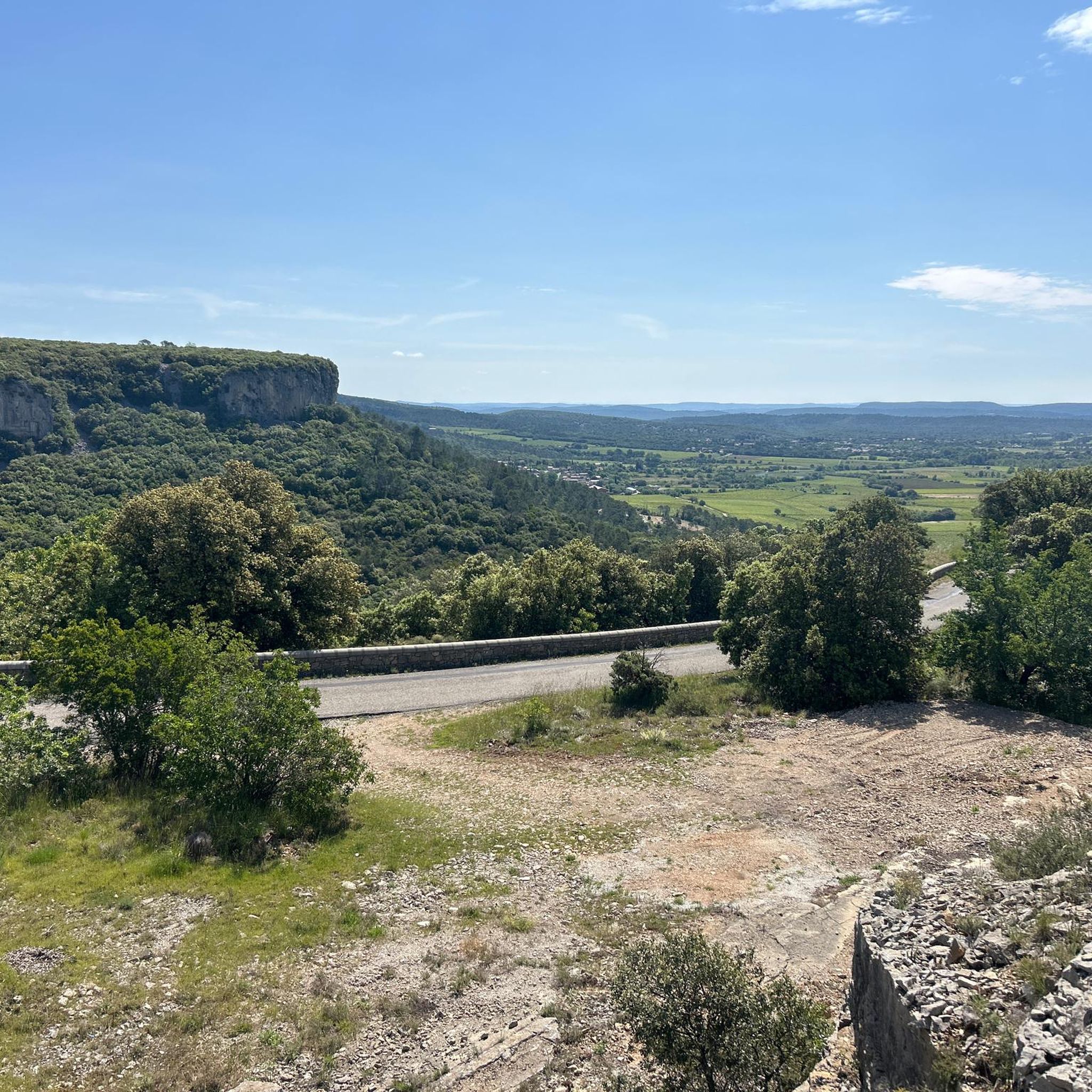
Best natural monuments around Pompignan are found within the Gard department of the Occitanie region of France. This area features a distinctive Mediterranean landscape, characterized by garrigues, limestone formations, and diverse ecosystems. The region is ecologically important, with areas designated for the preservation of threatened species and habitats. Visitors can explore a variety of natural features, from expansive plains to wooded massifs and unique geological formations.
Best natural monuments around Pompignan
- The most popular natural monument is View of the…
Last updated: June 18, 2026
View of the Gornies spring
Highlight • River
Translated by Google •
Tip by

Aven of Sauve
Highlight • Cave
I was able to go down there several times.
Be …
Translated by Google •
Tip by

Sign up now to discover places like this
Get recommendations on the best single tracks, peaks, & plenty of other exciting outdoor places.
Sign up for free
Moulins des Foux de Lauret
Highlight • Historical Site
Translated by Google •
Tip by
Les Marches de Géant
Highlight • Natural Monument
Translated by Google •
Tip by

Baume de Rédier
Highlight • Cave
A small access allows one to progress a little more than a few meters only.
Translated by Google •
Tip by
Sign up for free to discover even more natural monuments around Pompignan.
Sign up for free
Already have an account?
Start today with a free account
Your next adventure awaits.
Login or Signup

Tips from the Community

A beautiful waterfall, even if it's not very active. However, when the nearby spring and vent get going, it can quickly become quite a waterfall! A lovely spot, but one that does present some dangers, especially if you have children. There's a safer path than others, which avoids walking along a very narrow cliff! The spring and vent, as well as the few caves nearby, are worth seeing, but be careful not to get too curious!
1
0

A truly surprising and magnificent place! Waterproof shoes are recommended.
0
0
A magical and magnificent place not to be missed! Waterproof shoes recommended!
0
0

A very nice walk, pleasant and not too difficult. I had my daughter with me, who was very brave for her first time after major health problems. Bravo, my darling.
0
0

Be careful of particularly slippery surroundings on rainy days or after rain.
1
0
A 40m deep and 90m circumference sinkhole is an attraction in the Sauve area, for tourists and also for potholers. I was able to go down there several times. Be careful, there is no barrier! Watch where you put your feet, children and animals! At the bottom is a cave that is not very big, with two parts. First lower part, which overlooks a well, then where you have to crawl quite a bit to end up on "nothing". On the other side, you fall quite quickly above a LAKE, with a height of about 15m. The water from this LAKE flows into the Sauve resurgence, located at the bottom of the village, after the stone bridge, towards the children's park. This one spits with all its power during the rains.
3
0
A rock shelter of a few meters, where one can easily stand up. A small access allows one to progress a little more than a few meters only.
1
0

Amazing 30km from Montpellier
1
0
Frequently Asked Questions
What unique natural features define the Pompignan region?
The Pompignan region is characterized by its distinctive Mediterranean landscape. Key features include the vast Garrigues of Pompignan, which are expansive open landscapes with unique flora and geological formations like canyons and 'lavognes' (natural ponds). The area also encompasses the Plaine de Pompignan, a significant ecological zone, and limestone massifs such as the Massif de Coutach, known for its karst cavities and impressive rock formations like 'La Mer des Rochers'.
Are there any protected natural areas around Pompignan?
Yes, Pompignan is home to several important protected natural areas. The Plaine de Pompignan is designated as a Zone Naturelle d'Intérêt Écologique, Faunistique et Floristique (ZNIEFF). Additionally, the region falls within a Natura 2000 protected area, specifically encompassing the 'Gorges de Rieutord, Fage et Cagnasse', which aims to preserve threatened animal and plant species and their habitats.
What geological formations can I explore near Pompignan?
The area around Pompignan offers fascinating geological formations. You can visit Les Marches de Géant, which features thick layers of limestone forming a unique staircase-like structure. Another notable site is the Aven of Sauve, a 40-meter deep sinkhole with a cave and an underground lake, popular with tourists and potholers. The Massif de Coutach also boasts numerous karst cavities and remarkable sculpted limestone formations.
What are some popular natural viewpoints in the area?
For breathtaking panoramic views, the View of the Cévennes and the Sea from Pic Saint-Loup is highly recommended. It offers a 360° vista of Montpellier, the sea, the Cévennes, and even Mont Ventoux on clear days. The Ermitage Notre Dame de Monnier, perched on a wooded hill within the Massif du Bois de Monnier, also provides impressive views across the Cévennes mountains.
What kind of wildlife or plant life can I expect to see?
The natural monuments around Pompignan are biodiversity hotspots. The garrigues are home to specific plant species like the almond-leaved pear (Pyrus spinosa) and Christ's thorn (Paliurus spina-christi), alongside aromatic plants such as rosemary and thyme. The protected ZNIEFF and Natura 2000 sites ensure a rich diversity of flora and fauna, and the Causse de l'Hortus is known to provide habitats for raptors.
What outdoor activities are available near Pompignan's natural monuments?
The region offers a variety of outdoor activities. You can enjoy road cycling on routes like the 'Bridge over the Vidourle – Lecques loop' or 'The London Step – Col de la taillade loop' from nearby Claret. For running, there are trails such as the 'Gorniès Spring – View of the Gornies spring loop'. General cycling routes include the 'Sauve Village Center – Quissac loop'. You can find more details on these activities in the Road Cycling Routes around Pompignan, Running Trails around Pompignan, and Cycling around Pompignan guides.
Are there specific hiking trails recommended for exploring the natural monuments?
Yes, there are several pleasant walks. A popular option is the path leading to the Ermitage Notre Dame de Monnier within the Massif du Bois de Monnier, which offers a peaceful retreat and passes through a charming natural tunnel of boxwood. You can also enjoy a pleasant walk along the banks of the Gornies spring, accessible on foot or by mountain bike. For more challenging runs or hikes, consider routes like the 'Gorniès Spring – View of the Gornies spring loop' from Ferrières-les-Verreries.
Are there family-friendly natural monuments to visit around Pompignan?
Absolutely. The View of the Gornies spring offers a pleasant and accessible walk along its clear waters, suitable for families. Les Marches de Géant, with its unique staircase-like limestone formations, can also be an engaging natural site for families to explore, offering an intermediate level of difficulty.
What do visitors enjoy most about the natural monuments in Pompignan?
Visitors frequently praise the stunning panoramic views, especially from Pic Saint-Loup, which offers a 360° perspective. The clear waters and pleasant walks along the Gornies spring are also highly appreciated. Many enjoy the unique geological features like Les Marches de Géant and the sense of wildness and rich Mediterranean scents found in the garrigues.
What is the best time of year to visit the natural monuments around Pompignan?
The region's Mediterranean climate makes spring and autumn ideal for visiting, when temperatures are mild and the landscapes are vibrant. Spring brings blooming wildflowers, while autumn offers pleasant weather for hiking and exploring. Summers can be hot, but early mornings or late afternoons are still suitable for outdoor activities. Winters are generally mild, allowing for exploration, though some areas might be slippery after rain, such as around the Aven of Sauve.
Are there any historical sites integrated with the natural monuments?
Yes, the Ermitage Notre Dame de Monnier, located within the wooded Massif du Bois de Monnier, combines historical interest with natural beauty. This hermitage, perched on a hill, offers a peaceful retreat amidst contrasting natural landscapes. Additionally, the Moulins des Foux de Lauret, while primarily a historical site, is nestled in a beautiful natural setting with a river and waterfall, making it a scenic spot for a picnic.
Where can I find information about local amenities like cafes or accommodation near the natural sites?
While specific cafes or accommodations directly adjacent to every natural monument are not detailed, the commune of Pompignan and surrounding villages will offer various options. For general information about the area, including potential amenities, you might find resources on local tourism websites. For example, the Piemont Cévenol Tourisme website for Pompignan could be a helpful starting point.
Most popular routes around Pompignan
Most popular attractions around Pompignan

Get inspired with the komoot mobile app


Explore more
Extend your search for the best caves by checking out these guides of the top ones around Pompignan:
