Top 5 Natural Monuments around Cendras
Best natural monuments around Cendras are found in a region of southern France, situated in the Gard department and bordering the Cévennes National Park. This area is characterized by its diverse natural beauty, including significant geological formations and ancient landscapes. Visitors can explore a variety of natural sites, from impressive rock formations to historical monuments integrated into the natural environment. The region offers numerous opportunities to experience its unique natural heritage.
Best natural monuments around Cendras
- The most popular natural…
Last updated: May 21, 2026
Abarines Bridge
Highlight • Bridge
Translated by Google •
Tip by

Chaos de l'Amous
Highlight • Gorge
Translated by Google •
Tip by

Sign up now to discover places like this
Get recommendations on the best single tracks, peaks, & plenty of other exciting outdoor places.
Sign up for free
Dolmen de Boustiga
Highlight • Historical Site
Translated by Google •
Tip by

View from Rocher Saint-Julien over Anduze
Highlight • Viewpoint
Translated by Google •
Tip by

Necropolis of Peyraube
Highlight • Historical Site
Translated by Google •
Tip by
Start today with a free account
Your next adventure awaits.
Login or Signup

Tips from the Community


Starting point of a signposted walking route
0
0

Great climb! Beautiful view
0
0

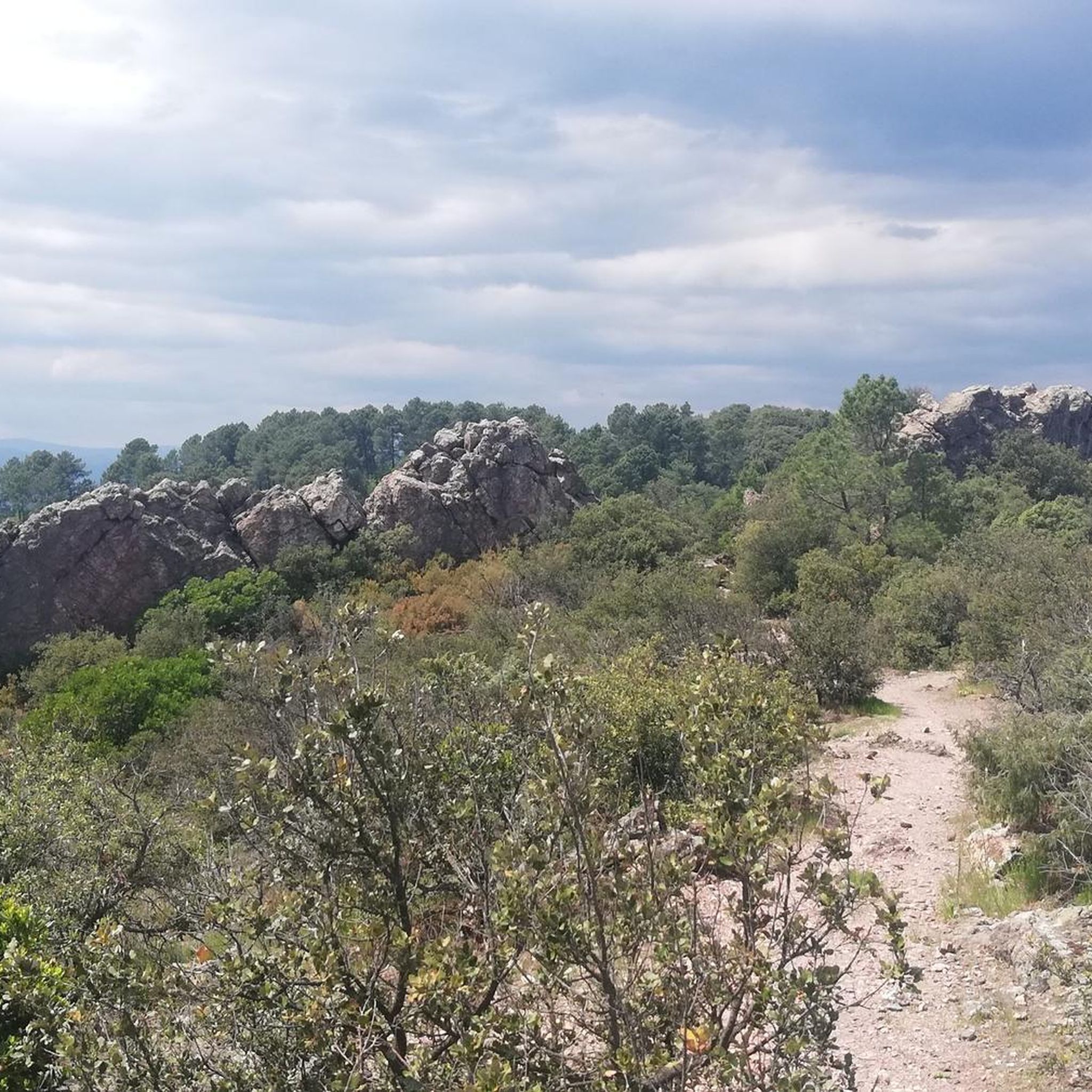
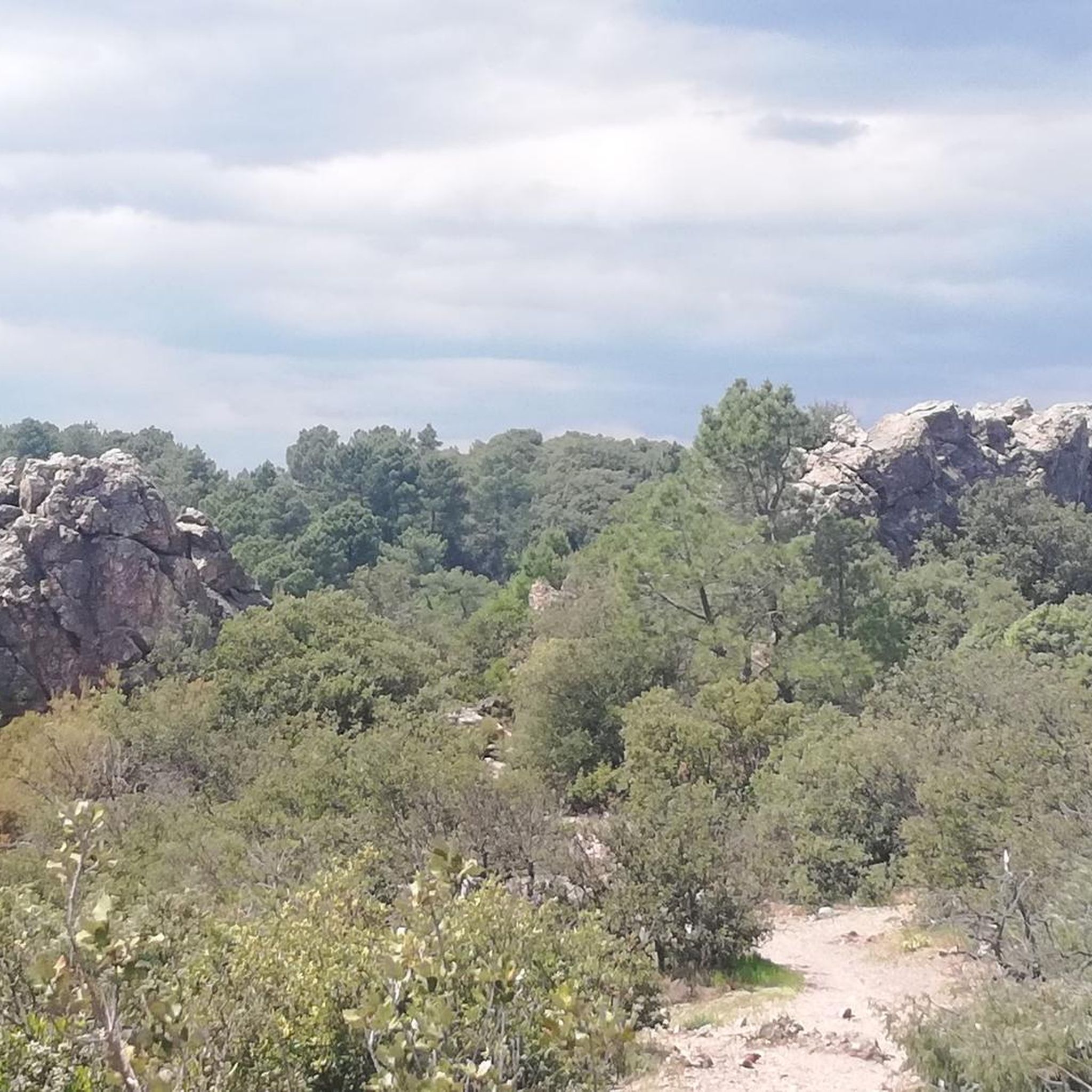
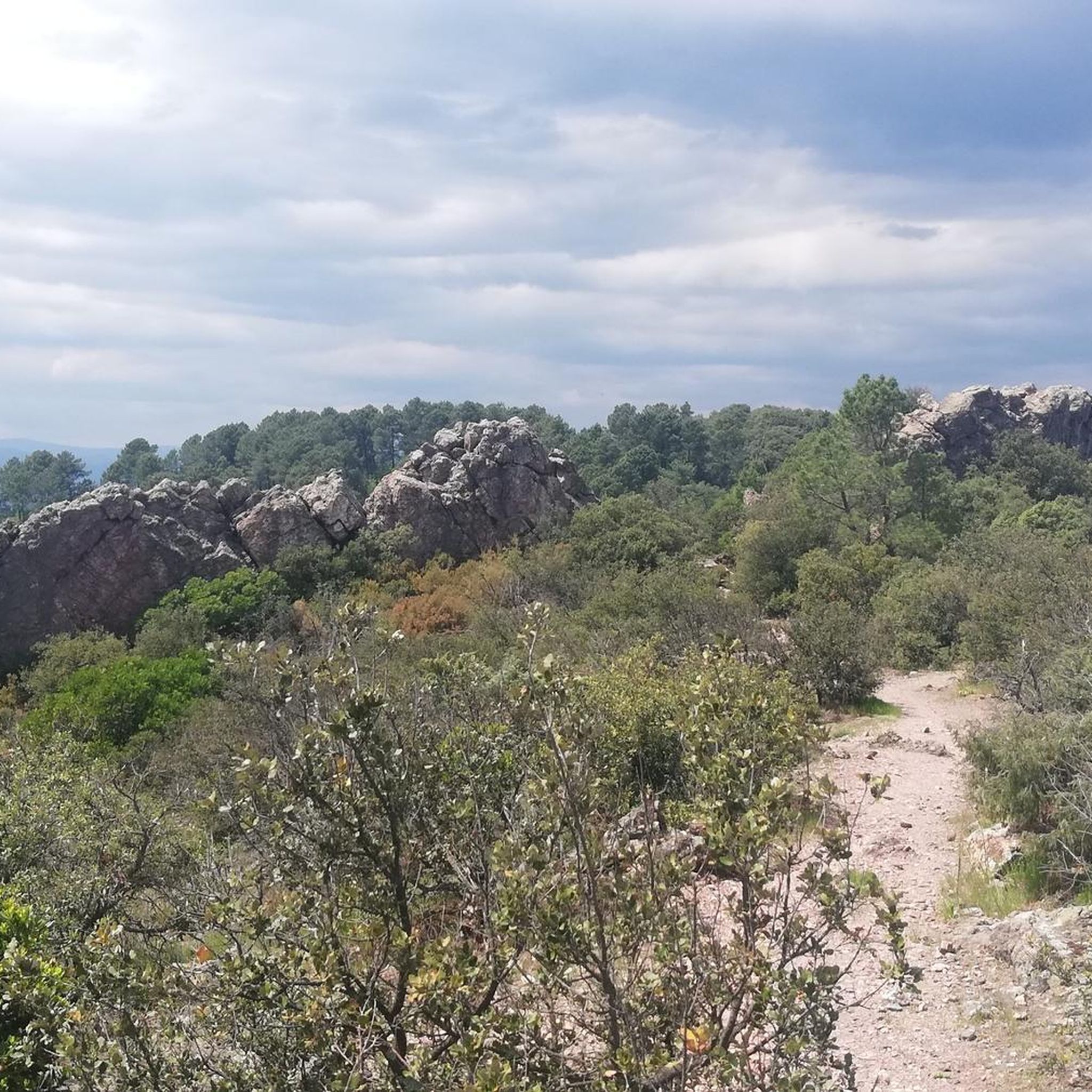
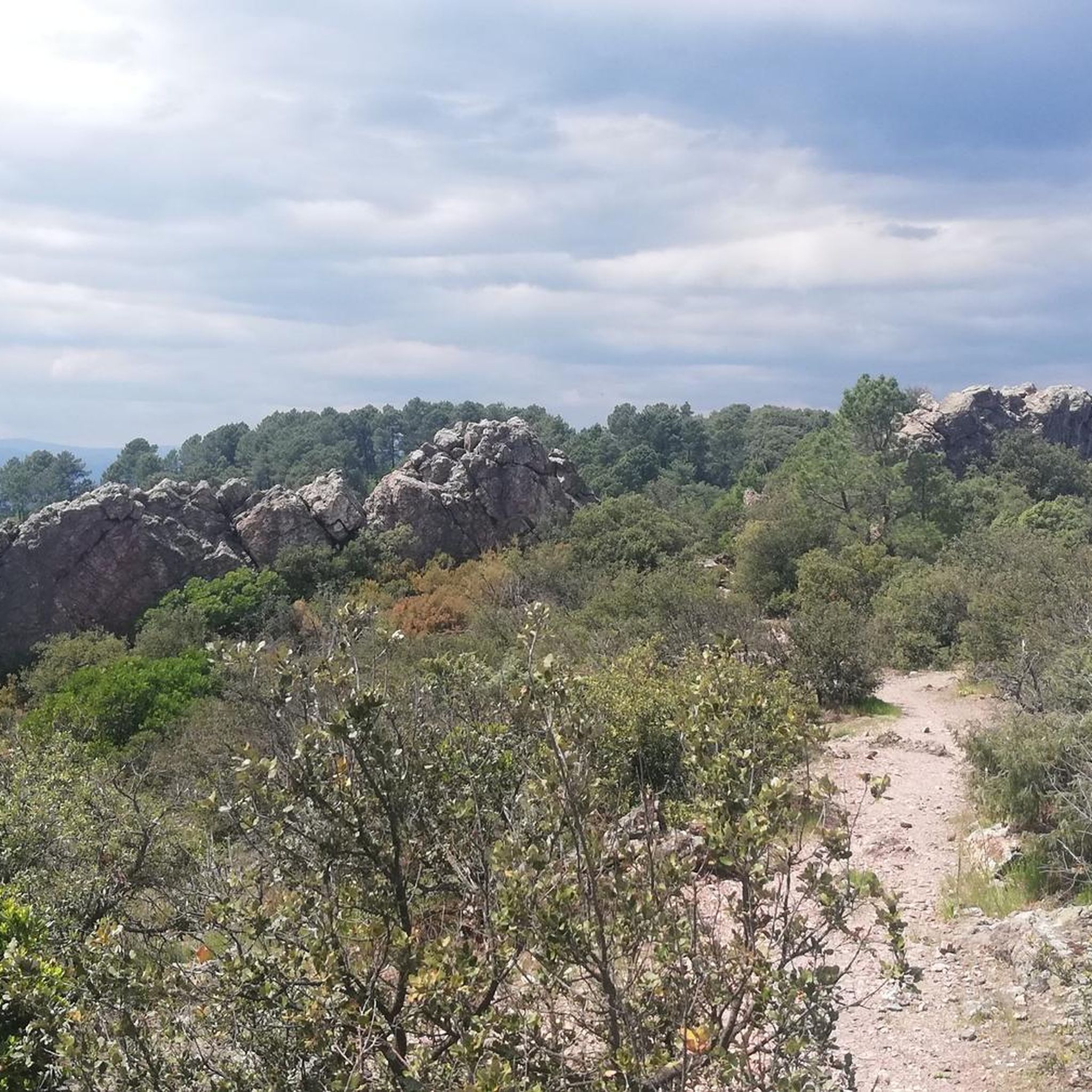
Superb views, but be careful, the ridge path is virtually unmarked and unmaintained: do so at your own risk.
0
0
Great view over Anduze and the area, but very steep climb
0
0
Thanks Damian! I had put the river in freshness point on my tour, we will stop just to photograph then 😂
0
0

The Rocher Saint-Julien, overlooking the Gardon d'Anduze, offers a magnificent view over Anduze towards the south and towards the north over the valleys of the Gardon de Saint-Jean and the Gardon de Mialet, which meet at Corbès.
0
0
Remains of an ancient necropolis between the Gardon valley and the Galeizon valley.
0
0
Frequently Asked Questions
What unique geological features can I explore near Cendras?
The region around Cendras is rich in geological wonders. You can visit the Grotte de la Cocalière, known as the 'Diamond Cave' for its abundant crystals and formations, or the immense Grotte des Demoiselles, often called an 'underground cathedral' with Europe's first underground funicular. The Bois de Païolive features extraordinary limestone rock formations resembling animals, while the Cascades du Sautadet showcase dramatic waterfalls and unique riverbed formations. Don't miss the eroded dolomitic rocks of Chaos de Nîmes-le-Vieux, or the impressive 'Gours waterfall' in the Grotte de Saint-Marcel. Closer to Cendras, the Chaos de l'Amous offers unique river characteristics and geological formations.
Are there any historical or archaeological sites among the natural monuments?
Yes, the area combines natural beauty with historical significance. The Grotte de la Cocalière has yielded prehistoric archaeological findings from the Neolithic and Bronze Age. On Mont Lozère, you'll find the Cham des Bondons site, which boasts over 150 menhirs and 30 funeral mounds, making it one of Europe's highest concentrations of megaliths. Near Cendras, you can visit the Dolmen de Boustiga, an ancient burial site, and the Necropolis of Peyraube, which contains remains of an ancient necropolis.
What are the best natural viewpoints around Cendras?
For breathtaking panoramas, Mont Aigoual, the highest point in the Gard department, offers views that can stretch from the Alps to the Mediterranean on clear days. Mont Lozère also provides superb panoramic views across the Cévennes National Park. Closer to Cendras, the View from Rocher Saint-Julien over Anduze offers a magnificent perspective over Anduze and the confluence of the Gardon rivers. The Abarines Bridge also provides a splendid view of the Gardon de Mialet.
Are there family-friendly natural monuments to visit?
Absolutely. The Grotte de la Cocalière is particularly family-friendly, with a small train taking visitors back to the entrance, which children often enjoy. The Grotte des Demoiselles, with its funicular and immense chambers, also offers an engaging experience for all ages. The Abarines Bridge is listed as family-friendly and offers nice spots for breaks by the water.
What outdoor activities can I do near these natural monuments?
The region offers a wide range of outdoor activities. The Bois de Païolive is ideal for hiking with shaded paths. The Réserve naturelle nationale des Gorges de l'Ardèche is popular for canoeing, kayaking, and long-distance hiking. Mont Aigoual and Mont Lozère are prime hiking destinations, with Mont Lozère also offering skiing and snowshoeing in winter. You can find numerous hiking routes around Cendras, such as the 'Orientation table – Bas râble d'orientation loop from Saint-Jean-du-Pin' or the 'Château de Sauvages – Bas râble d'orientation loop from Cendras'. For more details on hiking, road cycling, or gravel biking, explore the Hiking around Cendras, Road Cycling Routes around Cendras, and Gravel biking around Cendras guides.
Can I swim near the natural monuments?
While the Cascades du Sautadet are visually stunning, the strong currents and whirlpools make swimming in the waterfalls themselves dangerous. However, there are safe swimming areas a little further downstream from the cascades. The Abarines Bridge is known for nice bathing spots in small pools. It's important to note that the river at Chaos de l'Amous is polluted, so bathing there is not recommended.
What is the best time of year to visit the natural monuments around Cendras?
The best time to visit depends on the specific activity. Spring and autumn offer pleasant temperatures for hiking and exploring caves. In summer, the caves provide a cool escape from the heat, maintaining a constant 14°C. Mont Lozère's landscape changes dramatically with the seasons, from blooming broom and heather in spring and summer to snow in winter, when it's suitable for skiing and snowshoeing. For general outdoor activities, late spring to early autumn is ideal.
What makes the Cévennes National Park, near Cendras, special?
The Cévennes National Park, bordering Cendras, is a UNESCO-listed site known for its rich biodiversity and diverse landscapes. It encompasses significant natural monuments like Mont Lozère and parts of Mont Aigoual. The park is characterized by its unspoilt plant life, granite boulders, high meadows, and ancient forests, offering a haven for wildlife and numerous hiking opportunities. It's recognized for its cultural landscapes and traditional agro-pastoral systems.
What are some unique experiences offered by the caves in the region?
Beyond standard tours, some caves offer unique experiences. The Grotte des Demoiselles, with its exceptional acoustics, occasionally hosts concerts. The Grotte de Saint-Marcel provides adventurous caving trips with abseiling and zip lines, and even wine-tasting tours where local wines are aged underground, adding a distinctive cultural element to your visit.
How challenging are the trails to reach some of these natural monuments?
The difficulty varies. For instance, the ascent to the View from Rocher Saint-Julien over Anduze is considered challenging, requiring sure-footedness and good footwear. Many other sites, like the Abarines Bridge, Chaos de l'Amous, Dolmen de Boustiga, and Necropolis of Peyraube, are generally intermediate in difficulty. The Bois de Païolive offers trails of varying lengths and difficulties, catering to different fitness levels. Always check specific route details before heading out.
What kind of biodiversity can I expect to see in the natural monuments area?
The region is a hotspot for biodiversity. The Bois de Païolive is a classified Sensitive Natural Area, home to wildlife like beavers and peregrine falcons in the Chassezac Gorges. The Réserve naturelle nationale des Gorges de l'Ardèche safeguards a rich and fragile ecosystem, including various plant and animal species. The Chaos de Nîmes-le-Vieux also supports diverse plant and animal life. You'll find a wide array of flora and fauna, especially within the Cévennes National Park.
Most popular routes around Cendras
Most popular attractions around Cendras

Get inspired with the komoot mobile app


Explore more
Extend your search for the best caves by checking out these guides of the top ones around Cendras:
