Top 7 Natural Monuments around Viuz-En-Sallaz
Best natural monuments around Viuz-En-Sallaz are found in the Haute-Savoie region of France, offering a blend of ecological interest and historical relevance. The area features diverse natural sites, from tranquil ponds to significant mountain peaks and geological formations. Its landscape provides opportunities to explore both natural beauty and historical human impact, such as ancient quarries. These natural landmarks offer varied terrain for outdoor activities.
Best natural monuments around Viuz-En-Sallaz
- The most popular natural monuments is Le Môle summit cross,…
Last updated: July 2, 2026
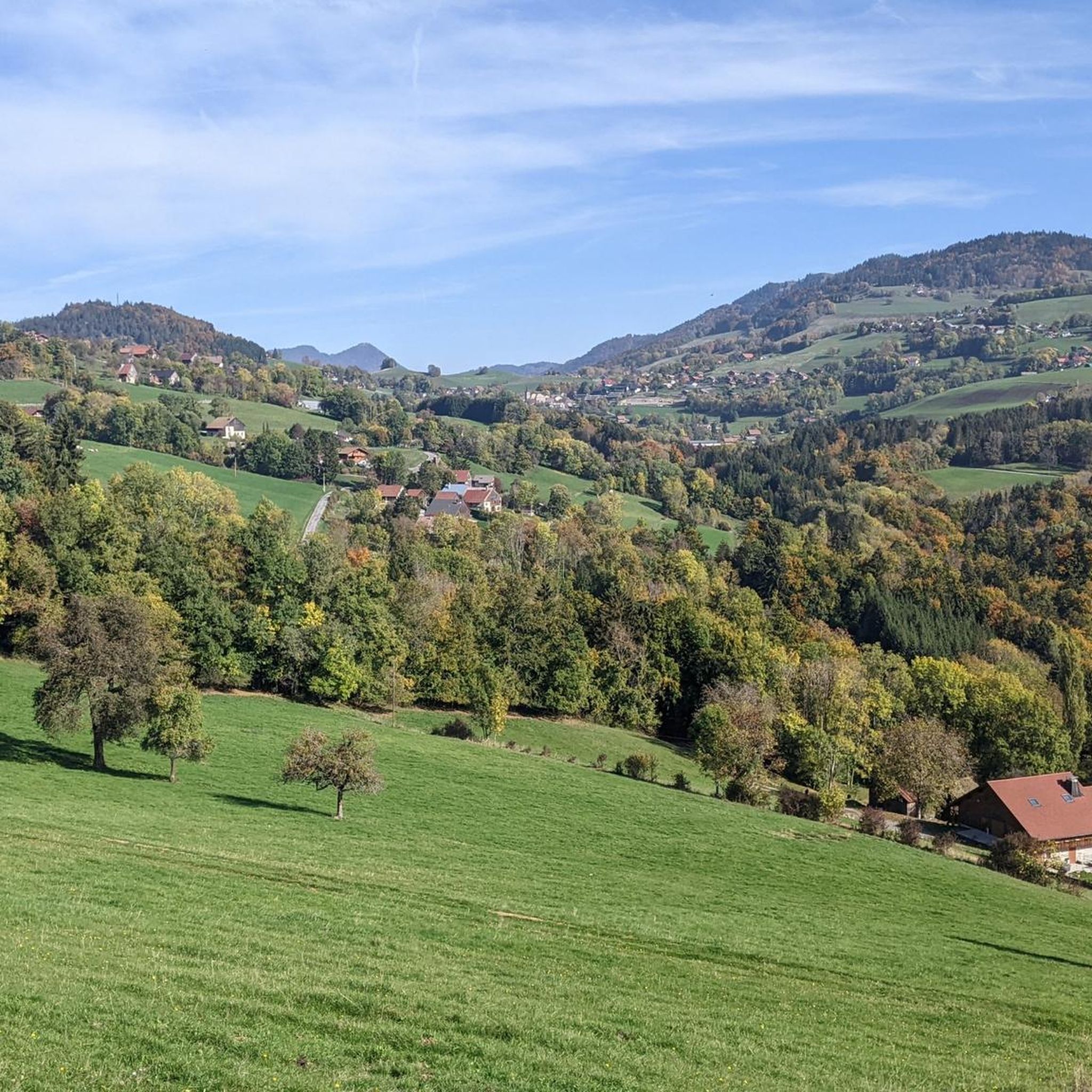
Pointe des Brasses
Highlight • Summit
Les Brasses …
Translated by Google •
Tip by

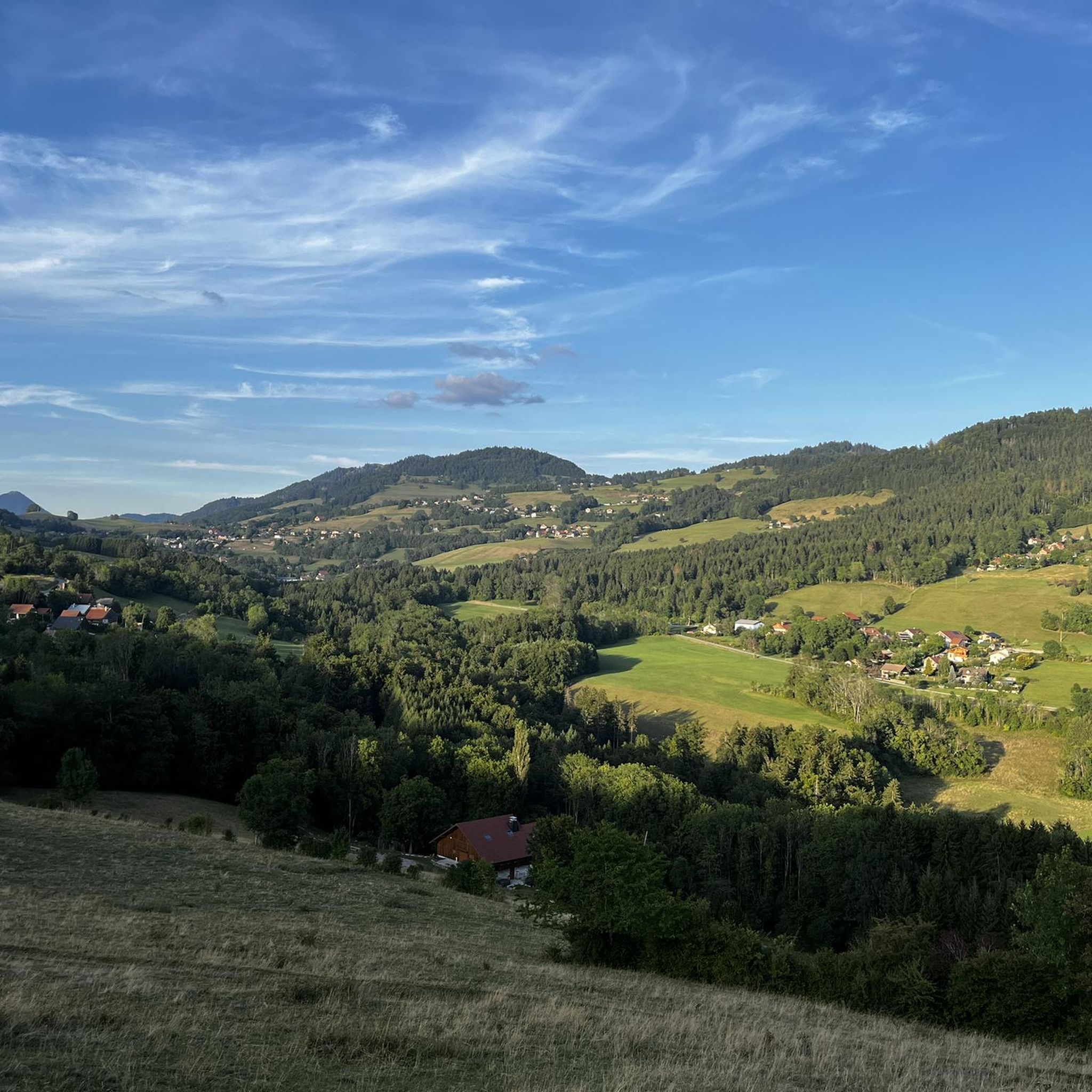
La Gouille aux Morts
Highlight • Lake
Gouille aux Morts: What an ugly name for this charming little pond. Beavers, mallards, herons, and especially frogs …
Translated by Google •
Tip by
Sign up now to discover places like this
Get recommendations on the best single tracks, peaks, & plenty of other exciting outdoor places.
Sign up for free
Gorges du Pont du Diable
Highlight • Gorge
Translated by Google •
Tip by

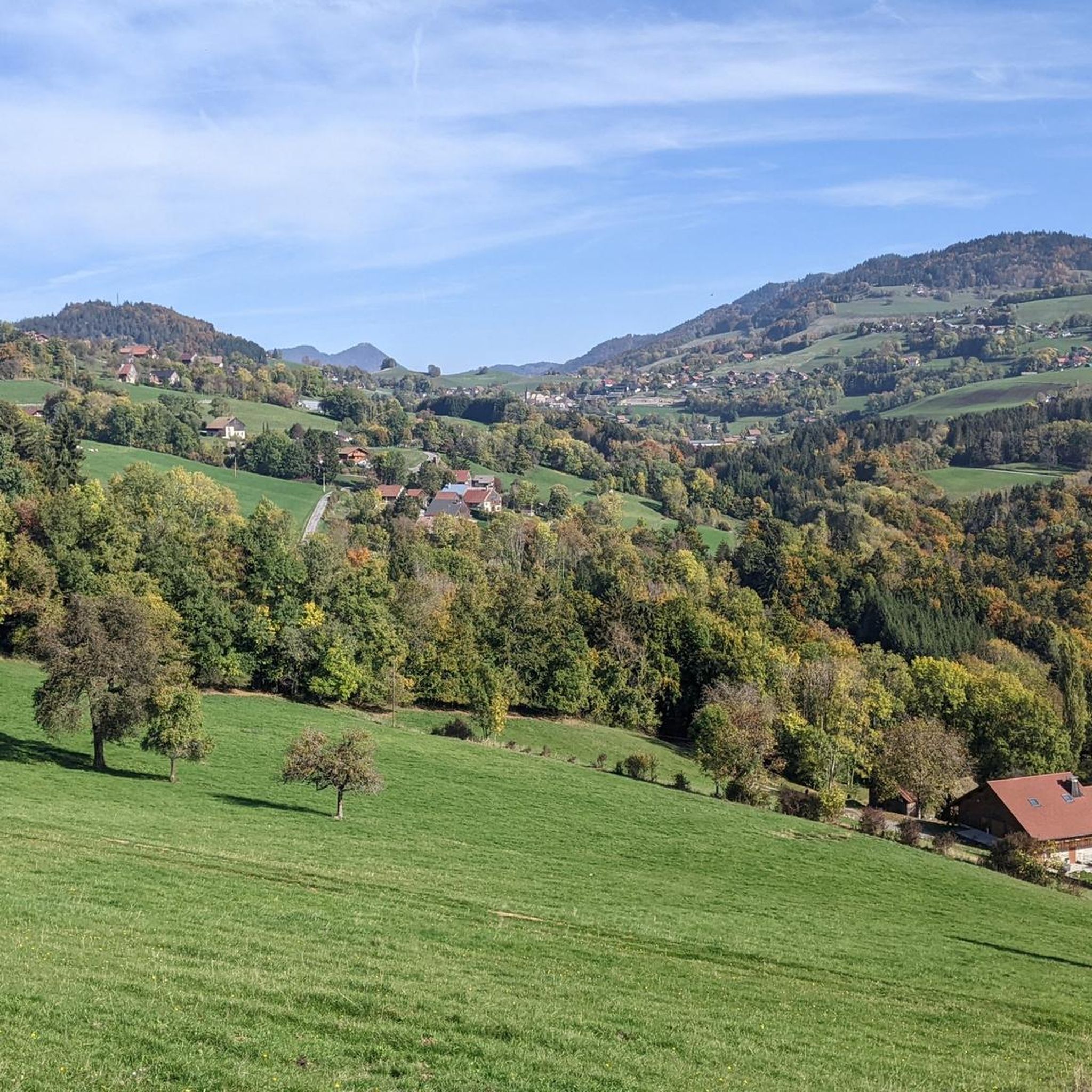
Copacou Stone
Highlight • Natural Monument
The rock is very steep on the descent side, but flat on the other side …
Translated by Google •
Tip by

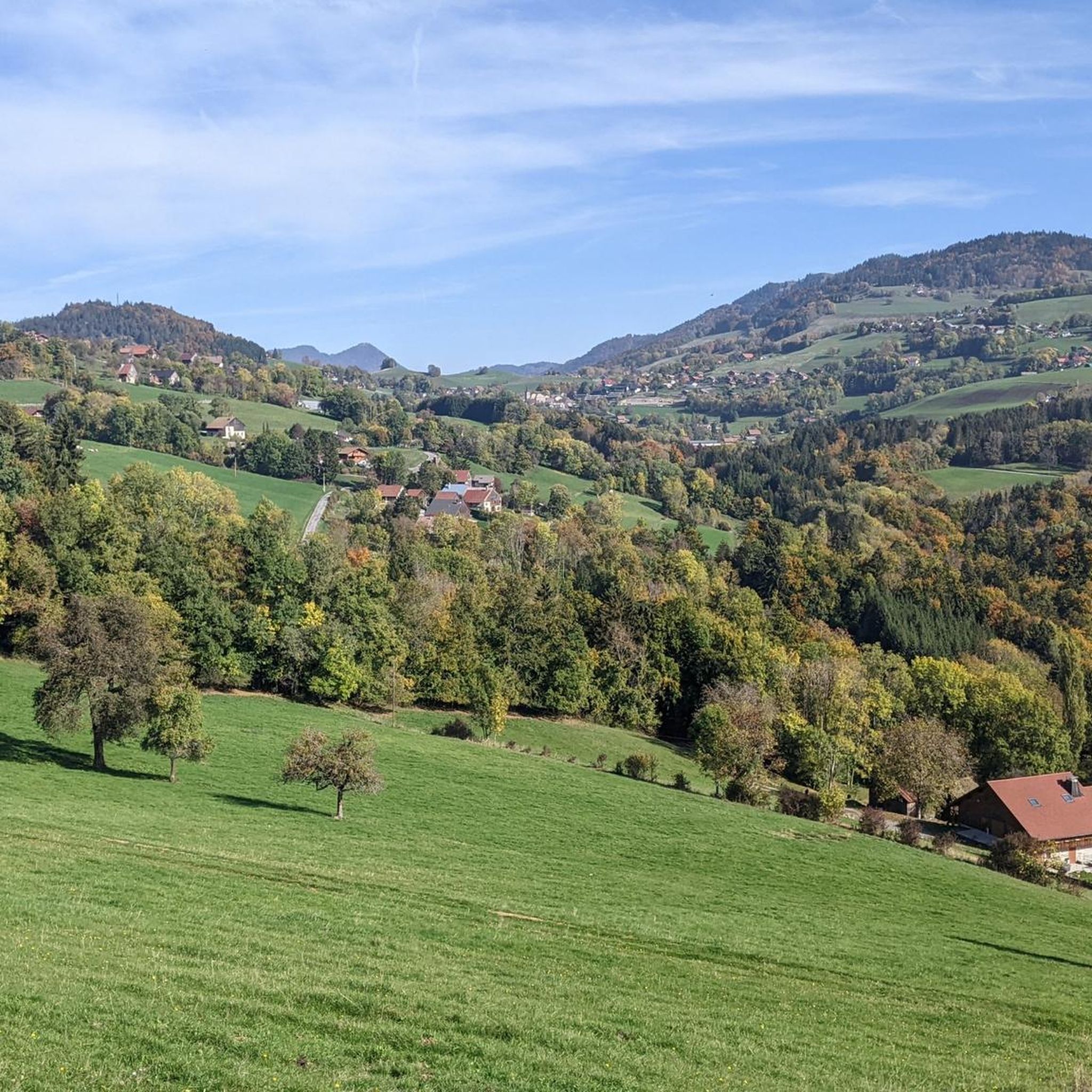
Le Môle summit cross
Highlight • Summit
Translated by Google •
Tip by

Sign up for free to discover even more natural monuments around Viuz-En-Sallaz.
Sign up for free
Already have an account?
Start today with a free account
Your next adventure awaits.
Login or Signup
Tips from the Community

Intersection Point: La Gouille aux Morts (Pond of the Dead) Altitude 650m Gouille aux Morts: What an ugly name for this charming little pond. Beavers, mallards, herons, and especially frogs take shelter in its tall grass and breed there. The place is calm and peaceful, far from the road to the Vallée Verte (Green Valley), although you can still hear the sounds of traffic. Above it, the Molière à Vachat stream is mirrored in its waters. Its reflection blends with the water lilies scattered there, creating perfect harmony. A delight for the eye of the walker. It's impossible not to think of Monet's "Water Lilies." It is said that, long ago, two stonemasons working at the "Molière," located about fifty meters above, fell to their deaths there on a Sunday (yes, a Sunday...the Lord's Day). See: H. Savoie: Les Molières du Mont Vouan. Or perhaps the pond got its name because a peasant was swallowed up there with his cart...
1
0

Very nice hike. It was quite crowded today. Contrary to what’s written in the description, I didn’t see any particularly risky passages
0
0


It can blow hard up there! I recommend the path that goes down to La Tour from the east
0
1

Nice place to take a break but not worth a hike on its own. Nice view of the Rocafort castle less than 10 minutes away on foot. This stone is also located about thirty minutes from the Penaz waterfall which is worth the detour.
1
0

The cross means summit of the Brasse mountain
1
0
Incredible nature, the river has carved out a passage
0
0
Pointe des Brasses is a summit of Haute-Savoie located in the Chablais massif, straddling the municipalities of Saint-Jeoire and Viuz-en-Sallaz, and culminating at 1,503 meters above sea level. Les Brasses is a toponym from a mountain pasture located above Viuz-en-Sallaz2. It could derive from the German Brache, which designates fallow or fallow land2,3, or from the Old German braka meaning “clearing”3. It is possible that it also derives from the Latin bracchium3 (“arm”), referring to the arms of the river, three of which have their source in Brasses: the Menoge, the Entreverges and Airets streams. In June 2013, a cross made by students from the Viuz-en-Sallaz Catholic Automobile School was erected on its summit. Six meters high, it is made up of 33 metal cubes measuring 30 centimeters on each side, assembled on site and arranged in a spiral by the students themselves. She was blessed on July 7, 2013 by Mgr Boivineau, Bishop of Annecy.
1
0
Frequently Asked Questions
What are some of the most popular natural monuments around Viuz-En-Sallaz?
Among the highly-rated natural monuments, you'll find Le Môle summit cross, offering exceptional views of Mont Blanc, and Gorges du Pont du Diable, known for its aesthetic geological formations carved by the river. Another favorite is La Gouille aux Morts, a tranquil pond rich in wildlife.
What kind of natural features can I expect to see around Viuz-En-Sallaz?
The region offers a diverse range of natural features. You can explore majestic summits like Le Môle, dramatic gorges such as Gorges du Pont du Diable, and serene lakes like La Gouille aux Morts. The landscape also includes unique geological formations and ancient stones.
Are there family-friendly natural monuments in the area?
Yes, La Gouille aux Morts is considered family-friendly, offering a peaceful spot for nature observation with its diverse wildlife. The Fairies' Stone, a historical dolmen, is also suitable for families.
Are there any historical natural monuments around Viuz-En-Sallaz?
Absolutely. Copacou Stone is considered a sacrificial and chalice stone with a magnificent valley view. The Fairies' Stone is a listed dolmen dating back to 3200-2800 BC. Additionally, Mont Vouan, though not a komoot highlight, is classified as a Historical Monument due to its ancient millstone quarries.
What outdoor activities can I do near these natural monuments?
You can enjoy various outdoor activities. For gravel biking, explore routes like the 'Footbridge over the Arve – Arve Path loop' or 'Ponds on the banks of the Arve – Bridge in Bonneville loop'. Find more options on the Gravel biking around Viuz-En-Sallaz guide. Road cyclists can try the 'Marignier footbridge – Lake Môle loop' or 'Bogève – Ascent to Plaine-Joux loop' from the Road Cycling Routes around Viuz-En-Sallaz guide. For running, consider the 'Mont de Vouan – Col de Ludran loop' or 'Lake Môle loop' from the Running Trails around Viuz-En-Sallaz guide.
Are there hiking trails near these natural monuments?
Yes, many natural monuments are accessible via hiking trails. For instance, reaching Le Môle summit cross involves a very nice hike. You can find various running and cycling routes that often overlap with hiking paths, such as the 'Mont de Vouan – Col de Ludran loop' mentioned in the Running Trails around Viuz-En-Sallaz guide.
What makes Mont Vouan a significant natural monument?
Mont Vouan is significant for its dual classification as a 'Natural Sensitive Area' and a Historical Monument. It boasts a rich natural heritage of flora, fauna, and geology, and is historically notable for its extensive millstone quarries, which operated from antiquity until the 19th century.
What wildlife can be observed at La Gouille aux Morts?
La Gouille aux Morts is a haven for diverse wildlife. You can often spot beavers, mallards, and herons, and it's particularly known for its large population of frogs. The tranquil environment makes it ideal for nature observation.
What are the geological highlights of Gorges du Pont du Diable?
The Gorges du Pont du Diable showcase a very aesthetic canyon where the river has carved out a passage. You can observe fascinating geological formations, including folds of limestone layers oriented perpendicular to the valley's axis, and 'pots' dug by the repeated movements of water and pebbles.
Is it possible to find viewpoints among the natural monuments?
Yes, several natural monuments offer excellent viewpoints. Le Môle summit cross provides an exceptional panoramic view of Mont Blanc and nearly 700 peaks. The Copacou Stone also offers a magnificent view of the valley.
What is the best time to visit the natural monuments around Viuz-En-Sallaz?
The spring and summer months generally offer the most pleasant weather for exploring the natural monuments, with lush greenery and comfortable temperatures for hiking and outdoor activities. Autumn also provides beautiful scenery with changing foliage. Winter can be picturesque, but some higher-altitude or less accessible sites might be challenging due to snow.
Are there any hidden natural gems to discover in the Viuz-En-Sallaz area?
While not explicitly 'hidden,' places like La Gouille aux Morts offer a peaceful retreat away from main roads, providing a sense of discovery with its rich wildlife and tranquil atmosphere. Exploring the ancient millstone quarries of Mont Vouan also feels like uncovering a hidden piece of history within nature.
Most popular routes around Viuz-En-Sallaz
Most popular attractions around Viuz-En-Sallaz

Get inspired with the komoot mobile app


Explore more
Extend your search for the best caves by checking out these guides of the top ones around Viuz-En-Sallaz:
