Top 5 Natural Monuments around Septèmes-Les-Vallons
Best natural monuments around Septèmes-Les-Vallons are found within a landscape characterized by picturesque hills and valleys in the Provence-Alpes-Côte d'Azur region. This area provides a setting for outdoor activities, offering views of the Provençal landscape. The natural appeal of Septèmes-Les-Vallons lies in its topography, which supports hiking and cycling. These natural sites offer opportunities for exploration and photography.
Best natural monuments around Septèmes-Les-Vallons
- The most popular natural monuments is Jonquier Viaduct, a bridge that offers a wild beach with…
Last updated: July 2, 2026
Palais Longchamp
Highlight • Monument
In 1835, a …
Translated by Google •
Tip by

Pilon du Roi
Highlight • Summit
Translated by Google •
Tip by

Sign up now to discover places like this
Get recommendations on the best single tracks, peaks, & plenty of other exciting outdoor places.
Sign up for free
The Infernet spring
Highlight • Natural Monument
Translated by Google •
Tip by
Jonquier Viaduct
Highlight • Bridge
Translated by Google •
Tip by

Le Rocher de l'Arbois
Highlight • Viewpoint
Translated by Google •
Tip by

Start today with a free account
Your next adventure awaits.
Login or Signup

Tips from the Community

A beautifully designed palace; be sure to visit the garden behind it as well.
0
0

Description of the hike: follow the path from the parking lot to reach the source. The start is under a large metal portico bearing the inscription "Chemin de l'Infernet". The walk is part of the GR13. It is marked with red and yellow lines. A very simple little walk, no equipment necessary. Very few places for parking!
1
0

Superb loop with amazing panoramas!
1
0

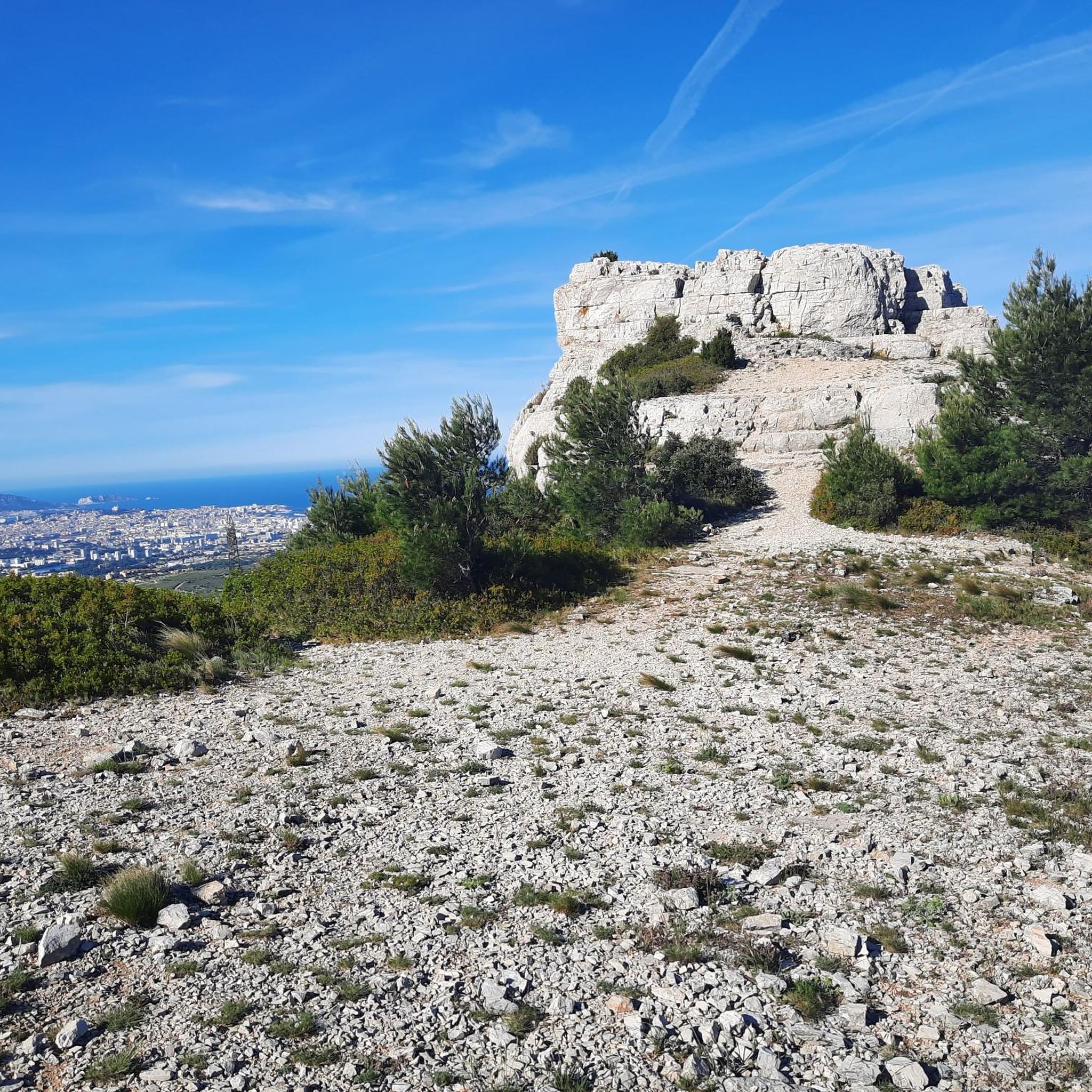
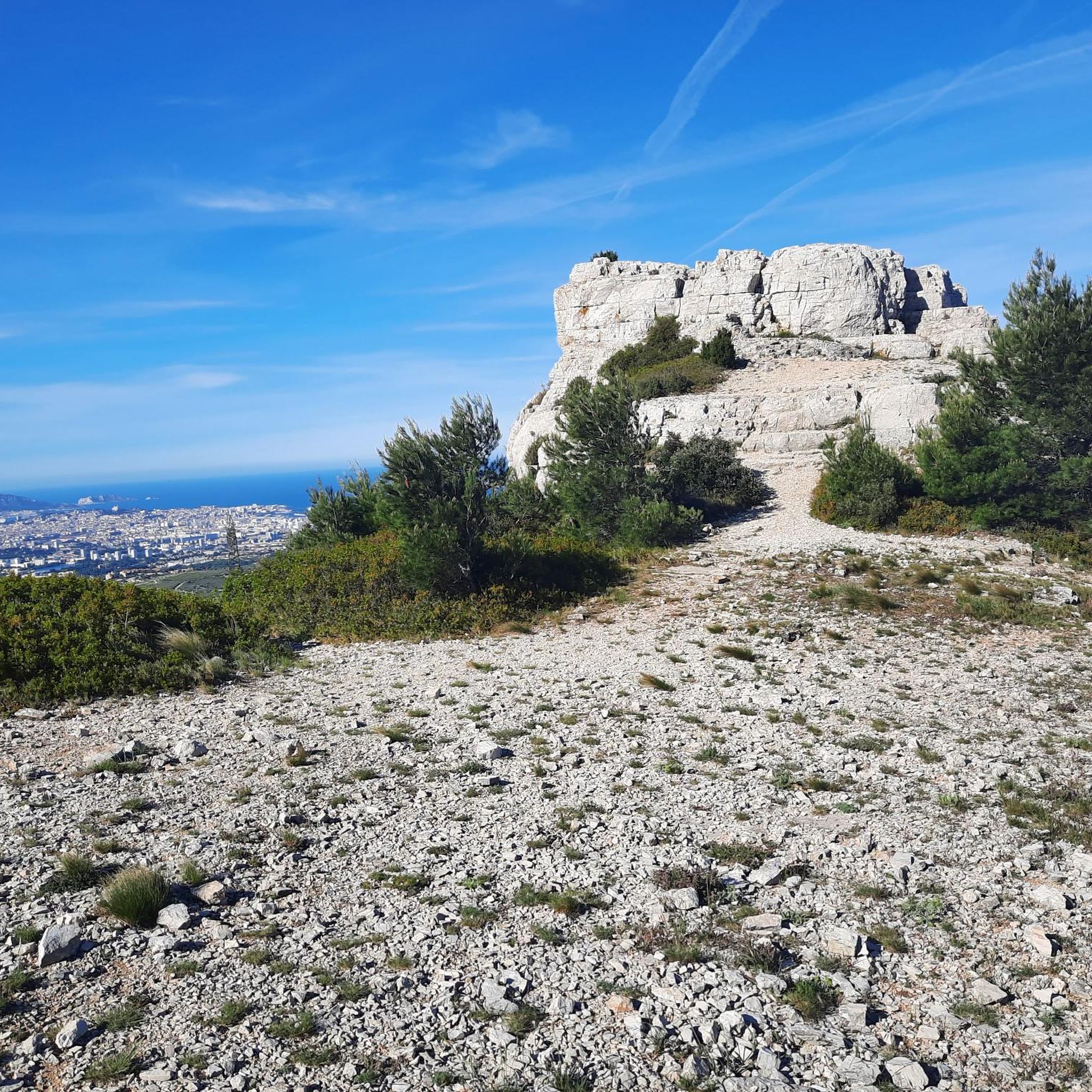
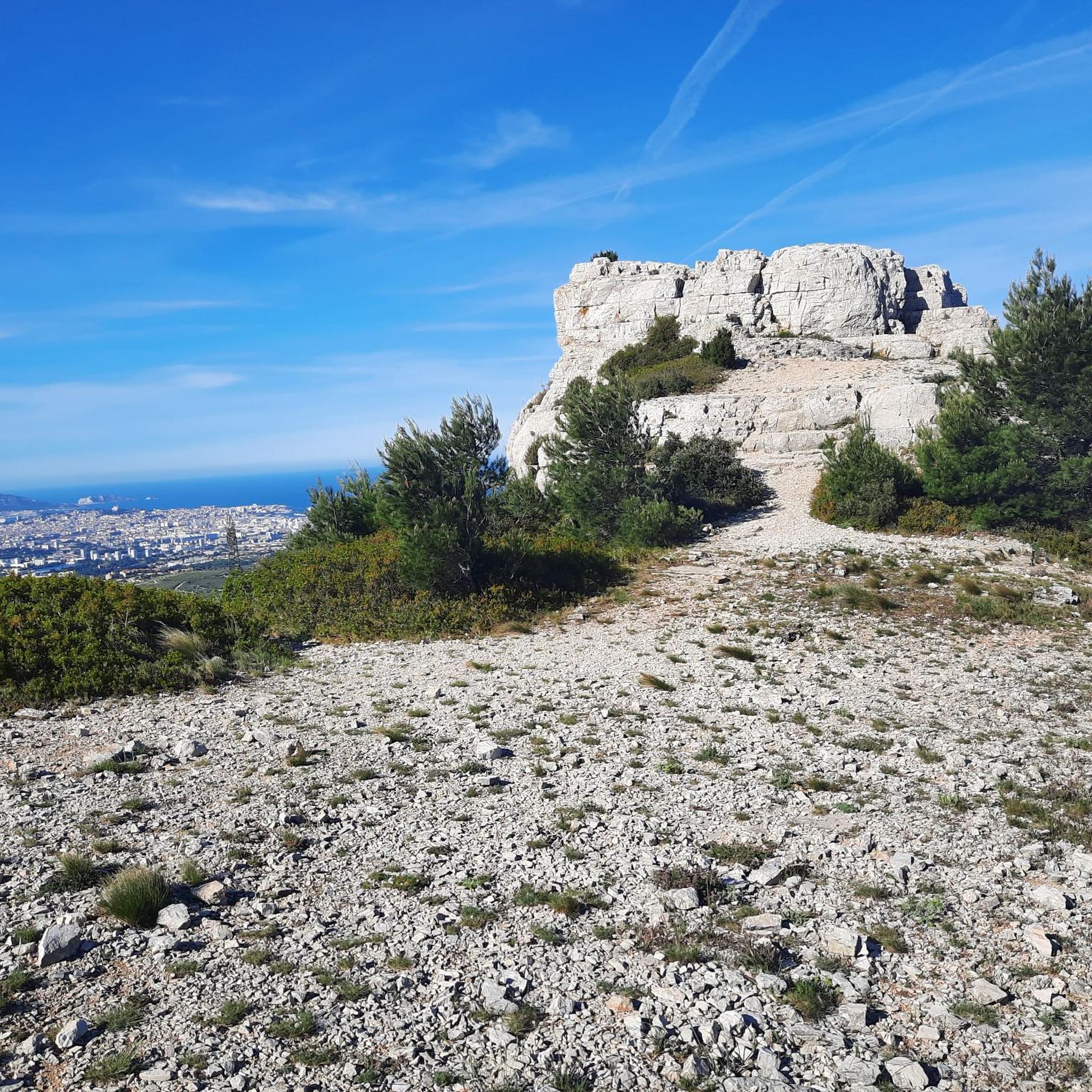
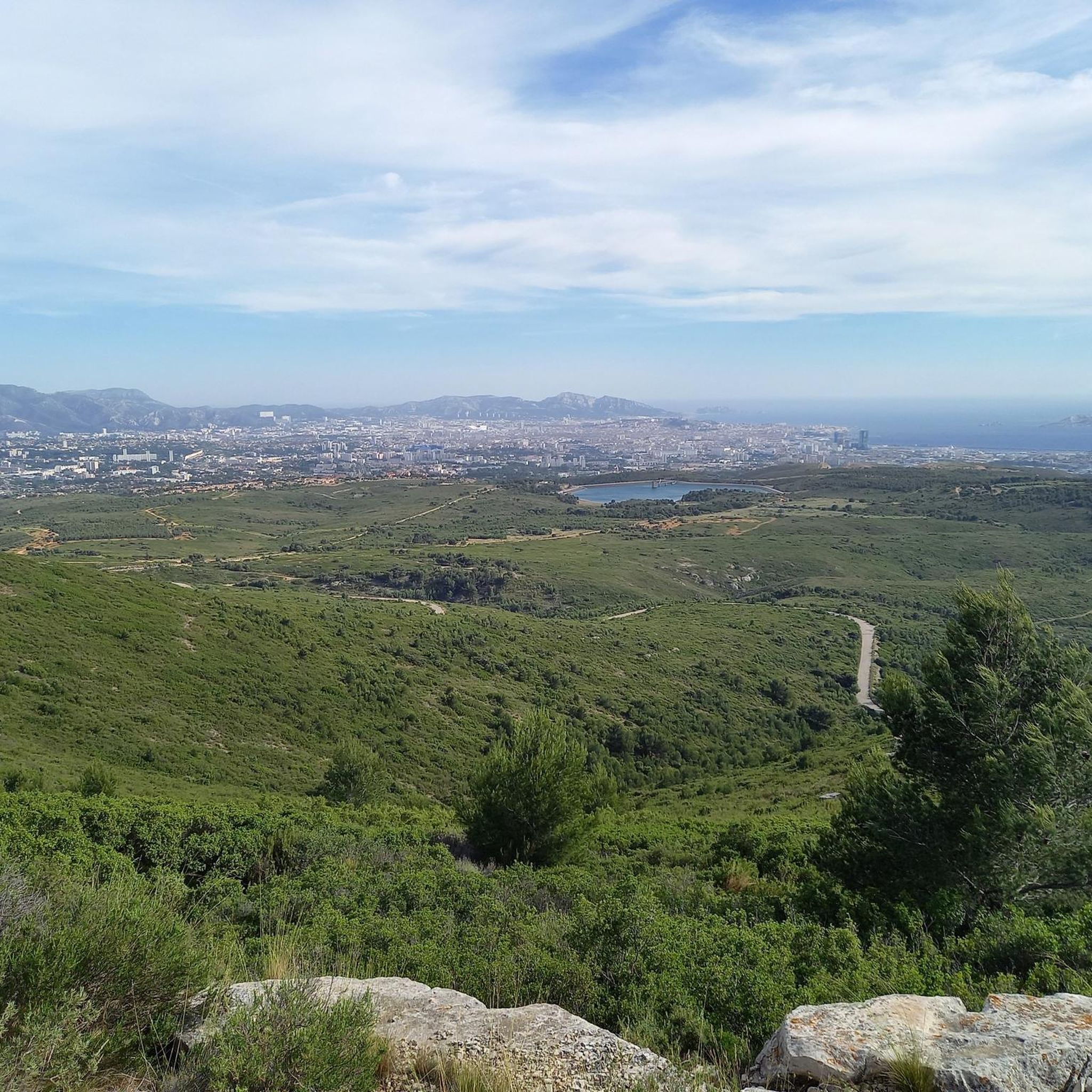
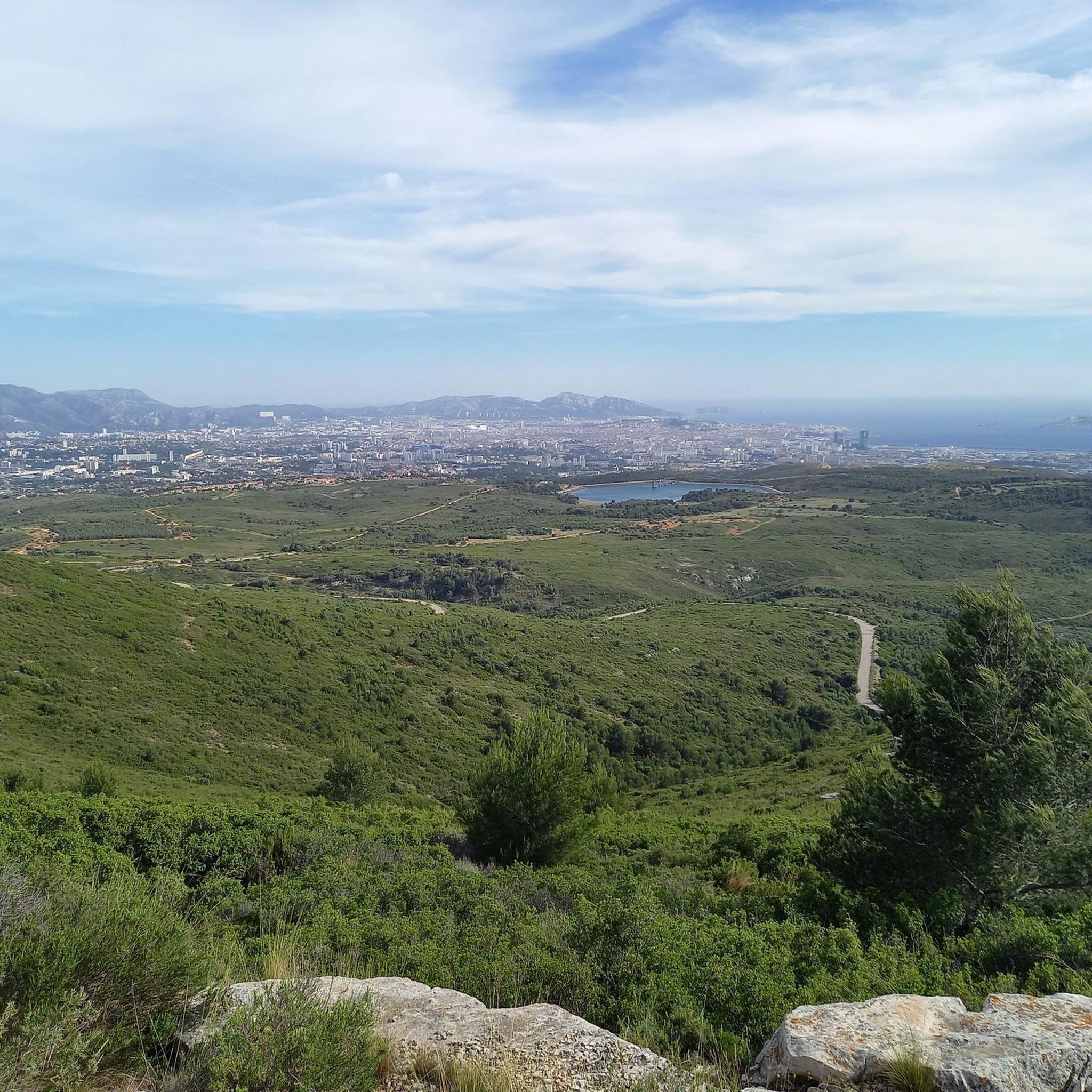
Incredible site with a 360° view of the entire region! From there, you can see EVERYTHING!
3
1

FR The Palais Longchamp is a must-see in Marseille: with its magnificent park, this historic monument built to bring water to the city is a true architectural feat. In 1835, a cholera epidemic struck the Phocaean city due to a lack of water. It was after this tragedy that the Bridges and Roads engineer Franz Mayor of Montricher carried out a project dating from the 16th century. This involved digging an 85 kilometer canal, intended to bring water from the Durance to Marseille. After 10 years of work, 18 aqueducts will be built to transport drinking water. The architect Henry Espérandieu, known for having designed the Notre-Dame de la Garde Basilica, depicts the arrival of water on the Lonchamp plateau, from 1682 to 1869. Two museums are located on both sides of the building, the Museum of Fine Arts and the Natural History Museum. The Palais Longchamp hides behind its majestic facade a garden very frequented by the people of Marseille, which formerly housed the Marseille Zoo, of which only the remains remain. IN The Palais Longchamp is a must-see in Marseille: with its magnificent park, this historic monument built to bring water to the city is a true architectural feat. In 1835, a cholera epidemic struck the Phocaean city due to a lack of water. It was after this tragedy that the Bridges and Roads engineer Franz Mayor of Montricher carried out a project dating from the 16th century. This involved digging an 85 kilometer canal, intended to bring water from the Durance to Marseille. After 10 years of work, 18 aqueducts will be built to transport drinking water. The architect Henry Espérandieu, known for having designed the Notre-Dame de la Garde Basilica, depicts the arrival of water on the Lonchamp plateau, from 1682 to 1869. Two museums are located on both sides of the building, the Museum of Fine Arts and the Natural History Museum. The Palais Longchamp hides behind its majestic facade a garden very frequented by the people of Marseille, which formerly housed the Marseille Zoo, of which only the remains remain. SOURCE AND PICTURES MARSEILLE TOURISM OFFICE
0
0

At just over 710 meters above sea level, the Pilon du Roi offers a breathtaking 360° view all around you and up to the sea. The game is really worth the effort!
6
2
The source of the Infernet seems to be a natural underground water source when it is in fact the result of an artificial watercourse, the Réaltor basin built in 1869. The source finally stops when it meets the pond of Bolmon.
4
0

The hike to the Pilon du Roi is not difficult and takes about 2 hours. The view from the summit is overwhelming.
0
0
Frequently Asked Questions
What are some of the most popular natural monuments to visit around Septèmes-Les-Vallons?
Visitors frequently enjoy the Jonquier Viaduct, known for its wild beach and panoramic views. Another favorite is Pilon du Roi, a summit offering breathtaking 360° views of the region and the sea. While primarily a man-made monument, Palais Longchamp is also highly appreciated for its magnificent park and historical significance in bringing water to the city.
Are there any natural springs or water features to explore in the area?
Yes, you can visit The Infernet spring. While it appears natural, it's actually the result of an artificial watercourse, the Réaltor basin, built in 1869. It's a simple walk to reach it, suitable for a leisurely outing.
What kind of views can I expect from the natural viewpoints around Septèmes-Les-Vallons?
From viewpoints like Pilon du Roi, you can expect extensive 360° vistas encompassing the entire region, stretching all the way to the sea. The area's picturesque hills and valleys also offer numerous spots for panoramic views of the classic Provençal landscape.
Are there family-friendly natural sites or walks near Septèmes-Les-Vallons?
Absolutely. The Infernet spring offers a very simple walk suitable for families. Additionally, Le Rocher de l'Arbois is a starting point for hikes on well-equipped trails, often considered family-friendly. The general landscape of hills and valleys provides many opportunities for easy exploration.
What outdoor activities can I do near these natural monuments?
The region is ideal for outdoor enthusiasts. You can find numerous hiking, cycling, and running trails. For hiking, explore options like the 'Garrigue loop from Septèmes' or 'View of Marseille loop from L'Étoile' which you can find more about in the Hiking around Septèmes-Les-Vallons guide. Cycling routes include the 'Roquefavour Aqueduct loop' and 'The TV climb' detailed in the Cycling around Septèmes-Les-Vallons guide. For running, consider the 'Pilon du Roi viewpoint loop' or 'Route de la Télévision loop' from the Running Trails around Septèmes-Les-Vallons guide.
Are there any historical sites within the natural landscape of Septèmes-Les-Vallons?
Yes, the Oppidum des Mayans is a significant archaeological site located within the natural landscape at 123 Chemin du Vallon des Mayans. It contains vestiges of an oppidum dating back to the 6th century B.C., offering a glimpse into ancient habitation amidst the Provençal terrain.
What is the best time of year to visit the natural monuments around Septèmes-Les-Vallons?
The mild climate of the Provence-Alpes-Côte d'Azur region makes it appealing for outdoor activities for much of the year. Spring and autumn generally offer the most comfortable temperatures for hiking and exploring, avoiding the peak heat of summer. However, some viewpoints like Pilon du Roi are not shaded, so it's best to avoid them in very hot weather.
What makes the natural landscape of Septèmes-Les-Vallons unique?
The natural allure of Septèmes-Les-Vallons primarily stems from its captivating Provençal hills and valleys. This topography provides an idyllic backdrop for outdoor activities and quiet contemplation, characterized by a unique combination of a mild climate and classic Provençal scenery, offering a serene escape from mass tourism.
Is there a significant natural park nearby that I should consider visiting?
For those willing to venture slightly further, the Parc National des Calanques is a highly recommended natural monument located approximately 24 km from Septèmes-Les-Vallons. It's renowned for its stunning landscapes, dramatic limestone cliffs, turquoise waters, and exceptional biodiversity, offering extensive opportunities for hiking, climbing, and water activities.
What do visitors appreciate most about the natural monuments in this area?
Visitors particularly appreciate the breathtaking 360° views from summits like Pilon du Roi, which extend to the sea. The wild beaches with translucent water, such as those near the Jonquier Viaduct, are also highly valued for their splendid settings and opportunities for exploration.
Are there any natural sites around Septèmes-Les-Vallons that are good for photography?
The picturesque hills and valleys surrounding Septèmes-Les-Vallons offer numerous opportunities for photography, especially with the characteristic Provençal topography and mild climate. The panoramic views from Pilon du Roi and the splendid setting of the wild beach near Jonquier Viaduct are particularly popular spots for capturing the region's beauty.
Most popular routes around Septèmes-Les-Vallons
Most popular attractions around Septèmes-Les-Vallons

Get inspired with the komoot mobile app


Explore more
Extend your search for the best caves by checking out these guides of the top ones around Septèmes-Les-Vallons:
