Top 20 Natural Monuments around Pioggiola
Best natural monuments around Pioggiola are found within Corsica's Balagne mountains and the Corsica Regional Natural Park. This region features diverse landscapes, including rugged mountains, forests, and river valleys. It serves as a base for exploring significant natural and historical sites. The area offers a variety of natural monuments, from high mountain passes to unique river formations.
Best natural monuments around Pioggiola
- The most popular natural monument is Genoese Bridge of Asco, a historical bridge that also serves as…
Last updated: October 18, 2026
Stagnu Pass
Highlight • Summit
Translated by Google •
Tip by

Campsite at Lac de la Muvrella
Highlight • Rest Area
Translated by Google •
Tip by

Sign up now to discover places like this
Get recommendations on the best single tracks, peaks, & plenty of other exciting outdoor places.
Bocca Piccaia
Highlight • Mountain Pass
Translated by Google •
Tip by

Natural Pools and Rock Slides in Parc Naturel Régional de Corse
Highlight • Natural Monument
Translated by Google •
Tip by

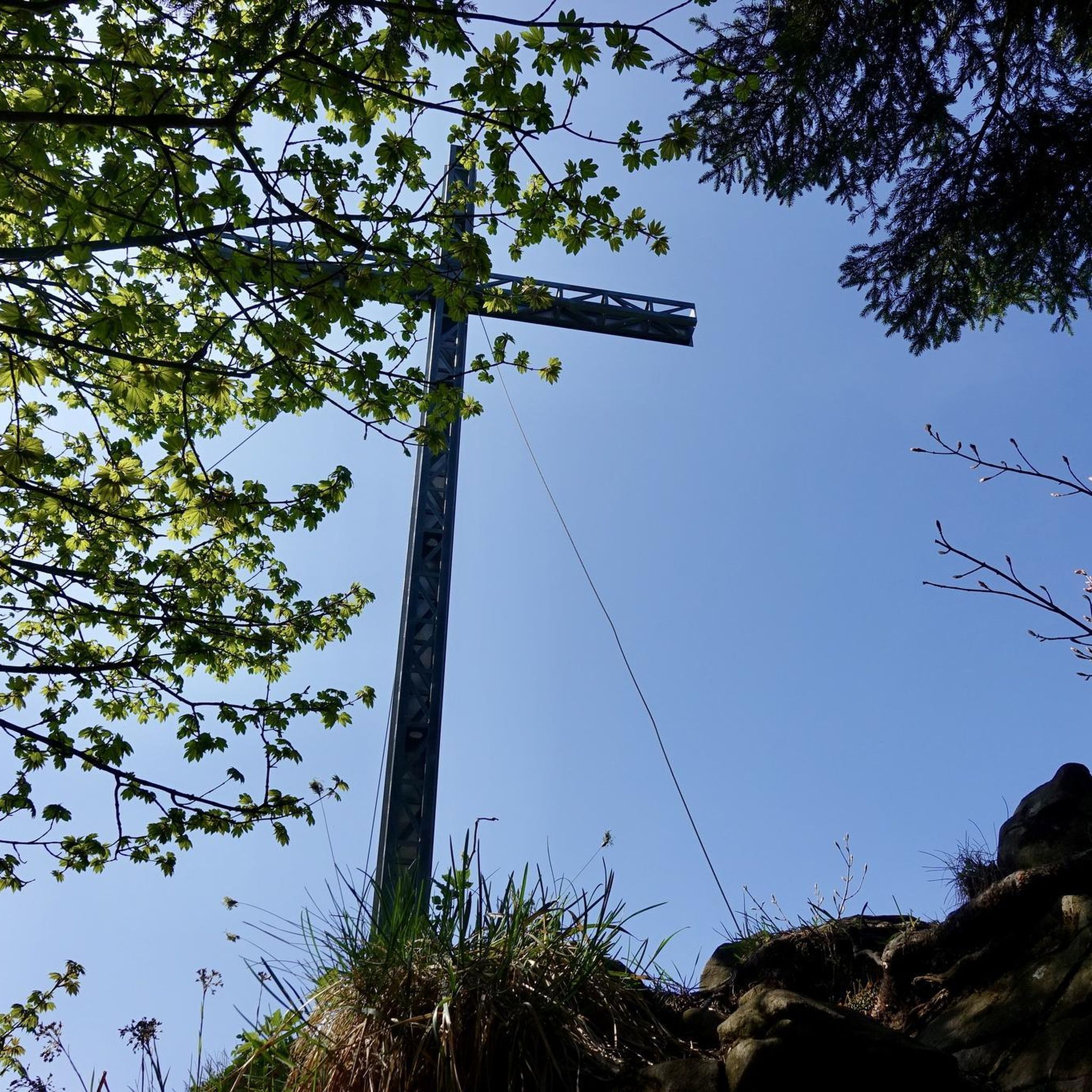
Peace Sculpture
Highlight • Monument
Erected at an altitude of 1100 meters between the Col de Battaglia and the Col de Croce Dolu, the Peace Sculpture, inaugurated on August 14, …
Translated by Google •
Tip by

Sign up for free to discover even more natural monuments around Pioggiola.
Already have an account?
Start today with a free account
Your next adventure awaits.
Tips from the Community

The tour is really demanding: Uphill over gravel and scree fields On the high alpine grade, sure-footedness is required, the path is sometimes difficult to see as the old GR20 markings have faded Really steep downhill! It took us almost 5 1/2 hours of walking But incredibly beautiful
0
0

This pool offers a great opportunity for a swim break in a magnificent landscape. The water temperature is quite icy.
0
0
There are always swimming pools to jump into. However, some are difficult to reach and you have to climb a bit.
0
0

In front of the Bocca di Stagnu (coming from Haut-Asco) there are 600 meters in altitude ... 1/3 of which is steep in the forest uphill (more than 30...40%!), 2/3 of the 600 meters in altitude is rock climbing. Once you have reached the first pass (Bocca di Stagnu), you can count yourself lucky and take a well-deserved break before the path crosses the slope, continues to climb in gullies to the second pass (Bocca di a Muvrella) and from there follow the 700hm descent.
0
0

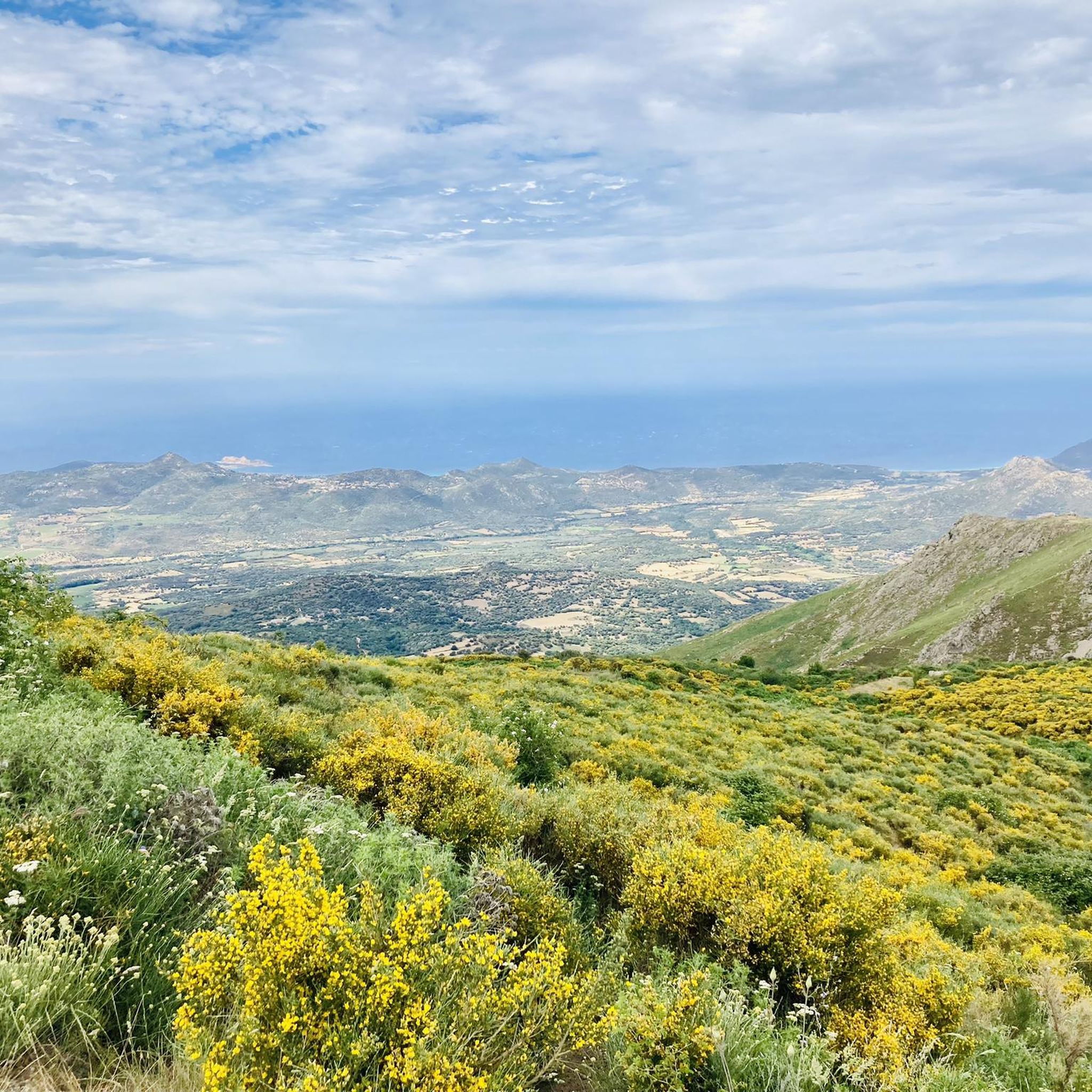
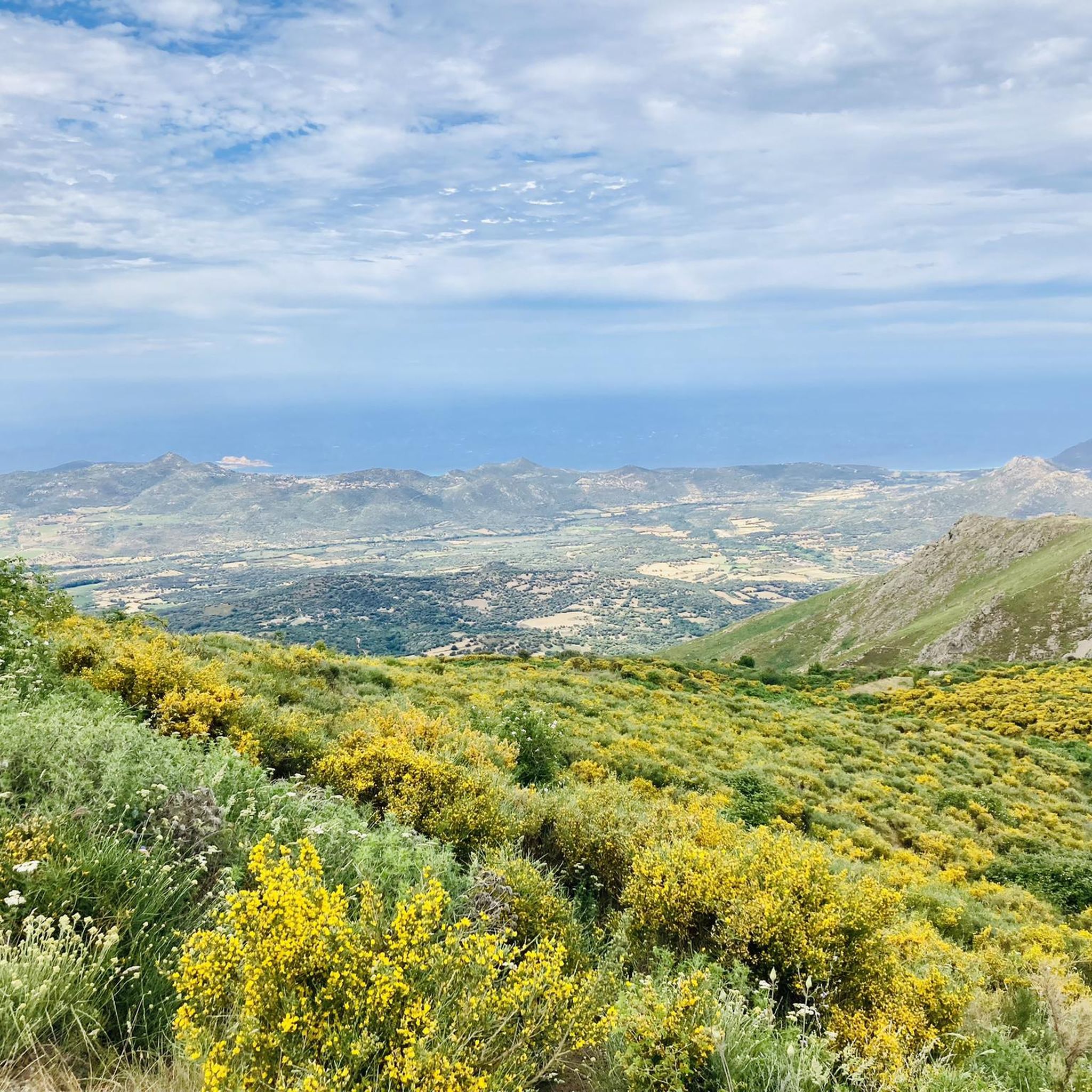
La Bocca di Stagnu is an emblematic passage on the GR 20. This pass perched at an altitude of 2,003 meters offers spectacular viewpoints. In particular, you can see the two superb points of Bocca Culaghia and Punta Culaghia as well as the station of Asco below.
1
1
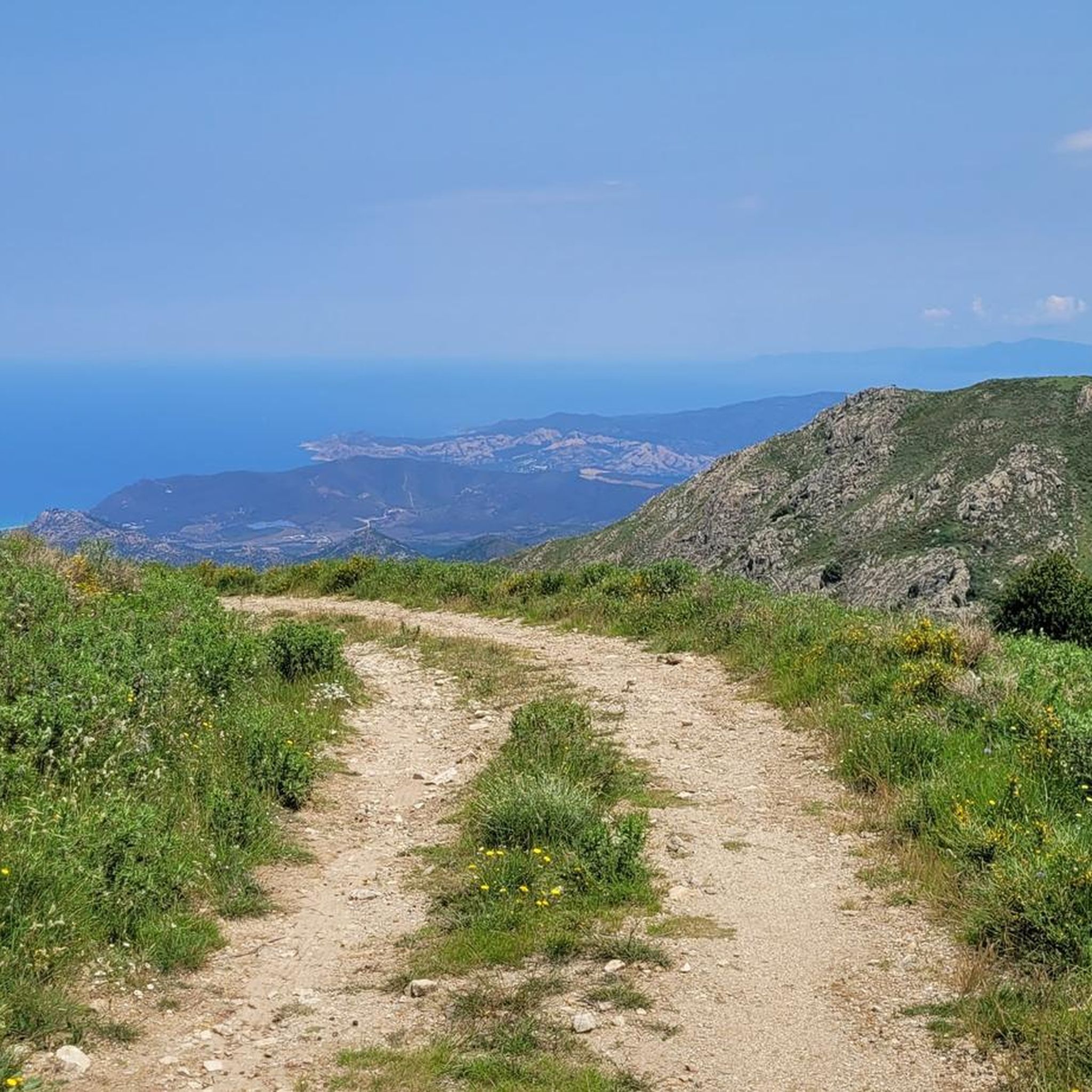
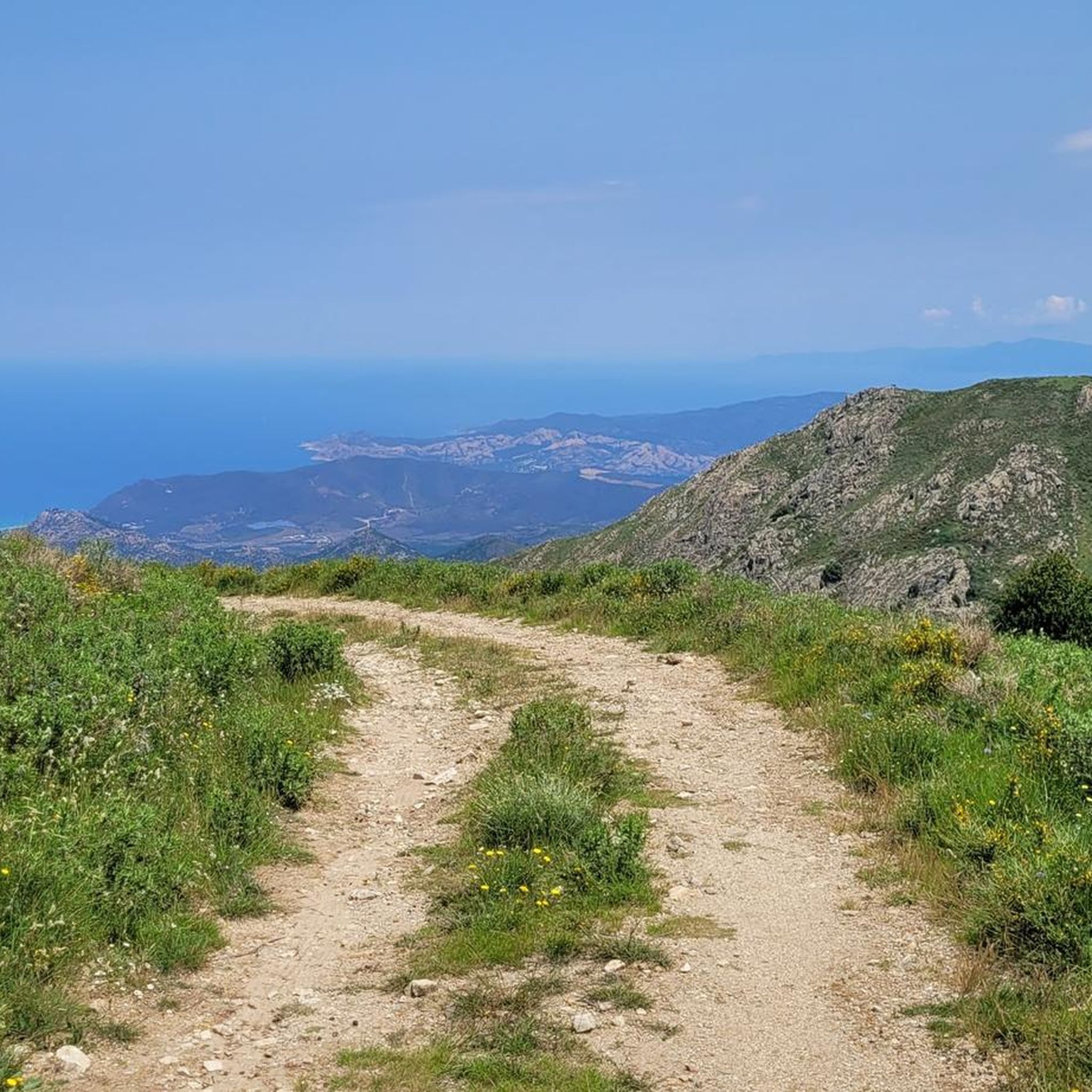
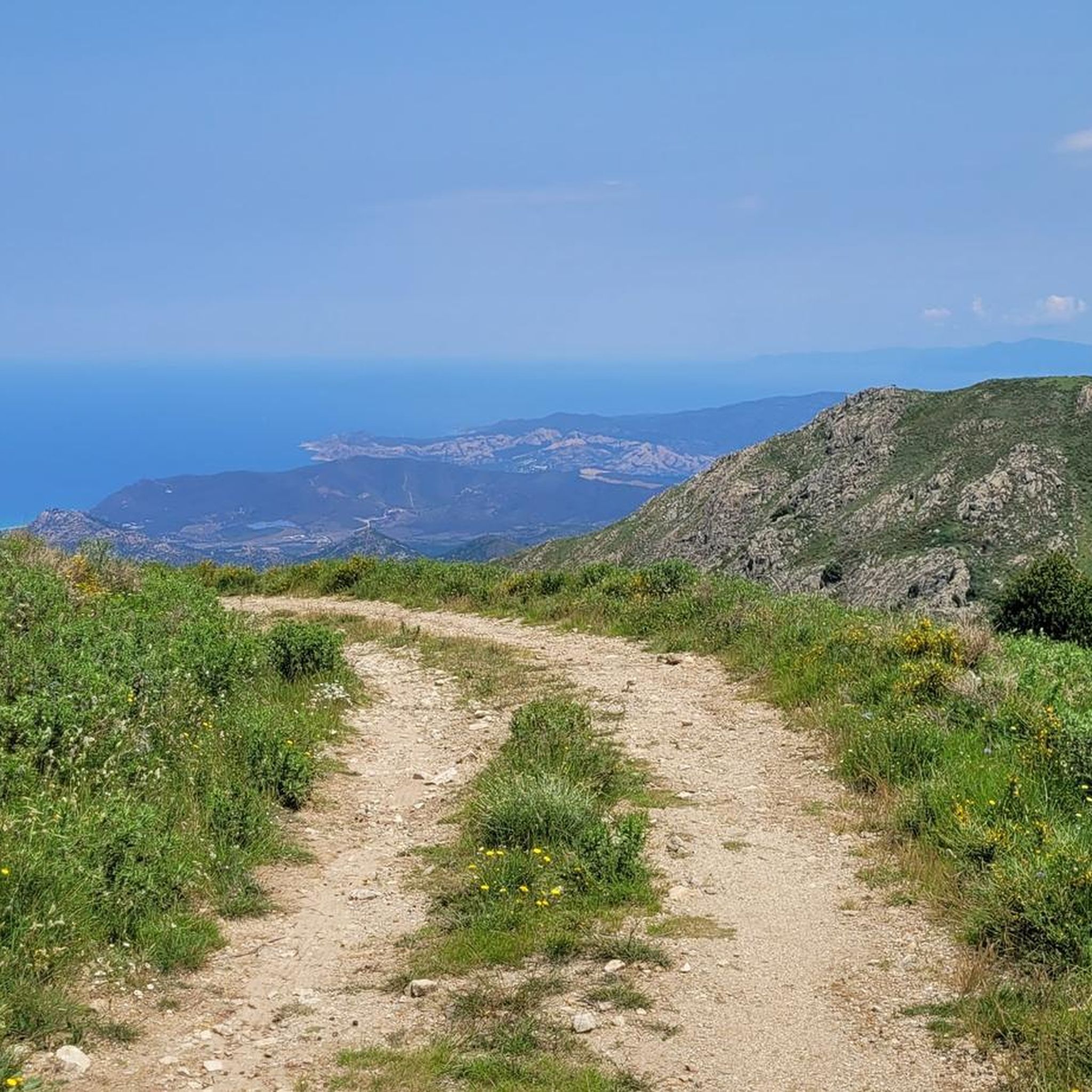
Located at an altitude of 1,950 meters, this mountain pass offers magnificent views of the Cirque de Bonifatu in a very rocky mountain setting.
1
0

Translation of the explanation board: Erected at an altitude of 1100 meters between the Col de Battaglia and the Col de Croce Dolu, the Peace Sculpture, inaugurated on August 14, 1999, represents mutual aid and solidarity, symbolized by five hands - the five continents - united for peace. Realized from the drawing by Arnaud CASANOVA of the Porticcio school, winner of the Corsican schools competition "1,2,3... it's up to you to play - to draw - to peace". It was made in the Brando Quarry by the sculptors Anne-Marie Moretti, Andros, Dom, Pierre Pardon and Mario Sabaty. From its location we discover the Ghjunsani, the mountains, the Balagne, the sea and the horizon, a symbol of interiority and openness.
1
1

The lake is beautiful. Enjoy the calm and the atmosphere before the big climb to the pass. Watch out for neves.
1
0
Frequently Asked Questions
What are some unique natural monuments to explore near Pioggiola?
Beyond the well-known spots, you can discover the dramatic landscapes of the Stagnu Pass, perched at 2,003 meters, offering spectacular views of the surrounding peaks. Another unique experience is the Natural Pools and Rock Slides in Parc Naturel Régional de Corse, perfect for a refreshing dip in crystal-clear waters under tall pine trees. For a blend of nature and history, explore the Forcili Heritage Trail right in Pioggiola, which leads through an ancient hamlet and past one of the region's oldest oak trees.
Are there any UNESCO World Heritage sites among the natural monuments near Pioggiola?
Yes, the region boasts two stunning UNESCO World Heritage sites. The Scandola Nature Reserve, a protected marine and terrestrial area of volcanic origin, features dramatic red porphyry cliffs and rich biodiversity, best explored by boat. Additionally, the Calanques de Piana are renowned for their spectacular pink and red granite formations sculpted by nature, offering breathtaking coastal views, especially at sunset.
What natural features can I see around Pioggiola?
The area around Pioggiola offers a diverse range of natural features. You can witness the unique 'pozzine' (spongy grassy areas and pools) and semi-wild horses at Lac de Nino, or the dramatic cliffs and turquoise pools of the Gorges de la Restonica. The Désert des Agriates, despite its name, features vast maquis-covered valleys and pristine white sandy beaches like Lotu and Saleccia. For a different experience, the Bonifatu Forest provides lush woodlands and trails.
Are there family-friendly natural attractions near Pioggiola?
Absolutely. The Natural Pools and Rock Slides in Parc Naturel Régional de Corse are ideal for families, offering refreshing swimming spots and natural slides. The Bonifatu Forest also provides accessible trails suitable for all ages. Lac de Nino, with its relatively easy hiking trails and the chance to see wild horses, is another excellent family-friendly destination.
What outdoor activities can I do near these natural monuments?
The region around Pioggiola is perfect for outdoor enthusiasts. You can enjoy hiking to mountain lakes like Lac de Melo and Lac de Capitello in the Gorges de la Restonica, or explore the Désert des Agriates by 4x4, hiking, or cycling. For specific routes, komoot offers various options, including hiking trails, running routes, and road cycling routes around Pioggiola.
Are there historical sites among the natural monuments?
Yes, several natural monuments also hold historical significance. The Genoese Bridge of Asco is a notable historical construction that also serves as a popular swimming spot. The Forcili Heritage Trail in Pioggiola itself offers a glimpse into the region's agro-pastoral past, featuring vestiges of old agricultural lands and another Genoese bridge.
What is the best way to experience the Désert des Agriates?
The Désert des Agriates, with its wild landscapes and stunning beaches, can be explored in several ways. You can take a boat trip to access its pristine white sandy beaches like Lotu and Saleccia, or venture through its rocky terrain by 4x4. Hiking along coastal trails or cycling are also popular options for experiencing its raw beauty and unique ecosystem.
What do visitors enjoy most about the natural monuments around Pioggiola?
Visitors particularly appreciate the breathtaking views from high-altitude spots like the Stagnu Pass, often described as offering 'spectacular viewpoints.' The refreshing, crystal-clear waters of the Natural Pools and Rock Slides are a favorite for cooling down on hot days. The historical charm and inviting swimming opportunities at the Genoese Bridge of Asco are also highly praised by the komoot community.
What are some scenic viewpoints near Pioggiola's natural monuments?
For panoramic vistas, the Stagnu Pass at 2,003 meters offers extensive views of surrounding peaks and valleys, including Bocca Culaghia and Punta Culaghia. The Peace Sculpture, located at 1100 meters, provides a wide perspective of the Ghjunsani, mountains, Balagne, and the sea. Lac de Nino also offers stunning panoramic views of Corsica's highest peaks, such as Monte Cinto and Monte Rotondo.
What is the best time to visit the natural monuments around Pioggiola?
The best time to visit largely depends on your preferred activities. Spring (April-May) offers vibrant wildflowers, pleasant temperatures for hiking, and less crowded trails. Summer (June-August) is ideal for swimming in the natural pools and coastal areas, though popular spots can be busy. Autumn (September-October) provides cooler weather for hiking and stunning fall foliage, particularly in forested areas like the Gorges de la Restonica.
Are there any natural monuments accessible by public transport?
While many natural monuments in Corsica are best reached by car, some areas, particularly larger towns like Corte (near Gorges de la Restonica), have bus services. However, direct public transport to the specific natural monument sites themselves can be limited. It's advisable to check local transport schedules or consider car rental for greater flexibility in exploring the region's natural beauty.
Can I find cafes or restaurants near the natural monuments?
While many natural monuments are in wild, undeveloped areas, you can often find amenities in nearby villages or at the start of popular trails. For instance, there's a restaurant at the end of the valley in the Bonifatu Forest (note: cash only). Towns like Corte, near the Gorges de la Restonica, offer various dining options. It's always a good idea to pack snacks and water, especially for longer excursions into more remote areas.
Most popular attractions around Pioggiola

Get inspired with the komoot mobile app


Explore more
Extend your search for the best caves by checking out these guides of the top ones around Pioggiola:
