Top 7 Natural Monuments around Costa
Best natural monuments around Costa offer diverse landscapes for exploration. The region features a variety of natural formations, from unique rock sculptures to ancient trees and scenic viewpoints. These sites provide opportunities to observe geological features and local flora. Visitors can experience the natural environment through accessible trails and viewpoints.
Best natural monuments around Costa
- The most popular natural monuments is Sculpted Rocks of the Fiume Tavignano, a natural monument that features large rocks rounded by stream erosion over…
Last updated: May 4, 2026
Peace Sculpture
Highlight • Monument
Erected at an altitude of 1100 meters between the Col de Battaglia and the Col de Croce Dolu, the Peace Sculpture, inaugurated on August 14, …
Translated by Google •
Tip by

View of La Pietra Island
Highlight • Viewpoint
Translated by Google •
Tip by

Sign up now to discover places like this
Get recommendations on the best single tracks, peaks, & plenty of other exciting outdoor places.
Sign up for free
Tartagine Valley
Highlight (Segment) • Gorge
Translated by Google •
Tip by

Sculpted Rocks of the Fiume Tavignano
Highlight • Natural Monument
Translated by Google •
Tip by
Ancient Holm Oak of Balagne
Highlight • Natural Monument
Translated by Google •
Tip by

Sign up for free to discover even more natural monuments around Costa.
Sign up for free
Already have an account?
Start today with a free account
Your next adventure awaits.
Login or Signup
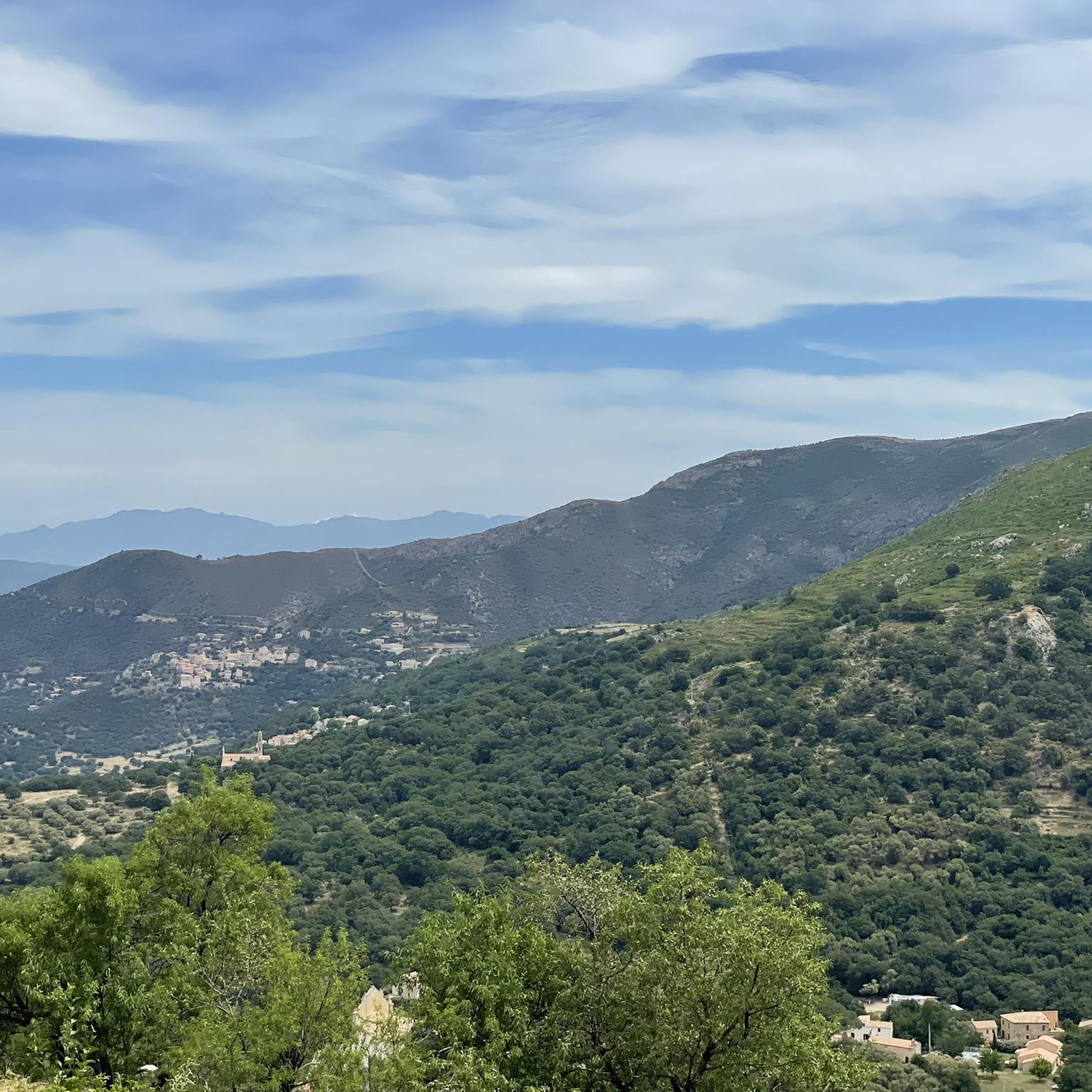
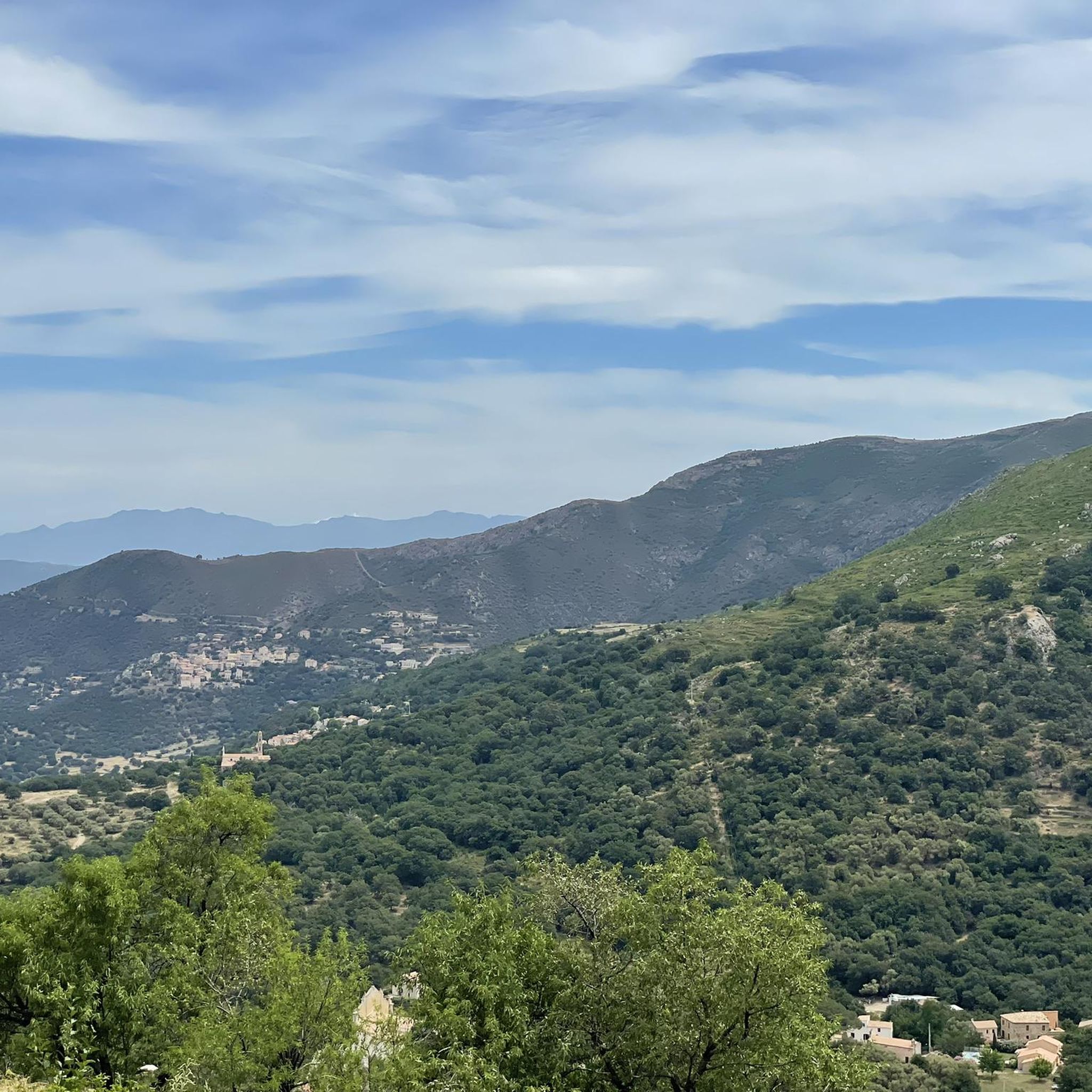
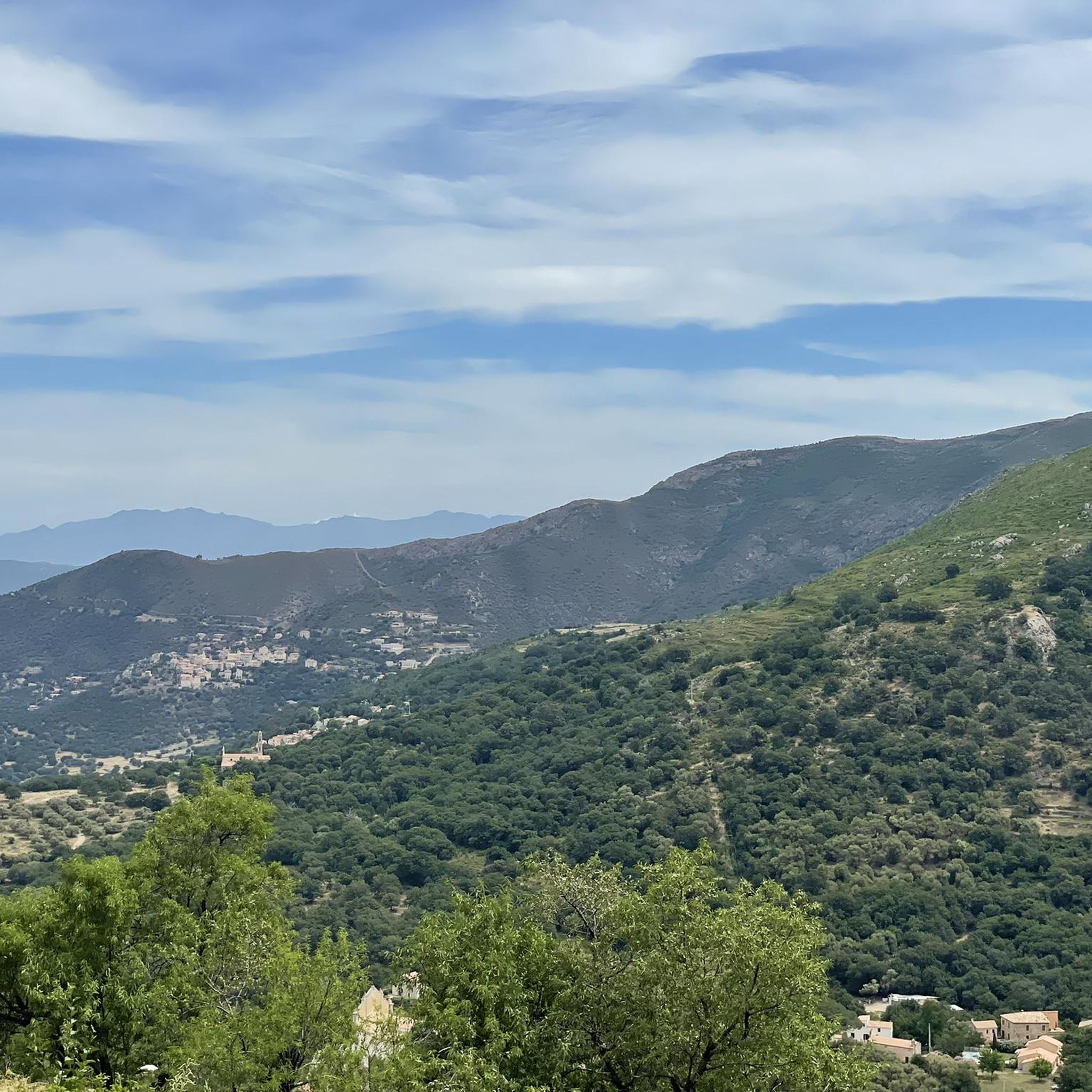
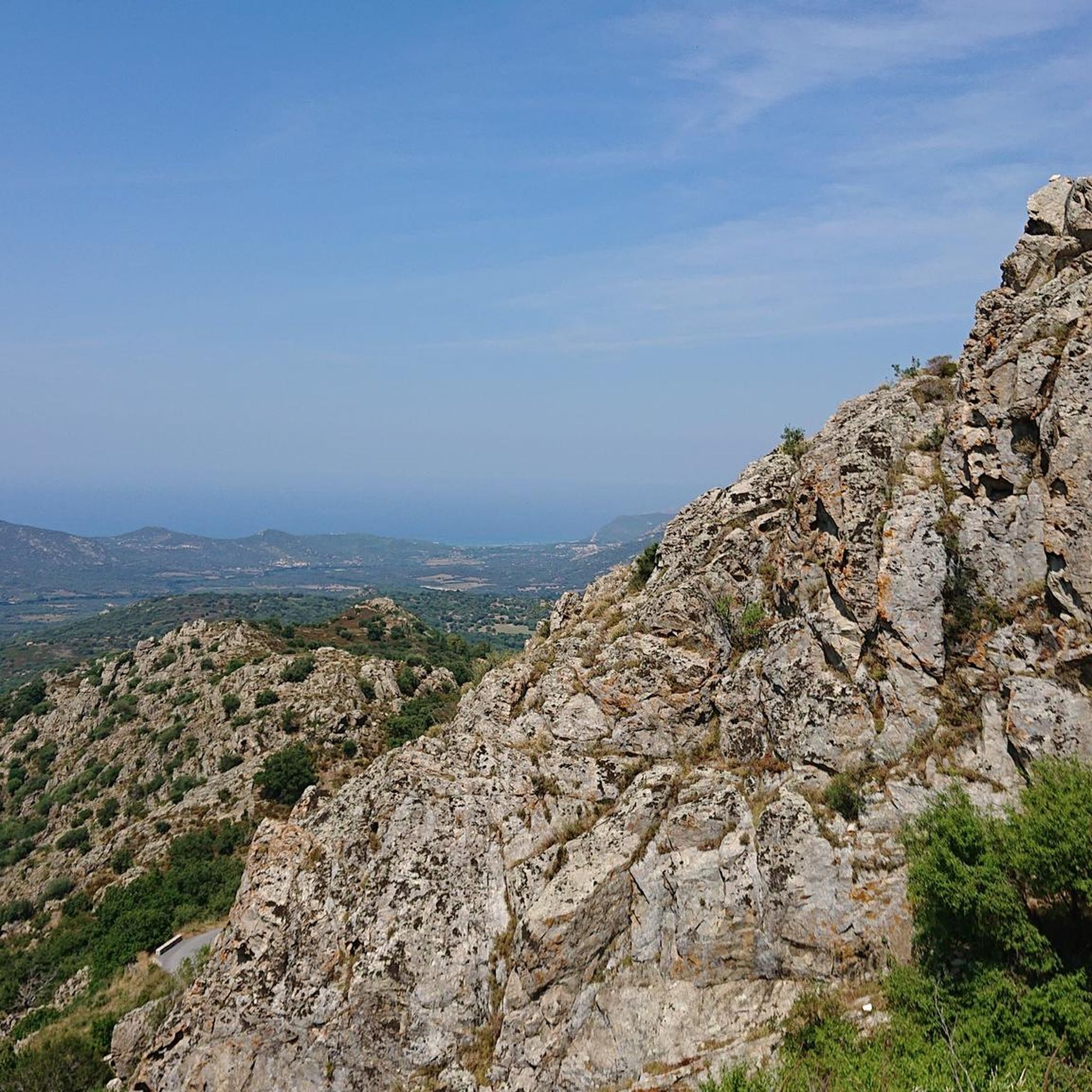
Tips from the Community

The former fishing village was expanded into a trading port with city fortifications by Pascal Paoli in 1759 during the Corsican Republic in order to have a Corsican port opposite Calvi, which was still Genoese at the time. The late founding of the town is still clearly visible due to the division of the town area into regular street squares. The official language was Italian until 1848.
1
1
The region has been inhabited since the 5th to 3rd millennium BC. Around 1000 BC, the town of Agila existed there, which was dependent on the city of Tyros (Phoenicia). The Romans maintained a base called Rubico Rocega at this location during their rule over Corsica until the 4th century AD. After that, the current urban area was almost uninhabited except for a few fishermen and farmers due to its proximity to the coast and the resulting vulnerability to enemy attacks. It was not until the 16th century that residents of the nearby town of Santa-Reparata-di-Balagna opened the first shops near the coast for trade with neighboring communities by sea.
1
0
L’Île-Rousse got its name from the red porphyry rocks in front of the harbor entrance – the Île de la Pietra. This island is now connected to the island of Corsica by a causeway.
1
0
L’Île-Rousse is an attractive town with buildings full of charm, but above all because of the Pietra Islands. These colorful rocky islands seem to guide the boats to the coast. Here are all our tips on how to get to the La Pietra peninsula (now that there is a road) and climb up to the Genoese tower and the La Pietra lighthouse.
1
1

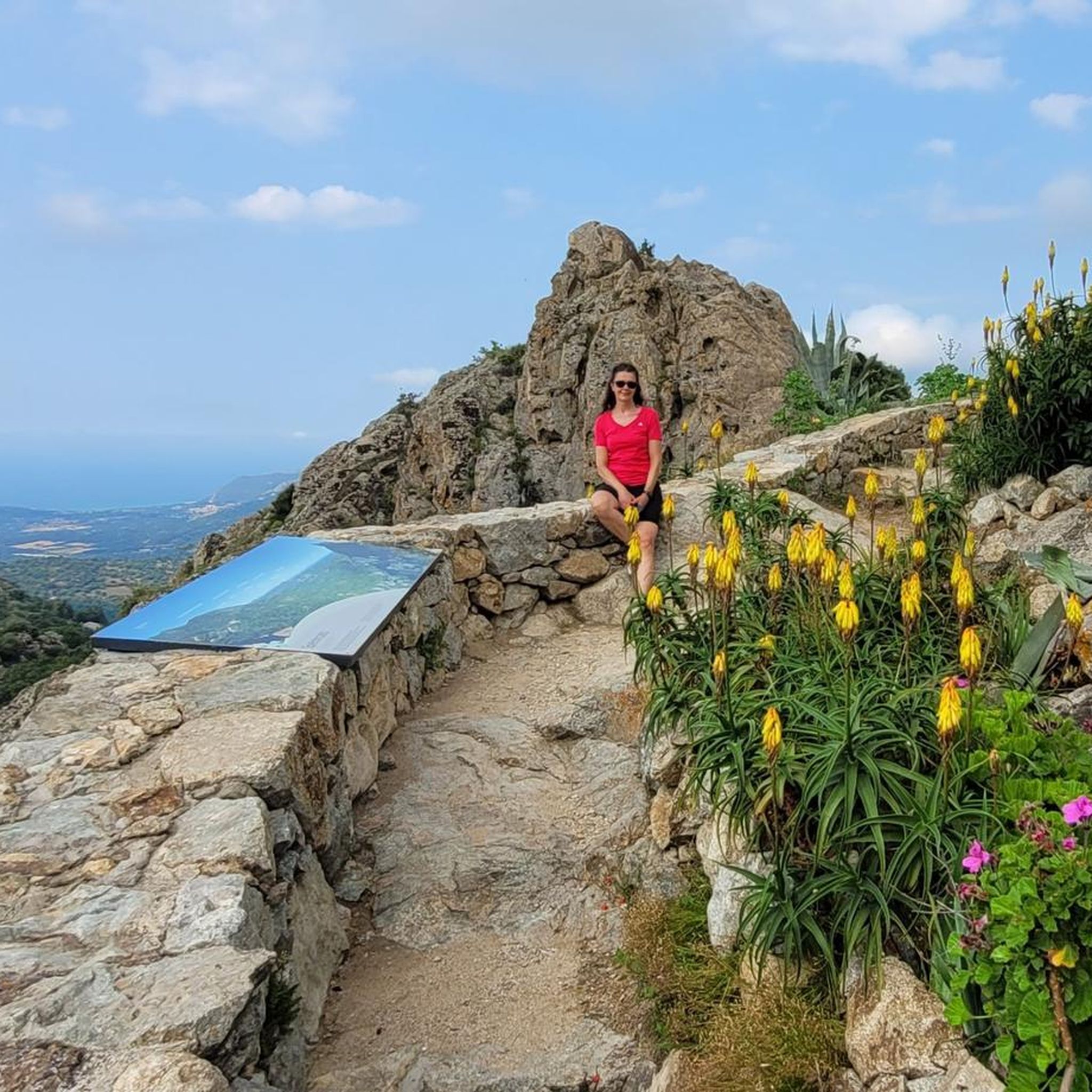
Translation of the explanation board: Erected at an altitude of 1100 meters between the Col de Battaglia and the Col de Croce Dolu, the Peace Sculpture, inaugurated on August 14, 1999, represents mutual aid and solidarity, symbolized by five hands - the five continents - united for peace. Realized from the drawing by Arnaud CASANOVA of the Porticcio school, winner of the Corsican schools competition "1,2,3... it's up to you to play - to draw - to peace". It was made in the Brando Quarry by the sculptors Anne-Marie Moretti, Andros, Dom, Pierre Pardon and Mario Sabaty. From its location we discover the Ghjunsani, the mountains, the Balagne, the sea and the horizon, a symbol of interiority and openness.
1
1
Over thousands of years, small stones rotating in the stream have rounded the large rock and created a lying sculpture with appealing, soft shapes. At low tide it even serves as a walk-in work of art.
0
0


An approximately 800 year old holm oak of remarkable dimensions - the largest in the Balagne (?) With 24 main branches.
5
0
Frequently Asked Questions
Which natural monuments are most popular in Costa?
Among the most appreciated natural monuments in Costa are the Sculpted Rocks of the Fiume Tavignano, known for their unique shapes formed by stream erosion. Another highly rated spot is the View of La Pietra Island, offering scenic coastal vistas and historical context. The Ancient Holm Oak of Balagne is also a significant attraction, recognized for its impressive age and size.
Are there family-friendly natural monuments in Costa?
Yes, several natural monuments in Costa are suitable for families. The View of La Pietra Island is considered family-friendly, offering accessible views and a causeway connecting it to the mainland. The Ancient Holm Oak of Balagne, with its remarkable size and age, is also a great spot for families to visit and appreciate nature.
What unique geological features can I see in Costa's natural monuments?
Costa's natural monuments showcase distinct geological formations. The Sculpted Rocks of the Fiume Tavignano are a prime example, featuring large rocks rounded by thousands of years of stream erosion, creating a 'walk-in sculpture' at low tide. Additionally, La Pietra Island is notable for its striking red porphyry rocks.
What kind of natural landscapes can I explore in Costa?
The region of Costa offers a diverse range of natural landscapes. You can explore riverine environments with unique rock formations like the Sculpted Rocks of the Fiume Tavignano. There are also scenic coastal viewpoints such as the View of La Pietra Island, and lush forest areas, including the ancient trees like the Ancient Holm Oak of Balagne and the wild macchia and pasture lands of the Tartagine Valley.
Are there historical sites near the natural monuments in Costa?
Yes, the View of La Pietra Island is not only a natural monument but also a historical site. The region around L’Île-Rousse has been inhabited since ancient times, with Roman presence and later the development of trade. You can find a Genoese tower and a lighthouse on the La Pietra peninsula, reflecting its rich history.
What outdoor activities can I do near Costa's natural monuments?
The area around Costa's natural monuments is excellent for various outdoor activities. You can enjoy gravel biking on routes like the 'View of San Antonino – View of Corbara loop from Muro' or road cycling on the 'Balagne Villages and Bocca di Battaglia Loop'. There are also MTB trails, including 'Reginu – 248-1'. For more details on routes, visit the guide to outdoor activities around Costa.
Are there hiking trails near these natural monuments?
While specific hiking trails directly within the natural monuments are not detailed, the region offers numerous opportunities for walking and exploring. The Sculpted Rocks of the Fiume Tavignano can be explored as a walk-in sculpture at low tide. The View of La Pietra Island offers paths to the Genoese tower and lighthouse. For more structured routes, you can find various cycling and MTB trails in the broader area, which often include scenic sections suitable for walking, as detailed in the guide to outdoor activities around Costa.
What are the difficulty levels of routes near Costa's natural monuments?
The routes available near Costa's natural monuments vary in difficulty. For gravel biking, you can find routes ranging from 'moderate' to 'difficult'. Road cycling also offers 'moderate' to 'difficult' options, such as the 'Balagne Villages and Bocca di Battaglia Loop'. MTB trails include 'easy' options like 'Reginu – 248-1', as well as 'moderate' and 'difficult' trails. Always check the specific route details for the most accurate difficulty assessment.
What do visitors enjoy most about the natural monuments in Costa?
Visitors particularly enjoy the unique natural formations, such as the appealing, soft shapes of the Sculpted Rocks of the Fiume Tavignano. The scenic views, especially from the View of La Pietra Island, are highly appreciated. The tranquility and diverse landscapes of areas like the Tartagine Valley, with its wild macchia and pastures, also leave a lasting impression.
Can I find ancient trees or forests among Costa's natural monuments?
Yes, Costa is home to remarkable ancient trees. The Ancient Holm Oak of Balagne is a significant natural monument, estimated to be approximately 800 years old and notable for its impressive dimensions and 24 main branches. Additionally, the Tartagine Valley features extensive forest areas with wild macchia.
Are there viewpoints to enjoy panoramic scenery in Costa?
Absolutely. The View of La Pietra Island is a prominent viewpoint offering stunning vistas of the sea and coastline. The Sculpted Rocks of the Fiume Tavignano also provide a unique perspective of the river landscape. Even the Peace Sculpture, located at an altitude of 1100 meters, offers panoramic views of the Ghjunsani, mountains, Balagne, and the sea.
Most popular attractions around Costa

Get inspired with the komoot mobile app


Explore more
Extend your search for the best caves by checking out these guides of the top ones around Costa:
