Top 6 Natural Monuments around Saint-André-Des-Eaux
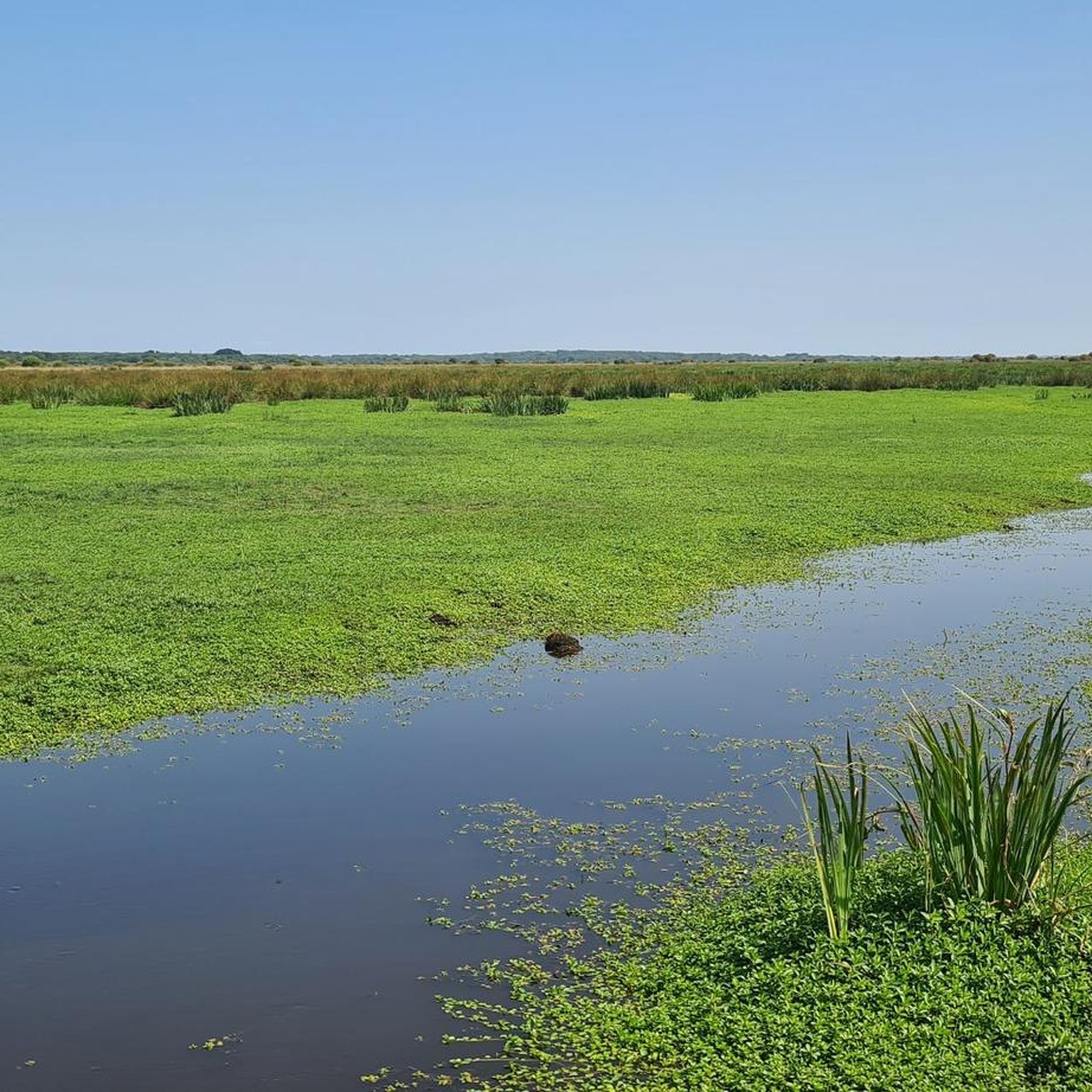
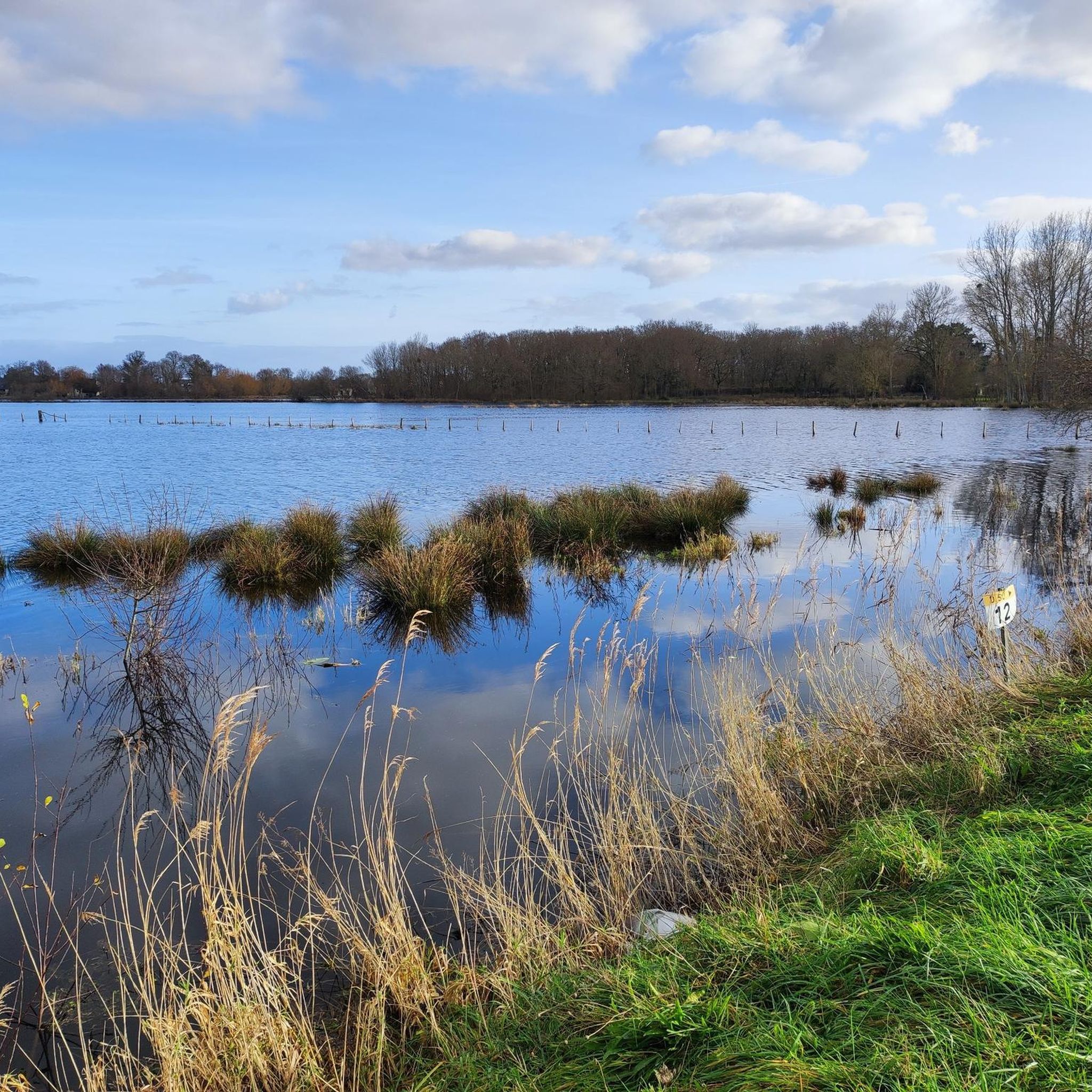
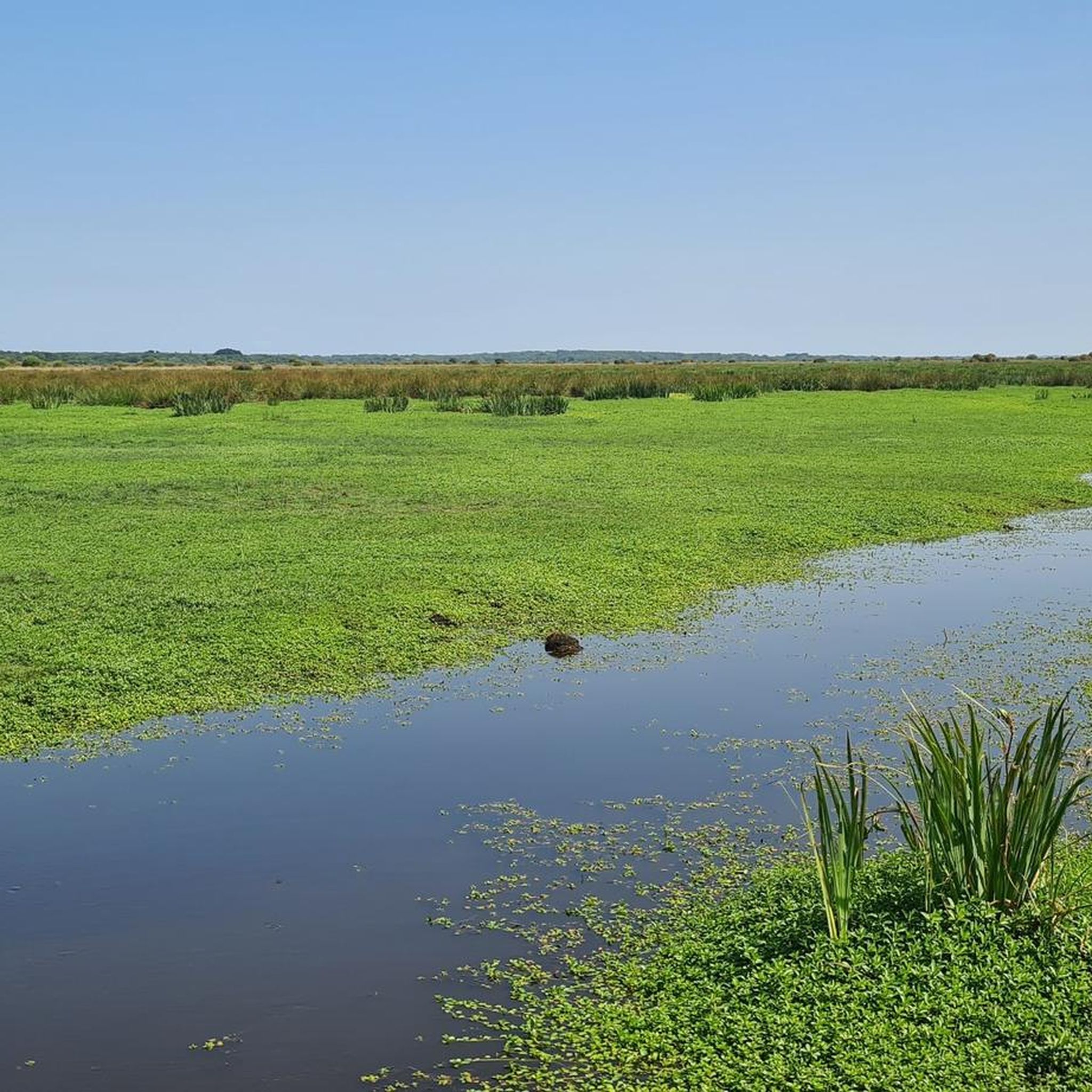
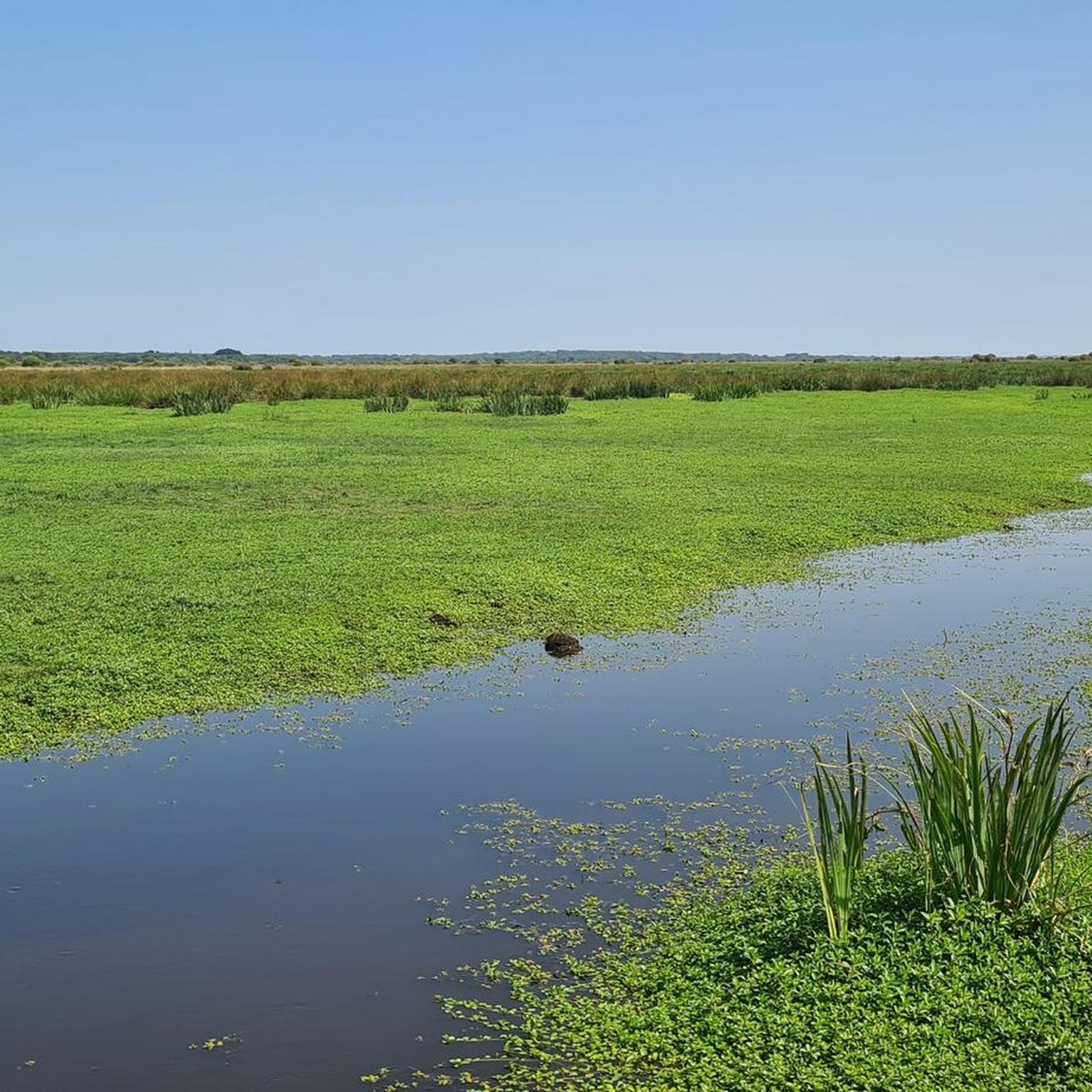
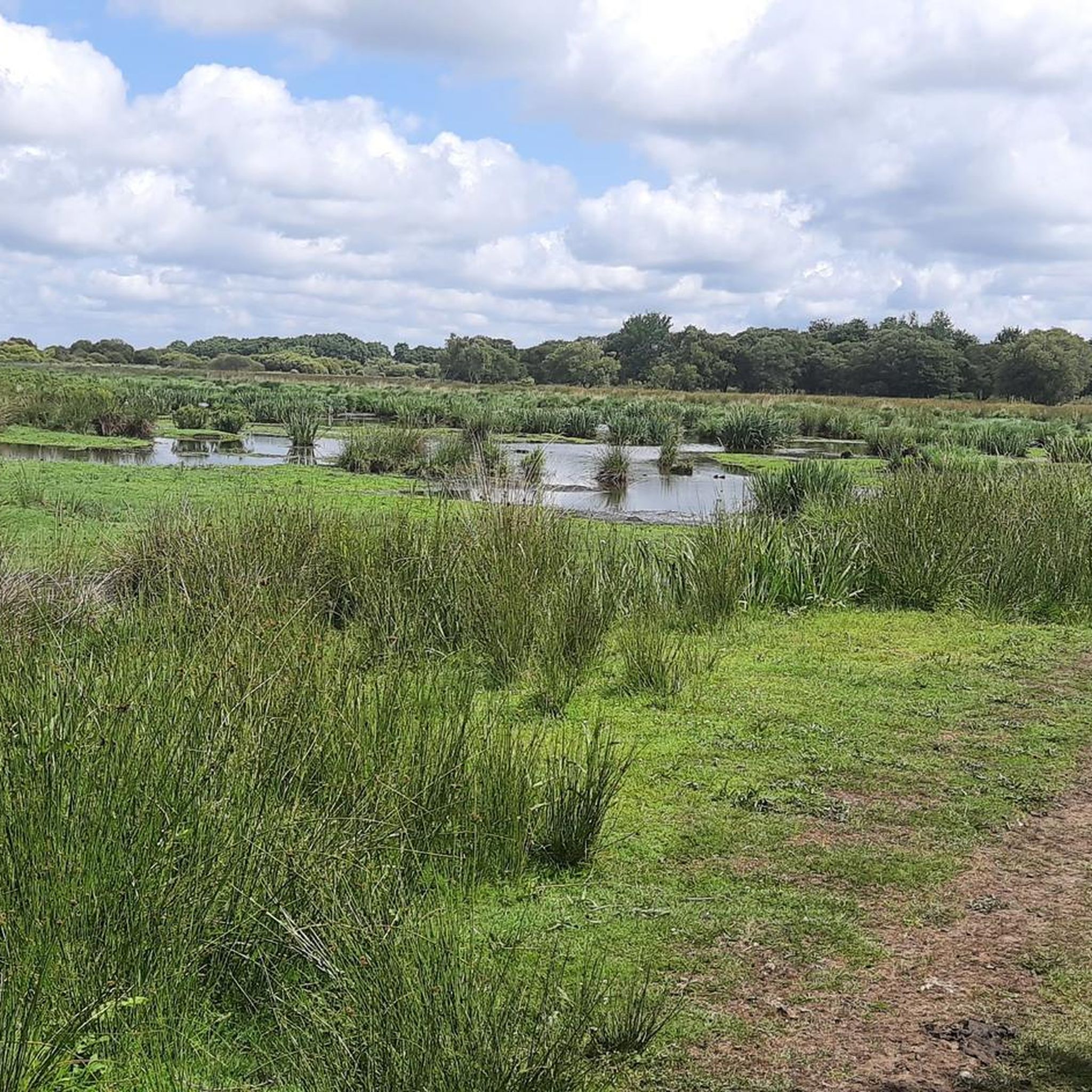
Best natural monuments around Saint-André-Des-Eaux are found within the Brière Regional Natural Park, a significant wetland area known for its extensive marshes and canals. This region offers a rich tapestry of natural beauty and ecological importance, making it a prime destination for nature enthusiasts. Visitors can explore a diverse landscape characterized by wetlands, bocage, and traditional waterways. The area provides opportunities to observe local wildlife, particularly birds, and experience the marshland environment through various activities.
Best natural monuments around Saint-André-Des-Eaux
…Last updated: June 18, 2026
Tumulus of Dissignac
Highlight • Historical Site
Translated by Google •
Tip by

Guérande Salt Marshes
Highlight • Structure
Tip by

Sign up now to discover places like this
Get recommendations on the best single tracks, peaks, & plenty of other exciting outdoor places.
Sign up for free
Dolmens of Kerbourg
Highlight • Historical Site
Translated by Google •
Tip by

Port of Bréca
Highlight • Natural Monument
We tested them on May 20. It was just awful!
You had to push our bikes in several places where …
Translated by Google •
Tip by

Chemoulin Point
Highlight • Viewpoint
Translated by Google •
Tip by

Sign up for free to discover even more natural monuments around Saint-André-Des-Eaux.
Sign up for free
Already have an account?
Start today with a free account
Your next adventure awaits.
Login or Signup

Tips from the Community

This megalithic tomb, built around 4300 BC, is the oldest monument in Loire Atlantique, dating back over 6,000 years.
0
0


Actually, it's more of an allée couverte—but I don't even want to know what Komoot translates into. Fifty meters further on, there's a second collapsed dolmen.
1
0

Impressive dimensions. It is hidden away in a dead end street and absolutely worth seeing. In the immediate vicinity there is another dolmen, a pretty old mill and great little houses with thatched roofs.
0
0

Worth seeing dolmen. Just follow the path from the road 150m. After another 50m there is another "fallen" dolmen on the left side.
0
0

This 6,000-year-old Neolithic burial mound is worth a visit. It is open for guided tours in July and August, if there is something you want to do after your run is over.
2
0
This 6000 year old Neolithic burial mound is worth a visit. Open for guided tours in July and August.
2
0

Discovered in 1873, the Dissignac Tumulus is a burial mound five kilometers west of Saint-Nazaire in the Loire-Atlantique department in the Pays de la Loire region of France. It covers two dolmens with parallel corridors, each eleven meters long. (@wikipedia)
1
0
Frequently Asked Questions
What are the best natural monuments for families around Saint-André-Des-Eaux?
Many natural monuments in the area are family-friendly. The Guérande Salt Marshes offer a unique landscape to explore, while the Port of Bréca serves as a gateway to the Brière marshes, where you can embark on traditional boat trips. The Chemoulin Point provides stunning coastal views that families can enjoy. Additionally, the Pierre Constant Site – Brière Marsh Nature Reserve is excellent for birdwatching, though guided access might be required.
Where can I find good hiking trails near the natural monuments?
The Brière Regional Natural Park offers numerous opportunities for hiking. You can find a variety of routes, including easy and moderate options, starting from places like Port de Tréhé or Port of La Chaussée Neuve. For detailed routes and maps, explore the Hiking around Saint-André-Des-Eaux guide, which includes trails like the 'Nice trail – View of the Brière Wetlands loop'.
What kind of wildlife can I expect to see in the Brière Regional Natural Park?
The Brière Regional Natural Park is a crucial habitat for diverse wildlife, especially birds. You can observe a wide array of migratory and breeding birds, including herons, egrets, and bluethroats. The Pierre Constant Site – Brière Marsh Nature Reserve is particularly noted as an observatory for birds, so remember to bring binoculars!
Are there any historical natural monuments in the area?
Yes, the Tumulus of Dissignac is a significant historical natural monument. This megalithic tomb dates back 6,000 years, making it one of the oldest sites in the region. Guided tours are available, typically in July and August, to explore this Neolithic burial mound.
What are the best viewpoints to experience the natural beauty of the region?
For panoramic coastal views, Chemoulin Point offers a spectacular 180° vista of the coast and surrounding area, including water-tossed rocks and picturesque bays. Within the Brière marshes, the Pierre Constant Site – Brière Marsh Nature Reserve provides excellent vantage points for observing the wetland landscape and its birdlife.
Can I cycle around the natural monuments in Saint-André-Des-Eaux?
Absolutely! The region is well-suited for cycling, with routes that take you through the unique landscapes of the Brière. You can find various cycling tours, from easy to moderate, in the Cycling around Saint-André-Des-Eaux guide. Options include loops around Port de Tréhé and Port of La Chaussée Neuve, or longer rides like the 'Beautiful section of the Vélocéan – Guérande Ramparts loop'.
What is the best time to visit the Brière Regional Natural Park?
The Brière Regional Natural Park is beautiful year-round, but spring and autumn are particularly good for birdwatching due to migration. Summer offers pleasant weather for boat trips and outdoor activities, though some trails might be muddy outside of peak season. Always check local conditions before your visit.
What unique natural features define the Saint-André-Des-Eaux area?
The area is primarily defined by the extensive wetlands and marshes of the Brière Regional Natural Park, the second largest in France. These include a network of canals, traditional waterways, and bocage landscapes. The Guérande Salt Marshes also represent a significant and historically rich wetland feature.
Are there opportunities for traditional boat trips to explore the marshes?
Yes, traditional flat-bottomed boat (chaland) rides are a popular and authentic way to explore the Brière marshes. Key starting points for these excursions include Port de la Chaussée Neuve and Port de Tréhé, offering a serene perspective of the marshland environment and its unique ecosystem.
What do visitors enjoy most about the natural monuments here?
Visitors frequently appreciate the tranquility and unique biodiversity of the region. The opportunity to observe a wide array of local wildlife, particularly birds, is a major draw. The variety of ways to explore, from traditional boat trips to hiking and cycling, and the serene marshland environment, are also highly valued.
Are there any natural monuments that are less known but worth discovering?
While the entire Brière Regional Natural Park is a treasure, exploring areas like Marais et Bocage (Le Bois Marland) and Terre Brière can offer a more untamed experience of the marshes. These spots are excellent for deeper promenades and hikes, allowing you to delve into the diverse landscapes away from the more frequented ports.
Most popular routes around Saint-André-Des-Eaux
Most popular attractions around Saint-André-Des-Eaux

Get inspired with the komoot mobile app


Explore more
Extend your search for the best caves by checking out these guides of the top ones around Saint-André-Des-Eaux:
