Top 4 Natural Monuments around Miramas
Best natural monuments around Miramas showcase a landscape shaped by both natural processes and historical human activity. The region features varied ecosystems, from rewilded industrial sites to elevated viewpoints offering extensive panoramas. These areas provide opportunities to observe distinct Mediterranean flora and fauna, alongside remnants of historical structures. Miramas's natural settings are characterized by their ecological diversity and scenic vistas.
Best natural monuments around Miramas
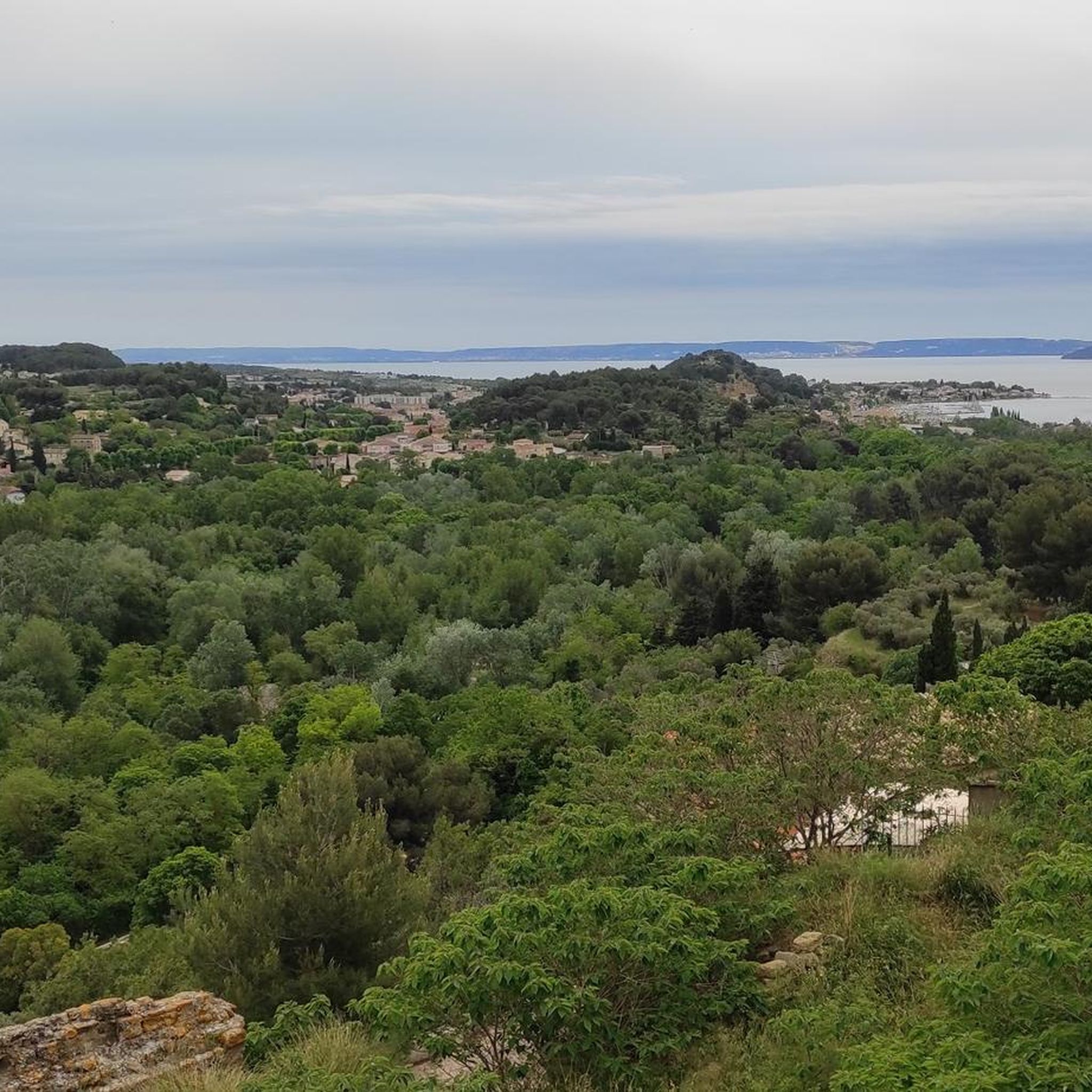
- The most popular natural monuments is Château Virant Rock, a viewpoint that offers splendid…
Last updated: July 2, 2026
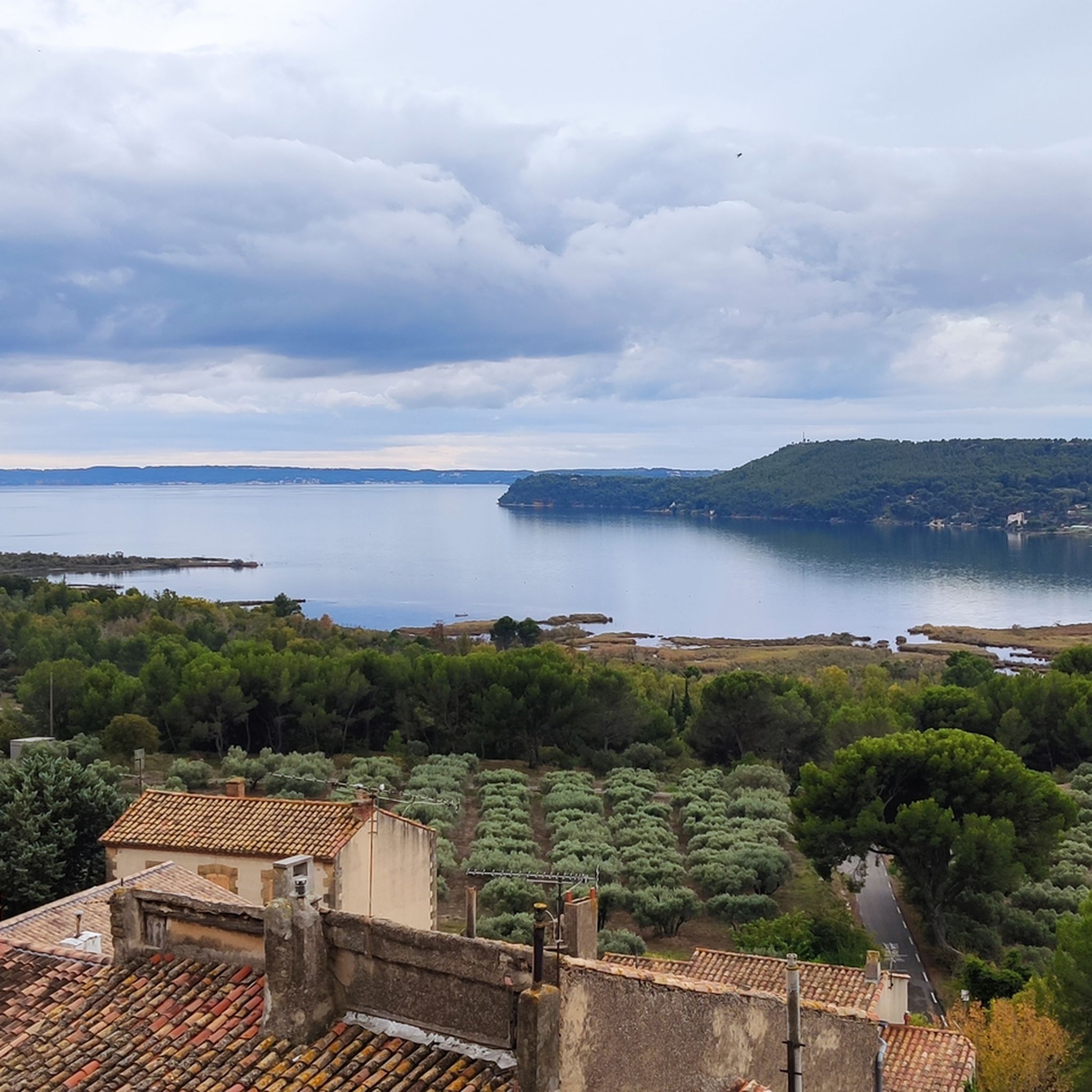
Château Virant Rock
Highlight • Viewpoint
Translated by Google •
Tip by

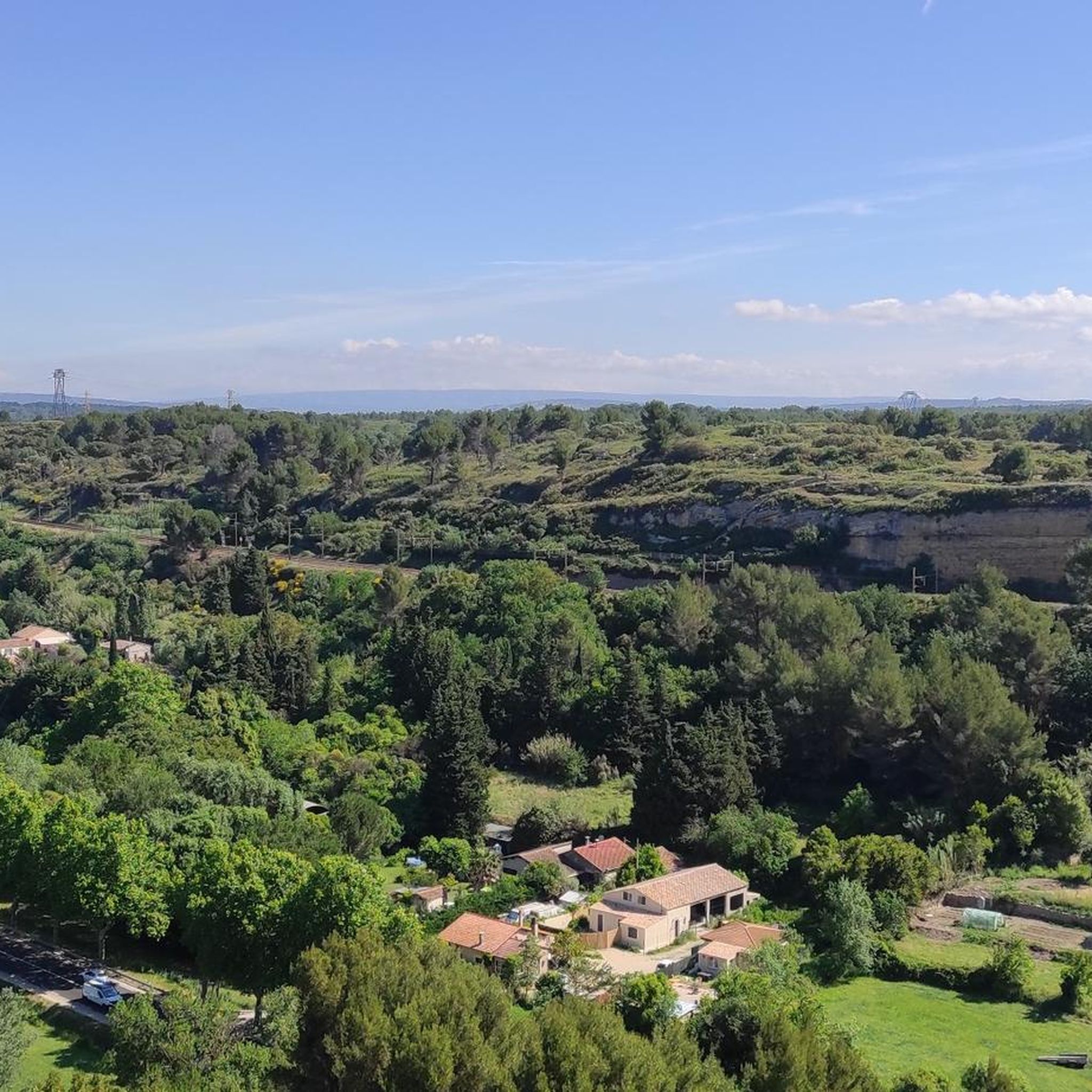
Traversing Cave of the Eyguières Climbing Site
Highlight • Cave
Translated by Google •
Tip by
Sign up now to discover places like this
Get recommendations on the best single tracks, peaks, & plenty of other exciting outdoor places.
Sign up for free
Bald cypress knees at Parc de la Poudrerie
Highlight • Natural Monument
Translated by Google •
Tip by
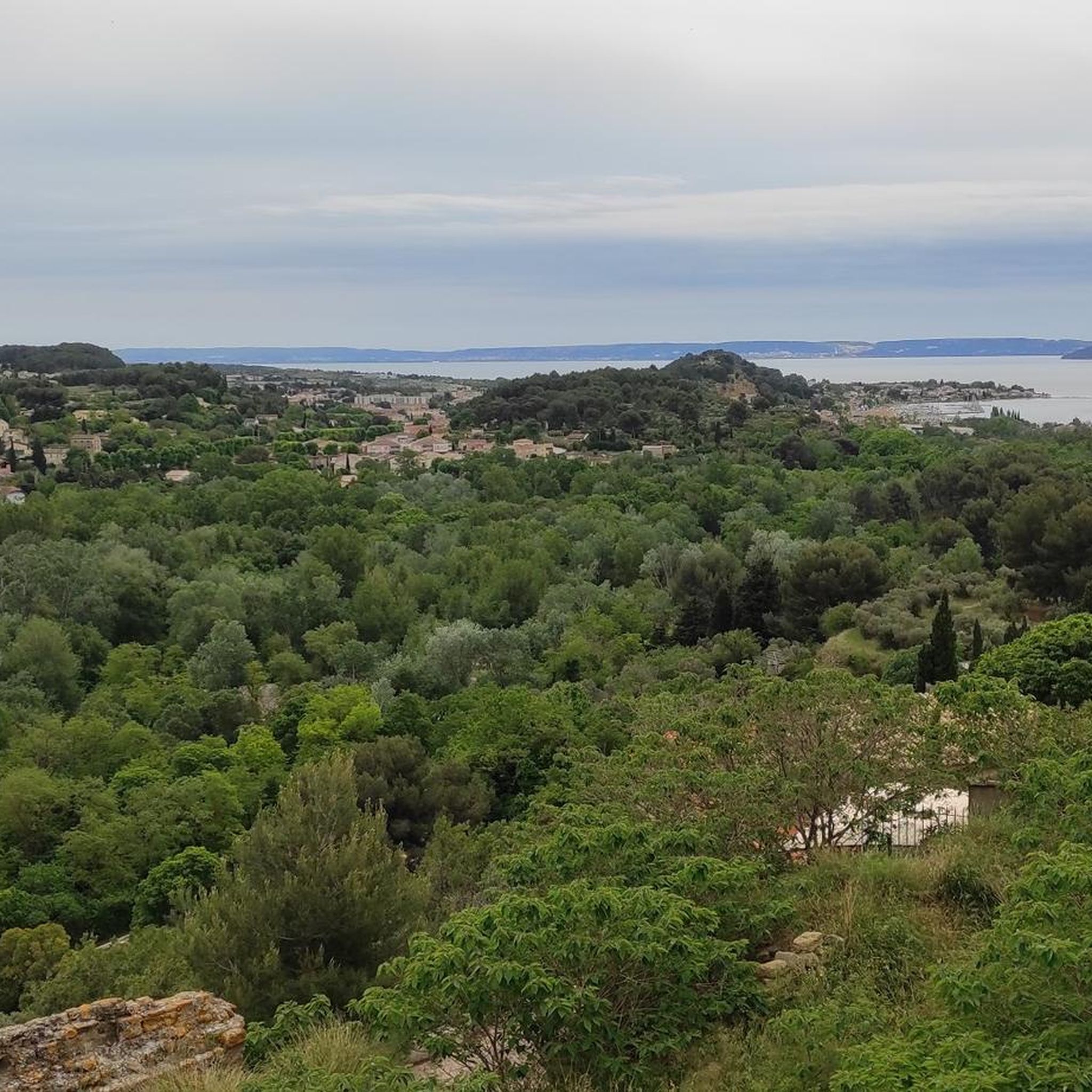
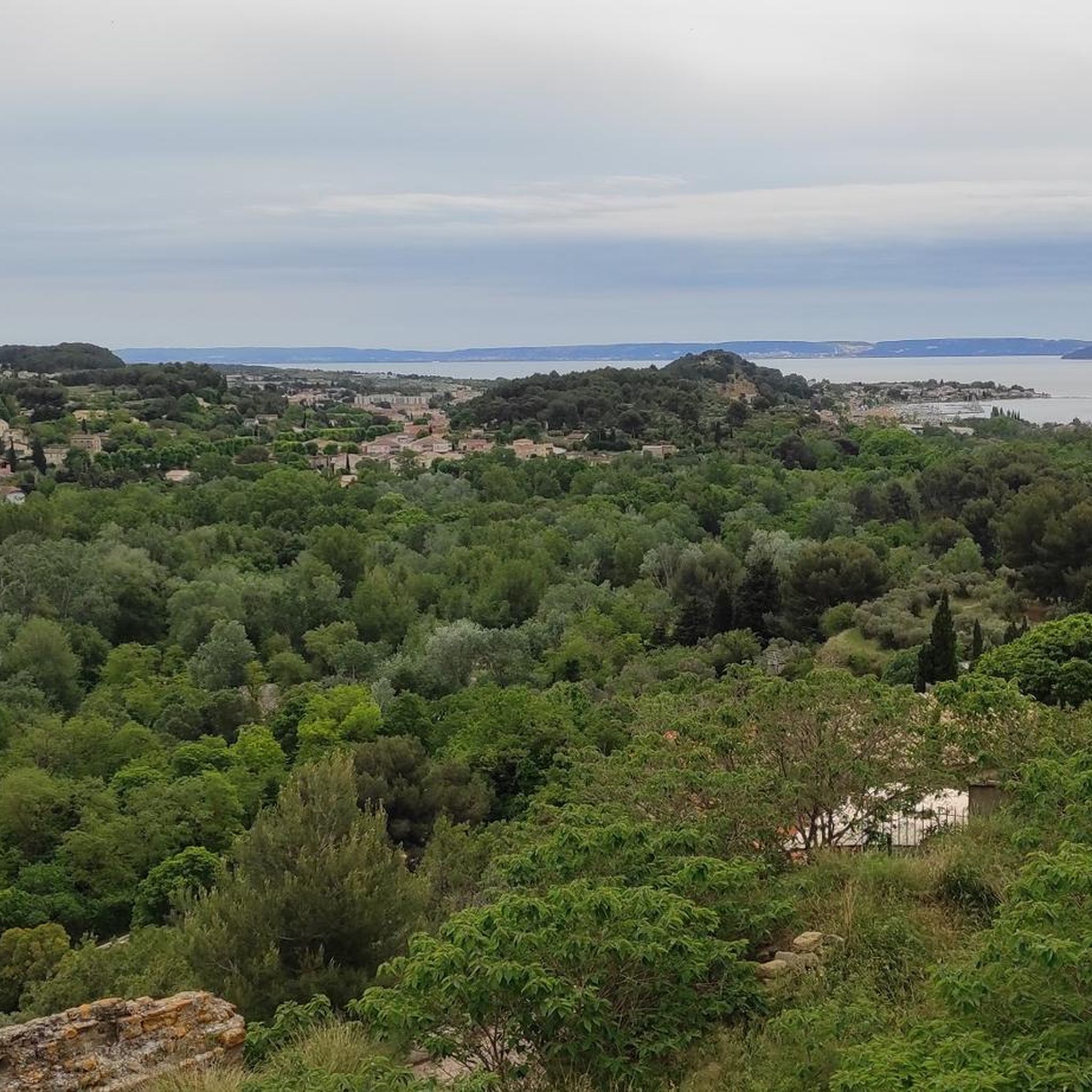
Oppidum de Constantine
Highlight • Historical Site
Translated by Google •
Tip by

Start today with a free account
Your next adventure awaits.
Login or Signup

Tips from the Community

The park is only open on Wednesdays and Sundays. The remains of this industrial site are interesting and well explained through posters.
0
0

Almost 2kms along the road. You can climb to the top of the rock for a nice view but watch out for the void!
0
0

A real curiosity that you absolutely must do!
2
0
A small cave not easy to access and little known but which crosses the rock to have a view of the valley!
2
0

Built in the 6th century BC, this oppidum is one of the largest in Provence. Built on a rocky promontory overlooking the Etang de Berre, it bears the traces of several centuries of settlement.
5
0
Check the opening hours of the park!
2
0
Very original natural phenomenon: The roots of the cypresses come out of the ground in order to be able to breathe because of a marshy ground!
2
0
Orientation table and splendid view!
1
0
Frequently Asked Questions
What unique natural features can I discover among Miramas's natural monuments?
Miramas offers a diverse range of natural features. You can find unique phenomena like the Bald cypress knees at Parc de la Poudrerie, where cypress roots emerge from marshy ground to breathe. The region also features impressive geological formations such as the Traversing Cave of the Eyguières Climbing Site, a small cave that crosses the rock to offer valley views. Additionally, you can explore varied ecosystems from wetlands to garrigue and Aleppo pine forests.
Are there natural monuments suitable for families with children?
Yes, the Bald cypress knees at Parc de la Poudrerie are part of a park that is considered family-friendly. This site offers an interesting natural phenomenon and is set within a diverse natural environment with historical remnants, making it an engaging visit for all ages. Remember to check the park's opening hours before your visit.
What kind of flora and fauna can I expect to see?
The natural monuments around Miramas, particularly the Parc de la Poudrerie, are rich in biodiversity. You can observe typical wetland flora and fauna around marsh areas, as well as drought-adapted vegetation like garrigue, olive groves, and Aleppo pine forests. The park is also home to an astonishing hygrophilous forest with bald cypresses, making it a significant site for diverse Mediterranean ecosystems.
When is the best time of year to visit the natural monuments around Miramas?
The best time to visit is generally during spring (April-June) and autumn (September-October) when the weather is mild and pleasant for exploring. These seasons offer comfortable temperatures for hiking and enjoying the natural landscapes, and you can witness the vibrant flora. Summer can be very hot, while winter might be cooler but still offers opportunities for exploration, especially in areas like the Parc de la Poudrerie.
Are there hiking opportunities near Miramas's natural monuments?
Absolutely! The region around Miramas offers several hiking opportunities. For example, you can find routes that explore the Parc de la Poudrerie and Miramas-le-Vieux. You can discover more options, including a 'Chapelle Saint Étienne and viewpoint on the Étang de Berre' loop from Miramas-le-Vieux, by visiting the Hiking around Miramas guide.
What other outdoor activities are available in the area?
Beyond hiking, Miramas and its surroundings are great for other outdoor activities. You can find numerous cycling routes, including options like 'The Smurfs' Forest loop' or 'Saint Michael's Chapel – Rolling GR loop'. There are also dedicated running trails. For more details on these activities, explore the Cycling around Miramas and Running Trails around Miramas guides.
Do any natural monuments in Miramas have historical significance?
Yes, several sites blend natural beauty with rich history. The Parc de la Poudrerie, for instance, is a former gunpowder factory site where nature has reclaimed the land, but remnants of its industrial past and a restored 12th-century Romanesque chapel remain. Additionally, the Oppidum de Constantine, built on a rocky promontory, is one of Provence's largest oppidums, bearing traces of centuries of settlement.
Is parking available at the natural monuments?
Parking availability varies by location. For sites like Miramas-le-Vieux, there are usually designated parking areas near the village. For the Parc de la Poudrerie, specific parking might be available at its entrance during opening hours. It's advisable to check local signage or specific park information before your visit.
How much time should I allocate to visit these natural monuments?
The time needed depends on the specific site and your level of exploration. For a site like the Parc de la Poudrerie, you might want to allocate 2-3 hours to explore its diverse environments and historical elements. Visiting a viewpoint like Château Virant Rock might take less time, perhaps an hour, to enjoy the views. Combining a visit to Miramas-le-Vieux with a walk in its surrounding landscapes could easily fill half a day.
Can I visit these natural monuments with my dog?
While many natural areas in France are dog-friendly, it's always best to check specific regulations for each site. For example, protected natural parks like the Parc de la Poudrerie may have rules regarding dogs, often requiring them to be on a leash to protect local wildlife. Miramas-le-Vieux and its surrounding trails are generally more accommodating for dogs on leash.
Are there any lesser-known natural spots worth exploring near Miramas?
Beyond the main highlights, the region offers charming natural spots. The Bee Wall (Mur aux Abeilles) near Miramas, an 18th-century apiary structure, offers a unique historical insight into beekeeping in a pleasant, shady natural environment, perfect for a picnic. Additionally, the Plan d'eau Saint-Suspi provides a natural waterside setting ideal for outdoor activities and a peaceful escape.
Are any of Miramas's natural monuments accessible for visitors with mobility challenges?
Accessibility can vary significantly. While some paths within larger parks like the Parc de la Poudrerie might be relatively flat, many natural monuments, especially those involving viewpoints or caves like the Traversing Cave of the Eyguières Climbing Site or the climb to Château Virant Rock, involve uneven terrain or steep ascents. It's recommended to research specific site conditions or contact local tourist information for detailed accessibility information.
Most popular routes around Miramas
Most popular attractions around Miramas

Get inspired with the komoot mobile app


Explore more
Extend your search for the best caves by checking out these guides of the top ones around Miramas:
