Top 16 Natural Monuments around Wanzenau
Natural monuments around Wanzenau offer diverse natural habitats, primarily centered around the Robertsau-Wantzenau Forest Nature Reserve. This area features an extensive forest with a rich hydrographic network, including rivers, lakes, ox-bows, and ponds. The Rhine River forms a significant natural boundary, providing picturesque scenery and views. These natural areas are recognized for their preserved beauty and biodiversity, offering accessible nature walks and opportunities for wildlife observation.
Best natural monuments around Wanzenau
- The most popular natural monuments is Kalbsgiessen Waterfall,…
Last updated: July 2, 2026
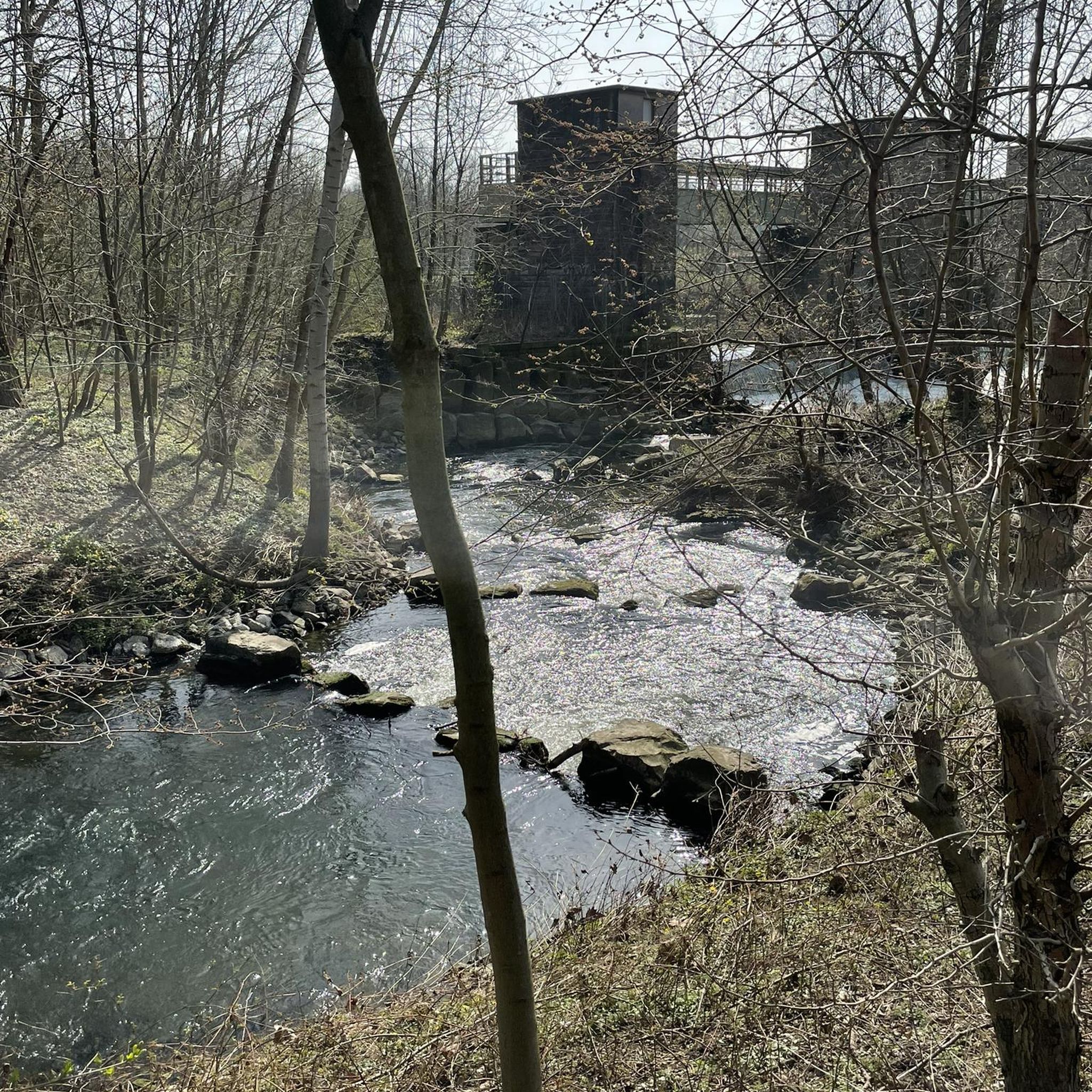
Kalbsgiessen Waterfall
Highlight • Waterfall
Translated by Google •
Tip by

Confluence of the Rench and the Rhine
Highlight • River
Translated by Google •
Tip by

Sign up now to discover places like this
Get recommendations on the best single tracks, peaks, & plenty of other exciting outdoor places.
Sign up for free
War Memorial, Place de la République
Highlight • Monument
The Palais du Rhin: Former imperial palace and manifesto of political power
A special feature of Strasbourg is the former German imperial …
Translated by Google •
Tip by

Hausgereuter Lindenbaum
Highlight • Natural Monument
Translated by Google •
Tip by

Picnic Area with Historical Shipping Reference
Highlight • Rest Area
Translated by Google •
Tip by

Sign up for free to discover even more natural monuments around Wanzenau.
Sign up for free
Already have an account?
Start today with a free account
Your next adventure awaits.
Login or Signup
Tips from the Community

Christoph Sauer, a citizen of Hausgereut, who involuntarily fought under Napoleon in Russia, is said to have planted the first linden tree here in 1812, in memory of that memorable time. This is how the landmark of Hausgereut came about. The tree has been registered as a natural monument since 1955. The ailing linden tree unfortunately had to be felled in 1998. Two years later, the current linden tree was planted, donated by Elsbeth Kirstein and Andreas Groß. According to the Hausgereut writer Karoline Hetz, there was a place with many linden trees near the little church. A so-called "linden square" existed in many villages. This was the meeting point for the villagers. In the vicinity is the inn "Dorflinde", which got its name from the linden tree.
0
0

Beautiful park 🤩 👌🏼
1
0

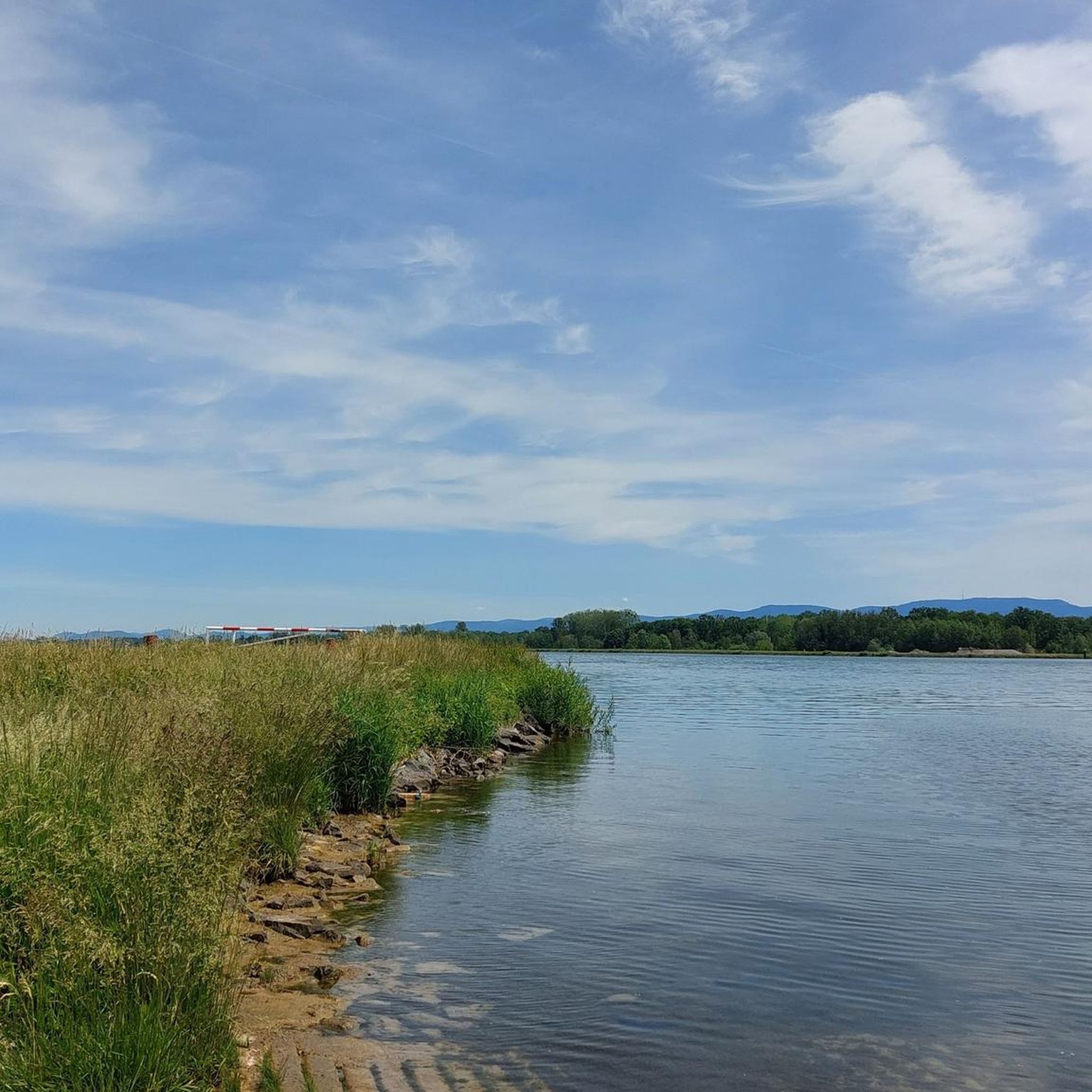
For a break, there is a lounger and a normal bench with a great view of the estuary
3
0

The cycle paths on the French side are also great.
1
1

Great cycle paths along the Rhine with beautiful nature
1
1

Palais du Rhin / Rhine Palace, city tour The Palais du Rhin: Former imperial palace and manifesto of political power A special feature of Strasbourg is the former German imperial palace, which was built by the Hohenzollerns as a political manifesto for the permanent annexation of the state of Alsace-Lorraine to the German Empire. In the plan for the expansion of the city adopted in 1880, the former Imperial Square (now Place de la République) is dominated to the west by the eclectic architecture of the Imperial Palace, a masterpiece of measures in the middle of a garden with many trees. The palace commissioned by Wilhelm I of Hohenzollern is the work of the Prussian architect Hermann Eggert. It was built between 1884 and 1889 and inaugurated by his grandson Wilhelm II. It is more a testament to political power than an imperial residence; the three gentlemen of Hohenzollern only lived here occasionally. Text / Source: CITY AND EUROMETROPOLE STRASBOURG https://int.strasbourg.eu/de/place/-/entity/sig/985_CUL_136
13
0

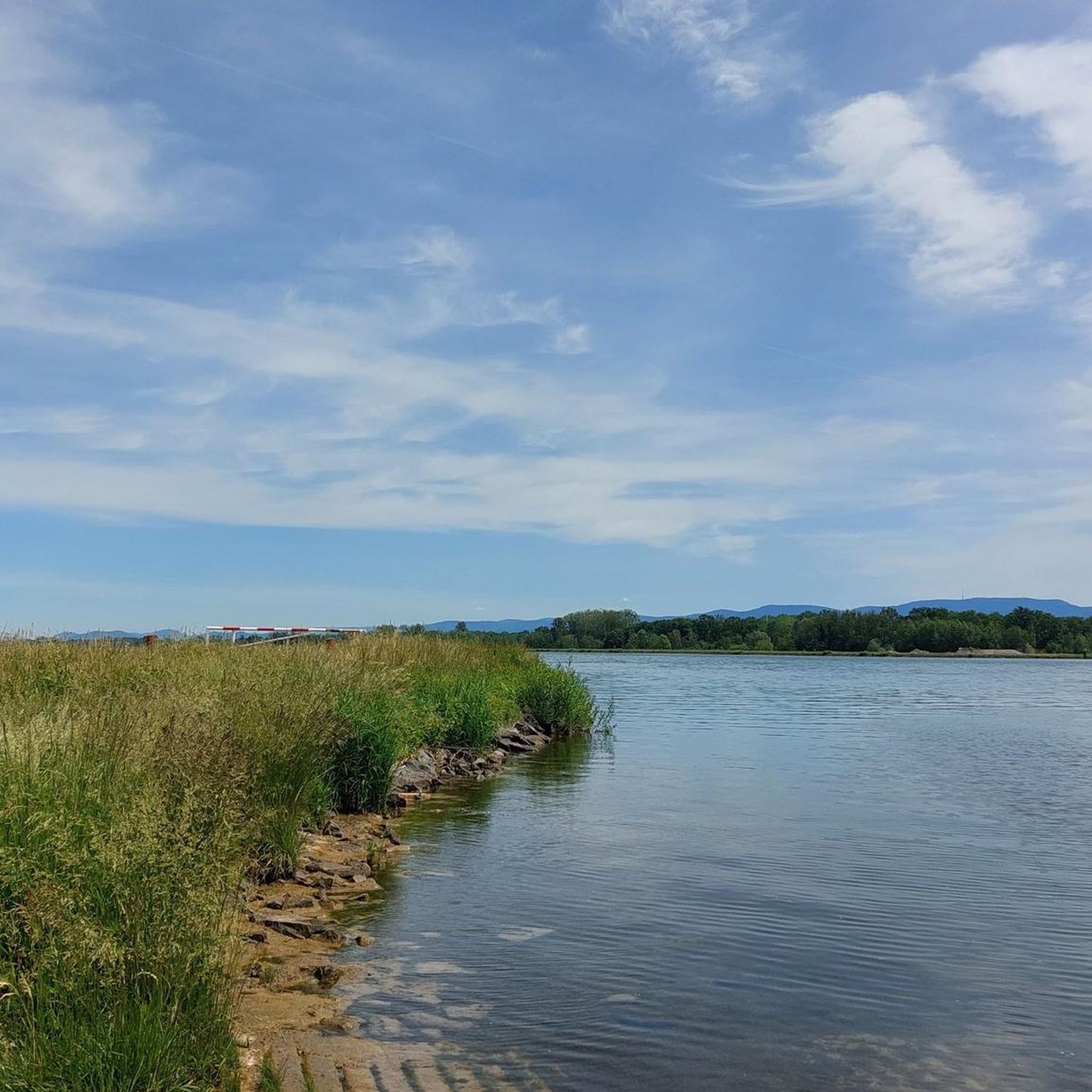
Beautiful gravelled track, along the Rench River, which flows into the Rhine here. Benches and picnic tables along the path.
1
0

In the heart of Strasbourg's "German Quarter" lies the Place de la République. The square, formerly known as "Kaiserplatz", was built between 1871 and 1918 in the style of a park. It was part of the transformation of Strasbourg into the capital of the new imperial state of Alsace-Lorraine, after the region had belonged to the German Empire since 1870. This transformation is reflected in the monumental buildings of the new town, which is connected to the old town by the Place de la République. These buildings include the Palais du Rhin (Rhine Palace), the university library and the National Theater. Source: https://www.elsass-geniessen.de/de/themenreisen/Place+de+la+R%E9publique
2
1
Frequently Asked Questions
What types of natural monuments can I explore around Wanzenau?
The Wanzenau area offers a diverse range of natural monuments. You'll find extensive forest areas like the Robertsau-Wantzenau Forest Nature Reserve, significant waterways such as the Rhine River and its various confluences, and serene aquatic habitats including Karpfenloch Lake and numerous ox-bows and ponds. Specific highlights include Kalbsgiessen Waterfall and the Confluence of the Kinzig and Rhine.
Are there family-friendly natural monuments in the Wanzenau area?
Yes, many natural monuments around Wanzenau are suitable for families. The Robertsau-Wantzenau Forest Nature Reserve offers accessible paths for walks. Specific spots like Kalbsgiessen Waterfall and the Confluence of the Rench and the Rhine are noted as family-friendly, often featuring picnic tables and easy access. The small animal park within the forest is also a great option for children.
What outdoor activities can I do near these natural monuments?
The natural monuments around Wanzenau are perfect starting points for various outdoor activities. You can enjoy hiking on trails like the 'View of the Ill – the Ill loop from La Wantzenau' or the 'The Ill – A La Gloriette loop from La Wantzenau'. Cycling is also popular, with routes such as the 'Riverside Path Along the Ill – Bischheim Gravel Pit loop from La Wantzenau'. For gravel biking, consider the 'Shaded Cycle Path – La Wantzenau Wetland loop from Rheinau'. You can find more details on these activities in the hiking guide, cycling guide, and gravel biking guide for Wanzenau.
What is the best time to visit the natural monuments around Wanzenau?
The natural monuments around Wanzenau offer unique experiences throughout the year. Spring and autumn provide pleasant temperatures for walking and vibrant foliage. In winter, you might spot flocks of waterbirds like ducks and swans at Karpfenloch Lake. Summer is ideal for observing dragonflies around the aquatic habitats. The Robertsau-Wantzenau Forest provides a tranquil setting for contemplation in any season.
Are there any viewpoints among the natural monuments?
Yes, several natural monuments offer scenic viewpoints. The Rhine River dike provides picturesque views towards Gambsheim and even the peaks of the Black Forest. The Confluence of the Rench and the Rhine is also noted for its beautiful natural setting. Additionally, the Birdhouse Art Tree on the Rhine offers a unique visual interest point.
Can I bring my dog to the natural monuments around Wanzenau?
Generally, dogs are welcome on trails and in natural areas around Wanzenau, especially within the Robertsau-Wantzenau Forest Nature Reserve. However, it's always recommended to keep dogs on a leash to protect local wildlife and ensure a pleasant experience for all visitors. Specific rules might apply to certain protected areas or within the animal park, so check local signage.
How can I get to the natural monuments around Wanzenau?
Many natural monuments, particularly within the Robertsau-Wantzenau Forest, are accessible by car with available parking. For instance, the area around the War Memorial, Place de la République, which is near some natural features, has parking options. Public transport options may also connect to the general area, but for specific natural sites, driving or cycling is often the most convenient way to reach them.
What makes the Robertsau-Wantzenau Forest Nature Reserve special?
The Robertsau-Wantzenau Forest Nature Reserve is special due to its extensive and contiguous natural area, recognized for its ecological importance. It boasts a wide array of trees like beech, oak, and maple, and is crucial for preserving rich biodiversity, including protected animal and plant species. Its rich hydrographic network of rivers, lakes, and ox-bows also contributes to its unique character and inclusion in the Natura 2000 network.
Are there any historical or cultural sites near the natural monuments?
While the focus is on natural monuments, the region does have historical significance. For example, the War Memorial, Place de la République, though a man-made monument, is located in an area with natural elements like ancient ginkgo trees and is part of Strasbourg's historical landscape, offering a glimpse into the region's past.
What unique aquatic life can be found in the natural monuments?
The diverse aquatic habitats within the Robertsau-Wantzenau Forest, including Karpfenloch Lake and various ox-bows, are home to remarkable flora and fauna. You can observe unique plants such as mare's tail, common bladderwort, and yellow floating heart. These waters also support a rich variety of fish (around 25 types) and dragonflies (up to 40 species). Birdwatchers might even spot kingfishers near the educational ponds.
What do visitors enjoy most about the natural monuments around Wanzenau?
Visitors particularly enjoy the tranquility and natural beauty of the area. Many appreciate the opportunity to take a break in nature, with specific mentions of the clear water at Kalbsgiessen Waterfall as a nice resting place. The picturesque scenery along the Rhine and the unique merging of rivers at confluences like the Confluence of the Rench and the Rhine are also highly valued.
Are there easy walks suitable for everyone among the natural monuments?
Yes, the Robertsau-Wantzenau Forest Nature Reserve features paved paths and relatively flat terrain, making it suitable for easy walks. The walk along the Rhine dike also offers a gentle and scenic route. Many of the nearby routes, such as 'The Ill – A La Gloriette loop from La Wantzenau' and 'Rhine Cycle Route – Shaded Cycle Path loop from La Wantzenau', are rated as easy, perfect for a relaxed outing.
Most popular routes around Wanzenau
Most popular attractions around Wanzenau

Get inspired with the komoot mobile app


Explore more
Extend your search for the best caves by checking out these guides of the top ones around Wanzenau:
