Top 20 Natural Monuments around Isenheim
Best natural monuments around Isenheim are primarily found in the nearby Vosges Mountains, particularly around the Hartmannswillerkopf. This region is characterized by its mountainous terrain, offering views over the Rhine Valley and towards the Black Forest. The area combines significant natural features with historical sites, reflecting its past as a strategic location. These natural attractions provide opportunities for exploration amidst diverse landscapes.
Best natural monuments around Isenheim
- The most popular natural monument is Hartmannswillerkopf National Monument, a national monument…
Last updated: July 2, 2026
Grand Ballon
Highlight • Summit
Translated by Google •
Tip by

Viewpoint at the summit of Vieil Armand
Highlight • Viewpoint
It is of the "Molehill" type, model OD 92-95
in the shape …
Translated by Google •
Tip by

Sign up now to discover places like this
Get recommendations on the best single tracks, peaks, & plenty of other exciting outdoor places.
Sign up for free
Hartmannswillerkopf National Monument
Highlight • Monument
Translated by Google •
Tip by

Roche Sermet
Highlight • Historical Site
Translated by Google •
Tip by
Langenstein Menhir
Highlight • Monument
Translated by Google •
Tip by

Sign up for free to discover even more natural monuments around Isenheim.
Sign up for free
Already have an account?
Start today with a free account
Your next adventure awaits.
Login or Signup
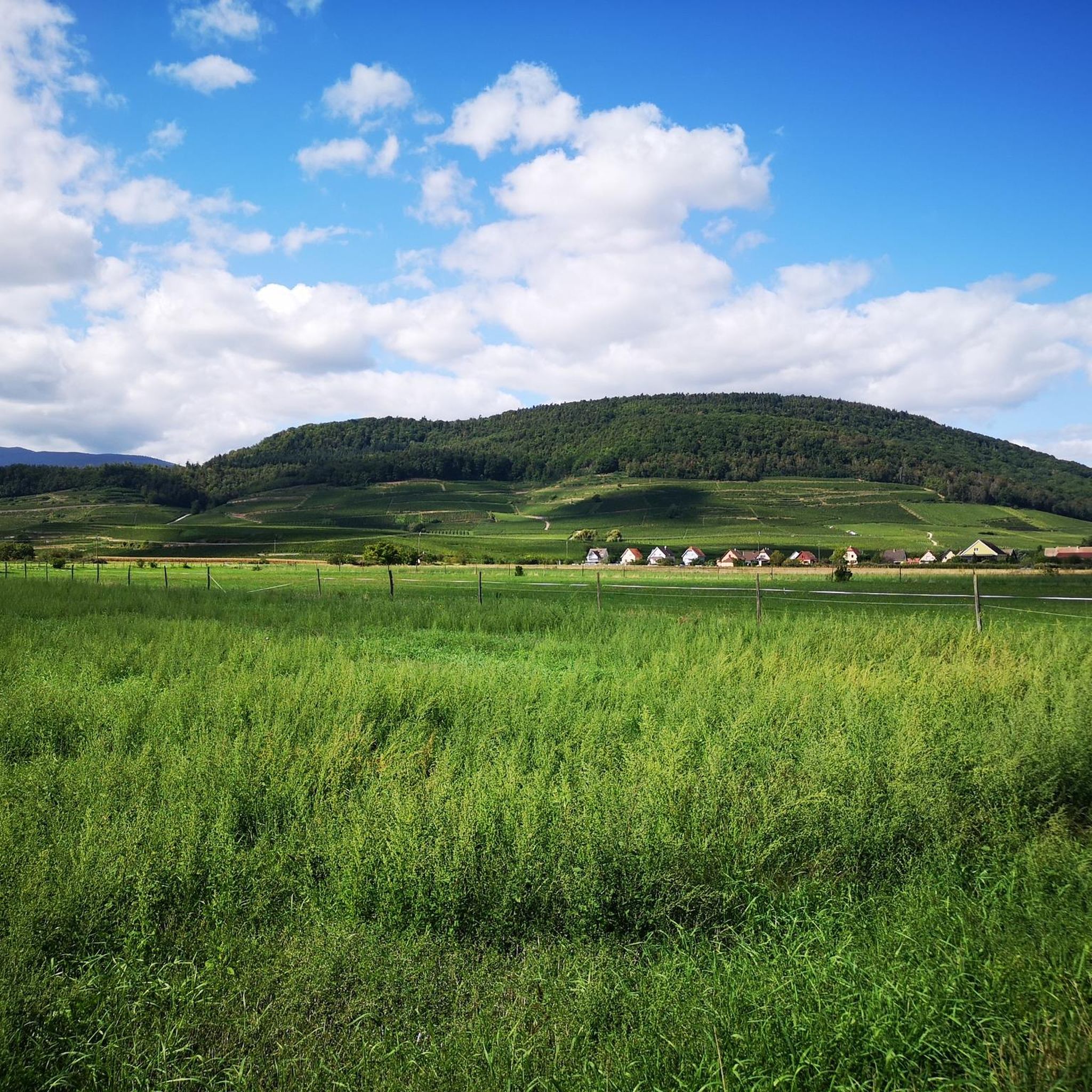
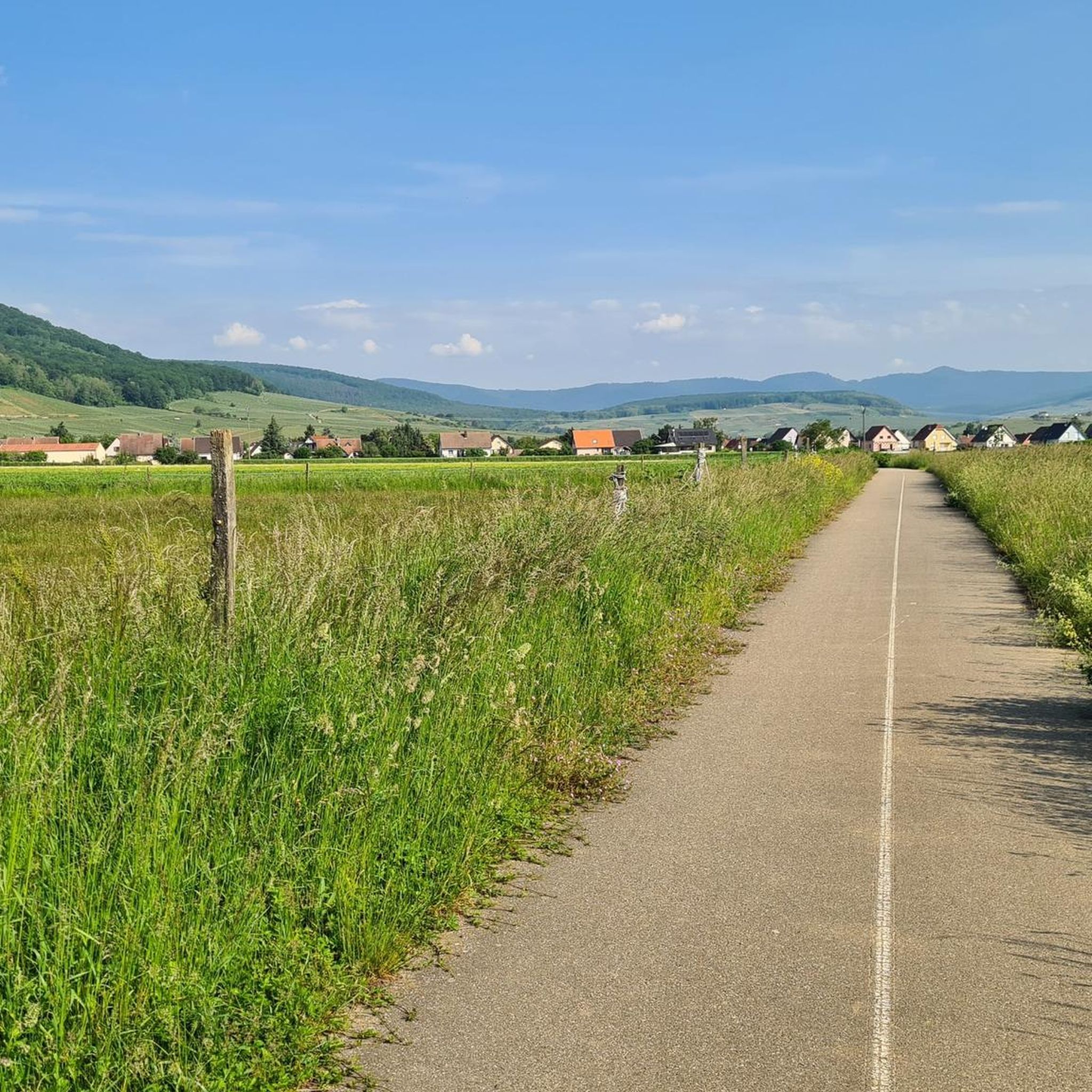
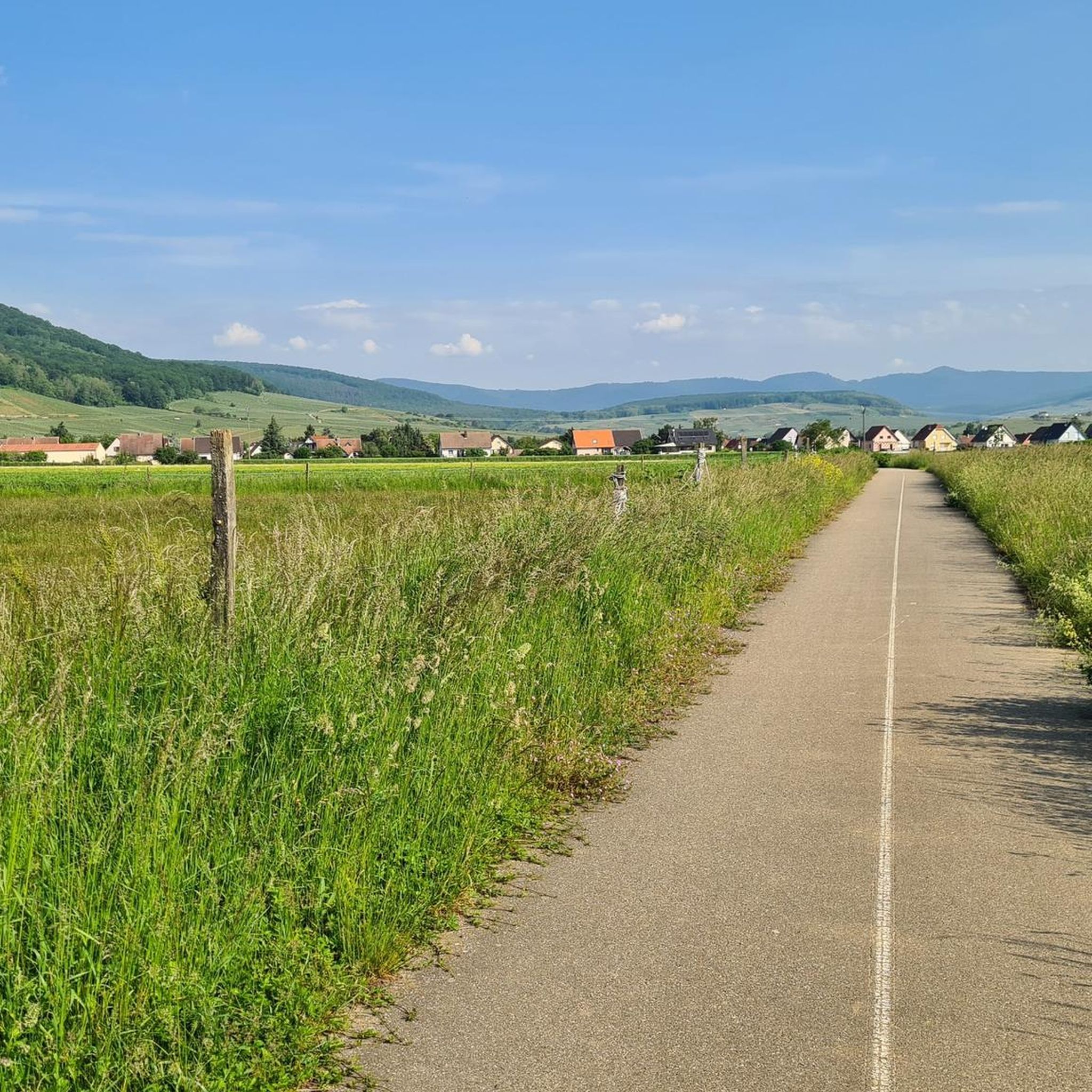
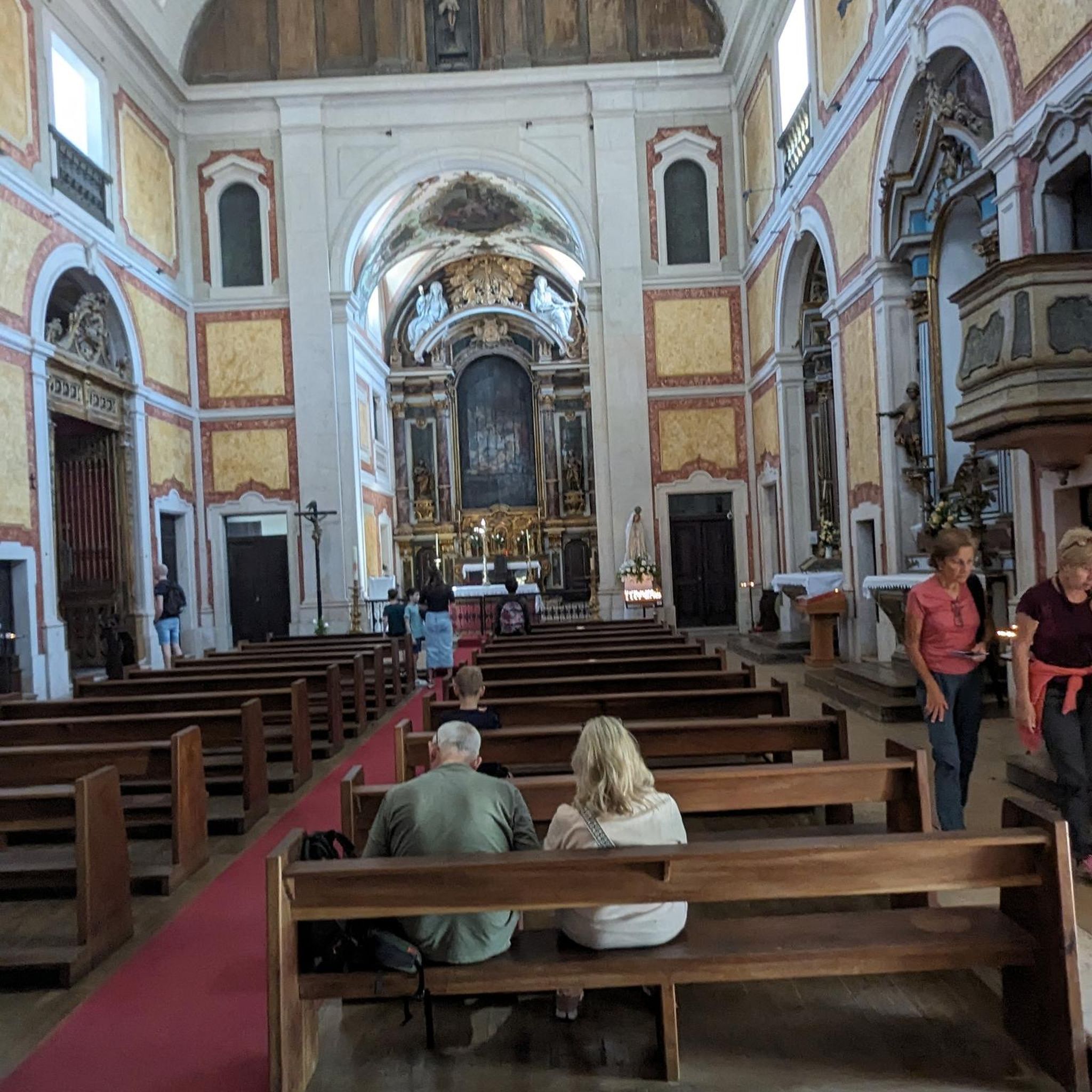
Tips from the Community

The Langenstein menhir (a 4-meter-high long stone) was erected in 1904 by a Soultzmatt industrialist, who recognized this block as an overturned menhir. Legend tells that on full moon nights, fairies, or White Ladies, come to dance around the Langenstein. During this ceremony, the stone is said to begin spinning!
0
0

One of the most beautiful climbs in the Vosges and a must to ride once. My favorite side is the one from Moosch or Soultz
4
1

The “Roche Sermet” is a rock formation located on the Hartmannswillerkopf¹ battlefield. It is located at an altitude of approximately **910 meters**². Hartmannswillerkopf, also known as Vieil Armand, is a pyramidal rocky spur in the Vosges massif, overlooking the Alsace plain from its 957 meters¹. During the First World War, it was a strategic summit hotly contested by the French and German armies¹. Today, the Hartmannswillerkopf is a place of memory, bearing witness to the suffering of the soldiers who fought in the name of their country¹. The German remains encountered on the ground, sometimes quite spaced apart from each other, are witnesses to this historical period¹. Source: conversation with Bing, 05/07/2024 (1) HWK: Vestiges of the Past - e-monsite. https://hartmannswillerkopf.e-monsite.com/pages/hwk-vestiges-du-passe.html. (2) Presentation. https://hartmannswillerkopf.e-monsite.com/pages/presentation.html. (3) The Hartmannswillerkopf | Paths of memory. https://www.cheminsdememoire.gouv.fr/en/hartmannswillerkopf. (4) The Hartmannswillerkopf - Official website. https://www.memorial-hwk.eu/.
1
0

Langstein means long stone. According to scientists, the block was extracted approximately 1km from its location. Its erection dates from the Celtic period, around 560 BC. It was rediscovered in 1904 lying on the ground by Fritz Keller, an industrialist from the region. It was straightened in 1906. A host of legends are linked to this Menhir. Listing them here would be too long.
0
0

There are now quite a few stickers on the sign. Good parking in the immediate vicinity (1km) to the summit.
4
1

Beautiful pass crossing with wonderful views over the Rhine plain to the Black Forest and, if the weather is clear, to the Alps
3
0


Very crowded in parts at the weekend, better come during the week.
6
0
Frequently Asked Questions
What are some notable natural monuments to visit near Isenheim?
The natural monuments around Isenheim are primarily located in the nearby Vosges Mountains, particularly around the Hartmannswillerkopf. Key sites include the Hartmannswillerkopf National Monument, which combines natural beauty with significant historical context, and the Viewpoint at the summit of Vieil Armand, offering extensive views. Another interesting spot is Roche Sermet, an outpost with views of the Grand Ballon.
What kind of natural features can I expect to see around Isenheim?
The region around Isenheim is characterized by mountainous terrain, offering panoramic views over the Rhine Valley and towards the Black Forest. You'll find summits, viewpoints, and forested areas. The natural monuments often integrate these features, providing a blend of scenic landscapes and historical elements.
Are there natural monuments near Isenheim with historical significance?
Yes, many natural monuments in the area are deeply intertwined with history. The Hartmannswillerkopf National Monument is a prime example, commemorating the First World War with an altar, cemetery, and crypt. Roche Sermet is another historical outpost, and the Wolf Pit Pass (Wolfsgrube) has historical roots related to traditional hunting methods. The Langenstein Menhir dates back to the Celtic period, adding ancient historical context.
What outdoor activities can I do near these natural monuments?
The Vosges Mountains offer a variety of outdoor activities. Hiking is popular, especially around Hartmannswillerkopf, with trails providing great views. Cycling is also a fantastic way to explore the region; you can find routes for cycling, gravel biking, and road cycling around Isenheim.
Are there family-friendly natural monuments around Isenheim?
Yes, several natural monuments are suitable for families. The Hartmannswillerkopf National Monument is considered family-friendly, offering both natural exploration and educational historical insights. The Wolf Pit Pass (Wolfsgrube) provides a pleasant stop with facilities like benches and a fountain, and the Langenstein Menhir is an accessible historical site with intriguing legends.
What is the best time to visit the natural monuments near Isenheim?
The best time to visit generally depends on the activity. For hiking and outdoor exploration, spring through autumn (April to October) offers pleasant weather. During these months, the views are clear, and the trails are more accessible. Winter can be beautiful but may involve snow and colder temperatures, making some areas less accessible.
Are there facilities like cafes or restaurants near the natural monuments?
While specific cafes directly at every natural monument might be limited, areas like the Hartmannswillerkopf often have visitor centers or nearby establishments. For example, the Wolf Pit Pass (Wolfsgrube) offers benches, a shelter, and a fountain, making it a good resting spot. Larger towns and villages in the vicinity will offer a wider range of dining options.
What do visitors enjoy most about the natural monuments around Isenheim?
Visitors frequently appreciate the combination of stunning natural landscapes and profound historical significance. The extensive views over the Rhine Valley and towards the Black Forest are often highlighted. The well-preserved historical sites, particularly around Hartmannswillerkopf, offer a unique opportunity to reflect on the past while enjoying the natural surroundings. The community has shared over 250 photos and given more than 380 upvotes to these attractions.
Is it possible to find viewpoints with panoramic vistas?
Absolutely. The region is renowned for its viewpoints. The Viewpoint at the summit of Vieil Armand offers extensive views, including a restored French observation post. Roche Sermet also provides excellent views, particularly of the Grand Ballon. These spots allow you to take in the vastness of the Vosges Mountains and the surrounding plains.
Are the natural monuments around Isenheim dog-friendly?
Many outdoor areas and trails in the Vosges Mountains are generally dog-friendly, provided dogs are kept on a leash and owners clean up after them. However, specific rules may apply at certain historical sites or within visitor centers. It's always advisable to check local signage or specific monument websites for any restrictions before visiting with your dog.
How long should I plan for a visit to these natural monuments?
The duration of your visit can vary greatly depending on which monuments you choose and your level of engagement. For a site like the Hartmannswillerkopf National Monument, you could spend a few hours exploring the historical trenches, crypt, and enjoying the views. Shorter stops at viewpoints or the Langenstein Menhir might take less than an hour. If you plan to hike or cycle, a full day or more could be dedicated to exploring the wider area.
What should I wear when visiting the natural monuments?
Given the mountainous terrain and potential for varied weather, it's recommended to wear comfortable, layered clothing suitable for outdoor activities. Sturdy hiking shoes are advisable, especially if you plan to explore trails or uneven ground. Even in warmer months, a light jacket or rain gear can be useful, as mountain weather can change quickly.
Most popular routes around Isenheim
Most popular attractions around Isenheim

Get inspired with the komoot mobile app


Explore more
Extend your search for the best caves by checking out these guides of the top ones around Isenheim:
