Top 13 Natural Monuments around Raedersheim
Best natural monuments around Raedersheim include diverse natural sites in the Haut-Rhin department of France. Raedersheim serves as a convenient base for exploring the nearby Vosges Mountains and the Ill*Wald Nature Reserve. The region offers a mix of mountain landscapes, wetlands, and historical sites with natural features. Visitors can find opportunities for hiking and discovering unique ecosystems.
Best natural monuments around Raedersheim
- The most popular natural monuments is Hartmannswillerkopf National Monument, a man-made monument that commemorates the soldiers of…
Last updated: July 2, 2026
Viewpoint at the summit of Vieil Armand
Highlight • Viewpoint
It is of the "Molehill" type, model OD 92-95
in the shape …
Translated by Google •
Tip by

Hartmannswillerkopf National Monument
Highlight • Monument
Translated by Google •
Tip by

Sign up now to discover places like this
Get recommendations on the best single tracks, peaks, & plenty of other exciting outdoor places.
Sign up for free
Roche Sermet
Highlight • Historical Site
Translated by Google •
Tip by
Langenstein Menhir
Highlight • Monument
Translated by Google •
Tip by

Wolf Pit Pass (Wolfsgrube)
Highlight • Mountain Pass
Translated by Google •
Tip by

Sign up for free to discover even more natural monuments around Raedersheim.
Sign up for free
Already have an account?
Start today with a free account
Your next adventure awaits.
Login or Signup
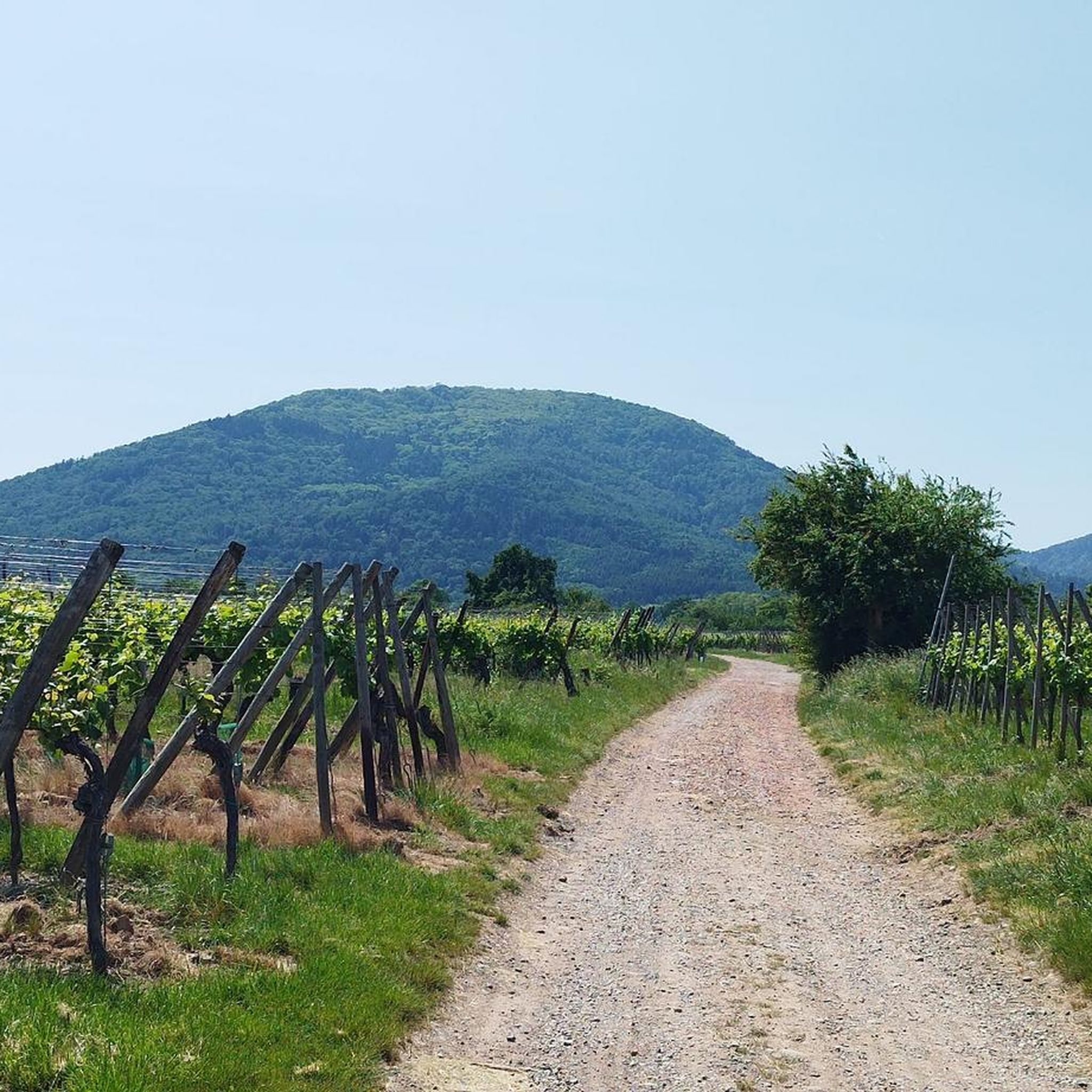
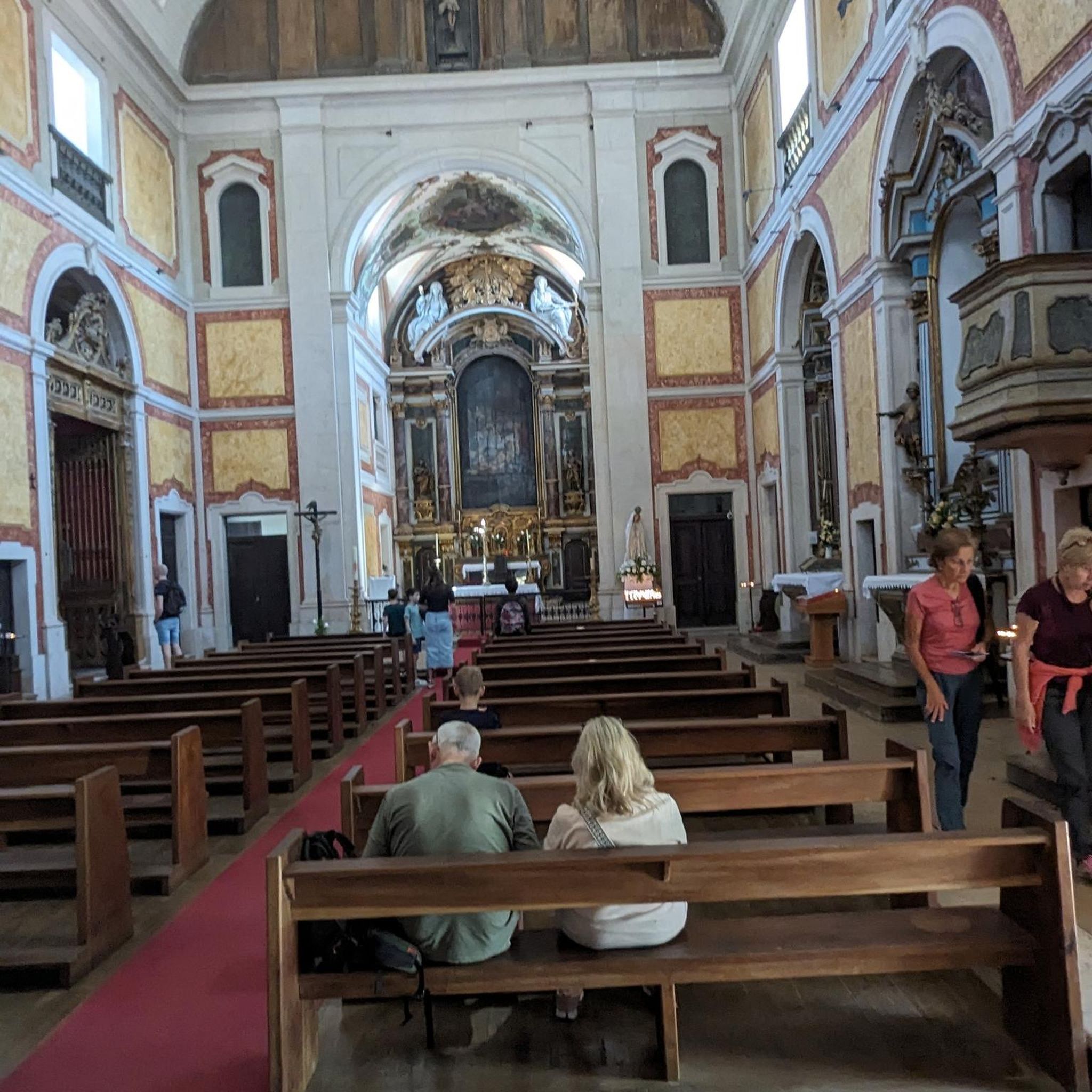
Tips from the Community

The Langenstein menhir (a 4-meter-high long stone) was erected in 1904 by a Soultzmatt industrialist, who recognized this block as an overturned menhir. Legend tells that on full moon nights, fairies, or White Ladies, come to dance around the Langenstein. During this ceremony, the stone is said to begin spinning!
0
0

At this location you will find a shelter, picnic table and water tap
0
0

Perfect outing at the start of the season to get back into shape
0
0

The “Roche Sermet” is a rock formation located on the Hartmannswillerkopf¹ battlefield. It is located at an altitude of approximately **910 meters**². Hartmannswillerkopf, also known as Vieil Armand, is a pyramidal rocky spur in the Vosges massif, overlooking the Alsace plain from its 957 meters¹. During the First World War, it was a strategic summit hotly contested by the French and German armies¹. Today, the Hartmannswillerkopf is a place of memory, bearing witness to the suffering of the soldiers who fought in the name of their country¹. The German remains encountered on the ground, sometimes quite spaced apart from each other, are witnesses to this historical period¹. Source: conversation with Bing, 05/07/2024 (1) HWK: Vestiges of the Past - e-monsite. https://hartmannswillerkopf.e-monsite.com/pages/hwk-vestiges-du-passe.html. (2) Presentation. https://hartmannswillerkopf.e-monsite.com/pages/presentation.html. (3) The Hartmannswillerkopf | Paths of memory. https://www.cheminsdememoire.gouv.fr/en/hartmannswillerkopf. (4) The Hartmannswillerkopf - Official website. https://www.memorial-hwk.eu/.
1
0

Langstein means long stone. According to scientists, the block was extracted approximately 1km from its location. Its erection dates from the Celtic period, around 560 BC. It was rediscovered in 1904 lying on the ground by Fritz Keller, an industrialist from the region. It was straightened in 1906. A host of legends are linked to this Menhir. Listing them here would be too long.
0
0


At the Col du Wolfsgrube you will find several benches, a shelter and a fountain, as well as an information board on how such places got their name
1
0

The Hartmannswillerkopf is one of the four great national monuments of the First World War. Composed of an altar, a cemetery and a crypt, it is also distinguished by its unique setting overlooking the plain of Alsace. To visit the crypt, timetables are available on the website: www.memorial-hwk.eu.
4
2
Frequently Asked Questions
What are some of the most popular natural monuments around Raedersheim?
Visitors frequently enjoy the Hartmannswillerkopf National Monument, a significant historical site with a unique setting overlooking the plain of Alsace. Another favorite is the Viewpoint at the summit of Vieil Armand, offering panoramic views of the Grand Ballon, the Rhine Valley, and the Black Forest on clear days. The historical site of Roche Sermet, an outpost with views of the Grand Belchen, is also highly appreciated.
What natural features can I explore in the Raedersheim area?
The region around Raedersheim offers diverse natural features. You can explore the majestic Vosges Mountains, including peaks like Grand Ballon and Hohneck, known for their panoramic views and rich biodiversity. Further north, the Ill*Wald Nature Reserve presents a unique wetland ecosystem with alluvial forests and wet meadows, home to a variety of plant and animal species, including a large wild population of fallow deer. The scenic Cascade de la Pissoire also offers natural beauty.
Are there family-friendly natural monuments to visit near Raedersheim?
Yes, several natural monuments are suitable for families. The Hartmannswillerkopf National Monument is considered family-friendly, offering both historical context and scenic views. The Wolf Pit Pass (Wolfsgrube), a mountain pass with historical significance and facilities, is also family-friendly. Additionally, the Langenstein Menhir, a prehistoric standing stone, is an interesting and accessible site for all ages.
What outdoor activities can I do near these natural monuments?
The area around Raedersheim is excellent for various outdoor activities. You can find numerous cycling routes, including challenging tours like the "Panoramic view from the vineyards – Beautiful blue metal bridge loop" or more moderate options like the "Thann Church – Thur River loop." For mountain biking enthusiasts, trails range from easy to difficult, such as the "Munsteraeckerle Shelter – Fontaine Schlumberger loop" or the "Freundstein Farm Inn – Grand Ballon loop." Gravel biking is also popular, with routes like the "Bollenberg chapel – Gueberschwihr loop." You can find more details on these activities in the cycling guide, MTB guide, and gravel biking guide for Raedersheim.
Are there hiking opportunities near the natural monuments around Raedersheim?
Yes, the Vosges Mountains, easily accessible from Raedersheim, offer extensive hiking opportunities. Peaks like Grand Ballon and Hohneck have diverse trails for various fitness levels. Sites like the Viewpoint at the summit of Vieil Armand and Roche Sermet are popular hiking destinations, often involving walks through historical landscapes and offering rewarding views. The Ill*Wald Nature Reserve also features trails for exploring its unique wetland ecosystem.
What is the best time of year to visit the natural monuments in this region?
The best time to visit largely depends on the activity. For hiking and exploring the Vosges Mountains, late spring to early autumn (May to October) offers pleasant weather and clear trails. During these months, the panoramic views are often at their best. The Ill*Wald Nature Reserve can be visited year-round, but spring and autumn are particularly good for birdwatching and observing the changing wetland scenery. Winter can offer beautiful snowy landscapes, especially in the mountains, but some trails may be challenging or inaccessible.
What historical sites with natural features can I find near Raedersheim?
The region is rich in historical sites that are also natural monuments. The Hartmannswillerkopf National Monument is a poignant WWI memorial set in a stunning natural landscape. The Roche Sermet is another historical outpost offering great views. The Wolf Pit Pass (Wolfsgrube) combines a natural mountain pass with historical context. Additionally, the ancient Langenstein Menhir provides a glimpse into prehistoric times within a natural setting.
What do visitors enjoy most about the natural monuments near Raedersheim?
Visitors particularly appreciate the contrast between the magnificent natural landscapes of the Vosges Mountains and the historical significance of sites like Hartmannswillerkopf. The panoramic views from viewpoints such as the summit of Vieil Armand are highly praised. Many find the opportunity to reflect on history while surrounded by nature to be a profound experience. The diverse trails and the chance to spot wildlife, especially in the Ill*Wald Nature Reserve, also contribute to a memorable visit.
Are there any unique geological features to explore near Raedersheim?
Beyond the general mountainous terrain of the Vosges, a notable geological feature is the Langenstein Menhir. While its erection was human-made, the stone itself is a significant natural block, believed to have been extracted about 1km from its current location. The Vosges Mountains themselves, with their rounded summits and ancient formations, offer a broader geological interest.
How long should I plan for a visit to the natural monuments?
The duration of your visit depends on the specific monument and your planned activities. For sites like the Hartmannswillerkopf National Monument, you might spend a few hours exploring the memorial, trenches, and museum. A hike to a viewpoint like the summit of Vieil Armand could take half a day or more, depending on the trail. Exploring the Ill*Wald Nature Reserve could range from a short walk to a full day of discovery. It's best to check specific trail lengths and opening hours for each location.
What should I pack for a visit to the natural monuments around Raedersheim?
For visits to the natural monuments, especially those in the Vosges Mountains or the Ill*Wald Nature Reserve, it's advisable to pack layers of clothing suitable for varying weather conditions. Comfortable hiking shoes are essential for trails. Depending on the season, consider bringing rain gear, sun protection, and insect repellent. Always carry enough water and snacks, and if you plan to visit historical sites, a camera is recommended. For more general information on nature and wellbeing in Alsace, you can visit visit.alsace.
Is the Ill*Wald Nature Reserve worth visiting, and what can I see there?
Absolutely. The Ill*Wald Nature Reserve, near Sélestat, is one of France's largest regional nature reserves and is recognized for its exceptional wetland environment. It features diverse natural environments, including alluvial forests, wet meadows, and a dense network of waterways. It's a haven for biodiversity, hosting a multitude of plant species and a wide variety of animal species, notably the largest wild population of fallow deer in France. You can explore its rich ecosystems via walking trails and potentially spot wildlife. For more details, you can visit the Ill*Wald Nature Reserve page.
Most popular routes around Raedersheim
Most popular attractions around Raedersheim

Get inspired with the komoot mobile app


Explore more
Extend your search for the best caves by checking out these guides of the top ones around Raedersheim:
