Top 7 Natural Monuments around Lus-La-Croix-Haute
Best natural monuments around Lus-La-Croix-Haute are found in the Drôme department of France, a region characterized by its blend of Alpine and Southern French influences. It features mountains, valleys, and protected natural areas within the Regional Natural Park of Vercors. This area offers diverse landscapes and significant ecological sites for exploration. Lus-La-Croix-Haute provides access to a rich natural heritage.
Best natural monuments around Lus-La-Croix-Haute
- The most popular natural monuments is Gillardes Spring, a river resurgence. This spot is known…
Last updated: May 20, 2026
Gorges des Gâts
Highlight (Segment) • Gorge
Translated by Google •
Tip by

Gillardes Spring
Highlight • River
at this point the …
Translated by Google •
Tip by

Sign up now to discover places like this
Get recommendations on the best single tracks, peaks, & plenty of other exciting outdoor places.
Sign up for free
Plateau de Bure
Highlight • Natural Monument
Translated by Google •
Tip by

Col de Menée Vulture Observation Point
Highlight • Mountain Pass
Translated by Google •
Tip by

Les Sucettes de Borne
Highlight • Natural Monument
The loop starts in the cool undergrowth in a heatwave. After the Sucettes, my descent is via a wider track. Parking possible at the start/finish point.
Translated by Google •
Tip by

Sign up for free to discover even more natural monuments around Lus-La-Croix-Haute.
Sign up for free
Already have an account?
Start today with a free account
Your next adventure awaits.
Login or Signup
Popular around Lus-La-Croix-Haute
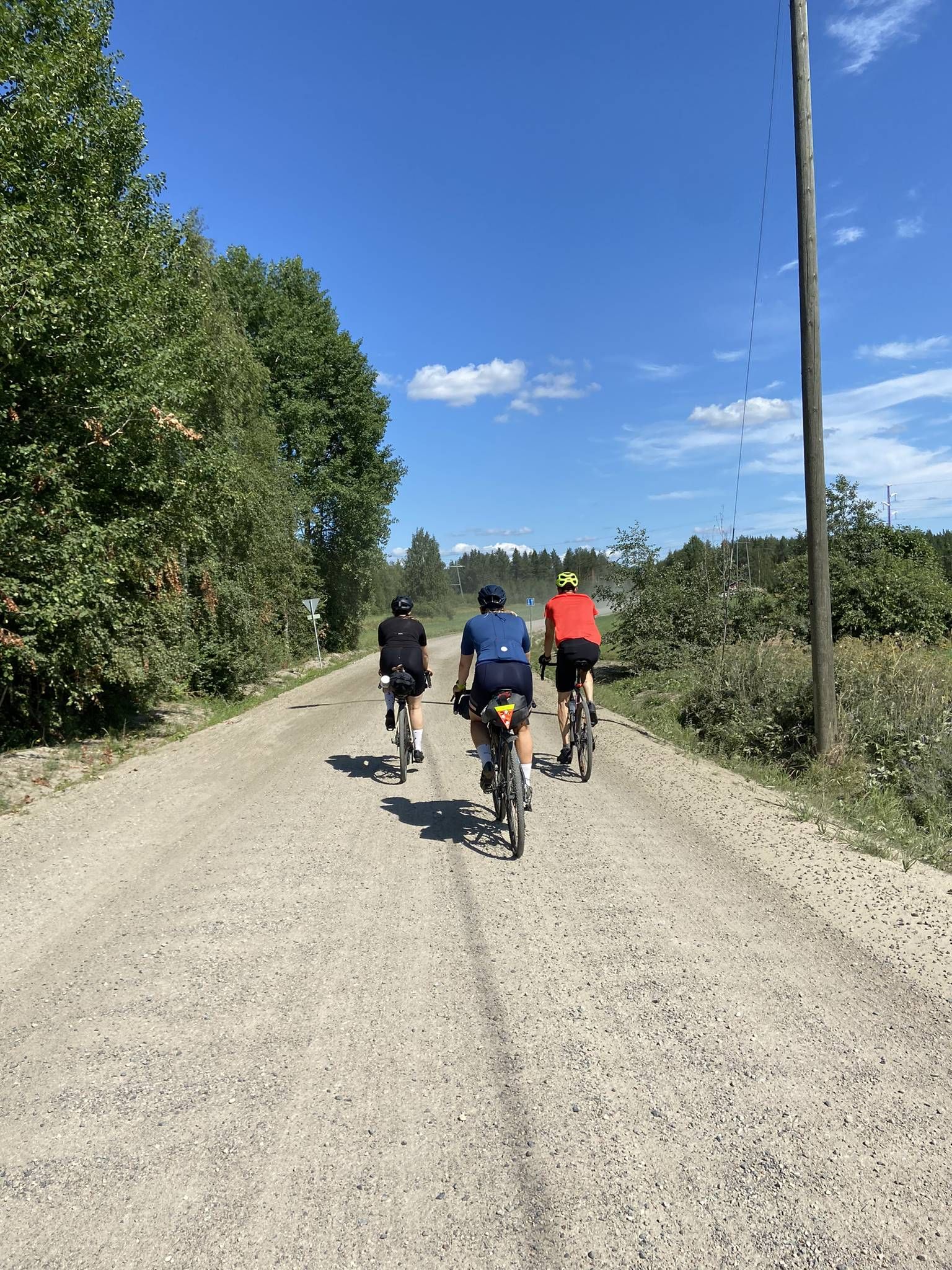
Naples to North Cape — Two friends, one purpose and many scoops of ice-cream
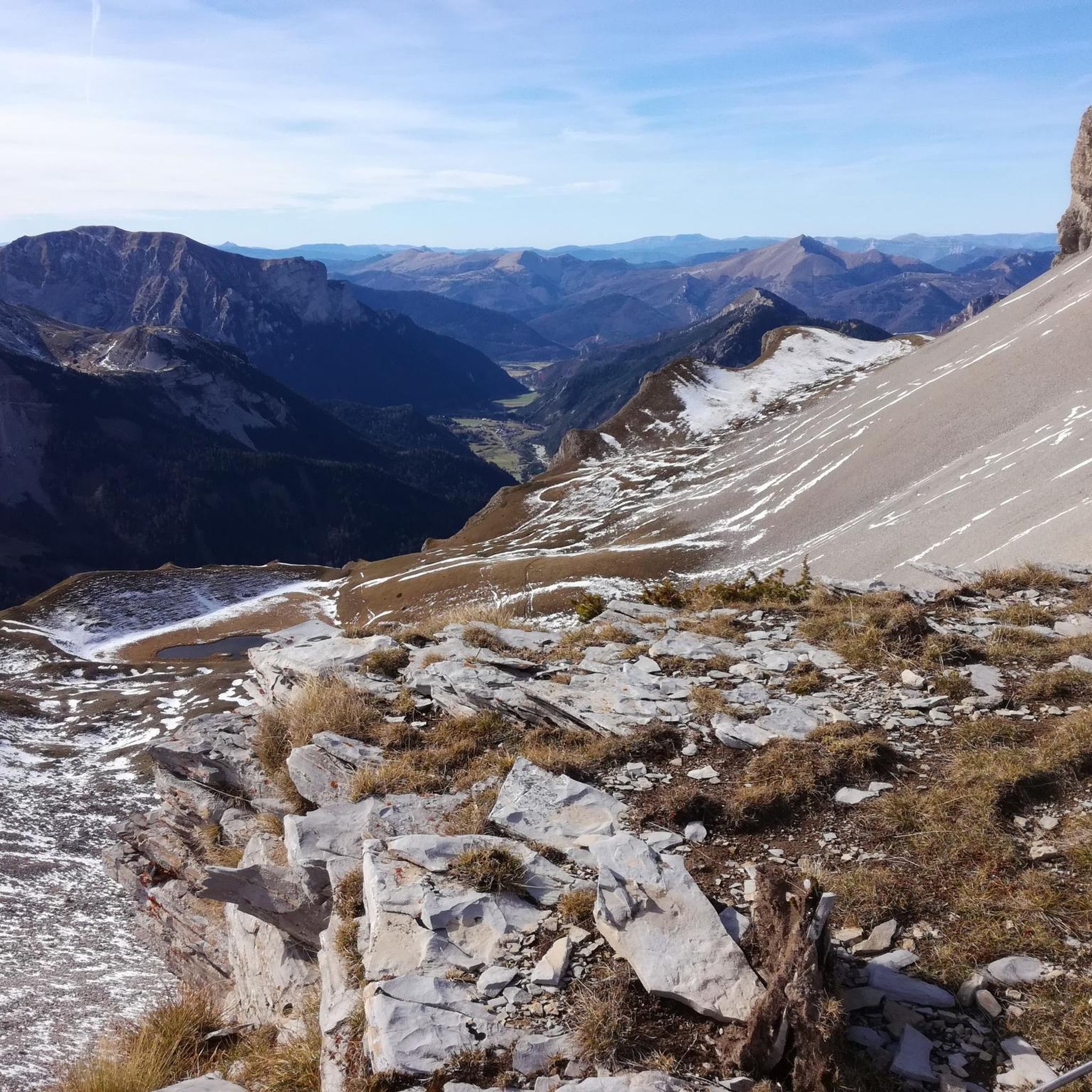
Hiking around Lus-La-Croix-Haute
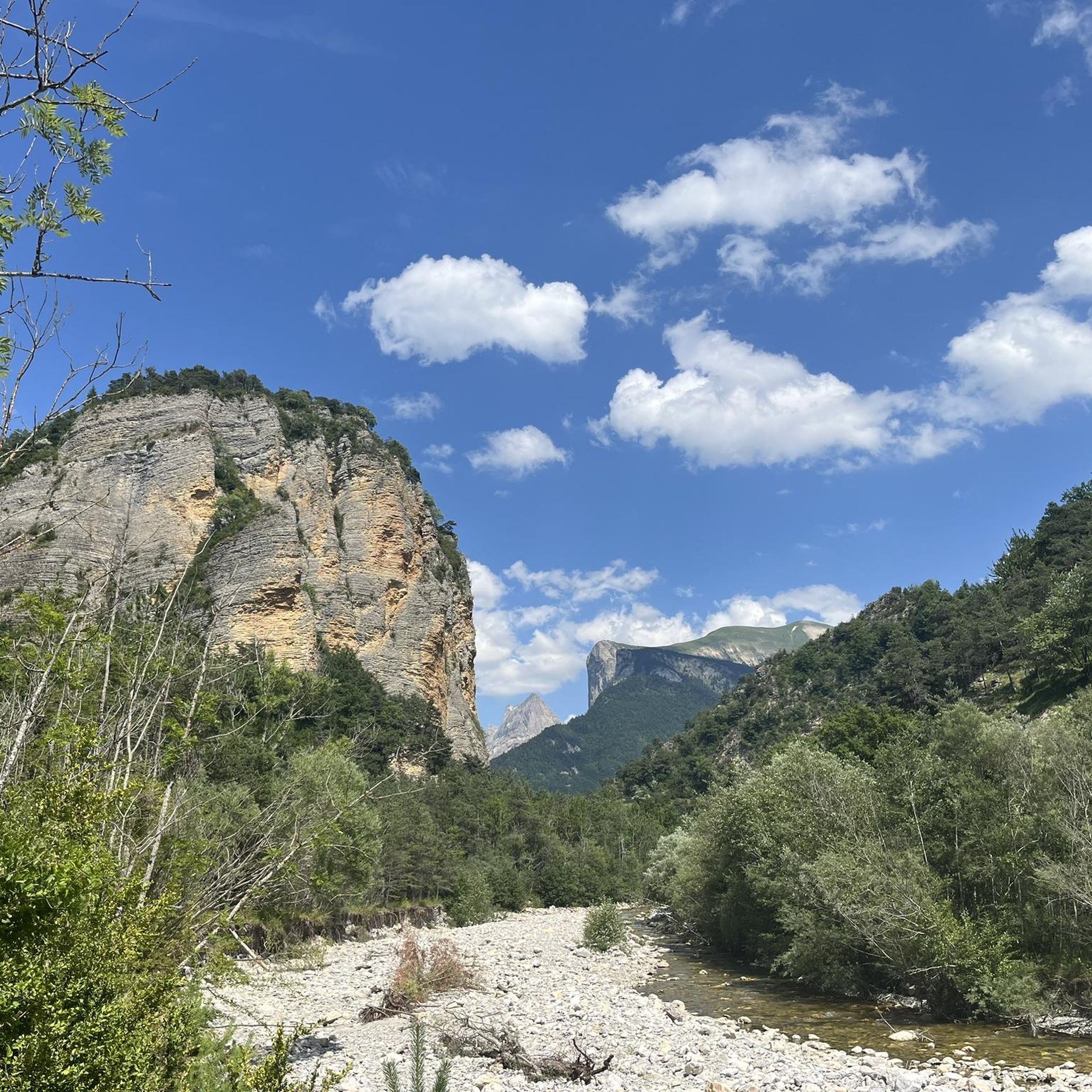
Cycling around Lus-La-Croix-Haute
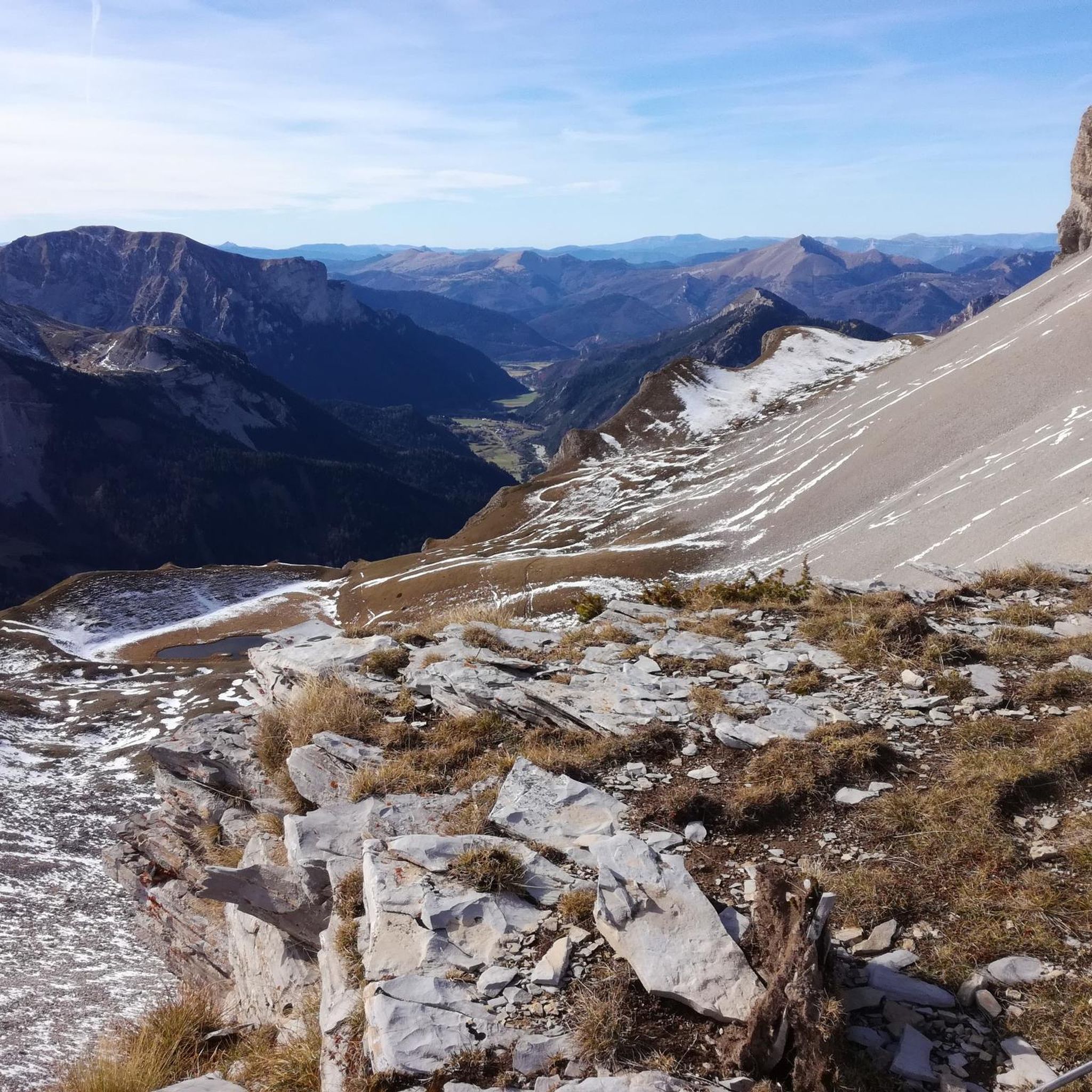
Road Cycling Routes around Lus-La-Croix-Haute
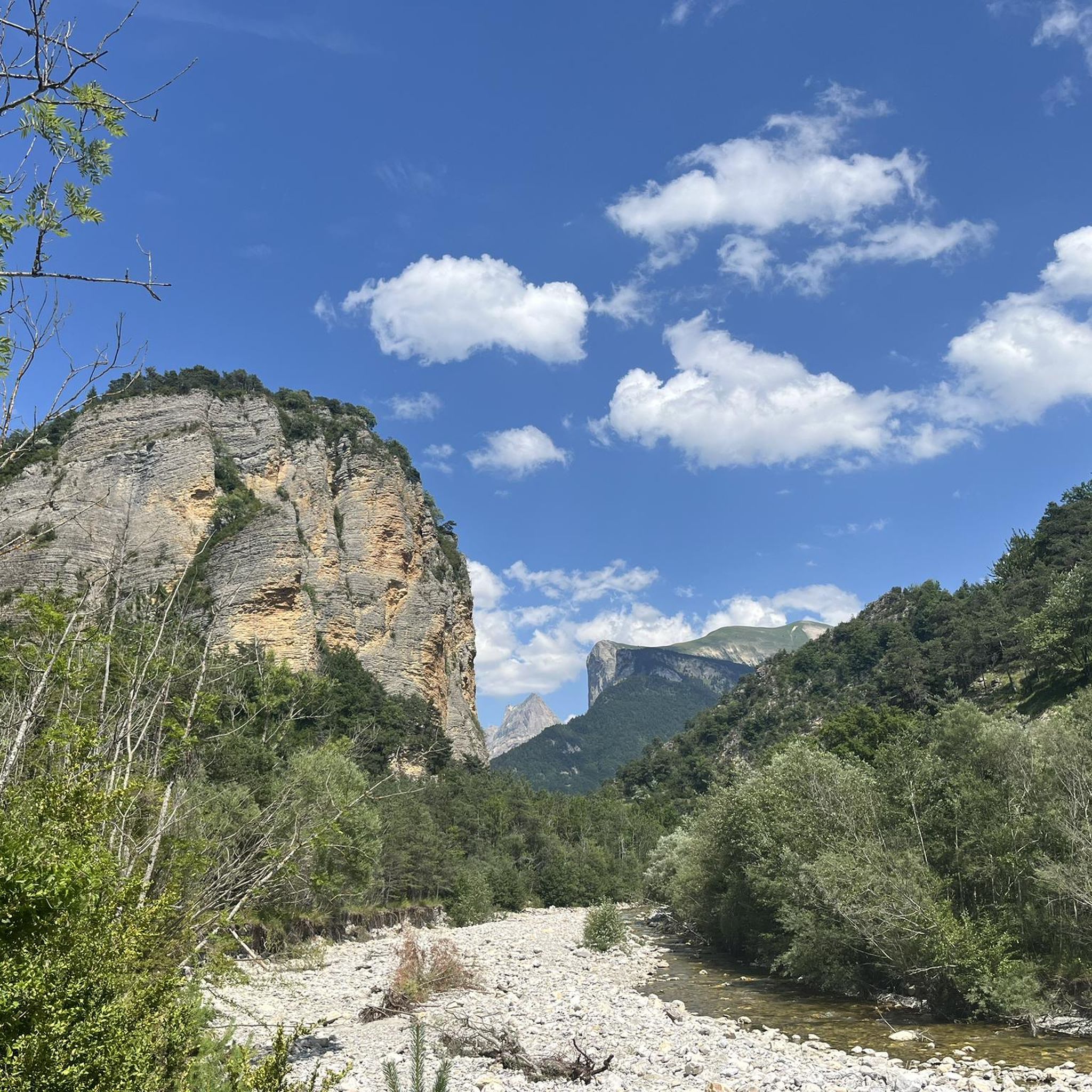
MTB Trails around Lus-La-Croix-Haute
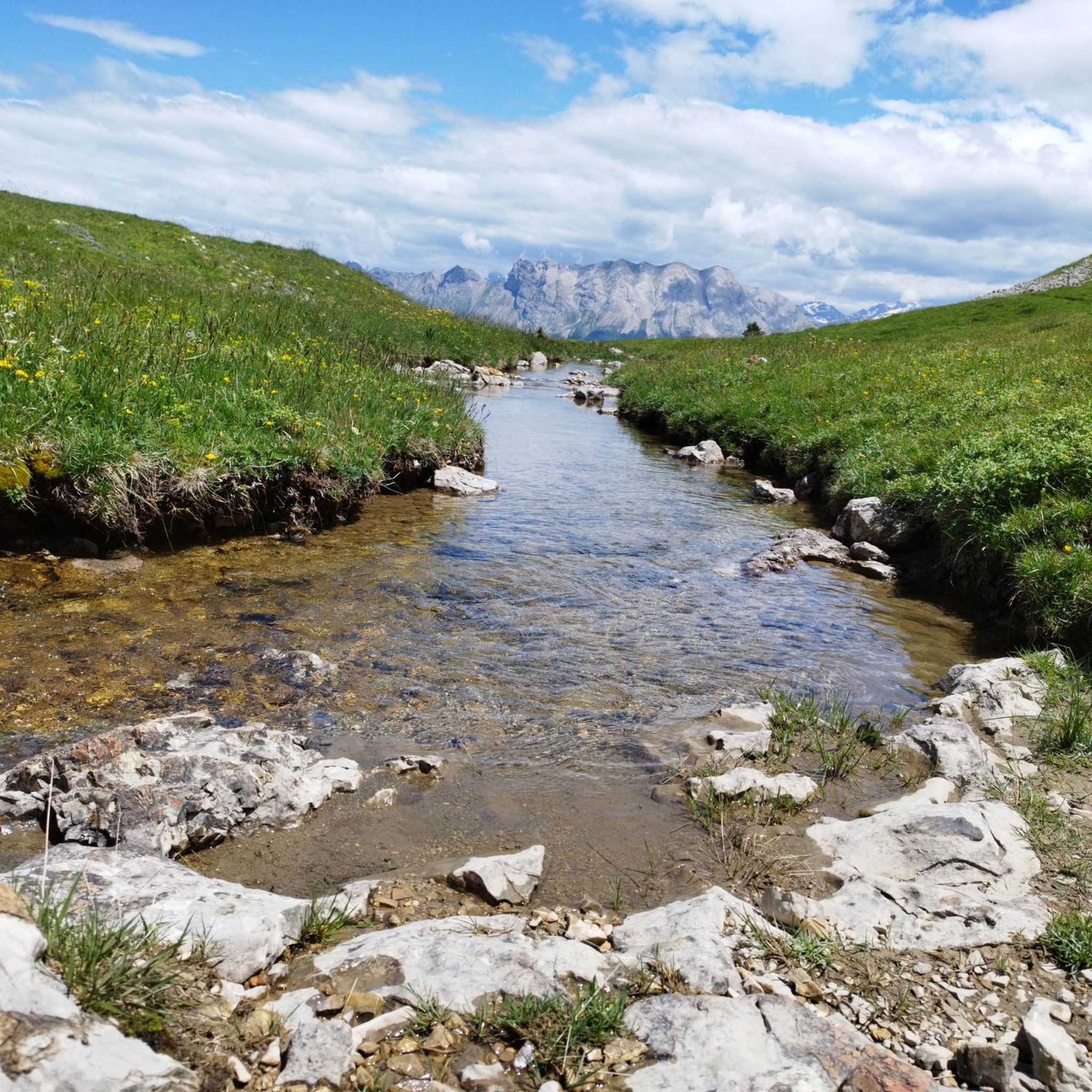
Running Trails around Lus-La-Croix-Haute

Gravel biking around Lus-La-Croix-Haute
Other adventures around Lus-La-Croix-Haute

Tips from the Community

The Col de Menée is a pass in the French Alps, located between the Vercors and Diois massifs, in the communes of Percy and Treschenu-Creyers, in the Auvergne-Rhône-Alpes region, at 1,457 m above sea level. It is considered the limit between Trièves and Diois.
0
0

A walk that leads to the Sucettes, these majestic vertical rocks. The loop starts in the cool undergrowth in a heatwave. After the Sucettes, my descent is via a wider track. Parking possible at the start/finish point.
0
0

Quiet climb of the Col de la Menée before a long descent to Châtillon
0
0

For me one of the most beautiful roads in France. It starts along the river. Little by little, the landscape becomes more and more deep. Then come the tunnels dug into the mountainside and the bridges whose technical feats we had to deploy to build them. Leaving the gorges, the road continues through the charming village of Glandage. The last kms of climb finally take place in the atmosphere of a small alpine pass
3
0

magnificent landscapes, steep and grandiose canyons, the heat and the atmosphere of the south
0
1

A little above the hiking trail you can see the huge antennas of a radio interferometer. The contrast between this high-tech, science-fiction-like facility and the breathtaking natural landscape could hardly be greater.
1
0

resurgence of the "souloise" river. very pretty + practical for picnics. close to the car park, it is accessible with even young children. very cold water! at this point the river "la souloise" comes out of the rock after disappearing some miles above. very esthetic, nice point for lunch, near the car park.
1
0

nice driveway through the cool gorges des gats to the sprawling col de grimone. good feeder The -> Veynes / Gap
0
1
Frequently Asked Questions
What are some unique natural monuments to explore in Lus-La-Croix-Haute?
The region offers a variety of unique natural monuments. You can visit the Gillardes Spring, where the Souloise river dramatically emerges from the rock. Another fascinating site is the Plateau de Bure, known for its large radio interferometer antennas set against a stunning natural backdrop. For dramatic landscapes, the Gorges des Gâts offers steep canyons and tunnels along the river.
Are there natural monuments suitable for families with young children?
Yes, the Gillardes Spring is very family-friendly. It's easily accessible from the car park, making it convenient for visitors with young children, and it's a beautiful spot for a picnic by the cold river water.
Where can I experience dramatic mountain scenery and geological formations?
For spectacular mountain scenery, the Vallon de la Jarjatte is an unspoilt natural cirque with impressive cliffs and rock pinnacles. The Gorges des Gâts also provides dramatic scenery with its steep canyons and tunnels. Additionally, you can find majestic vertical rock formations at Les Sucettes de Borne.
Can I observe wildlife, especially birds, near the natural monuments?
Yes, the region is rich in wildlife. The Source of the Drôme River is known for hosting beavers, and the river itself forms a vital ecological corridor. For birdwatching, the Col de Menée Vulture Observation Point is a great spot, and the nearby Cirque d'Archiane is famous for its dramatic cliffs and as a habitat for soaring vultures.
What kind of outdoor activities can I do near these natural monuments?
The area around Lus-La-Croix-Haute is excellent for outdoor activities. You can find numerous routes for mountain biking, cycling, and gravel biking. For example, there are challenging MTB trails like the 'View of Pic de l'Aigle' loops, and scenic cycling routes such as the 'Gorges of the Gats – Col de Menée loop'.
Are there any natural monuments that offer a blend of nature and unique human structures?
Absolutely. The Plateau de Bure offers a striking contrast between its high-altitude natural landscape and the huge radio interferometer antennas. This blend of high-tech science and breathtaking nature provides a truly unique visual experience.
What are the notable water features or river sources in the region?
The region is home to significant water features. You can visit the Gillardes Spring, where the Souloise river resurges from the rock. Additionally, the Source of the Drôme River, located at La Bâtie des Fonds, is notable as the origin of the last wild river in the Alps, flowing freely without artificial barriers.
Are there trails for intermediate hikers looking for scenic views?
Yes, several natural monuments offer trails for intermediate hikers with rewarding views. The Gorges des Gâts features a trail through dramatic canyons. The Col de Menée Vulture Observation Point offers a quiet climb with scenic vistas. For a walk leading to unique rock formations, consider the trail to Les Sucettes de Borne.
What is the best time of year to visit the natural monuments in Lus-La-Croix-Haute?
The region, with its blend of Alpine and Southern French influences, is generally best visited from late spring to early autumn (May to October). During these months, the weather is typically favorable for hiking and exploring the mountain landscapes, valleys, and river sources. Winter can offer beautiful snow-covered scenery but may limit access to some higher-altitude sites.
Are there any protected natural areas or sites of ecological importance?
Yes, Lus-La-Croix-Haute is part of the Regional Natural Park of Vercors and encompasses several Natura 2000 sites. These European-designated areas are crucial for preserving biodiversity and offer opportunities to experience a rich variety of flora and fauna in protected environments. The Drôme River is also recognized as the last wild river in the Alps, highlighting its ecological significance.
What do visitors particularly enjoy about the natural monuments in Lus-La-Croix-Haute?
Visitors frequently praise the dramatic scenery and unique geological features. For instance, the Gorges des Gâts is often described as one of the most beautiful roads in France, with its steep canyons and impressive tunnels. The Gillardes Spring is appreciated for its aesthetic beauty and accessibility, making it a great spot for lunch or a picnic.
Are there options for cycling or mountain biking near the natural monuments?
Yes, the area is well-suited for cycling and mountain biking. You can find various MTB trails and cycling routes that pass through or near many natural monuments. These routes range in difficulty and offer stunning views of the surrounding landscapes, including challenging climbs and scenic descents.
Most popular routes around Lus-La-Croix-Haute
Most popular attractions around Lus-La-Croix-Haute

Get inspired with the komoot mobile app


Explore more
Extend your search for the best caves by checking out these guides of the top ones around Lus-La-Croix-Haute:
