Top 13 Natural Monuments around Deûlémont
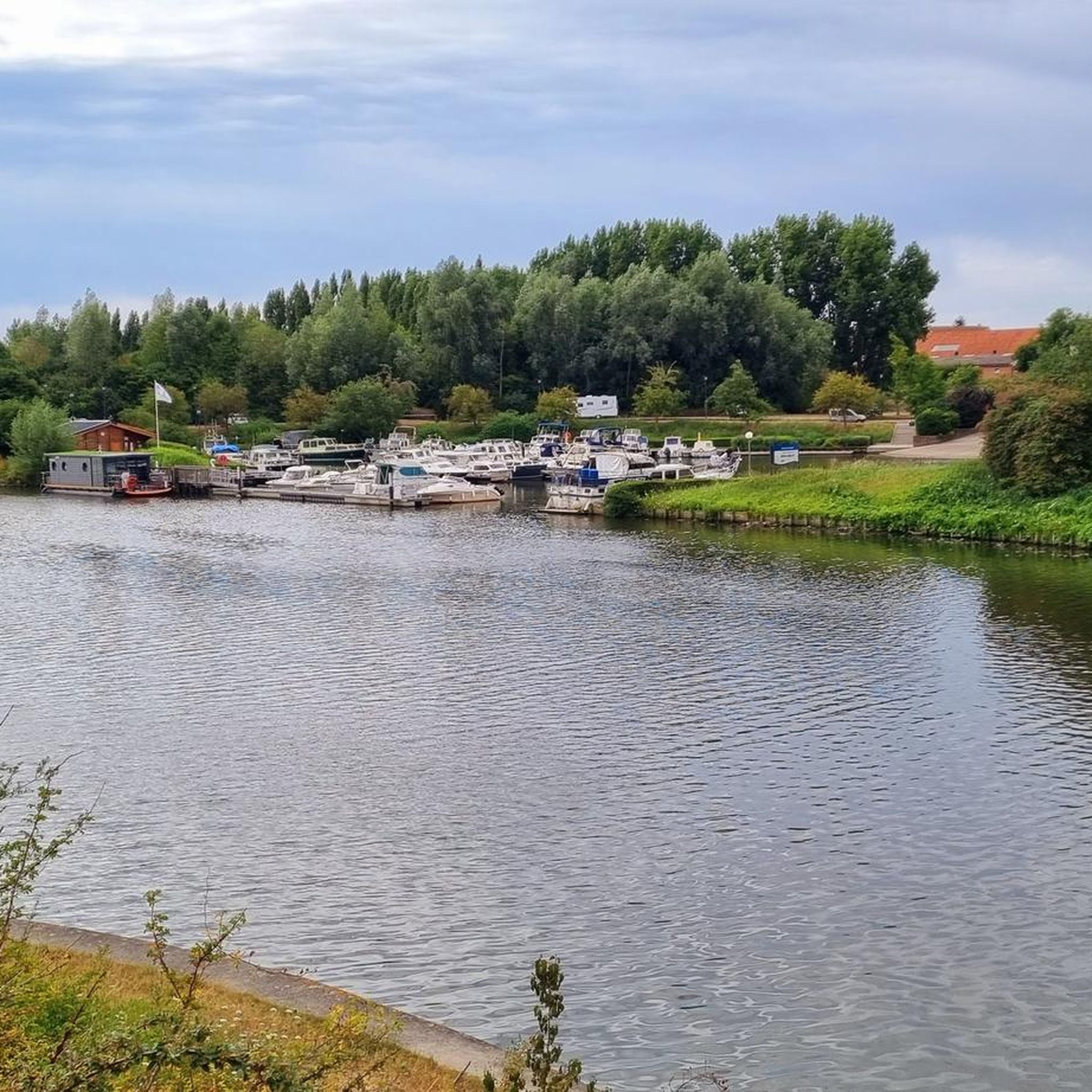
Best natural monuments around Deûlémont are characterized by the region's integration with its local ecosystem, particularly along the Deûle river. This area in the Nord department of France offers access to broader regional natural parks and unique historical landscapes. The tranquil waters of the Canal de la Deûle provide greenways for observation of local flora and fauna. Proximity to the expansive Parc de la Deûle offers diverse landscapes including woods, prairies, and wetlands.
Best natural monuments around Deûlémont
- The most…
Last updated: July 2, 2026
The Bluff Memorial and Crater
Highlight • Historical Site
Translated by Google •
Tip by

Hill 60 preserved Battlefield (World War I)
Highlight • Historical Site
Translated by Google •
Tip by

Sign up now to discover places like this
Get recommendations on the best single tracks, peaks, & plenty of other exciting outdoor places.
Sign up for free
Caterpillar Crater
Highlight • Historical Site
Translated by Google •
Tip by

Coming World Remember Me Sculpture
Highlight • Monument
Translated by Google •
Tip by

Spanbroekmolen Crater (Pool of Peace)
Highlight • Natural Monument
Translated by Google •
Tip by

Sign up for free to discover even more natural monuments around Deûlémont.
Sign up for free
Already have an account?
Start today with a free account
Your next adventure awaits.
Login or Signup

Tips from the Community

An interesting anecdote concerns the explosion of one of the mines on 17 July 1955 by lightning. This mine had not been detonated during the war and was still underground. The explosion created a new crater and reminded the local population of the lasting impact of the war.
6
0
The Spanbroekmolen crater, also known as the Pool of Peace, is an impressive mine crater in Wijtschate. This crater was formed on June 7, 1917, during the Second Battle of Messines, when British troops detonated 19 underground mines. The explosion created a crater 27 meters deep and 129 meters in diameter. After nearly 100 years of erosion, the crater is now a peaceful pool 12 meters deep and 76 meters in diameter.
9
0

another very beautiful work
0
0
some very beautiful works on the route
0
0

Strategic hill called Hill 60 in the First World War.
1
0

A walking path around it stimulates the observation of the surroundings. Due to the high location (76m) one has a good view. It gives an idea of the view that the Germans had over the battlefield. Various landmarks make the spatial filling of the front landscape interpretable: the position of the Pool of Peace shows the advanced German positions, the first 130m on the other side of the Kruisstraat formed the no man's land. (Inventory of Immovable Heritage)
12
0

It's an "artist's" vision, the subject is important, the work, less to my taste, if the gesture is worth the memory, I can only validate!
0
1
Frequently Asked Questions
What are the main natural features to explore around Deûlémont?
The region around Deûlémont is characterized by its integration with the local ecosystem, particularly along the Deûle river. You can explore the tranquil waters and greenways of the Canal de la Deûle, which offers pleasant routes for walking and cycling. Additionally, the area provides access to the expansive Parc de la Deûle, featuring diverse landscapes like woods, prairies, and wetlands.
Are there any unique historical natural monuments in the area?
Yes, the area is notable for its dramatic landscapes shaped by World War I. You can visit sites like Hill 60 preserved Battlefield (World War I), a small piece of preserved battlefield, and Caterpillar Crater, formed by a gigantic mine explosion. Another significant site is The Bluff Memorial and Crater, where you can discover mine craters, shelters, and military cemeteries.
What kind of landscapes can I expect to see in the Parc de la Deûle?
The Parc de la Deûle, a significant regional natural park near Deûlémont, offers a wide range of landscapes. You can explore woods, prairies, various bodies of water, and wetlands, which serve as habitats for diverse bird species. The park is divided into areas like 'nature retrouvée' (nature rediscovered) and 'nature domestiquée' (domesticated nature), providing varied natural experiences.
Are there family-friendly natural monuments around Deûlémont?
Yes, several natural monuments are suitable for families. The Caterpillar Crater is considered family-friendly, offering an impressive historical site. The Pool of Peace (Spanbroekmolen Crater), a peaceful reminder of a WWI mine battle, is also family-friendly and features a lake. Additionally, the Coming World Remember Me Sculpture is a family-friendly historical site with an art installation.
What outdoor activities can I do near these natural monuments?
The area around Deûlémont offers various outdoor activities. You can enjoy gravel biking on routes like the 'Gravel along the Deûle – Pont Rouge loop from Frelinghien' or 'Towpath of the Lys – Pont Rouge loop from Armentières'. For hiking, consider the 'Lys River Path – Pont Rouge loop from Deûlémont' or 'Statue of the Angel Gabriel – Old Houseboat loop from Deûlémont'. Cycling enthusiasts can explore routes such as 'Pont Rouge – Towpath of the Lys loop from Deûlémont'. You can find more details on these activities in the guides for gravel biking, hiking, and cycling around Deûlémont.
What is the best time to visit the natural monuments around Deûlémont?
The natural monuments and riverine landscapes around Deûlémont can be enjoyed throughout much of the year. Spring and summer offer pleasant weather for exploring the greenways along the Deûle river and the Parc de la Deûle. For the historical WWI crater sites, any season is suitable, though sturdy footwear is recommended, especially in wetter conditions.
Are there hiking trails near the natural monuments?
Yes, there are several hiking trails. For instance, you can take the 'Lys River Path – Pont Rouge loop from Deûlémont' (10.2 km, moderate) or the 'Statue of the Angel Gabriel – Old Houseboat loop from Deûlémont' (11.7 km, moderate). Shorter, easier options include the 'Red Bridge on the Lys – Painted Barge of Deûlémont loop from Deûlémont' (5.5 km, easy). Explore more hiking options in the hiking guide for Deûlémont.
What should I wear when visiting the natural monuments?
Appropriate footwear is highly recommended, especially when visiting sites like The Bluff Memorial and Crater, where you'll be walking around mine craters and potentially uneven terrain. Sturdy walking shoes are advisable to comfortably explore the historical sites and natural paths.
What do visitors enjoy most about the natural monuments in this region?
Visitors appreciate the unique blend of history and nature. Many find the WWI crater sites, such as Caterpillar Crater and Hill 60 preserved Battlefield (World War I), to be very impressive and thought-provoking. The peaceful atmosphere of places like the Pool of Peace and the scenic beauty of the Deûle river and Parc de la Deûle are also highly valued.
Is there parking available at the natural monuments?
For sites like The Bluff Memorial and Crater, spacious parking is provided on Palingbeekstraat, with a smaller lot available at the visitor center in Vaartstraat 7 Zillebeke. Caterpillar Crater and Hill 60 also have a large, accessible car park nearby.
Are the trails around the natural monuments dog-friendly?
While specific dog-friendly designations for each monument are not detailed, the greenways along the Deûle river and many trails within the Parc de la Deûle are generally suitable for walks with dogs, provided they are kept on a leash and owners clean up after them. Always check local regulations at specific sites.
How long should I plan for a visit to these natural monuments?
The duration of your visit can vary. For a site like The Bluff Memorial and Crater, you could easily spend half a day exploring the cemeteries, visitor pavilion, mine craters, and no man's land. Shorter visits might be sufficient for individual craters like Caterpillar Crater, especially if combined with nearby Hill 60. Exploring the Deûle river paths or sections of the Parc de la Deûle can range from a quick stroll to a full day's hike or bike ride.
Most popular routes around Deûlémont
Most popular attractions around Deûlémont

Get inspired with the komoot mobile app


Explore more
Extend your search for the best caves by checking out these guides of the top ones around Deûlémont:
