Top 5 Natural Monuments around Wahagnies
Best natural monuments around Wahagnies include a variety of re-naturalized industrial landscapes and ancient woodlands. The region, situated in northern France, features significant natural experiences, notably Le Bois de l'Émolière, a diverse woodland. This area provides preserved natural settings ideal for walks and observing local wildlife. The landscape around Wahagnies offers a mix of unique natural features resulting from both geological processes and historical human activity.
Best natural monuments around Wahagnies
- The most popular natural monuments is Leforest slag heap…
Last updated: July 2, 2026
Ostricourt slag heap
Highlight • Natural Monument
Translated by Google •
Tip by

Leforest slag heap
Highlight • Natural Monument
Translated by Google •
Tip by
Sign up now to discover places like this
Get recommendations on the best single tracks, peaks, & plenty of other exciting outdoor places.
Sign up for free
Ladder Tree
Highlight • Forest
It is easily accessible by bicycle.
Which is not the path that goes deep into the forest.
Translated by Google •
Tip by

Roost-Warendin Slag Heap 138
Highlight • Natural Monument
Translated by Google •
Tip by
Rest area at Behnenwald
Highlight • Lake
Translated by Google •
Tip by

Sign up for free to discover even more natural monuments around Wahagnies.
Sign up for free
Already have an account?
Start today with a free account
Your next adventure awaits.
Login or Signup

Tips from the Community

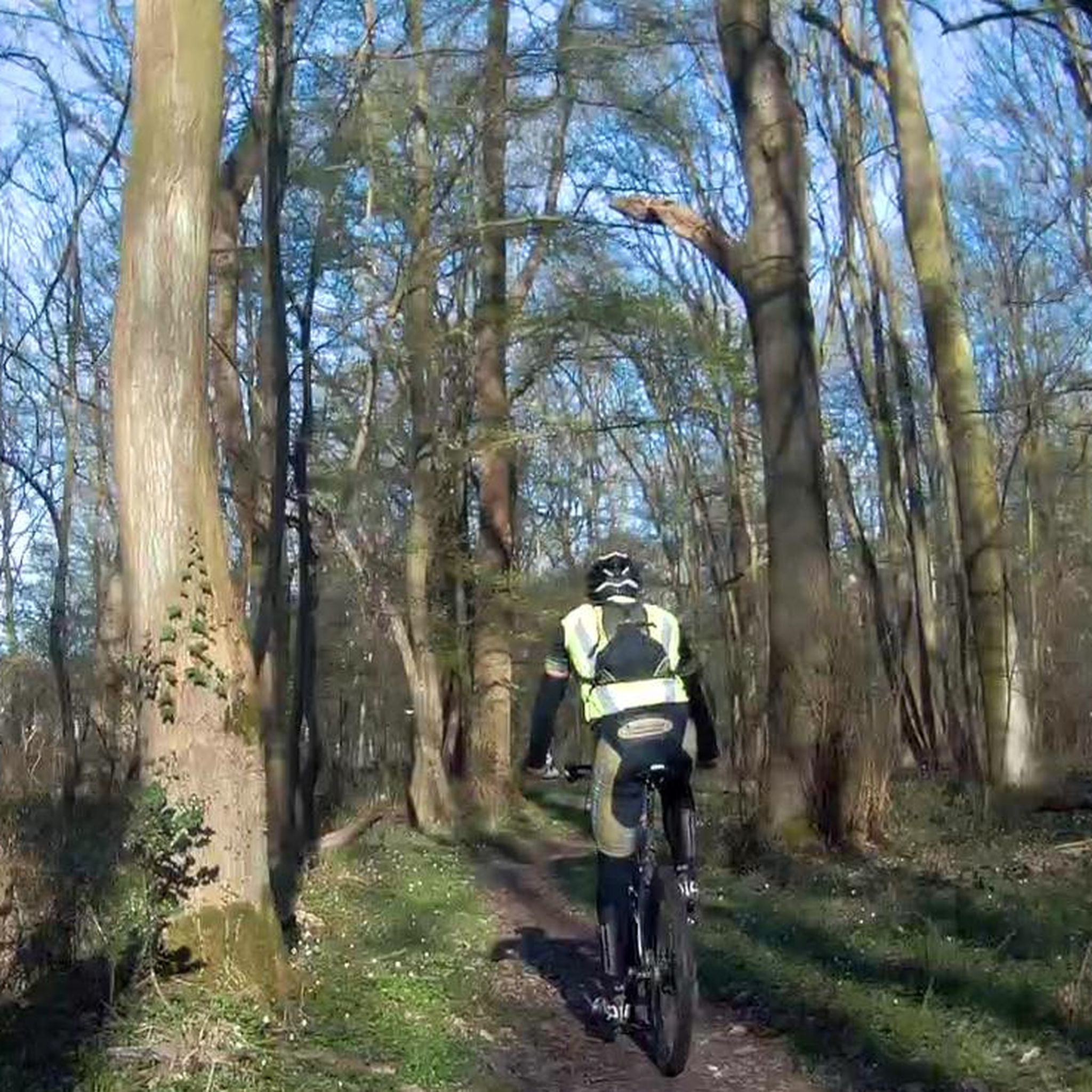
beautiful mountain bike playground
0
0

This oak, 200 to 300 years old, would have been used by the German army during the First World War as an observation post. The panel states: "The soldiers could thus observe the artillery and enemy movements. We can still observe some of the iron bars which would have been inserted into the trunk in order to constitute a ladder. The tree having continued to grow, the majority of the bars have been absorbed by the bark."
1
0

Remarkable century-old oak, having participated in the history of the First World War. It is easily accessible by bicycle. Which is not the path that goes deep into the forest.
1
0


Mandatory and iconic stopover in the region
1
0

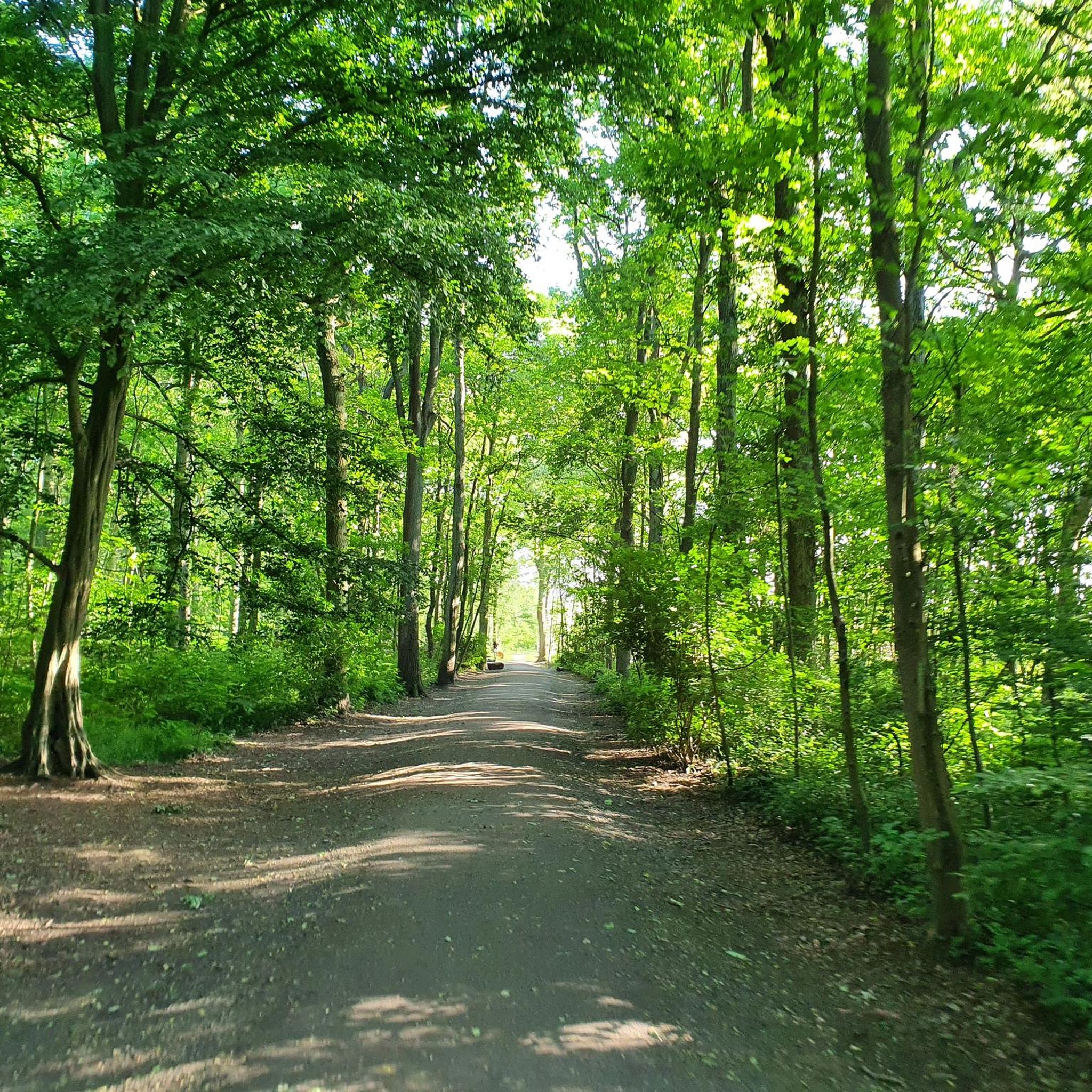
Nice place typical of the North. Difficult in gravel in wet weather.
0
0

Difficult to drive on the site at this time because of the "luxuriant" vegetation. Access to the karting level is blocked by padlocked gates.
0
0

Frequently Asked Questions
What are the most popular natural monuments around Wahagnies?
Visitors frequently enjoy the re-naturalized industrial landscapes and ancient woodlands. Among the most popular are Leforest slag heap, known for its magnificent views and appeal to mountain bikers, and Ostricourt slag heap, which offers a challenging single track and steep descent. The Ladder Tree, a historic century-old oak, is also a beloved spot.
What unique natural features can I find around Wahagnies?
The region around Wahagnies is characterized by a mix of re-naturalized slag heaps, which are former mining waste piles now covered in vegetation, and ancient forest areas. You'll find diverse woodlands like Le Bois de l'Émolière, which is home to various bird species and amphibians. The broader area also features natural sites like the Marais et étangs de la vallée de la Sensée (Marshes and Ponds of the Sensée Valley) and the preserved meadows of Parc de la Canteraine.
Can you tell me more about Le Bois de l'Émolière?
Le Bois de l'Émolière is a significant natural woodland spanning 32 hectares, predominantly featuring pedunculate oak and hornbeam trees. It offers a 2.5 km walking path, ideal for observing local wildlife such as Great Spotted Woodpeckers, red squirrels, and roe deer. Its network of ponds also supports various amphibian species. It's a tranquil escape into nature within the mining basin. You can find more information about it on the Tourisme en Hauts-de-France website.
What is the 'Ladder Tree' and why is it significant?
The Ladder Tree is a remarkable century-old oak, estimated to be 200 to 300 years old. It holds historical significance from the First World War, having been used by the German army as an observation post. Iron bars were inserted into its trunk to form a ladder, some of which are still visible today, absorbed by the tree's growth. It's easily accessible by bicycle.
Are there family-friendly natural monuments around Wahagnies?
Yes, the Ladder Tree is categorized as family-friendly, offering an interesting historical and natural site that is easily accessible. Le Bois de l'Émolière also provides a gentle 2.5 km walking path suitable for leisurely family strolls and wildlife observation.
What kind of cycling routes are available near Wahagnies' natural monuments?
The area around Wahagnies offers various cycling opportunities. For mountain biking, you can explore routes like the Pévèle greenway – Leforest slag heap loop or the Talus of Thumeries – Pévèle greenway loop. Road cyclists can enjoy routes such as the Phalempin State Forest – Le pas Roland loop. You can find more details and specific routes in the MTB Trails around Wahagnies guide and the Road Cycling Routes around Wahagnies guide.
Are there hiking or running trails near the natural monuments in Wahagnies?
Yes, there are several trails suitable for hiking and running. For instance, you can find routes like the Étang du Tour d'Horloge – Carvin Spoil Heap Woods loop or various loops within the Phalempin Forest. These trails offer moderate difficulty and allow you to explore the natural beauty of the region. More information can be found in the Running Trails around Wahagnies guide.
What do visitors enjoy most about the natural monuments in Wahagnies?
Visitors particularly appreciate the unique blend of re-naturalized landscapes and ancient forests. The challenging climbs and technical descents of the slag heaps, like Leforest slag heap, are popular among mountain bikers and gravelists for their magnificent views. The tranquil atmosphere and biodiversity of areas like Le Bois de l'Émolière are also highly valued for leisurely walks and wildlife observation.
Are the natural monuments around Wahagnies accessible for all fitness levels?
The accessibility varies. While some areas like Le Bois de l'Émolière offer gentle walking paths, many of the slag heaps, such as Ostricourt slag heap and Leforest slag heap, feature challenging climbs and steep descents that require careful navigation and a good level of fitness, especially for cycling. There are also easier cycling and running routes available in the wider region.
What is the best time to visit the natural monuments around Wahagnies?
Spring and autumn are generally ideal for visiting the natural monuments around Wahagnies. During these seasons, the weather is typically mild, making outdoor activities more comfortable. Spring brings blooming flora and active wildlife, while autumn offers beautiful foliage. Summer can also be pleasant, especially for shaded forest walks, but be prepared for warmer temperatures. Winter visits are possible, but some paths might be muddy or slippery.
Are there other notable slag heaps to explore besides Leforest and Ostricourt?
Yes, beyond the most popular ones, you can also explore Roost-Warendin Slag Heap 138, which is known for its labyrinthine single tracks amidst birch trees, offering a great mountain biking playground. Another option is Terril Estevelles, which provides a beautiful view of the surrounding landscape from its summit after a challenging climb.
Are there dog-friendly trails or areas in the natural monuments around Wahagnies?
Many natural areas and trails in the region, including those around the slag heaps and in woodlands like Le Bois de l'Émolière, are generally dog-friendly. However, it's always recommended to keep dogs on a leash, especially in areas with wildlife or near agricultural land, and to follow local regulations regarding waste disposal. Specific rules may vary, so observe signage at trailheads.
Most popular routes around Wahagnies
Most popular attractions around Wahagnies

Get inspired with the komoot mobile app


Explore more
Extend your search for the best caves by checking out these guides of the top ones around Wahagnies:
