Top 5 Natural Monuments around Flines-Lès-Mortagne
Best natural monuments around Flines-Lès-Mortagne include expansive forests and unique wetlands within the Nord department of France. This region is part of the Scarpe-Escaut Regional Natural Park, known for its ecological significance. The natural landscape offers diverse habitats and opportunities for outdoor exploration. Visitors can discover a variety of natural features, from ancient forests to marshy conservation sites.
Best natural monuments around Flines-Lès-Mortagne
- The most popular natural monument is Étang Chabaud-Latour, a lake that offers a rich natural site…
Last updated: July 2, 2026
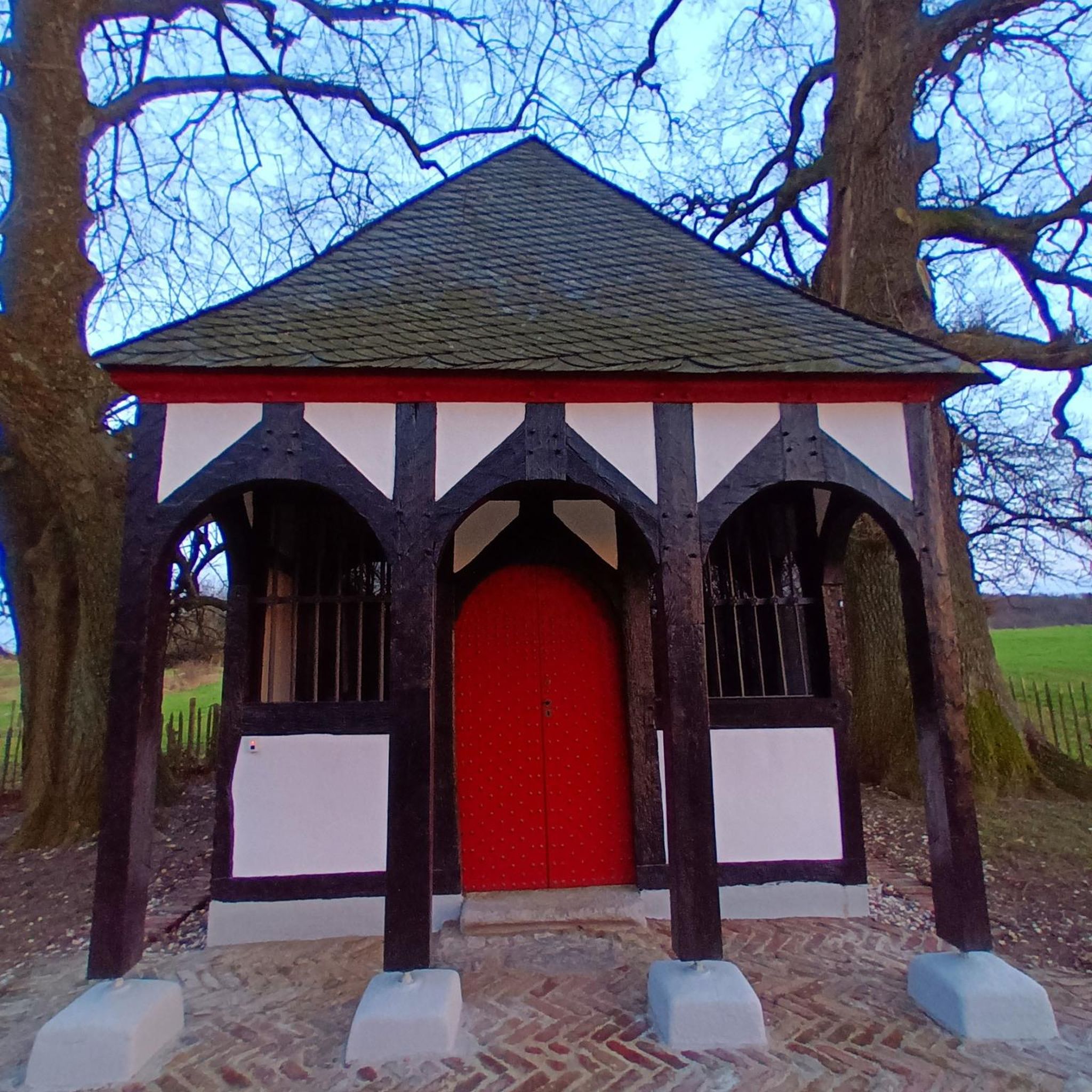
Menhir of Pierre Brunehault
Highlight • Natural Monument
Translated by Google •
Tip by

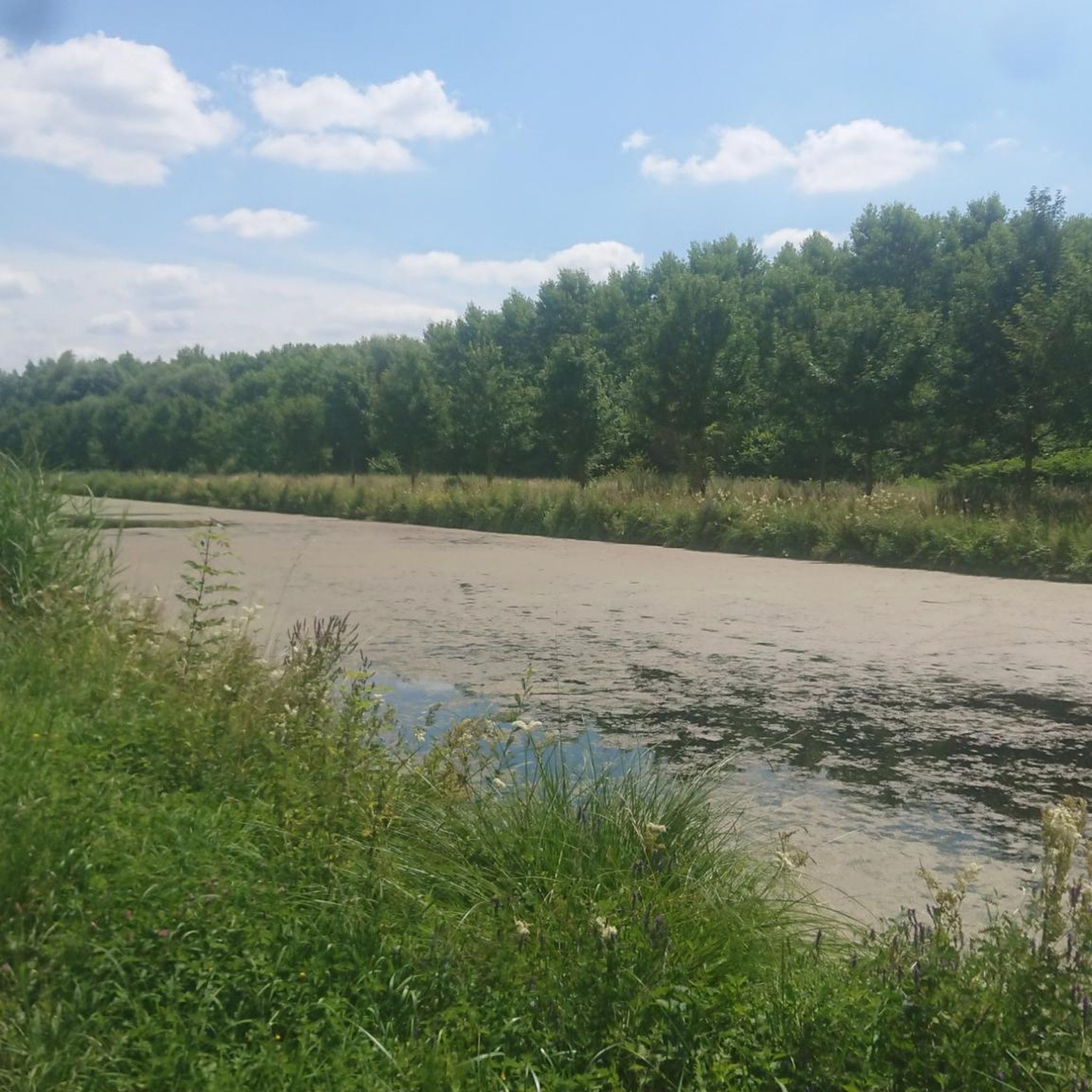
Étang Chabaud-Latour
Highlight • Lake
Translated by Google •
Tip by

Sign up now to discover places like this
Get recommendations on the best single tracks, peaks, & plenty of other exciting outdoor places.
Sign up for free
Lake Bernissart
Highlight • Lake
Translated by Google •
Tip by

Terril de Condé-Macou
Highlight • Natural Monument
Translated by Google •
Tip by

View from Terril Sabatier Nord
Highlight • Viewpoint
Translated by Google •
Tip by

Start today with a free account
Your next adventure awaits.
Login or Signup
Tips from the Community


great route organized by the tourist office this Sunday, June 15, 2025, with stops at interesting places of passage (bird viewpoint, headframe, Conde monuments)
1
0

An easy 8 km hike around a beautiful pond. Lots of birds.
0
0

The Pierre Brunehault, located in Brunehaut near Tournai, is an impressive megalith and one of the largest and oldest menhirs in Belgium. This mysterious stone, over four metres high, dates back to prehistoric times and has been the subject of stories and legends about its origins and meaning for centuries.
2
0

Well-known Carp Fishing Pond. In Spring and Summer way too busy & everyone crammed together
0
0

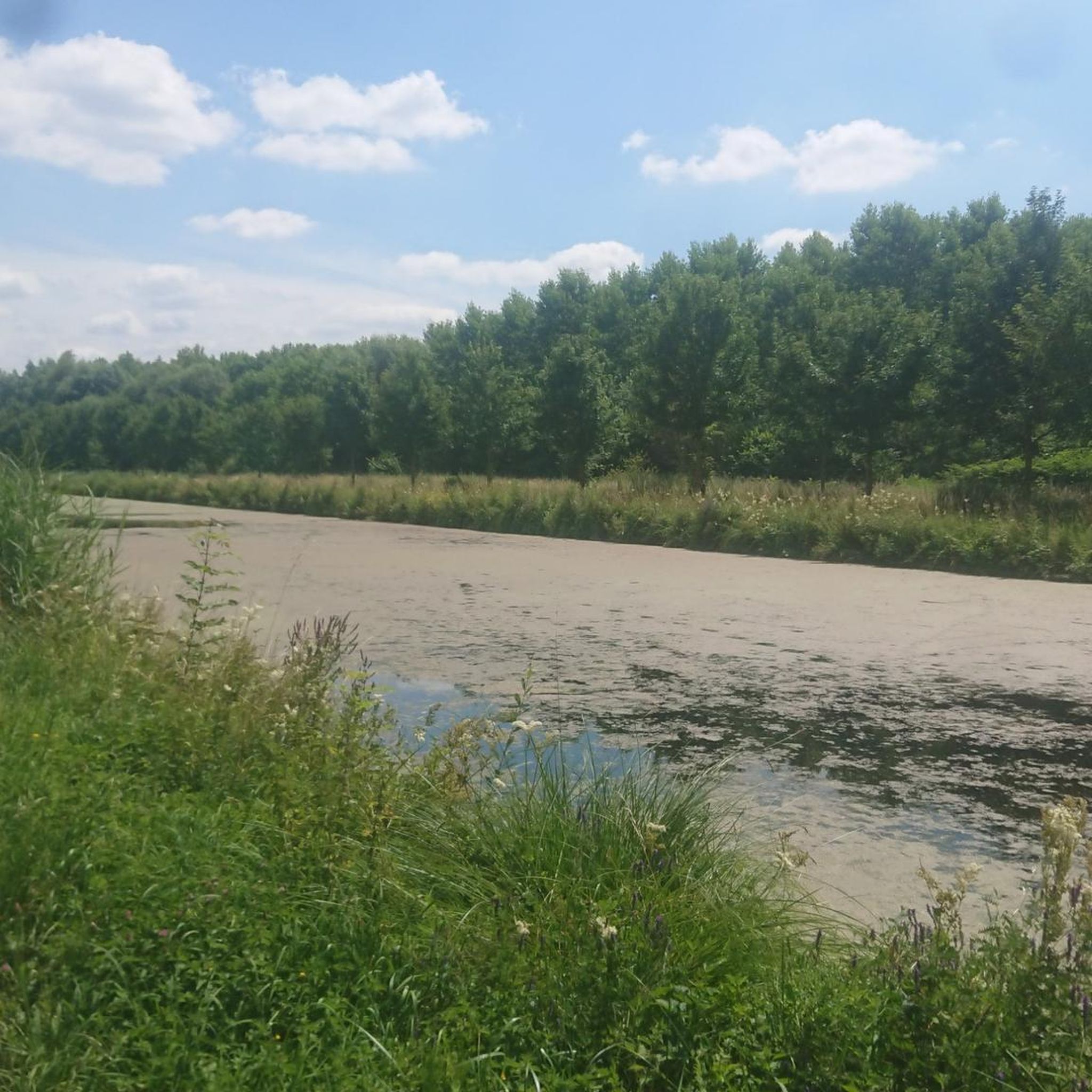
Take a break here to admire the idyllic landscapes at the water's edge. The Chabaud-Latour pond is a very rich natural site. Many species of birds stop there during their migration or reside there all year round.
2
0
Frequently Asked Questions
What types of natural monuments can I explore around Flines-Lès-Mortagne?
The region around Flines-Lès-Mortagne offers a diverse range of natural monuments, including expansive forests, unique wetlands, and former mining landscapes. You can find serene lakes like Étang Chabaud-Latour and Lake Bernissart, as well as significant forest areas such as the Forêt Domaniale de Flines-lès-Mortagne and portions of the Bonsecours National Forest. The Vivier de Rodignies is a notable marshy conservation site, and you can also explore unique terrains like the Terril de Condé-Macou, a former mining spoil heap now covered in forest.
Are there good hiking opportunities near the natural monuments?
Yes, the natural monuments around Flines-Lès-Mortagne provide excellent hiking opportunities. The Forêt Domaniale de Flines-lès-Mortagne and the Bonsecours National Forest both feature extensive trail networks. For specific routes, you can explore options like the easy 'Laplaig e loop from Flines-lès-Mortagne' or the 'Scheldt–Scarpe Confluence – Scarpe Lock loop from Château-l'Abbaye'. Find more details and routes on the Hiking around Flines-Lès-Mortagne guide.
Which natural monuments are suitable for families with children?
Several natural monuments in the area are family-friendly. Étang Chabaud-Latour is ideal, offering a pleasant walk around the lake and a children's park. Menhir of Pierre Brunehault is also a great spot for families, with benches to rest and beautiful landscapes to enjoy. Lake Bernissart, with its surrounding wooded areas, offers a calm environment for a family outing.
Can I go mountain biking near these natural sites?
Absolutely. The Terril de Condé-Macou is highlighted as a great spot for mountain biking, offering a unique forest terrain to explore. You can find various MTB trails in the region, such as the 'Mortagne-du-Nord Pavilion – La Pierre Brunehaut loop from Mortagne-du-Nord'. For more mountain biking routes, check the MTB Trails around Flines-Lès-Mortagne guide.
Are there any historical or cultural natural monuments in the area?
Yes, the region blends natural beauty with historical significance. The Menhir of Pierre Brunehault is a prominent historical site, an impressive megalith dating back to prehistoric times, surrounded by local legends. The Bonsecours National Forest also holds historical value, having largely survived two World Wars and encompassing elements like ancient alignments of 18th-century beech trees. The Vivier de Rodignies, a wetland site, has a history dating back to the Middle Ages when it was used by monks for fish breeding.
What kind of wildlife and biodiversity can I expect to see?
The natural monuments around Flines-Lès-Mortagne are rich in biodiversity. The Forêt Domaniale de Flines-lès-Mortagne is known for its variety of flora and fauna, including different fern species. The Bonsecours National Forest is particularly renowned for its exceptional biodiversity, serving as an ecological corridor for numerous animal species like storks, great egrets, alpine newts, woodpeckers, and rare butterflies. The Vivier de Rodignies, a unique wetland ecosystem, supports a diverse range of plant and animal species adapted to marshy environments.
Are there viewpoints to enjoy panoramic scenery?
Yes, you can find viewpoints offering expansive scenery. The View from Terril Sabatier Nord provides a wide panoramic view, allowing you to see landmarks like the tower of Saint-Amand-les-Eaux in the distance. Étang Chabaud-Latour also offers idyllic landscapes at the water's edge, especially for birdwatching.
What is the best time of year to visit the natural monuments?
The natural monuments around Flines-Lès-Mortagne are generally enjoyable throughout the warmer months, from spring to autumn. During these seasons, the forests are lush, and the wetlands are vibrant with flora and fauna, making it ideal for hiking, cycling, and wildlife observation. While specific data isn't available, these periods typically offer the most pleasant weather for outdoor activities.
Are there cycling routes available near the natural monuments?
Yes, the region is well-suited for cycling. The Forêt Domaniale de Flines-lès-Mortagne offers tranquil environments for cycling, with initiatives to enhance trails for non-motorized traffic. For road cycling enthusiasts, routes like the 'Grand Large de Péronnes loop from Mortagne-du-Nord' are available. You can find more detailed cycling routes in the Road Cycling Routes around Flines-Lès-Mortagne guide.
What makes the Vivier de Rodignies unique?
The Vivier de Rodignies is a unique nature conservation site within Flines-lès-Mortagne, recognized for its special protection designations. It features a mosaic of habitats, including wet grasslands, reed beds, and small ponds, all interwoven by a dense network of drainage ditches. This creates a rich and diverse ecosystem supporting a wide array of plant and animal species adapted to wetland environments. Historically, it was developed by monks in the Middle Ages for fish breeding, adding to its distinct character.
How long should I plan to spend at these natural monuments?
The time you spend can vary depending on the site and your activity. For a leisurely walk around Étang Chabaud-Latour, which is approximately 7 km, you might spend 1.5 to 2 hours. Exploring the larger forest areas like the Forêt Domaniale de Flines-lès-Mortagne or the Bonsecours National Forest could easily fill half a day or more, especially if you combine hiking or cycling. Shorter visits to sites like the Menhir of Pierre Brunehault might take 30 minutes to an hour.
Most popular routes around Flines-Lès-Mortagne
Most popular attractions around Flines-Lès-Mortagne

Get inspired with the komoot mobile app


Explore more
Extend your search for the best caves by checking out these guides of the top ones around Flines-Lès-Mortagne:
