Top 9 Natural Monuments around Saint-Nom-La-Bretèche
Best natural monuments around Saint-Nom-La-Bretèche are characterized by serene natural surroundings, primarily featuring forests and ponds. This region offers peaceful escapes and opportunities for outdoor activities. The natural landscape provides a valuable green space for recreation and appreciating the area's natural heritage. Visitors can explore various natural features, including historical trees and tranquil ponds.
Best natural monuments around Saint-Nom-La-Bretèche
- The most popular natural monuments is Bassin de Flore, a man-made monument that symbolizes the first season of the year.…
Last updated: May 20, 2026
Latona Fountain
Highlight • Monument
Translated by Google •
Tip by

Old Chestnut Tree at Place Audran
Highlight • Natural Monument
Translated by Google •
Tip by

Sign up now to discover places like this
Get recommendations on the best single tracks, peaks, & plenty of other exciting outdoor places.
Sign up for free
Bosquet of the Baths of Apollo
Highlight • Monument
Translated by Google •
Tip by
Bassin de Flore
Highlight • Monument
Translated by Google •
Tip by
Chemin du Désert de Retz
Highlight • Historical Site
Translated by Google •
Tip by

Sign up for free to discover even more natural monuments around Saint-Nom-La-Bretèche.
Sign up for free
Already have an account?
Start today with a free account
Your next adventure awaits.
Login or Signup
Tips from the Community

Added to the collection: komoot.com/de-de/collection/3600632/-naturdenkmaeler-besondere-baeume-und-weitere-schaetze-der-natur
0
0


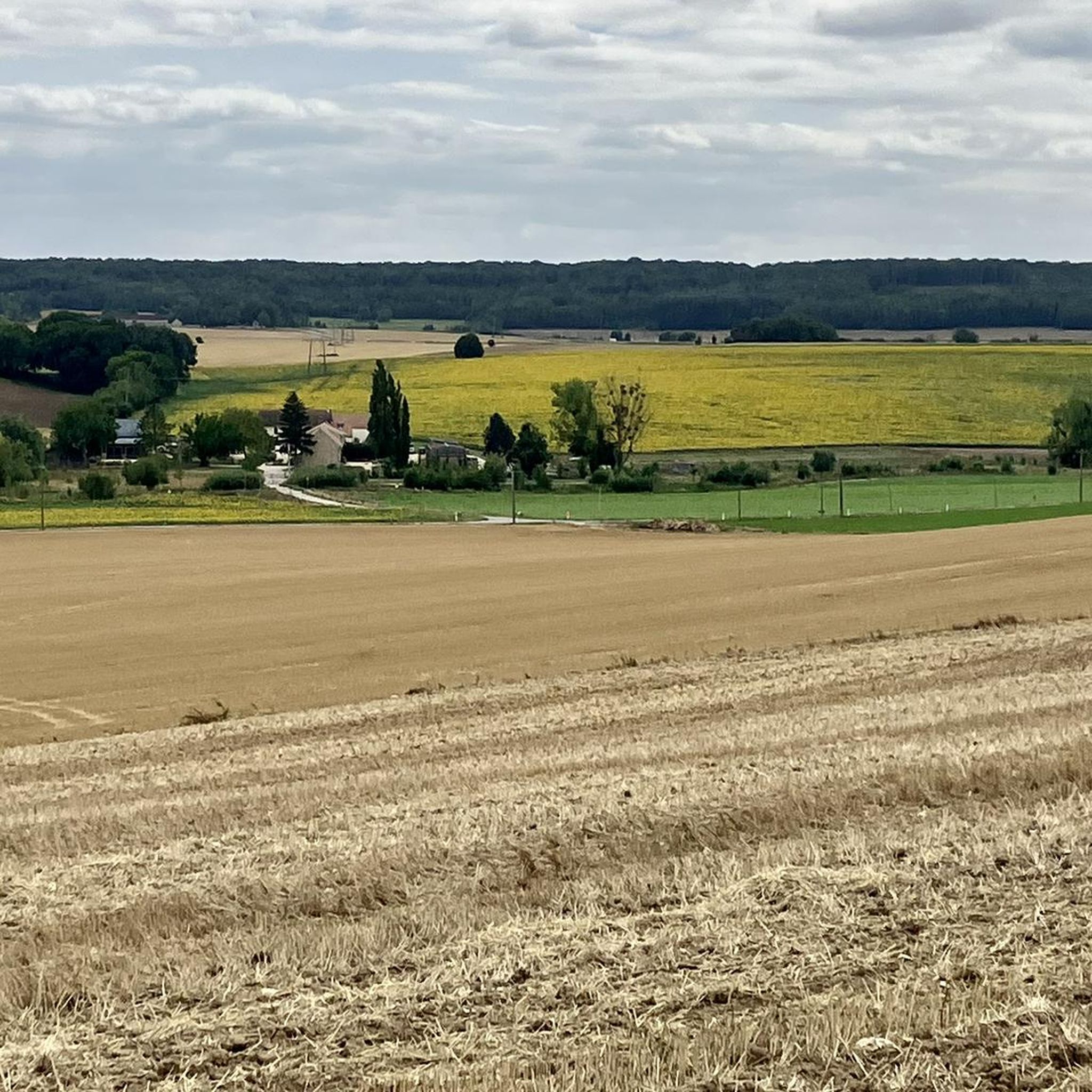
Path along the Golf de Joyenval and the Désert de Retz, a place famous for its atypical architecture. The garden can be visited every Saturday from April to October, the price of the visit being 10 euros.
1
0

Located at the crossroads of several groves, including that of the Queen, the basin of Flora, Roman goddess of flowers, gardens and spring, symbolizes the first season of the year. Sculpted by Jean-Baptiste Tuby, she is represented with a wreath of flowers, in the center of the basin. https://bienvenue.chateauversailles.fr/fr/jardins/a-voir/310_bassin-de-flore#!panel-242
5
0
The current grove dates from the reign of Louis XVI, laid out between 1778 and 1781. Its center is occupied by a lake dominated by a huge fake rock embellished with waterfalls and hollowed out with a cave. This hosts the sculptures of the Horses of the Sun placed on either side of the group of Apollo served by the nymphs, created by François Girardon and Thomas Regnaudin. https://bienvenue.chateauversailles.fr/fr/jardins/bienvenue/304_bosquet-des-bains-d-apollon#!panel-46
6
0
The Latona basin results from the desire of Louis XIV to create, in the center of his Garden, a fountain which recounts the childhood of Apollo, the sun god he chose as his emblem. To create this fountain, Louis XIV transformed a pool dug by Louis XIII by gradually installing water features and decorations sculpted by the Marsy brothers. The Latona basin went through several states before adopting its current form. In 1667, it was the Toad Fountain. From 1668 to 1670, a first Latona basin appeared; Latona is then at the same level as the other figures and turned towards the Castle. From 1687 to 1689, Jules Hardouin-Mansart created the current pool, by making Latona turn around and hoisting her to the top of a marble pyramid. http://latone.chateauversailles.fr/page/le-bassin-de-latone/histoire-du-bassin
11
0


An article if you are interested in the subject: https://france3-regions.francetvinfo.fr/paris-ile-de-france/paris/grand-paris/un-chataignier-des-yvelines-elu-plus-bel-arbre- of-the-year-2424739.html
1
0
Frequently Asked Questions
What are the most popular natural monuments around Saint-Nom-La-Bretèche?
Visitors frequently enjoy the historical and artistic natural monuments. Among the most popular are the Bassin de Flore, which symbolizes spring, and the Bosquet of the Baths of Apollo, known for its artificial rock and sculptures. The Latona Fountain, recounting Apollo's childhood, also offers wide views over the gardens.
Are there family-friendly natural monuments to visit in the area?
Yes, many natural monuments around Saint-Nom-La-Bretèche are suitable for families. The Bassin de Flore, Bosquet of the Baths of Apollo, and Latona Fountain are all categorized as family-friendly. Additionally, the ancient Old Chestnut Tree at Place Audran is a fascinating natural monument for all ages.
What kind of natural features can I expect to see around Saint-Nom-La-Bretèche?
The region is characterized by serene natural surroundings, primarily featuring forests and ponds. You'll find tranquil water bodies like the Etang de Saint-Cucufa, which is nestled within a forest and offers opportunities for nature observation. The area also boasts ancient trees, such as the historic Old Chestnut Tree at Place Audran.
What outdoor activities can I do near these natural monuments?
The natural areas around Saint-Nom-La-Bretèche offer various outdoor activities. You can explore numerous hiking trails in the Forest of Marly, or enjoy cycling. For specific routes, you can find options like the 'Faint Path Through the Woods loop' or 'Forest Trail – La Croix Saint-Michel loop' in the Hiking around Saint-Nom-La-Bretèche guide. There are also guides for MTB Trails and Gravel biking.
Are there any historical natural monuments in the area?
Yes, several natural monuments in the region have significant historical context. The Latona Fountain, Bosquet of the Baths of Apollo, and Bassin de Flore are all man-made monuments with rich histories, often linked to the reign of French monarchs. The Old Chestnut Tree at Place Audran, estimated to be 330 years old, also stands as a living historical monument.
What is the best time to visit the natural monuments around Saint-Nom-La-Bretèche?
The natural monuments and surrounding areas are beautiful year-round. Spring and autumn offer pleasant temperatures for walking and enjoying the changing foliage. Summer is ideal for picnics and longer outdoor stays, while winter can provide a peaceful, serene atmosphere, especially in the forests and around the ponds.
Are there any viewpoints to enjoy scenic views?
Yes, the Latona Fountain offers wide views over the gardens. Additionally, the Etang de Saint-Cucufa provides a tranquil setting within the forest, where you can observe the natural beauty of the pond and its surroundings.
Can I bring my dog to the natural monuments and trails?
Many natural areas and trails in the region, such as those within the Forest of Marly and around the ponds, are generally dog-friendly. When visiting specific sites like the Etang de Saint-Cucufa, dogs are often seen, though usually kept on leashes. Always check local regulations for specific monuments or protected areas.
What is the terrain like for hiking near these natural monuments?
The terrain around Saint-Nom-La-Bretèche, particularly in the Forest of Marly, generally features varied paths suitable for walking. While many trails are easy, some, like those around the Etang de Saint-Cucufa, can include intermediate sections with steep descents. Expect a mix of unpaved forest paths and some paved sections, with moderate elevation changes.
Are there any hidden natural gems or less-known spots?
While the main highlights are well-known, the broader Forest of Marly offers countless smaller paths and quiet spots for exploration. The various ponds in the vicinity, such as Étang de la Geneste, provide peaceful settings away from more frequented areas, ideal for nature observation and relaxation.
What kind of wildlife can be observed in these natural areas?
The natural areas, especially around the ponds and within the forests, are home to diverse wildlife. At the Etang de Saint-Cucufa, you can observe numerous birds like woodpeckers, moorhens, and herons, as well as amphibians and fish. The forests also host various small mammals and insects.
How long do typical visits to these natural monuments take?
The duration of your visit can vary. Exploring a specific monument like the Latona Fountain might take 30 minutes to an hour. If you combine it with a walk through the surrounding gardens or a hike in the Forest of Marly, you could easily spend half a day or more. For example, a circular walk around the Etang de Saint-Cucufa can take a couple of hours.
Is parking available near the natural monuments?
Parking availability varies by location. For monuments within larger estates like those near Versailles, designated parking lots are usually available. For natural areas like the Forest of Marly or ponds such as Etang de Saint-Cucufa, you can often find parking areas at trailheads or nearby access points.
Most popular routes around Saint-Nom-La-Bretèche
Most popular attractions around Saint-Nom-La-Bretèche

Get inspired with the komoot mobile app


Explore more
Extend your search for the best caves by checking out these guides of the top ones around Saint-Nom-La-Bretèche:
