Top 9 Natural Monuments around Tresserre
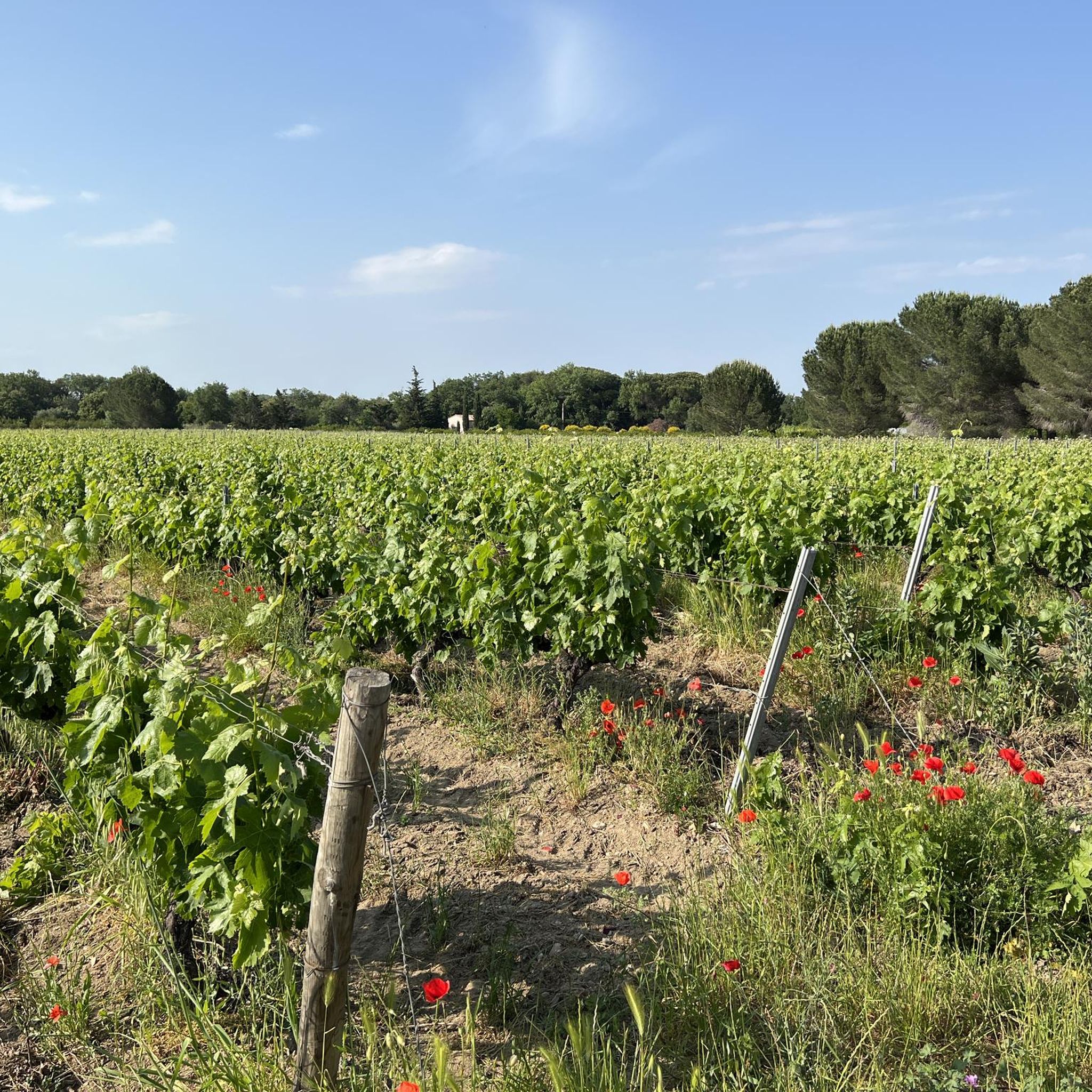
Natural monuments around Tresserre are primarily recognized through European and national environmental protection designations. This commune in the Pyrénées-Orientales department of France features a Mediterranean climate and a rich natural heritage. The area is characterized by its rural landscape, including vineyards, and its ecological significance within networks like Natura 2000 and ZNIEFFs. These protected natural areas Tresserre aim to preserve biological diversity and offer opportunities for observing local flora and fauna.
Best natural monuments around Tresserre
- The most popular natural…
Last updated: October 18, 2026
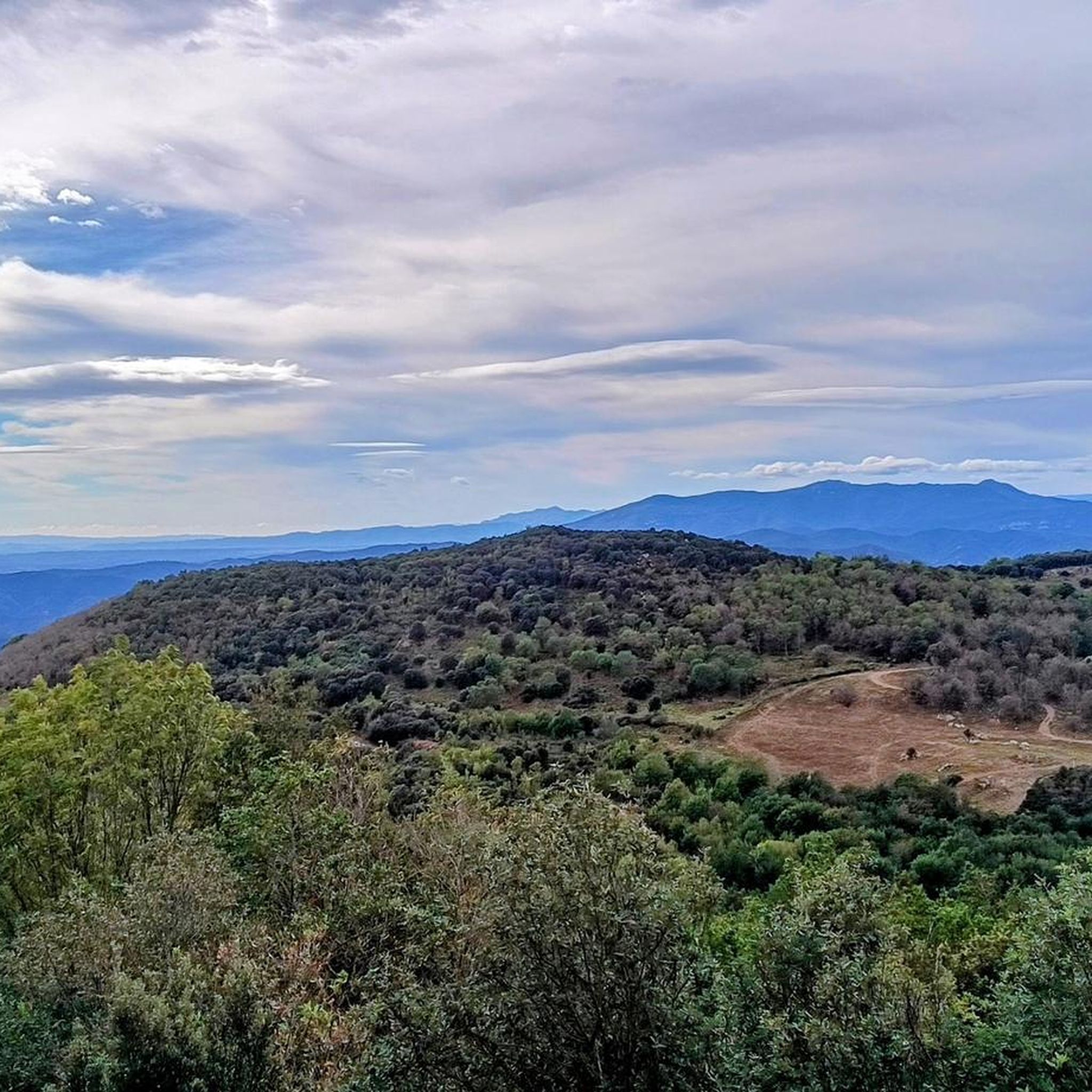
Puig Neulós
Highlight • Summit
If we refer to the toponymy, this 1,256 meter summit is often in the clouds. In fact “neulós” means covered in clouds in Catalan.
Translated by Google •
Tip by

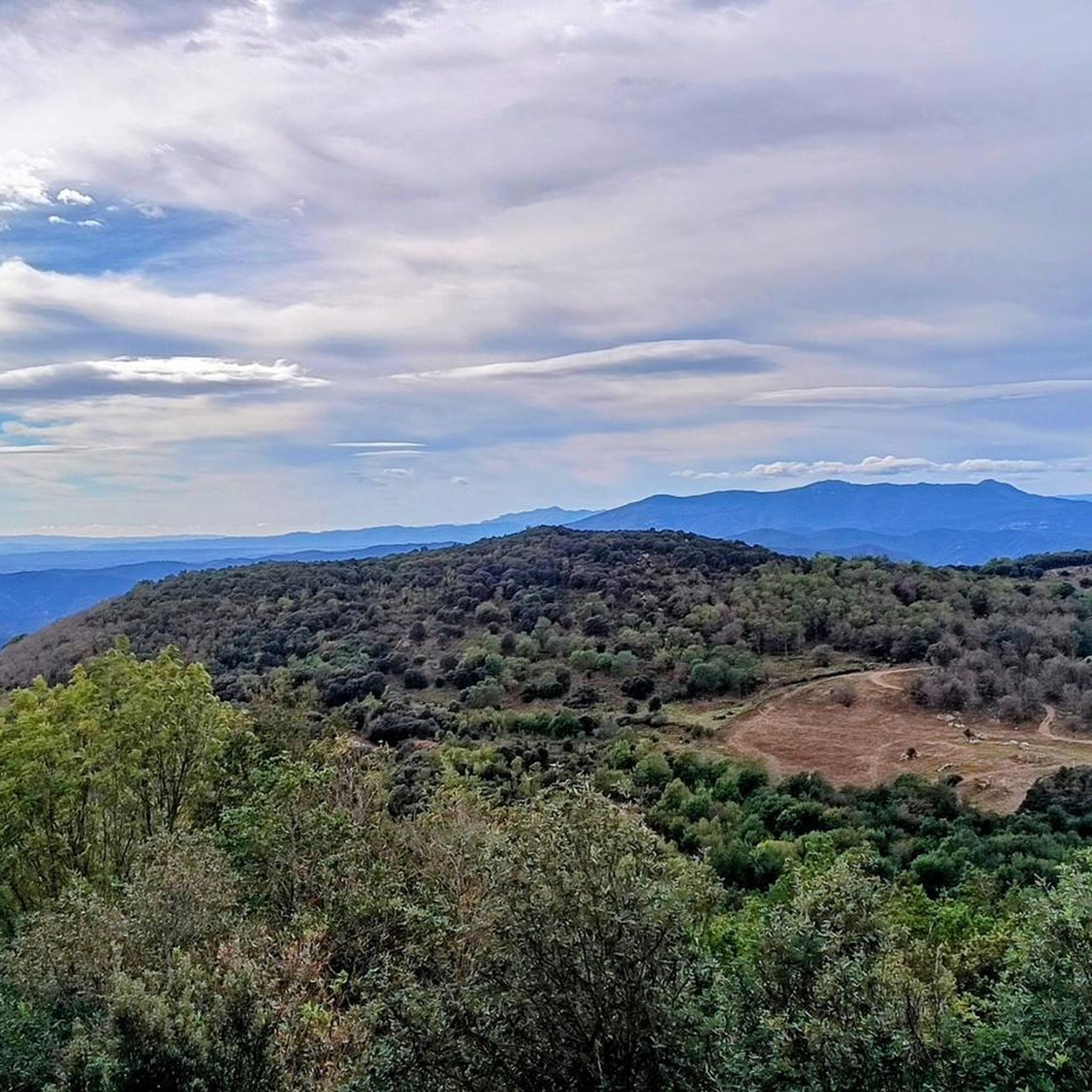
Font de l'Ocell
Highlight • Natural Monument
The Pave Mill's activity lasted until the end of the 19th century. It was inhabited …
Translated by Google •
Tip by

Sign up now to discover places like this
Get recommendations on the best single tracks, peaks, & plenty of other exciting outdoor places.
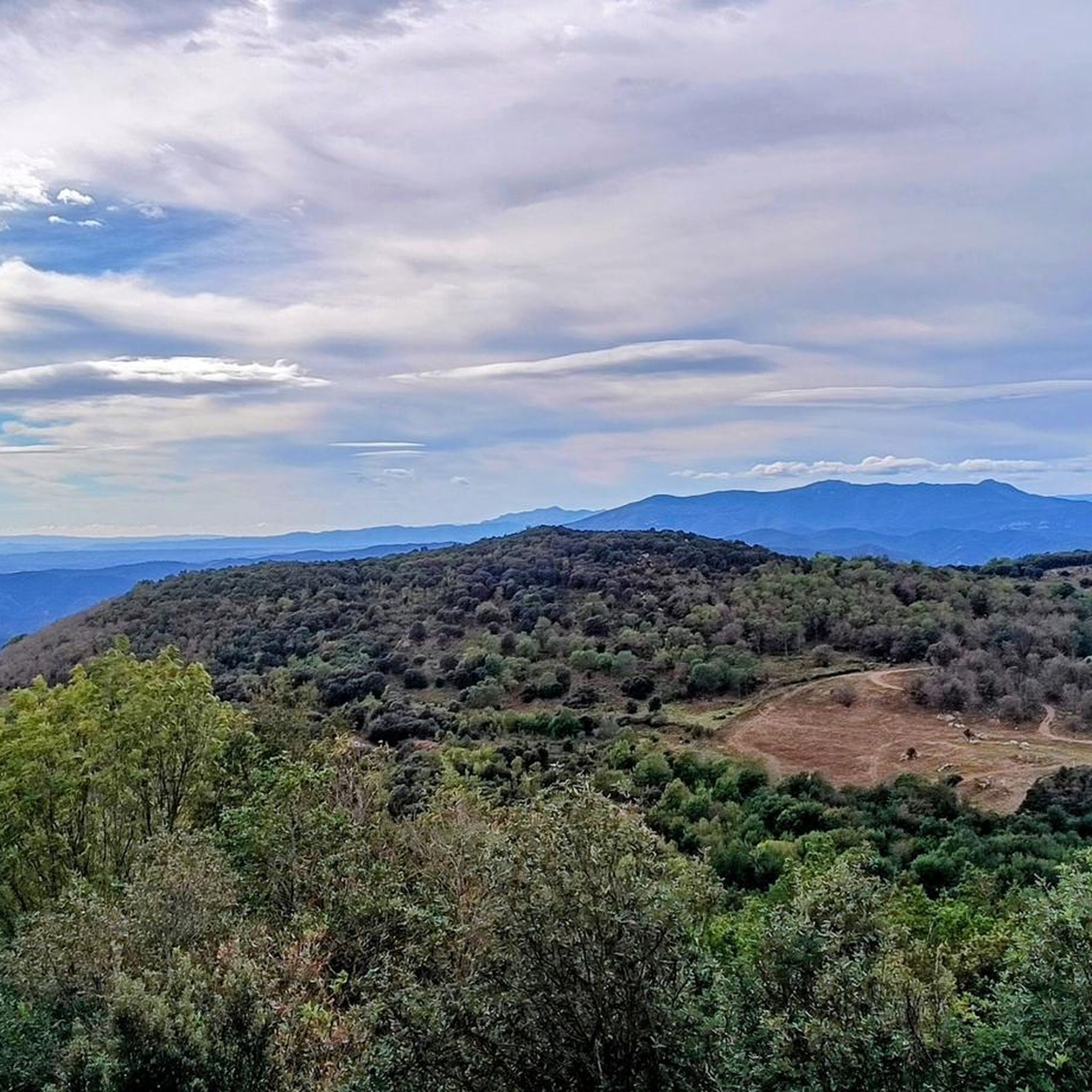
Cork Oak Trees
Highlight • Forest
The cork oak is a tree found mainly in the western Mediterranean and is known for its bark, which …
Translated by Google •
Tip by

Neulós Snow Well
Highlight • Structure
Translated by Google •
Tip by

Salt del Fitó
Highlight • Waterfall
Translated by Google •
Tip by
Sign up for free to discover even more natural monuments around Tresserre.
Already have an account?
Start today with a free account
Your next adventure awaits.

Tips from the Community

We completed this route on August 29, 2025, and upon reaching the dolmen, we were unable to continue because the trail was closed. We had to return along the same path we had taken. The return trail was closed because it crossed private property.
0
0

Magnificent view ! It’s worth going up there 🤩🤩
6
0

Infernal ascent, when the trees disappear and you seem to be at the top, the pit is waiting for you. Reserve your strength because the last kilometer, despite being on asphalt, is HELL!
6
0

The Pave Mill is an old grain mill supplied with water from the village canal. The Pave Mill's activity lasted until the end of the 19th century. It was inhabited until 1942 and then fell into disrepair. It became municipal property and was restored in 2006 by the Laroque Heritage Association in collaboration with the municipality. The volunteers of this association installed a roof to strengthen and “waterproof” the building. The miller's workshop (on the ground floor) and his accommodation (on the upper floor) are currently being completely restored. The association is actively looking for a millstone that could help complete the work.
10
0
Fantastic day, almost spring. But it's always cold here. if you want to go there you must bring warm clothes!
5
0

Puig Neulós is the highest point of the Albères massif. It marks the Franco-Spanish border. If we refer to the toponymy, this 1,256 meter summit is often in the clouds. In fact “neulós” means covered in clouds in Catalan.
1
0

No more snow in July 2023 - probably little precipitation over the winter...
0
0

There are many cork oaks in this section of the hike. The cork oak is a tree found mainly in the western Mediterranean and is known for its bark, which is used as cork. The bark is harvested every nine to twelve years, removing the outer layer to reveal the cork. The bark then grows back and can be harvested again. Cork is used in a variety of products including wine stoppers, flooring and insulation materials. The cork oak is a long-lived tree that can live up to 250 years. It can grow up to 20 meters tall and has a broad, spreading crown. The leaves of the cork oak are evergreen and have a leathery texture. The cork oak is a symbol of sustainability and environmental protection, as its harvest and use help preserve forests and promote biodiversity. It is also an important part of the Mediterranean ecosystem, providing habitat for a wide variety of animal and plant species.
0
0
Frequently Asked Questions
What kind of natural monuments can I expect to find around Tresserre?
The natural monuments around Tresserre are primarily recognized through European and national environmental protection designations. You'll find significant ecological sites like the Natura 2000 site "Le Tech" and various ZNIEFFs (Zones Naturelles d'Intérêt Écologique, Faunistique et Floristique). The region also features specific natural highlights such as the summit of Puig Neulós, natural springs like Font de l'Ocell, and unique flora like the Cork Oak Trees.
Are there any significant ecological sites near Tresserre?
Yes, Tresserre is part of the Natura 2000 site "Le Tech," which is a European network protecting biological diversity, especially along the Tech river. The area also includes ZNIEFFs (Zones Naturelles d'Intérêt Écologique, Faunistique et Floristique), which are natural areas identified for their significant ecological, faunal, and floral interest, crucial for habitat and species conservation.
What wildlife might I encounter in the natural areas around Tresserre?
The Natura 2000 site "Le Tech" is crucial for several protected species. Visitors might encounter the Southern Barbel, the Pyrenean Desman, Otters, and various bat species, particularly in the riverine ecosystems and riparian forests.
Where can I find impressive panoramic views near Tresserre?
For impressive panoramic views, head to Puig Neulós. This 1,256-meter peak marks the Franco-Spanish border and offers an extensive panorama over Roselló and Alt Empordà, as well as views of the French and Catalan Mediterranean Sea.
Is there a natural spring or water source worth visiting?
Yes, Font de l'Ocell is a natural monument featuring a forest spring. It's a local favorite known for its perfectly tempered, clean, and delicious water.
Are there any notable waterfalls in the vicinity of Tresserre?
Yes, the Salt del Fitó is a significant waterfall located in the municipality of La Jonquera, within the Albera Natural Park. It's considered the highest waterfall in the Eastern Pyrenees, with a drop of 60 meters.
What are the 'Cork Oak Trees' and why are they significant?
The Cork Oak Trees are a prominent natural feature in the region. These trees are known for their bark, which is harvested every nine to twelve years for cork production. They are a symbol of sustainability and environmental protection, providing habitat for diverse animal and plant species within the Mediterranean ecosystem.
Are there any natural monuments with historical significance?
Yes, the Neulós Snow Well is a historical site. This circular construction was historically used to store snow, providing ice throughout the year. Additionally, the area around Font de l'Ocell includes the Pave Mill, an old grain mill with a history dating back to the 19th century.
What outdoor activities can I do near the natural monuments around Tresserre?
The region around Tresserre offers various outdoor activities. You can explore numerous hiking trails, ranging from moderate to difficult, with routes like 'Pla del Rei – Vineyards loop' or 'Puig de la Balma – Puig Saint-Christau Summit loop'. There are also many road cycling and touring bicycle routes, such as 'Devil's Bridge – Céret loop' or 'On the Pirinexus cycling route'. For more details on routes, you can check the Hiking around Tresserre, Road Cycling Routes around Tresserre, and Cycling around Tresserre guides.
Are there family-friendly natural monuments or walks in the area?
Yes, Font de l'Ocell, with its natural spring, is considered family-friendly. The areas with Cork Oak Trees also offer pleasant, accessible sections for walks suitable for families.
What is the best season to visit the natural monuments around Tresserre?
Tresserre experiences a Mediterranean climate. Spring and autumn are generally ideal for visiting, offering pleasant temperatures for hiking and exploring the natural areas. Summers can be hot, while winters are mild but may see some cloud cover, especially at higher elevations like Puig Neulós.
Are there any other significant natural sites nearby, outside of Tresserre itself?
Yes, the broader Pyrénées-Orientales department offers several renowned natural sites accessible from Tresserre. These include the remarkable rock formations of the Orgues d'Ille-sur-Tet, the narrow canyon of Gorges de la Fou with its unique walking path, and the sacred mountain of Pic du Canigou, which dominates the landscape of the Western Pyrenees.
Most popular routes around Tresserre
Most popular attractions around Tresserre

Get inspired with the komoot mobile app


Explore more
Extend your search for the best caves by checking out these guides of the top ones around Tresserre:
