Top 20 Natural Monuments around Saclay
Natural monuments around Saclay feature a unique blend of historical engineering and diverse natural landscapes. The region, situated south of Paris, encompasses the Saclay Plateau, known for its extensive hydraulic system. It offers significant ecological and historical sites, including protected natural and agricultural zones. Visitors can explore various environments, from wetlands and forests to botanical gardens, providing opportunities for outdoor activities.
Best natural monuments around Saclay
- The most popular natural monument is Ponds of Parc des Côtes Montbron, a…
Last updated: June 18, 2026
View of the Château de Sceaux
Highlight • Viewpoint
Translated by Google •
Tip by

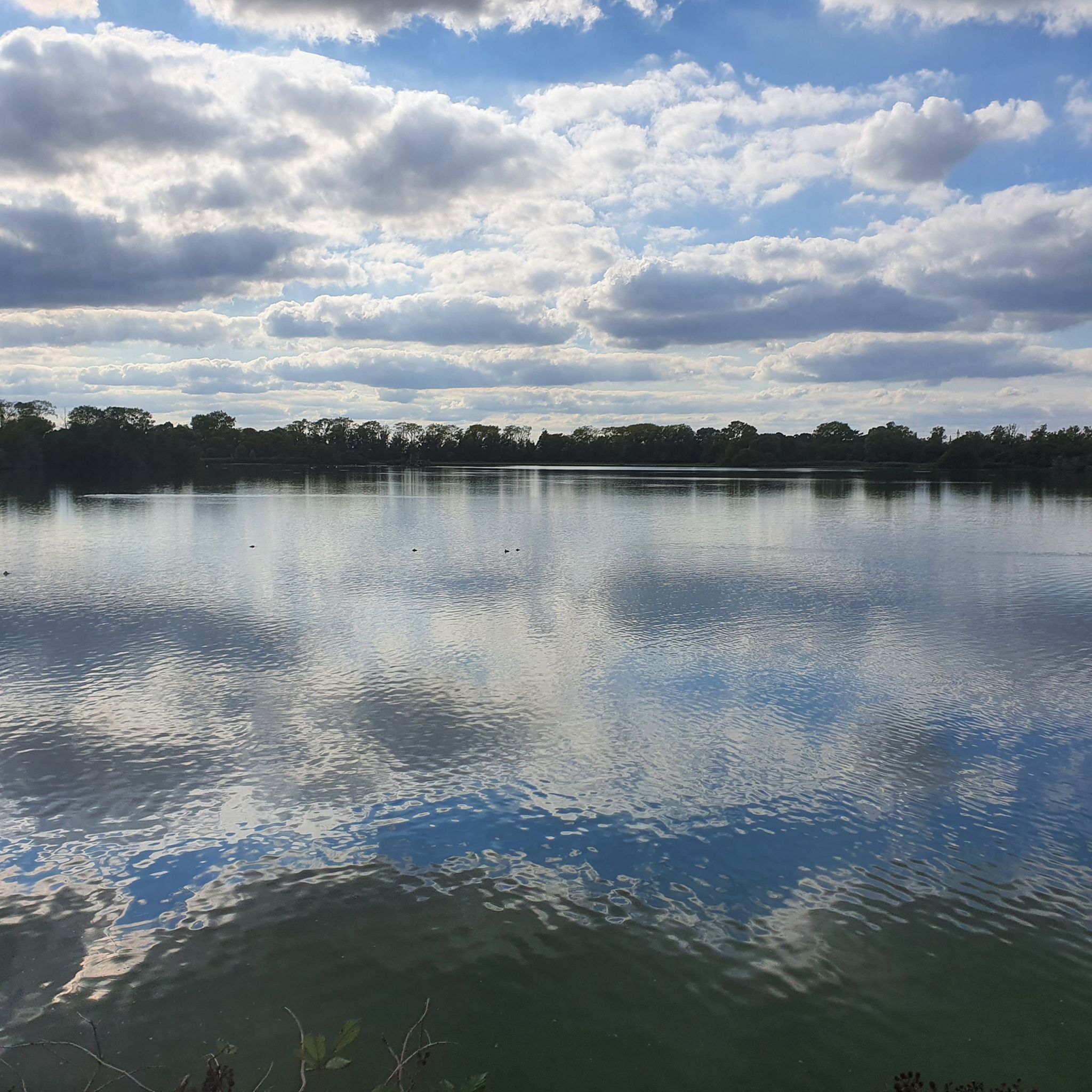
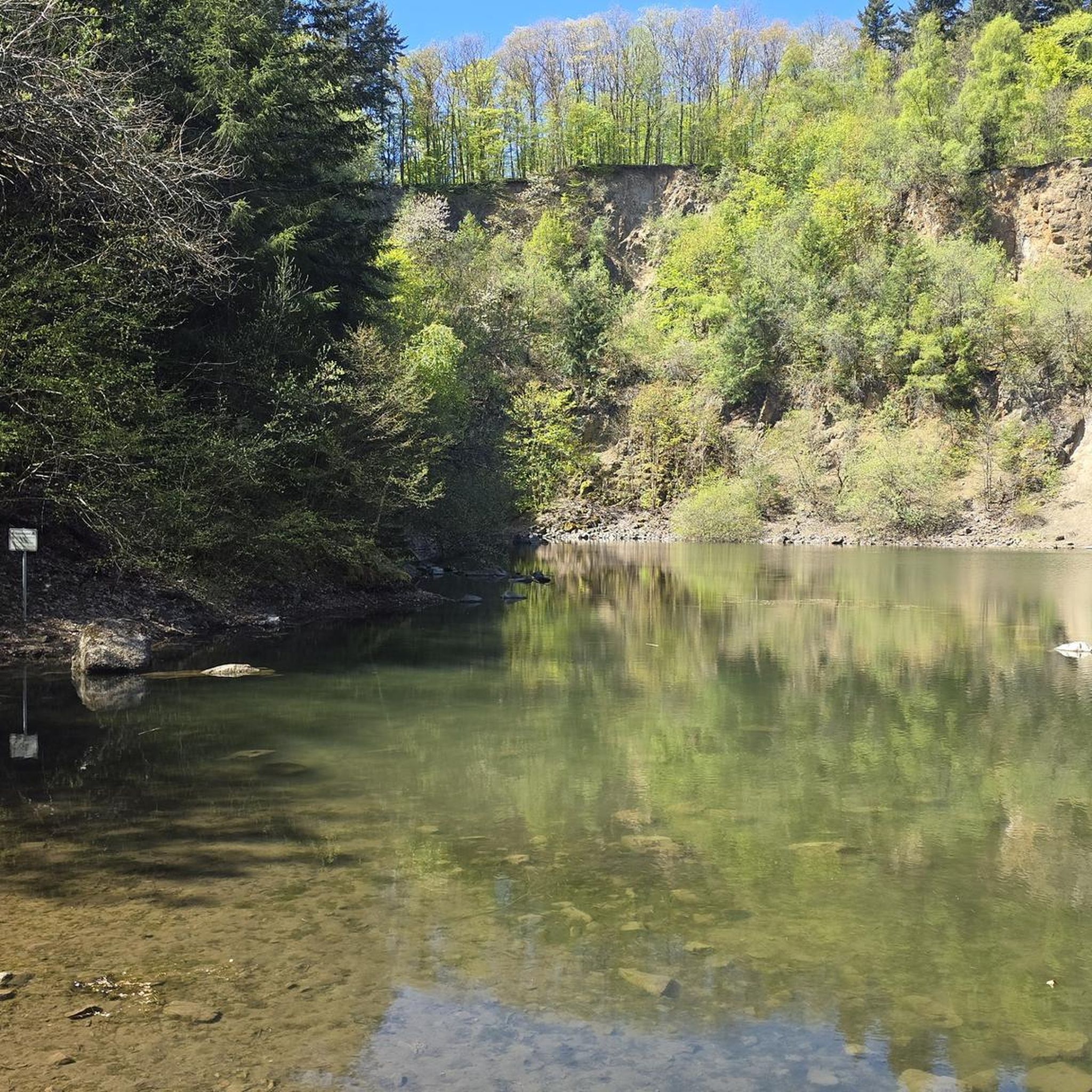
Ponds of Parc des Côtes Montbron
Highlight • Lake
Located in the town of Jouy-en-Josas, the Parc des Côtes Montbron, acquired by the Department for sensitive natural areas, has been …
Translated by Google •
Tip by

Sign up now to discover places like this
Get recommendations on the best single tracks, peaks, & plenty of other exciting outdoor places.
Sign up for free
Vallée-aux-Loups Arboretum
Highlight • Forest
Translated by Google •
Tip by

Latona Fountain
Highlight • Monument
Translated by Google •
Tip by

La Troche Quarry
Highlight • Climb
This is an old sandstone quarry, traces …
Translated by Google •
Tip by

Sign up for free to discover even more natural monuments around Saclay.
Sign up for free
Already have an account?
Start today with a free account
Your next adventure awaits.
Login or Signup
Tips from the Community

Hello, thank you, Jonathan, for this information. Bicycles are prohibited in the Vallée aux Loups departmental estate; however, the estate and the Maison de Chateaubriand have become Accueil Vélo (Cycle-Friendly). What is the "Accueil Vélo" label? Accueil Vélo is a national label that guarantees a welcome and services adapted to cyclists within 5 km of the Véloscénie (Paris/Mont-Saint-Michel). You benefit from: easy and secure access to park your bike (rings are available at the entrance to the arboretum and at the Maison de Chateaubriand), a water point available, useful equipment such as a bicycle pump, tourist information nearby, and a team sensitive to your needs as a cyclist!
0
0

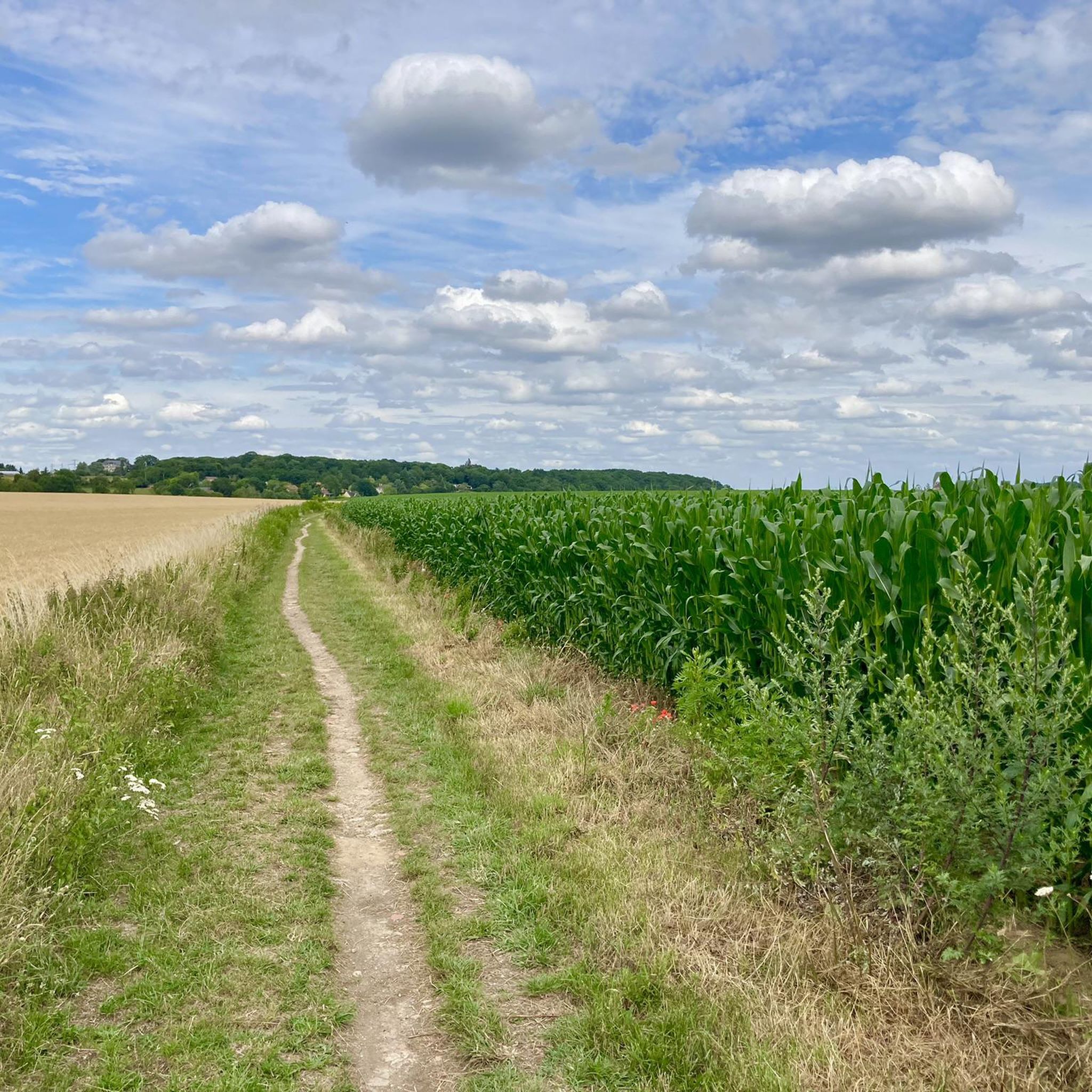
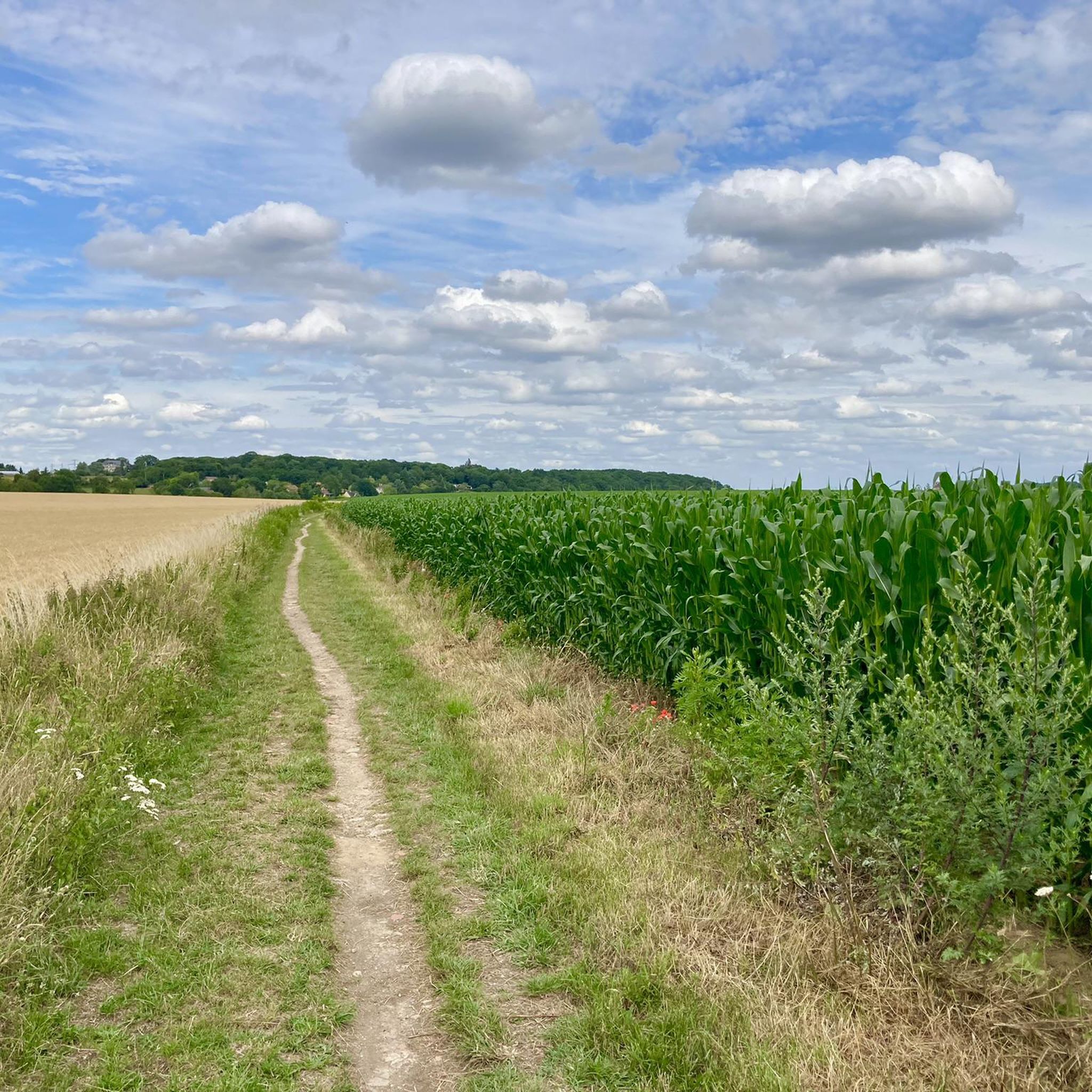
Viltain Farm then the singletrack further west is a little paradise. Landslide (04/2025) on the way back
0
0
Dedicated to botany since its creation in the 18th century, the Arboretum is home to nearly 500 species of trees and shrubs over an area of 12.7 hectares. It was initially designed as an English garden in 1890. The century-old trees constitute a unique landscape and horticultural heritage, the most exceptional of which is the weeping blue cedar with a 680 m² surface area of branches.
0
0

Built in the middle of the 19th century, the castle is located in a vast park. There is the museum of the Domaine Départemental de Sceaux. Created in 1973, it offers collections in its four main sites: the castle, the orangery, its gardens and the old renovated stables. All information on visiting the estate: https://parisjetaime.com/culture/domaine-departemental-de-sceaux-p1064.
2
0

In the morning, the rocks show blue reflections.
0
0

Beautiful view of the park and the Château de Sceaux
2
0

From here, there is a superb view of the Château de Sceaux, located at the end of the alley in the park. You can stroll through the gardens or visit the castle (entrance is charged).
1
0

look to the sides at this point, you have the front view of the castle.
1
0
Frequently Asked Questions
What makes the natural monuments around Saclay unique?
The natural monuments around Saclay are unique for their blend of historical engineering and diverse ecosystems. The region features an extensive hydraulic system of ponds and channels, originally built to supply water to the Château de Versailles, alongside rich biodiversity, particularly in its wetlands and botanical collections. You can explore sites like the historic Ponds and Channels of the Saclay Plateau and the diverse Ponds of Parc des Côtes Montbron.
Are there natural monuments with historical significance in Saclay?
Yes, several natural monuments in Saclay hold significant historical value. The Ponds and Channels of the Saclay Plateau are a prime example, showcasing 17th-century engineering designed for Versailles. Additionally, sites like the Latona Fountain, located within the Versailles gardens, and La Troche Quarry, an ancient sandstone quarry with documented exploitation since 1720, offer glimpses into the region's past.
What natural features can I explore in the Saclay area?
Saclay offers a variety of natural features to explore. You can discover extensive pond systems, such as the Etang Vieux, known for its ornithological reserve, and the channels that crisscross the Saclay Plateau. The region also boasts botanical gardens, like the Launay Botanical Garden, and unique geological sites such as La Troche Quarry, an old sandstone quarry recognized as a major geological location.
Are there family-friendly natural monuments around Saclay?
Absolutely! Many natural monuments in Saclay are suitable for families. The Ponds of Parc des Côtes Montbron offer easy trails through meadows and woods, perfect for a leisurely stroll. The Launay Botanical Garden is also free to access and provides an educational and tranquil environment for all ages. Additionally, the View of the Château de Sceaux offers a beautiful park setting for families to enjoy.
Where can I go birdwatching near Saclay?
For birdwatching enthusiasts, the Etang Vieux, part of the Ponds and Channels of the Saclay Plateau, is an extraordinary ornithological nature reserve. It hosts 255 species of birds, including rare species like the Little Bittern, as well as common species such as grey herons and great cormorants. An ornithological observatory is available, and tours are offered by the Saclay town hall.
What kind of outdoor activities can I do near Saclay's natural monuments?
The natural monuments around Saclay are excellent for various outdoor activities. You can enjoy walking or cycling along the paths of the historic channels on the Saclay Plateau. For more structured activities, explore the many cycling routes or running trails available in the area. The La Troche Quarry also offers a unique setting for climbing.
Are there easy walking trails among the natural monuments in Saclay?
Yes, there are several easy walking trails. The extensive network of paths along the channels of the Saclay Plateau provides pleasant and relatively flat routes. The Ponds of Parc des Côtes Montbron feature 2.5 km of trails through a mosaic of natural environments. The Launay Botanical Garden also offers accessible paths for a calm stroll through diverse plant collections.
What is the best season to visit the natural monuments around Saclay?
The best season to visit depends on your interests. Spring (late April/early May) is particularly beautiful for witnessing the cherry blossom displays at the Château de Sceaux. Summer offers lush greenery and pleasant conditions for walking and cycling. Autumn provides vibrant foliage, and even winter walks can be serene, especially around the ponds and channels.
Can I visit a botanical garden or arboretum in Saclay?
Yes, the Launay Botanical Garden and Paris-Saclay Arboretum, located within the University of Paris-Saclay in Orsay, is a significant botanical site. Spanning 90 hectares, it features nearly 3,000 plant taxa from all five continents, including a conservation arboretum for vulnerable species. It's accessible free of charge year-round, with free guided tours available.
Are there any unique geological features to see in Saclay?
Saclay is home to La Troche Quarry, an old sandstone quarry that is recognized as a major geological site. The stone extracted here is Fontainebleau sandstone, formed around 30 million years ago. Today, it's part of the Eugène Chanlon Municipal Park and offers a unique landscape with its 5-meter high, 200-meter long working face, used by rock climbing enthusiasts.
What do visitors particularly enjoy about the natural monuments in Saclay?
Visitors appreciate the diverse experiences offered by Saclay's natural monuments. Many enjoy the tranquil escape and connection with nature found at places like the Launay Botanical Garden. The historical significance of the hydraulic systems and sites like the Latona Fountain are also highly valued. The Ponds of Parc des Côtes Montbron are praised for their idyllic setting and ecological richness, offering a total change of scenery close to Paris.
Is there a particularly old or notable tree among Saclay's natural monuments?
Yes, the Old Chestnut Tree at Place Audran is a remarkable natural monument. Estimated to be around 330 years old, it was planted during the reign of Louis XIV. This majestic tree, measuring 18 meters wide and 12 meters high, won the Public Prize at the 'Tree of the Year' competition in 2021 and stands as a resilient witness to centuries of history.
Most popular attractions around Saclay

Get inspired with the komoot mobile app


Explore more
Extend your search for the best caves by checking out these guides of the top ones around Saclay:
