Top 5 Natural Monuments around Brouilla
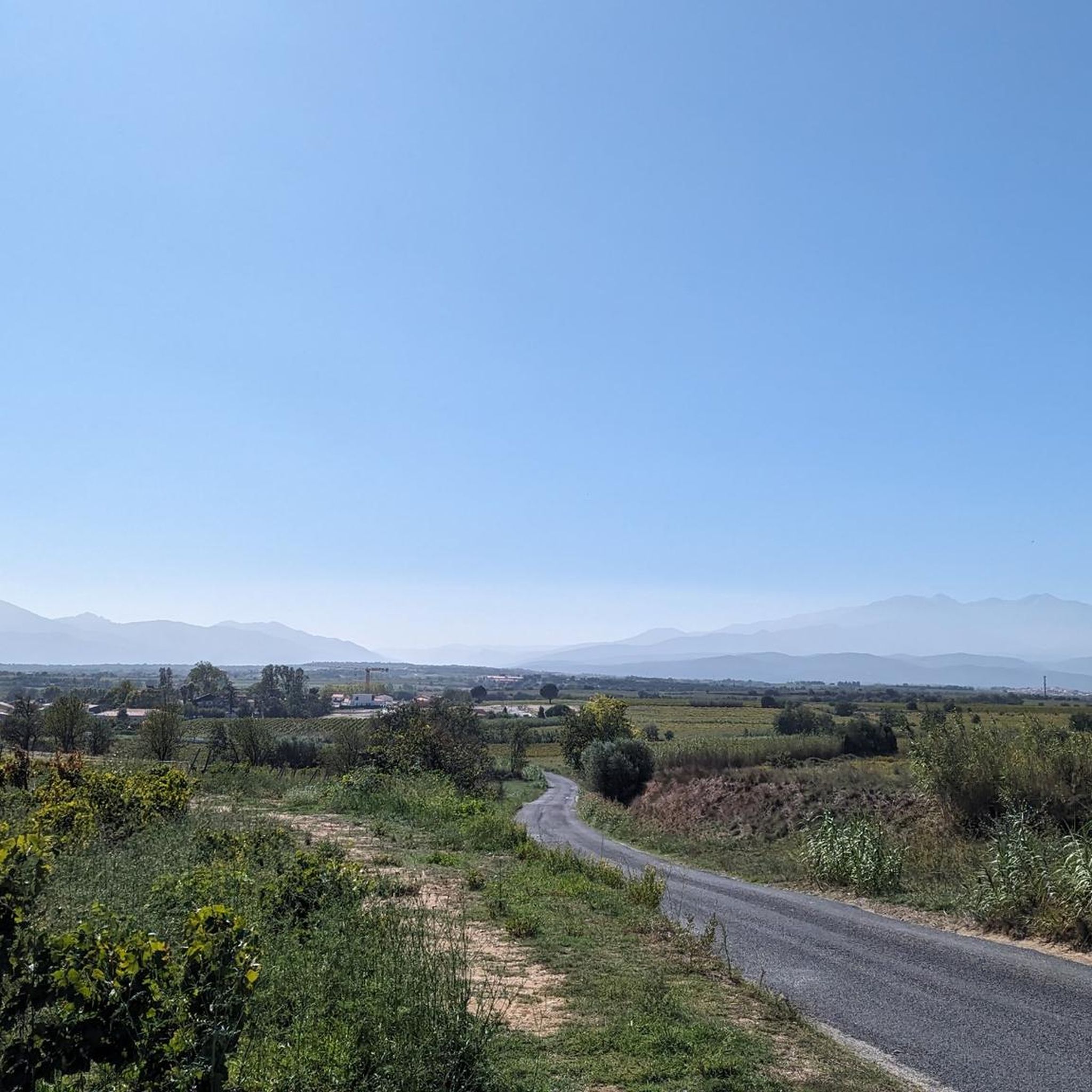
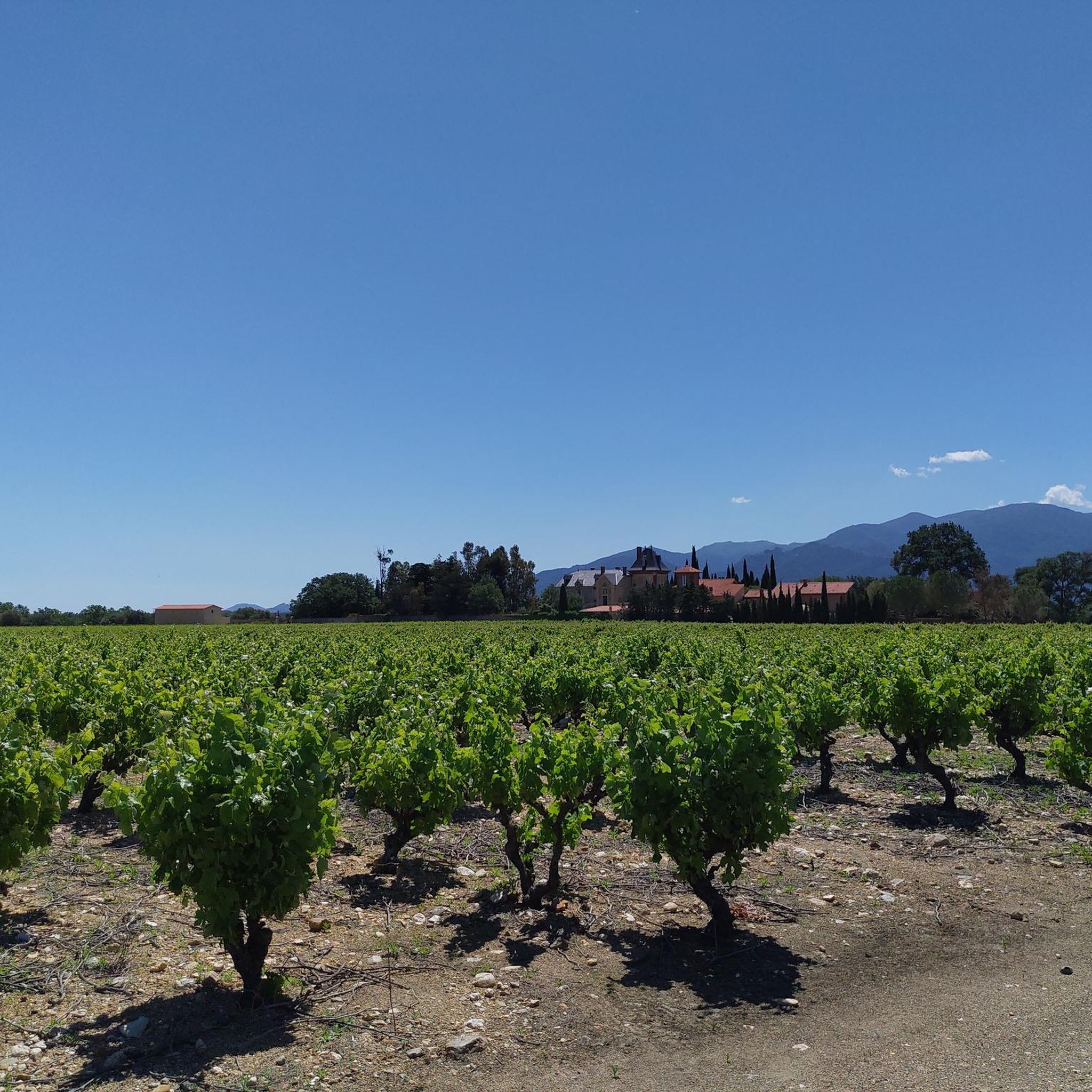
Best natural monuments around Brouilla are found within the Pyrénées-Orientales department, a region characterized by its diverse natural beauty. The area features the Albères Massif, extending to the Mediterranean Sea, with lush forests and significant mountain peaks. Brouilla's immediate surroundings offer a Mediterranean landscape with olive groves, maquis, and unique dry riverbeds. This region provides opportunities to explore geological formations, historical sites, and varied ecosystems.
Best natural monuments around Brouilla
- The most popular natural monuments is Puig Neulós, a…
Last updated: June 18, 2026
Puig Neulós
Highlight • Summit
Translated by Google •
Tip by

Font de l'Ocell
Highlight • Natural Monument
The Pave Mill's activity lasted until the end of the 19th century. It was inhabited …
Translated by Google •
Tip by

Sign up now to discover places like this
Get recommendations on the best single tracks, peaks, & plenty of other exciting outdoor places.
Sign up for free
Neulós Snow Well
Highlight • Structure
Translated by Google •
Tip by

Pic du Néoulous
Highlight • Summit
Translated by Google •
Tip by

La Balma de Na Cristina Dolmen
Highlight • Historical Site
Translated by Google •
Tip by

Sign up for free to discover even more natural monuments around Brouilla.
Sign up for free
Already have an account?
Start today with a free account
Your next adventure awaits.
Login or Signup

Tips from the Community

Magnificent view ! It’s worth going up there 🤩🤩
6
0

Infernal ascent, when the trees disappear and you seem to be at the top, the pit is waiting for you. Reserve your strength because the last kilometer, despite being on asphalt, is HELL!
6
0

The Pave Mill is an old grain mill supplied with water from the village canal. The Pave Mill's activity lasted until the end of the 19th century. It was inhabited until 1942 and then fell into disrepair. It became municipal property and was restored in 2006 by the Laroque Heritage Association in collaboration with the municipality. The volunteers of this association installed a roof to strengthen and “waterproof” the building. The miller's workshop (on the ground floor) and his accommodation (on the upper floor) are currently being completely restored. The association is actively looking for a millstone that could help complete the work.
10
0
Fantastic day, almost spring. But it's always cold here. if you want to go there you must bring warm clothes!
5
0

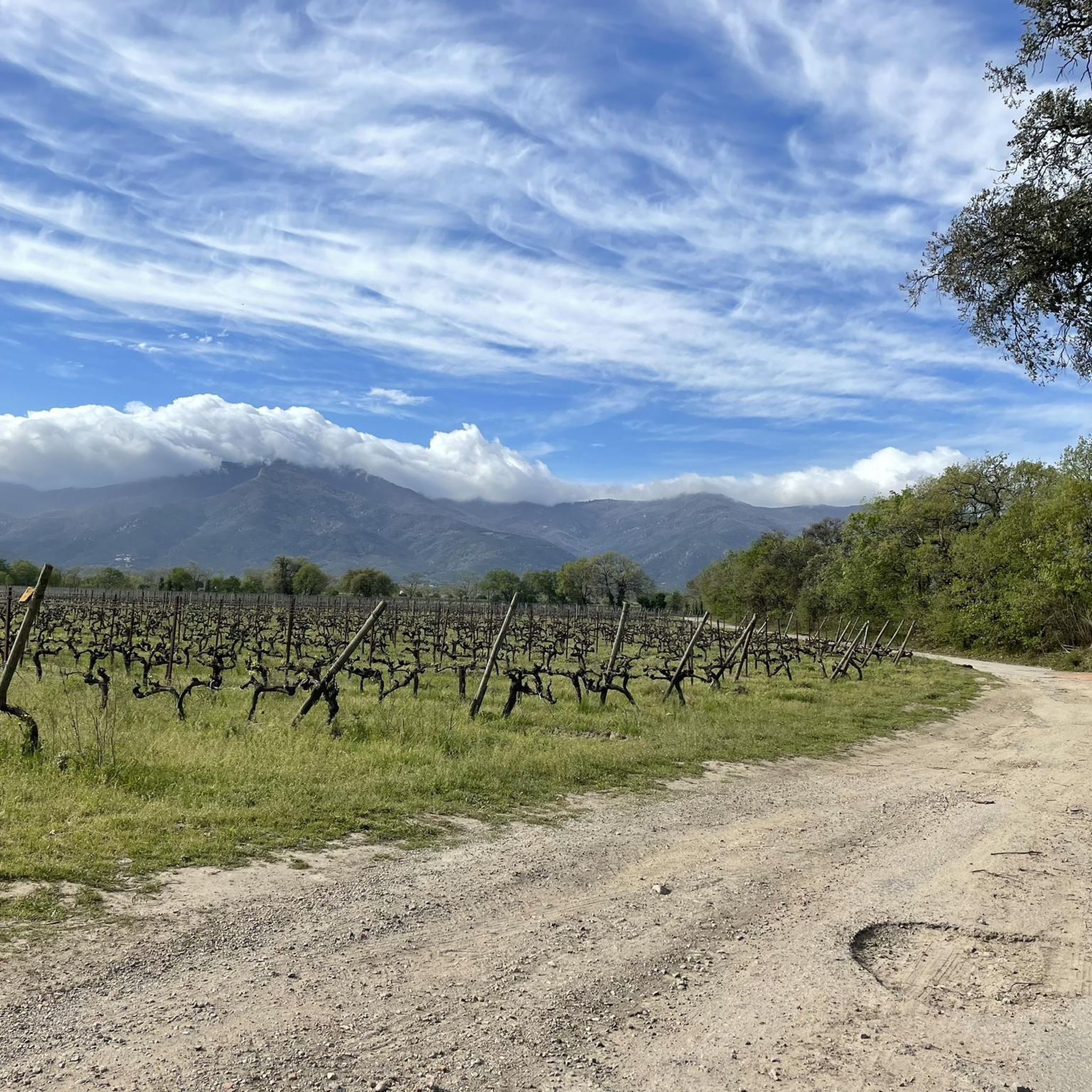
Puig Neulós is the highest point of the Albères massif. It marks the Franco-Spanish border. If we refer to the toponymy, this 1,256 meter summit is often in the clouds. In fact “neulós” means covered in clouds in Catalan.
0
0

Neulós Peak (in Catalan: Puig Neulós, in French: Pic du Néoulous) is a mountain in the Albera mountain range, of which it is the culminating peak (1256 m). It is shared by the municipalities of La Junquera (Upper Ampurdán, Spain), Laroque-des-Albères and Sorède (Rossellón, France) and serves as a dividing line between the respective regions. Its summit was the border between the old counties of Empúries and Roussillon and, since the Treaty of the Pyrenees (1659), it has been between the Spanish and French states. It is located at the southwest end of the municipality of Sorède, southeast of Laroque-des-Albères and east of the municipality of La Junquera. It is northeast of the Roc dels Tres Termes and northwest of the Tanyereda Plain and Pico Pregon.1 It is a common destination on hiking routes in the western area of the Albera mountain range, of which it is the culminating summit. Source Wikipedia
0
0

E-MTB recommended or good legs
0
0

No more snow in July 2023 - probably little precipitation over the winter...
0
0
Frequently Asked Questions
What are some of the most popular natural monuments to visit near Brouilla?
Visitors frequently enjoy the panoramic views from Puig Neulós, the highest point of the Albères massif. Another popular spot is Font de l'Ocell, a tranquil natural spring favored by locals. For those interested in history, La Balma de Na Cristina Dolmen offers a glimpse into ancient megalithic structures.
Are there historical natural monuments or sites of interest around Brouilla?
Yes, the region boasts several historical natural monuments. You can explore La Balma de Na Cristina Dolmen, a significant megalithic structure. Additionally, the Neulós Snow Well is a fascinating historical man-made structure used for storing snow and ice in the past, located on the way to Puig Neulós.
What kind of natural features can I expect to see in the Brouilla area?
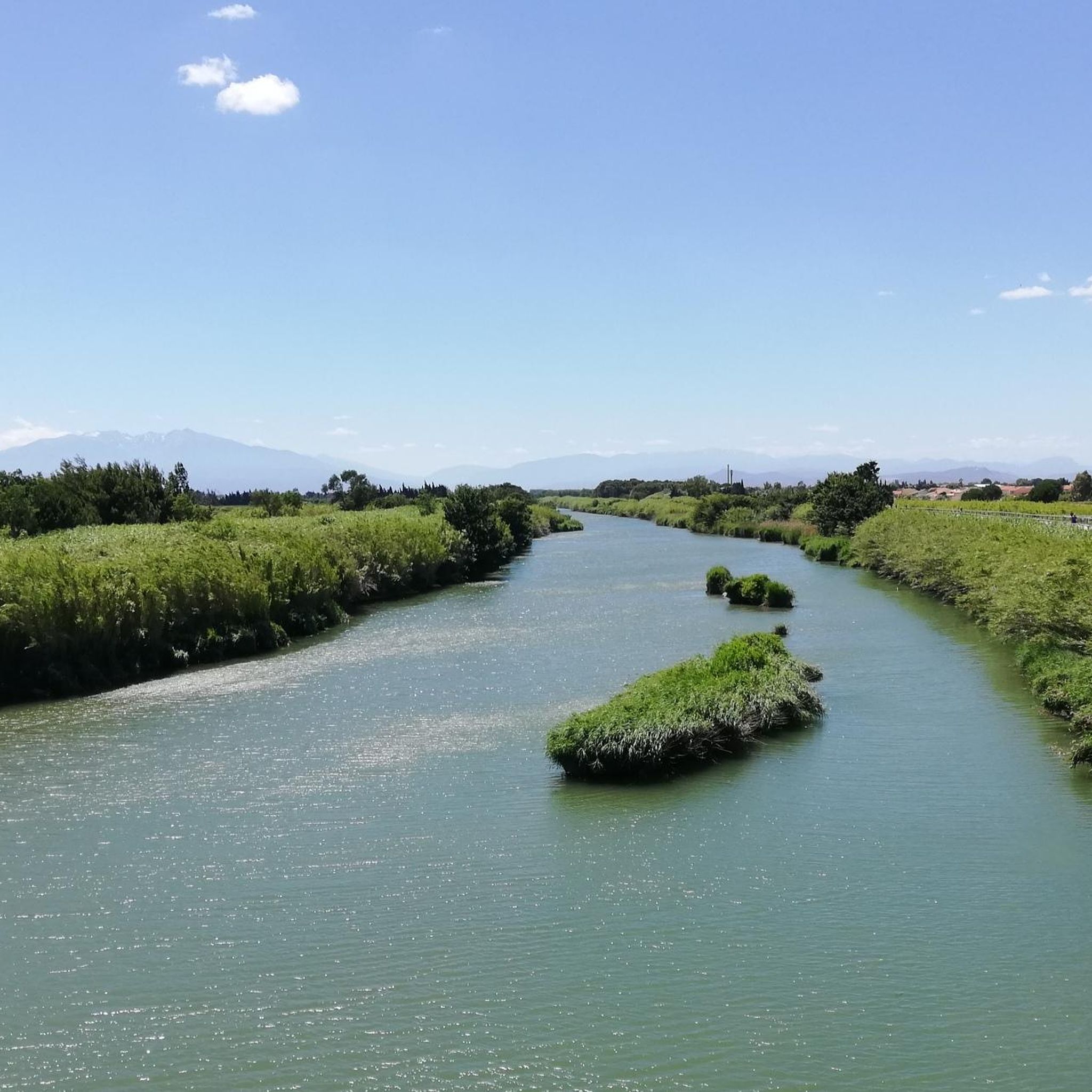
The area around Brouilla features a diverse Mediterranean landscape. You'll find olive groves, abundant reeds, and maquis shrubland. Unique dry riverbeds, known as 'corregs,' with cacti and prickly pears, give parts of the landscape an almost North African feel with their ochre ravines. Further afield in the Albères Massif, expect lush beech and oak forests.
What outdoor activities can I do near the natural monuments around Brouilla?
The region offers excellent opportunities for various outdoor activities. You can find numerous hiking trails, including routes to mountain peaks like Puig Neulós. There are also dedicated MTB trails and running routes that allow you to explore the natural beauty of the area.
Are there any family-friendly natural monuments or trails near Brouilla?
Yes, Font de l'Ocell, a natural spring, is considered family-friendly and offers a tranquil spot for a visit. When exploring the Albères Massif, many trails are suitable for families, though some sections, especially to higher peaks, might be more challenging. Always check specific trail details for suitability.
Where can I find impressive panoramic views of the region?
For breathtaking panoramic views, head to Puig Neulós. From its 1,256-meter summit, you can enjoy expansive vistas over Roussillon and Alt Empordà. Another notable peak, Puig Saint-Christau Summit, also offers 'sumptuous panoramas' and a real sense of altitude.
What is the best time of year to visit the natural monuments around Brouilla?
The spring and autumn months are generally ideal for visiting the natural monuments around Brouilla. During these seasons, the weather is typically pleasant for hiking and exploring, and the natural landscapes are vibrant. Spring brings wild asparagus and lush greenery, while autumn offers beautiful foliage in the forests of the Albères Massif.
Are there any natural sites that are less known or considered 'hidden gems'?
While not strictly 'hidden,' the ecosystems immediately surrounding Brouilla, with their dry riverbeds ('corregs') featuring cacti and prickly pears, offer a unique and less-traveled natural experience. The charming hermitage of Notre-Dame de Vie, nestled in the Albères mountains, also provides a serene natural setting with stunning views, accessible via hiking trails.
What kind of wildlife can be spotted in the natural areas near Brouilla?
The lush beech and oak forests of the Albères Massif are excellent places for observing local wildlife and plant species. While specific animals are not detailed, the diverse ecosystems, from Mediterranean shrubland to mountain forests, support a variety of flora and fauna typical of the Pyrénées-Orientales region.
What are the typical trail characteristics and difficulty levels for hiking around Brouilla's natural monuments?
Hiking trails vary in characteristics and difficulty. Routes to summits like Puig Neulós can be intermediate, involving significant elevation gain. Some paths, such as those to Puig Saint-Christau Summit, may have steep sections with potentially unstable stones and slippery leaves, where hiking poles are recommended. Other trails, like those leading to Font de l'Ocell, are generally more accessible and tranquil.
Are there options for accommodation or places to rest near the natural monuments?
Within the Albères Massif, the Chalet de l'Albère serves as a refuge, offering a starting or resting point for hikers exploring the area. While specific accommodation directly adjacent to every natural monument isn't detailed, the surrounding towns and villages like Brouilla offer various options for lodging and dining.
Most popular routes around Brouilla
Most popular attractions around Brouilla

Get inspired with the komoot mobile app


Explore more
Extend your search for the best caves by checking out these guides of the top ones around Brouilla:
