Top 5 Natural Monuments around Le Pouliguen
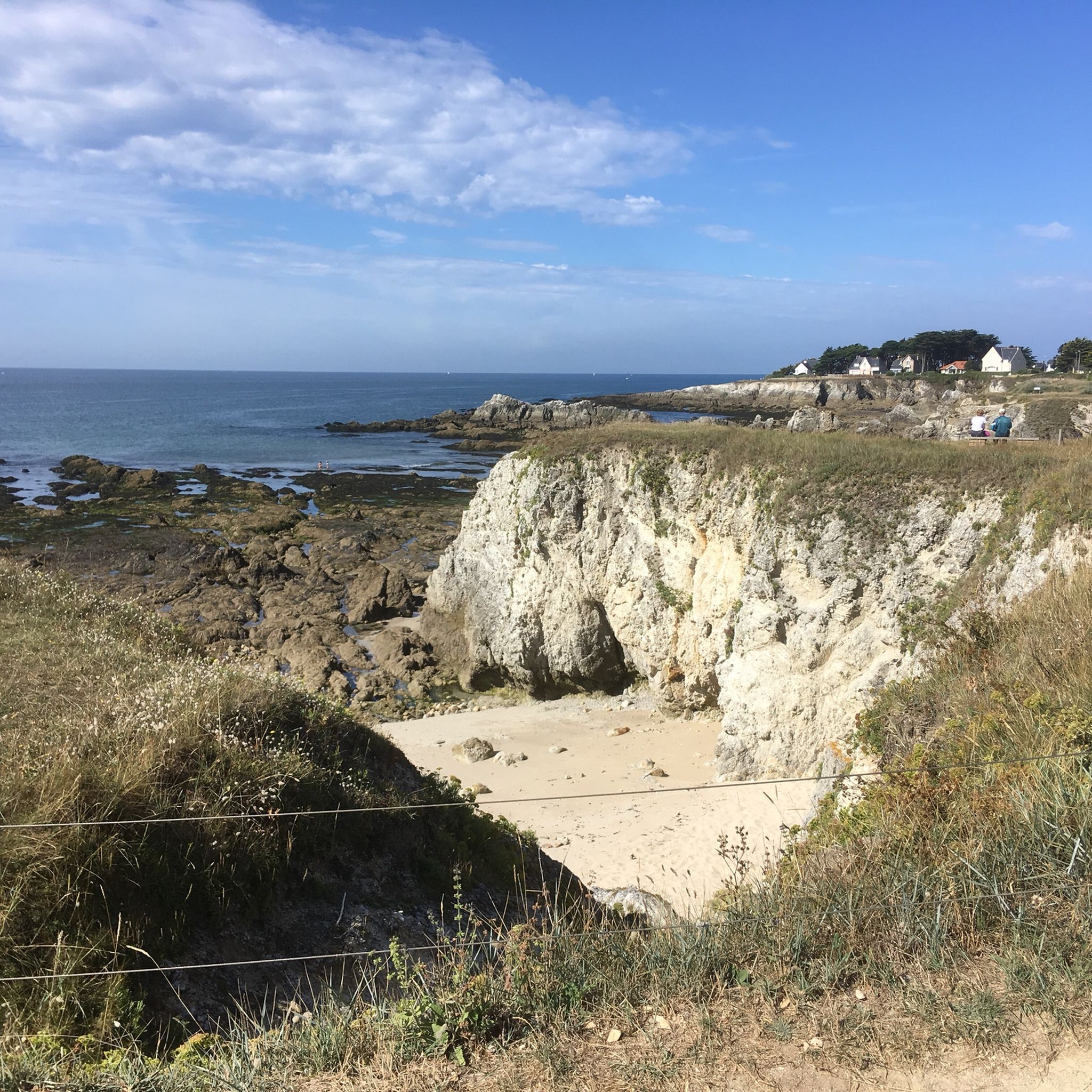
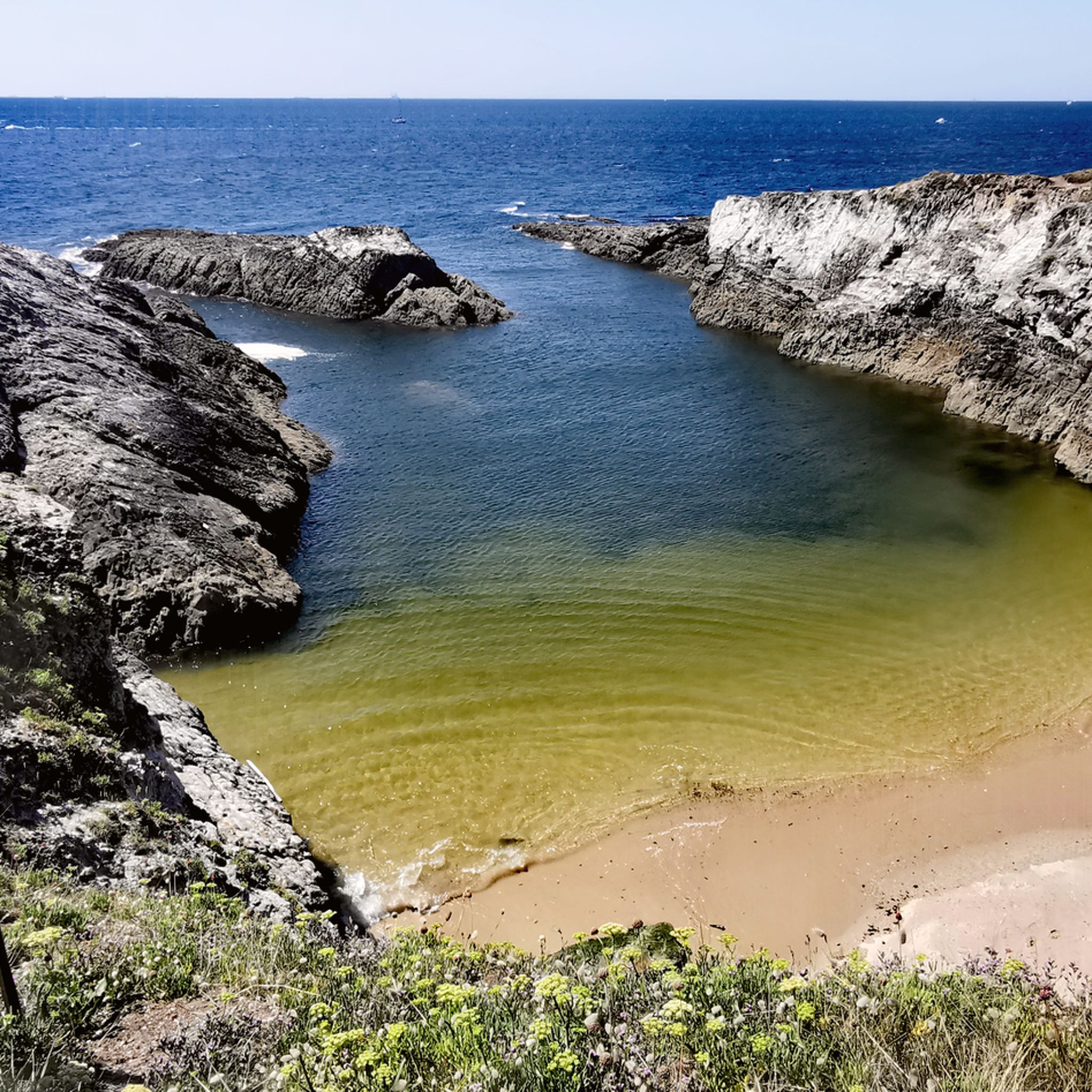
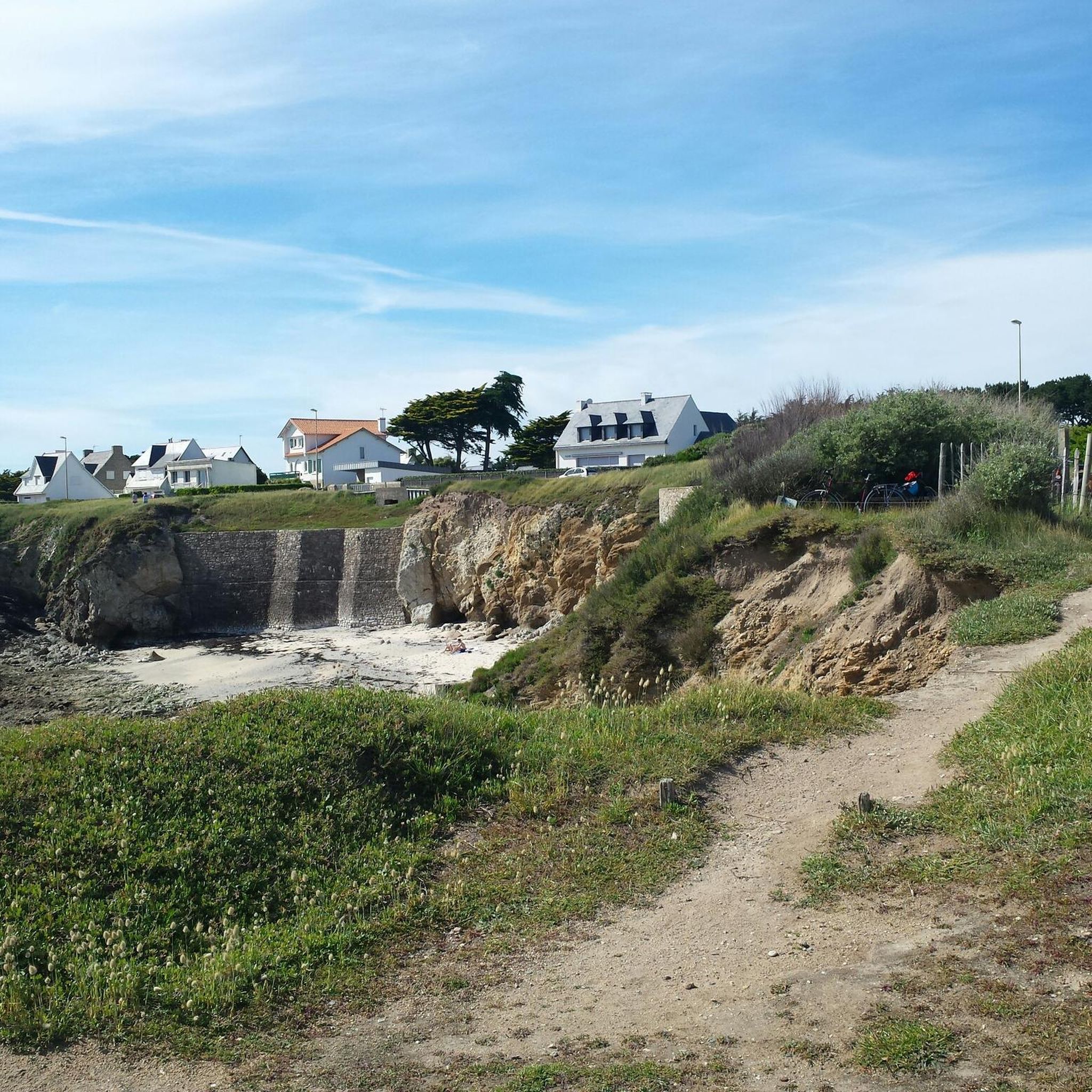
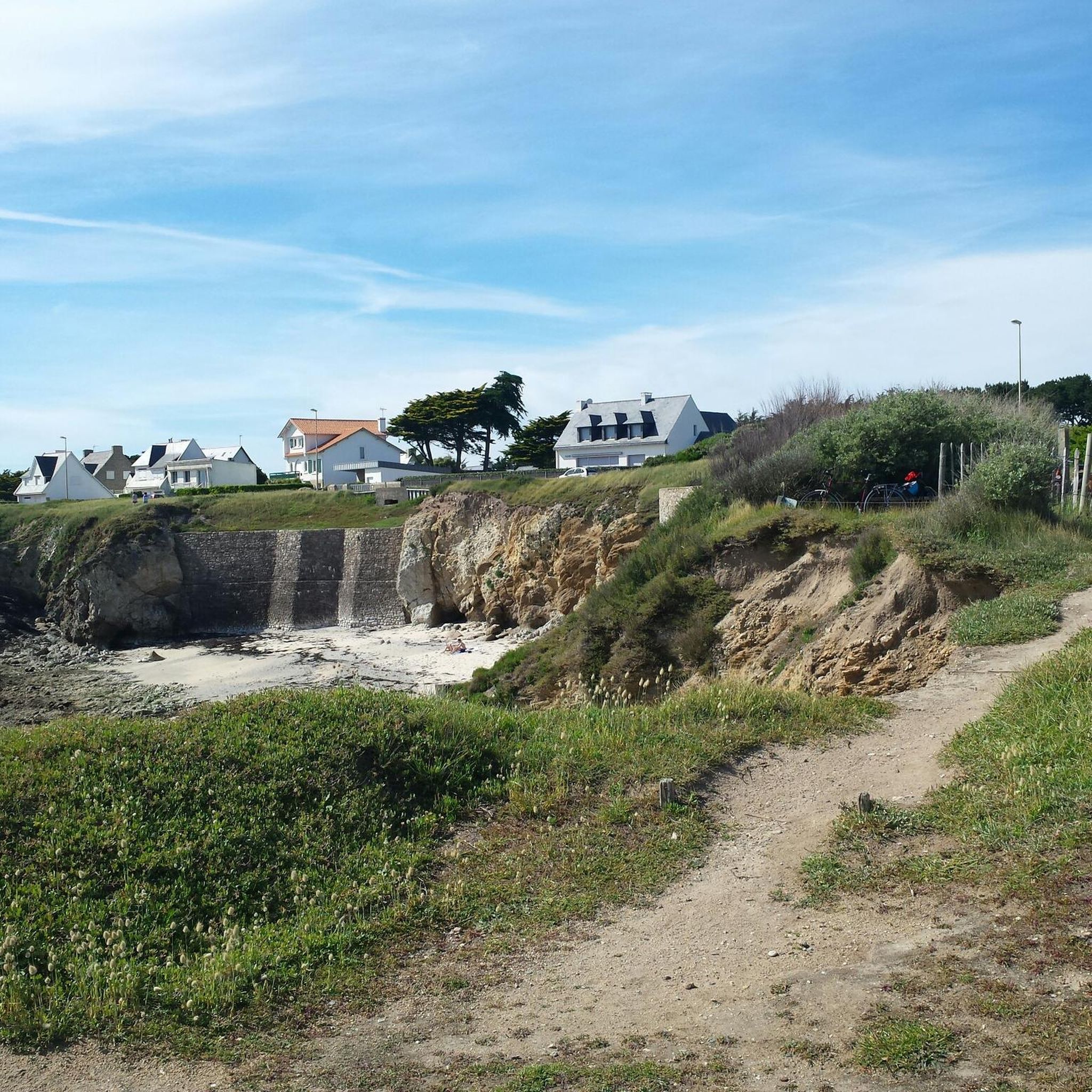
Best natural monuments around Le Pouliguen are found along its rugged coastline, known as the "Côte Sauvage." This area features dramatic landscapes shaped by ocean erosion, including cliffs, coves, and unique geological formations. The region offers opportunities for exploring coastal paths and discovering sites with both natural beauty and historical significance. These natural features contribute to Le Pouliguen's diverse coastal environment.
Best natural monuments around Le Pouliguen
- The most popular natural monuments is Guérande Salt Marshes, an important wetland…
Last updated: August 25, 2026
Long Stone
Highlight • Monument
Translated by Google •
Tip by

Guérande Salt Marshes
Highlight • Structure
Tip by

Sign up now to discover places like this
Get recommendations on the best single tracks, peaks, & plenty of other exciting outdoor places.
Sign up for free
Dolmens of Kerbourg
Highlight • Historical Site
Translated by Google •
Tip by

Pointe de Pen-Bron
Highlight • Natural Monument
Translated by Google •
Tip by

Chemoulin Point
Highlight • Viewpoint
Translated by Google •
Tip by

Sign up for free to discover even more natural monuments around Le Pouliguen.
Sign up for free
Already have an account?
Start today with a free account
Your next adventure awaits.
Login or Signup
Tips from the Community

Impressive dolmen. You will find a second dolmen a few dozen meters further, but this one has fallen to the ground.
0
0


Actually, it's more of an allée couverte—but I don't even want to know what Komoot translates into. Fifty meters further on, there's a second collapsed dolmen.
1
0
A small additional highlight on the beautiful path along the Côte Sauvage.
0
0

Impressive dimensions. It is hidden away in a dead end street and absolutely worth seeing. In the immediate vicinity there is another dolmen, a pretty old mill and great little houses with thatched roofs.
0
0

The Pierre Longue or Signal menhir is a menhir located in the commune of Le Croisic, in the French department of Loire-Atlantique. https://fr.m.wikipedia.org/wiki/Pierre_Longue_(Le_Croisic)
0
0

Bike barge only really runs on weekends in June. Don’t get caught out like I did and have to ride all the way round/through the salt marshes in the evening wind and rain.
0
0
Frequently Asked Questions
What unique natural features can I explore around Le Pouliguen?
Le Pouliguen's natural monuments are primarily found along its dramatic "Côte Sauvage" (Wild Coast). This area features steep cliffs, isolated coves, and unique geological formations shaped by ocean erosion. You can discover sites like the famous Guérande Salt Marshes, a significant wetland area, and Pointe de Pen-Bron, the largest natural dune in the department offering views towards Le Croisic.
Are there specific hiking routes that showcase Le Pouliguen's natural features?
Yes, the "Côte Sauvage" is excellent for hiking, particularly along the GR®34 coastal path. This path offers breathtaking panoramic views and allows you to explore the ever-changing landscapes, small coves, and jagged shores. For specific routes, you can find options like the "Korrigans' Cave – Pavillon Beach loop" which is a moderate 10 km hike, or the longer "Port of Le Croisic – Côte sauvage du Croisic loop" for a more challenging experience. You can find more hiking routes in the Hiking around Le Pouliguen guide.
Do any natural monuments in Le Pouliguen have historical significance?
Yes, some natural monuments blend natural beauty with historical intrigue. For example, Long Stone, a menhir, has historical roots as a navigation aid for ships and was moved to its current location in 1960. The Saint Michael Menhir is associated with local legends, including a confrontation between Saint-Michel and the Devil, and traditions of young girls seeking marriage wishes. Additionally, the Pointe de Penchâteau, a natural cap, holds traces of a protohistoric Celtic oppidum dating back to around 450 BC.
Are there family-friendly natural monuments around Le Pouliguen?
Many of Le Pouliguen's natural monuments are suitable for families. The Guérande Salt Marshes offer an educational experience about local biodiversity and salt production. Coastal viewpoints like Chemoulin Point provide accessible views. The Long Stone and Saint Michael Menhir are also family-friendly, offering interesting historical context and views.
What outdoor activities are available near Le Pouliguen's natural monuments?
Beyond hiking, the area around Le Pouliguen's natural monuments offers various outdoor activities. You can explore road cycling routes, such as the "Guérande Salt Marshes – salines loop" which is an easy 38 km ride. There are also running trails, including the "Cathedral Caves – Baie du Scall loop." For more options, refer to the Running Trails around Le Pouliguen and Road Cycling Routes around Le Pouliguen guides.
Can I visit the Grotte des Korrigans?
Yes, the Grotte des Korrigans is a famous marine cave on the wild coast of the Guérande peninsula. It's best explored at low tide. Legend says mythical creatures, korrigans, guarded treasures here. It's a popular spot for hikers along the coastal path and offers a unique geological formation shaped by ocean waves.
Are there any hidden natural gems to discover?
Beyond the well-known spots, the "Côte Sauvage" itself holds many discreet coves and intriguing rock formations that can feel like hidden gems. The Grotte des Korrigans and Grotte des Jumelles are examples of unique marine caves that offer a sense of discovery, especially when explored at low tide.
When is the best time of year to visit Le Pouliguen's natural monuments?
The natural monuments along Le Pouliguen's coast can be enjoyed year-round. Spring and autumn offer pleasant temperatures for hiking and fewer crowds. Summer is ideal for combining exploration with beach activities, though it can be busier. Even winter provides a dramatic and invigorating experience of the wild coast, perfect for walks.
How much time should I allocate to visit the natural monuments?
The time needed varies depending on how many sites you wish to see and your chosen activities. You could spend a few hours exploring a specific area like the "Côte Sauvage" or the Guérande Salt Marshes. For a more comprehensive experience, including hiking or cycling, a full day or even multiple days would allow you to fully appreciate the diverse natural beauty and historical sites.
Are the natural monuments and trails around Le Pouliguen dog-friendly?
Many coastal paths and natural areas in France are generally dog-friendly, especially if dogs are kept on a leash. However, specific restrictions might apply in certain protected areas or on beaches during peak season. It's always advisable to check local signage at each specific natural monument or trail for the most up-to-date regulations regarding dogs.
What kind of views can I expect from the viewpoints?
The viewpoints around Le Pouliguen offer diverse and spectacular vistas. From Chemoulin Point, you get a 180-degree view stretching from Pouliguen to Saint-Brévin, showcasing water-tossed rocks and picturesque bays. Pointe de Pen-Bron provides expansive views facing Le Croisic and the ocean. The "Côte Sauvage" itself is dotted with numerous spots offering dramatic coastal panoramas of cliffs and the Atlantic.
Are there easy walking trails suitable for all fitness levels?
Yes, while the "Côte Sauvage" has some rugged sections, there are also easier walking paths. For example, the Guérande Salt Marshes offer relatively flat and accessible routes. Shorter loops like the "Saint Nicholas Church – View of La Baule Beach loop" (6 km) are rated as easy. You can find more easy options in the Hiking around Le Pouliguen guide.
Most popular routes around Le Pouliguen
Most popular attractions around Le Pouliguen

Get inspired with the komoot mobile app


Explore more
Extend your search for the best caves by checking out these guides of the top ones around Le Pouliguen:
