Top 20 Natural Monuments around Béziers
Natural monuments around Béziers are found in the Hérault region of southern France, characterized by a diverse landscape. The area features rugged gorges, serene waterways, and significant biodiversity hotspots. Béziers is situated near the Orb River and within reach of the Haut-Languedoc Regional Natural Park, offering varied natural environments. This region provides opportunities to explore geological formations, river systems, and unique ecosystems.
Best natural monuments around Béziers
- The most popular natural monuments is Orientation table at Mont Caroux, a…
Last updated: October 5, 2026
Orientation table at Mont Caroux
Highlight • Viewpoint
Translated by Google •
Tip by

The Fairy Stretcher
Highlight • Natural Monument
Human imagination has given rise to a legend: fairies used to …
Translated by Google •
Tip by

Sign up now to discover places like this
Get recommendations on the best single tracks, peaks, & plenty of other exciting outdoor places.
Mount Saint-Loup
Highlight • Summit
Showing Translation
Tip by

Mont Saint-Loup
Highlight • Summit
Translated by Google •
Tip by

Gouffre du Cerisier Natural Pool and Waterfall
Highlight • Waterfall
Translated by Google •
Tip by

Vissou Peak
Highlight • Summit
Translated by Google •
Tip by

View of the Étang de Montady
Highlight • Natural Monument
Showing Translation
Tip by

Vésoles Waterfall
Highlight (Segment) • Waterfall
Translated by Google •
Tip by
Fountain of the Belle Agathoise
Highlight • Monument
Translated by Google •
Tip by

L'Espinouse Pass (1,124 m)
Highlight • Mountain Pass
Translated by Google •
Tip by

Sign up for free to discover even more natural monuments around Béziers.
Already have an account?
Start today with a free account
Your next adventure awaits.
Popular around Béziers

Triathlon 360 – my journey around the world
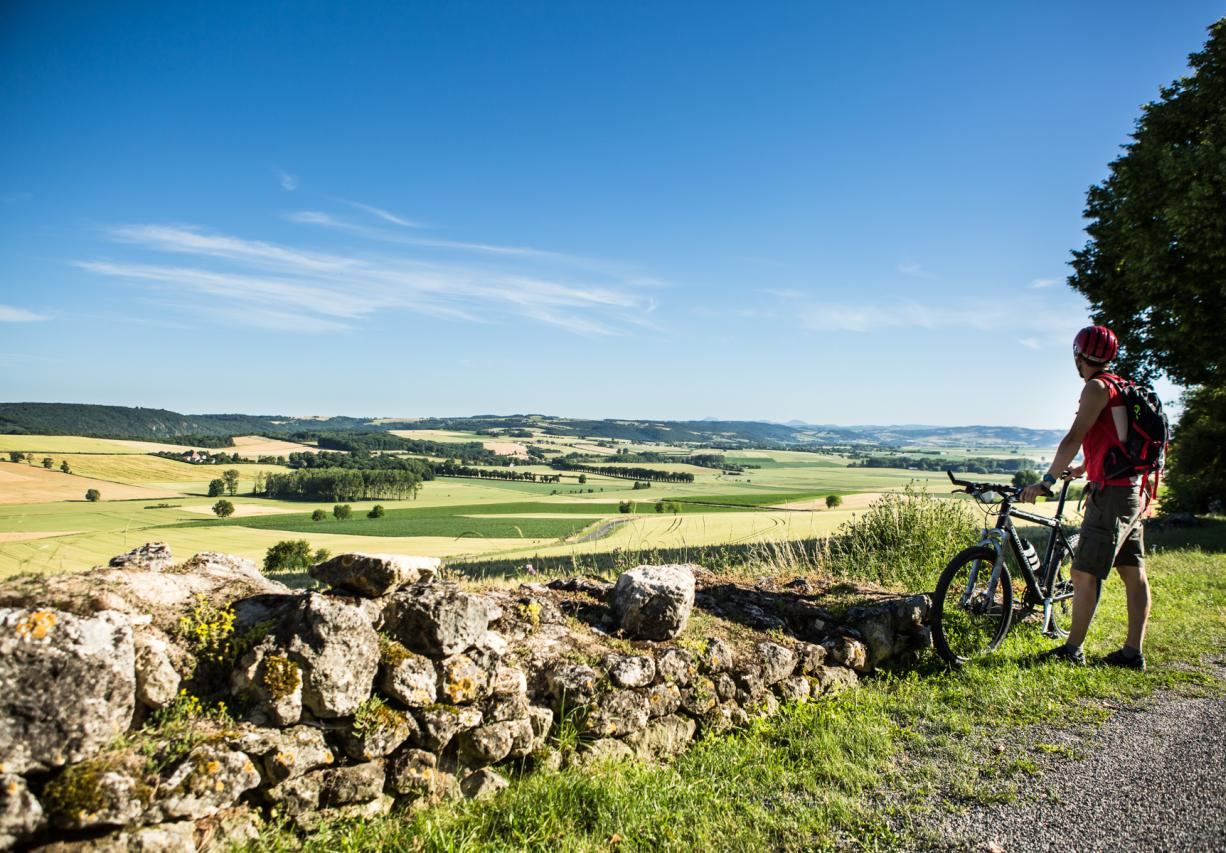
The Grande traversée du Massif Central by gravel bike
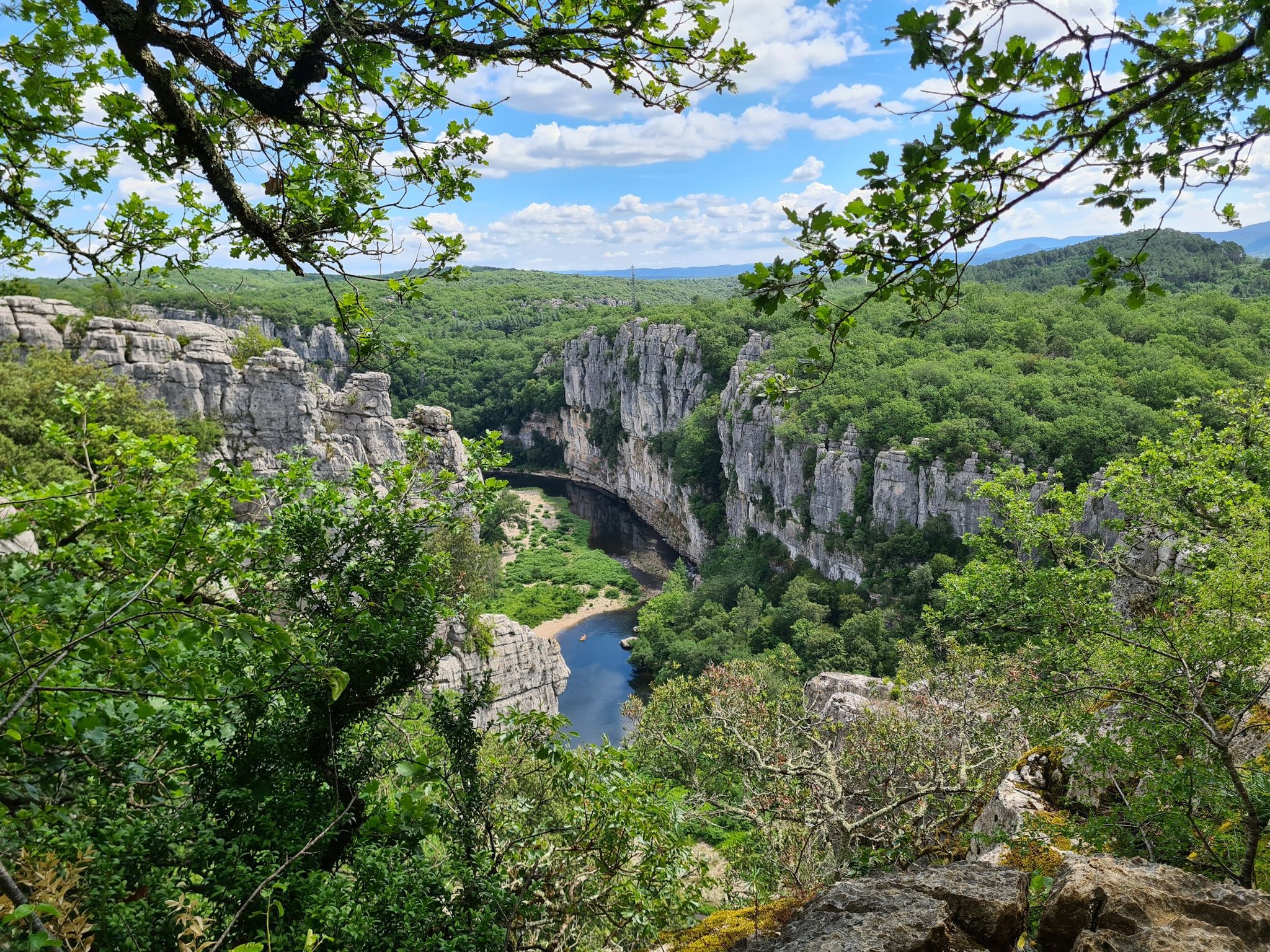
Hexatrek – The Cévennes to the Pyrenees between gorges and limestone plateau
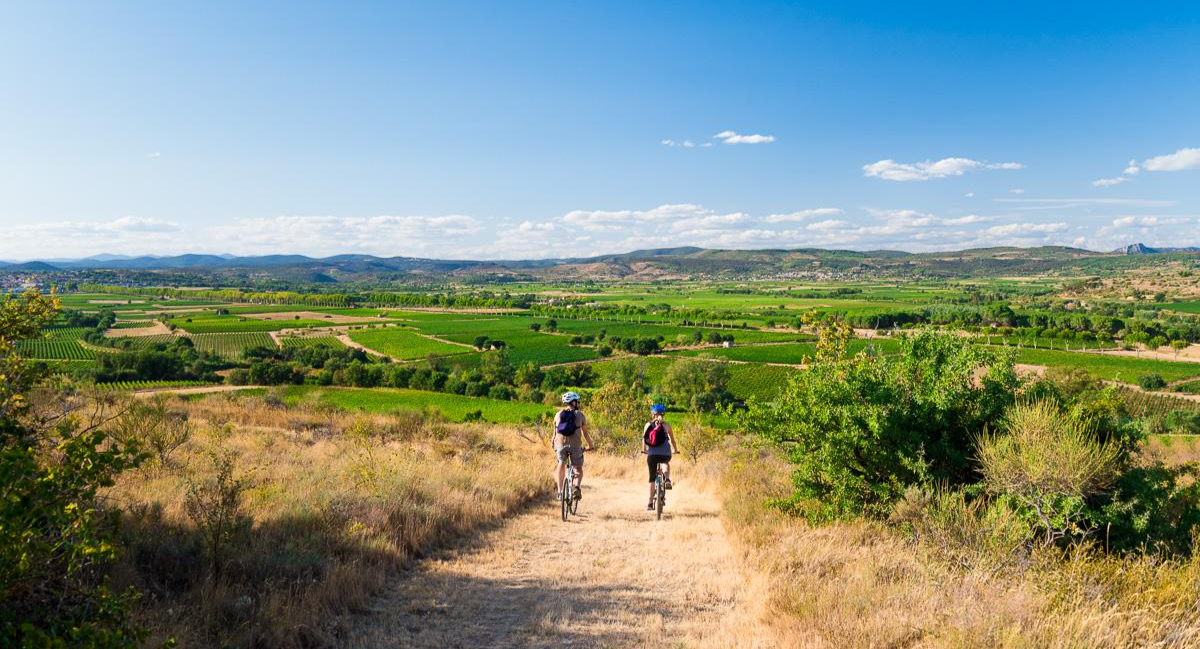
Cap d’Agde by bike – a unique terroir and wines with character
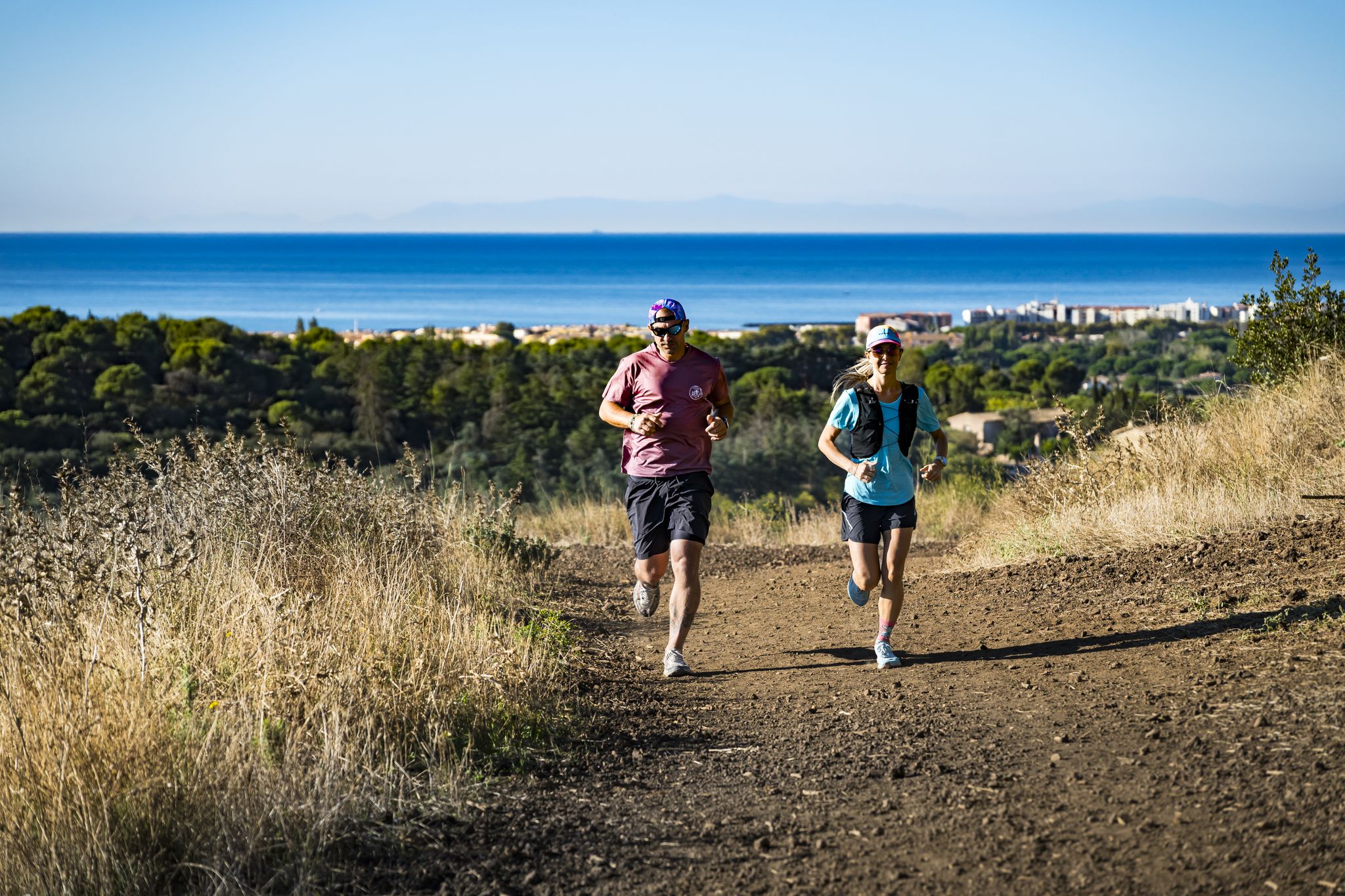
Running the trails and races of the Cap d’Agde
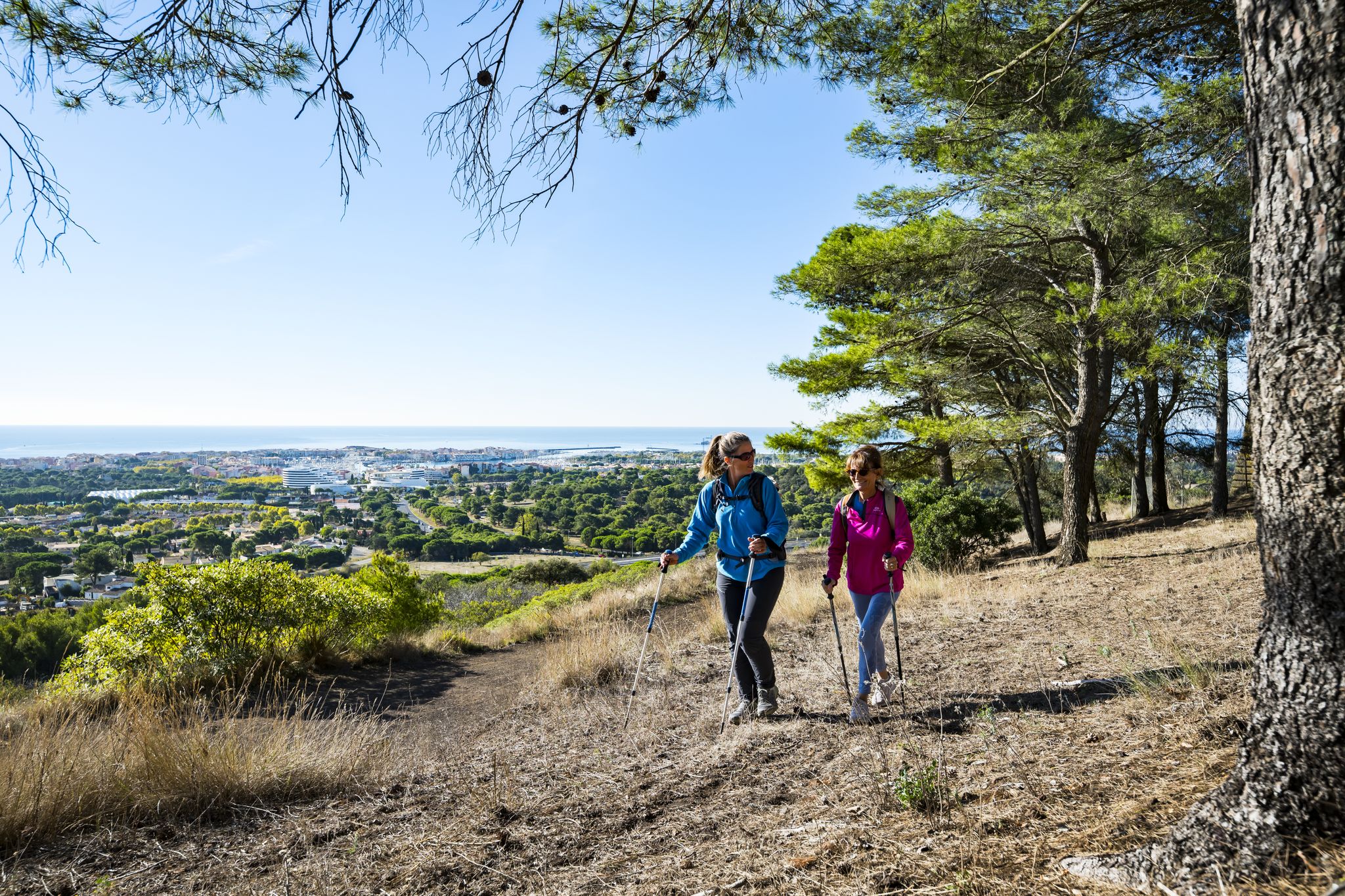
Cap d’Agde – hiking between sea, nature and heritage
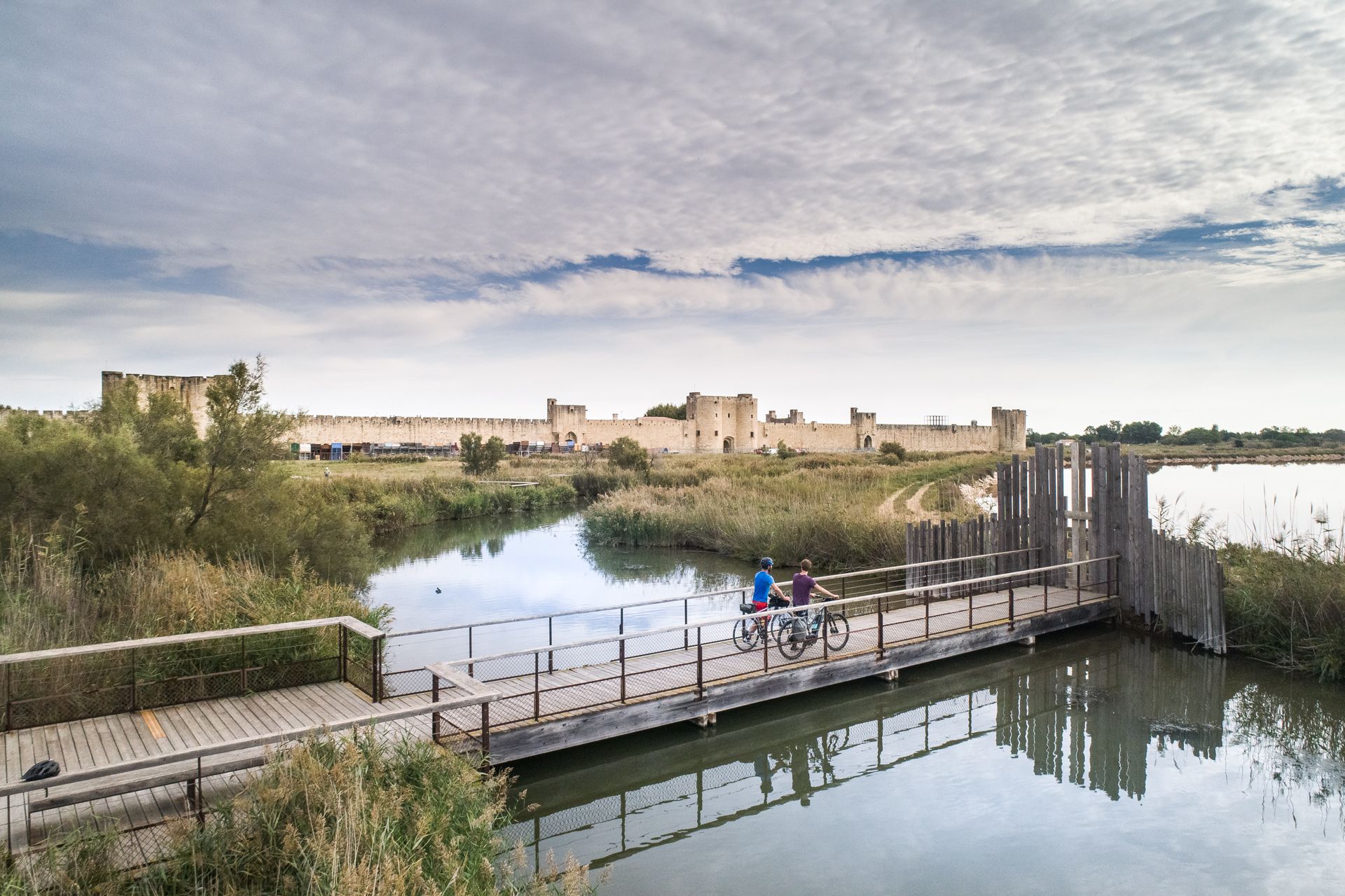
The most beautiful bike rides in Occitanie
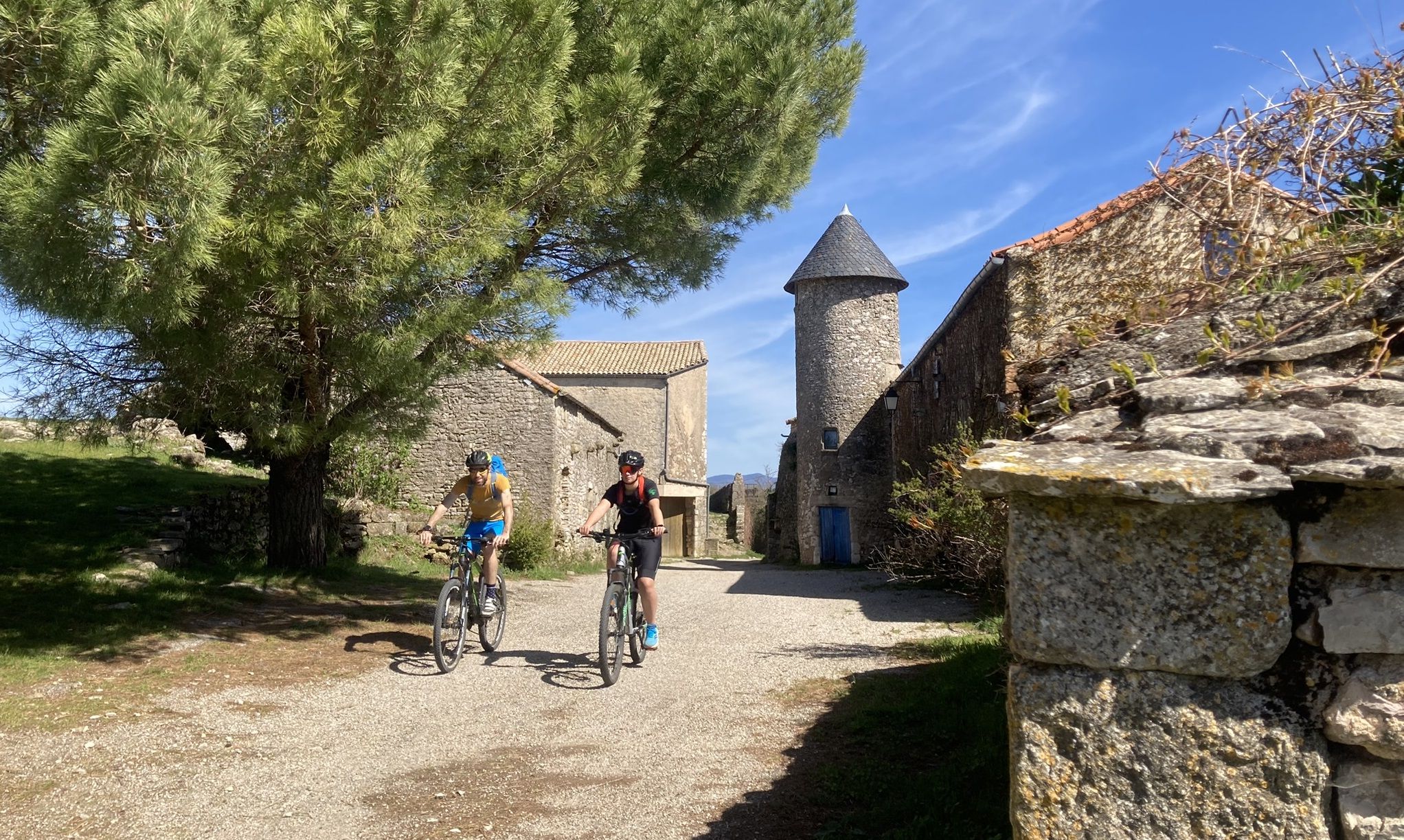
Grande Traversée de l'Hérault — Passa Meridia (North)
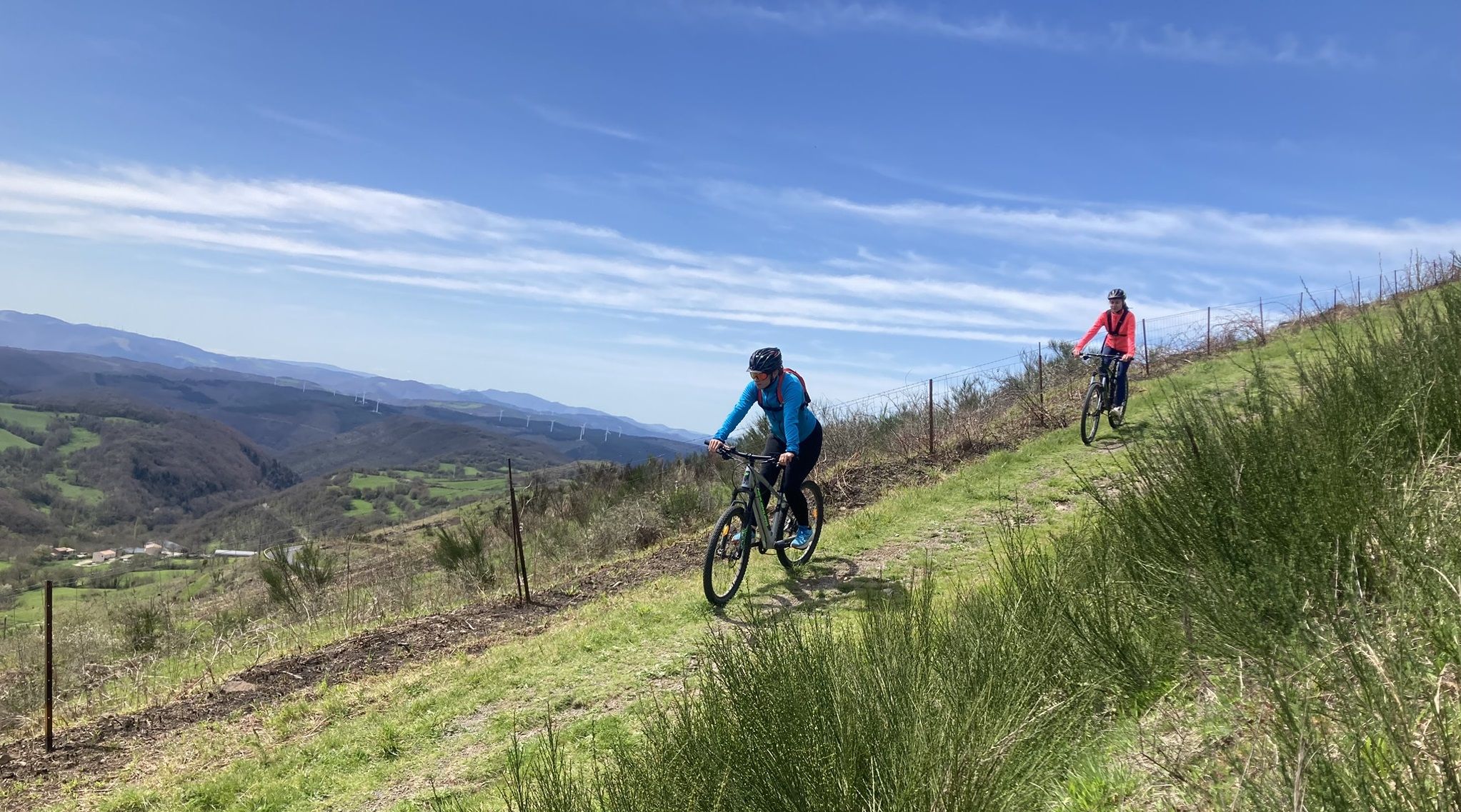
Grande Traversée de l'Hérault — Passa Meridia (South)
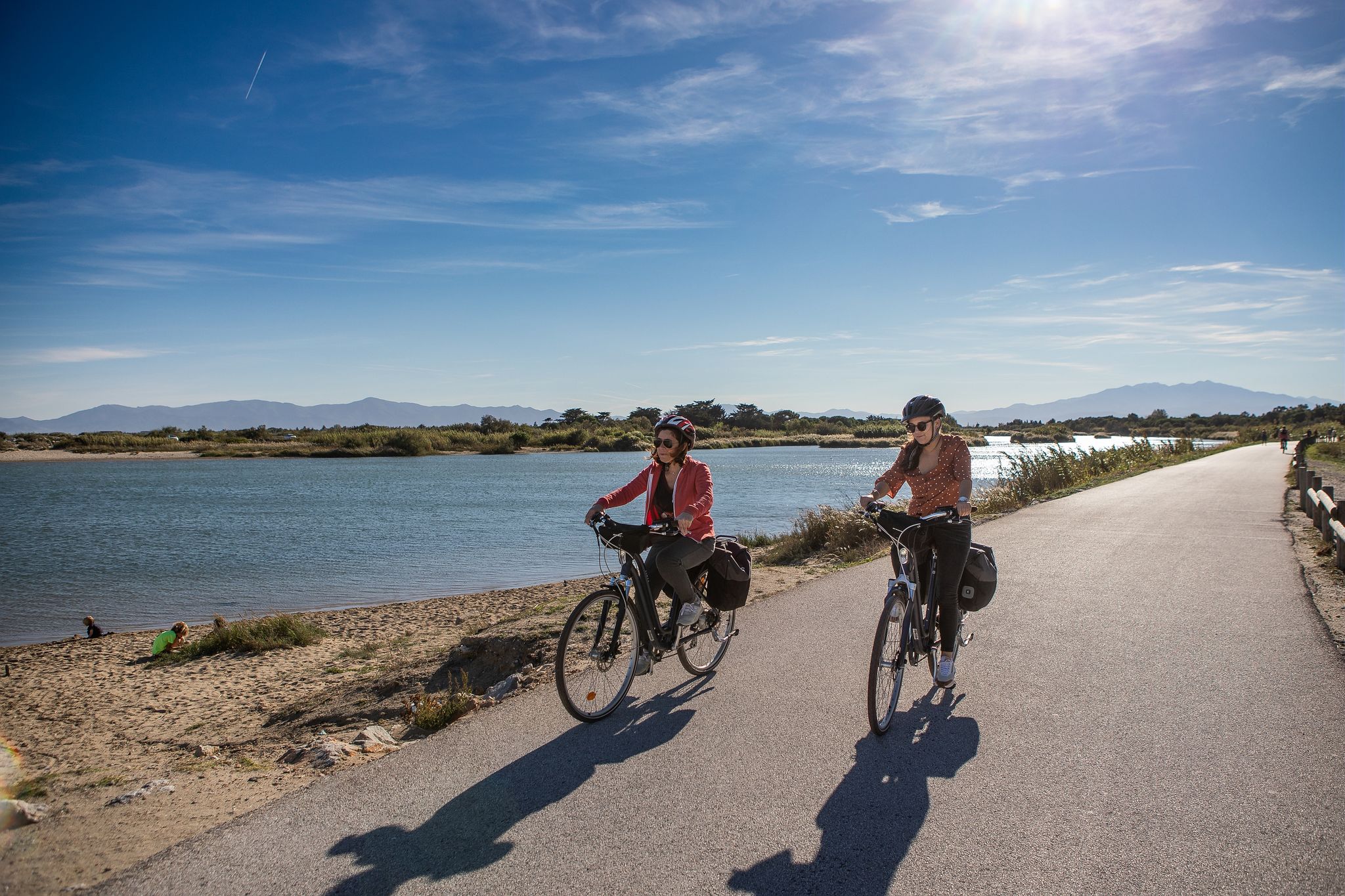
Méditerranée in Occitanie - Ten bike rides in the South of France
Other adventures around Béziers


Tips from the Community

Erected in 1858 at the foot of the ancient ramparts, this monumental fountain is the work of Montpellier sculptor Auguste Baussan. The statue crowning it represents Agathé, the personification of the Greek city of Agde, accompanied by three lionesses who symbolically watch over the city. The ensemble combines three remarkable materials: the Carrara marble of the statue, the African marble of the lionesses, and the basalt of the fountain. This choice echoes the very identity of Agde: a city founded by the Greeks over 2,500 years ago, but whose heritage is deeply marked by volcanic rocks from Agde's volcanism.
2
0
Le Pic de Vissou is a summit that is as much contemplated as it is read. Behind its characteristic silhouette lies one of the most remarkable geological sites in the Hérault: nearly 400 million years of Earth's history are visible in the rocks. Geologists have long come here to study exceptional formations and marine fossils over 500 million years old, while the first Neolithic communities were already exploiting copper there. Once at the summit, the reward is commensurate with the detour: a 360° panorama over the Cabrières mountains, the Languedoc plain, the Mediterranean, the Pyrenees and, on very clear days, as far as Mont Ventoux.
3
0
The panorama that unfolds before you is the legacy of intense volcanic activity. Several edifices were built in this same area: Mont Saint-Loup, to the northeast, today the highest (113 m), whose first eruptions date back to about 950,000 years ago; Mont Saint-Martin, to the south, which today culminates at 55 m; and Petit Pioch, to the east, whose cone probably reached nearly 80 m before being heavily scarred by the exploitation of pozzolana. These three reliefs correspond to three distinct Strombolian cones, and not to the eroded fragments of a single large volcano. With two other emission points, they belonged to a larger volcanic complex forming a maar. Volcanic activity continued for about 50,000 years, before ending with the last eruptions of Petit Pioch.
3
0
From the Ensérune plateau, the landscape opens widely onto the Montady plain and its Green Sun. This site was not chosen by chance: the oppidum occupied a dominant strategic position, both for monitoring traffic routes and for enjoying exceptional visibility to the distant reliefs. In clear weather, one understands here why this promontory has been occupied since Antiquity: it offers natural control over the entire surrounding basin.
2
0
A remarkable geological site, worthy of the fairy legend! The rock that constitutes it is a sandstone (detrital rock) with a carbonate cement and not a limestone. Differential erosion has shaped this landscape into natural basins.
3
0

The dinosaur egg-laying sites, the red lands, the white rocks, and the Fairy's Waslijn are among the most remarkable geological sites in the municipality. The Fairy's Waslijn is worth the detour as it is an original formation of limestone rocks, deposited at the beginning of the Tertiary era, during the foldings of the Pyrenean-Provençal chain, on a continental plain episodically crossed by rivers.
0
0
Imposing fountain in the center of the town of Agde, featuring animals, wild beasts, and amphibians, ceaselessly vomiting jets of a moving wave. Above them, a powerful woman, the beautiful Agathoise who gives her name to this monument, looks ahead with a resolute air. The scepter in her hand acts as a shepherd's crook. At the feet of the Agathoise, human figures ceaselessly spread their scented water.
0
0
Above Saint-Martin-de-l'Arçon, a superb view unfolds over the valley and surrounding hills. Choose a sunny day with clear skies to fully appreciate its beauty!
2
0
Frequently Asked Questions
What are some of the most popular natural viewpoints around Béziers?
For breathtaking panoramic views, consider visiting the Orientation table at Mont Caroux, which offers distant vistas from the Massif des Mont Caroux. Another excellent spot is Mount Saint-Loup, an ancient volcano providing a spectacular panorama of the coastline and hinterland near Cap d'Agde.
Are there family-friendly natural sites to visit near Béziers?
Yes, several natural sites are suitable for families. The Natural Pools of the Gorges d'Héric are popular for swimming and relaxing in crystal-clear waters. The View of the Étang de Montady offers a unique historical landscape that can be enjoyed by all ages. Additionally, the Canal du Midi provides peaceful routes for walking and cycling, perfect for a family outing.
Where can I go for wild swimming or natural pools around Béziers?
The Gorges d'Héric are renowned for their natural swimming spots. The Gouffre du Cerisier Natural Pool and Waterfall is a beautifully appointed rock pool with clear waters, ideal for a refreshing dip. The Natural Pools of the Gorges d'Héric also offer numerous spots to swim and enjoy the natural environment. The Orb River and Lac du Salagou also provide opportunities for swimming and water activities.
What kind of hiking trails can I find near Béziers' natural monuments?
The region offers a variety of hiking experiences. You can explore challenging trails in the Haut-Languedoc Regional Natural Park, such as those around Mont Caroux and the Gorges d'Héric. For specific routes, consider the 'Caroux and Héric Gorges Loop' or the 'Les Gorges de Colombières – loop from Colombières-sur Orb'. You can find more details on these and other hiking routes in the Hiking around Béziers guide.
Are there any significant waterfalls to visit in the area?
Yes, the region features beautiful waterfalls. The Gouffre du Cerisier Natural Pool and Waterfall in the Gorges d'Héric is a well-known spot, inviting visitors to swim in its clear waters. Another notable waterfall is the Vésoles Waterfall, which is part of a challenging trail offering scenic views.
What other outdoor activities are available near the natural monuments?
Beyond hiking, the area around Béziers offers diverse outdoor activities. The Orb River is excellent for canoeing or paddleboarding. The Canal du Midi is perfect for cycling and boat trips. For mountain biking enthusiasts, there are trails like the 'Lac de la Raviège Loop' or routes along the Canal du Midi. You can explore more options in the MTB Trails around Béziers guide and the Mountain Hikes around Béziers guide.
Where can I find dramatic gorges and rugged landscapes?
The Haut-Languedoc Regional Natural Park is home to stunning gorges. The Gorges d'Héric and Gorges de Colombières offer rugged terrain, waterfalls, and natural pools, making them ideal for nature lovers and hikers. Mont Caroux, also known as the 'mountain of light,' provides challenging trails and panoramic views within the same park.
What is the best time of year to visit the natural monuments around Béziers?
Spring and autumn are generally the best times to visit, as the weather is pleasant for outdoor activities like hiking and cycling. Summers can be hot, but the natural pools and rivers offer refreshing escapes. Winter is milder but some higher elevation trails might be less accessible.
Are there any unique geological features or landscapes to see?
Absolutely. Lac du Salagou, though a bit further afield, is famous for its striking red-and-ochre landscape, offering a unique geological backdrop for various activities. The region also features ancient volcanic formations, such as Mount Saint-Loup, which has shaped the coastline with basalt rock.
Can I spot any wildlife or go birdwatching near Béziers?
Yes, the Hérault region boasts remarkable biodiversity. The Thau Lagoon and the Bagnas Nature Reserve, near Cap d'Agde, are prime locations for birdwatching, where you can spot flamingos, herons, and other protected species. In the hills and natural parks, you might also encounter deer, wild boar, and various birds of prey.
Are there any notable mountain passes with scenic views?
Yes, the region features several scenic mountain passes. The L'Espinouse Pass (1,124 m) offers a quiet drive through the heart of a nature reserve. Another beautiful cycling pass is the Fontfroide Pass, known for its challenging climbs and magnificent descent views.
What are some less crowded natural attractions around Béziers?
While popular spots can get busy, exploring the deeper parts of the Gorges de Colombières or some of the more challenging trails on Mont Caroux can offer a more secluded experience. The quiet pass roads like L'Espinouse Pass also provide a sense of tranquility away from the crowds.
Most popular routes around Béziers
Most popular attractions around Béziers

Get inspired with the komoot mobile app


Didn’t find what you were looking for?
Find even more amazing natural monuments around Béziers by checking out the top Highlights region by region:
Explore more
Extend your search for the best caves by checking out these guides of the top ones around Béziers:
