Top 7 Natural Monuments around Carcassonne
Best natural monuments around Carcassonne offer a diverse range of geological wonders and natural landscapes. The region, known for its historic fortified city, extends into areas featuring spectacular caves and a picturesque mountain range. This geographical diversity provides a contrast of environments, from underground formations to elevated viewpoints. The area is characterized by its position between Atlantic and Mediterranean climates, influencing its varied vegetation and natural features.
Best natural monuments around Carcassonne
- The most popular natural monuments is Pic de…
Last updated: July 2, 2026
Pic de Nore
Highlight • Summit
Translated by Google •
Tip by

Cubserviès Waterfall
Highlight • Waterfall
Translated by Google •
Tip by

Sign up now to discover places like this
Get recommendations on the best single tracks, peaks, & plenty of other exciting outdoor places.
Sign up for free
Les Bénitiers
Highlight • Natural Monument
Translated by Google •
Tip by

Roc de l'Aigle
Highlight • Viewpoint
Translated by Google •
Tip by

Château de Miramont
Highlight • Castle
Translated by Google •
Tip by

View from Roc Gris
Highlight • Viewpoint
Translated by Google •
Tip by
Start today with a free account
Your next adventure awaits.
Login or Signup
Popular around Carcassonne
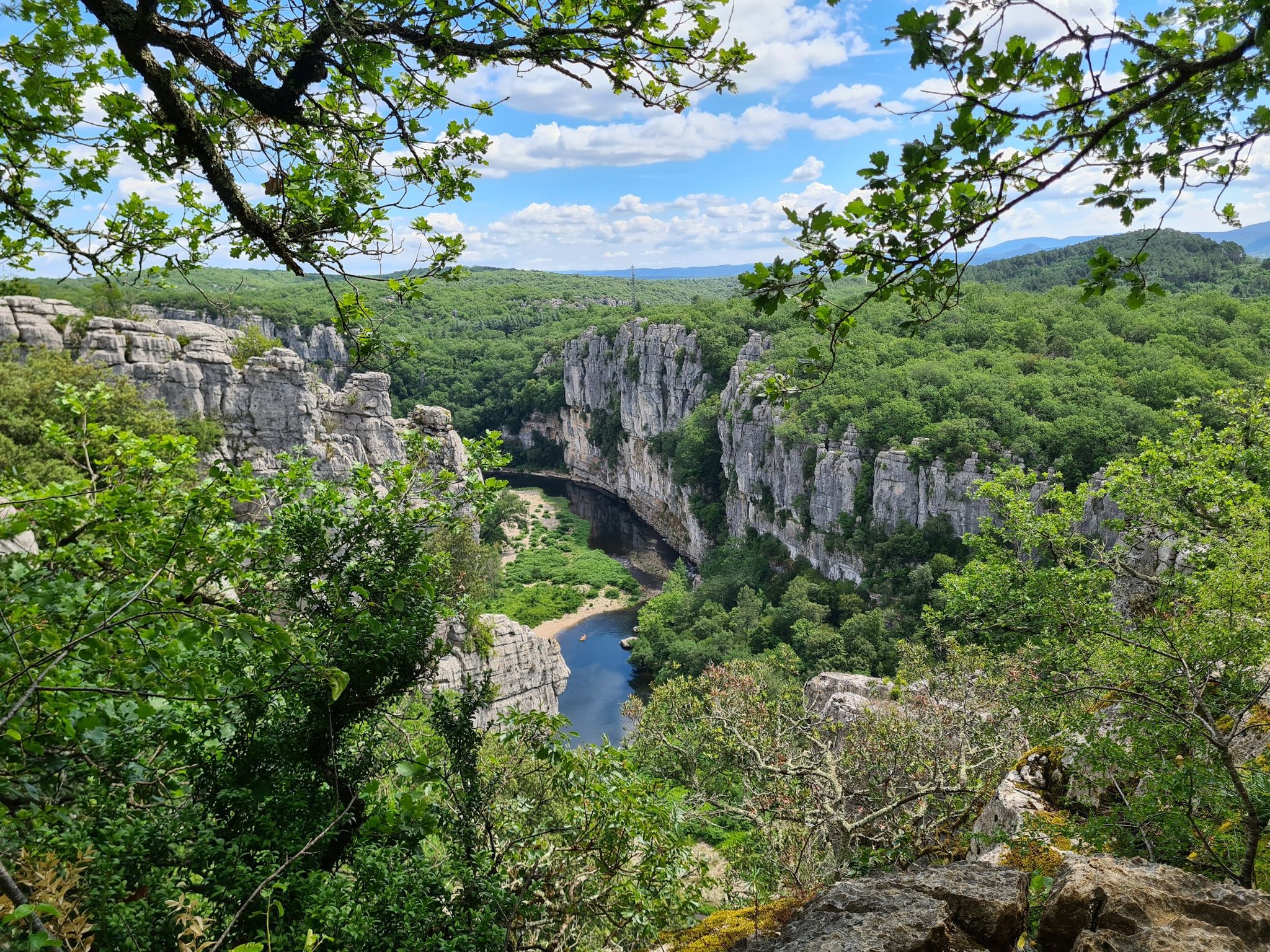
Hexatrek – The Cévennes to the Pyrenees between gorges and limestone plateau
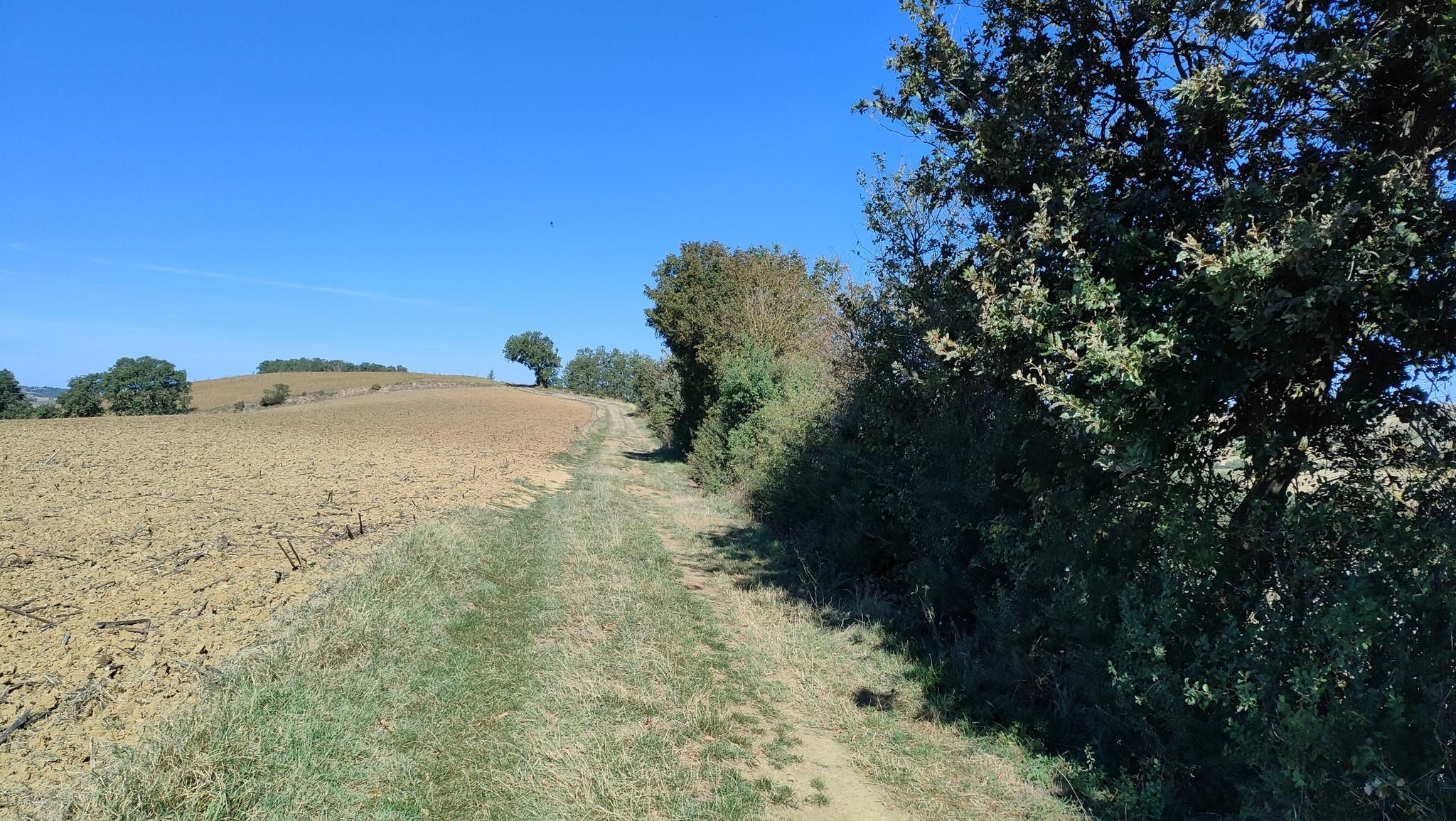
Between fields and forests — Lauragais Mountain Bike Tour
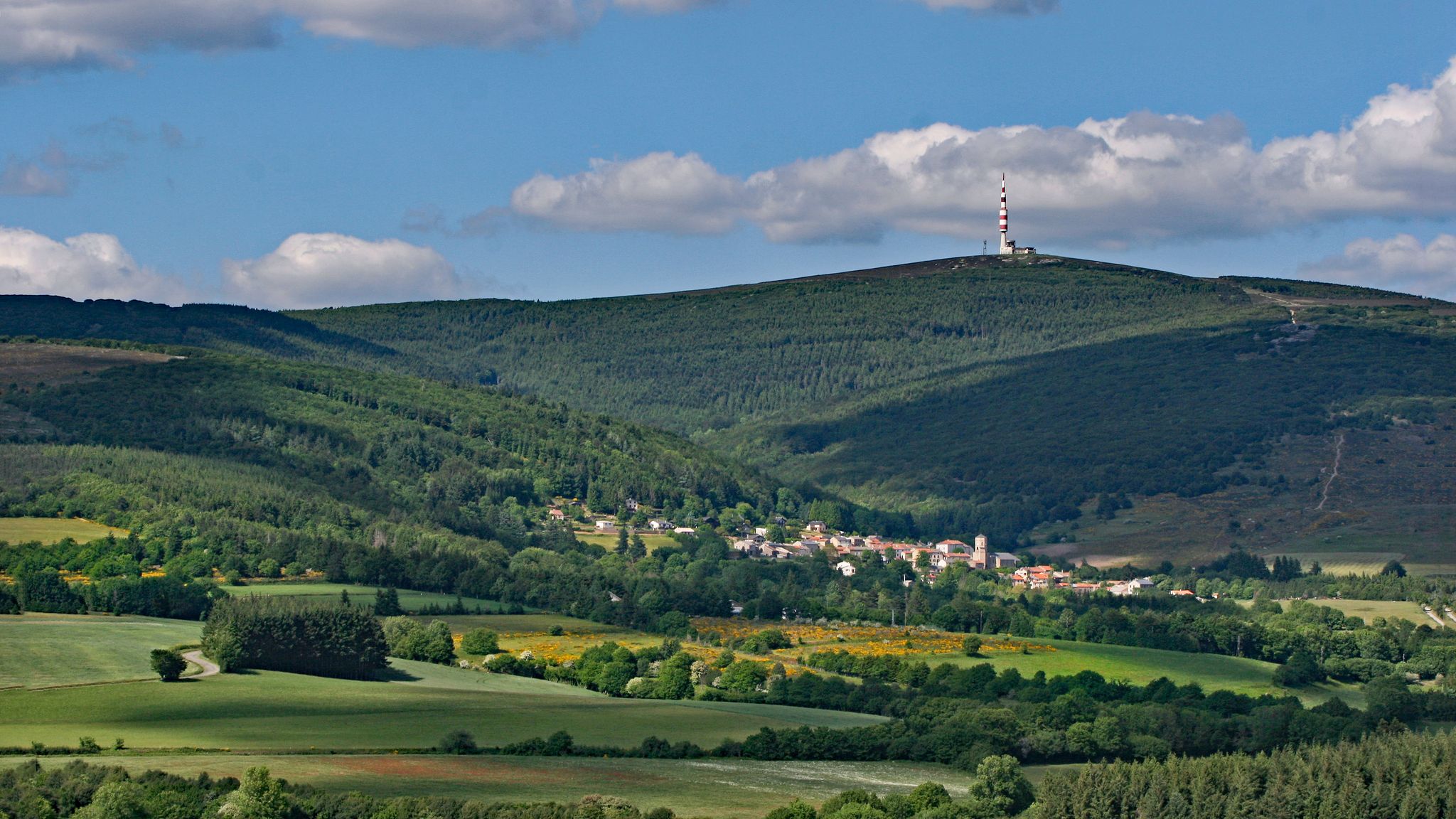
Béziers in loop - The Haut-Languedoc
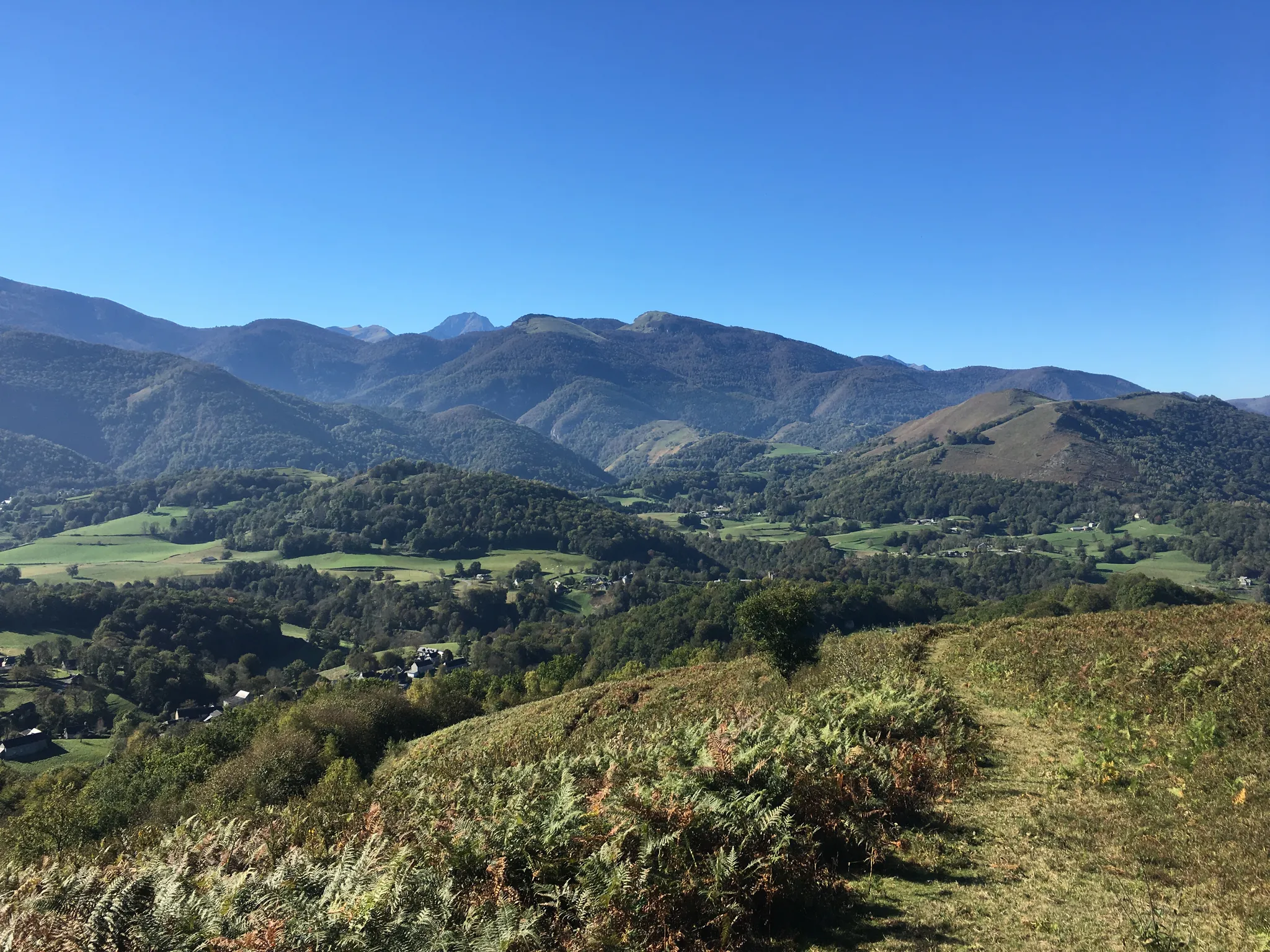
In the footsteps of pilgrims – GR 78, Pyrenean foothills route
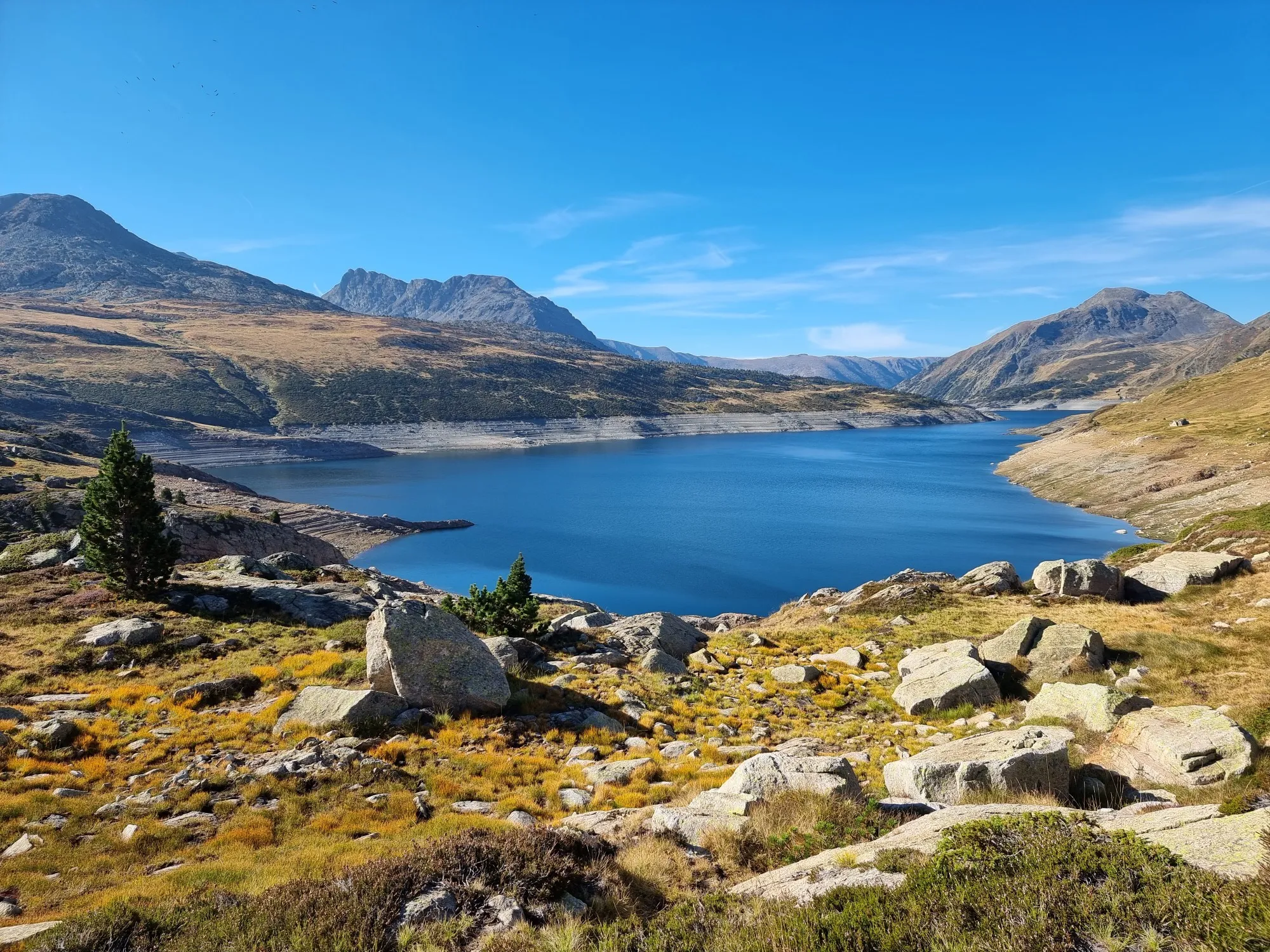
On wild ridges: Catalonia to Ariège – Hexatrek, Eastern Pyrenees
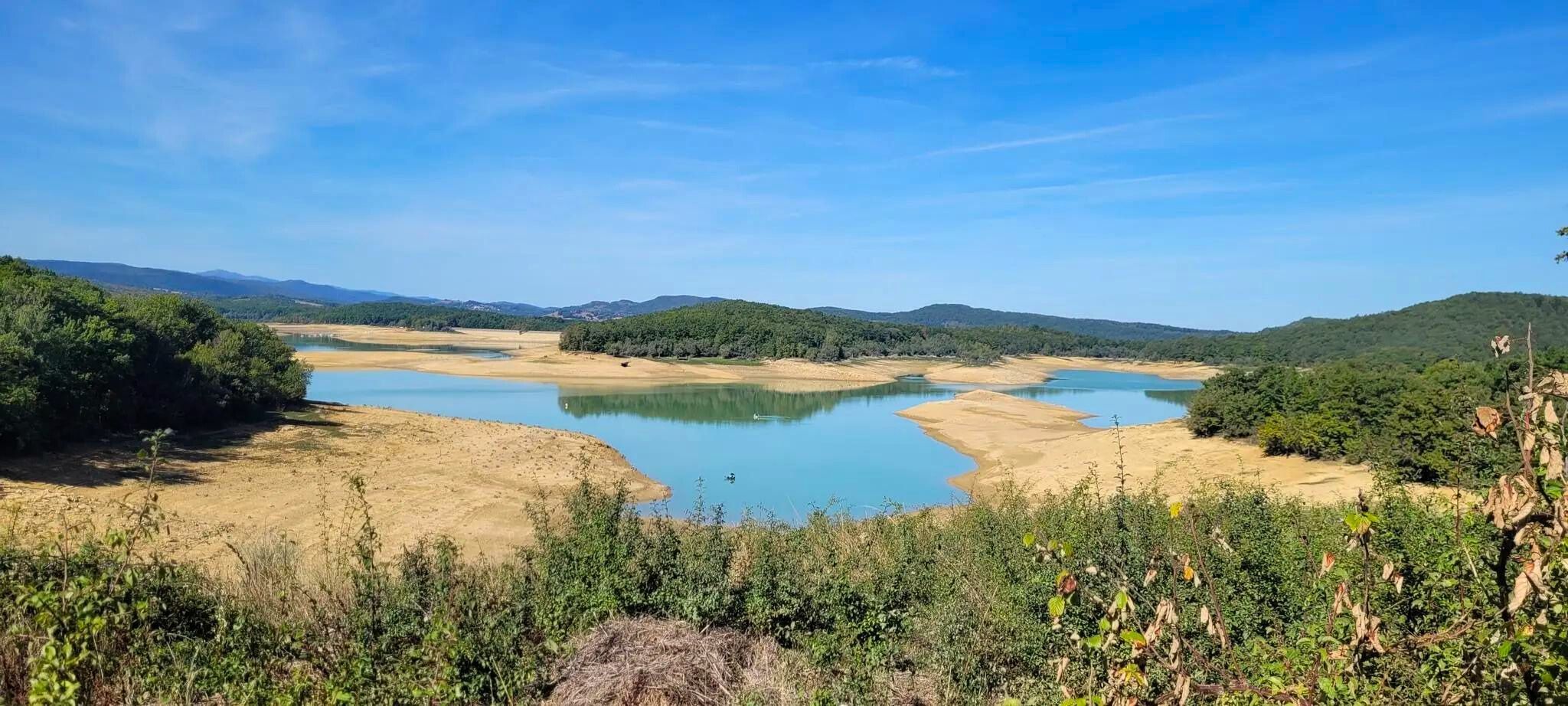
Plains, hills and mountains – GR 7 in the heart of France’s Occitania
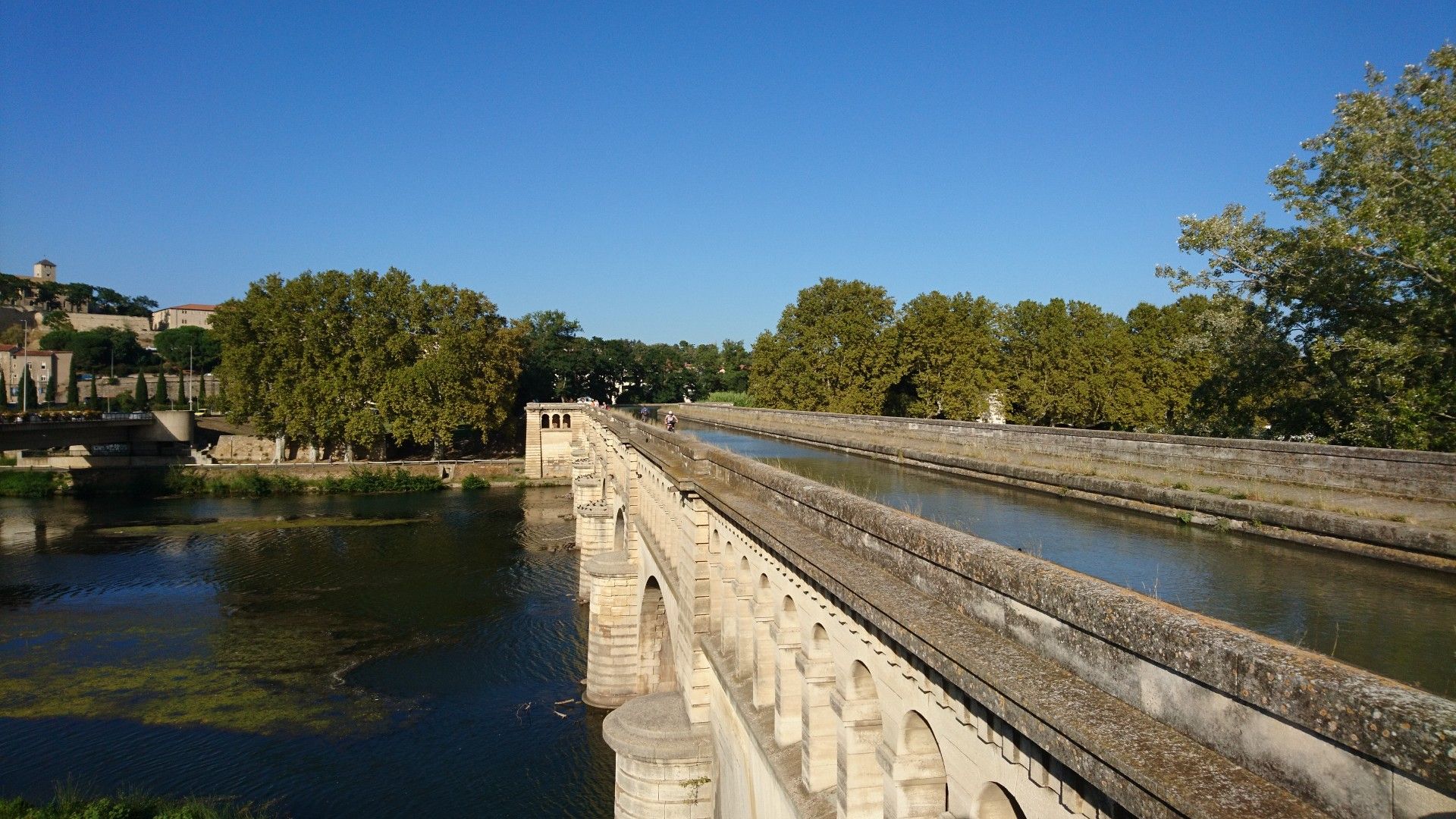
A river adventure – Canal des Deux Mers by bike
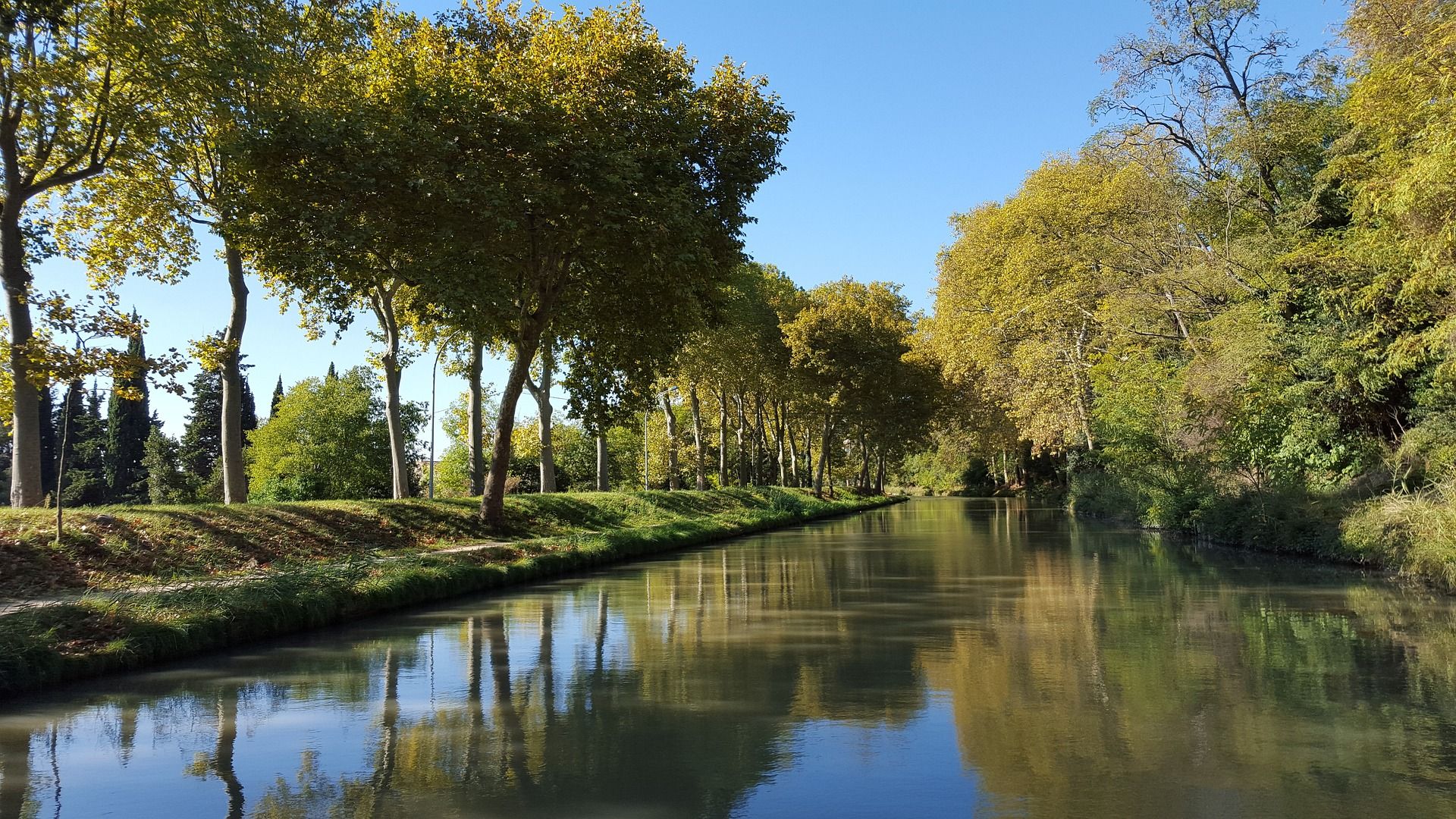
Along the water and through the locks – Canal du Midi
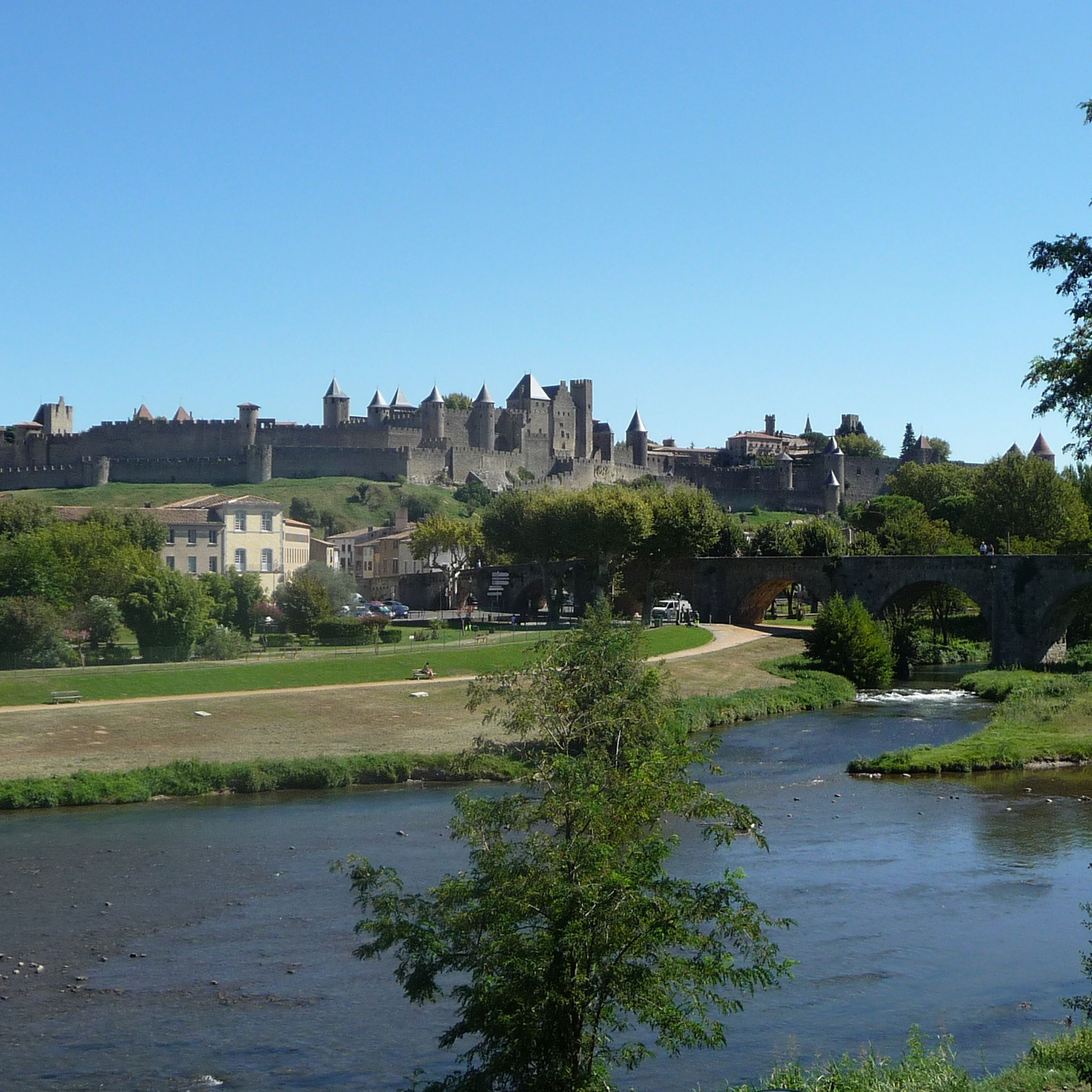
Hiking around Carcassonne
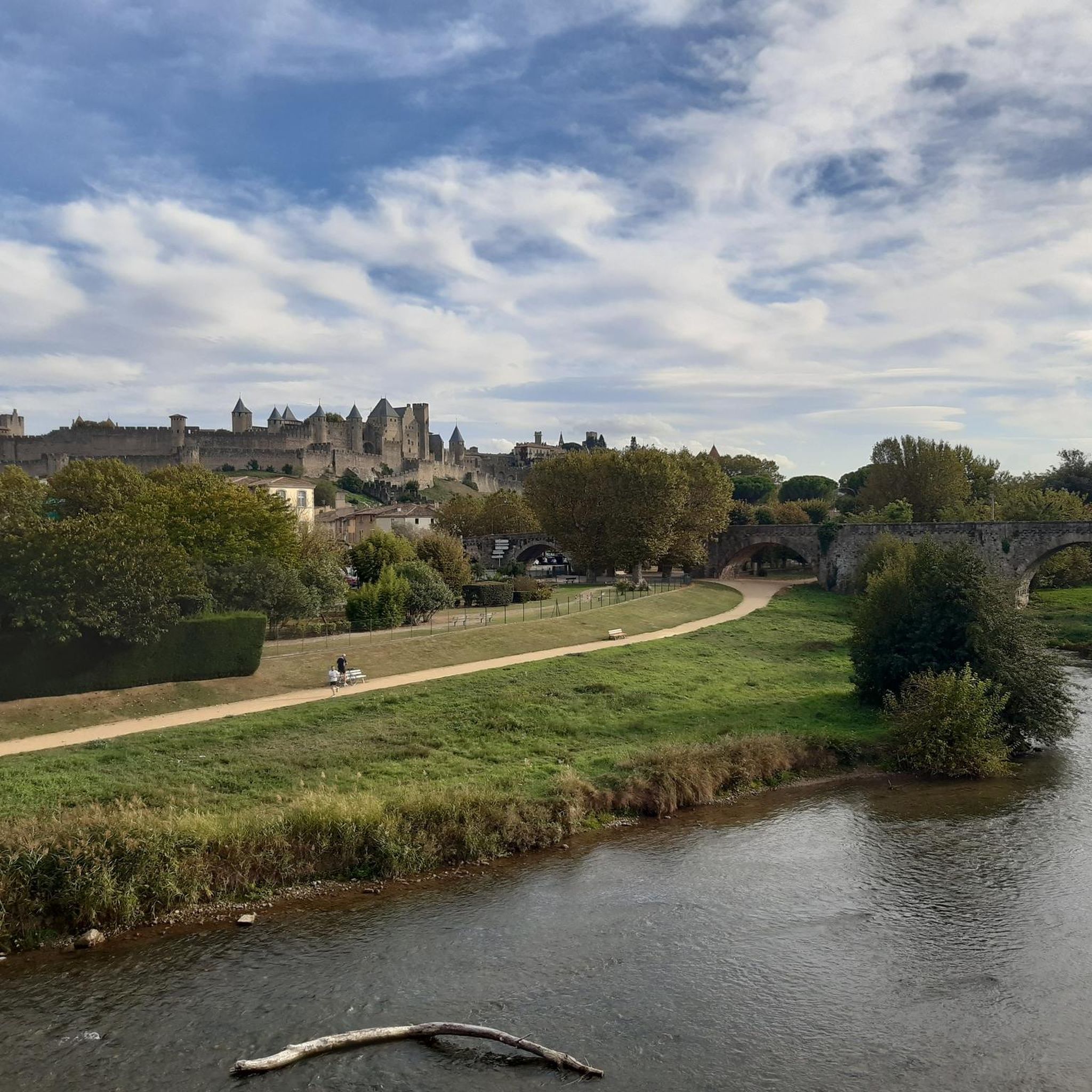
Running Trails around Carcassonne
Other adventures around Carcassonne


Tips from the Community

Save your energy for the last 5km, be careful when it's windy.
0
0

Known for being in 1185 the birthplace of the most famous lord of the place, Chabert de Barbeira, an Occitan knight loyal to the Cathar cause. Besieged in 1210 during the Albigensian Crusade, Pierre des Vaux de Cernay cites this siege in his chronicle of the crusade as a failure of the crusaders, due to poor weather conditions. The stronghold could date back to the Carolingian or even Visigothic era, but no historical study has yet been conducted on this castle. The building was listed as a historical monument in 19261. The "ruins of the castle" have been listed as natural sites since 19422 (Wikipedia)
0
0

At 90 meters high, it is the highest waterfall in the Aude department. For a bird's eye view of the fall, you have to go to the hamlet of Cubserviès. There is no access to the foot of the waterfall.
0
0


Very nice walk, varied nature, beautiful view, very pretty heather ☺️ Partially shaded.
1
1

Despite its low altitude (only 1,211 meters), the Pic de Nore, located in the Aude department and the highest point of the Montagne Noire, can experience extremely harsh weather conditions. You can't miss its imposing red and white television antenna.
0
0

These limestone mushrooms from the beginning of the Tertiary era constitute real geological curiosities. There are four Giant Clams in the Alaric Forest, all located in the same place.
1
0

The Roc de l'Aigle offers a magnificent panorama over the Montagne Noire to the Pyrenees, and the ridge to reach it is quite spectacular.
1
0
Frequently Asked Questions
What are the most unique geological features to explore near Carcassonne?
The region around Carcassonne is rich in geological wonders. You can explore the Les Bénitiers, which are fascinating limestone mushrooms from the Tertiary era found in the Alaric Forest. Additionally, the area boasts impressive cave systems like the Grotte de Limousis, known for its aragonite crystals, and the Gouffre Géant de Cabrespine, an immense abyss with diverse crystallizations and an underground river.
Are there any spectacular waterfalls to visit around Carcassonne?
Yes, the Cubserviès Waterfall is a must-see. It's the highest waterfall in the Aude department, cascading over a total height of 90 meters. You can admire its impressive 45-meter drop from a belvedere in the hamlet of Cubserviès.
What kind of views can I expect from the natural monuments in the area?
For panoramic views, head to Pic de Nore, the highest point of the Montagne Noire, offering a superb 360° panorama. The Roc de l'Aigle also provides magnificent vistas over the Montagne Noire towards the Pyrenees. Another great spot is the View from Roc Gris, which overlooks the Priory of Saint-Pierre d'Alaric.
What outdoor activities can I do near these natural monuments?
The region offers a variety of outdoor activities. You can find numerous hiking trails, including the 'Cubserviès Waterfall Trail' and 'The sentinelles de l'Orbiel and the Quatre Châteaux' loop. For cycling enthusiasts, there are routes like 'Canal du Midi and Carcassonne from Villemoustaussou' for touring bikes and 'Roquefère Castle – Pic de Nore loop' for road cycling. Explore more options in the Hiking around Carcassonne, Cycling around Carcassonne, and Road Cycling Routes around Carcassonne guides.
Are there family-friendly natural attractions near Carcassonne?
Yes, the Grotte de Limousis offers an easy 1-km path during its one-hour guided tour, making it suitable for families. The Gouffre Géant de Cabrespine also has a standard walking tour. For outdoor walks, the 'Tour of Lac de la Cavayère' is an easy and pleasant option for families.
What is the Montagne Noire and why is it significant?
The Montagne Noire (Black Mountain) is a low mountain chain forming the southwestern extension of the Massif Central. It's significant for marking the dividing line between Atlantic and Mediterranean climates, leading to diverse vegetation. Its dense forests and frequent cloud cover give it its name. It's part of the Parc Régional du Haut-Languedoc and offers a refreshing escape with extensive forests and a pleasant microclimate, ideal for hiking.
Can I explore caves with unique features near Carcassonne?
Absolutely. The Grotte de Limousis features stunning stalactites, stalagmites, and the world's largest set of aragonite crystals. The Gouffre Géant de Cabrespine is an immense abyss known for its vast chambers, diverse crystallizations including 'red rooms' with vibrant ocher shades, and a unique 'Glass Balcony' offering views into the chasm.
What historical or cultural elements can be found alongside natural monuments?
The Grotte de Limousis has historical significance, with visible claw marks from cave bears and evidence of prehistoric human habitation. While primarily natural, the region's history is often intertwined with its landscape. For example, the Château de Miramont is a historical site that also functions as a natural monument and viewpoint.
What is the best time to visit the natural monuments around Carcassonne?
The caves, such as Grotte de Limousis, maintain a cool temperature of 14°C (57°F) year-round, making them a refreshing escape during warmer months. The Montagne Noire also offers a pleasant microclimate and shade from its forests, which is appreciated by hikers in summer.
Are there any adventurous activities available in the natural sites?
Yes, the Gouffre Géant de Cabrespine offers unique adventurous options beyond its standard walking tour. These include 'Cabrespine's Accro Cave,' an underground climbing experience with ziplines and monkey bridges, and 'The Underground River' tour, which involves an underground boat ride.
What should I wear when hiking near Carcassonne's natural monuments?
Given the diverse terrain, from mountain trails to cave explorations, it's advisable to wear comfortable hiking shoes with good grip. For the Montagne Noire, especially at higher elevations like Pic de Nore, be prepared for potentially harsh weather conditions despite the low altitude. Layers are recommended to adapt to changing temperatures, especially when entering caves where it's consistently cool.
Where can I find information about accessibility or practical tips for visiting the caves?
For specific details on accessibility, opening hours, and booking for the Grotte de Limousis, it's best to check their official tourism page: tourisme-carcassonne.fr. Similarly, for the Gouffre Géant de Cabrespine, consult their official site for the most up-to-date visitor information.
Most popular routes around Carcassonne
Most popular attractions around Carcassonne

Get inspired with the komoot mobile app


Didn’t find what you were looking for?
Find even more amazing natural monuments around Carcassonne by checking out the top Highlights region by region:
Explore more
Extend your search for the best caves by checking out these guides of the top ones around Carcassonne:
