Top 5 Natural Monuments around Avallon
Best natural monuments around Avallon are situated near the Parc Naturel Régional du Morvan, an area known for its undulating hills, forests, and rivers. The region features a blend of geological formations and protected natural environments. Avallon itself is positioned to offer access to diverse natural landscapes, including river valleys and unique geological sites. These natural features provide opportunities for outdoor activities and observing local biodiversity.
Best natural monuments around Avallon
- The most popular natural monuments is View from the…
Last updated: October 5, 2026
Fosse Dionne
Highlight • Natural Monument
Translated by Google •
Tip by

Cousin Valley
Highlight (Segment) • River
Translated by Google •
Tip by

Sign up now to discover places like this
Get recommendations on the best single tracks, peaks, & plenty of other exciting outdoor places.
Grotte des Vipères
Highlight • Cave
Translated by Google •
Tip by
Roche Percée
Highlight • Natural Monument
Translated by Google •
Tip by

View from the Rocher de la Pérouse
Highlight • Viewpoint
Translated by Google •
Tip by
Start today with a free account
Your next adventure awaits.
Popular around Avallon
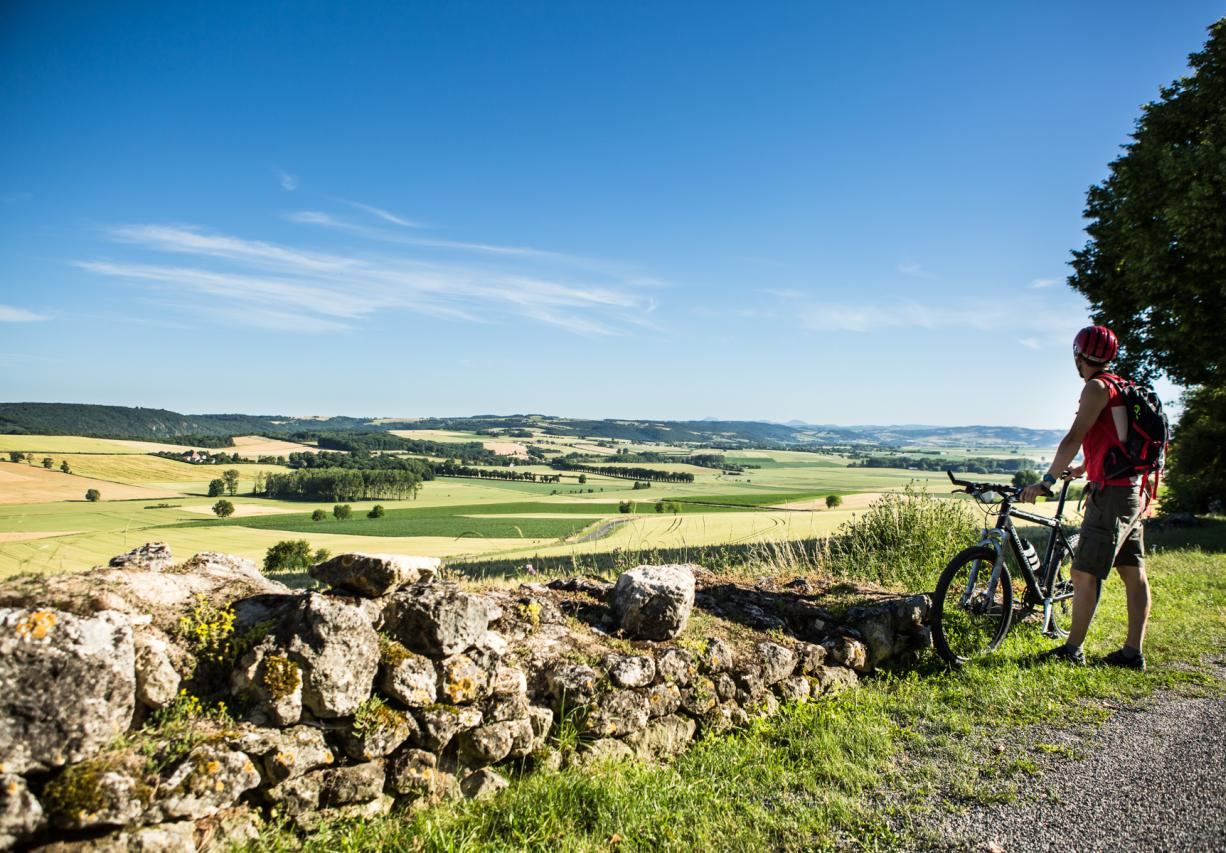
The Grande traversée du Massif Central by gravel bike
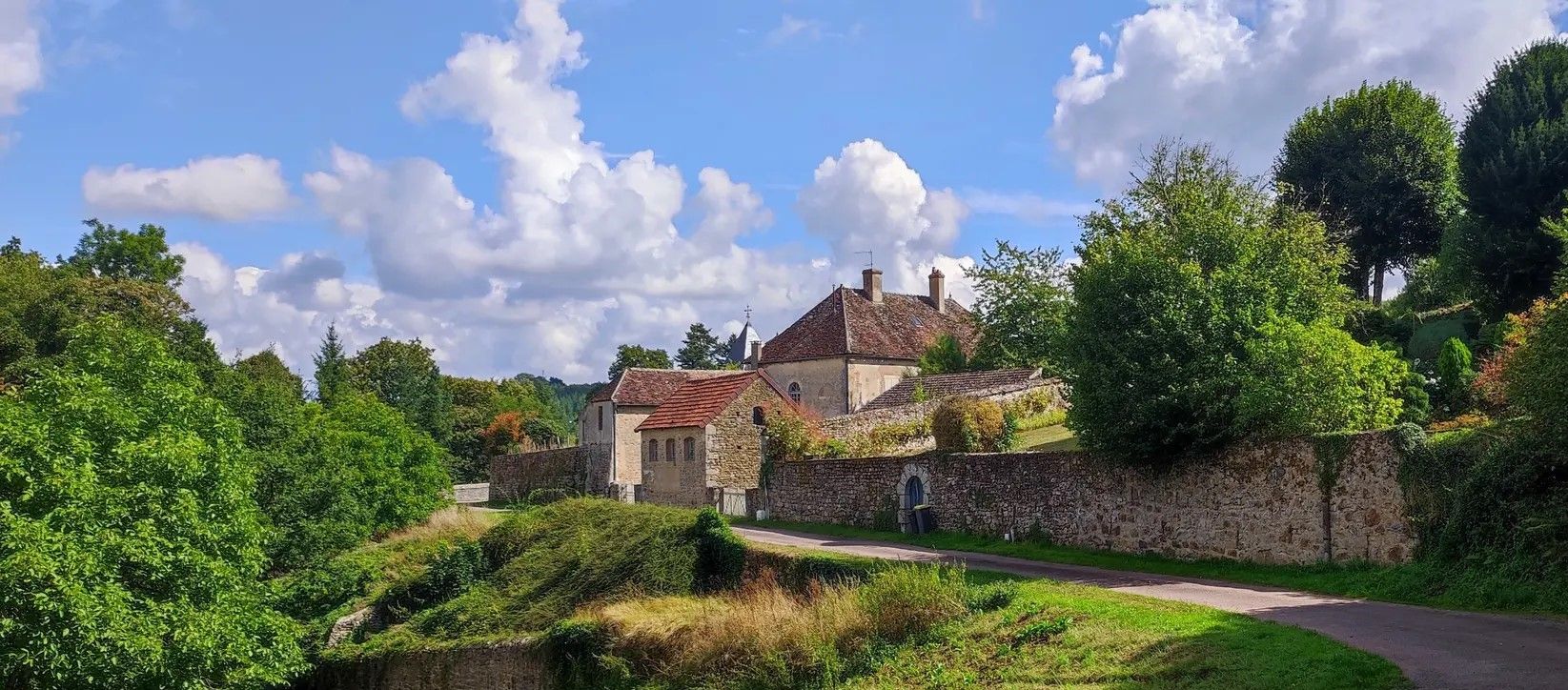
GR 13 from Gâtinais to Morvan — By Fontainebleau and Burgundy
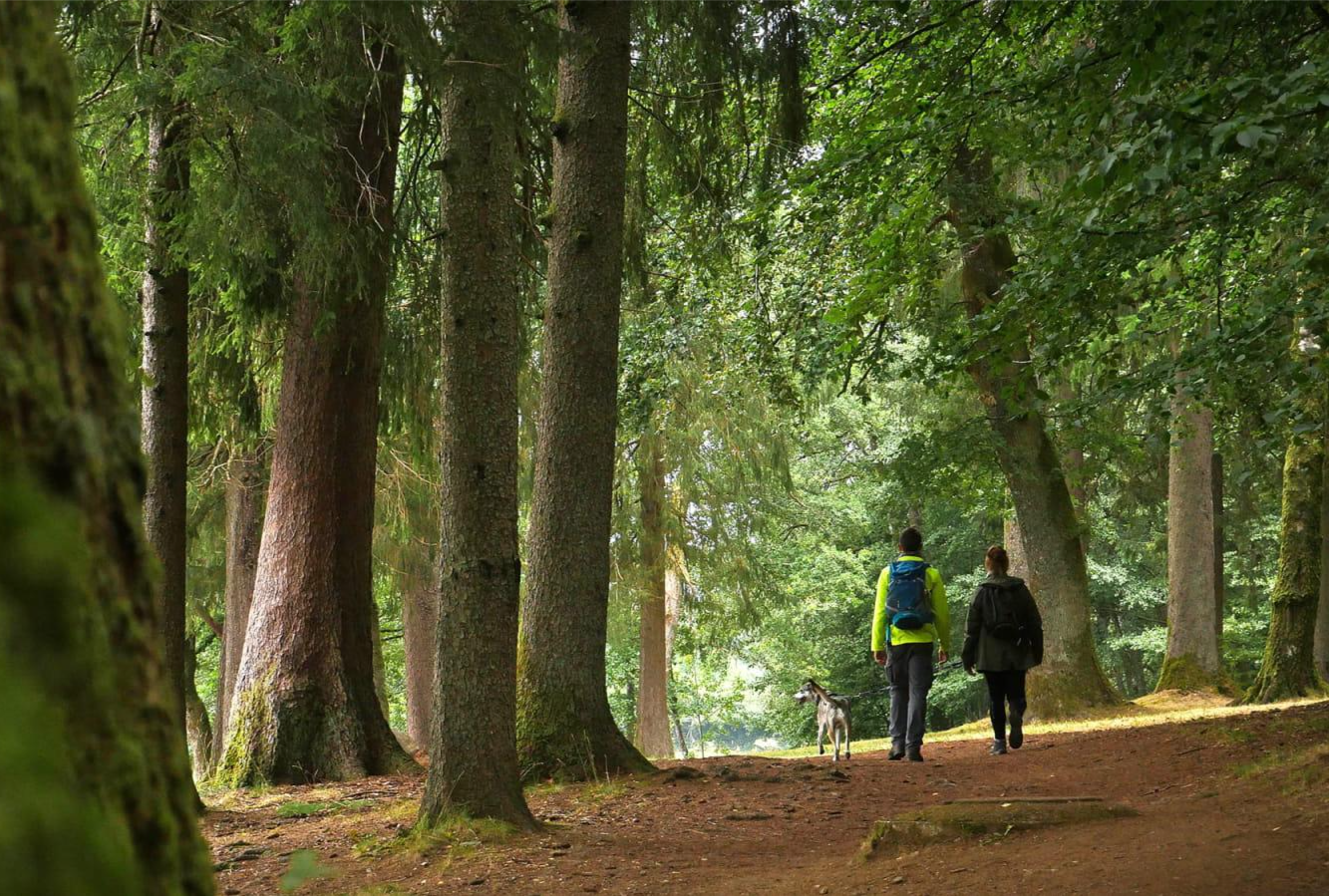
Tour du Morvan — The little mountain of Burgundy
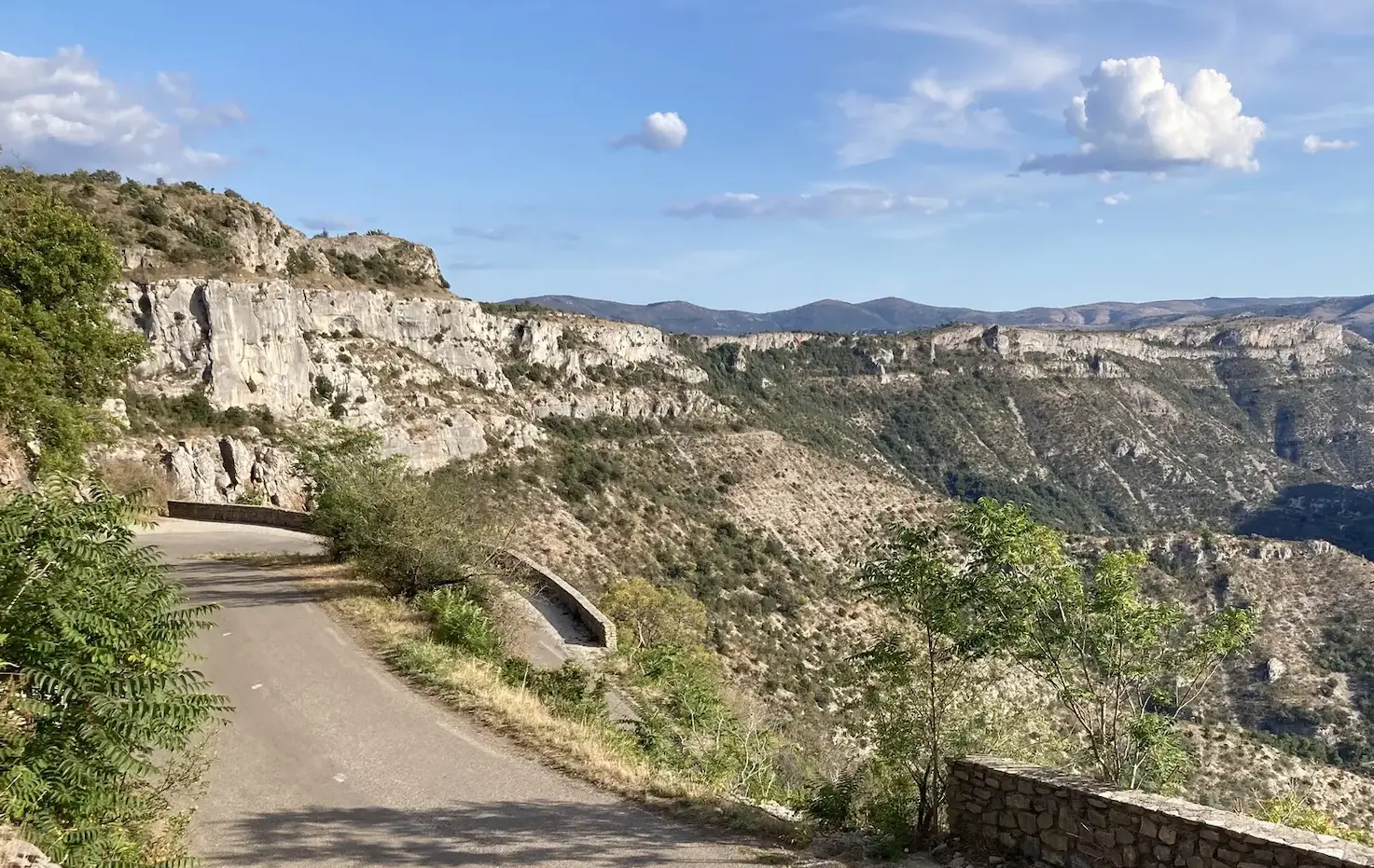
From north to south - On the slopes of the GTMC
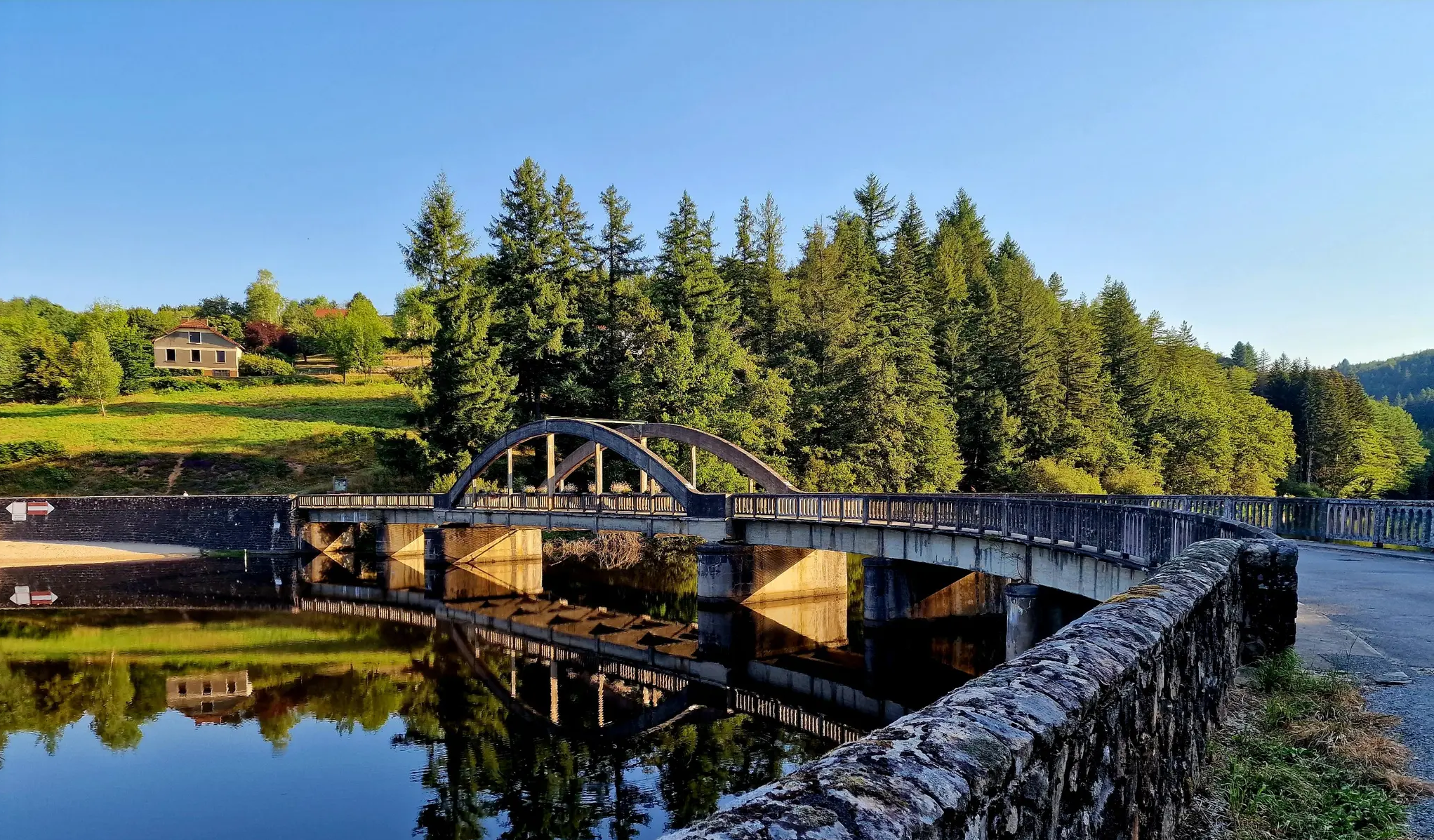
Saint-Jacques by bike – seven days on the Via Vézelay in France
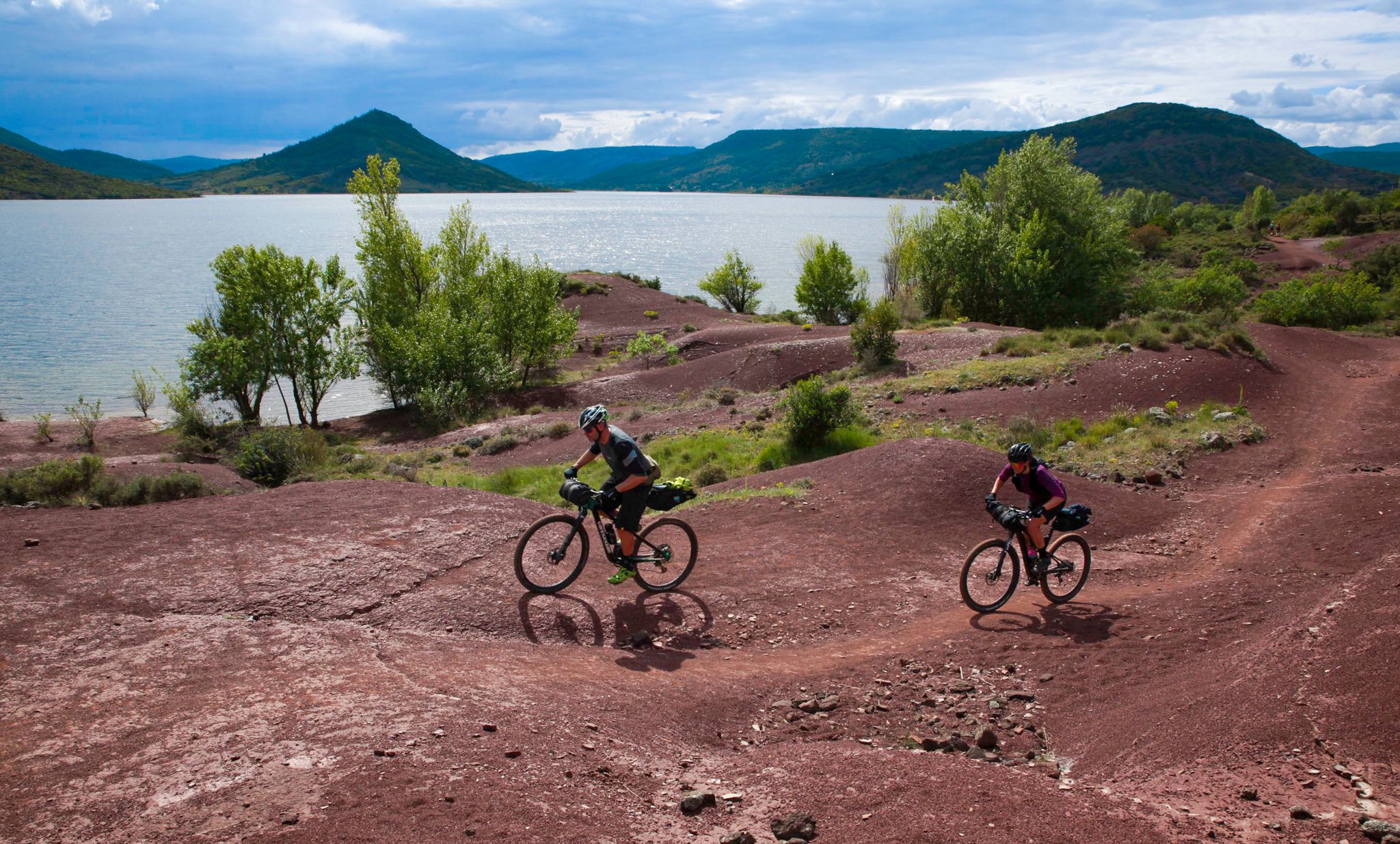
The Great Crossing of France's Massif Central by mountain bike
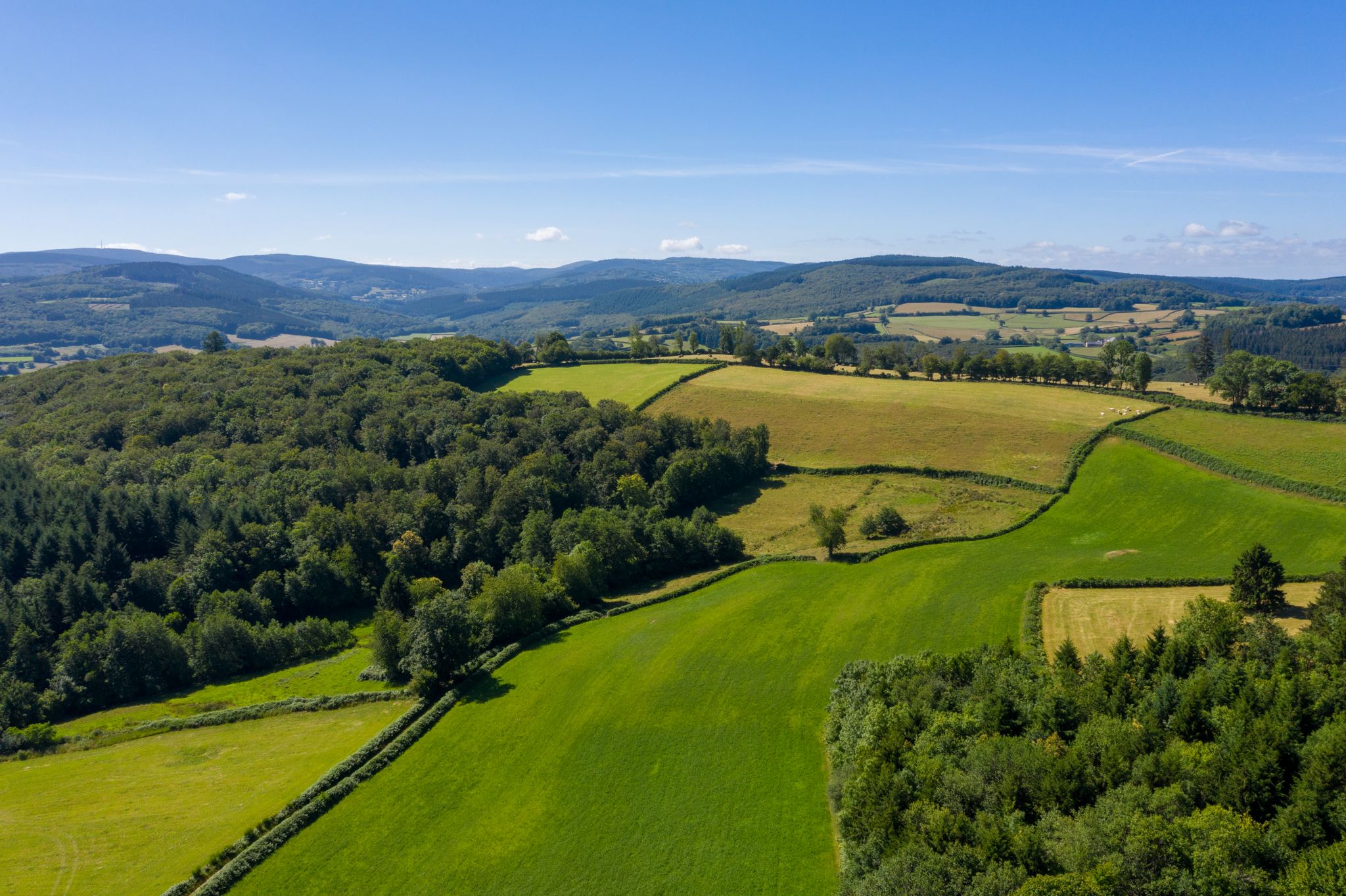
MTB fun in the Massif Central — La Grande Traversée du Morvan
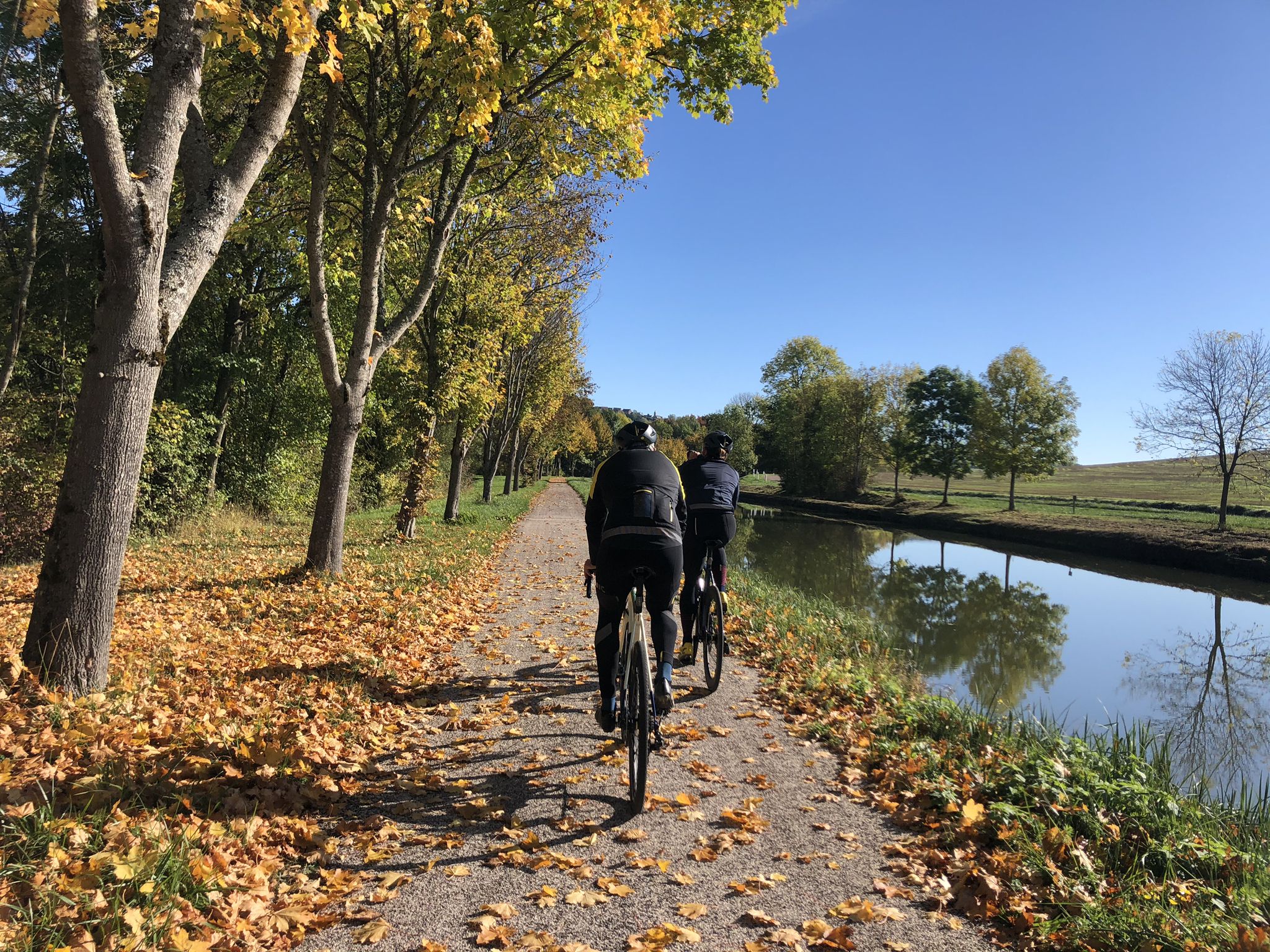
Greenways, vineyards and canals – Le Tour de Bourgogne à vélo
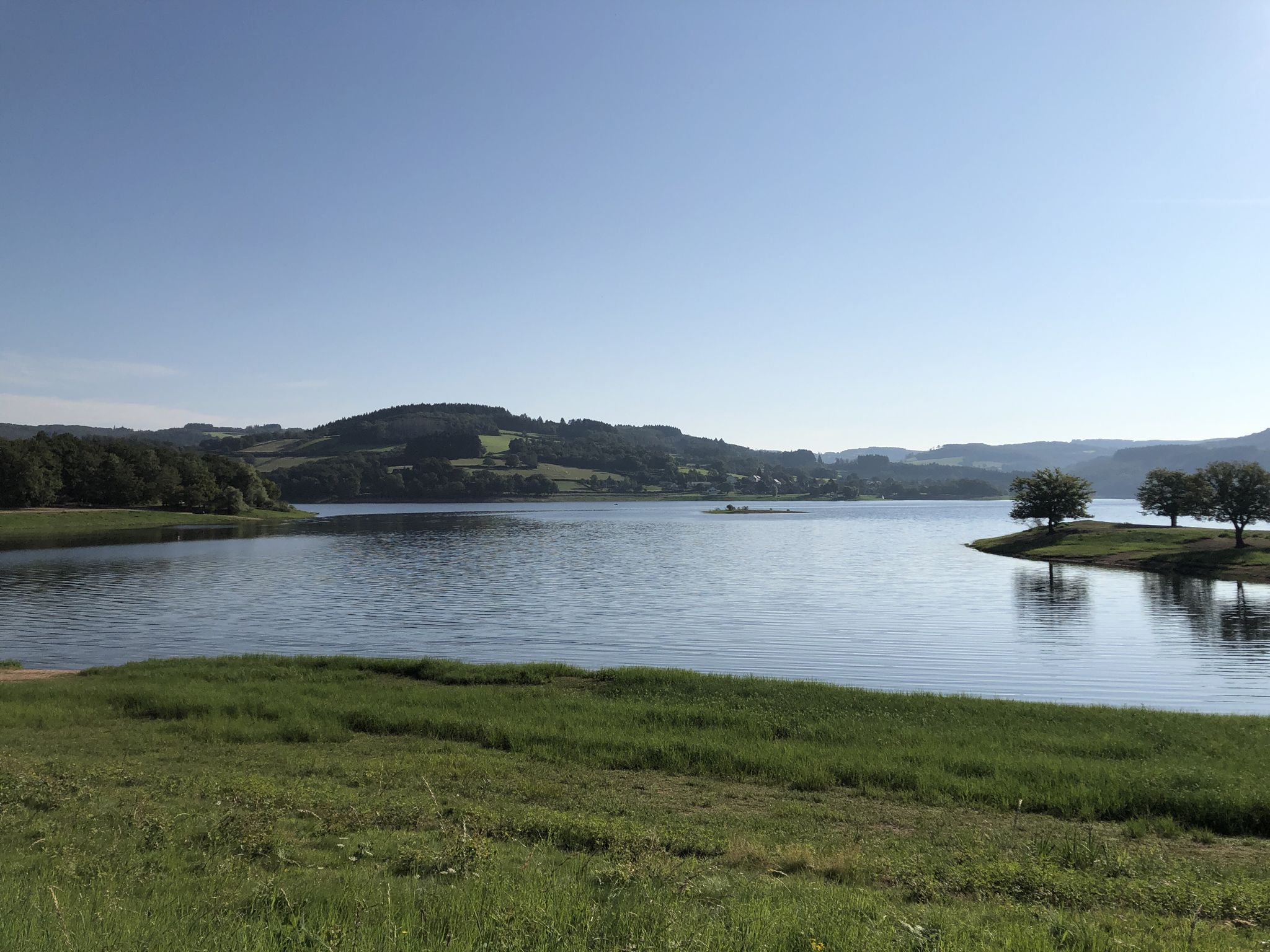
Between summits and big lakes — gravel riding in France’s Morvan park
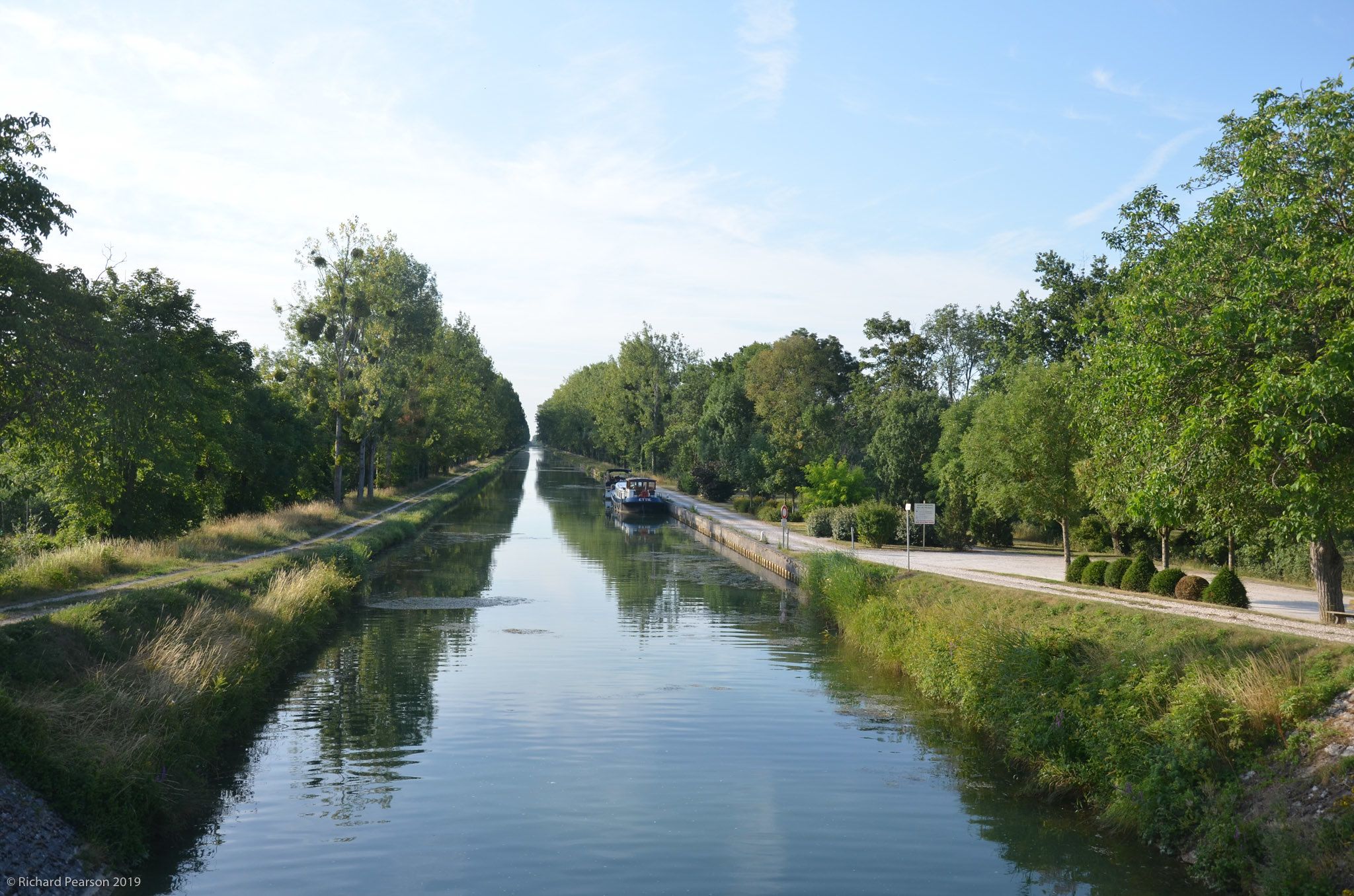
France’s water-rich region — Burgundy's four canals
Other adventures around Avallon


Tips from the Community

Nice path, but be careful, some sections are not very visible with the autumn leaves, plus the path can be technical in some places with uprooted trees and rocks.
1
1

The deep basin of the karst spring with the historic washhouse around it is, in my opinion, the main attraction in Tonnerre. Depending on your perspective, when the sun is shining you will see deep turquoise water in front of you. Plus the rushing of the water. You can also just sit here for a while and enjoy. When we visited the spring on a Friday morning, there was surprisingly little going on.
2
0

This cave is one of the many caves dug by the Cure. These are perhistoric caves that contain many paintings dating back more than 33,000 years.
2
0

A real must-see - this round wash house around a turquoise green source is unique in its kind and well worth the detour.
2
0
In this gentle valley, you will hear the soothing sounds of the Cousin River babbling as you walk under the canopy of the trees. Bathed in lush greenery, this walk is a real treat.
2
0
The Rocher de la Pérouse is 556 meters above sea level and offers magnificent views of the Cure valley. Consult the orientation table to find out more about the view available to you.
3
0

One of the most mysterious and enchanting places in the Yonne, the Fosse Dionne is a wash house and also a source in a magnificent site. Recommended stopover if you take the Burgundy Canal
0
0

Really unavoidable, source classified as absolutely magnificent historical monuments! It is worth the detour.
0
0
Frequently Asked Questions
What unique natural features can I explore around Avallon?
The Avallon area, bordering the Parc Naturel Régional du Morvan, offers diverse natural features. You can explore the Cousin Valley, a Natura 2000 protected site known for its rich biodiversity and meandering river. Another unique feature is the Fosse Dionne, a powerful karst spring in Tonnerre, and the intriguing Roche Percée, a natural rock formation.
Are there family-friendly natural monuments near Avallon?
Yes, several natural monuments are suitable for families. The Cousin Valley offers pleasant trails for family walks along the river, with recreation areas like Les Isles Labaume. The Fosse Dionne and the town of Tonnerre is also considered family-friendly, offering an interesting historical and natural site. Additionally, the Roche Percée is easily accessible via an asphalt road, making it a good option for families.
Where can I find scenic viewpoints in the Avallon area?
For breathtaking views, visit the View from the Rocher de la Pérouse. This viewpoint, 556 meters above sea level, offers magnificent panoramas of the Cure valley. The Roche Percée also provides scenic vistas of unique rock formations.
What kind of biodiversity can I expect to see in the Vallée du Cousin?
The Cousin Valley is a Natura 2000 protected site, boasting rich biodiversity. You might spot protected species such as white-clawed crayfish and pearl mussels in the river. Birdwatchers can look for species like the dipper and red-backed shrike. The valley's forests and ponds also support a diverse array of flora and fauna.
What is the significance of the Fosse Dionne?
The Fosse Dionne is a remarkable karst spring, also known as a Vauclusian source, located in the heart of Tonnerre. Its significant flow rate, averaging 300 liters per second, and an underground network extending over 40 kilometers, were instrumental in the creation of the city. An elaborate 18th-century washhouse built around the spring adds to its historical and architectural interest.
Can I go hiking or cycling near these natural monuments?
Absolutely! The region around Avallon and its natural monuments, particularly within the Parc Naturel Régional du Morvan, is excellent for outdoor activities. You can find numerous routes for gravel biking, mountain biking, and cycling. For example, there are cycling routes like 'The Cousin Valley and the Marrault Pond' loop. You can explore more options on the Gravel biking around Avallon, MTB Trails around Avallon, and Cycling around Avallon guide pages.
What is the story behind La Pierre-qui-Vire?
La Pierre-qui-Vire, meaning 'the rocking stone,' is a distinctive natural feature that gave its name to the famous Benedictine abbey. Historically, it was a large granite block that could be moved with simple pressure. Although the stone was fixed in place and topped with a statue of the Virgin Mary in 1853, its geological and historical significance endures. The surrounding wild, wooded area on the banks of the Trinquelin stream offers beautiful walks.
Are there any caves to explore around Avallon?
Yes, you can explore the Grotte des Vipères. This cave is one of many carved out by the Cure River and contains prehistoric paintings dating back over 33,000 years, offering a glimpse into ancient history and geology.
What is the best time of year to visit the natural monuments in the Avallon region?
The Avallon region is beautiful year-round, but spring and autumn are particularly pleasant for visiting natural monuments. During these seasons, the weather is generally mild, and the landscapes offer vibrant colors, making it ideal for hiking and exploring. Summer is also popular, especially for activities near water, but can be warmer.
Are the natural monuments around Avallon accessible for dogs?
Many natural areas and trails in the region, including those around natural monuments, are dog-friendly. For instance, walks in the Cousin Valley are generally suitable for dogs, provided they are kept on a leash to protect local wildlife, especially in Natura 2000 protected zones. Always check specific site regulations before your visit.
What makes the Parc Naturel Régional du Morvan a significant natural area?
The Parc Naturel Régional du Morvan, often called the 'green lung of Burgundy,' is a vast and significant natural area. It encompasses undulating hills, dense forests, numerous lakes, and waterfalls, providing a rich environment for diverse ecosystems. Its protected status ensures the preservation of remarkable species and offers extensive opportunities for outdoor activities like hiking and cycling across over 1,500 km of trails.
How long should I plan for a visit to the natural monuments?
The duration of your visit depends on the specific monument and your activity. For sites like the Fosse Dionne or Roche Percée, a quick stop of 30 minutes to an hour might suffice. For exploring the Cousin Valley or hiking to the Rocher de la Pérouse, you could easily spend a few hours or half a day enjoying the trails and scenery.
Most popular routes around Avallon
Most popular attractions around Avallon

Get inspired with the komoot mobile app


Didn’t find what you were looking for?
Find even more amazing natural monuments around Avallon by checking out the top Highlights region by region:
Explore more
Extend your search for the best caves by checking out these guides of the top ones around Avallon:
