Top 7 Natural Monuments around Atrecht
Natural monuments around Atrecht, also known as Arras, offer diverse natural areas and green spaces. The region features historical sites with significant natural elements, geological formations, and ancient megaliths. These locations provide opportunities for exploring the natural landscape and understanding the area's history. The terrain around Atrecht includes chalk layers formed by ancient marine life, contributing to unique geological features.
Best natural monuments around Atrecht
- The most popular natural monuments is Bray Chalk Quarry, a chalk quarry that is a popular place for hikers and nature lovers. It consists of a thick layer of secondary-age chalk, formed by the accumulation of skeletons of marine animals.
- Another must-see spot is Vimy Ridge Shell Craters, a historical site and natural monument. These craters were formed by intense bombardments during the First World War, preserving the scars of the conflict.
- Visitors also love Vimy Foundation Centennial Park, a historical site and viewpoint. This park features 100 Vimy Oak trees grown from acorns collected on the battlefield, offering memorial views of the First World War battlefield.
- Atrecht is known for historical sites with natural features, geological formations, and ancient megaliths. The region offers a variety of natural monuments to see and explore, from war memorials integrated into the landscape to prehistoric stone structures.
- The natural monuments around Atrecht are appreciated by the komoot community, with over 10 upvotes and 4 photos shared.
Last updated: July 2, 2026
Vimy Ridge Shell Craters
Highlight (Segment) • Historical Site
This is one of the most famous battles for Canadians during the First World War.
Vimy Ridge was a strategic position fortified by the Germans since 1914.
In April 1917, the four Canadian divisions, united for the first time, attacked to retake it.
-
💥 The bombardments that created the shell holes
Before the assault
For several weeks, Allied artillery (mainly British and Canadian) bombarded the German positions to weaken the defenses, cut the barbed wire, and destroy the enemy trenches.
It is estimated that more than a million shells were fired in preparation for the attack.
During the attack
On April 9, 1917, the Canadian infantry advanced under a creeping barrage, that is, artillery fire that advanced just ahead of the soldiers to protect their advance. Result
These intense bombardments literally riddled the ridge with craters.
Each shell exploding in the ground dug a hole of varying width (depending on the caliber, often between 1 and 5 meters in diameter).
🏞 After the War
Why are the shell holes still there?
After 1918, it was decided to preserve certain areas as they were, particularly around the future memorial, to demonstrate the scale of the fighting.
The land was therefore not leveled or cultivated, unlike other areas of the front, which reverted to agricultural fields.
A Landscape for Remembrance
The shell craters, reconstructed trenches, and replanted trees (each tree represents a killed Canadian soldier) create a living memorial park, keeping the scars of the conflict visible for future generations.
Translated by Google •
Tip by

Vimy Foundation Centennial Park
Highlight (Segment) • Historical Site
Vimy Foundation Centennial Park offers visitors a unique and reflective space to reflect on the horrors that occurred on these lands during the Great War, contrasting with the solemnity and grace of the adjacent Canadian National Memorial. The main attraction of the four-acre park is 100 Vimy Oak trees, grown from acorns collected on the battlefield in 1917, along with the Borden bugle, the Centennial Flagpole, and 360-degree memorial views of the First World War battlefield. One hundred years after the war, the Park ensures that we never forget the sacrifice of all those who served our country.
The Vimy Foundation
The Vimy Foundation is a national charitable organization whose mission is to preserve and promote Canada's legacy of the First World War, symbolized by the victory at Vimy Ridge in April 1917. This momentous event is widely considered a pivotal moment in our history, Canada's first steps onto the world stage. Through youth education programs, awareness campaigns, and legacy projects, including the new Vimy Visitor and Education Centre and Centennial Park, the Vimy Foundation provides Canadians with opportunities to learn how the First World War transformed our nation.
Vimy Oaks
The park's oak trees are directly descended from acorns collected on the Vimy Ridge battlefield by a Canadian soldier, Lieutenant Leslie Miller of Scarborough, Ontario, and later planted on his farm in Canada, which he named The Vimy Oaks. A number of these majestic oaks are still alive today in Canada, while virtually none of the Vimy Ridge oaks survived the First World War. The Vimy Oaks Legacy Society, a Canadian non-profit volunteer association, was created to repatriate young Vimy oaks descended from acorns collected after the battle. Volunteers landscaped and planted these repatriated Vimy oaks, which now stand guard in this park adjacent to the Canadian National Vimy Memorial.
Translated by Google •
Tip by
Sign up now to discover places like this
Get recommendations on the best single tracks, peaks, & plenty of other exciting outdoor places.
Sign up for free
The Big Rock
Highlight • Historical Site
Be careful, the place is very swampy and it is more easily accessible in dry weather 😉.
Translated by Google •
Tip by

Hamel Dolmen or the Sorcerers' Kitchen (Pierre Chavatte)
Highlight • Natural
Connu aussi sous le nom de « Pierre-aux-savates » ou « Cuisine des Sorciers », le dolmen du Bois d’Hamel, dans la vallée de la Sensée, est un des rares exemples d’allée couverte encore visible dans notre région. On le date du néolithique final, environ 2800 -2000 av. J.C.
M. Bottin, secrétaire de la société des Sciences de Lille, donna une description détaillée de l'édifice après une visite sur place en 1805. Il comporte alors quatre dalles supports en place mais deux furent renversées par des ouvriers vers 1830.
Il est classé au titre des monuments historiques le 18 avril 1914. L'édifice comporte encore deux orthostates recouverts d'une table de couverture. Cette dernière mesure 3,40 m de longueur sur 2,45 m de large et 0,35 m d'épaisseur. Selon la description de Bottin, il s'agirait d'une allée couverte d'environ 5 m de long sur 1 m à 1,30 m de large, ouvrant vers le sud. Toutes les dalles sont en grès très dur et très fin, de couleur rose clair.
La surface de la table de couverture comporte une douzaine de cavités cylindriques, d'une largeur et d'une profondeur de 7 à 8 cm, dont huit sont prolongées par des rigoles de 10 à 12 cm de longueur qui sont peut-être d'origine naturelle mais dont la régularité et le poli indiquent une intervention humaine. Selon L. Desailly leur disposition correspondrait à une représentation de la constellation de la Grande Ourse. Selon la tradition locale, les pierres n'ont pas été taillées de mains d'homme et elles servaient de cuisine à des sorciers ou de refuge à des êtres malfaisants, appelés Caramaras, et à des bohémiens nomades. L'origine du nom de Pierre Chavatte viendrait soit de chavatte ou chawatte, nom en patois local de la chouette, ou d'une déformation du mois savate, en raison des cavités et sillons visibles sur la table assimilées à des empreintes de talon. Le nom de Cuisine des Sorciers viendrait de ces mêmes cavités cylindriques qui peuvent faire penser à de petits pots
Tip by

Bray Chalk Quarry
Highlight • Structure
Translated by Google •
Tip by

Sainte-Bertille Spring
Highlight • Natural Monument
Translated by Google •
Tip by
Cromlech of Les Sept Bonnettes
Highlight • Historical Site
There are many stories and legends surrounding the Seven Bonnettes of Sailly-en-Ostrevent. The mound is oval, about 5 meters high. The base is about 38 meters long and 28 meters wide. The upper part is just over 10 meters by 9 meters. The top is occupied by 5 stones that are still standing.
Translated by Google •
Tip by
Riez Nature Reserve, Noeux-lès-Auxi
Highlight • Natural
Showing Translation
Tip by

Start today with a free account
Your next adventure awaits.
Login or Signup
Popular around Atrecht
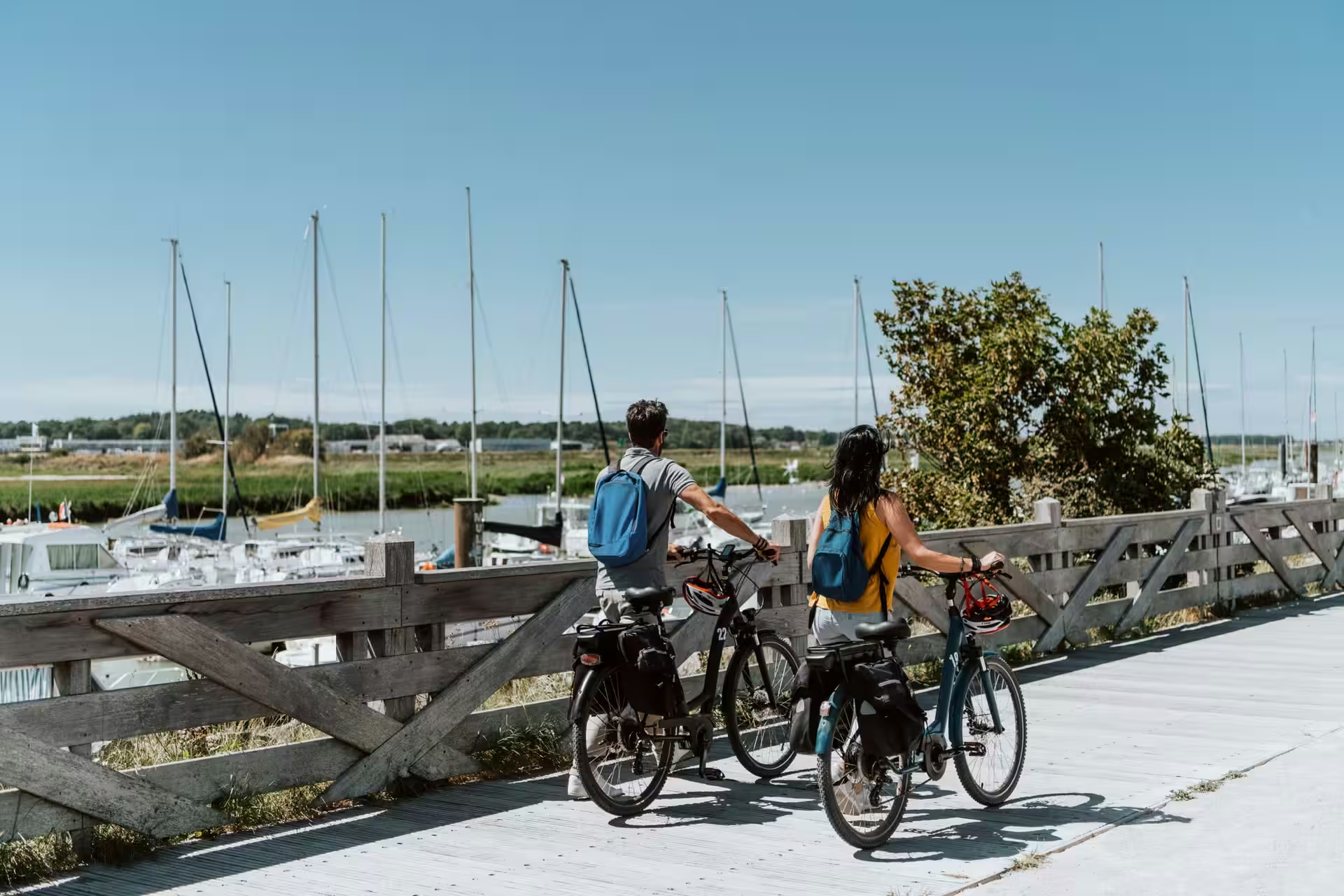
Routes in Hauts-de-France for cycling enthusiasts
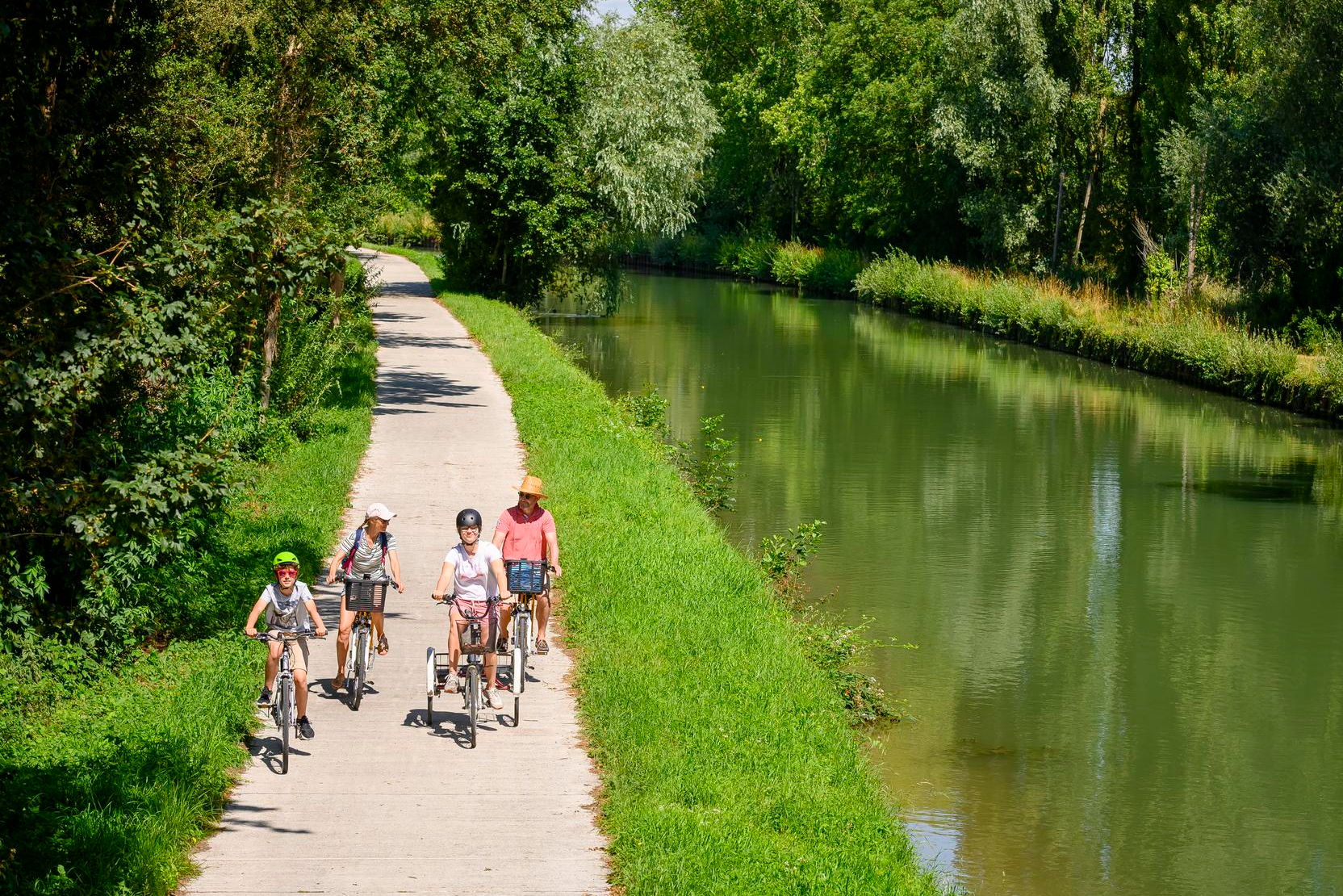
Cycling routes in Hauts-de-France for beginners and families
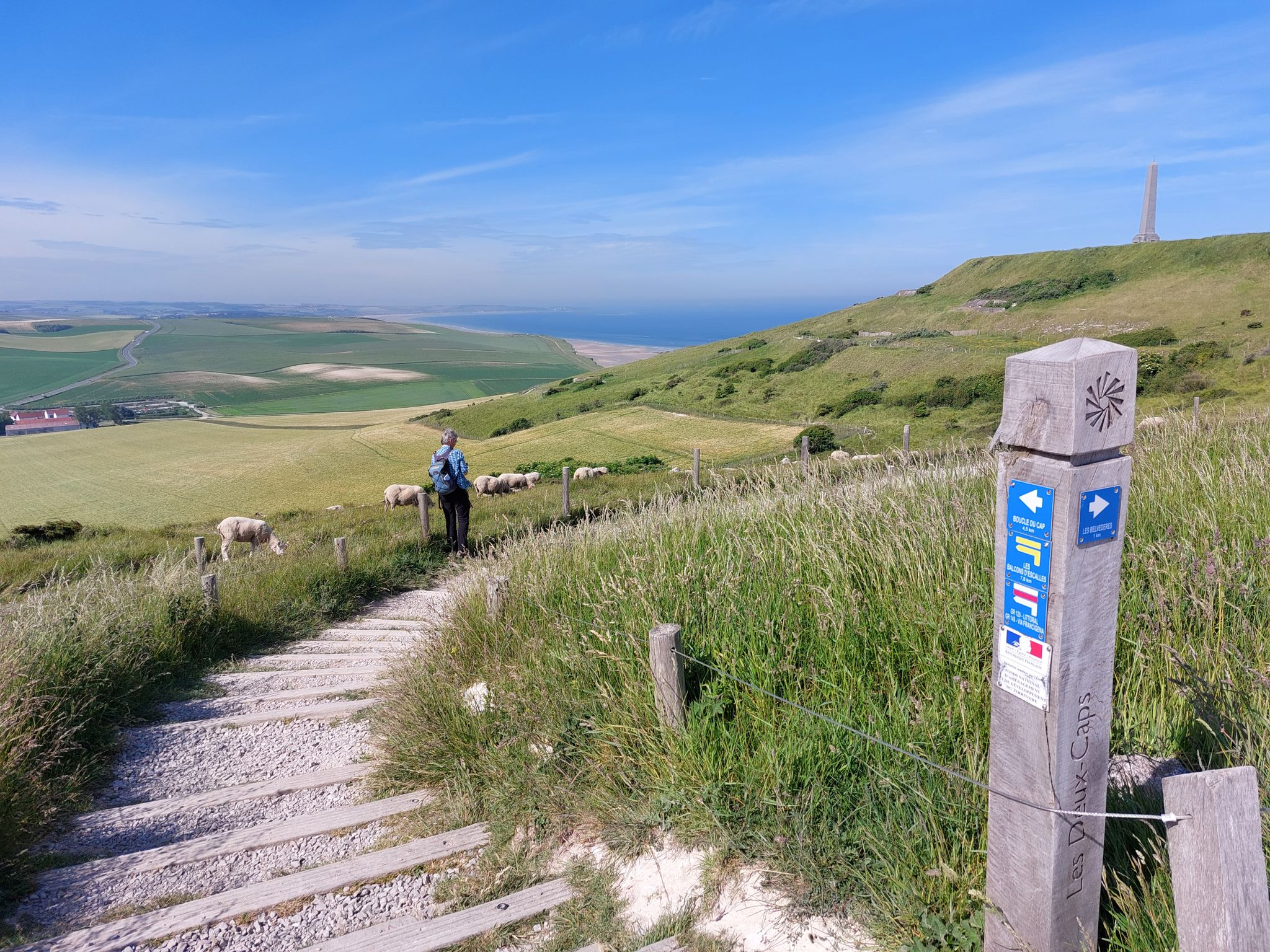
Via Francigena in the Pas-de-Calais – GR 145
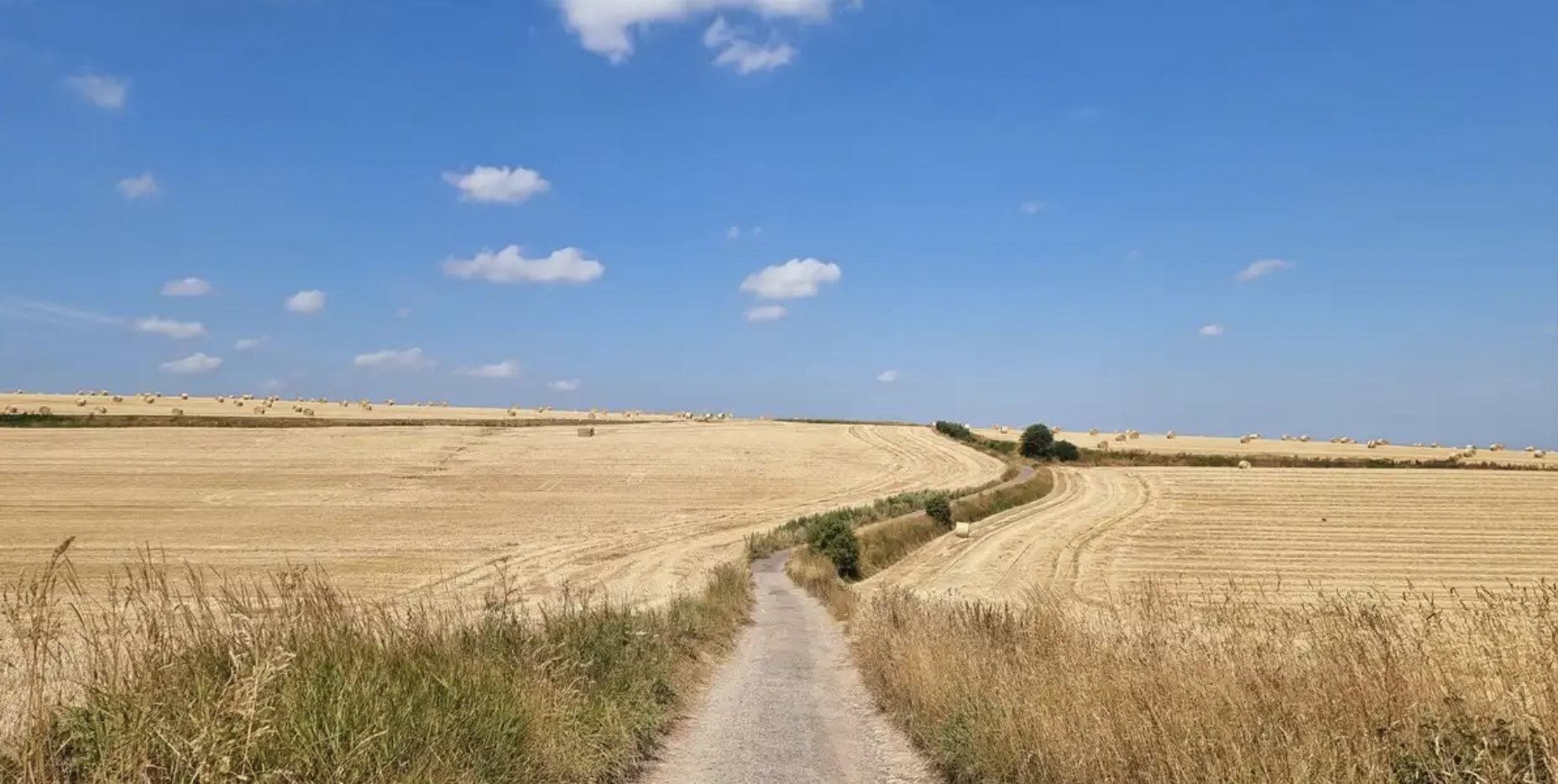
In the footsteps of History — GR 145, the Via Francigena
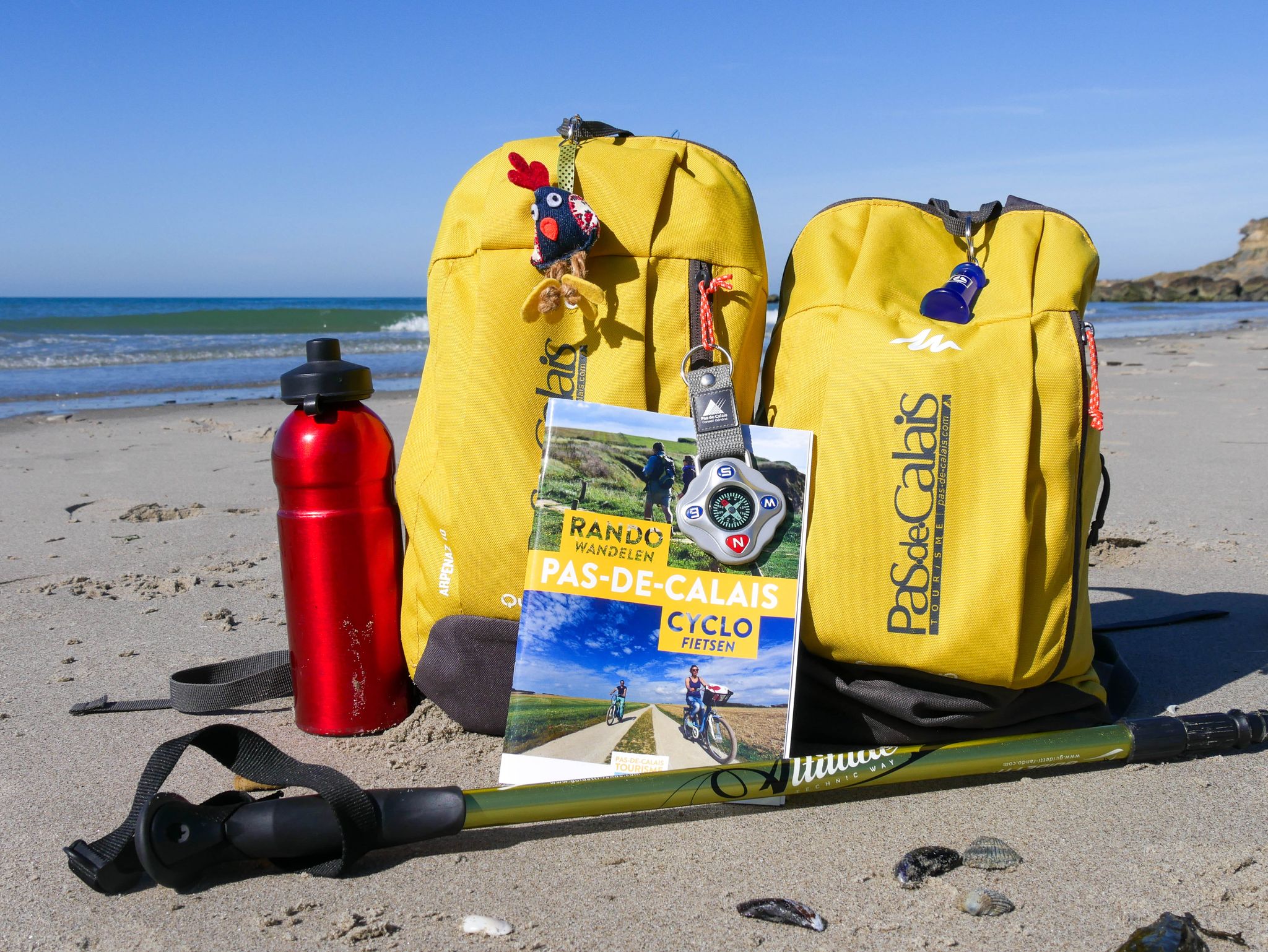
Les Sacados en Rando dans le Pas-de-Calais
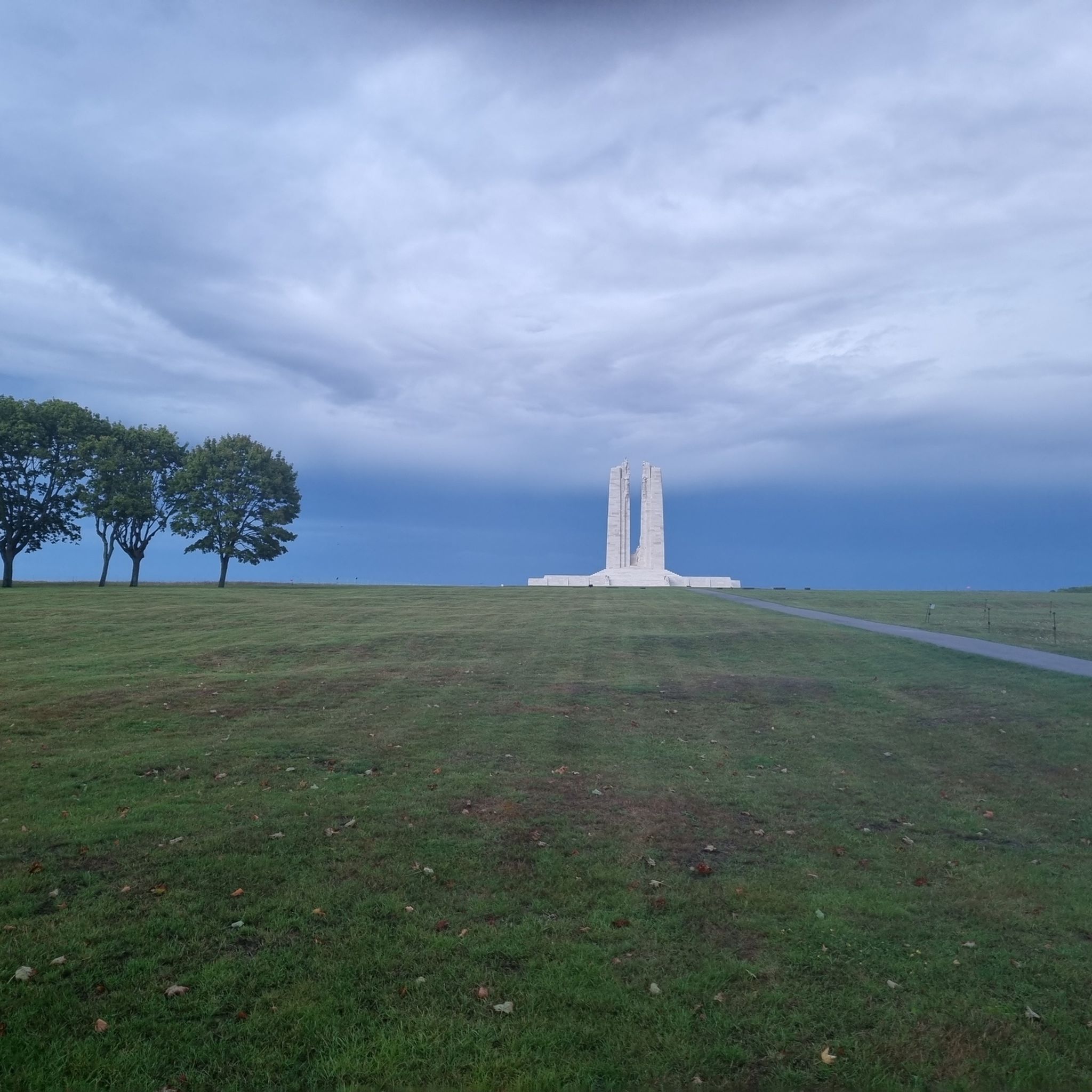
Hiking around Atrecht
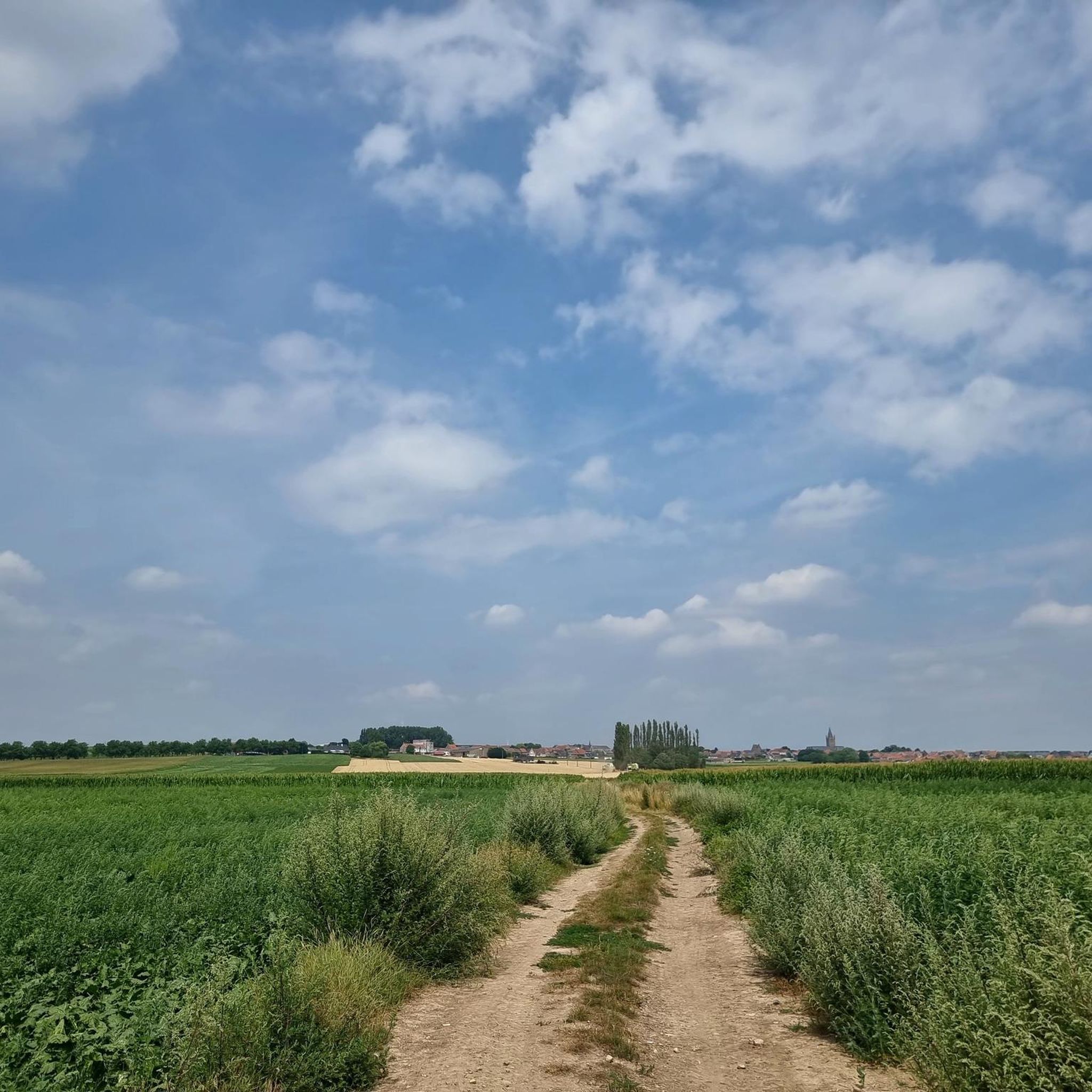
Running Trails around Atrecht
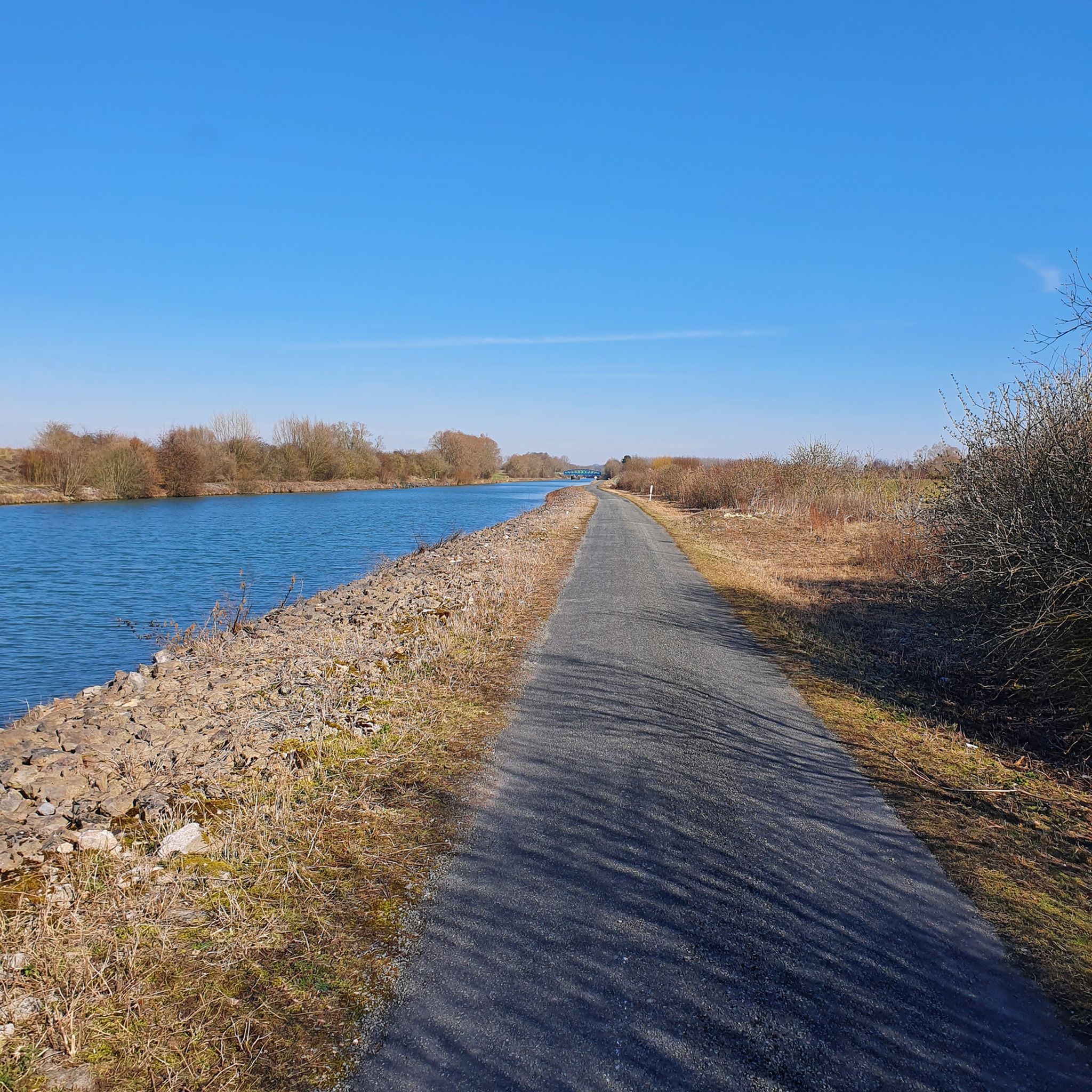
Cycling around Atrecht
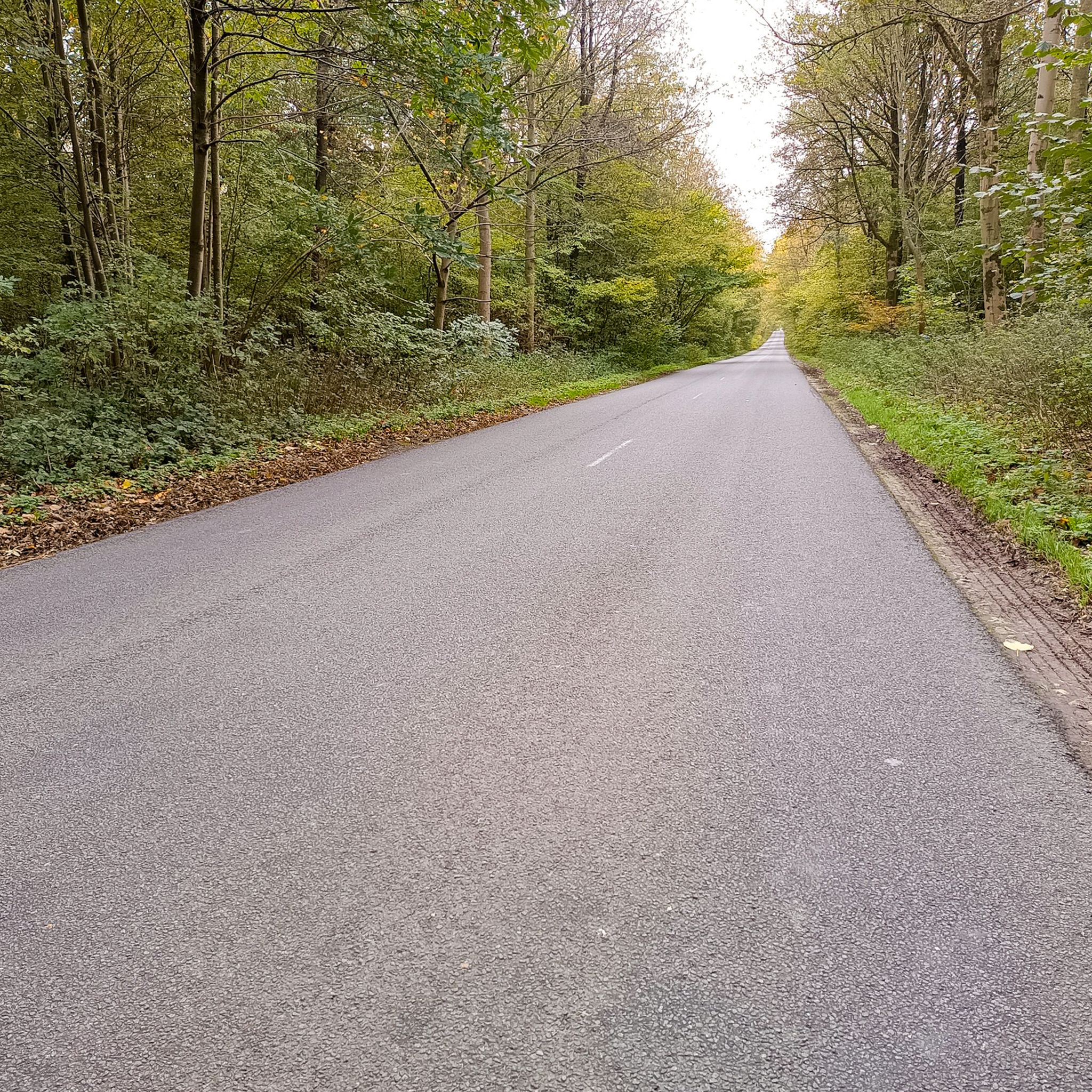
Road Cycling Routes around Atrecht
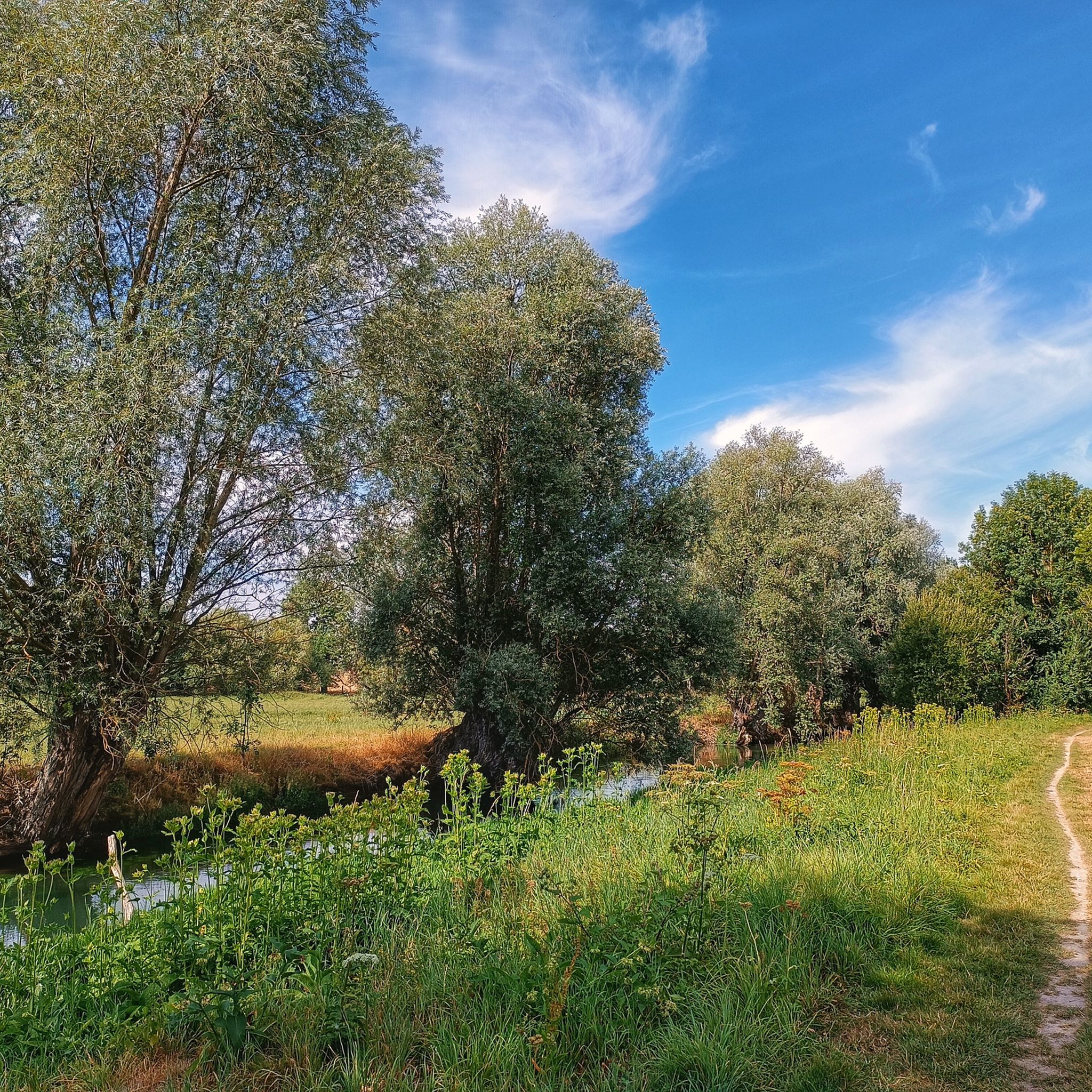
MTB Trails around Atrecht
Other adventures around Atrecht


Tips from the Community

The Riez de Nœux-lès-Auxi nature reserve extends lengthwise at an altitude of 75 meters. It is composed of calcareous meadows on which a rich biodiversity develops, with orchids, mushrooms, and a multitude of insects. Here, you walk alongside it from below, seeing its vegetation grow on its walls.
0
0

The Battle of Vimy Ridge (April 9-12, 1917) This is one of the most famous battles for Canadians during the First World War. Vimy Ridge was a strategic position fortified by the Germans since 1914. In April 1917, the four Canadian divisions, united for the first time, attacked to retake it. - 💥 The bombardments that created the shell holes Before the assault For several weeks, Allied artillery (mainly British and Canadian) bombarded the German positions to weaken the defenses, cut the barbed wire, and destroy the enemy trenches. It is estimated that more than a million shells were fired in preparation for the attack. During the attack On April 9, 1917, the Canadian infantry advanced under a creeping barrage, that is, artillery fire that advanced just ahead of the soldiers to protect their advance. Result These intense bombardments literally riddled the ridge with craters. Each shell exploding in the ground dug a hole of varying width (depending on the caliber, often between 1 and 5 meters in diameter). 🏞 After the War Why are the shell holes still there? After 1918, it was decided to preserve certain areas as they were, particularly around the future memorial, to demonstrate the scale of the fighting. The land was therefore not leveled or cultivated, unlike other areas of the front, which reverted to agricultural fields. A Landscape for Remembrance The shell craters, reconstructed trenches, and replanted trees (each tree represents a killed Canadian soldier) create a living memorial park, keeping the scars of the conflict visible for future generations.
0
0
Vimy Foundation Centennial Park Vimy Foundation Centennial Park offers visitors a unique and reflective space to reflect on the horrors that occurred on these lands during the Great War, contrasting with the solemnity and grace of the adjacent Canadian National Memorial. The main attraction of the four-acre park is 100 Vimy Oak trees, grown from acorns collected on the battlefield in 1917, along with the Borden bugle, the Centennial Flagpole, and 360-degree memorial views of the First World War battlefield. One hundred years after the war, the Park ensures that we never forget the sacrifice of all those who served our country. The Vimy Foundation The Vimy Foundation is a national charitable organization whose mission is to preserve and promote Canada's legacy of the First World War, symbolized by the victory at Vimy Ridge in April 1917. This momentous event is widely considered a pivotal moment in our history, Canada's first steps onto the world stage. Through youth education programs, awareness campaigns, and legacy projects, including the new Vimy Visitor and Education Centre and Centennial Park, the Vimy Foundation provides Canadians with opportunities to learn how the First World War transformed our nation. Vimy Oaks The park's oak trees are directly descended from acorns collected on the Vimy Ridge battlefield by a Canadian soldier, Lieutenant Leslie Miller of Scarborough, Ontario, and later planted on his farm in Canada, which he named The Vimy Oaks. A number of these majestic oaks are still alive today in Canada, while virtually none of the Vimy Ridge oaks survived the First World War. The Vimy Oaks Legacy Society, a Canadian non-profit volunteer association, was created to repatriate young Vimy oaks descended from acorns collected after the battle. Volunteers landscaped and planted these repatriated Vimy oaks, which now stand guard in this park adjacent to the Canadian National Vimy Memorial.
0
0

Mythical place to see!
0
0

not highlighted enough. But it’s a komoot must-have now 🥳
0
0

La Carrière de Craie de Bray is a quarry in the municipality of Mont-Saint-Éloi. It is a popular place for hikers and nature lovers because of its beautiful surroundings. The hills around Mont-Saint-Éloi consist of a thick layer of secondary-age chalk, formed by the accumulation of skeletons of marine animals when Artois was submerged in a shallow sea.
8
0
The Source Sainte-Bertille is a source in Maroeuil, a commune in the French department of Pas-de-Calais in the Hauts-de-France region. The spring is named after Sainte Bertille, a 7th century saint known for her healing powers. Legend has it that Sainte Bertille created the well by hitting the ground with her staff when she encountered a group of thirsty workers. The spring is still active and is considered a place of pilgrimage for people suffering from eye diseases. It is also a popular place for hikers and nature lovers because of its beautiful surroundings.
8
0
The Cromlech of Les Bonnettes, also known as the Seven Bonnettes, is a group of seven standing stones located on a knoll in the middle of a field near Sailly-en-Ostrevent in the Pas-de-Calais region of France . The site was classified as a historical monument in 1889. It is thought to be a Tumulus, an ancient burial site dating back at least 2,000 years and dating to before 0 AD. The stones themselves are believed to be much less old. There are many stories and legends surrounding the Seven Bonnettes of Sailly-en-Ostrevent. The mound is oval, about 5 meters high. The base is about 38 meters long and 28 meters wide. The upper part is just over 10 meters by 9 meters. The top is occupied by 5 stones that are still standing.
4
0
Frequently Asked Questions
What unique geological features can I explore around Atrecht?
The region around Atrecht is known for its chalk layers, formed by the accumulation of marine animal skeletons when the area was submerged in a shallow sea. A prime example is the Bray Chalk Quarry, a popular spot for nature lovers to observe these geological formations.
Are there natural monuments around Atrecht that are also historically significant?
Yes, several natural monuments in Atrecht are deeply intertwined with history. The Vimy Ridge Shell Craters are a poignant example, preserving the landscape's scars from intense bombardments during the First World War. Another is the Vimy Foundation Centennial Park, which features 100 Vimy Oak trees grown from acorns collected on the battlefield, offering memorial views of the historic site.
What ancient megalithic structures can be found in the Atrecht region?
Atrecht is home to ancient megaliths that offer a glimpse into the Neolithic period. You can visit The Big Rock, a majestic menhir in Oisy-le-Verger, or the Hamel Dolmen or the Sorcerers' Kitchen (Pierre Chavatte), one of the rare covered alleys still visible in the region, known for its unique cavities and local legends.
Are there family-friendly natural sites to visit near Atrecht?
Yes, the region offers several family-friendly natural spots. The Sainte-Bertille Spring is noted as a family-friendly natural monument. Additionally, the Citadel of Arras, while not a formal natural monument, acts as a significant green space with opportunities for family activities like accrobranche (treetop adventure circuit) and walking paths.
What outdoor activities can I do near the natural monuments around Atrecht?
The Atrecht region provides various outdoor activities. You can find numerous trails for different sports. For running, explore routes like 'Place des Héros – Riverbank View in France loop from Arras' or 'Arras – Citadel of Arras loop from Arras' from the Running Trails around Atrecht guide. Mountain biking enthusiasts can check out routes such as 'Fampoux British Cemetery – Monchy British Cemetery loop from Arras' in the MTB Trails around Atrecht guide. For gravel biking, consider 'Scarpe riverbanks – The Scarpe by bike loop from Thélus' from the Gravel biking around Atrecht guide.
Where can I find green spaces and gardens within Atrecht (Arras) itself?
Within Arras, the Citadel of Arras offers a significant 'green heart' with walks, jogging, and cycling routes amidst its bastions and unspoiled natural environment. Cité Nature, located on the banks of the River Scarpe, also features 15,000 m² of diverse gardens, including a kitchen garden, orchard, and rose garden, providing an interactive space to learn about nature.
Are there natural areas suitable for leisurely walks or easy trails?
Yes, for leisurely walks, the green spaces around the Citadel of Arras, known as the 'Hautes-Fontaine green space' or 'polygon,' offer pleasant paths. The Gardens of the Scarpe Valley also provide numerous opportunities for experiencing nature with scenic beauty, ideal for unwinding. The village of Pas-en-Artois, a short distance from Arras, features the 'Sentier des Bois' footpath, which is a 10 km trail through woods, countryside, and waterways.
What is the best time to visit the natural monuments around Atrecht?
While specific seasonal recommendations for each site vary, generally, spring and autumn offer pleasant weather for exploring the natural monuments and green spaces around Atrecht. These seasons provide comfortable temperatures for walking and enjoying the outdoor environment, especially for sites like the The Big Rock, which can be swampy in wet conditions.
What kind of wildlife can I expect to see in the natural areas of Atrecht?
The green spaces around the Citadel of Arras, particularly the 'Hautes-Fontaine green space,' are known for their diverse biodiversity. Visitors might spot regional vegetation and wild animals such as foxes and roe deer, making it a good spot for wildlife observation within an urban setting.
Are there any natural viewpoints or scenic spots in the Atrecht region?
The Vimy Foundation Centennial Park offers 360-degree memorial views of the First World War battlefield, providing a scenic and reflective experience. Additionally, the general area along the River Scarpe, including the Gardens of the Scarpe Valley, offers scenic beauty for enjoying nature.
What is the difficulty level of hiking trails near Atrecht's natural monuments?
Hiking trails near Atrecht vary in difficulty. For example, some running routes like 'Place des Héros – Riverbank View in France loop from Arras' are rated as moderate. The The Big Rock is described as challenging due to its swampy access, especially in wet weather. The Hamel Dolmen and Cromlech of Les Sept Bonnettes are generally considered intermediate. It's advisable to check specific route details for current conditions and difficulty ratings.
Most popular routes around Atrecht
Most popular attractions around Atrecht

Get inspired with the komoot mobile app


Didn’t find what you were looking for?
Find even more amazing natural monuments around Atrecht by checking out the top Highlights region by region:
Explore more
Extend your search for the best caves by checking out these guides of the top ones around Atrecht:
