Top 9 Natural Monuments around Saint-Julien-En-Genevois
Natural monuments around Saint-Julien-En-Genevois are characterized by a diverse landscape situated between the Alps and the Jura. The region features prominent natural landmarks such as Mont Salève, known for its geological formations and varied ecosystems. These sites offer opportunities to explore caves, viewpoints, and unique rock formations. The area provides a range of natural experiences for visitors.
Best natural monuments around Saint-Julien-En-Genevois
- The most popular natural monument is Orjobet Cave, a cave that received its name after a visit…
Last updated: July 15, 2026
Orjobet Cave
Highlight • Cave
Translated by Google •
Tip by

The Trou de la Tine
Highlight • Cave
Translated by Google •
Tip by
Sign up now to discover places like this
Get recommendations on the best single tracks, peaks, & plenty of other exciting outdoor places.
Sign up for free
La Gouille aux Morts
Highlight • Lake
Gouille aux Morts: What an ugly name for this charming little pond. Beavers, mallards, herons, and especially frogs …
Translated by Google •
Tip by

Rochers de Faverges
Highlight • Natural Monument
Translated by Google •
Tip by

Cross on the mountain
Highlight • Natural Monument
Translated by Google •
Tip by

Fairies' Stone
Highlight • Natural Monument
fr.wikipedia.org/wiki/Pierre-aux-F%C3%A9es_(Reignier)
Translated by Google •
Tip by

La Coraterie Cliff
Highlight • Climb
Translated by Google •
Tip by

Pont de Pissieu
Highlight • Bridge
Translated by Google •
Tip by

Grand Piton Tour
Highlight • Viewpoint
Translated by Google •
Tip by

View of the Salève plateau from Les Crêts
Highlight • Viewpoint
Tip by

Sign up for free to discover even more natural monuments around Saint-Julien-En-Genevois.
Sign up for free
Already have an account?
Start today with a free account
Your next adventure awaits.
Login or Signup
Popular around Saint-Julien-En-Genevois
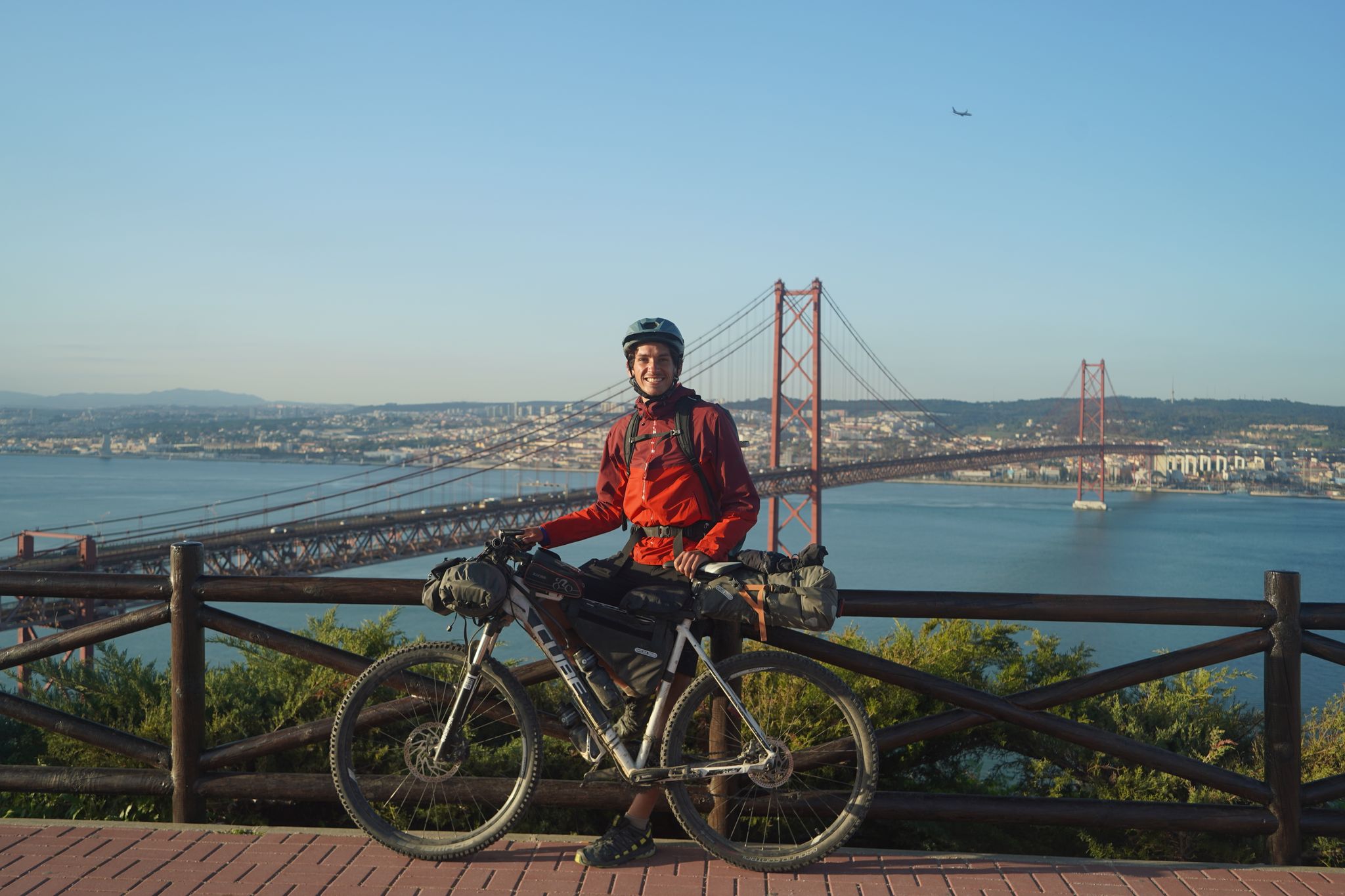
Road to Lisbon – bikepacking the Alps, Pyrenees and Picos de Europa
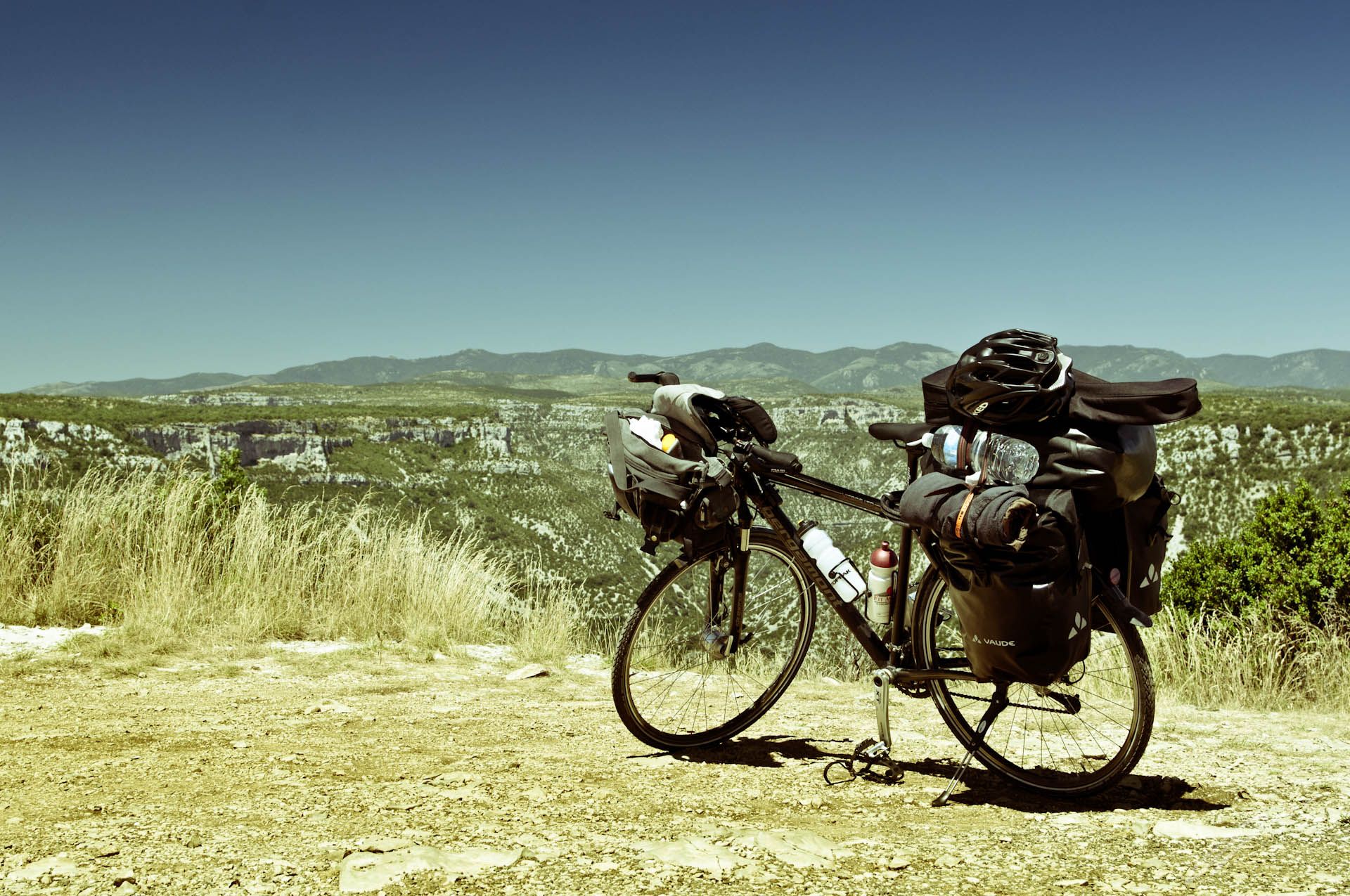
Follow the sun – riding from Germany to the south of France
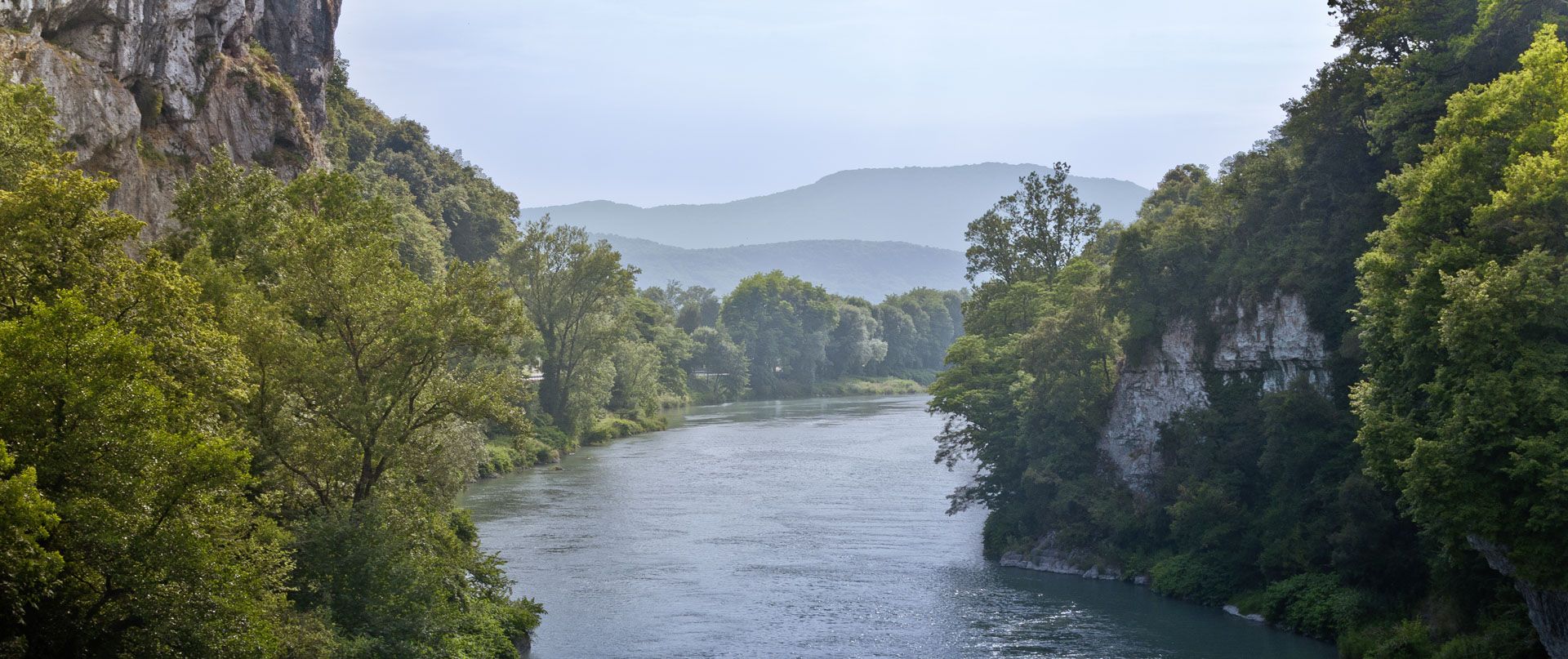
Rhone Cycle Route — From the southern Jura to Lyon
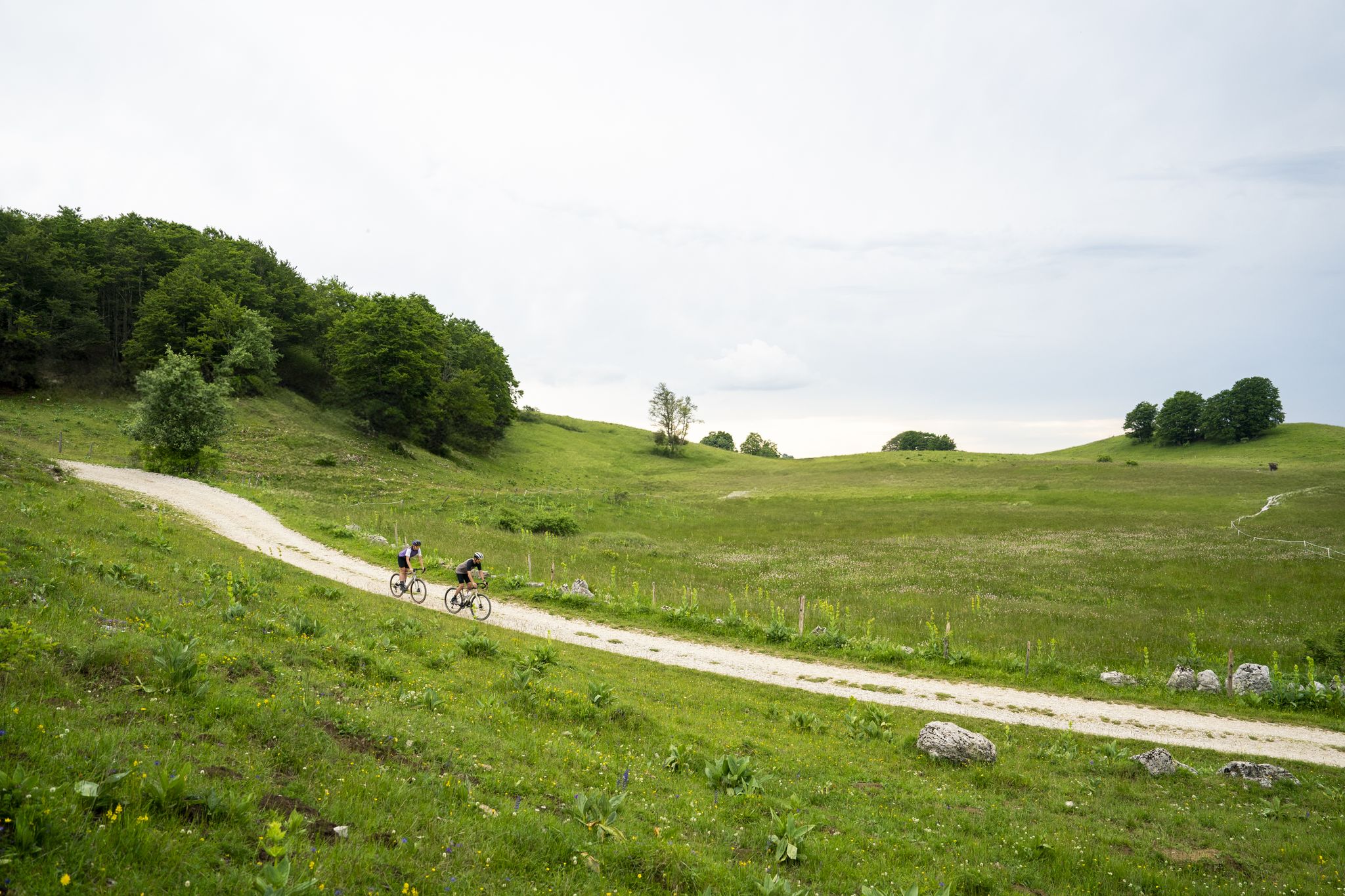
Gravel in Ain — sporty loops between water and mountain
P'tites Routes du Soleil (Little Routes of the Sun)
P'tites Routes du Soleil – crossing the pre-Alps from Lake Geneva to Nice
Cycling in Savoie Mont Blanc – discover routes between lakes and mountains
‘La Joyeuse Vadrouille’ – two months cycling with the family
Follow the Huguenots — from Grenoble to Geneva on the GR 965
Exploring magnificent hills and cliffs — France’s Vuache route
Other adventures around Saint-Julien-En-Genevois


Tips from the Community

La Corraterie is a narrow rocky ledge and cliff path on the west flank of Mont Salève (the so-called “Balcony of Geneva”) in Haute-Savoie (France). From here, you have breathtaking panoramic views of Lake Geneva, the city of Geneva, and the Jura Mountains. Highlights along the path besides the view ;-): ⭐ The passage cave Grotte d'Orjobet. ⭐ Trou de la Tine: An impressive natural rock arch and sinkhole formed by erosion in the cliffs of La Corraterie. ⭐ Numerous climbers can be observed on the vertical limestone walls. And here is the story behind the flag on the mountain path: It is not the Swiss flag, but the coat of arms of Savoy (meaning no white cross, but the bars extend to the edge). It all began in the late 1960s. American students from the nearby Adventist campus in Collonges-sous-Salève climbed the steep rock face after a night of revelry. Since the mountain offers a direct view of Geneva, they were firmly convinced they were in Switzerland. They painted a huge Swiss flag on the rocks. However, Mont Salève is geographically located in France (Haute-Savoie region). The local French residents found the Swiss flag on their mountain to be an affront. Local activists climbed up and painted over the Swiss cross, turning it into the coat of arms of Savoy (Cross of Savoy) to emphasize the French-Savoyard affiliation. To this day, unknown individuals (mostly from Geneva) regularly climb the wall at night to shorten the bars and turn the Savoy coat of arms back into a Swiss flag.
0
0


Intersection Point: La Gouille aux Morts (Pond of the Dead) Altitude 650m Gouille aux Morts: What an ugly name for this charming little pond. Beavers, mallards, herons, and especially frogs take shelter in its tall grass and breed there. The place is calm and peaceful, far from the road to the Vallée Verte (Green Valley), although you can still hear the sounds of traffic. Above it, the Molière à Vachat stream is mirrored in its waters. Its reflection blends with the water lilies scattered there, creating perfect harmony. A delight for the eye of the walker. It's impossible not to think of Monet's "Water Lilies." It is said that, long ago, two stonemasons working at the "Molière," located about fifty meters above, fell to their deaths there on a Sunday (yes, a Sunday...the Lord's Day). See: H. Savoie: Les Molières du Mont Vouan. Or perhaps the pond got its name because a peasant was swallowed up there with his cart...
1
0
Le Trou de la Tine (Trou of the Tine Cave) was formed by erosion on the flank of Mont Salève. It is a deep, sunken hole shaped like an open-topped barrel ("Tine" is an old dialect term for barrel, "trou" means hole). The cave's ceiling has collapsed due to erosion, revealing a natural "barrel" with a side opening. One can walk into the "barrel" through this side opening.
0
0


Cave with collapsed ceiling
1
0
Frequently Asked Questions
What are some of the most popular natural monuments around Saint-Julien-En-Genevois?
Visitors frequently enjoy the unique geological formations. Among the most popular are Orjobet Cave, known for its historical significance and distinct grotto experience, and the Grand Piton Tour, which offers expansive panoramic views. Another favorite is The Trou de la Tine, a cave with a distinctive collapsed ceiling resembling an open barrel.
What kind of panoramic views can I expect from the natural monuments in the region?
The region offers breathtaking panoramic views, especially from Mont Salève, often called the 'Balcony of Geneva'. From its summit, you can see the Geneva basin, Lake Geneva, the Jura mountains, the Prealps, and on clear days, even Mont Blanc. The Grand Piton Tour also provides wonderful views over Geneva, its lake, and the Jura.
Are there any unique geological features to explore around Saint-Julien-En-Genevois?
Yes, the area is rich in unique geological formations. Mont Salève itself is cut by several narrow and deep gorges, including the famous Varappe. You can also explore caves like Orjobet Cave and The Trou de la Tine, both showcasing fascinating erosion patterns in the limestone. Another notable feature is La Tine de Parrant, a gorge with cave elements.
Are there family-friendly natural monuments around Saint-Julien-En-Genevois?
Absolutely. La Gouille aux Morts, a charming little pond, is a peaceful spot where families can observe beavers, mallards, herons, and frogs. The Fairies' Stone is another family-friendly natural monument with historical intrigue. Mont Salève also offers various hiking trails suitable for different ages, and the cable car provides an easy ascent for all.
What outdoor activities can I do near these natural monuments?
The region is a playground for outdoor enthusiasts. Near these natural monuments, you can enjoy extensive hiking, mountain biking, and even gravel biking. For example, you can find numerous routes for Mountain Hikes or explore MTB Trails. Mont Salève specifically offers opportunities for rock climbing, paragliding, and even cross-country skiing and snowshoeing in winter.
How accessible is Mont Salève, the 'Balcony of Geneva'?
Mont Salève is highly accessible. You can reach the summit via the Téléphérique du Salève cable car from the Pas de l'Échelle, offering a quick and scenic ascent. There are also numerous hiking trails ranging from easy strolls to challenging climbs, and it's possible to drive to the summit. This makes it convenient for visitors of all mobility levels.
Are there any natural monuments with historical significance?
Yes, several natural monuments in the area hold historical significance. Orjobet Cave is named after a local farmer who guided botanist Horace-Bénédicte De Saussure there in the 17th century. The Fairies' Stone and Rochers de Faverges are also noted as historical sites. Mont Salève itself has trails like the 'Pas de l'Échelle' with steps carved into the rock, reflecting early exploration.
What is the best time to visit the natural monuments around Saint-Julien-En-Genevois?
The best time to visit largely depends on your preferred activities. Spring and autumn offer pleasant temperatures for hiking and exploring the diverse ecosystems. Summer is ideal for paragliding and enjoying the panoramic views. In winter, Mont Salève transforms into a destination for cross-country skiing and snowshoeing, offering a different kind of natural experience.
Can I find serene natural spots away from crowds?
Yes, despite the proximity to urban areas, the region offers serene escapes. La Gouille aux Morts is described as a calm and peaceful pond, perfect for quiet observation. The Eilloux Waterfall also offers an easy loop trail through vineyards, providing a tranquil experience. Mont Salève, with its vast network of trails, allows you to find peaceful wooded sections and open meadows.
Are there any natural monuments that involve bridges or gorges?
Yes, the region features natural monuments that incorporate bridges and gorges. The Pont de Pissieu is a notable bridge that is considered a natural monument, often found within a gorge setting. Mont Salève itself is characterized by several deep gorges, such as the Grande Gorge and Varappe, which are significant natural features.
What do visitors enjoy most about the natural monuments in this area?
Visitors particularly appreciate the stunning panoramic views, especially from Mont Salève and the Grand Piton Tour, which are perfect for photography and relaxation. The diverse outdoor activities, from hiking to rock climbing, are also a major draw. Many enjoy the unique geological formations like the caves and gorges, and the overall sense of escaping into nature close to urban centers.
Most popular routes around Saint-Julien-En-Genevois
Most popular attractions around Saint-Julien-En-Genevois

Get inspired with the komoot mobile app


Didn’t find what you were looking for?
Find even more amazing natural monuments around Saint-Julien-En-Genevois by checking out the top Highlights region by region:
Explore more
Extend your search for the best caves by checking out these guides of the top ones around Saint-Julien-En-Genevois:
