Top 16 Natural Monuments around Sarlat-La-Canéda
Best natural monuments around Sarlat-La-Canéda are found in the Périgord Noir, a region known for its geological formations and river valleys. This area combines natural rock formations, historical sites, and scenic viewpoints. The landscape offers diverse exploration opportunities, with over 16 natural monuments to discover.
Best natural monuments around Sarlat-La-Canéda
- The most popular natural monuments is La Roque-Gageac, a settlement situated at the foot of a towering cliff on the banks of the Dordogne River. It is known for its location and Mediterranean-like vegetation, offering views of the river and surrounding landscape.
- Another must-see spot is La Roque Saint-Christophe, a massive rock formation with rock shelters. Visitors can explore this 1-kilometer-long and 80-meter-high limestone cliff, which provides evidence of human occupation for 55,000 years.
- Visitors also love Castelnaud Caves and Climbing Site, a location featuring caves and climbing opportunities. This site invites exploration through its rock formations and offers activities for climbing enthusiasts.
- Sarlat-La-Canéda is known for its caves, rock shelters, and river-side settlements. The region offers a variety of natural monuments to see and explore, from underground chambers to cliff-side historical sites.
- The natural monuments around Sarlat-La-Canéda are appreciated by the komoot community, with over 775 upvotes and 372 photos shared across the highlights.
Last updated: July 1, 2026
La Roque-Gageac
Highlight • Settlement
Translated by Google •
Tip by

La Roque Saint-Christophe
Highlight • Historical Site
Translated by Google •
Tip by
Sign up now to discover places like this
Get recommendations on the best single tracks, peaks, & plenty of other exciting outdoor places.
Sign up for free
Les Eyzies-de-Tayac
Highlight • Historical Site
In addition to the very richly supplied national museum, I encourage you to go to the Pôle de la préhistoire. Building entirely dedicated to this science and free. Find out about all the prehistoric marvels that can be admired in and around the town. They are not missing.
It is not without reason that the Vézère valley has been nicknamed the valley of man.
Translated by Google •
Tip by
Abri de La Madeleine
Highlight • Cave
For the Upper Palaeolithic period of the Magdalenian period, this important find site acts as a type locality. It is located in the lower abri (rock overhang) below the chapel dedicated to Saint Magdalene of the troglodyte village.
Around 17,000 years ago, Cro-Magnon people settled in the rock shelters beneath the south-facing cliffs of La Madeleine near the River Vézère. These offered natural protection against the effects of the weather, and the southern orientation warmed the settlement site.
The emergence of the troglodytic settlements on the cliffs of La Madeleine in the 8th century has been proven.
(Wikipedia)
Translated by Google •
Tip by

Commarque Castle
Highlight • Cave
Translated by Google •
Tip by

Sainte-Marie Fountain of Sarlat
Highlight • Natural Monument
Translated by Google •
Tip by

The Rock Shelters of the Vézère Valley
Highlight • Cave
Translated by Google •
Tip by

Marqueyssac Gardens
Highlight • Historical Site
Translated by Google •
Tip by

Castelnaud Caves and Climbing Site
Highlight • Cave
Translated by Google •
Tip by

Cluzeaux de Campagne
Highlight • Cave
Translated by Google •
Tip by

Sign up for free to discover even more natural monuments around Sarlat-La-Canéda.
Sign up for free
Already have an account?
Start today with a free account
Your next adventure awaits.
Login or Signup
Popular around Sarlat-La-Canéda
GR 36 long-distance footpath – Cross France from the Channel to the Pyrenees
From prehistory to history – hiking the GR 461
From caves to castles – France’s GR 64
Le sud Sarladais — the Grand Tour of the Périgord noir
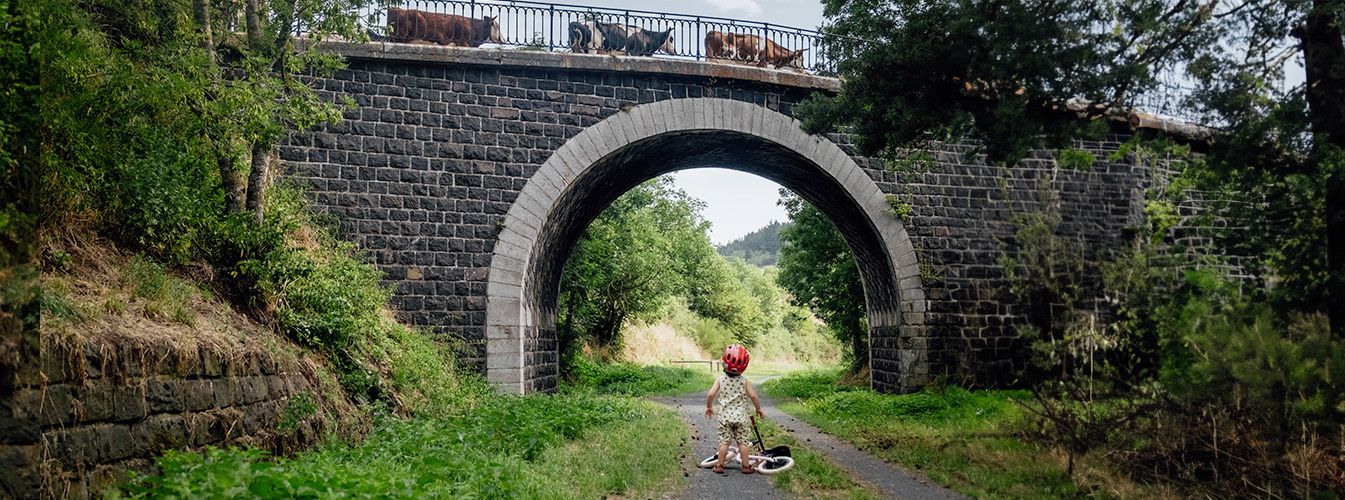
‘La Joyeuse Vadrouille’ – two months cycling with the family
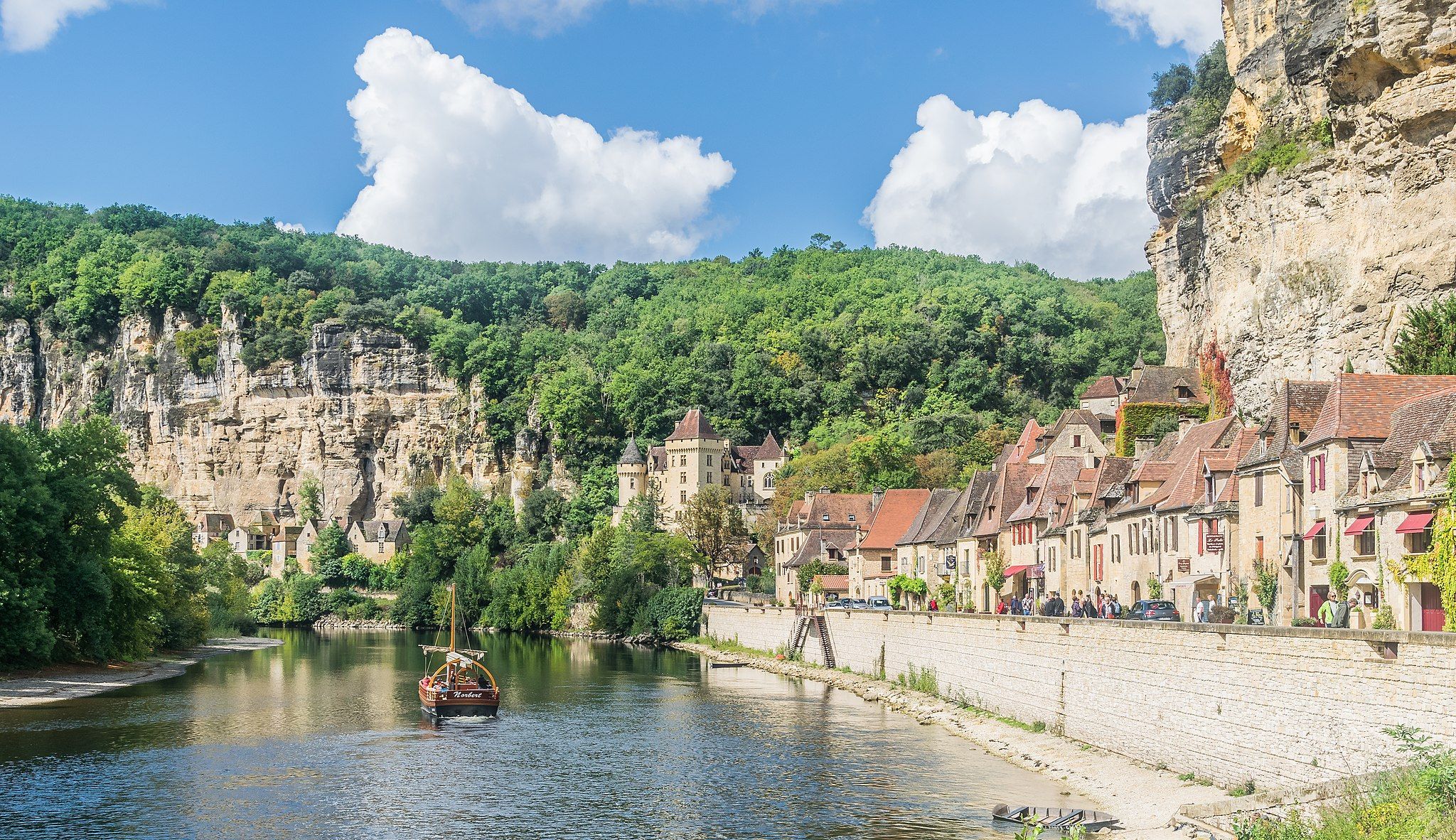
Périgourdine Escape — from Lalinde to Gramat in France
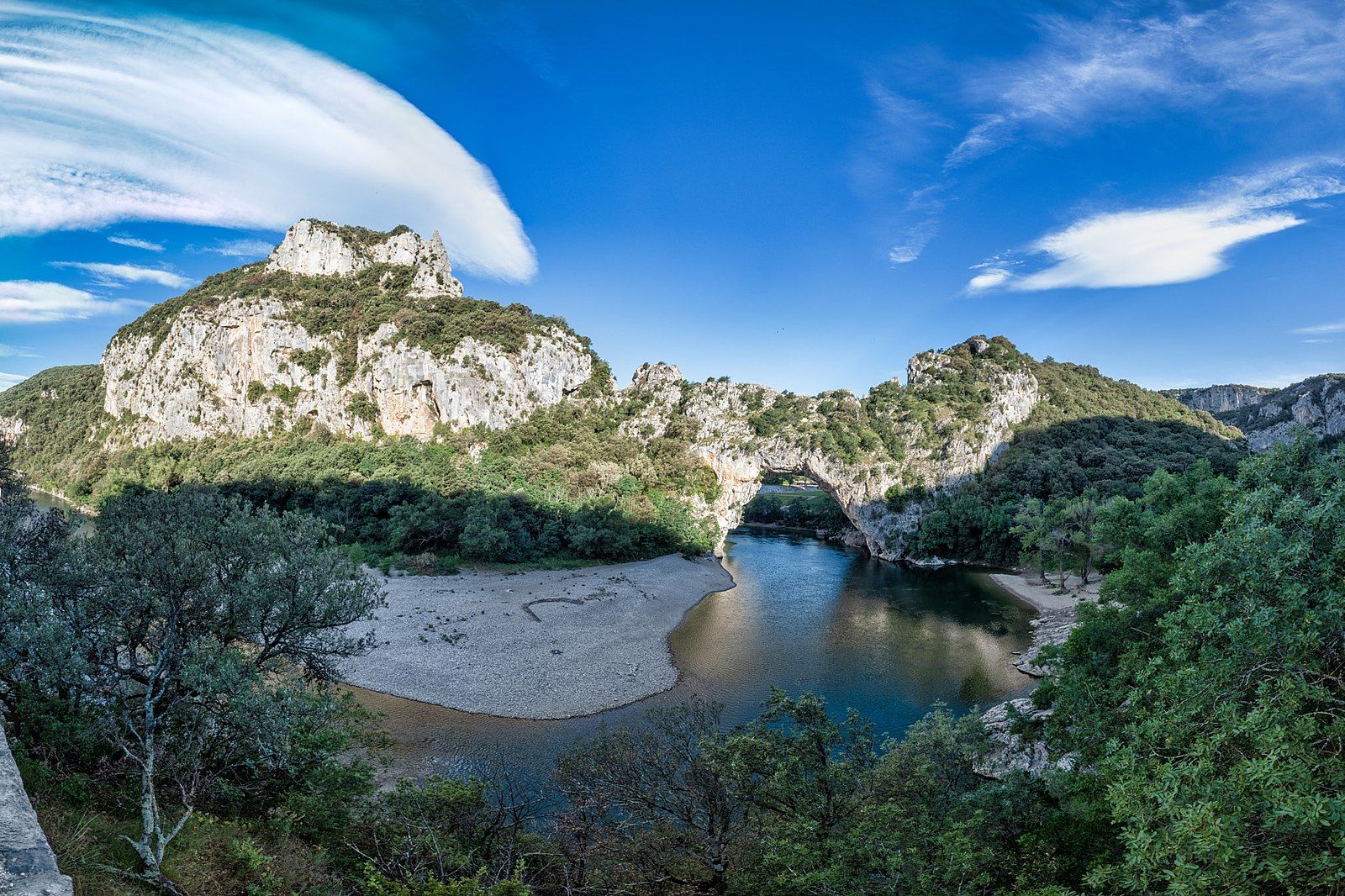
In the steps of the Cro-Magnon – a prehistoric journey in France
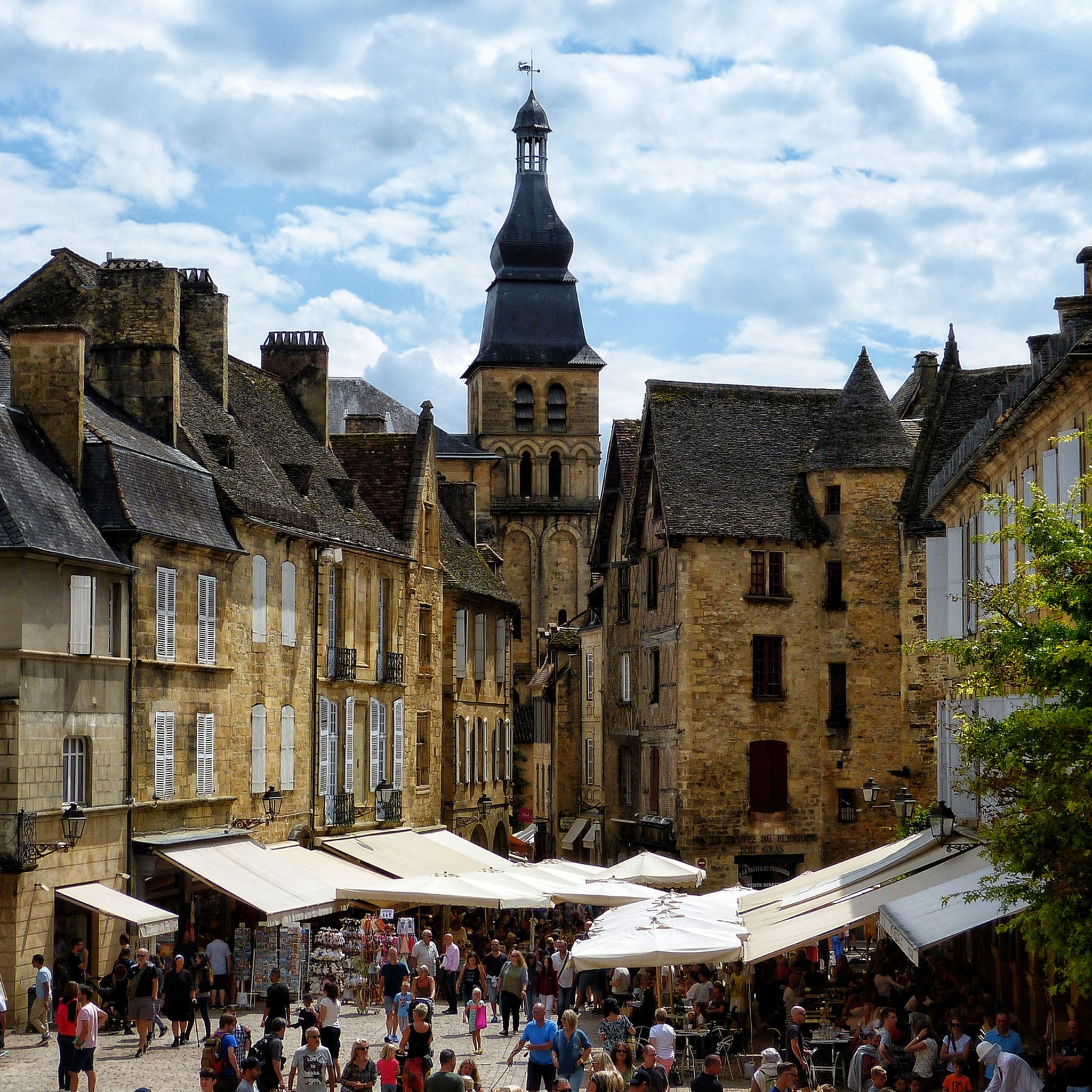
Hiking around Sarlat-La-Canéda
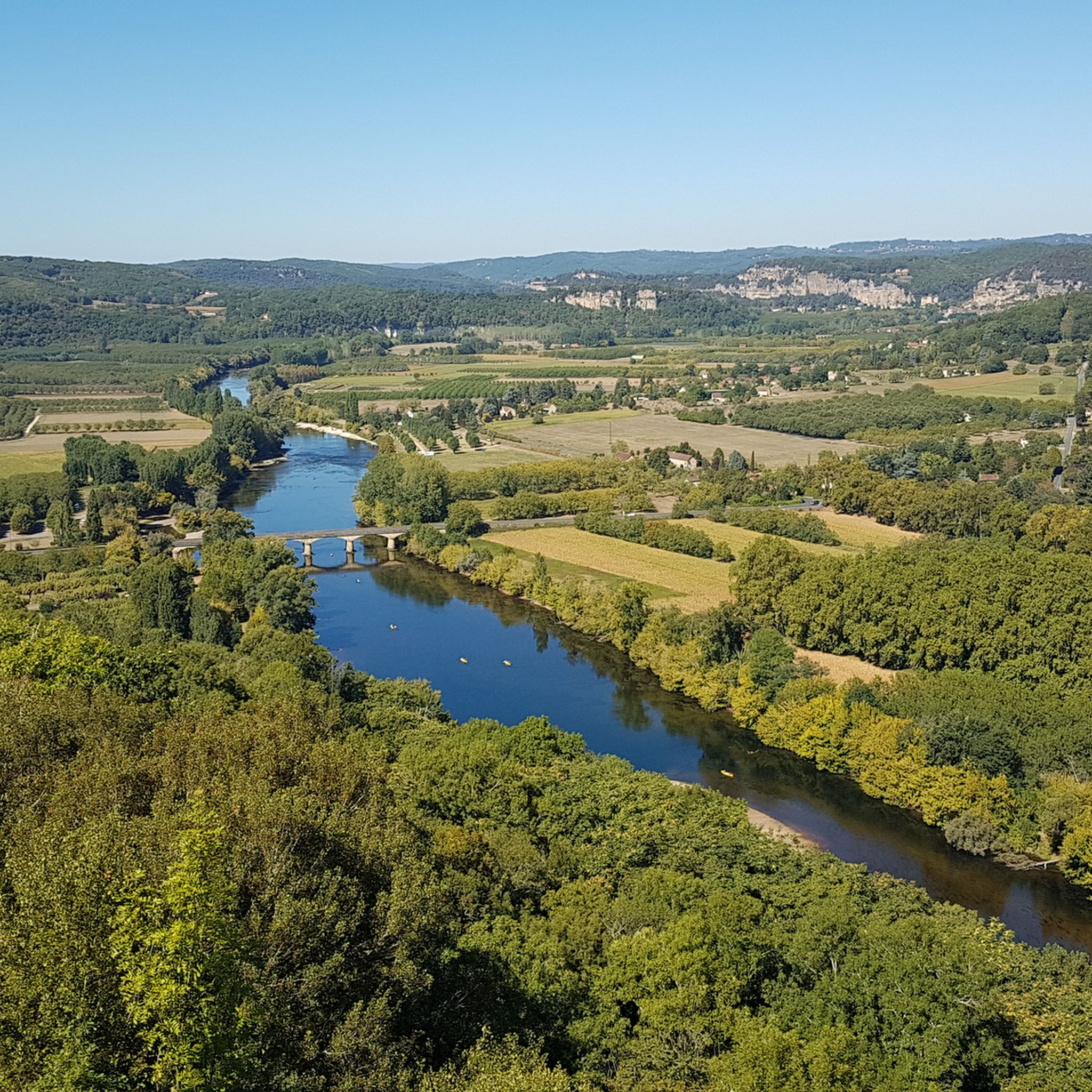
Cycling around Sarlat-La-Canéda
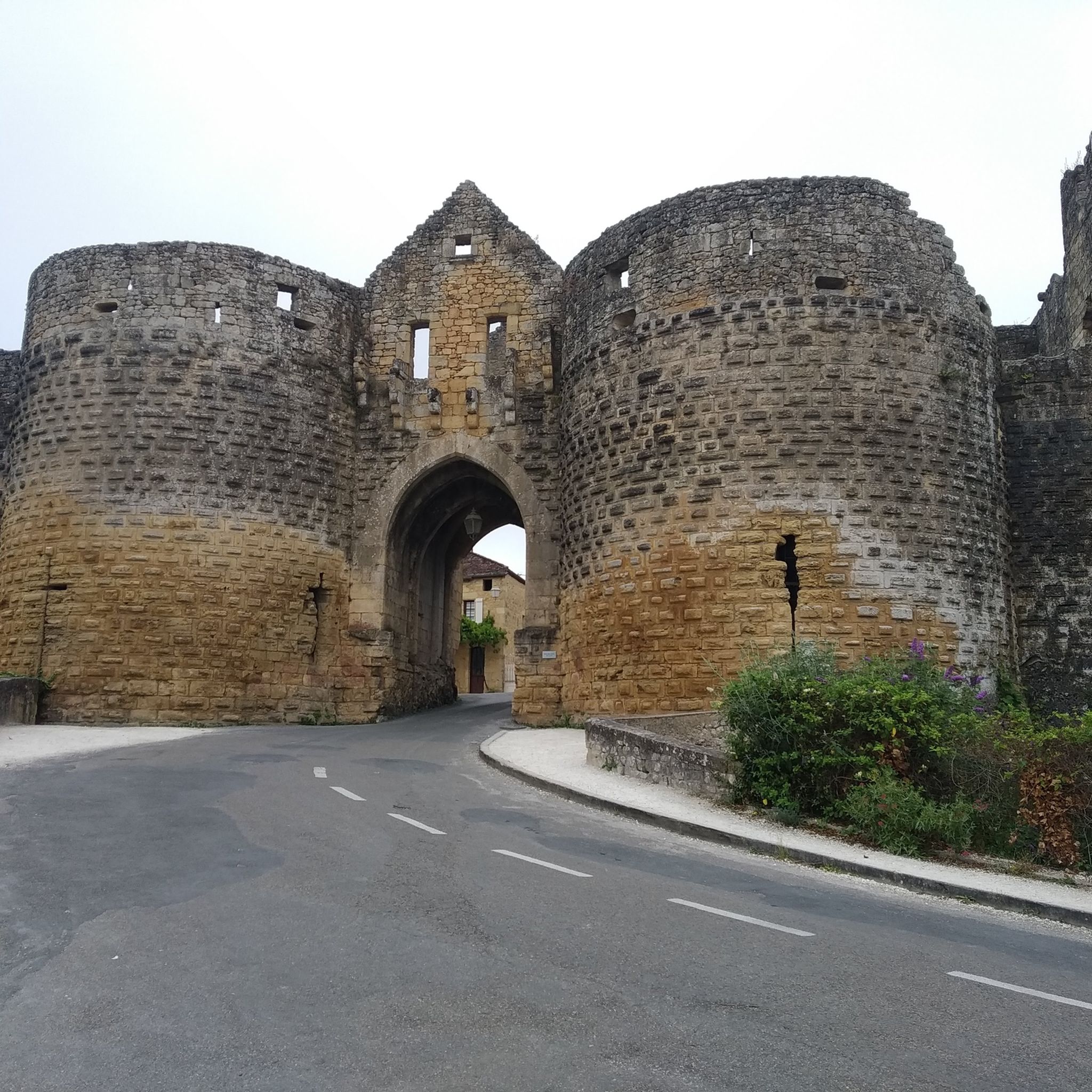
Road Cycling Routes around Sarlat-La-Canéda
Other adventures around Sarlat-La-Canéda


Tips from the Community


This museum is certainly interesting, unfortunately we didn't have enough time
0
0
Impressive are the dwellings in the rocks and the houses from the rocks
0
0

Great bike parking and also somewhere to leave bags though we didn’t need to. Restaurant and crepes cafe. Ice cream stand!
0
0

Near Castelnaud, the place invites you to take a journey through the rock by exploring the different caves that line the path. Climbing enthusiasts can also indulge in their passion.
1
0

This real limestone wall, one kilometer long and eighty meters high, constantly undermined by the river and the frost, has been hollowed out with a hundred rock shelters and long aerial terraces; these natural cavities were occupied by prehistoric man and then modified to become a fort and a city from the Middle Ages until the beginning of the Renaissance.
2
0

The forgotten fortress: a millefeuille of stones where dungeons and fortified castles, troglodytes and prehistoric caves overlap in a preserved landscape
0
0
Frequently Asked Questions
What are some of the most notable natural monuments to visit around Sarlat-La-Canéda?
The Périgord Noir region offers a variety of impressive natural monuments. Among the most popular are La Roque-Gageac, a village nestled at the foot of a towering cliff along the Dordogne River, and La Roque Saint-Christophe, a massive rock formation with ancient rock shelters. You can also explore the unique geological formations of the Proumeyssac Chasm, often called the 'Crystal Cathedral', known for its vast underground chamber and diverse crystallizations.
Are there any natural monuments with significant historical or archaeological importance in the region?
Yes, the area is rich in history. La Roque Saint-Christophe is a prime example, showcasing 55,000 years of human occupation within its massive rock shelters and aerial terraces. Similarly, Les Eyzies-de-Tayac is considered the capital of prehistory, with numerous Paleolithic sites and museums. The Abri de La Madeleine also provides insights into ancient human settlements.
Which natural monuments offer the best panoramic views of the Dordogne Valley?
For breathtaking vistas, View of La Roque-Gageac and the Dordogne cliffs provides stunning perspectives of the village and river. The Gardens of Marqueyssac, though a cultivated landscape, are perched on a rocky spur and offer one of the most splendid panoramas in the region, including views of the meandering Dordogne River and several castles from its Belvedere de la Dordogne.
Are there family-friendly natural monuments around Sarlat-La-Canéda?
Absolutely. The Proumeyssac Chasm offers guided tours and a unique gondola descent, along with an outdoor park and museum, making it engaging for all ages. The Gardens of Marqueyssac are designed for strolling and provide activities for children, while La Roque-Gageac is a charming village where families can enjoy boat trips on the Dordogne.
What kind of outdoor activities can I do near these natural monuments?
The region around Sarlat-La-Canéda is excellent for outdoor enthusiasts. You can find numerous cycling routes, including road cycling, mountain biking, and touring bicycle options. For example, there are moderate road cycling routes like the Périgord-Quercy Promenade, and mountain bike trails such as the Castelnaud Castle – La Roque-Gageac loop. You can explore more options in the Road Cycling Routes around Sarlat-La-Canéda, MTB Trails around Sarlat-La-Canéda, and Cycling around Sarlat-La-Canéda guides.
What makes the Proumeyssac Chasm a unique natural monument?
The Proumeyssac Chasm, known as the 'Crystal Cathedral,' is the largest developed cave in the Périgord. Its uniqueness comes from its vast underground chamber adorned with remarkable stalactites, stalagmites, and diverse crystallizations, including rare triangular crystals. Modern lighting enhances the natural reliefs, and visitors can experience a unique gondola descent for a 360-degree view from the ceiling.
Are there opportunities for climbing near the natural monuments?
Yes, the Castelnaud Caves and Climbing Site offers both cave exploration and climbing opportunities for enthusiasts. This location invites you to journey through the rock formations and indulge in climbing activities.
What is the best time of year to visit the natural monuments around Sarlat-La-Canéda?
The region generally enjoys a pleasant climate. Spring and autumn are often ideal, offering comfortable temperatures for exploring outdoor sites like the Gardens of Marqueyssac and the cliff-side settlements, while avoiding the peak summer crowds. Underground sites like the Proumeyssac Chasm maintain a consistent temperature year-round, making them suitable for visits in any season.
What do visitors enjoy most about the natural monuments in this area?
Visitors frequently appreciate the stunning natural beauty combined with rich history. The unique geological formations, such as the caves and rock shelters, offer a glimpse into prehistoric and medieval life. The panoramic views over the Dordogne River and the charming villages built into the cliffs, like La Roque-Gageac, are also highly praised for their picturesque settings and almost Mediterranean climate.
Can I find natural monuments that are easily accessible for all fitness levels?
Many sites offer varying levels of accessibility. For instance, the Proumeyssac Chasm has specially designed tunnels for guided tours. While some sites like La Roque Saint-Christophe involve exploring ancient settlements, they are generally well-maintained for visitors. Villages like La Roque-Gageac offer pleasant strolls along the river and through charming streets.
Are there any natural monuments that are less known but worth discovering?
While not as widely known as some of the larger sites, the Rock Shelters of the Vézère Valley offer a fascinating glimpse into the region's prehistoric past. Additionally, the Commarque Castle, while a historical site, is nestled within a natural cave setting, providing a unique blend of nature and history that is often less crowded than other attractions.
Most popular routes around Sarlat-La-Canéda
Most popular attractions around Sarlat-La-Canéda

Get inspired with the komoot mobile app


Didn’t find what you were looking for?
Find even more amazing natural monuments around Sarlat-La-Canéda by checking out the top Highlights region by region:
Explore more
Extend your search for the best caves by checking out these guides of the top ones around Sarlat-La-Canéda:
