Top 5 Natural Monuments around Lens
Best natural monuments around Lens are primarily shaped by the region's mining history. The landscape features unique artificial mountains, known as slag heaps, which are remnants of former coal mining operations. These sites, including the Twin Slag Heaps of Loos-en-Gohelle, are recognized for their historical significance and have become UNESCO World Heritage Sites. They offer panoramic views and have developed unique ecosystems, blending industrial heritage with natural reclamation.
Best natural monuments around Lens
- The most popular natural monuments is Loos-en-Gohelle…
Last updated: August 25, 2026
Leforest slag heap
Highlight • Natural Monument
Translated by Google •
Tip by

Loos-en-Gohelle slag heap
Highlight • Natural Monument
Translated by Google •
Tip by

Sign up now to discover places like this
Get recommendations on the best single tracks, peaks, & plenty of other exciting outdoor places.
Sign up for free
Spoil heaps 74 and 74a
Highlight • Natural Monument
Translated by Google •
Tip by

Terril Estevelles
Highlight • Summit
Translated by Google •
Tip by

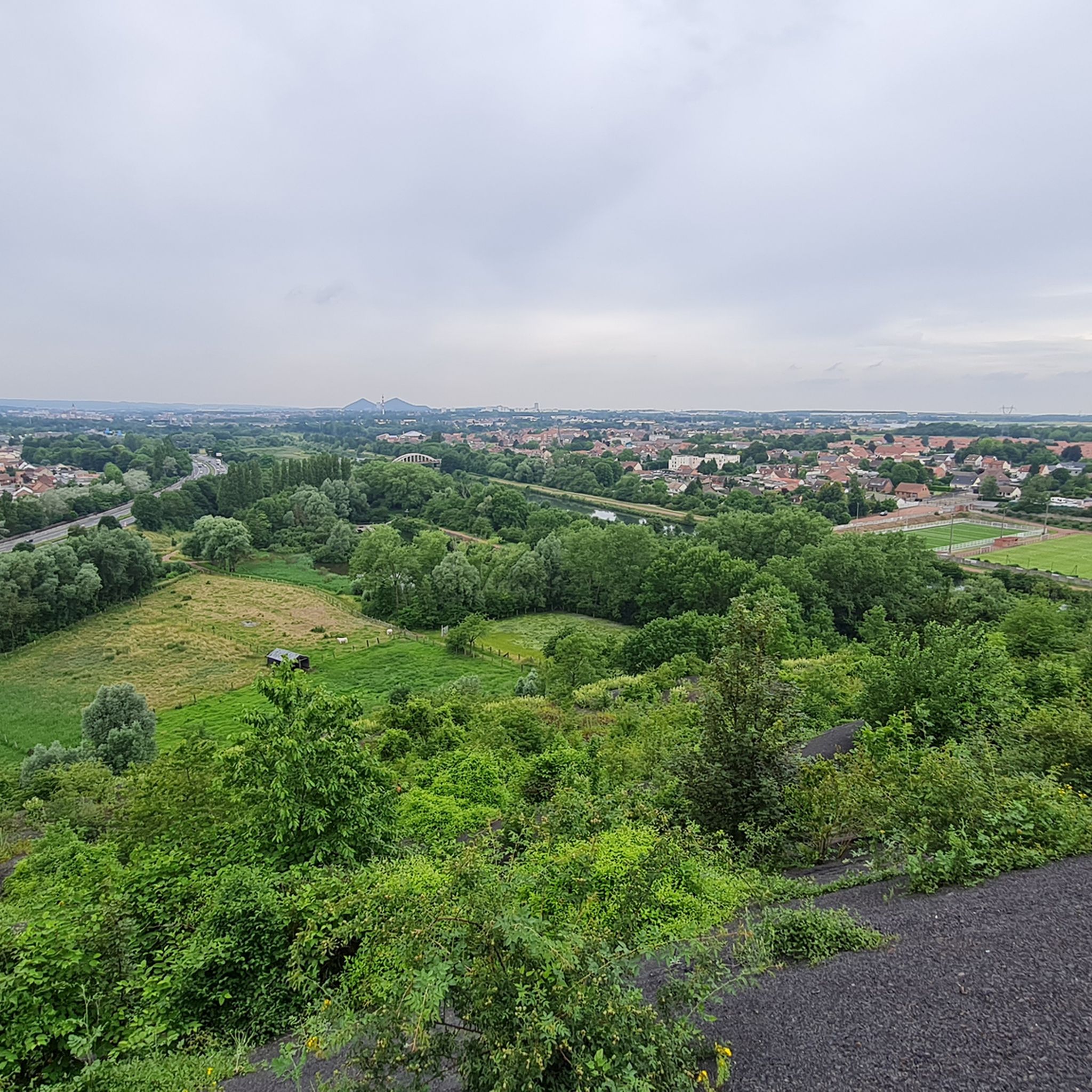
View of the mining basin and the hills of Artois
Highlight • Viewpoint
Translated by Google •
Tip by

Crater and 360° Panoramic View from Terril 74, Loos-en-Gohelle
Highlight • Viewpoint
watch out for wind and gusts
Translated by Google •
Tip by

Start today with a free account
Your next adventure awaits.
Login or Signup

Other adventures around Lens

Tips from the Community

Beautiful panoramic view of Lens and the surrounding area. Be careful when you climb onto the spoil heap during a storm, it's a real hair-raiser!
1
0

Can we take the dogs?
0
0

climb this spiral in a good 5 minutes with a superb view. Small crater in the middle with water often. watch out for wind and gusts
0
0

Be careful on a narrow path, in some places a slippery plastic coating covers part of the path
0
0

Don't miss the Loos-en-Gohelle slag heap, an astonishing and unusual spectacle. There are five hills made of coal waste, and this one is the highest, reaching 146 meters, the highest in Europe! Hike to the top and admire the views. You can see how nature has transformed the hills with plants, animals and even grapes. Take the opportunity to learn about this UNESCO World Heritage site and discover its rich history and culture at Base 11/19.
4
0

Beautiful view of the mining basin and the hills of Artois on a clear day. Trail training heap.
1
0


Nice place typical of the North. Difficult in gravel in wet weather.
0
0
Frequently Asked Questions
What makes the natural monuments around Lens unique?
The natural monuments around Lens are unique because they are primarily artificial mountains, known as slag heaps, created from the region's extensive coal mining history. These sites, like the Loos-en-Gohelle slag heap and Spoil heaps 74 and 74a, are recognized as UNESCO World Heritage Sites and have developed unique ecosystems, blending industrial heritage with natural reclamation.
Which natural monuments offer the best panoramic views?
Many of the slag heaps provide excellent panoramic views. The Loos-en-Gohelle slag heap, one of the highest in Europe, offers extensive views of Lens and the surrounding area. Similarly, climbing Spoil heaps 74 and 74a rewards visitors with breathtaking vistas from the top. You can also find a superb 360° panoramic view from Terril 74.
Are there challenging climbs or technical trails at these natural monuments?
Yes, some natural monuments offer challenging climbs. The Leforest slag heap, for instance, involves a technical climb to its summit. Spoil heaps 74 and 74a also provide a challenging ascent, popular with mountain bikers for its single tracks and climbs.
What kind of outdoor activities can I do near the natural monuments?
The area around Lens offers various outdoor activities. You can find numerous cycling routes, including road cycling, mountain biking, and general touring. For example, there are many road cycling routes, MTB trails, and general cycling routes that incorporate views of the slag heaps and the wider mining basin.
Can I visit these natural monuments with my dog?
Yes, some natural monuments are dog-friendly. For example, the View of the mining basin and the hills of Artois is noted as being dog-friendly, offering a trail on a heap.
What is the best time to visit the slag heaps for views?
For the most stunning views, especially panoramic ones, consider visiting the slag heaps at sunrise or sunset. The elevated positions of sites like Terril 74a offer exceptional photo opportunities during these times.
Are there any historical sites associated with the natural monuments?
Absolutely. The natural monuments themselves are deeply rooted in history. The slag heaps, such as the Loos-en-Gohelle slag heap, are remnants of the region's mining past and are recognized as UNESCO World Heritage Sites. The nearby Canadian National Vimy Memorial, while not a natural monument itself, is situated within a preserved natural forest and offers a poignant look into World War I history.
What kind of unique nature or wildlife can I expect to see?
Despite their industrial origin, the black soil of the slag heaps supports a unique local flora and fauna. These transformed landscapes have created new ecosystems, providing habitats for various birds and reptiles, making them interesting spots for nature observation.
Are there any less-known or 'hidden' natural monuments worth exploring?
While the twin slag heaps are prominent, smaller sites like Terril Estevelles offer a more localized experience. These smaller heaps still provide unique perspectives on the region's landscape and history, often with fewer crowds.
What do visitors enjoy most about the natural monuments around Lens?
Visitors frequently highlight the unique blend of industrial history and natural reclamation. They appreciate the challenging climbs, the breathtaking panoramic views from the summits, and the opportunity to witness how nature has transformed these man-made structures with plants and wildlife. The historical significance as UNESCO sites also adds to the appeal.
Are the natural monuments around Lens accessible by public transport?
While specific public transport routes to each individual slag heap may vary, the city of Lens itself is well-connected. From Lens, local buses or short drives would typically be required to reach the various natural monument sites. It's advisable to check local transport schedules for the most up-to-date information.
Most popular routes around Lens
Most popular attractions around Lens

Get inspired with the komoot mobile app


Didn’t find what you were looking for?
Find even more amazing natural monuments around Lens by checking out the top Highlights region by region:
Explore more
Extend your search for the best caves by checking out these guides of the top ones around Lens:
