Top 19 Natural Monuments around Las Peñas De Riglos
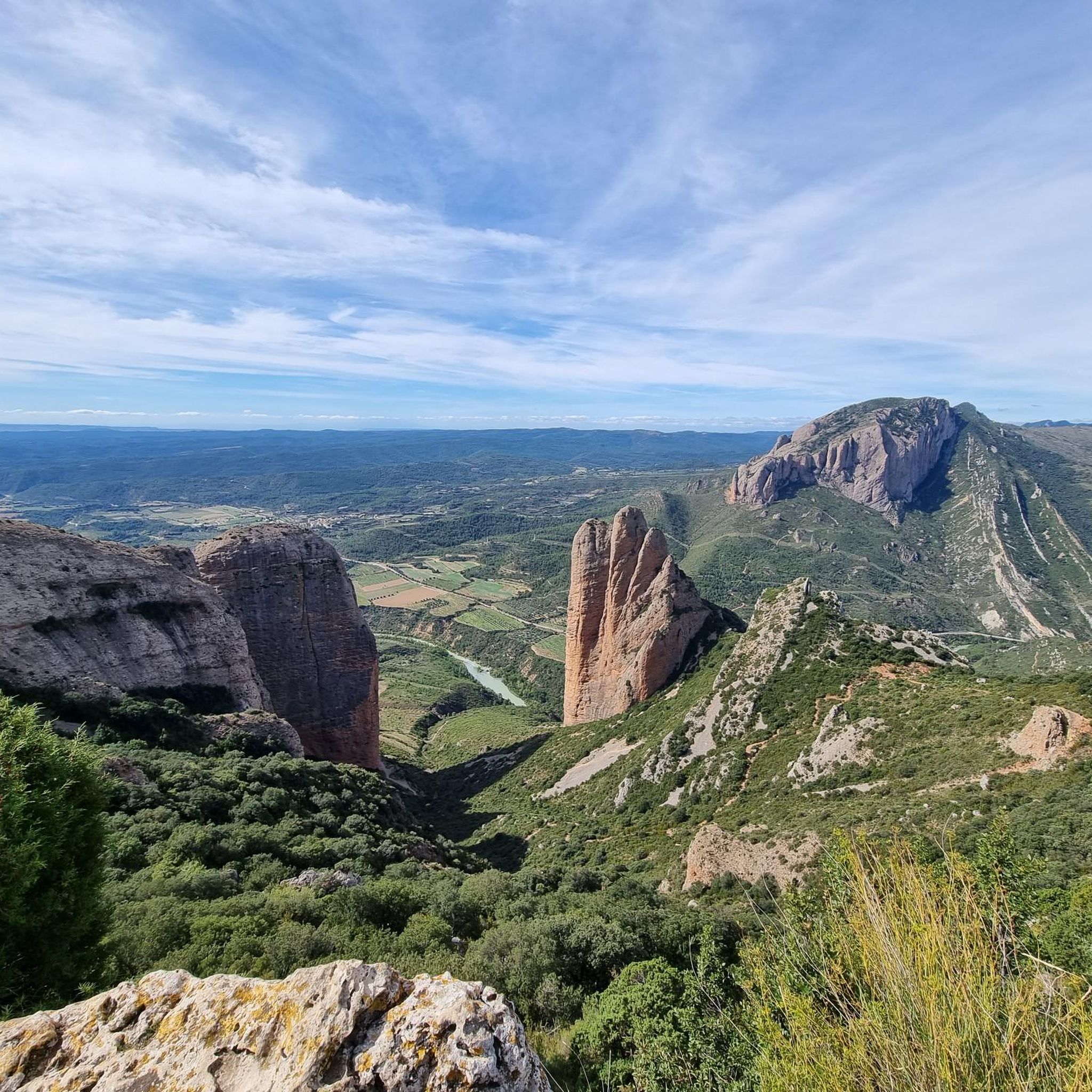
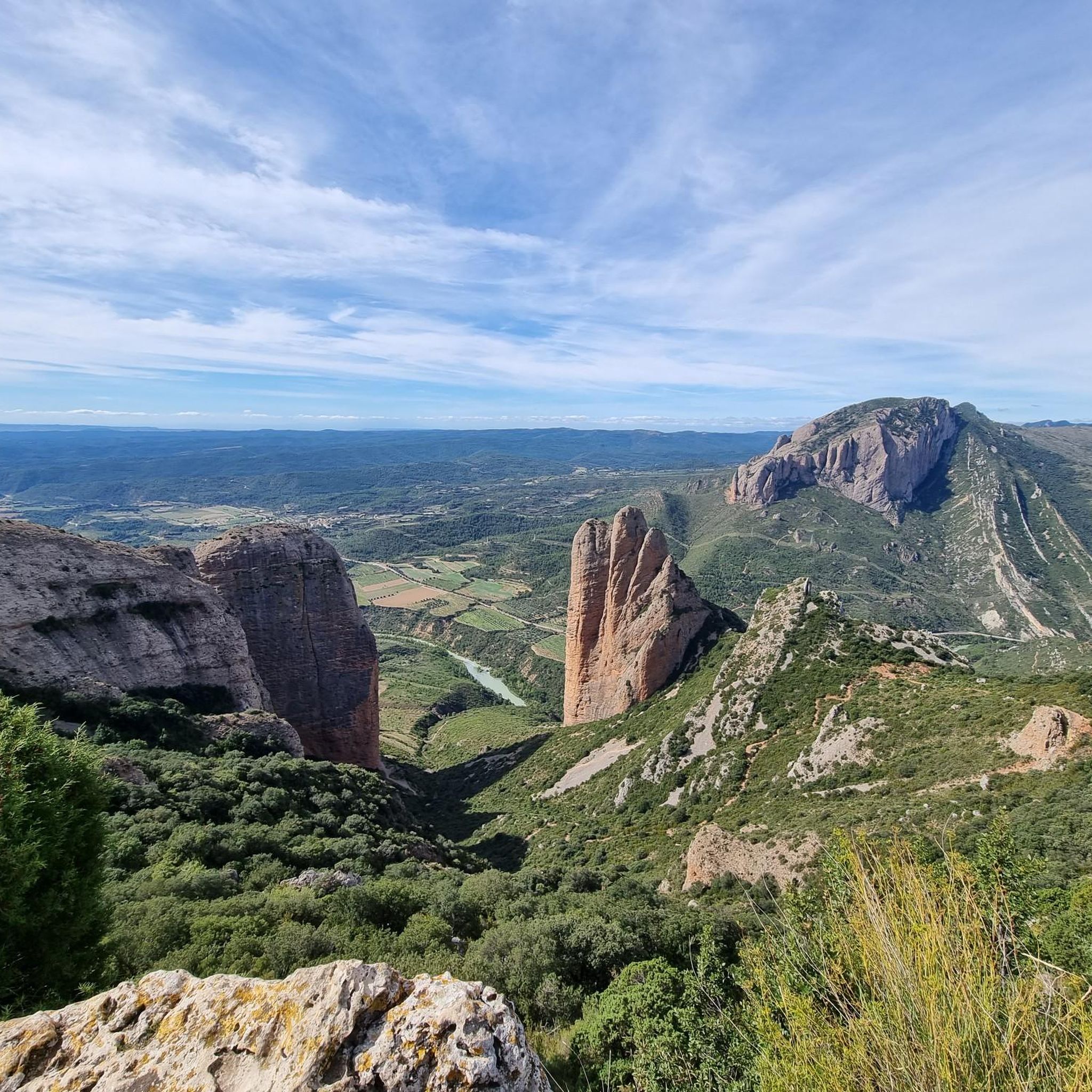
Best natural monuments around Las Peñas De Riglos are defined by their dramatic conglomerate rock formations, most notably the Mallos de Riglos. These towering structures, formed over millions of years, rise significantly from the landscape, reaching up to 300 meters. The region is recognized for its geological significance and as a Special Protection Area for Birds, hosting a large colony of griffon vultures. It offers opportunities for rock climbing and hiking, with numerous trails providing views of the formations and…
Last updated: August 25, 2026
Peñas de Riglos
Highlight • Natural Monument
Translated by Google •
Tip by

Mallos de Agüero
Highlight • Natural Monument
Translated by Google •
Tip by

Sign up now to discover places like this
Get recommendations on the best single tracks, peaks, & plenty of other exciting outdoor places.
Sign up for free
Mallos de Agüero and Agüero Village
Highlight • Natural Monument
Translated by Google •
Tip by
Pígalo Pools
Highlight • River
Translated by Google •
Tip by

Riglos Griffon Vulture Viewing Area
Highlight (Segment) • Viewpoint
Translated by Google •
Tip by

Sign up for free to discover even more natural monuments around Las Peñas De Riglos.
Sign up for free
Already have an account?
Start today with a free account
Your next adventure awaits.
Login or Signup
Popular around Las Peñas De Riglos
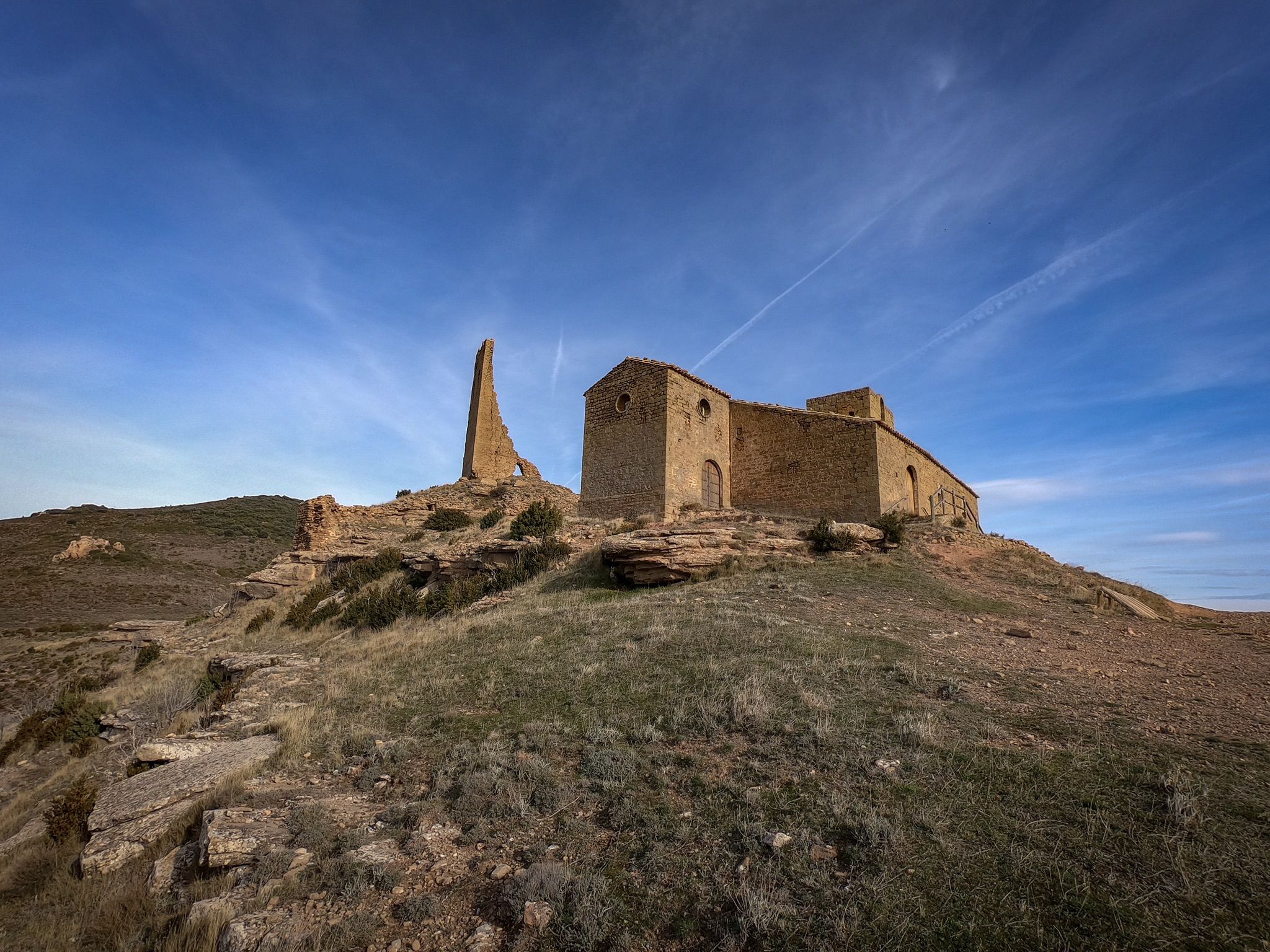
In the footsteps of the Roman road - GR 95
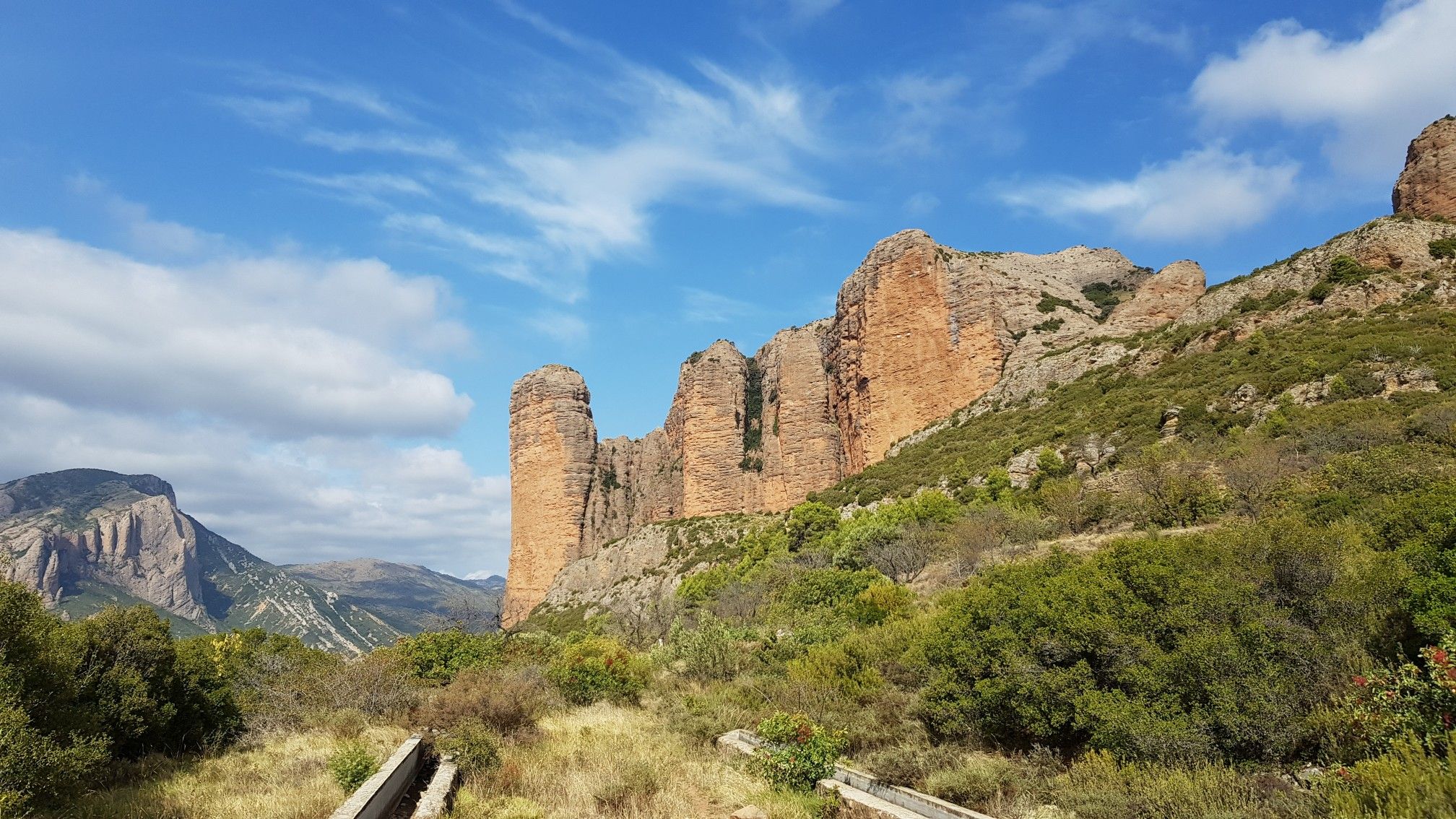
Monumental landscapes and culture — the Pre-Pyrenees by MTB
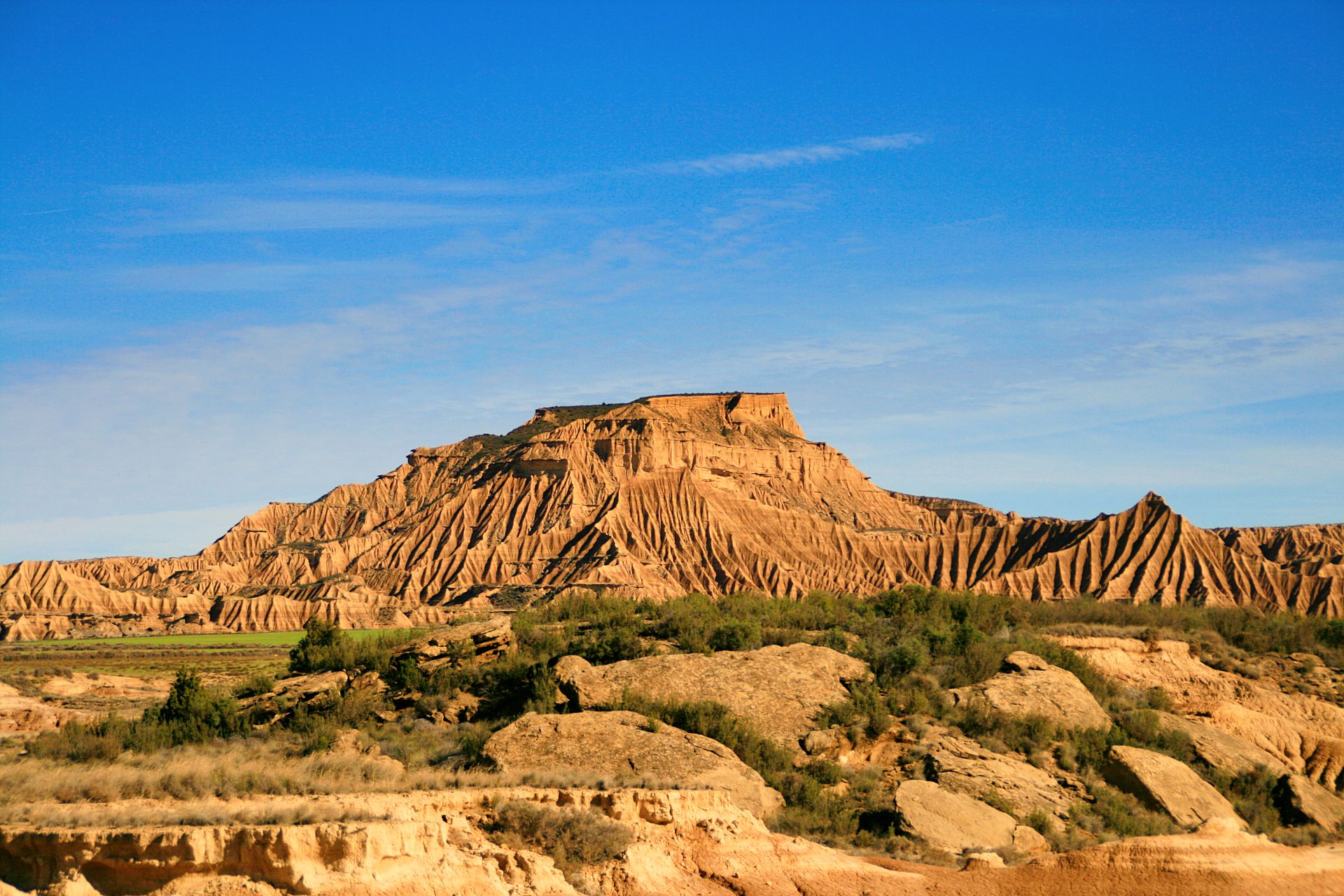
Spain’s Wild West – Sierra de Guara to the Bardenas
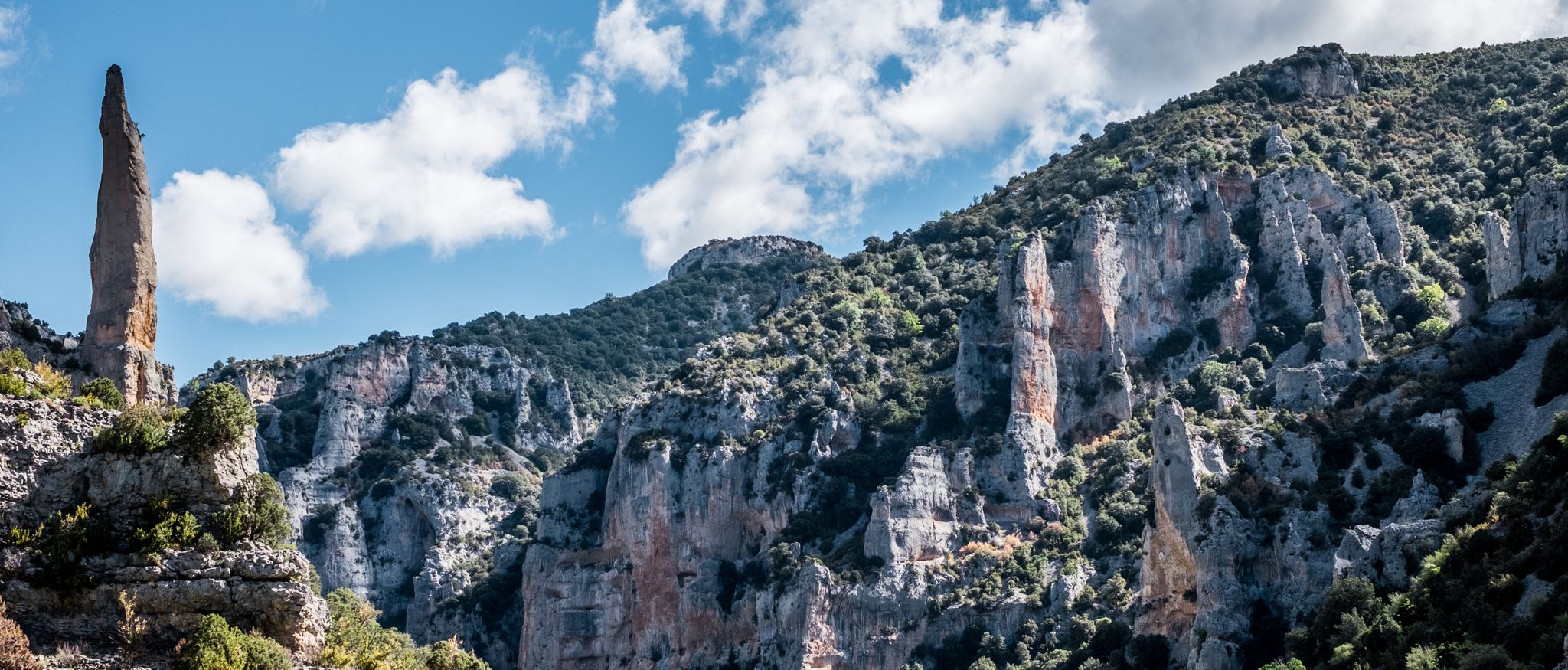
Sierra de Guara — steep rocks and green mountains
Hiking around Las Peñas De Riglos
MTB Trails around Las Peñas De Riglos
Road Cycling Routes around Las Peñas De Riglos
Running Trails around Las Peñas De Riglos
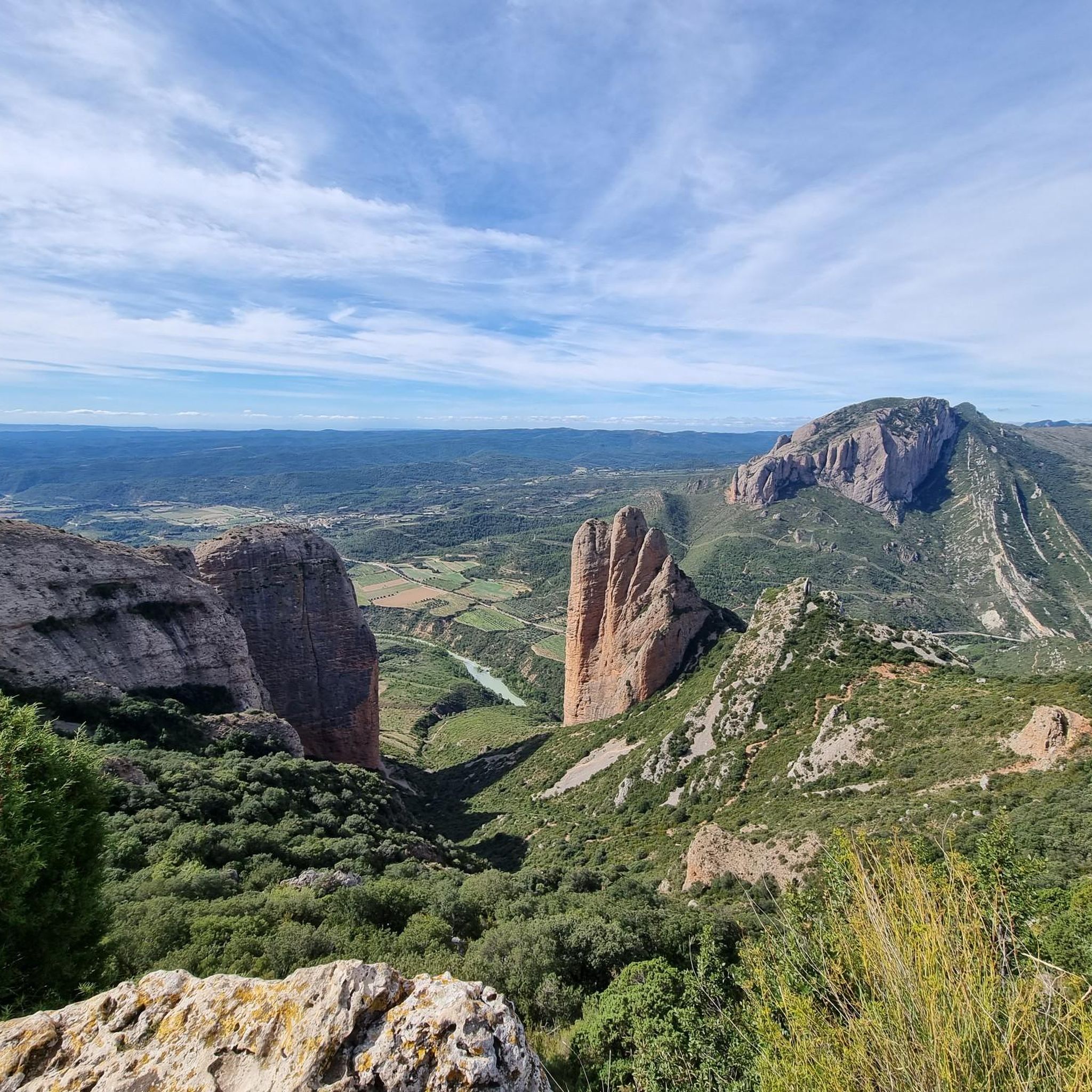
Cycling around Las Peñas De Riglos
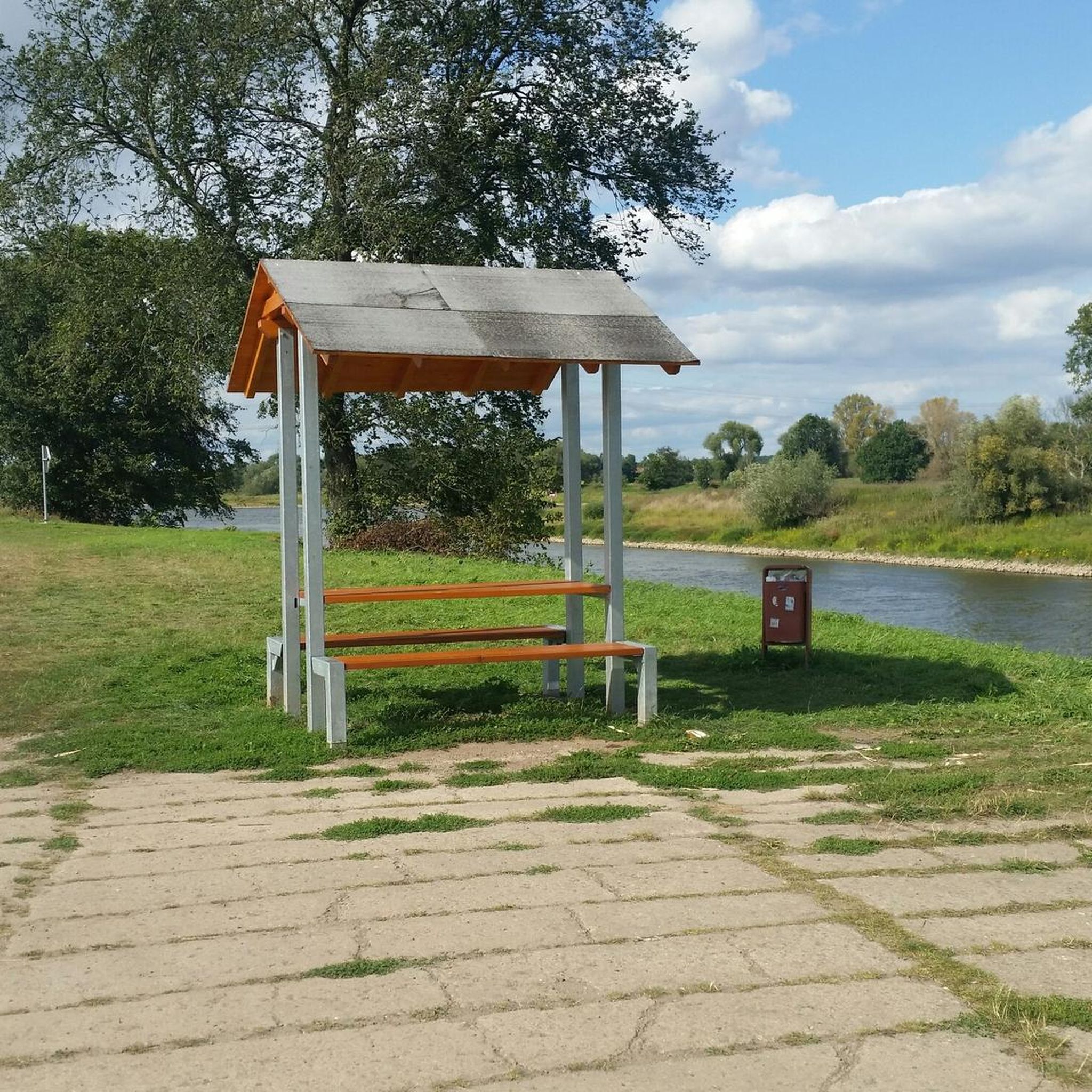
Gravel biking around Las Peñas De Riglos
Other adventures around Las Peñas De Riglos


Tips from the Community

As of 2017, observation was still permitted up there (in September). Of course, this may have changed in the meantime. Good luck!
1
0

You must walk around the alleys of Agüero, and there is a magnificent view of the Mallos de Agüero.
0
0

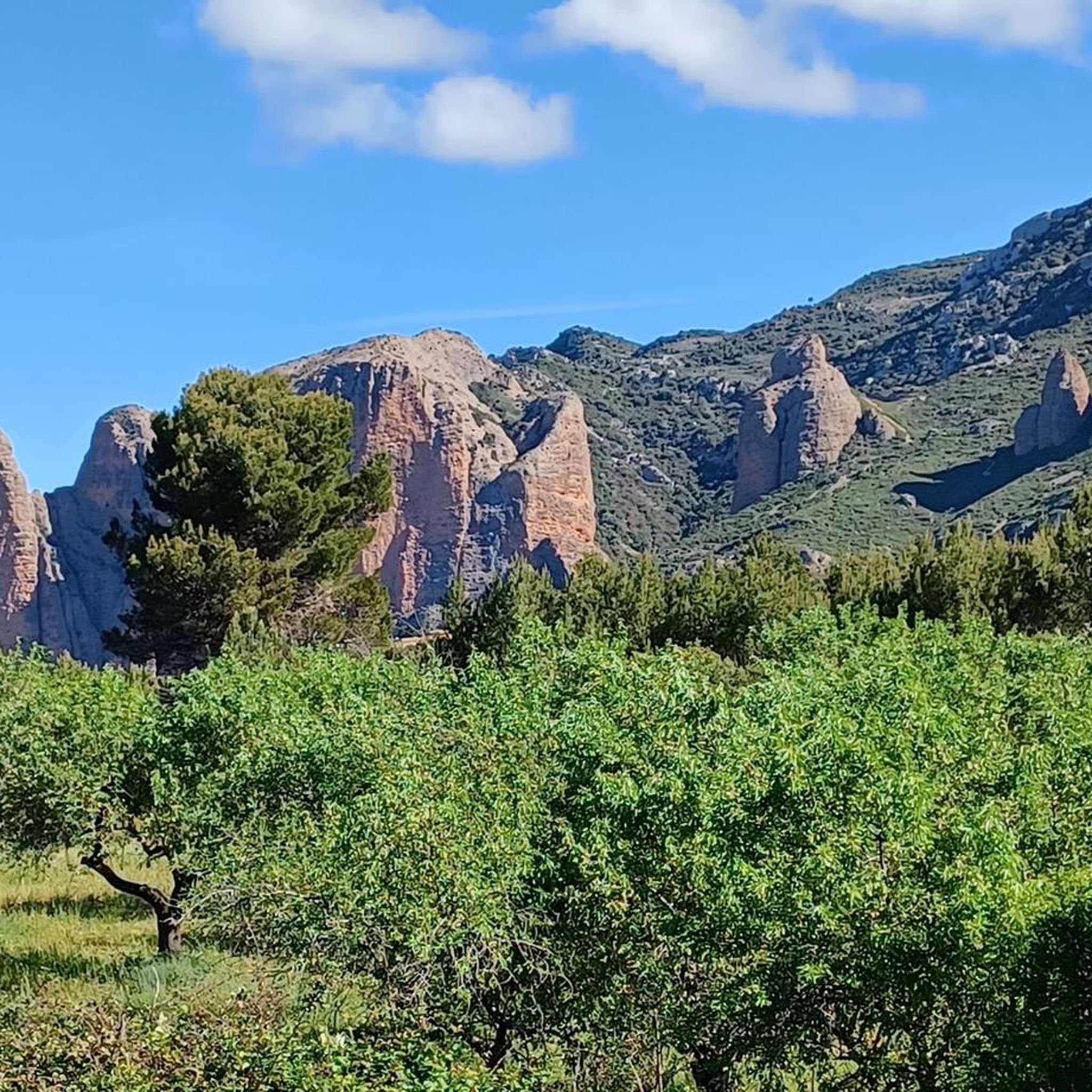
Spectacular reddish colored rock formations.
2
0
The city is home to artistic treasures such as the Romanesque Church of El Salvador and the 12th-century Church of Santiago. The latter, located one kilometer from the city, has been declared a National Monument and is one of the most beautiful Romanesque temples in Aragon.
2
0
The Mallos of the Aragonese Pre-Pyrenees were formed 65 million years ago after eroded material from the Pyrenees washed away.
1
0

Agüero's mallos are a little less tall than those of Riglos, but even so, they are charming whims of erosion. Its contrast with the blue sky on a sunny day is simply spectacular.
1
0

We are in the Pígalo pools, ideal for warm summer days where we can take a dip. If we go upstream, we will find more less crowded pools, since this one is quite popular and soon fills up with people. If we want to leave the car in the car park, we must book on the Luesia town hall website as they control access. There are picnic areas to eat and a bar at the campsite.
2
0
We are in the Pígalo pools, ideal for taking a dip on hot summer days. If we go upstream, we will find more less crowded pools, since this one is quite popular and soon fills up with people. If we want to leave the car in the car park, we must make a reservation on the website of the Luesia town hall since they control access. There are picnic areas to eat or we can go to the camping bar.
1
0
Frequently Asked Questions
What are the most prominent natural monuments to visit in Las Peñas De Riglos?
The most prominent natural monuments are the towering Peñas de Riglos, which shelter the town of Riglos itself. These massive conglomerate rock formations are renowned for their dramatic appearance and are a world-class destination for climbers. Another must-see are the Mallos de Agüero, spectacular reddish-colored rock formations that also offer excellent climbing and bird-watching opportunities.
What kind of geological formations can I expect to see in Las Peñas De Riglos?
Las Peñas De Riglos is famous for its striking geological formations known as 'Mallos'. These are massive, reddish-hued conglomerate rock towers, rising dramatically up to 300 meters from the ground. They were formed over millions of years from eroded material from the Pyrenees, cemented together and then shaped by erosion, leaving behind these resistant, vertical structures. The reddish color is due to their iron content.
Are there opportunities for bird-watching, especially raptors, in the area?
Yes, the area is a Special Protection Area for Birds (ZEPA) and is exceptional for bird-watching. It hosts one of Europe's largest colonies of griffon vultures. You can observe these magnificent birds and their breeding grounds from the Riglos Griffon Vulture Viewing Area. Other raptors like Egyptian vultures, peregrine falcons, and bearded vultures are also present.
What hiking opportunities are available around the natural monuments?
Beyond climbing, the area offers numerous well-marked hiking trails with breathtaking views. A popular option is the 'Vuelta a los Mallos de Riglos', a circular route starting from Riglos village. The 'Camino del Cielo' is another highly recommended circular trail. For more detailed routes, you can explore the MTB Trails around Las Peñas De Riglos guide, which also includes hiking paths.
Are there any family-friendly activities or natural monuments suitable for children?
Yes, the Pígalo Pools are ideal for families, especially on warm summer days, offering natural pools for swimming. While popular, you can find less crowded spots further upstream. There are also picnic areas available. When visiting, remember that access to the car park requires a reservation via the Luesia town hall website.
What is the best time of year to visit Las Peñas De Riglos for hiking and outdoor activities?
The spring and autumn months generally offer the most pleasant weather for hiking and climbing, with milder temperatures and beautiful scenery. Summer can be quite warm, making the natural pools a welcome respite. Always check local weather conditions before heading out, especially for hiking in autumn when temperatures can vary.
Can I find places to eat or stay near the natural monuments?
The village of Riglos, nestled at the foot of the Mallos, offers a charming experience and likely has options for accommodation and dining. The Pígalo Pools area also has a bar at the campsite and picnic areas. For specific cafes or restaurants, it's best to check local listings in Riglos or nearby towns like Agüero.
Are there any less crowded natural attractions or viewpoints?
While the main Mallos de Riglos can be popular, exploring the Mallos de Agüero and the charming Agüero Village offers a slightly different perspective. The Mallos de Agüero are equally spectacular, though a little less tall, and the village itself is worth a visit. For swimming, going upstream from the main Pígalo Pools can lead to less crowded spots.
What other outdoor activities can I do in the Las Peñas De Riglos region besides hiking and climbing?
The region is excellent for various cycling activities. You can find numerous routes for road cycling, gravel biking, and mountain biking. Explore options like the 'Mallos de Riglos – Oroel Pass loop' for road cycling, or the 'Vultures Viewpoint – Peñas de Riglos loop' for gravel biking. Detailed routes are available in the Road Cycling Routes, Gravel biking, and MTB Trails guides for the area.
What makes the village of Riglos special?
The village of Riglos is unique for its location, nestled directly at the foot of the imposing Peñas de Riglos. Its narrow, winding streets offer constant, dramatic views of the rock formations. The village also features Romanesque architecture, such as the 12th-century chapel of San Martín and the church of Nuestra Señora del Mallo, adding a cultural dimension to the natural wonder.
Are there any historical or cultural sites near the natural monuments?
Yes, the village of Agüero, located near the Mallos de Agüero, is home to significant artistic treasures. These include the Romanesque Church of El Salvador and the 12th-century Church of Santiago, which has been declared a National Monument and is considered one of Aragon's most beautiful Romanesque temples.
Most popular routes around Las Peñas De Riglos
Most popular attractions around Las Peñas De Riglos

Get inspired with the komoot mobile app


Explore more
Extend your search for the best caves by checking out these guides of the top ones around Las Peñas De Riglos:
