Top 14 Natural Monuments around Loarre
Best natural monuments around Loarre are found in the Hoya de Huesca region, known for its diverse natural landscape. This area features a striking contrast between fertile plains and towering rock formations. The geological structures, particularly the colossal conglomerate rocks, define the natural character of the surroundings. These natural features provide a backdrop for both historical sites and outdoor activities.
Best natural monuments around Loarre
- The most popular natural monument is Peñas de Riglos, a natural monument that features…
Last updated: July 1, 2026
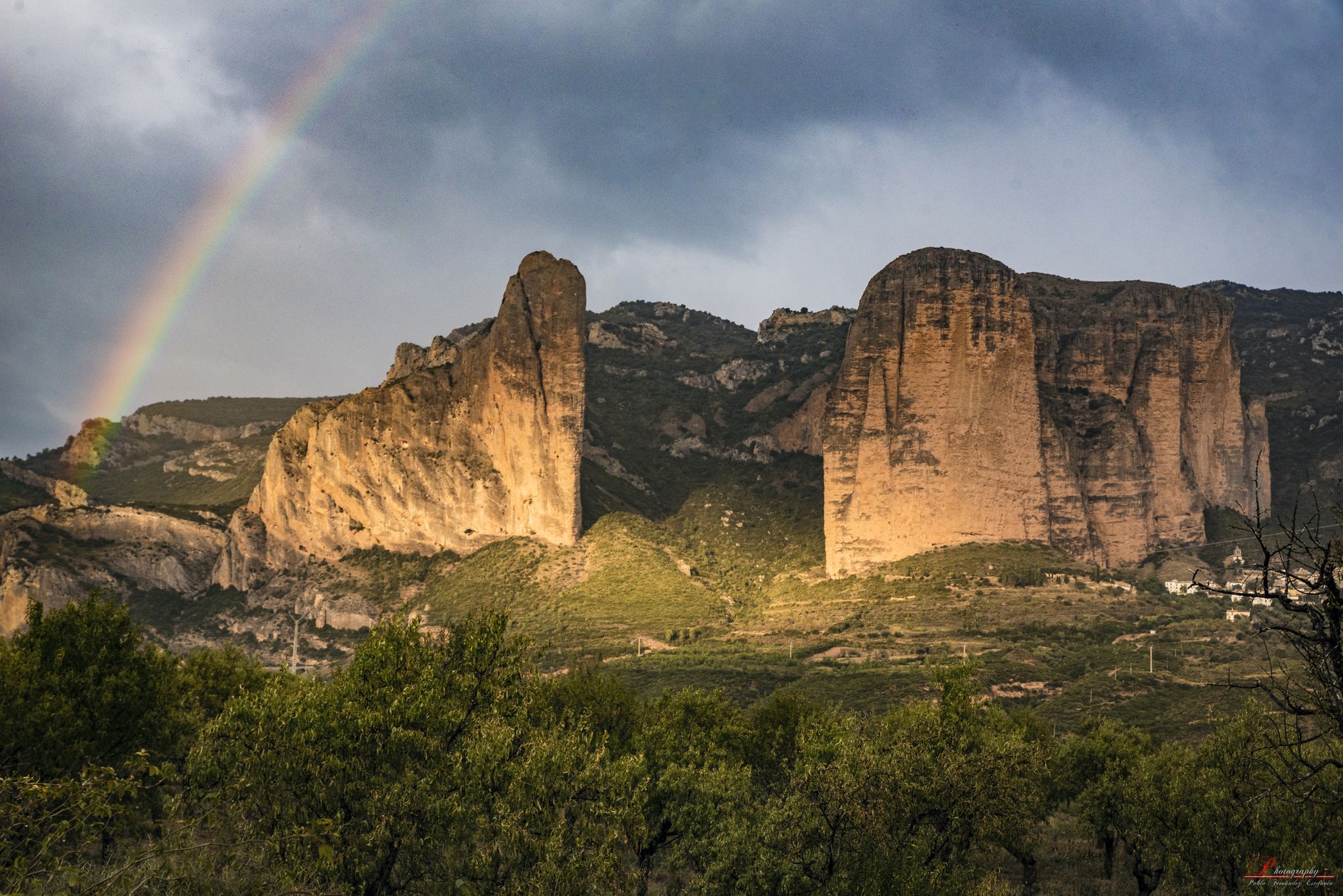
Peñas de Riglos
Highlight • Natural Monument
Translated by Google •
Tip by

Mallos de Agüero
Highlight • Natural Monument
Translated by Google •
Tip by

Sign up now to discover places like this
Get recommendations on the best single tracks, peaks, & plenty of other exciting outdoor places.
Sign up for free
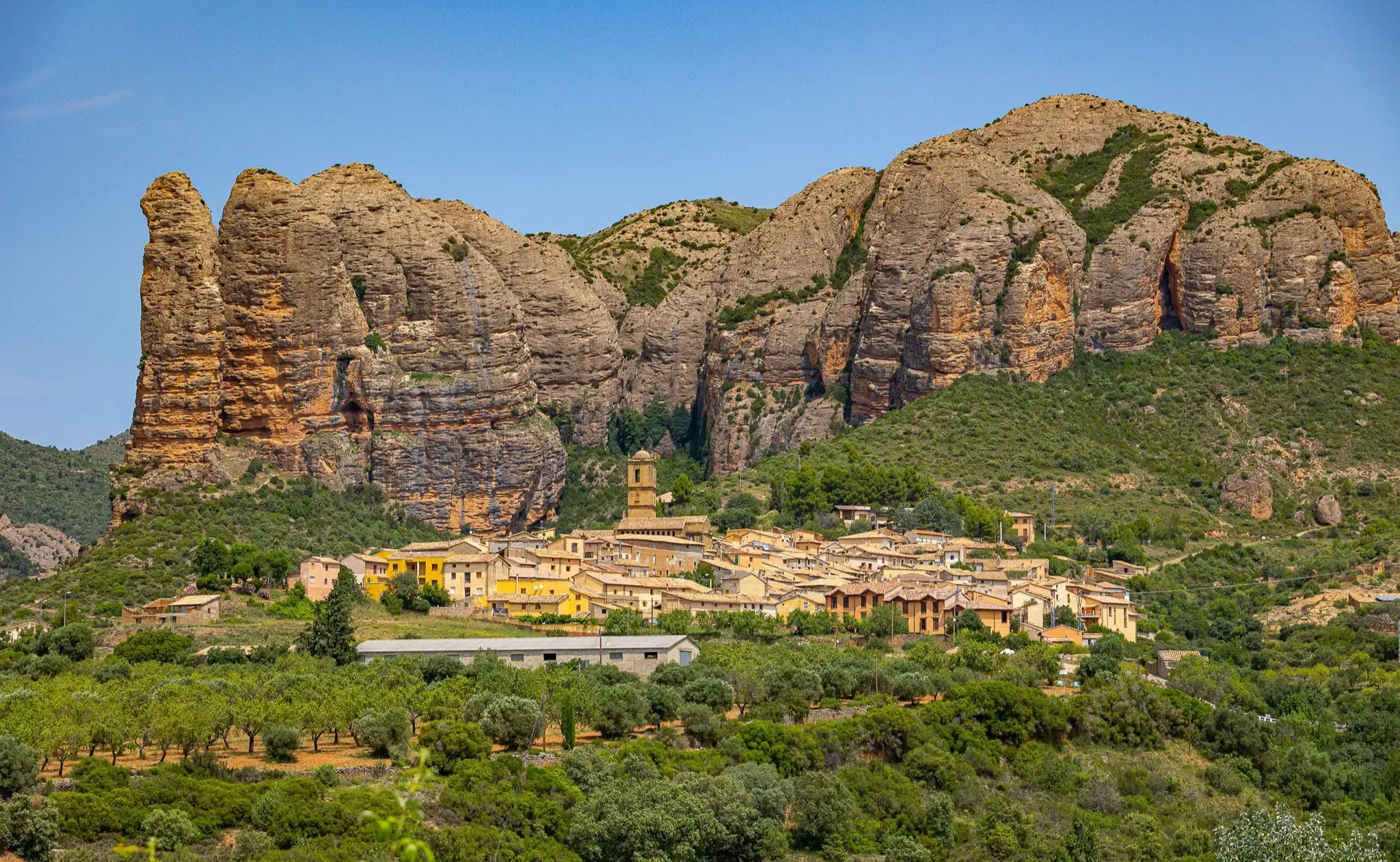
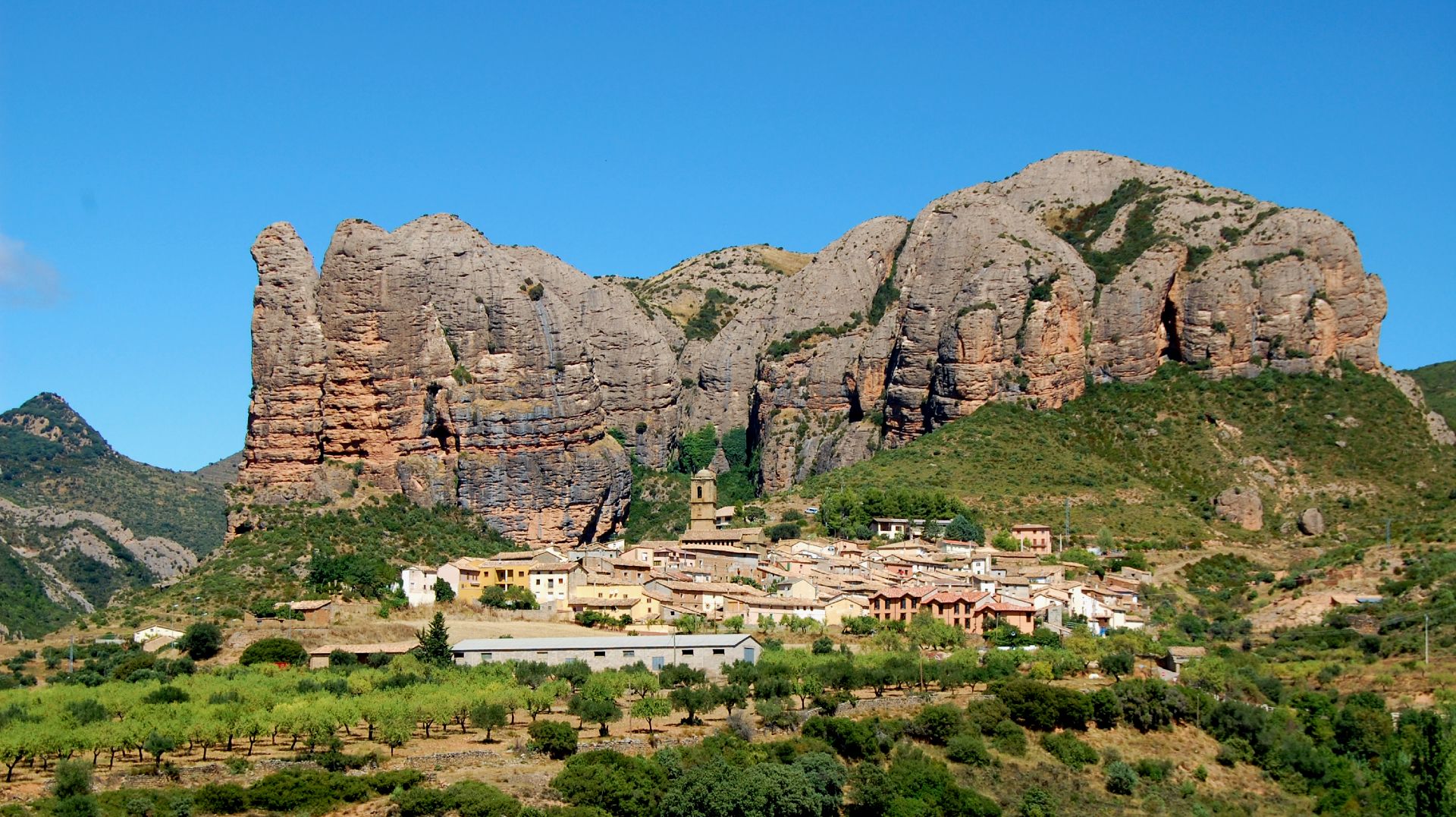
Mallos de Agüero and Agüero Village
Highlight • Natural Monument
Translated by Google •
Tip by
Riglos Griffon Vulture Viewing Area
Highlight (Segment) • Viewpoint
Translated by Google •
Tip by

Colorado Viewpoint
Highlight • Viewpoint
Translated by Google •
Tip by

Sign up for free to discover even more natural monuments around Loarre.
Sign up for free
Already have an account?
Start today with a free account
Your next adventure awaits.
Login or Signup
Popular around Loarre
In the footsteps of the Roman road - GR 95
Hiking between geology and history – GR1 in Aragón
Medieval and natural treasures — Cycling in the Pre-Pyrenees
Land of rock and water – Sendero Histórico en Aragón
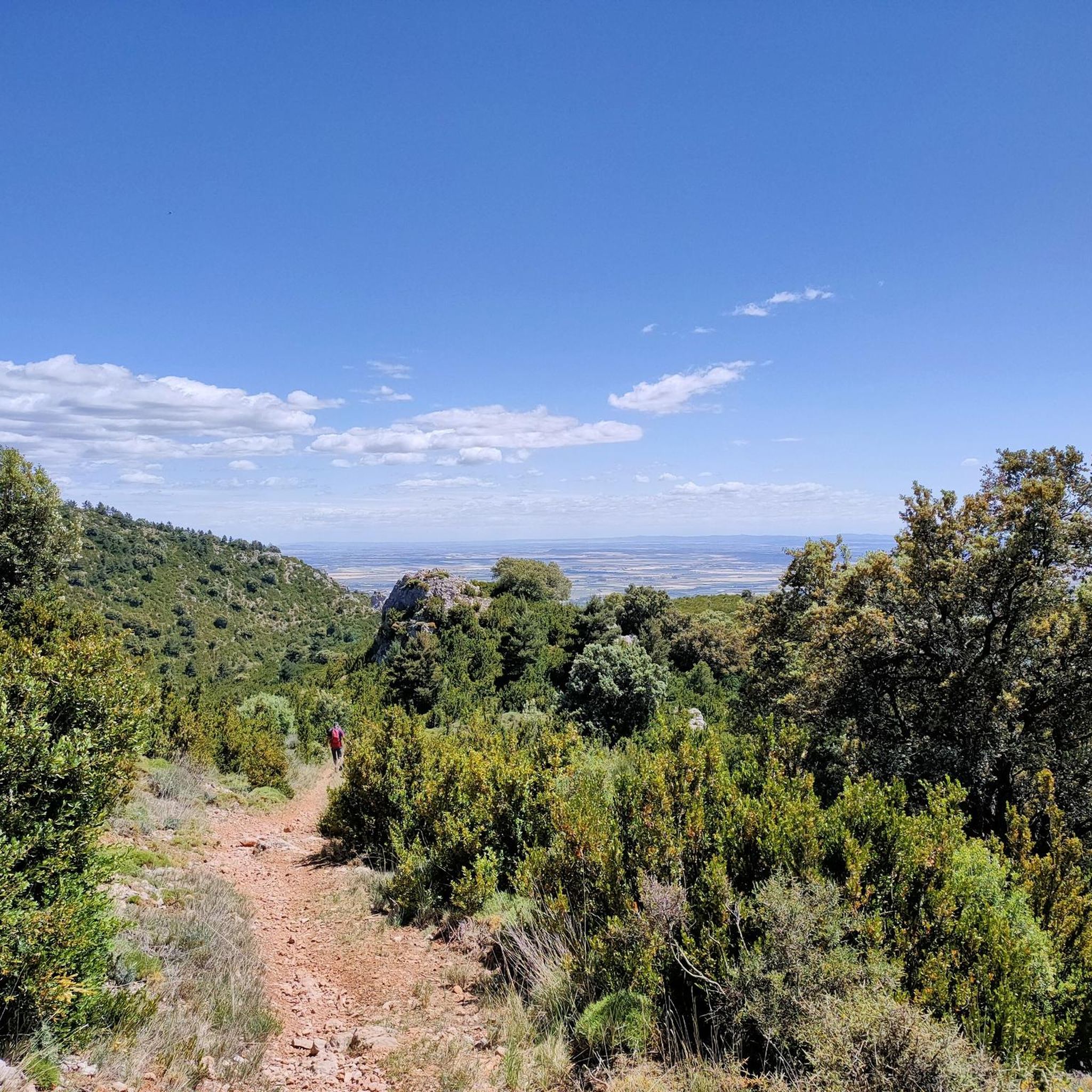
Running Trails around Loarre
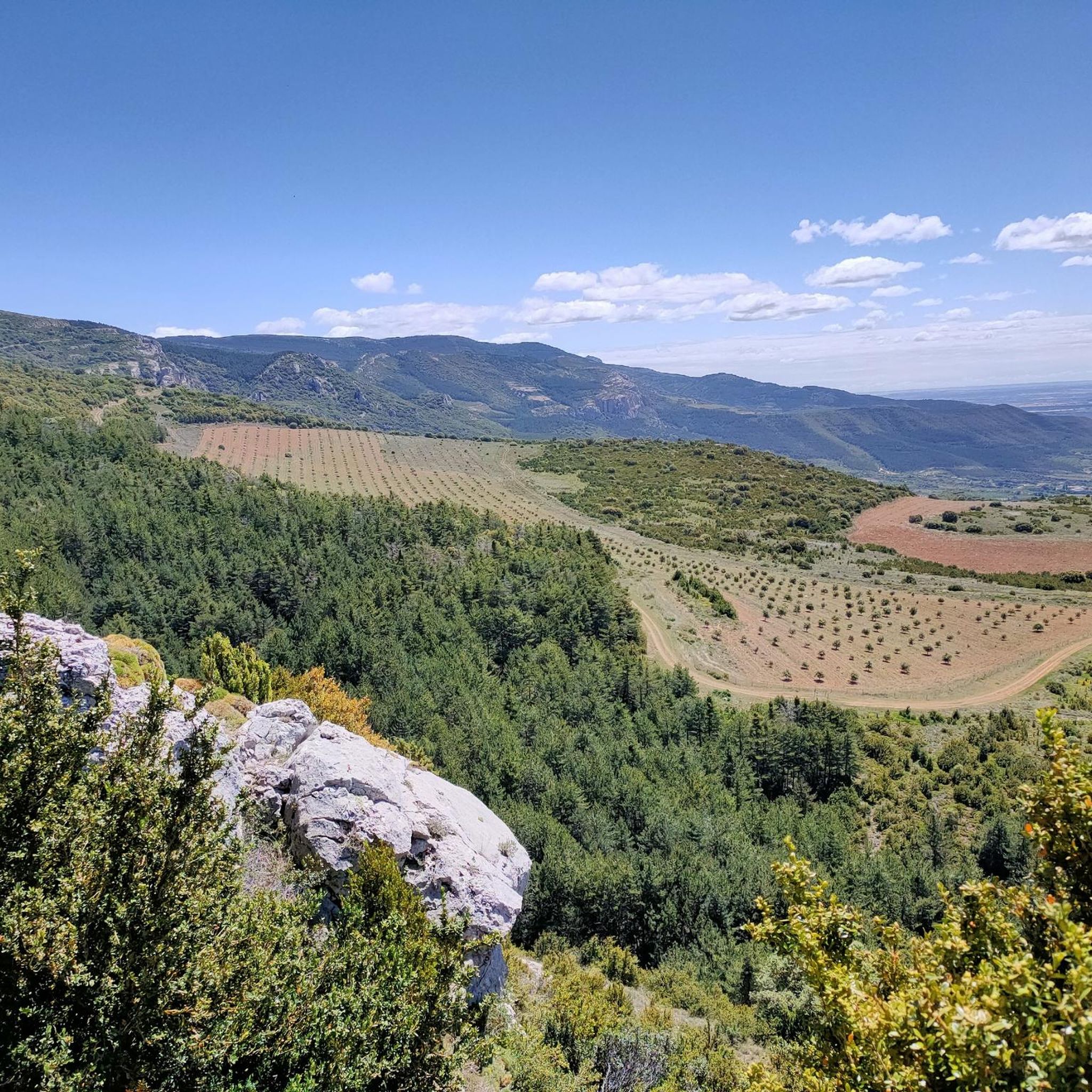
Cycling around Loarre
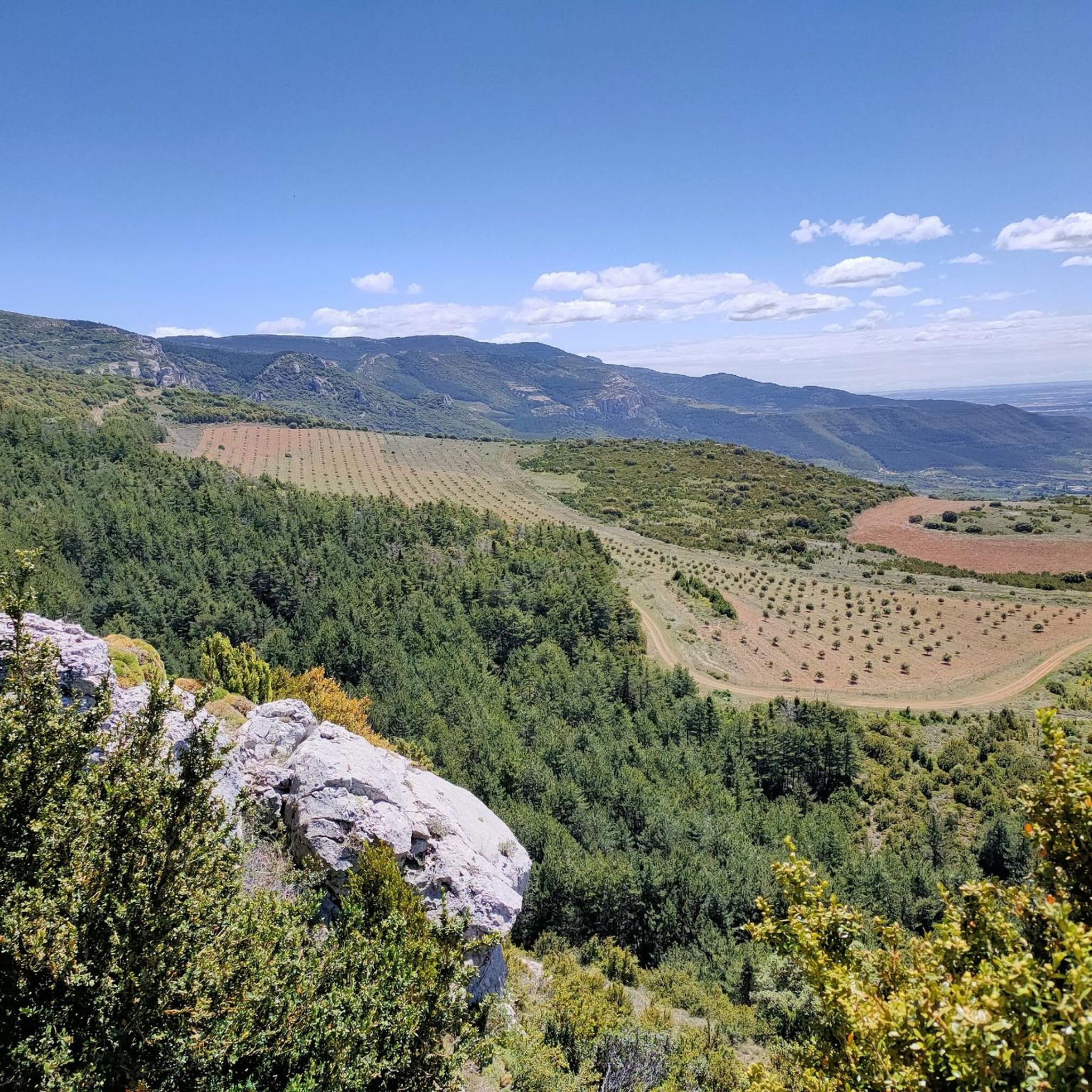
Hiking around Loarre
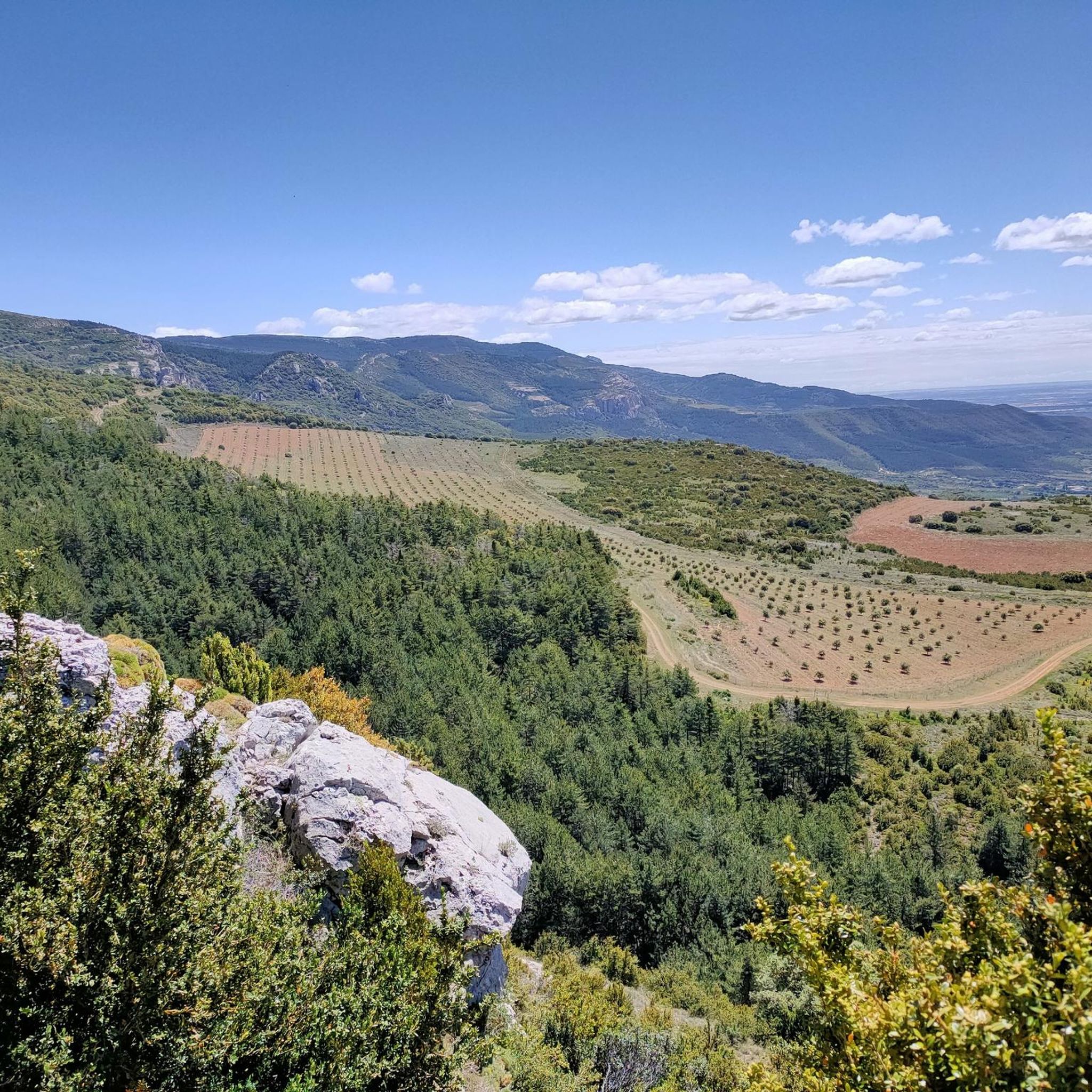
Road Cycling Routes around Loarre
MTB Trails around Loarre
Gravel biking around Loarre
Other adventures around Loarre


Tips from the Community

As of 2017, observation was still permitted up there (in September). Of course, this may have changed in the meantime. Good luck!
1
0

You must walk around the alleys of Agüero, and there is a magnificent view of the Mallos de Agüero.
0
0

Spectacular reddish colored rock formations.
2
0
The city is home to artistic treasures such as the Romanesque Church of El Salvador and the 12th-century Church of Santiago. The latter, located one kilometer from the city, has been declared a National Monument and is one of the most beautiful Romanesque temples in Aragon.
2
0
The Mallos of the Aragonese Pre-Pyrenees were formed 65 million years ago after eroded material from the Pyrenees washed away.
1
0

Agüero's mallos are a little less tall than those of Riglos, but even so, they are charming whims of erosion. Its contrast with the blue sky on a sunny day is simply spectacular.
1
0

The mallos de Riglos are one of the most popular geological formations in the province of Huesca. Although there are more similar mallos in the region, these are the most impressive and also especially frequented by climbers.
1
0
The first of several viewpoints that you will find on the Camino del Cielo route if you do it in an anti-clockwise direction.
0
0
Frequently Asked Questions
What are the most striking natural features to see around Loarre?
The region is dominated by colossal conglomerate rock formations. Key examples include the Peñas de Riglos, known for their towering, vertical walls, and the Mallos de Agüero, which are spectacular reddish-colored rock formations shaped by erosion.
Are there good hiking opportunities near the natural monuments?
Yes, the area offers various hiking trails. For instance, you can explore routes around the Peñas de Riglos, including the 'Camino del Cielo' loop. Many trails provide incredible views of the formations and the surrounding natural environment. You can find more details on running trails in the area on the Running Trails around Loarre guide.
What kind of wildlife can be observed in the natural monuments area?
The cliffs of natural monuments like the Mallos de Agüero and Peñas de Riglos are home to significant populations of raptors. You can often spot griffon vultures, bearded vultures, and Egyptian vultures nesting in these environments, making it an exceptional spot for birdwatching. The Riglos Griffon Vulture Viewing Area is specifically recommended for this.
Are there family-friendly activities or trails around the natural monuments?
While specific family-friendly trails are not detailed, the general appeal of the dramatic scenery and birdwatching opportunities at places like the Peñas de Riglos can be engaging for families. Short walks around the base of the formations or visiting viewpoints offer accessible ways to enjoy the natural beauty together.
What is the best time of year to visit the natural monuments near Loarre?
The region offers spectacular scenery year-round. However, for hiking and birdwatching, spring and autumn generally provide more moderate temperatures and pleasant conditions. Summer can be hot, while winter might bring colder weather, though the dramatic rock formations remain impressive.
Can I combine a visit to the natural monuments with historical sites?
Absolutely. Loarre Castle, a well-preserved Romanesque fortress, is situated on a limestone promontory offering spectacular views over the Hoya de Huesca, including distant sights of the Mallos de Riglos. Additionally, the Mallos de Agüero and Agüero Village highlight combines the natural beauty of the rock formations with the historic settlement itself, featuring artistic treasures like the Romanesque Church of El Salvador.
Are there opportunities for climbing at the natural monuments?
Yes, the vertical walls of the Mallos de Riglos are world-renowned among rock climbers, offering numerous challenging routes. The Mallos de Agüero also provide an ideal place for climbing due to their unique shape and height.
Where can I find the best viewpoints for the natural monuments?
The Peñas de Riglos offer spectacular scenery from various points, including along the 'Camino del Cielo'. The Colorado Viewpoint is another excellent spot, providing splendid views along the route. The town of Riglos itself offers a magnificent perspective of the Mallos that shelter it.
Are there any specific cycling routes near the natural monuments?
Yes, the region is suitable for cycling. You can find various gravel biking and MTB trails that incorporate views of the natural monuments. For example, there are routes like the 'Vultures Viewpoint – Peñas de Riglos loop from Loarre' for gravel biking. More options are available in the Gravel biking around Loarre guide and the MTB Trails around Loarre guide.
What do visitors particularly enjoy about the natural monuments around Loarre?
Visitors are consistently awestruck by the sheer scale and unique shapes of the rock formations, describing them as 'spectacular' and 'awe-inspiring'. The opportunity for birdwatching, especially seeing vultures, is also highly praised. The contrast of these natural wonders with the charming villages and historical sites adds to the overall appeal.
Are permits required for hiking in the natural areas around Loarre?
The provided information does not indicate that specific permits are required for general hiking on established trails around the natural monuments. However, it's always advisable to check local regulations for any protected areas or specific activities like climbing, which might have different rules.
Are the natural monuments accessible by public transport, or is a car necessary?
While the region offers a diverse natural landscape, a car generally provides the most flexibility to reach the various natural monuments and trailheads, especially those further from main towns. Public transport options might be limited, so planning your journey in advance is recommended.
Most popular attractions around Loarre

Get inspired with the komoot mobile app


Explore more
Extend your search for the best caves by checking out these guides of the top ones around Loarre:
