Top 20 Natural Monuments around Arenas
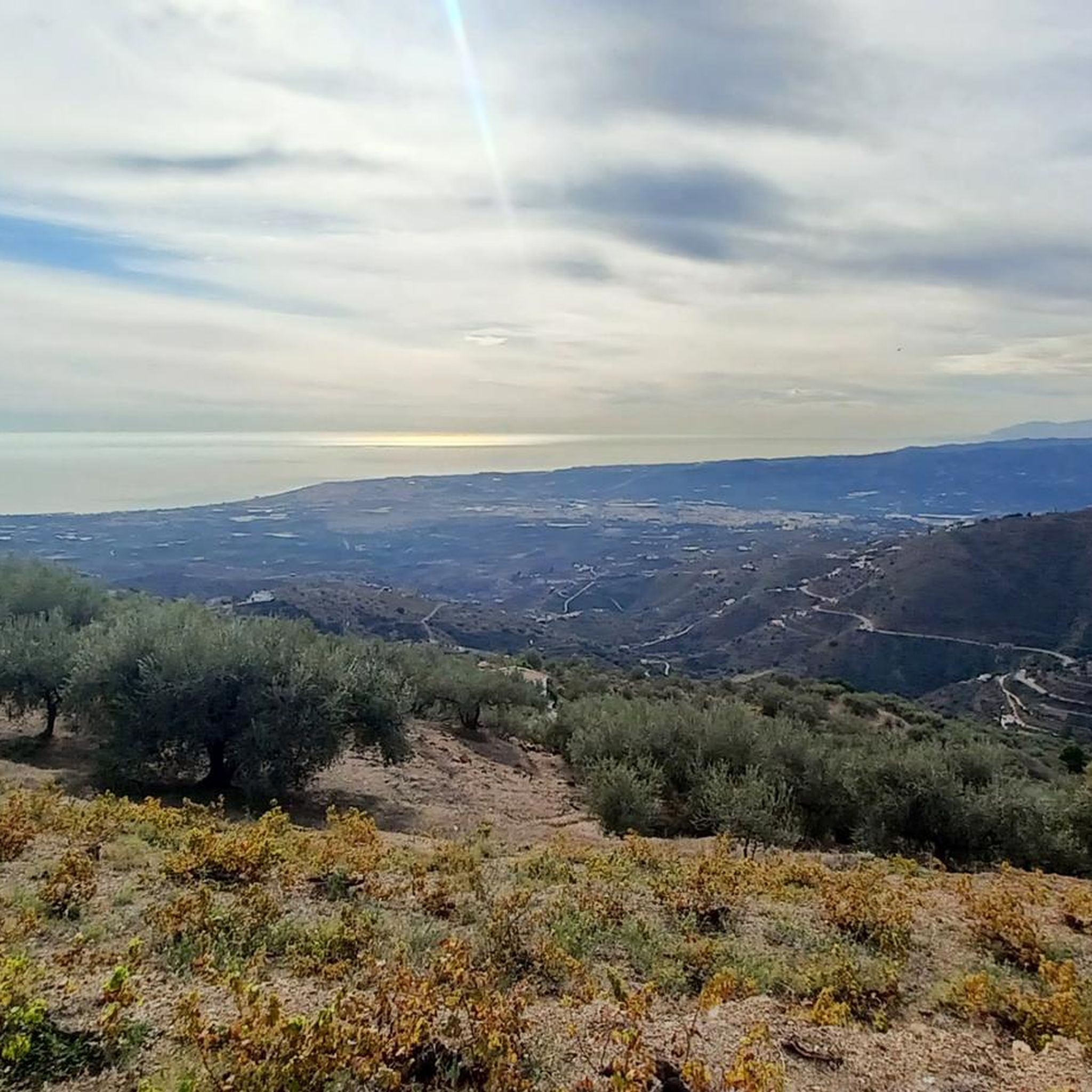
Best natural monuments around Arenas are located in the Axarquía mountains of Andalucía, Spain. This region features diverse landscapes, from lush valleys to rugged peaks within the Sierra de Bentomiz and the Sierras of Tejeda, Almijara and Alhama Natural Park. The area is characterized by abundant streams, oak, and pomegranate trees, alongside terraced almond groves. Notable landmarks and viewpoints offer panoramic vistas across the natural features of the region.
Best natural monuments around Arenas
- The most popular natural monuments is…
Last updated: June 18, 2026
El Saltillo Suspension Bridge
Highlight • Bridge
Translated by Google •
Tip by

La Maroma Summit
Highlight • Summit
Translated by Google •
Tip by

Sign up now to discover places like this
Get recommendations on the best single tracks, peaks, & plenty of other exciting outdoor places.
Sign up for free
Palo Borracho (Ceiba Chodatii) on Paseo de Larios
Highlight • Natural Monument
Translated by Google •
Tip by

El Fuerte Peak
Highlight • Summit
Translated by Google •
Tip by

Translated by Google •
Tip by

Sign up for free to discover even more natural monuments around Arenas.
Sign up for free
Already have an account?
Start today with a free account
Your next adventure awaits.
Login or Signup

Tips from the Community

Descent very steep in several places, with high steps down. Finding the way challenging at a few points, but doable with Komoot. Speed sometimes 2 km/h
0
0

For this section, you'll definitely need to be sure-footed and have a head for heights. Some sections are very narrow, and the drop is quite steep. ;) If that's okay with you, the trail is really cool and a lot of fun!
1
0
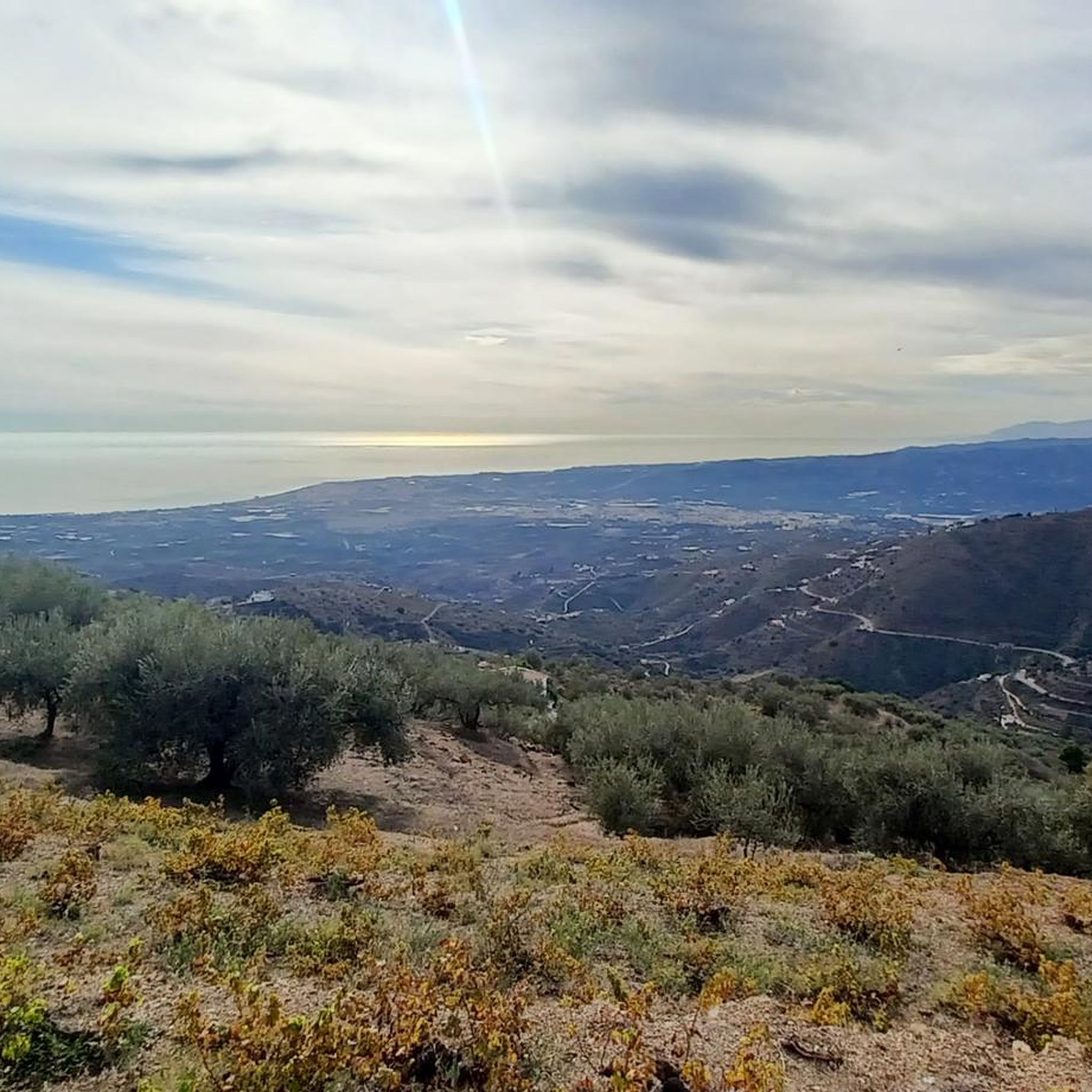
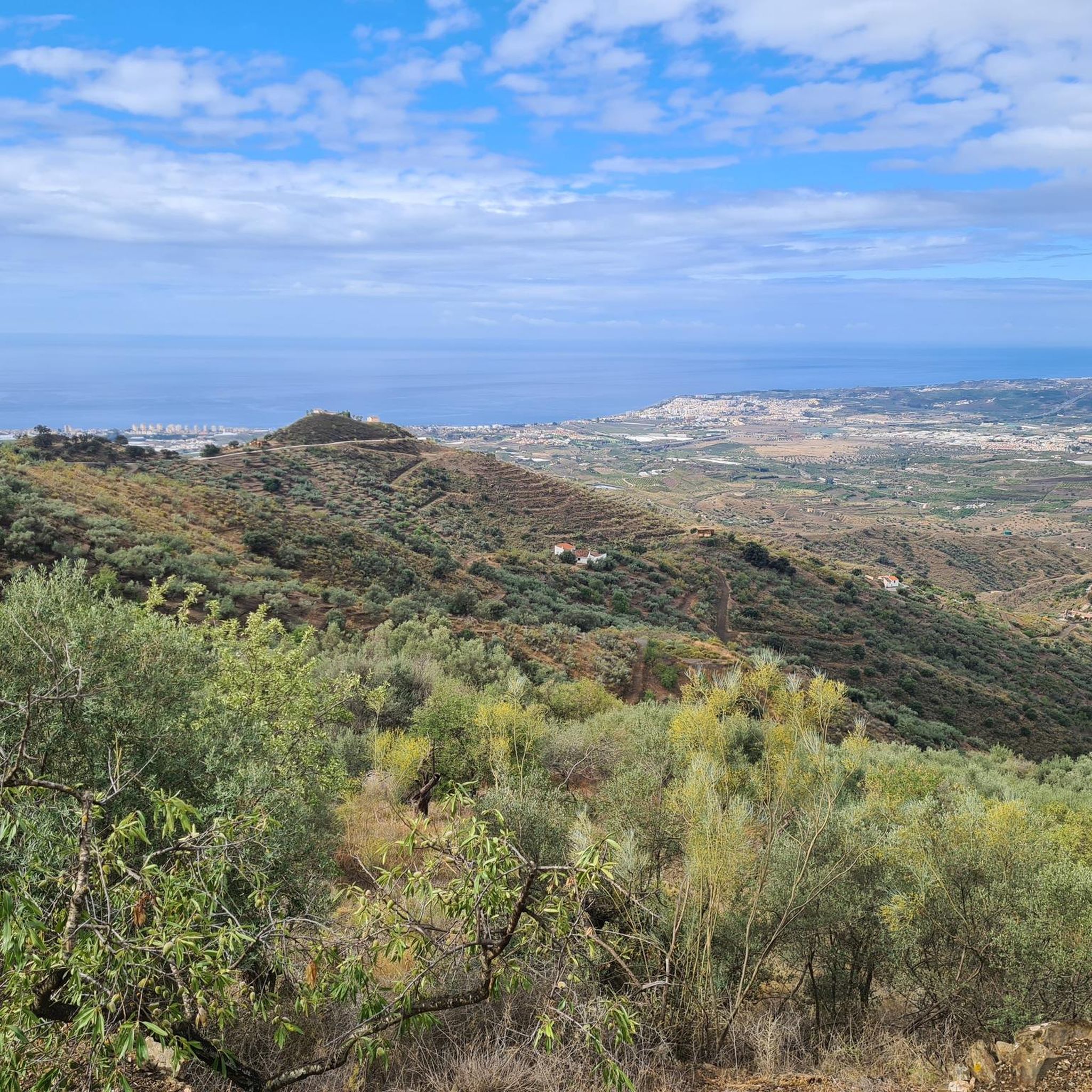
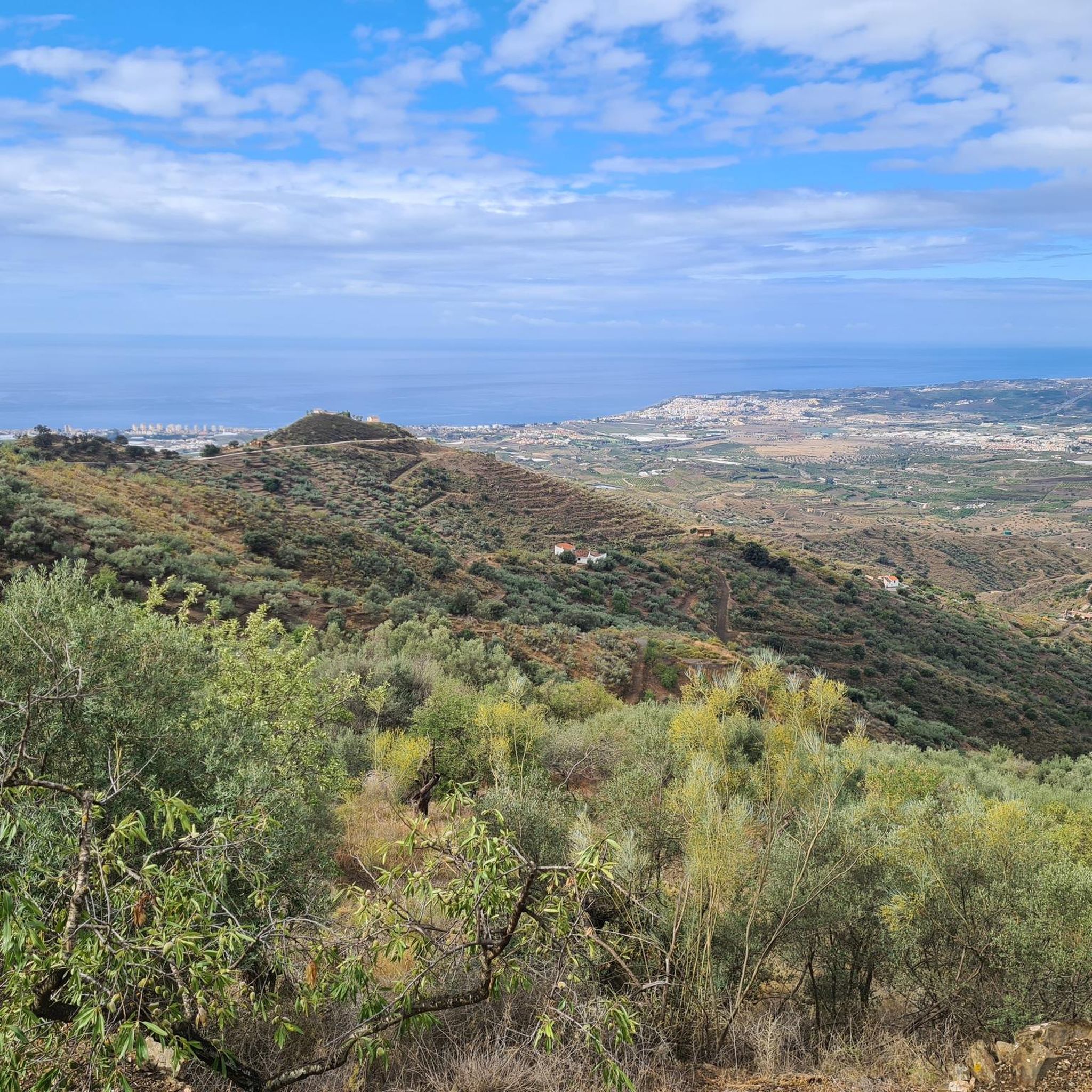
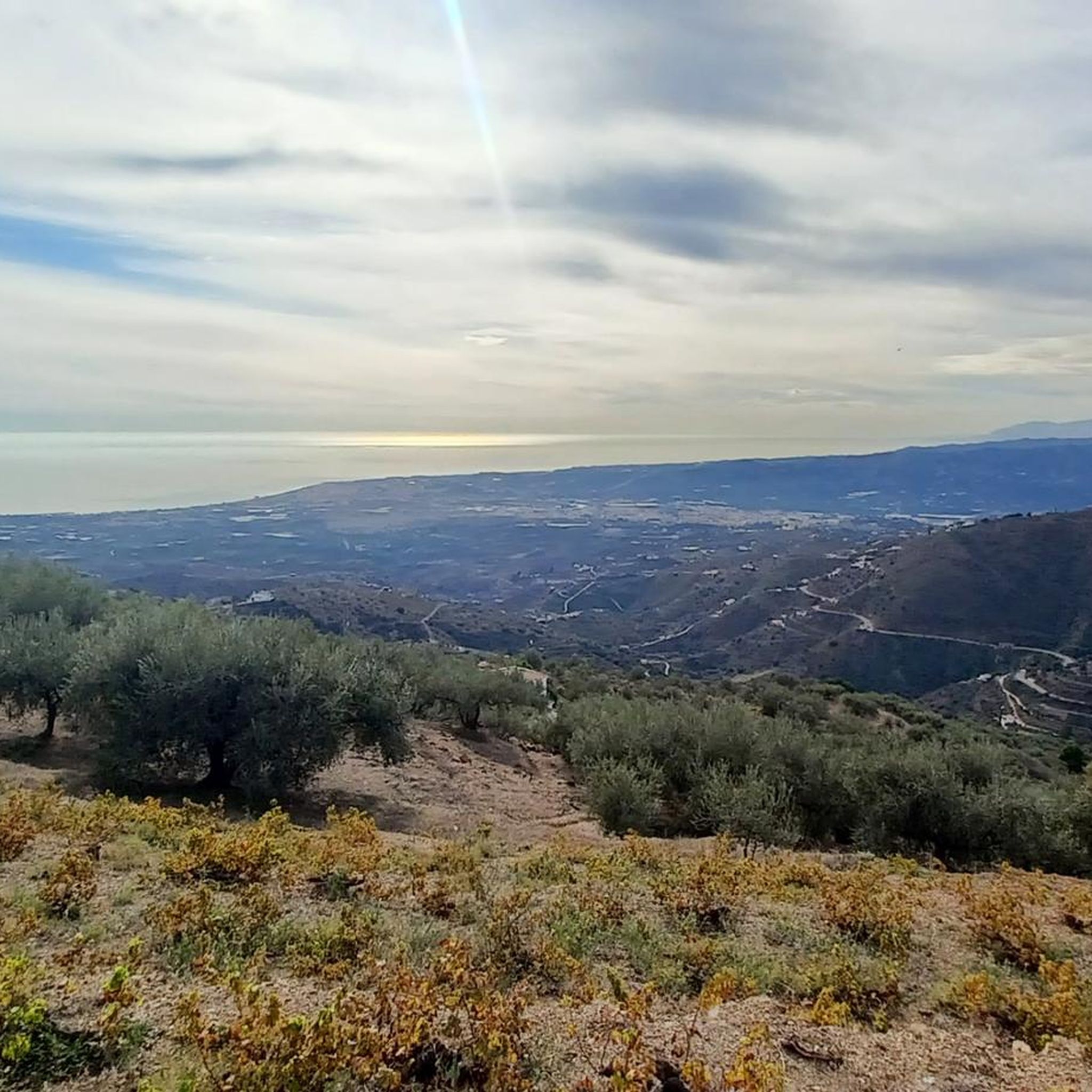
Take plenty of water and good shoes. A great hike, with great views.
0
1

In Torre del Mar, these striking trees grace the Paseo de Larios, one of the city's main promenades. The tree change from the original orange trees and plane trees to the Ceiba chodatii occurred in the 1920s, giving the area a unique tropical feel. Originally native to the tropical and subtropical forests of South America, the Ceiba chodatii is now widespread in many parts of the world, particularly in Mediterranean climates such as the Costa del Sol. The Ceiba chodatii, known in South America as Palo Borracho, is an impressive tree. Its name "Palo Borracho" translates to "Drunk Tree" because of its distinctive bottle-shaped trunk, reminiscent of a drunken man. The tree is characterized by a thick, plump trunk that stores water and is covered in prickly thorns.
3
0
The views are spectacular; the climb is worth it.
0
2

The white-flowered drunken bottle tree (Ceiba chodatii) is a medium-sized deciduous tree native to the tropical and subtropical forests of South America. It is notable for its succulent, swollen trunk covered with spines and its buttress roots. The name palo borracho ("drunken tree"), which is common in Paraguay and Chile, is derived from the distinctive growth form of the trunk. The Argentinian name palo botella ("bottle tree") also refers to the same characteristics. - The genus Ceiba is closely related to the baobabs (genus Adansonia) in Africa and Australia, which also have quite unusual trunk shapes.
3
0

The new suspension bridge is the highlight of this hike. You should not be afraid of heights, but the bridge is very stable and sways very little. But the path there from Canillas de Aceituno is also just beautiful and relatively flat.
4
0

After the suspension bridge, the path goes steeply up through the wall, almost a kind of via ferrata, some of which have chains to hold on to. Surefootedness, strength and fitness are required. Going down is much more difficult than going up. Avoid on weekends because of crowds, even in January. Very nice when there is no crowd there.
1
0
Frequently Asked Questions
What are some unique natural monuments to explore around Arenas?
Arenas offers a variety of unique natural monuments. You can experience the spectacular route of the El Saltillo Suspension Bridge, which traverses a gorge. For a different natural wonder, visit the Palo Borracho (Ceiba Chodatii) on Paseo de Larios, known for its distinctive bottle-shaped trunk and tropical feel. The region also boasts impressive summits like La Maroma Summit and El Fuerte Peak, offering breathtaking panoramic views.
What kind of views can I expect from the natural monuments in Arenas?
The natural monuments around Arenas provide exceptional panoramic views. From El Fuerte Peak, you'll see the surrounding mountains, while La Maroma Summit, the highest point in the Tejeda mountain range, offers a 360° vista that can include the Alboran Sea on clear days. The El Saltillo Suspension Bridge also provides spectacular views as you traverse the gorge.
Are there any natural monuments suitable for those seeking a challenging outdoor experience?
Yes, several natural monuments around Arenas offer challenging experiences. The ascent to La Maroma Summit is considered challenging, requiring planning for temperature changes and bringing sufficient food and water. Similarly, reaching El Fuerte Peak requires solid shoes and long pants. For an even more intense experience, the Via Ferrata After the Suspension Bridge demands surefootedness, strength, and a head for heights, with steep sections and chains to assist.
What are the best times to visit the natural monuments in Arenas?
To fully enjoy the natural monuments, consider visiting during the almond blossom season in January and February for a beautiful spectacle. For hiking and climbing, avoiding weekends is recommended, especially for popular spots like the El Saltillo Suspension Bridge and the Via Ferrata, to avoid crowds. Clear days are ideal for panoramic views from summits like La Maroma.
Are there any natural monuments around Arenas that are wheelchair accessible?
Yes, the Palo Borracho (Ceiba Chodatii) on Paseo de Larios is noted as wheelchair accessible. This unique tree, with its distinctive trunk, offers a pleasant natural sight along one of Torre del Mar's main promenades.
What outdoor activities can I do near the natural monuments around Arenas?
The region around Arenas is excellent for various outdoor activities. You can find numerous routes for road cycling, gravel biking, and running. For example, explore the Road Cycling Routes around Arenas, tackle the Gravel biking around Arenas trails, or enjoy the Running Trails around Arenas. These guides offer diverse options from moderate to difficult, allowing you to explore the natural beauty of the Axarquía mountains.
What should I know before hiking to the El Saltillo Suspension Bridge?
Before heading to the El Saltillo Suspension Bridge, it's crucial to load the hike offline as there is no cell phone reception in the area. The route is spectacular, but it can get very crowded on weekends, so consider visiting during the week for a more serene experience. If you plan to continue past the bridge, be aware of the challenging Via Ferrata section that requires surefootedness.
Are there any historical elements combined with the natural beauty in the Arenas region?
Yes, the region beautifully blends natural scenery with historical interest. The Sierra de Bentomiz, a prominent mountain range near Arenas, not only offers diverse landscapes and hiking opportunities but also features the remains of the ancient Bentomiz Castle atop its peak, providing a glimpse into the area's past alongside its natural allure.
What are the main natural features of the Axarquía mountains around Arenas?
The Axarquía mountains around Arenas are characterized by diverse natural features. You'll find lush green valleys, rugged peaks within the Sierra de Bentomiz, and the broader Sierras of Tejeda, Almijara and Alhama Natural Park. The area is rich in water from its streams, supporting abundant vegetation including oak and pomegranate trees. Additionally, the terraced cultivation of almond trees, especially beautiful during blossom season, contributes to the unique landscape.
What do visitors enjoy most about the natural monuments around Arenas?
Visitors particularly enjoy the exceptional panoramic views from summits like El Fuerte Peak and La Maroma Summit. The spectacular route of the El Saltillo Suspension Bridge is also a highlight. Many appreciate the challenging climbs and the diverse natural landscapes, from gorges to mountain ranges, that offer a rewarding outdoor experience. The unique Palo Borracho tree also captures attention for its distinctive appearance.
What should I bring for hiking in the natural monuments around Arenas?
When hiking in the natural monuments around Arenas, especially for challenging routes like La Maroma Summit or El Fuerte Peak, it's recommended to bring solid shoes and long pants to protect against gorse. Planning for temperature changes, especially at higher altitudes, is important, so bring appropriate layers. Always carry sufficient food and water, and for areas with no cell reception like near the El Saltillo Suspension Bridge, ensure your route is loaded offline.
Most popular attractions around Arenas

Get inspired with the komoot mobile app


Explore more
Extend your search for the best caves by checking out these guides of the top ones around Arenas:
