Top 11 Natural Monuments around Esponellà
Natural monuments around Esponellà are concentrated in the Pla de l'Estany region of Catalonia, offering diverse natural features. The area is defined by its proximity to the Fluvià River and unique hydrological characteristics. Visitors can explore a range of natural sites, from extensive lakes to seasonal ponds and geological formations. These locations provide opportunities for experiencing local ecosystems and varied landscapes.
Best natural monuments around Esponellà
- The most popular natural monuments is Lake Banyoles, a lake that is the largest non-coastal pond in Catalonia, fed by natural springs. It features a bike lane that allows for cycling around the lake and is recognized as a sports tourism destination.
- Another must-see spot is Camp de Baix Spring, a natural monument located close to the lake. Its simple fountain and surrounding vegetation create a notable setting, with its humidity varying by season.
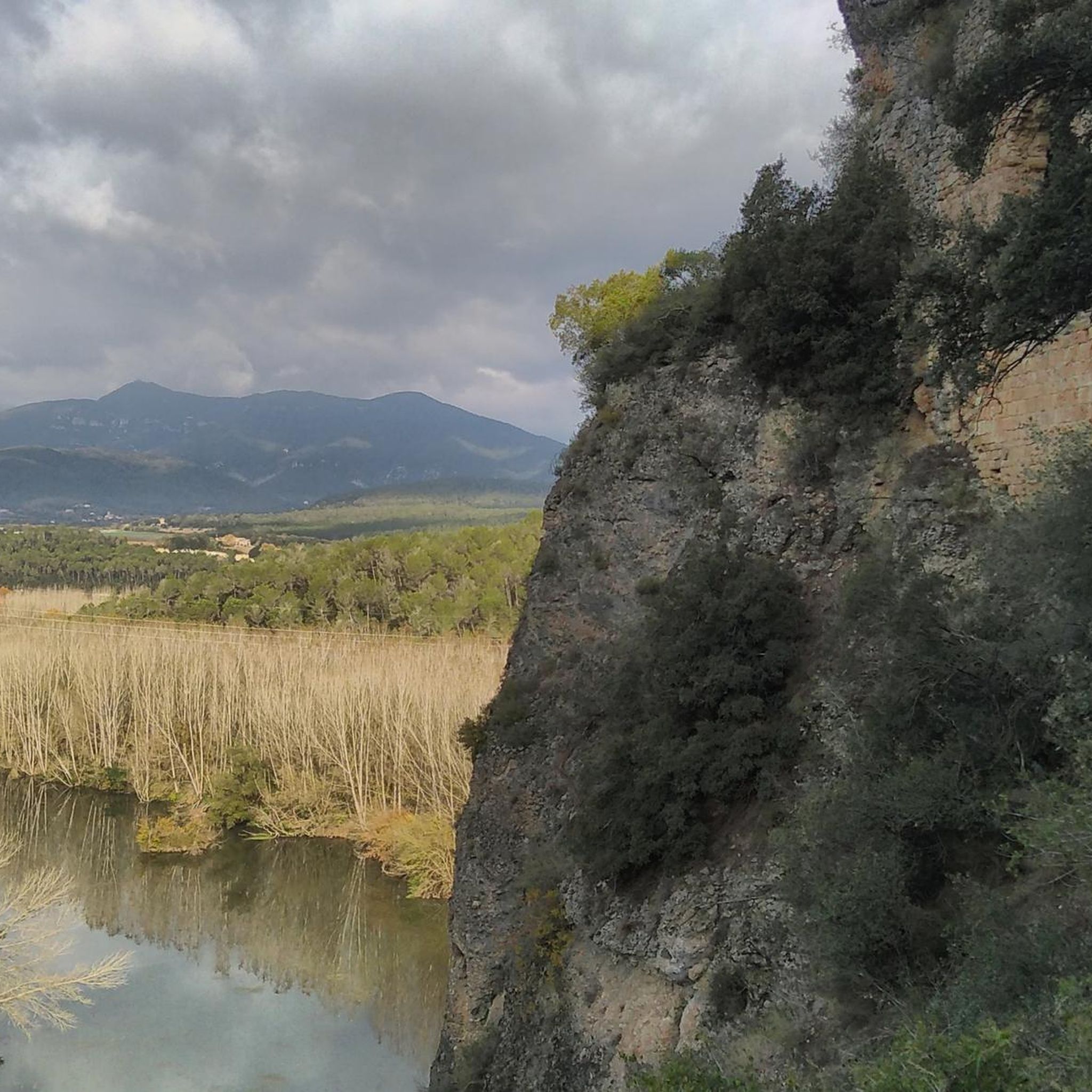
- Visitors also love Rocapastora Cliff, a challenging climb and natural monument. The itinerary passes under the cliffs, with some sections equipped with ropes, leading towards the Virgen del Mont.
- Esponellà is known for its lakes, springs, and unique geological formations like travertine cracks. The region offers a variety of natural monuments to see and explore, from extensive water bodies to forested areas and cliffs.
- The natural monuments around Esponellà are appreciated by the komoot community, with over 400 upvotes and more than 100 photos shared by visitors.
Last updated: June 18, 2026
Lake Banyoles
Highlight • Lake
Translated by Google •
Tip by

Rector's Spring
Highlight • Natural Monument
Translated by Google •
Tip by

Sign up now to discover places like this
Get recommendations on the best single tracks, peaks, & plenty of other exciting outdoor places.
Sign up for free
Travertine Formations at Les Estunes
Highlight • Natural Monument
The goges, alogas or women of water, according to the legends, had it as their favorite place and would revel there or row there all night.
They say that on calm nights someone can still hear their songs and, from afar, you can see the glow of their parties.
porqueres.cat/arees/turisme/les-estunes
Translated by Google •
Tip by

Rocapastora Cliff
Highlight • Climb
Translated by Google •
Tip by

Camp de Baix Spring
Highlight • Natural Monument
Translated by Google •
Tip by
Sign up for free to discover even more natural monuments around Esponellà.
Sign up for free
Already have an account?
Start today with a free account
Your next adventure awaits.
Login or Signup

Tips from the Community


Lots of cafes to choose from but I recommend Aquarium!
3
0

Best place to be. Wonderful mute in teh hole village
1
1

Lake Banyoles is the largest non-coastal pond, and whose water springs naturally, in Catalonia. The lake is a classic cycling destination in Girona, since one of the province's greenways reaches the town of Banyoles, and it also has a bike lane that allows you to go around the lake.
5
0

It will depend a lot on the time of year, whether you have water or not. Also, you may find that the pond rises in level flooding the fountain space or well, there is a lot of mud, so you is difficult to access. The Fountain set is very simple, the water exits through a metal tube located in the middle of the wall and above it there is a closed cistern ventilation window through a fence. It's a very beautiful place because of the vegetation in the area, as the Fountain is located so close to the lake, it gets very humid in certain seasons of the year.
0
1
Around the Font is one of the few protected plants in the natural area of the Lake. It is a small fern (Thelypteris palustris) that grows next to the pond in this area. To avoid damaging the fern, the space has been adapted so that people do not step on or access the edges of the Pond around the Fountain. It is recommended not to leave the marked areas. Iberian remains have also been found that would indicate human presence in this area between the 5th and 2nd centuries BC
0
1
We must warn you that during the summer or when the corn fields are irrigated, the surface aquifer dries up and the source dries up, so we will not always be able to enjoy the freshness of this water. As it is not chlorinated, it is considered unsuitable for human consumption. The Source is located in the Coromina area until a few years ago used as a recreation and picnic area. Currently, a leafy riparian forest has been recovered and the Fountain has been included in a beautiful setting.
0
1
Frequently Asked Questions
What unique natural features can I explore around Esponellà?
The region around Esponellà is rich in diverse natural features. You can discover the extensive Lake Banyoles, which is Catalonia's largest non-coastal pond. There are also unique geological formations like the travertine cracks and crevices at Travertine Formations at Les Estunes, and the seasonal Espolla Pond, known for its unique aquatic life like triops after rainfall. The Fluvià River also defines much of the area's natural landscape.
Are there family-friendly natural monuments in the area?
Yes, several natural monuments are suitable for families. Lake Banyoles is a great option, offering a bike lane around the lake and opportunities for water sports. The Rector's Spring, located near the church of Santa Maria de Porqueres, is also considered family-friendly and is part of a beautiful riparian forest.
What kind of outdoor activities can I do near these natural monuments?
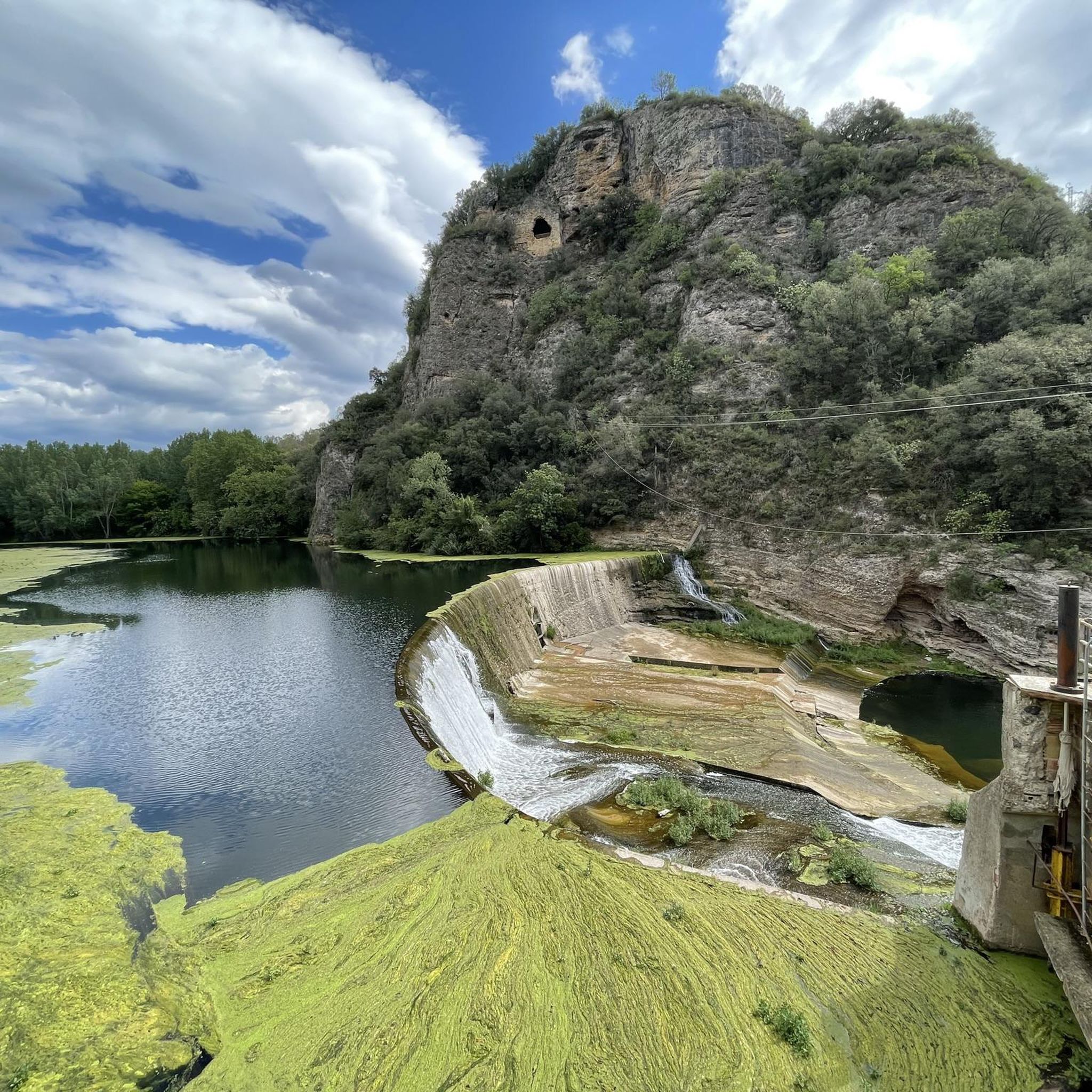
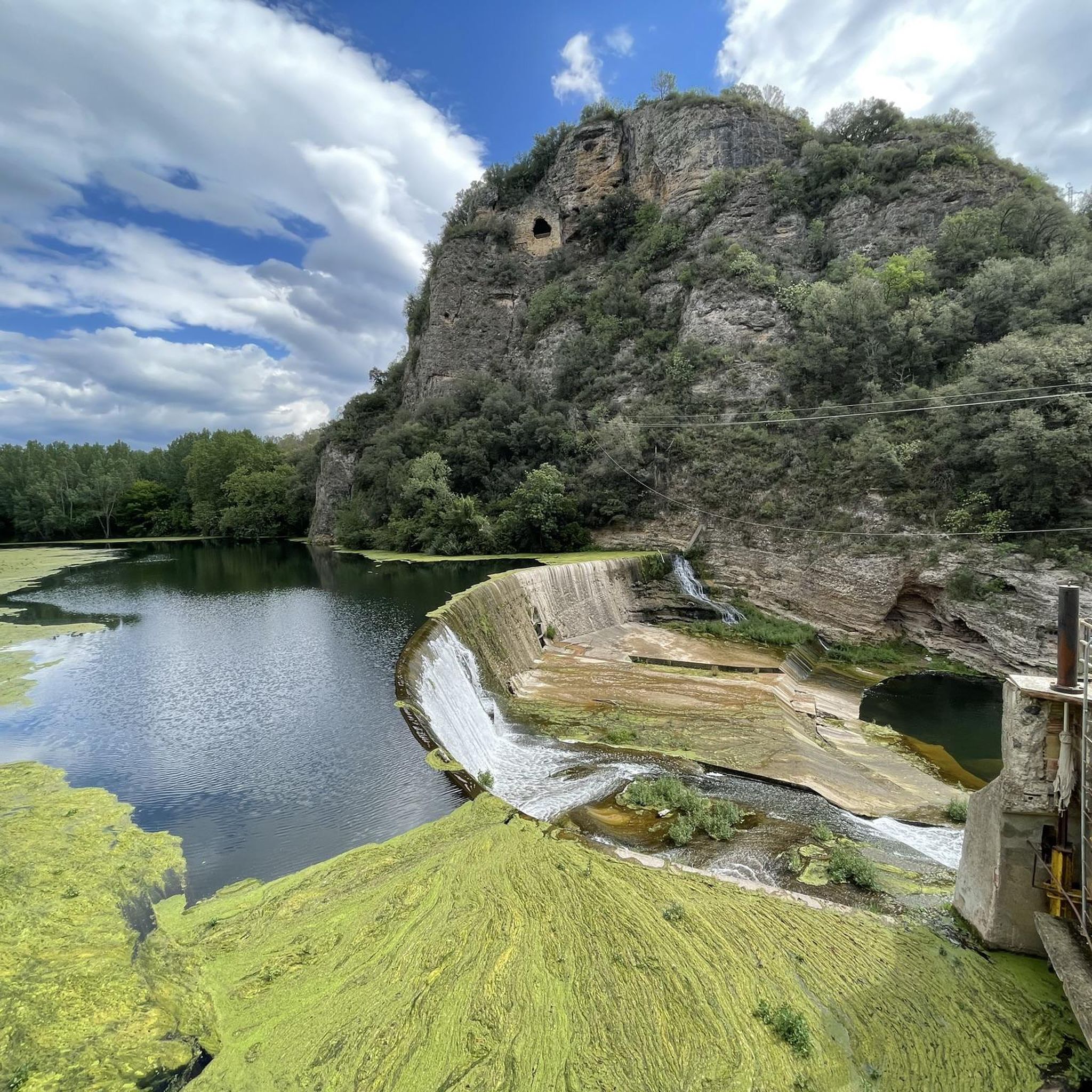
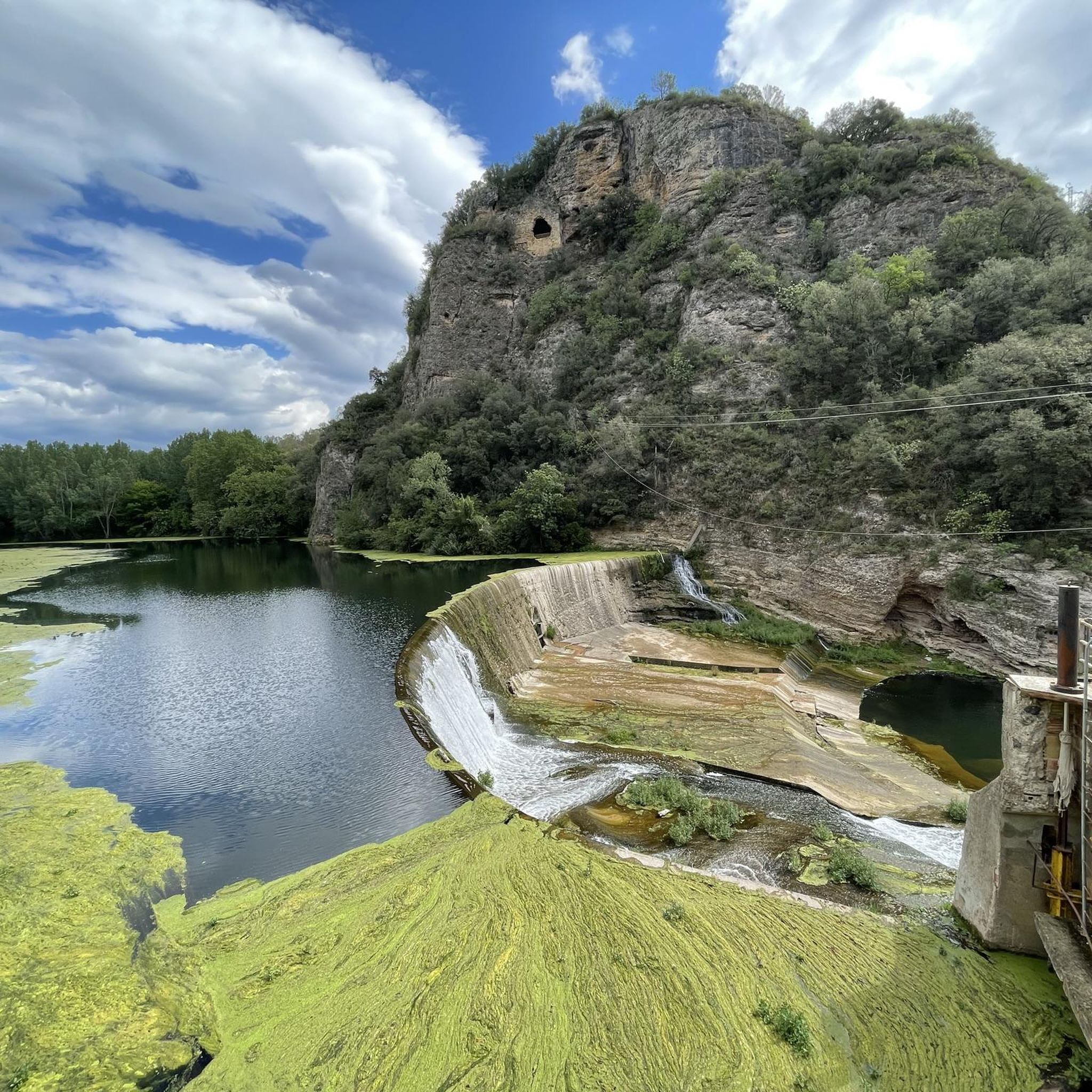
The area offers a variety of outdoor activities. You can enjoy cycling around Lake Banyoles, which is a popular destination for sports tourism. Hiking is also very popular, with trails like the 'Pla de Martís – Estany d'Espolla loop' or the 'Fluvià River Dam – Río Fluvià loop' offering chances to explore the local ecosystem. For more challenging adventures, the Rocapastora Cliff offers a demanding climb. You can find more routes in the Hiking around Esponellà guide or the Gravel biking around Esponellà guide.
When is the best time to visit the natural areas around Esponellà?
The best time to visit depends on your interests. For experiencing the Espolla Waterfall and Pond at their fullest, after periods of significant rain is ideal, as the waterfalls flow abundantly and the pond fills, revealing unique aquatic life. Generally, spring and autumn offer pleasant temperatures for hiking and cycling. Summer can be warm, but activities around Lake Banyoles, including swimming, are popular then.
Are there any natural monuments that offer panoramic views?
Yes, for breathtaking scenic views, the Mare de Déu del Mont Summit, located near Esponellà, is highly recommended. While the ascent is challenging, it rewards hikers and cyclists with panoramic vistas of the surrounding landscape. Additionally, the Rocapastora Cliff also offers viewpoints along its challenging itinerary.
Can I bring my dog to the natural monuments and trails?
Many natural areas and trails around Esponellà are dog-friendly, allowing you to enjoy the outdoors with your canine companion. However, it's always advisable to keep dogs on a leash, especially in protected areas or near wildlife, and to clean up after them. Specific policies may vary, so check local signage.
What should I know about the terrain for hiking trails?
The terrain varies significantly. Trails around Lake Banyoles are generally flat and well-maintained, suitable for easy walks or cycling. The 'Pla de Martís – Estany d'Espolla loop' is also considered easy. However, routes like the 'Fluvià River Dam – Río Fluvià loop' are moderate, and the path under Rocapastora Cliff involves sections equipped with ropes and can be challenging, especially if wet or muddy. Always wear appropriate footwear for the chosen trail.
Are there less crowded natural spots to visit?
While Lake Banyoles can be popular, especially on weekends, areas like the Espolla Waterfall and Pond, particularly outside peak waterfall flow times, or the trails along the Fluvià River, can offer a more tranquil experience. The Travertine Formations at Les Estunes are also known for their quiet, peaceful atmosphere.
What kind of wildlife can I expect to see?
The natural areas around Esponellà are home to diverse wildlife. At Espolla Pond, you might spot unique aquatic life such as triops (locally known as 'tortuguetes') when the pond is full. The riparian forests along the Fluvià River and around Lake Banyoles are excellent for birdwatching. The Rector's Spring area is also noted for a rare fern (Thelypteris palustris) and bacterial phenomena linked to the iron cycle.
How long should I plan to spend visiting these natural monuments?
The time needed varies. A full circuit around Lake Banyoles by bike or foot can take a few hours. Shorter visits to spots like Rector's Spring or Travertine Formations at Les Estunes might be an hour or two. For more extensive hikes or climbs, such as to the Mare de Déu del Mont Summit or the Rocapastora Cliff, plan for half a day or more.
Are there public transport options to reach the natural monuments?
While Esponellà itself is a smaller town, public transport options to larger hubs like Banyoles, which is home to Lake Banyoles, are available. From Banyoles, some natural sites might be accessible by local bus services or require a short taxi ride or a longer walk. For more remote natural monuments, a personal vehicle is often the most convenient option.
Do I need any permits to hike in the natural areas around Esponellà?
Generally, no specific permits are required for hiking on established trails in the natural areas around Esponellà. However, some areas, like the Espolla Pond, are included in the Government of Catalonia's Plan for Natural Spaces (PEIN), which means they are protected. Always respect local regulations, stay on marked paths, and avoid disturbing the environment.
Most popular routes around Esponellà
Most popular attractions around Esponellà

Get inspired with the komoot mobile app


Explore more
Extend your search for the best caves by checking out these guides of the top ones around Esponellà:
