Top 12 Natural Monuments around Fonollosa
Best natural monuments around Fonollosa include a variety of natural features in the Bages region of Catalonia. This area is characterized by its rural tradition and offers opportunities to connect with nature. The landscape features elevated points, ancient trees, and water bodies. Visitors can explore diverse natural attractions that showcase the region's natural heritage.
Best natural monuments around Fonollosa
- The most popular natural monuments is Parque de l'Agulla, a lake that is a natural space located on the outskirts…
Last updated: July 1, 2026
Collbaix Summit
Highlight • Summit
Translated by Google •
Tip by

Cogulló of Can Torra
Highlight • Summit
Translated by Google •
Tip by

Sign up now to discover places like this
Get recommendations on the best single tracks, peaks, & plenty of other exciting outdoor places.
Sign up for free
Parque de l'Agulla
Highlight • Lake
Translated by Google •
Tip by

Bigaire Gorge
Highlight • Gorge
Translated by Google •
Tip by

Alzina Grossa de Querol
Highlight • Natural Monument
Majestic specimen of about 15m in height and with an imposing trunk of more than 4m in diameter, probably one of the largest in Catalonia.
It has a picnic area.
Translated by Google •
Tip by

Sign up for free to discover even more natural monuments around Fonollosa.
Sign up for free
Already have an account?
Start today with a free account
Your next adventure awaits.
Login or Signup
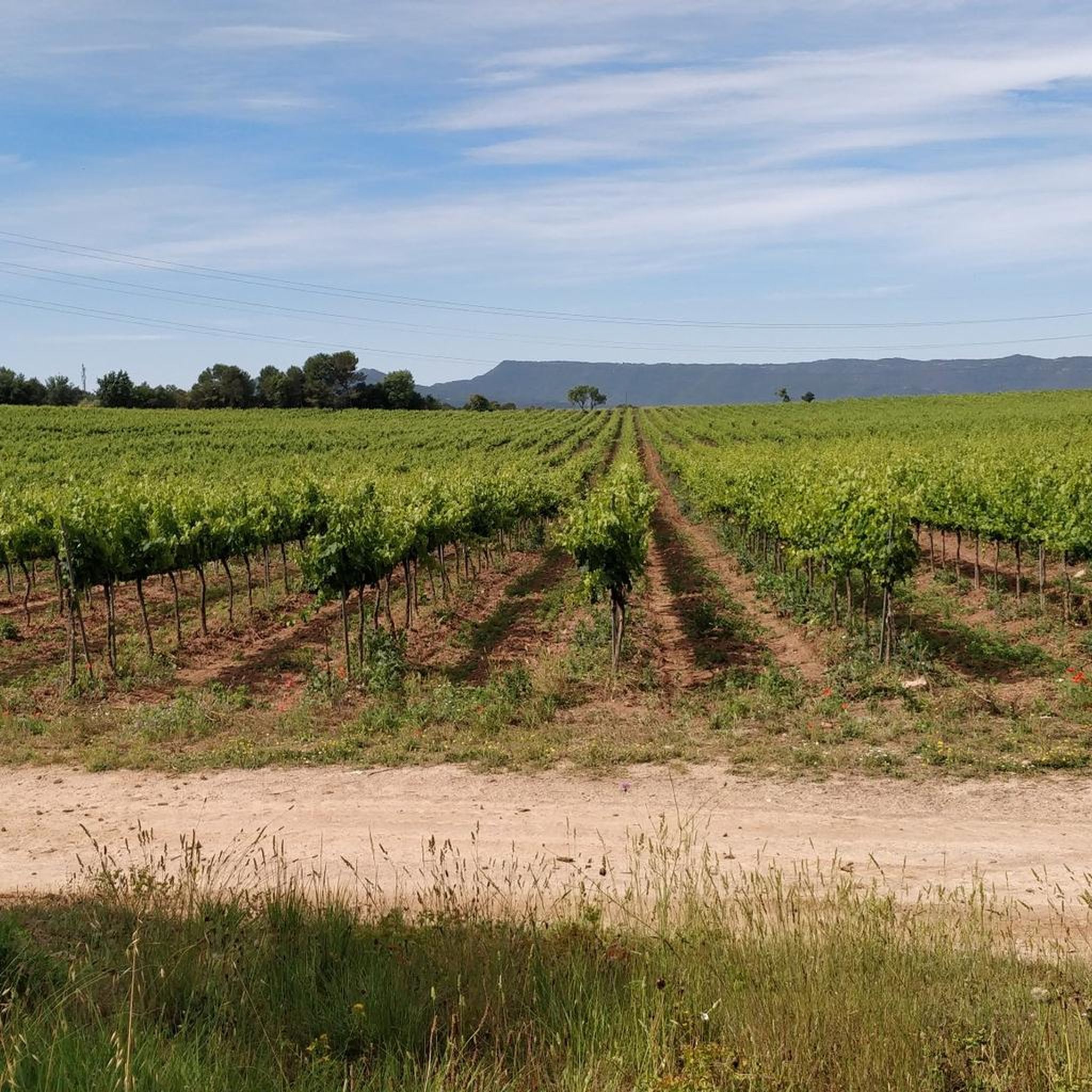
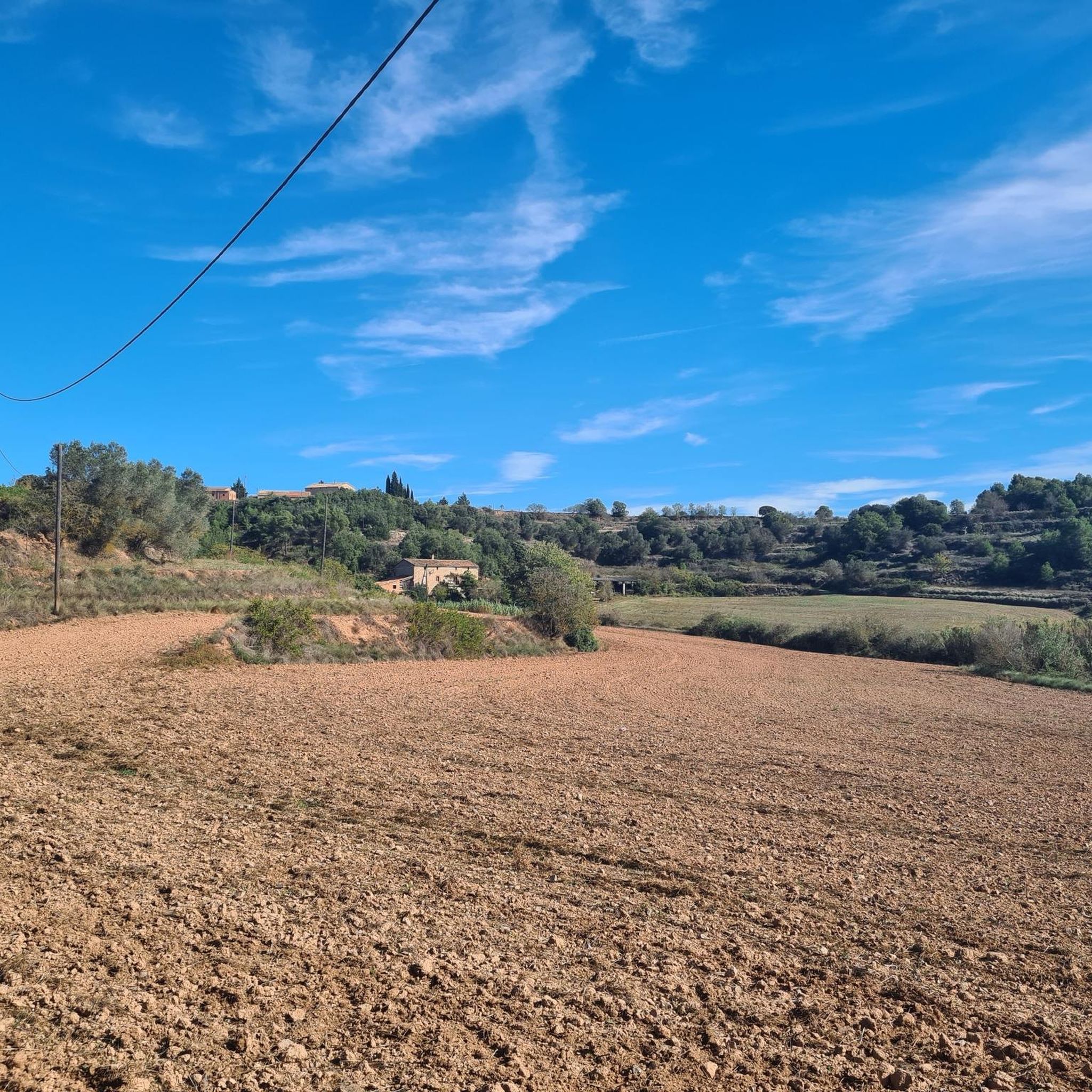
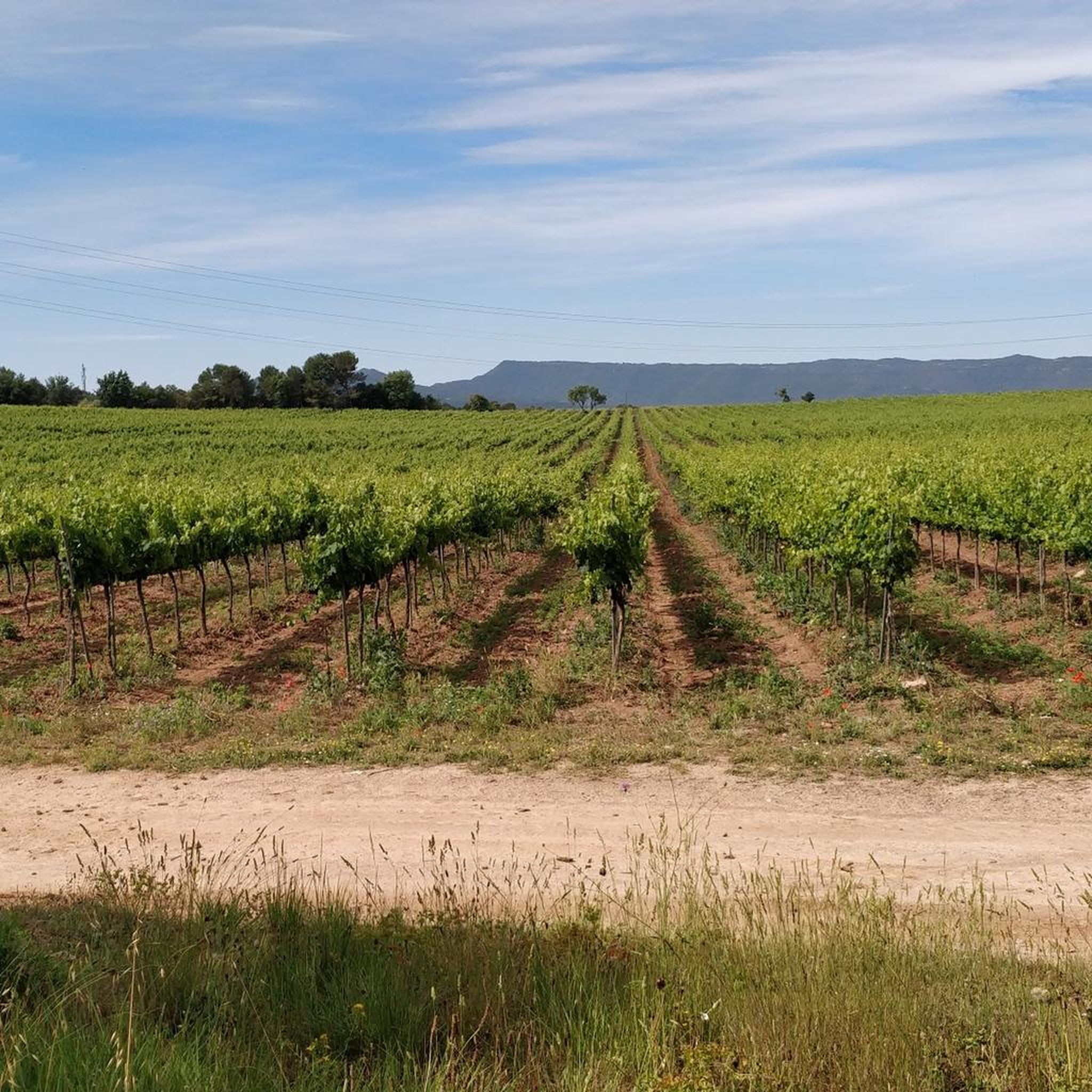
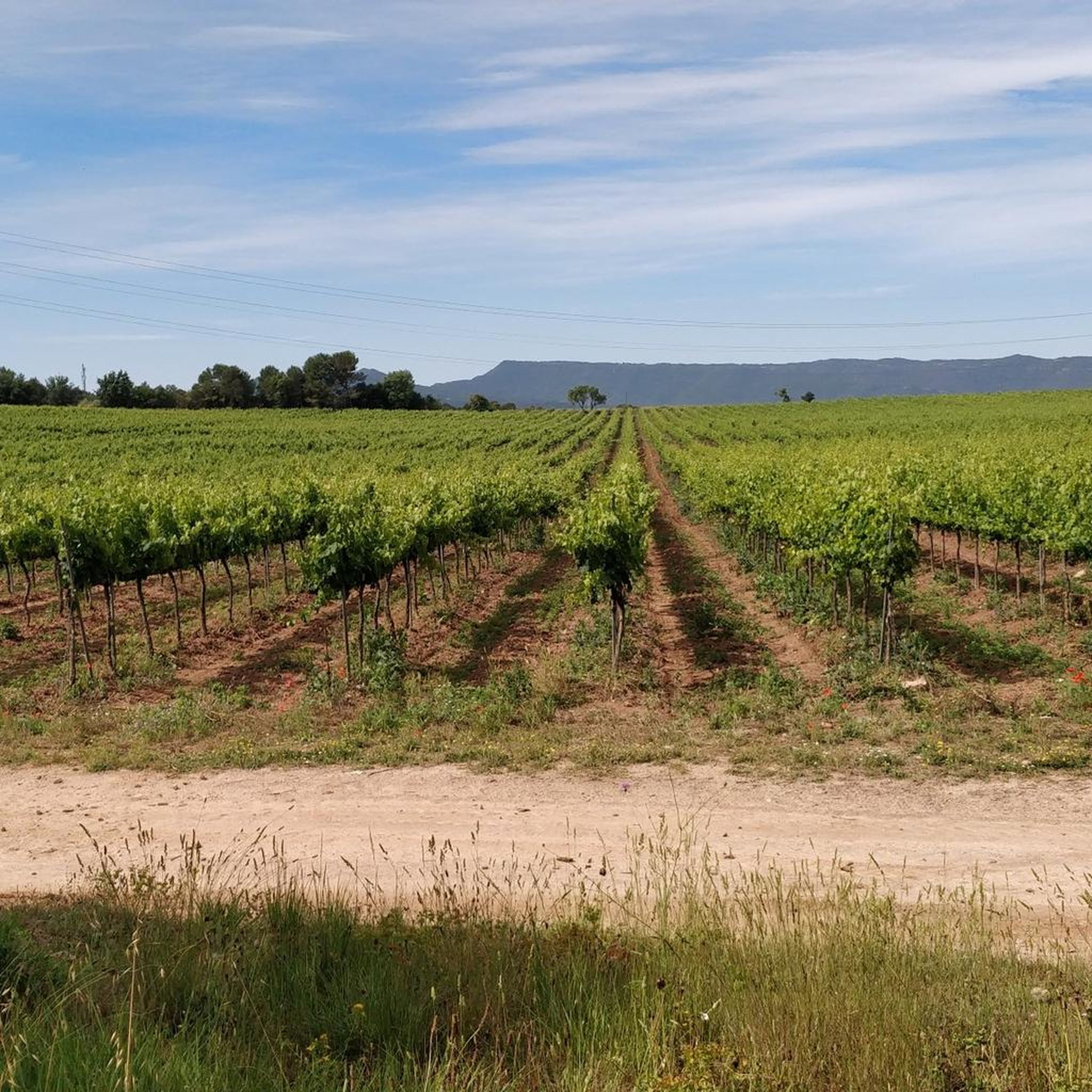
Tips from the Community

Historic center of Catalonia, more beautiful than the official one.
0
0

Space to relax and look towards Montserrat
0
0

Collbaix is a 543 meter peak, located in Sant Joan de Vilatorrada. It is the highest in the district of Manresa, to the west of Pla de Bages, which has an excellent observation point. It is listed as a large park by the Planning Plan of Manresa. The mountain is located between the streams of Rajadell and Fonollosa. The south side belongs to Manresa, the east to Sant Joan de Vilatorrada, where the town's expansion area is located. Rajadell has the area of Punta Sabata and Fonollosa with most of the summit, the west and the obac slope. Collbaix originated from the erosion of the surrounding land. A resistant layer of conglomerates protects the flat top from erosion, forming a plateau. The summit is made up of large blocks of stone separated from each other. At the top we can find a geodesic vertex (reference 280109001) A metal table with an engraved map of the region. This peak is included in the list of the 100 peaks of the FEEC.
1
0
peak of Cogulló de Cal Torre, a mountain included in the list of the 100 Peaks of the FEEC and bordering the municipalities of Rajadell and Castellfollit del Foix. At its summit, the ridges of the Serra del Colomer (which we climbed), the Serra de Cal Torre (parallel to the first and also called the Palomes on some maps), and the ridge of La Serra converge , through which we will continue the path. From the top we have magnificent views of Montserrat, Sant Llorenç, Montseny and part of Central Catalonia. But on clear days we can also see the Pyrenees, such as Pedraforca, Gallina Pelada or Cadí. At the top we will find a wooden fire watch house as well as a geodesic vertex (reference 277112001). This peak is one of the disputed points for the centrality of Catalonia, for which, every September 11, a very crowded gathering is held there. Unfortunately, the summit is accessible to motor vehicles, motorbikes but also all-terrain vehicles, which damages the balance of the environment.
0
0

At this point in its course, the river Llobregat crosses the large cracks that it has opened in the strata of nodular limestone, so that when the course of the river is low, it can be crossed by jumping from rock to rock. The name comes from the fact that a "bigaire" (a rafter, who transported logs of wood joined together to form a boat) died at this point.
1
0

There are no more picnic tables
0
0

This park is a large reservoir with a nice trail around it for walking and biking. There is parking and a picnic area. It is a good place to relax or start or end an adventure.
2
0
This oak is large and spectacular. It is officially protected. It has some picnic tables around it and is the perfect place for a good rest.
0
1
Frequently Asked Questions
What are the most popular natural monuments to visit around Fonollosa?
Among the most popular natural monuments, visitors frequently enjoy Parque de l'Agulla, a lake with a trail for walking and biking offering views towards Montserrat. The Collbaix Summit is also highly regarded for its excellent observation point over the Pla de Bages, being the highest peak in the Manresa district. Another favorite is the Cogulló of Can Torra, which provides magnificent panoramic views of Montserrat, Sant Llorenç, and even the Pyrenees on clear days.
Are there family-friendly natural monuments around Fonollosa?
Yes, several natural monuments are suitable for families. Parque de l'Agulla is an excellent choice, featuring a large reservoir with a trail perfect for walking and biking, along with parking and a picnic area. The Alzina Grossa de Querol, a majestic and officially protected holm oak, also has picnic tables and is a great spot for a family rest.
What kind of natural features can I expect to see in the Fonollosa area?
The Fonollosa area offers a diverse range of natural features. You can explore prominent summits like Collbaix Summit and Cogulló of Can Torra, which provide expansive panoramic views. There's also the serene Parque de l'Agulla with its large lake, and the unique Bigaire Gorge where the Llobregat river carves through limestone. Additionally, you can admire monumental trees such as the ancient Alzina Grossa de Querol.
What outdoor activities can I do near the natural monuments in Fonollosa?
The natural monuments around Fonollosa are excellent starting points for various outdoor activities. You can enjoy hiking on trails like the 'Collbaix Summit loop' or explore the area by gravel biking, with routes such as the 'Riera de Mura – Parque de l'Agulla loop'. For mountain biking enthusiasts, there are trails like the 'Sant Mateu de Bages Romanesque Route'. You can find more details on these activities in the Hiking around Fonollosa, Gravel biking around Fonollosa, and MTB Trails around Fonollosa guides.
Are there any historical or cultural sites related to the natural landscape in Fonollosa?
While primarily focused on natural beauty, the region does offer glimpses into historical practices. For instance, the Cogulló of Can Torra summit is a historically significant point, often considered a central location in Catalonia, where a gathering is held every September 11th. Additionally, the nearby Glaç del Rector Well, an old ice well, showcases how natural resources were historically utilized by the community.
What are the best viewpoints for panoramic scenery in the Fonollosa area?
For breathtaking panoramic views, the summits are your best bet. The Collbaix Summit offers an excellent observation point over the Pla de Bages. Even more expansive views can be found at the Cogulló of Can Torra, where you can see Montserrat, Sant Llorenç, Montseny, and on clear days, even the Pyrenees.
What is the difficulty level of trails near these natural monuments?
Many trails around the natural monuments in Fonollosa are rated as moderate. For example, routes around Collbaix Summit, such as the 'Collbaix Summit loop from Collbaix', are typically moderate. The summits themselves, like Collbaix and Cogulló of Can Torra, are categorized as intermediate. There are also some more challenging gravel biking and MTB routes available for experienced adventurers.
Are there any unique geological formations to observe?
Yes, the region features interesting geological formations. The Collbaix Summit itself is a result of erosion, with a resistant layer of conglomerates protecting its distinctive flat top, featuring large, separated blocks of stone. The Bigaire Gorge is another example, where the Llobregat river has carved large cracks through layers of nodular limestone.
What do visitors appreciate most about the natural monuments in Fonollosa?
Visitors particularly appreciate the diverse natural beauty and the opportunities for outdoor recreation. The expansive views from summits like Collbaix Summit and Cogulló of Can Torra are highly valued. The tranquility and facilities at places like Parque de l'Agulla, with its walking and biking trails, also receive positive feedback. The majestic presence of ancient trees like the Alzina Grossa de Querol is also a highlight for many.
Is it possible to find circular walking routes around the natural monuments?
Yes, there are several circular walking routes available that incorporate the natural monuments. For instance, you can find various 'Collbaix Summit loop' routes of differing lengths, starting from locations like Collbaix or Sant Joan de Vilatorrada, which allow you to experience the summit and its surroundings. These routes are detailed in the Hiking around Fonollosa guide.
Are there any natural monuments that are particularly suitable for a relaxing visit?
For a more relaxed experience, Parque de l'Agulla is ideal. It offers a peaceful setting around a large reservoir with a gentle trail for walking or biking, and includes picnic areas. The Alzina Grossa de Querol also provides a serene spot for rest under a magnificent, ancient tree, complete with picnic tables.
What is the best time of year to visit the natural monuments in Fonollosa?
The Fonollosa area, being in Catalonia, generally offers pleasant conditions for visiting natural monuments during spring and autumn. These seasons typically provide milder temperatures, making hiking and exploring the summits and trails more comfortable. Summer can be warm, especially at midday, while winter might bring cooler temperatures, though snow is less common in the lower elevations.
Most popular routes around Fonollosa
Most popular attractions around Fonollosa

Get inspired with the komoot mobile app


Explore more
Extend your search for the best caves by checking out these guides of the top ones around Fonollosa:
