Top 12 Mountain Passes around Pardines
Best mountain passes around Pardines are found in the Ripollès comarca of the Girona province in Catalonia, Spain, situated within the Pyrenees mountain range. This region is characterized by its mountainous terrain and offers a natural environment for outdoor activities. The area provides access to various high-altitude routes and summits, making it suitable for those seeking challenging hikes and scenic views.
Best mountain passes around Pardines
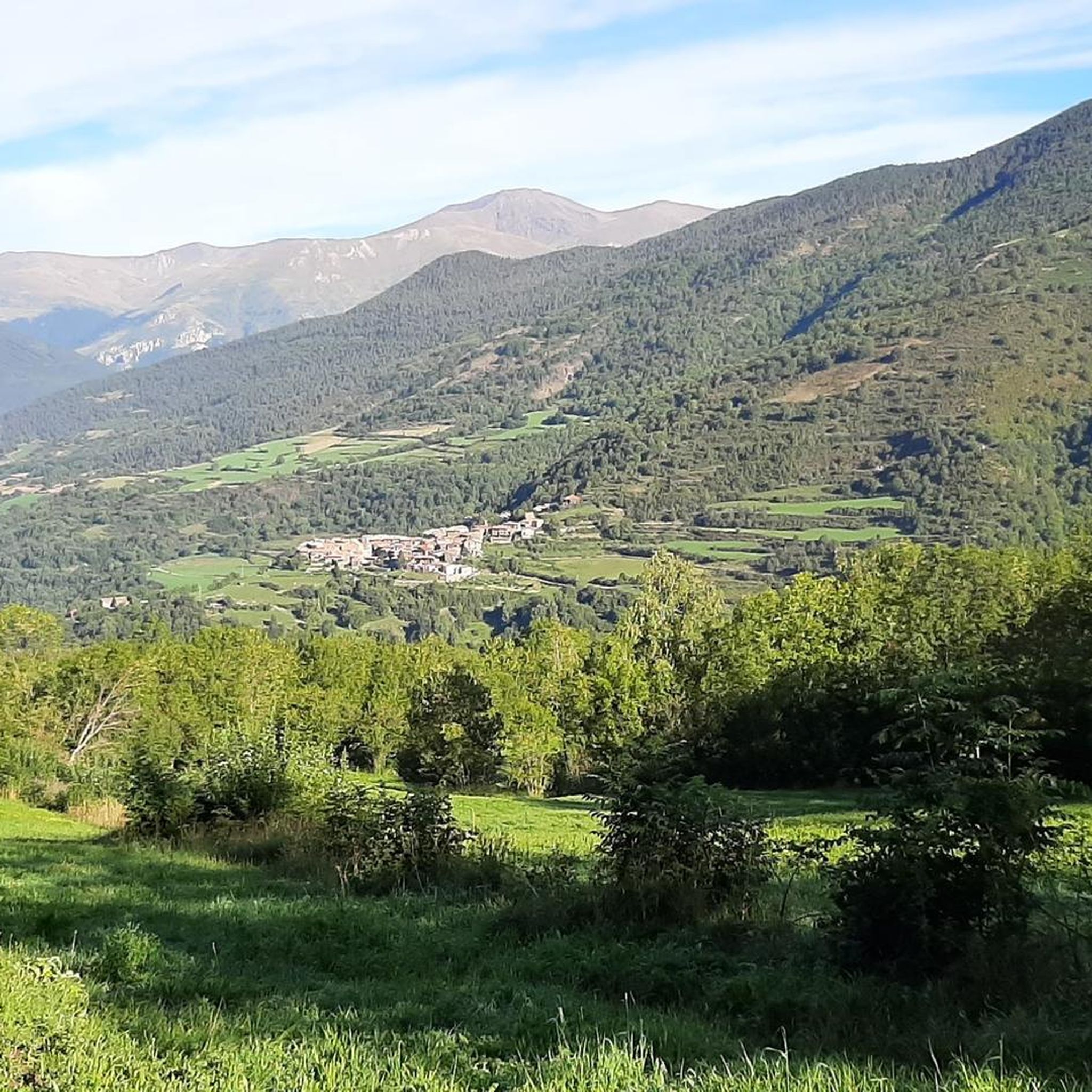
- The most popular mountain passes is Collada de Fontalba (approx. 2000 m), a mountain pass with parking and viewpoints. It is accessed via an 11-kilometer dirt track from Queralbs and serves as a starting point for routes to Vall de Núria and the Puigmal peak.
- Another must-see spot is Marrana Pass, a mountain pass and natural monument. This pass, located at 2,530 meters between the Bastiments peak and the Gra de Fajol, separates the Ter and Freser valleys and is a key link for reaching several prominent peaks and routes to Vall de Núria.
- Visitors also love Three Peaks Pass, a challenging mountain pass with viewpoints. This pass is a typical route for ascending the Pico del Balandrau (2,585 meters) and offers a beautiful route with significant ascent.
- Pardines is known for high-altitude routes, challenging climbs, and scenic viewpoints. The area provides a variety of mountain passes suitable for hiking and exploring the Pyrenean landscape.
- The mountain passes around Pardines are appreciated by the komoot community, with 2 highlights featuring 21 photos and receiving 57 upvotes.
Last updated: June 18, 2026
Collada de Fontalba (approx. 2000 m)
Highlight • Mountain Pass
Translated by Google •
Tip by

Coll de Jou
Highlight • Mountain Pass
The longer eastern slope starts from Sant Joan de les Abedesses and crosses several villages and Romanesque churches. It is a port that goes in steps, with areas of very hard ramps and rests later. The asphalt in the final part is in very poor condition, although it can be circulated easily.
The west slope starts from Ribes de Freser and has 2 very different parts. Until you reach the town of Brugera, with an irregular but sufficiently wide asphalt road and a sustained slope of 6 - 7%. From Bruguera, the asphalt turns into concrete and the slope rises to 9%, remaining constant until reaching the top. The views crowning this slope are precise.
Translated by Google •
Tip by

Sign up now to discover places like this
Get recommendations on the best single tracks, peaks, & plenty of other exciting outdoor places.
Sign up for free
Marrana Pass
Highlight • Mountain Pass
Translated by Google •
Tip by

Three Peaks Pass
Highlight • Mountain Pass
Tip by

Collada de Sentigosa
Highlight (Segment) • Mountain Pass
Translated by Google •
Tip by

Sign up for free to discover even more mountain passes around Pardines.
Sign up for free
Already have an account?
Start today with a free account
Your next adventure awaits.
Login or Signup

Tips from the Community

Access to the site is restricted in summer by vehicle, and a reserved spot is required for €5. Overnight parking is not permitted.
1
0

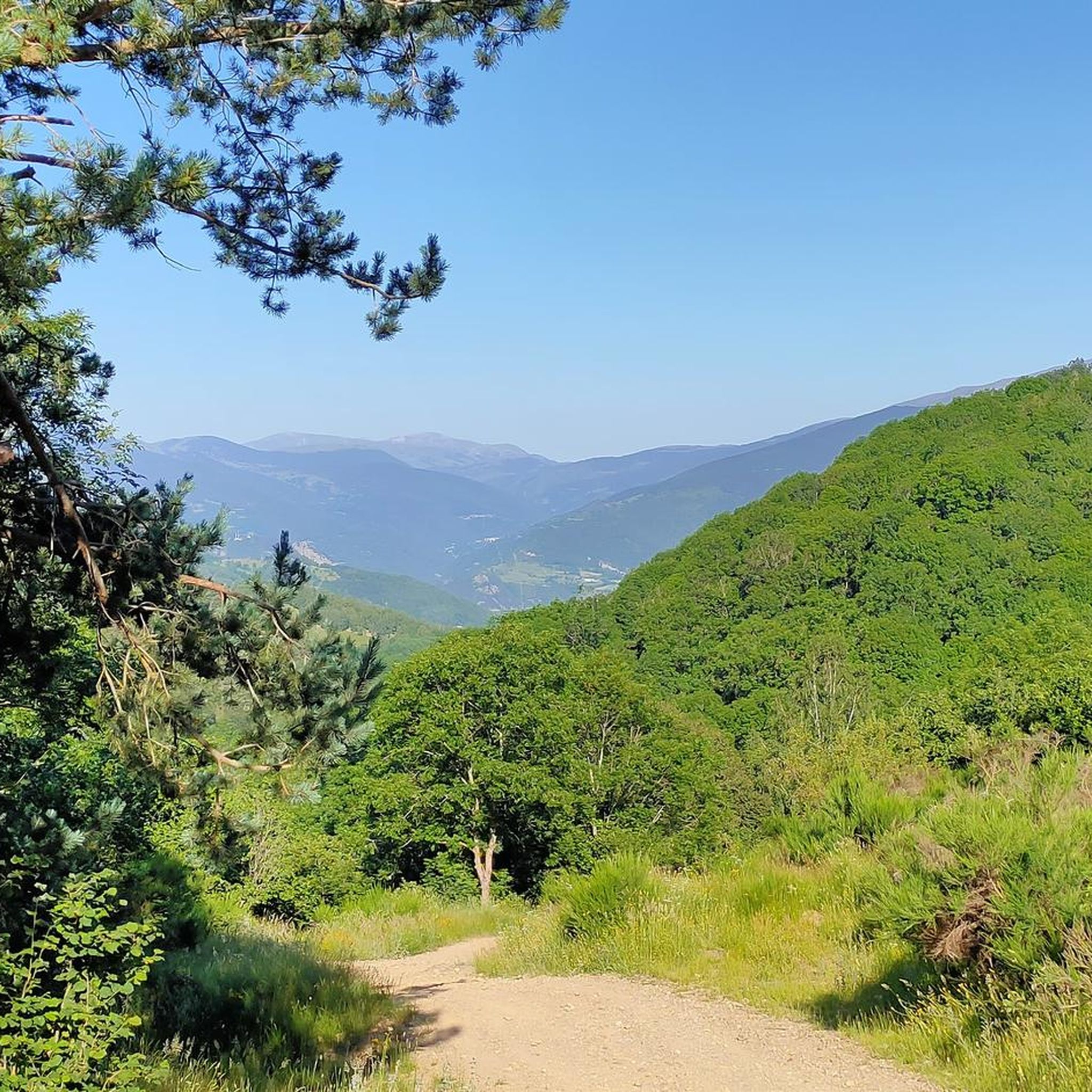
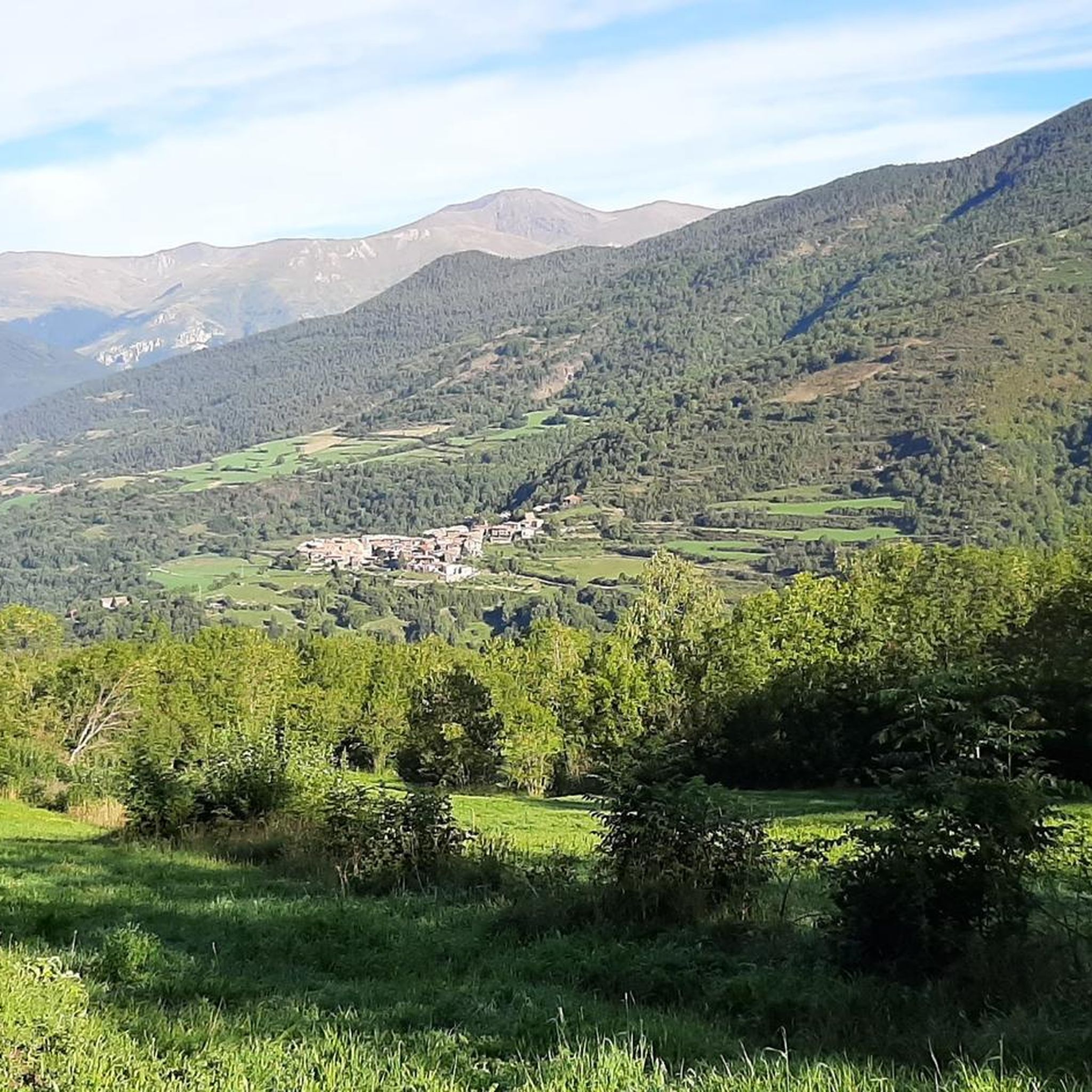
You get here with pains and work, I got off the bike a few meters earlier, there are parts with a very steep slope and just before the pass today I found snow. From the pass you have many routes, but none to be able to do on top of the bike. At the bottom of the valley, on the opposite side if you go up Fontlletera, you can see the refuge of Coma de Vaca, on the left the ascent to Balandrau and on the left in the background the peak of Bastiments and next to the path the house with antenna and the Gr cap in Vallter
1
0

The parking area in Fontalba, with a fee during the summer, is the optimal starting point for those who wish to start conquering 3000 meter peaks, starting with Puigmal. This route is not only accessible and direct, but also provides stunning scenery, making it the ideal choice for aspiring mountaineers.
1
0

Shortly before reaching El Coll (coming from Olot) we can find a spring to supply water.
0
0
Asphalt road, I have marked the section that takes us to Sant Joan de les Abadesses, we turn off the Vallfogona road and go in search of Sant Joan de les Abadesses, a very beautiful descent that is appreciated when we come from the ascent from Olot. It is one of the sections of cycling that you must do if you do the Pirinexus from Girona to look for the border in the Coll d'Ares. I did it with the Gravel Bike.
0
0

It is a great unknown in this area of the Pyrenees and is simply spectacular, its 2 slopes. It also has hardness on both sides. The longer eastern slope starts from Sant Joan de les Abedesses and crosses several villages and Romanesque churches. It is a port that goes in steps, with areas of very hard ramps and rests later. The asphalt in the final part is in very poor condition, although it can be circulated easily. The west slope starts from Ribes de Freser and has 2 very different parts. Until you reach the town of Brugera, with an irregular but sufficiently wide asphalt road and a sustained slope of 6 - 7%. From Bruguera, the asphalt turns into concrete and the slope rises to 9%, remaining constant until reaching the top. The views crowning this slope are precise.
2
0

Passage point for different peaks and routes. Alert with fog. I recommend firm footwear.
0
0

Cim del Coll de Jou, in the Serra Cavallera and at the foot of the Taga, is a hard port that goes from Ribes de Freser to Ogassa, passing through the town of Bruguera. it has about 10 km of cement tracks, be careful especially on the way down.
0
0
Frequently Asked Questions
What are the most popular mountain passes for hiking near Pardines?
For hikers, some of the most appreciated passes include Collada de Fontalba (approx. 2000 m), which serves as a starting point for routes to Vall de Núria and Puigmal. Another popular choice is Marrana Pass, located at 2,530 meters, offering access to prominent peaks like Bastiments and Gra de Fajol. The Three Peaks Pass is also a challenging and rewarding route, often used for ascending Pico del Balandrau.
Are there any road passes suitable for cycling near Pardines?
While Pardines itself is more focused on hiking, the wider Catalan Pyrenees region offers significant road passes for cycling. A notable one is the Ascent to Vallter 2000 from Camprodon, a challenging climb with 1,200 meters of elevation gain over 22 kilometers, known for its appearance in the Volta a Catalunya. Another significant pass in the broader region is Port del Cantó, which is also featured in cycling races like the Vuelta a España.
What kind of terrain can I expect on hiking trails around Pardines' mountain passes?
The terrain around Pardines' mountain passes is typically mountainous and can be challenging. For instance, the routes to Taga Summit and Balandrau Summit involve significant elevation gain and can range from moderate to hard. Passes like Three Peaks Pass are described as having very steep slopes, with some sections potentially covered in snow depending on the season. Expect dirt tracks, rocky paths, and alpine landscapes.
What are the best viewpoints from the mountain passes near Pardines?
Many passes in the region offer spectacular views. Collada de Fontalba (approx. 2000 m) and Marrana Pass are both noted for their viewpoints. The Three Peaks Pass, on the way to Pico del Balandrau, also provides beautiful vistas. From higher peaks like Taga Summit and Balandrau Summit, you can enjoy expansive views of the Pyrenees.
Are there family-friendly hiking options near the mountain passes around Pardines?
While many routes to the prominent passes and summits around Pardines are challenging, the region's natural environment offers various paths suitable for walking. For specific family-friendly hikes, it's best to look for trails with less elevation gain or shorter distances. The area is generally tranquil and ideal for enjoying nature, but specific 'family-friendly' passes are not explicitly highlighted as easy routes.
What outdoor activities can I do near these mountain passes?
Beyond exploring the passes themselves, the area around Pardines is excellent for various outdoor activities. You can find numerous mountain hikes, including challenging routes to peaks like Puigmal and El Balandrau. The region also offers extensive opportunities for cycling and gravel biking, with routes like the Coll de Jou loop.
What is the best time of year to visit the mountain passes around Pardines?
The best time to visit the mountain passes around Pardines for hiking and outdoor activities is typically during the warmer months, from late spring to early autumn (May to October). During this period, the weather is generally more stable, and the higher passes are less likely to be covered in snow, making trails more accessible. Winter can offer opportunities for snowshoeing or ski mountaineering, but requires specialized equipment and experience.
Are there any facilities like parking or refuges near the mountain passes?
Yes, some passes offer facilities. Collada de Fontalba (approx. 2000 m) has a dusty parking lot, which is also noted as ideal for overnight van parking. Near Coll de Jou, you can find the free refuge Sant Jordi a few meters in the direction of Ogassa. It's always advisable to check specific trailheads for parking availability.
What natural features can I expect to see around the mountain passes?
The region around Pardines is characterized by its unspoiled natural environment within the Pyrenees. You'll encounter stunning alpine scenery, lush green slopes, and potentially grazing cattle. The passes often separate valleys, such as Marrana Pass separating the Ter and Freser valleys. The area is rich in natural paths, the flowing Segadell river, and offers breathtaking views from high altitudes.
Is public transport available to reach hiking areas near Pardines' mountain passes?
While Pardines is nestled in a mountainous region, direct public transport to specific trailheads for mountain passes might be limited. It's generally recommended to have private transportation to access many of the more remote starting points, such as the dirt track leading to Collada de Fontalba from Queralbs. However, you can reach the village of Pardines itself by public transport, and from there, local options or walking may be available to closer trails.
What makes the mountain passes around Pardines unique?
The mountain passes around Pardines are unique for their blend of challenging alpine terrain and pristine natural beauty within the Catalan Pyrenees. They offer access to significant peaks and serve as crucial links between valleys, providing a true immersion into the high-mountain environment. The area is less about famous road passes within Pardines' immediate vicinity and more about the rewarding hiking experiences to prominent summits and the tranquil, unspoiled landscapes.
Are there any specific regulations or permits needed for hiking in the Pardines area?
Generally, for day hikes on established trails in the Pardines area, specific permits are not typically required. However, it's always good practice to respect local regulations, especially concerning protected areas or natural parks. Always stay on marked trails, do not disturb wildlife, and practice Leave No Trace principles. For more complex or multi-day expeditions, especially in higher altitudes or specific natural reserves, it's advisable to check with local tourism offices or park authorities for any specific requirements.
Most popular routes around Pardines
Most popular attractions around Pardines

Get inspired with the komoot mobile app


Explore more
See even more epic mountain passes by checking out these guides around Pardines:
