Top 13 Mountain Passes around Güejar Sierra
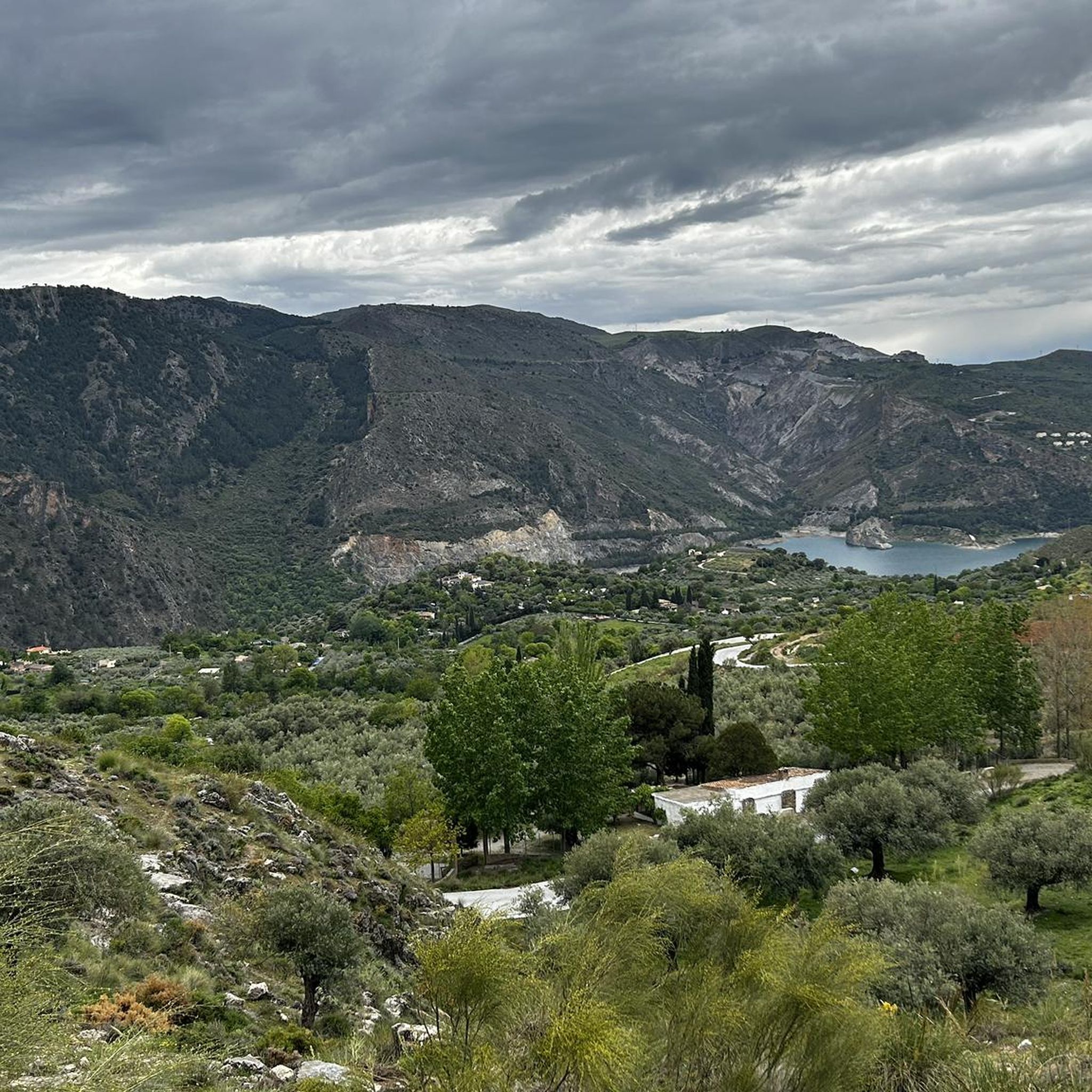
Mountain passes around Güejar Sierra provide access to the high-altitude terrain of the Sierra Nevada mountain range. This region features impressive peaks, challenging routes, and panoramic viewpoints. These routes function as crucial access ways to experience the grandeur of the Sierra Nevada, offering diverse landscapes and photographic opportunities. The area is characterized by its mountainous environment rather than conventional named passes.
Best mountain passes around Güejar Sierra
- The most popular mountain pass is Hoya de la Mora, a parking…
Last updated: August 25, 2026
Hoya de la Mora
Highlight • Parking
Translated by Google •
Tip by

Pradollano
Highlight • Settlement
Translated by Google •
Tip by

Sign up now to discover places like this
Get recommendations on the best single tracks, peaks, & plenty of other exciting outdoor places.
Sign up for free
Veleta - Ski station junction
Highlight • Trail
Translated by Google •
Tip by

Sierra Nevada
Highlight • Summit
The city center of …
Tip by

Scenic Section of the Puerto de Blancares Route
Highlight (Segment) • Mountain Pass
Enjoy the views and the magnificent condition of this road, parallel to the Aguas Blancas river.
Translated by Google •
Tip by

Sign up for free to discover even more mountain passes around Güejar Sierra.
Sign up for free
Already have an account?
Start today with a free account
Your next adventure awaits.
Login or Signup
Popular around Güejar Sierra
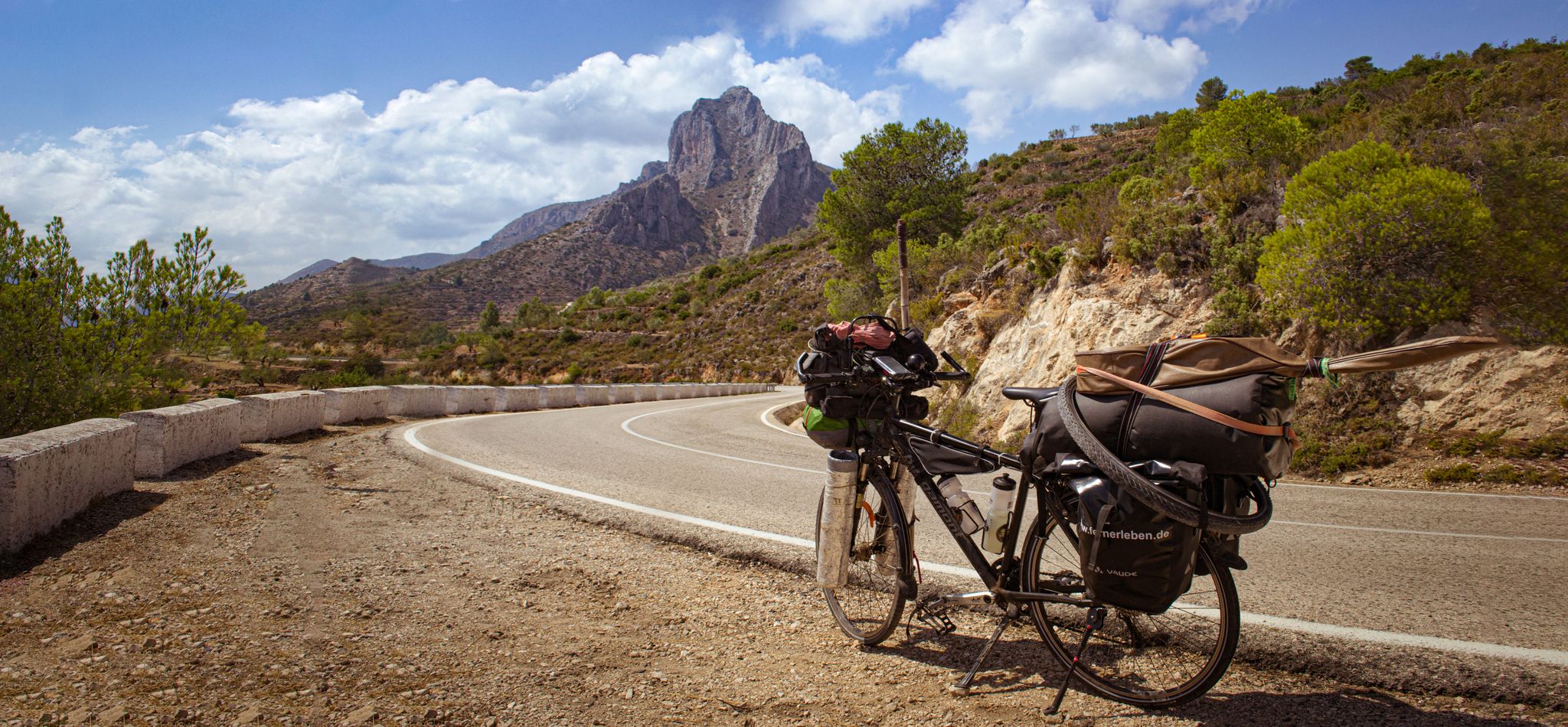
On the road to the sun — bikepacking to southeast Spain
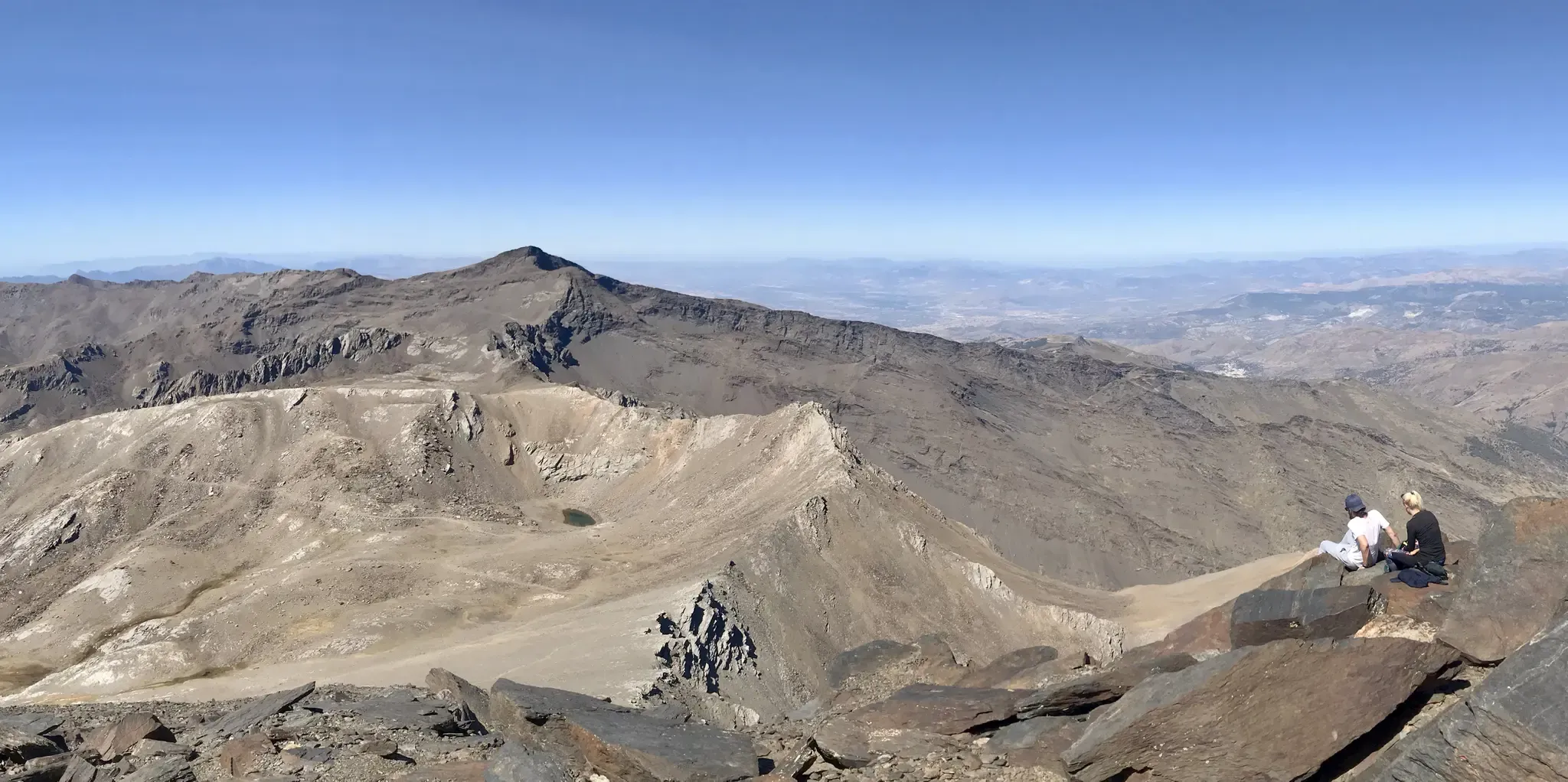
An unforgettable adventure – climb the Mulhacén’s north face in Spain
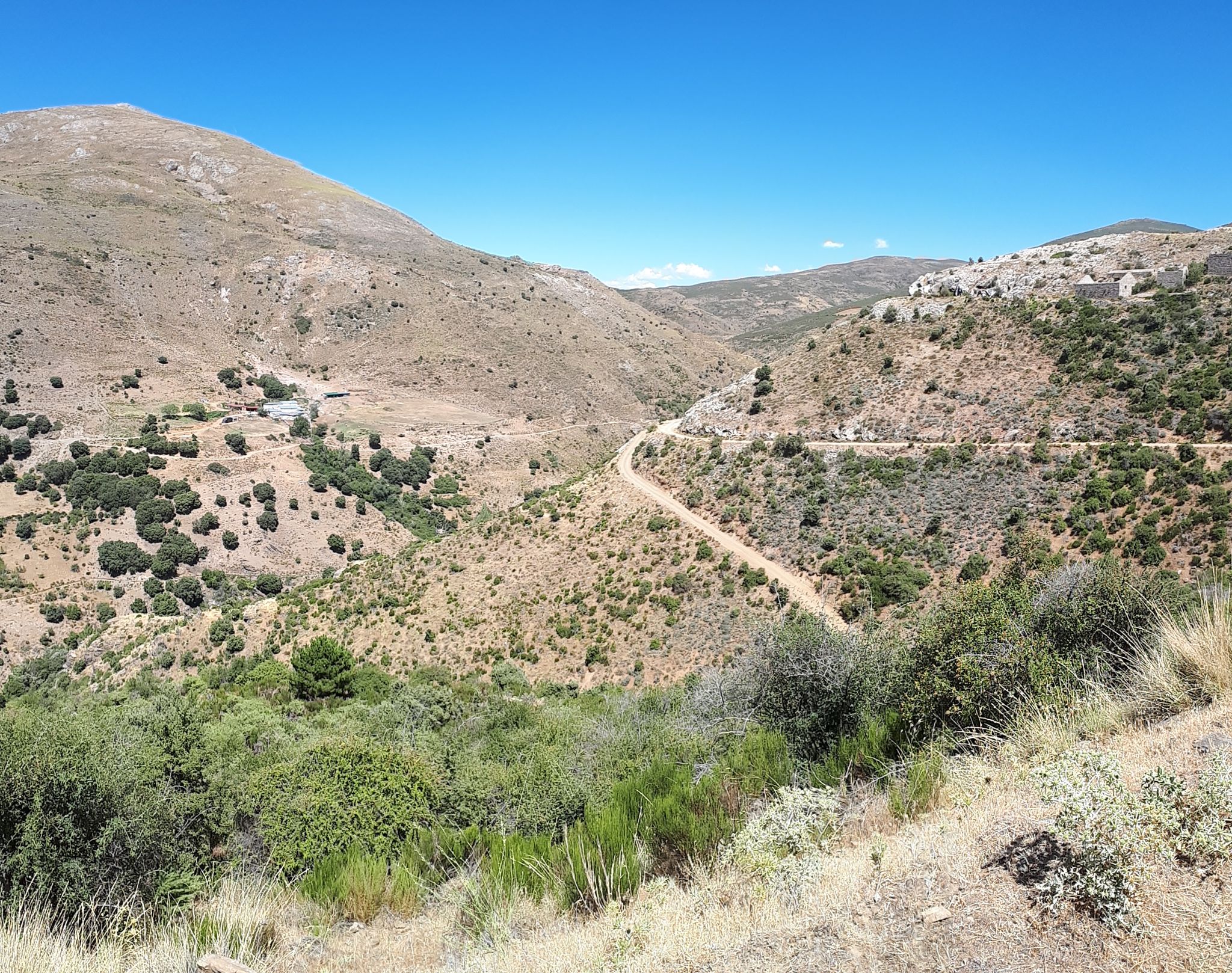
Nature and singletrack – bikepacking in Spain’s Sierra de Huétor
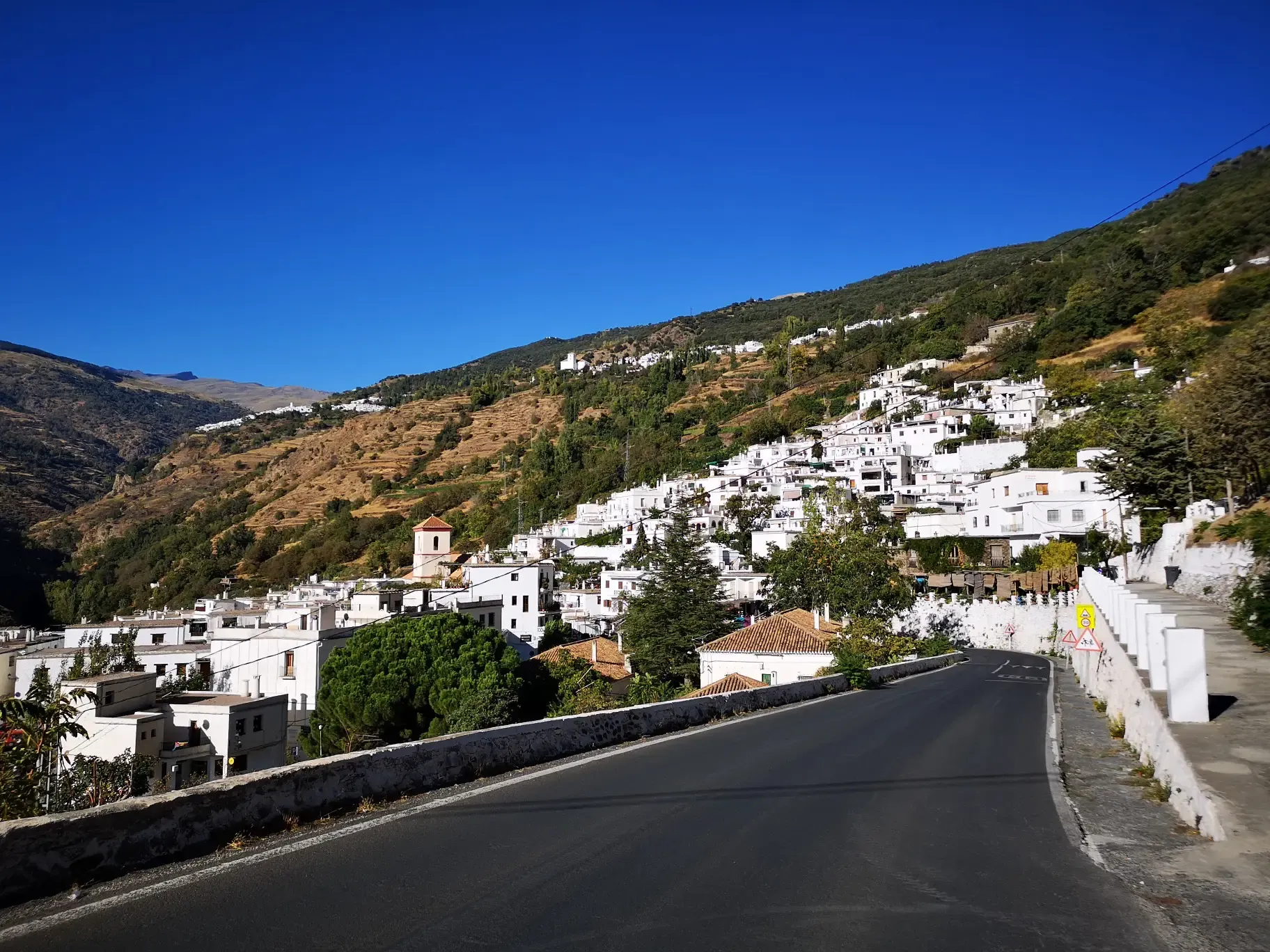
An Andalusian adventure on wheels – Transnevada
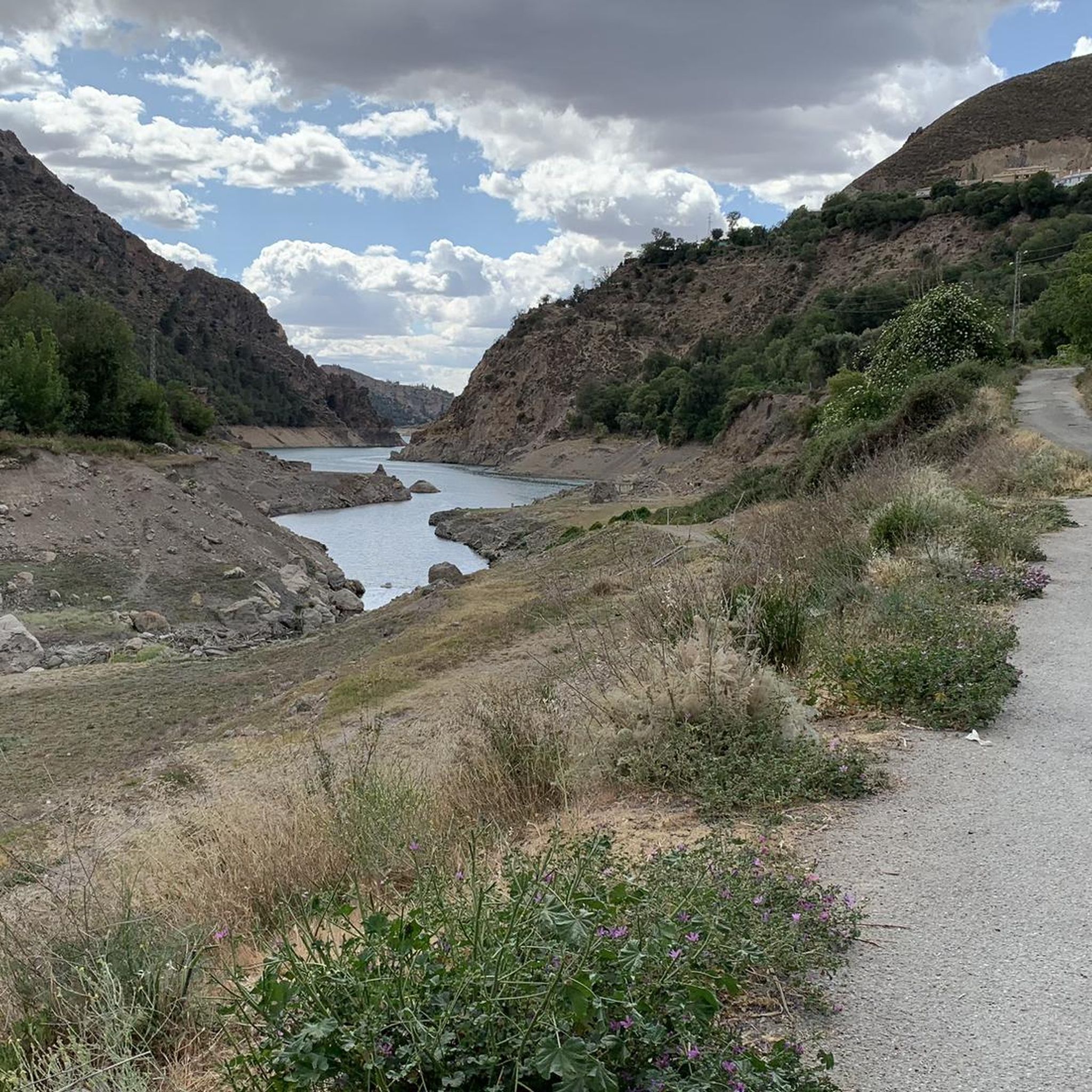
Hiking around Güejar Sierra
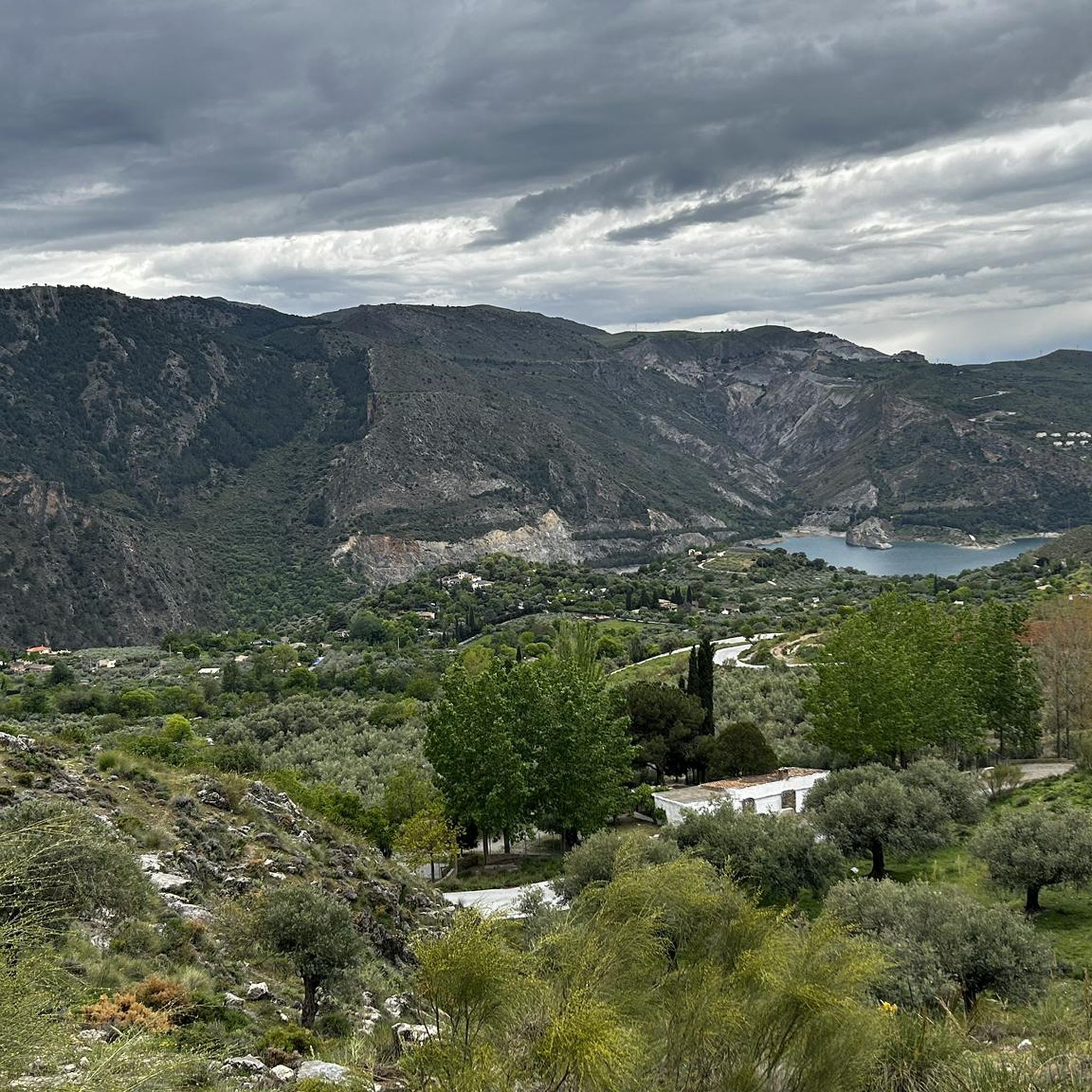
Cycling around Güejar Sierra
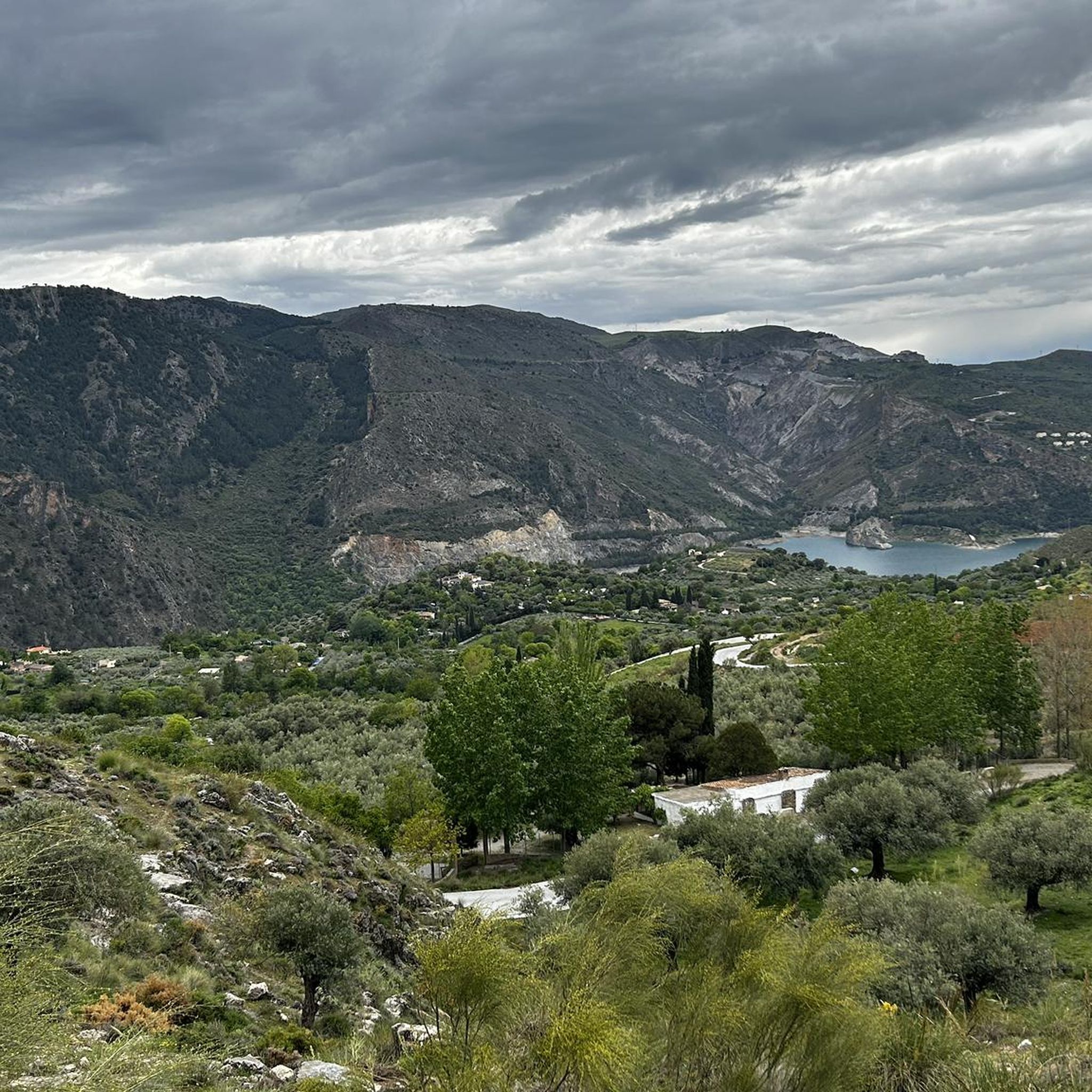
MTB Trails around Güejar Sierra
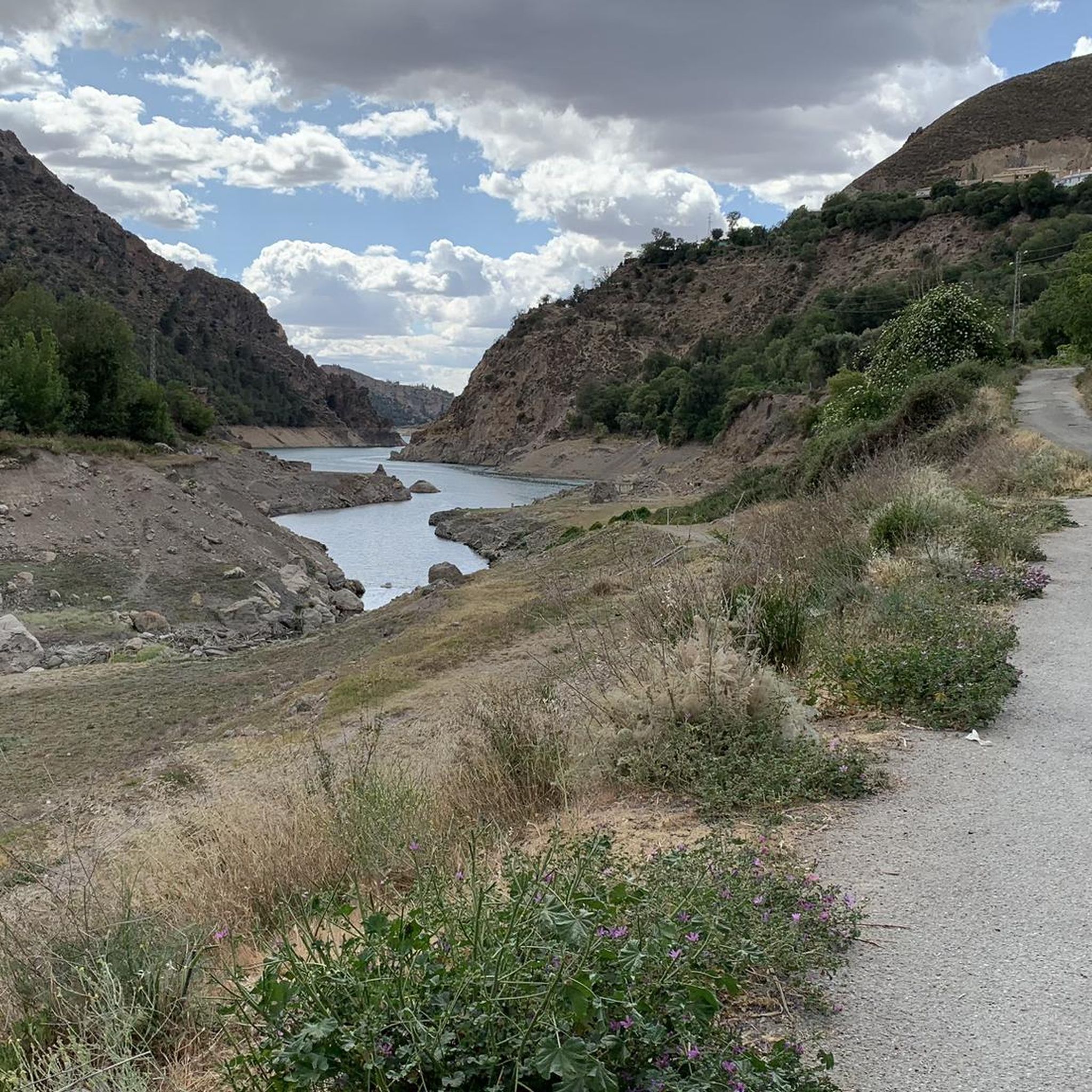
Running Trails around Güejar Sierra
Road Cycling Routes around Güejar Sierra

Gravel biking around Güejar Sierra
Other adventures around Güejar Sierra


Tips from the Community

Pradollano is the highest ski resort in the Sierra Nevada and the hub for services at the foot of the slopes, home to hotels, restaurants, and an après-ski atmosphere. Located at over 2,000 meters above sea level, it combines the beauty of a mountain village with everything the surrounding area has to offer.
1
0

Here you still have to overcome 800 vertical meters to reach the top of the Pico Veleta. Shortly after that, cars cannot go any further and you are on the road alone!
1
0


The turnoff itself, in my opinion, isn't a highlight, but it's a very important junction for planning. The northwestern route is a secondary road closed to car traffic, so you can ride quite relaxed and "alone" with other cyclists and the occasional hiker. The southeastern route is the main road, where all the car traffic heads into the tourist area. I would definitely avoid the main road (there are lots of aggressive tourists who pass you quickly and closely). The exit on the main road is better if you want to go very fast.
3
0
Hoya de la Mora is a small plateau with parking, kiosk huts, something from the university and the Civil Guard. The famous barrier is also located at approximately this height. It's always easy to clear up to here in winter, but depending on the weather it gets difficult from here. If no snow has fallen yet, you can still make it up to 2800-3000m in January until the road is full of ice. If it snows, it's over at the ski slope at the latest.
3
0

La Hoya de la Mora is the highest point that can be reached by vehicle to climb the Veleta peak. In this place, there is a large parking lot and a bus stop.
4
0

This is the highest point that can be reached with the vehicle if we want to walk up to the vane, here we would have to leave the car and starting point towards the vane
0
0
I like the ascent further east better. You can also drive a circuit, but the "road" between the two road climbs is not paved.
0
0
Frequently Asked Questions
What are some notable high-mountain access points or routes around Güejar Sierra?
While not conventional passes, key access points include the road to Hoya de la Mora, which leads towards Veleta Peak, and the Loma de la Cuna de los Cuartos ridgeline. Another significant route is the historical Vereda de la Estrella, which follows the Genil river valley.
Where can I find parking for accessing the mountain routes around Güejar Sierra?
A major parking area is available at Hoya de la Mora, which serves as the highest point reachable by vehicle to climb Veleta Peak. However, during winter, the road to Hoya de la Mora may be closed further down, making access challenging.
Are there family-friendly mountain routes or passes near Güejar Sierra?
Yes, the Vereda de la Estrella is known for being a comfortable path, making it a great option for a day hike with family. It offers magnificent views without strenuous climbing. Hoya de la Mora is also listed as family-friendly, providing easy access to high-altitude views.
What kind of views and natural features can I expect to see on these mountain routes?
You can expect dramatic, alpine-scale views of the Sierra Nevada's highest peaks, including Mulhacén, Alcazaba, and Veleta. Routes like the Loma de la Cuna de los Cuartos offer unparalleled panoramic vistas, while the Vereda de la Estrella features a century-old chestnut tree and river valley scenery. The Scenic Section of the Puerto de Blancares Route also provides notable views.
Are there any historical routes or landmarks among the mountain passes near Güejar Sierra?
The Vereda de la Estrella is a historical trail, originally built in 1890 to serve mines. It offers a glimpse into the region's past while providing access to stunning natural beauty. Along this path, you can find the century-old chestnut tree known as Star Mine.
What is the general terrain and difficulty level of the mountain routes around Güejar Sierra?
The terrain varies from paved roads, like the initial ascent towards Veleta Peak, to comfortable hiking paths such as the Vereda de la Estrella. Some routes, particularly those leading to higher summits like Sierra Nevada, can be challenging with significant elevation gains, especially for cyclists. The region is characterized by mountainous terrain with impressive peaks.
What is the best time of year to visit the mountain passes and routes around Güejar Sierra?
The Sierra Nevada is accessible year-round, but the best time depends on your activity. Summer is ideal for cycling to high points like Veleta Peak, as snowfields clear. Winter offers dramatic snowy landscapes, especially from viewpoints like Loma de la Cuna de los Cuartos, but access to higher elevations can be restricted due to snow.
What outdoor activities can I do near the mountain passes around Güejar Sierra?
The area is excellent for various outdoor activities. You can enjoy challenging mountaineering routes, such as the Mulhacén Peak loop, or explore extensive cycling routes like the Pico de Veleta from Hoya de la Mora. Gravel biking is also popular, with routes like the Aurora Mine loop. For more options, check out the Mountain Hikes around Güejar Sierra, Cycling around Güejar Sierra, and Gravel biking around Güejar Sierra guides.
Are there facilities or accommodations near the mountain passes?
Pradollano, the highest ski resort in the Sierra Nevada, serves as a hub for services at the foot of the slopes, offering hotels, restaurants, and an après-ski atmosphere. While specific cafes directly on remote passes are rare, Güejar Sierra itself provides amenities.
What makes the road to Hoya de la Mora and Veleta Peak unique?
This road is notable for being one of the highest paved roads in Europe, leading to the Pico Veleta viewpoint, just below the summit. It offers dramatic views of the Sierra Nevada's north faces and is a departure point for a microbus service taking hikers to even higher viewpoints like Posiciones del Veleta (3,100 meters above sea level).
Can I spot wildlife while exploring the mountain routes?
Yes, the mountainous terrain around Güejar Sierra is home to various wildlife. On routes like the Loma de la Cuna de los Cuartos, there's a chance to spot birds of prey such as Golden Eagles and Griffon Vultures, especially given the presence of a fire lookout which provides excellent vantage points.
What is the significance of the Loma de la Cuna de los Cuartos ridgeline?
This ridgeline, accessible via a track from Güéjar Sierra, provides superlative panoramic views of the north faces of Mulhacén, Alcazaba, and Veleta. It's particularly dramatic in winter and offers a relatively easy walk along a gentle ridgeline, making it suitable for a half-day excursion and photography.
Most popular routes around Güejar Sierra
Most popular attractions around Güejar Sierra

Get inspired with the komoot mobile app


Explore more
See even more epic mountain passes by checking out these guides around Güejar Sierra:
