Top 16 Natural Monuments around Pilar De La Horadada
Best natural monuments around Pilar De La Horadada showcase a diverse landscape, from coastal wetlands to unique dry riverbeds and mountain ranges. The region features significant ecological value, including salt flats, sand dunes, and pine forests. These areas provide habitats for various bird species and offer geological formations shaped by erosion. The natural environment here combines coastal beauty with inland wilderness.
Best natural monuments around Pilar De La Horadada
- The most popular natural monuments is La Pedrera Reservoir, a…
Last updated: July 1, 2026
La Pedrera Reservoir
Highlight • Lake
Translated by Google •
Tip by

Mud Baths at Villananitos Beach
Highlight • Beach
Translated by Google •
Tip by

Sign up now to discover places like this
Get recommendations on the best single tracks, peaks, & plenty of other exciting outdoor places.
Sign up for free
Salt Flats and Sand Dunes of San Pedro del Pinatar
Highlight • Natural Monument
Translated by Google •
Tip by

Los Mamellones Rock Formations
Highlight • Natural Monument
Tip by

Roman Quarries of Playa del Río
Highlight • Historical Site
Translated by Google •
Tip by

Sign up for free to discover even more natural monuments around Pilar De La Horadada.
Sign up for free
Already have an account?
Start today with a free account
Your next adventure awaits.
Login or Signup
Popular around Pilar De La Horadada
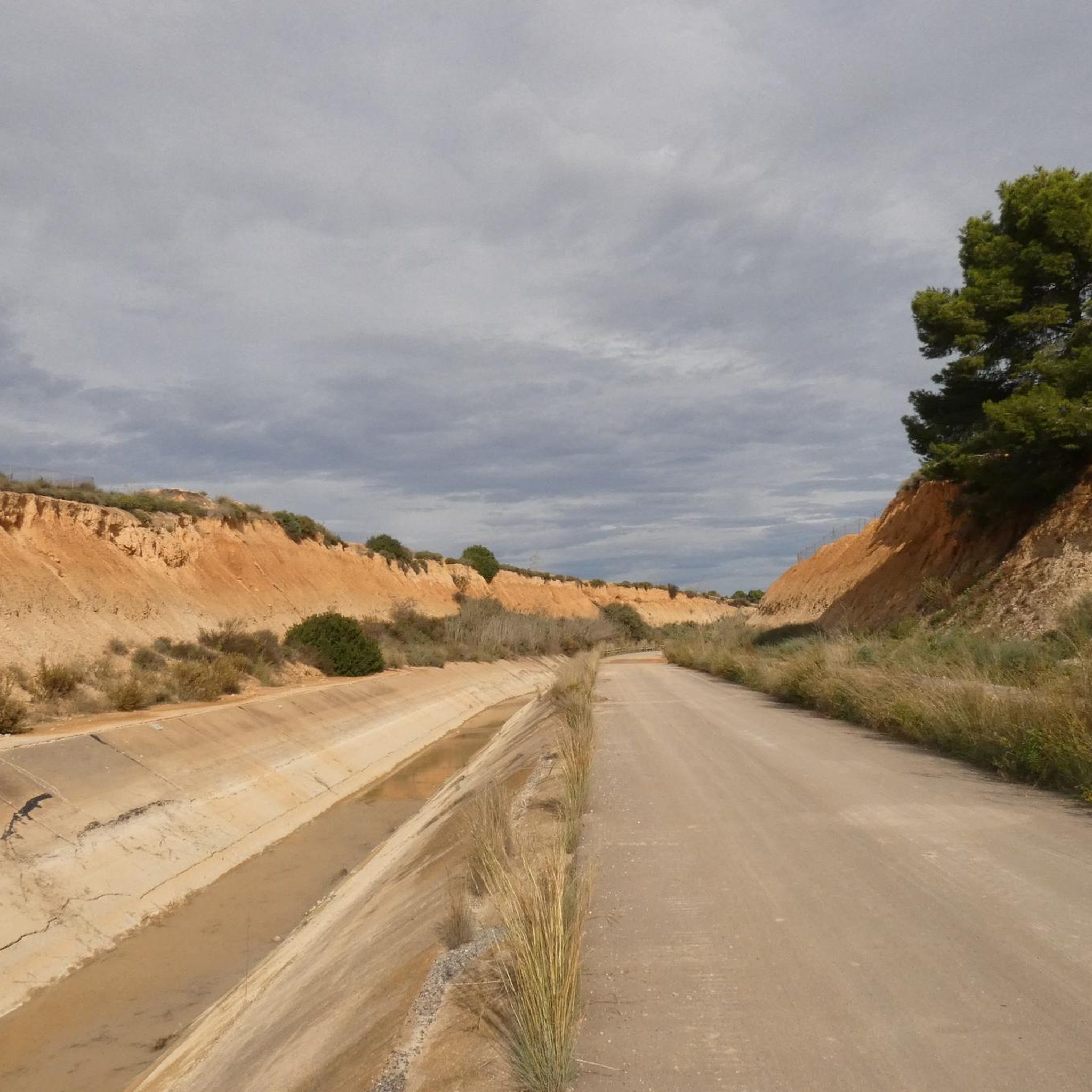
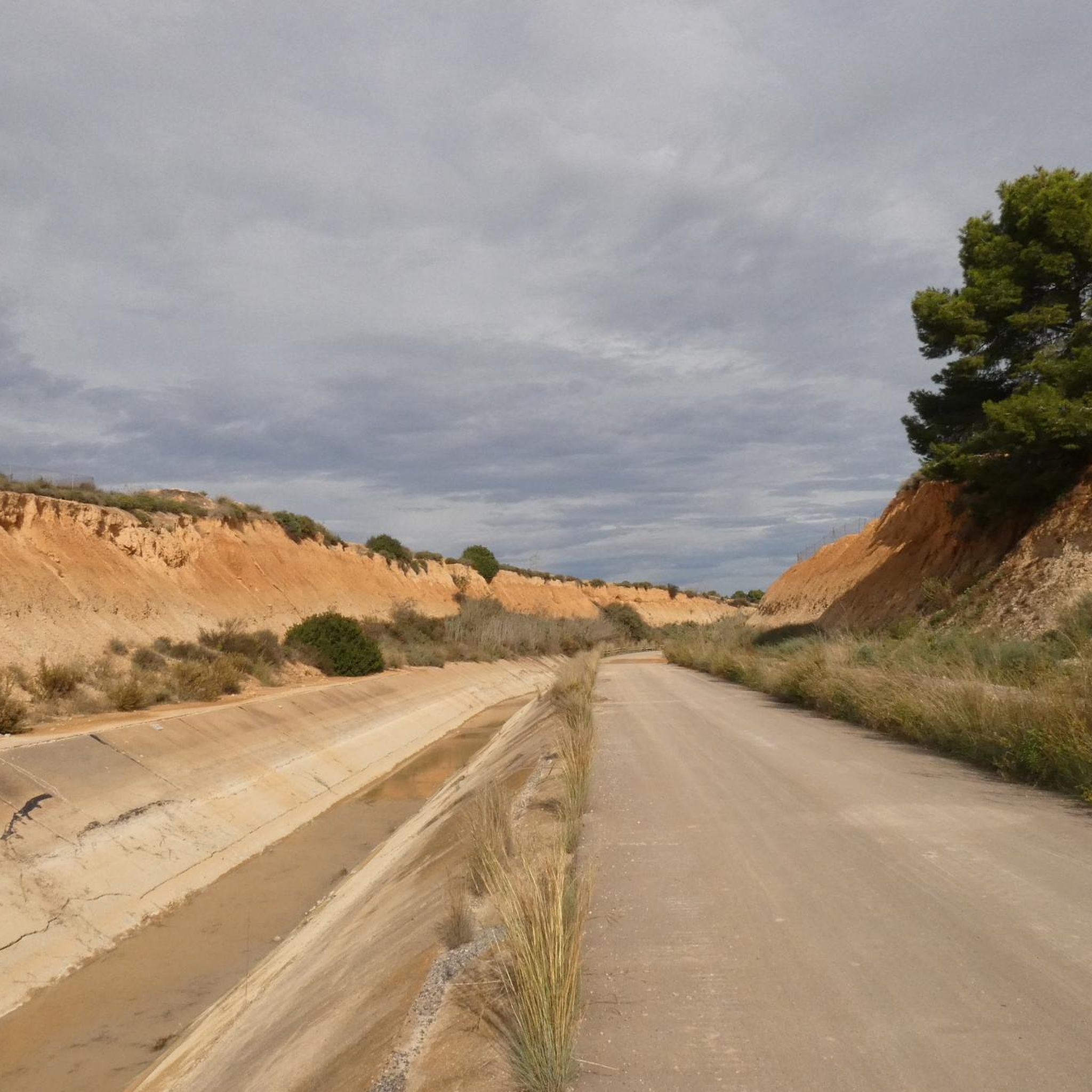

Other adventures around Pilar De La Horadada

Tips from the Community

Done by bike and by car. Fantastic region for cycling, little traffic outside the season. Highly recommended.
0
0
A manageable route from Alicante to the La Pedrera reservoir. You don't need to be in great shape, just able to handle the effort of covering the kilometers.
0
0

Quiet area with little car traffic!
0
0

The mud of the ponds is the result of centuries of action of the sun and the very salty water of the Mar Menor. The result is a mud that, when applied to the skin, has great therapeutic value for all types of ailments: rheumatism, arthritis, gout, skin pathologies, rehabilitation after fractures, throat, etc. The ideal complement to the treatment is to take a bath in the mineralized water of the Mar Menor.
4
0

A quiet loop around the lake, perfect as a Richmond Park replacement
0
0

Outdoor mud therapy area. The mud of the Salinas is characterized by long exposure to the sun and the salty water from the Mar Menor. The result is a clay mud that is applied to the skin and is said to have great therapeutic value for all kinds of ailments. Rheumatism and arthritis are among them. In addition, on the opposite side you can take a bath in the mineralized water of the Mar Menor. There are thalassotherapy and spa centers in the area.
1
0

A visit to the coast is particularly worthwhile in the evening sun.
0
0

Here you can enclose your body in mud; it is said to help against many diseases. Definitely an experience!
1
0
Frequently Asked Questions
What are some unique geological features to explore around Pilar de la Horadada?
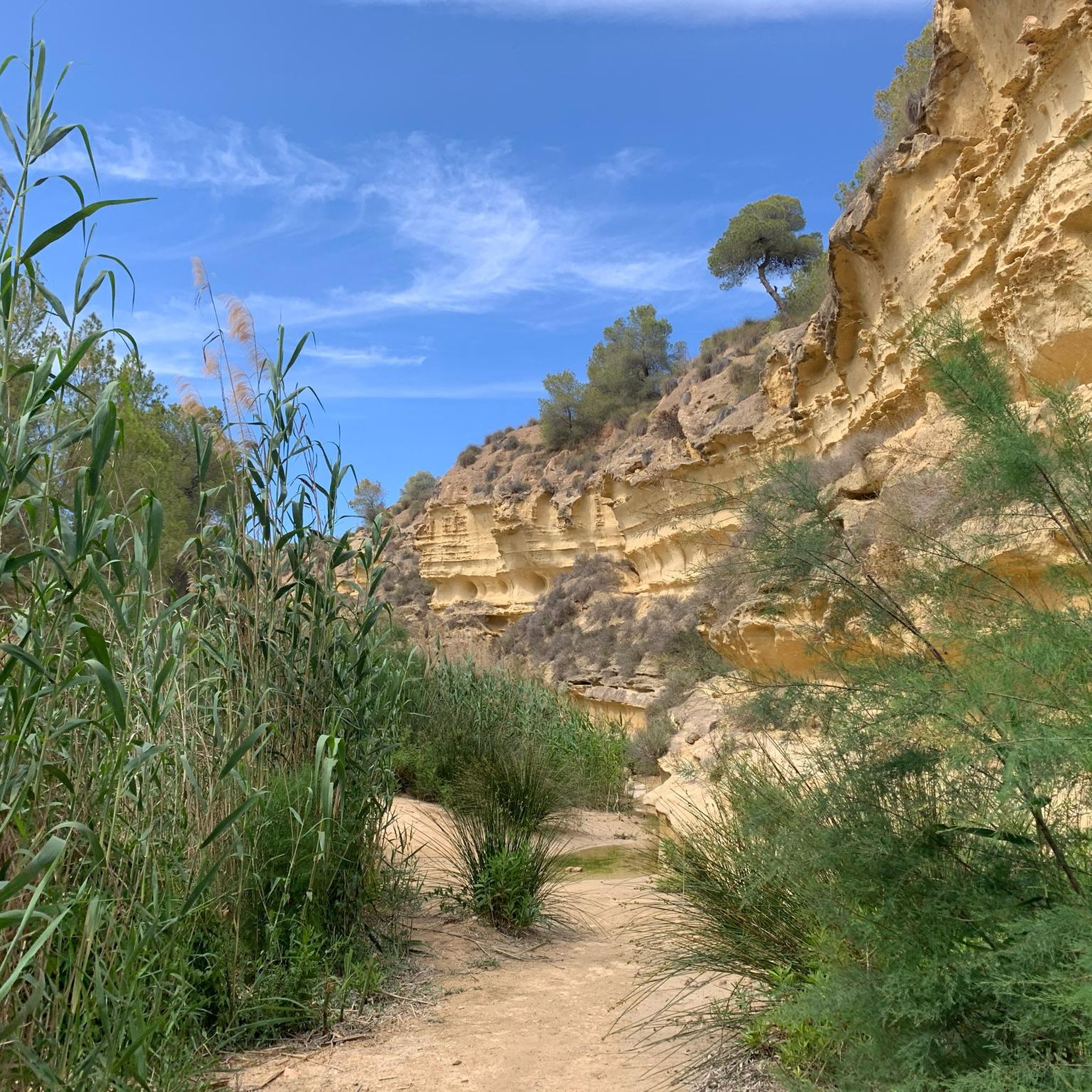
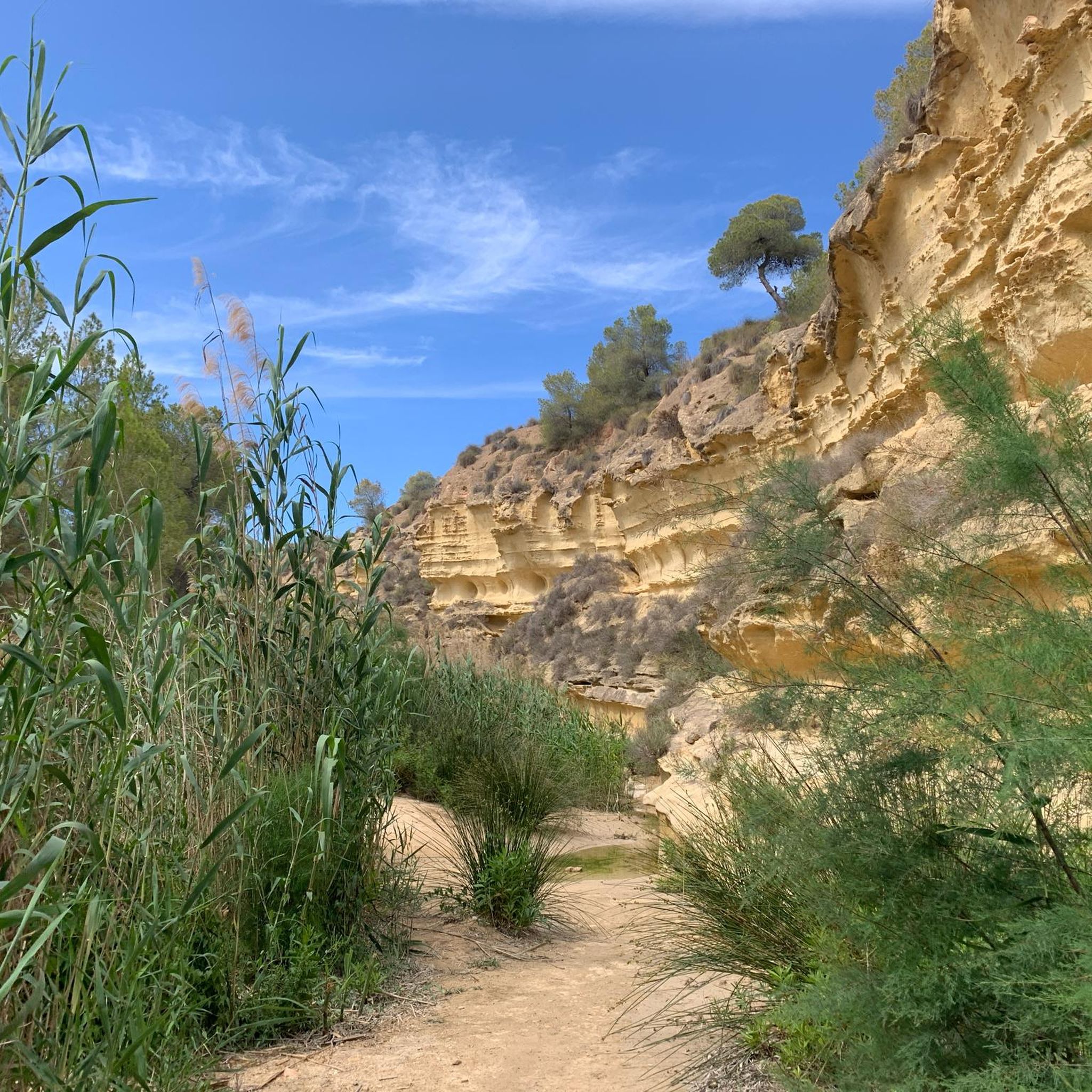
You can explore the fascinating erosion-formed formations along the dry riverbed of the Área Natural Río Seco near Pinar de Campoverde. Its yellowish sandstone walls display abundant layers of shell concentrations. Another impressive site is Los Mamellones Rock Formations, naturally sculpted by the elements over thousands of years, offering a demanding but rewarding route with amazing landscapes.
Are there any natural monuments suitable for families with children?
Yes, the Área Natural Río Seco (Pinar de Campoverde) is excellent for families. It features well-marked, easy hiking routes of about 4 km, showcasing unique erosion formations. The area also has a recreational space with picnic tables, restrooms, accessible entrances, and a children's play area. Additionally, the Salt Flats and Sand Dunes of San Pedro del Pinatar are considered family-friendly, offering easy routes for cycling or hiking.
Where can I go birdwatching near Pilar de la Horadada?
The Salt Flats and Sand Dunes of San Pedro del Pinatar is a prime location for birdwatching. This regional park is a Special Protection Area (SPA) for birds and a crucial stop-over site for migratory species, including flamingos. Observatories are available for visitors to enjoy the diverse avian life.
What kind of hiking trails can I find near the natural monuments?
You'll find a variety of hiking options. The Área Natural Río Seco offers an easy, family-friendly 4 km walk and a longer 10 km linear route. For more challenging terrain, the Sierra Escalona mountain range provides gentle forest trails with panoramic views. You can find more hiking routes, including an easy 5.5 km loop through the Dry Riverbed of Río Seco, in the Hiking around Pilar De La Horadada guide.
Are there any natural monuments with historical significance?
Yes, the Roman Quarries of Playa del Río are a natural monument with significant historical value. These ancient quarries, dating back to the 1st and 2nd centuries, are located on the seafront and were used by the Romans to extract stone for local buildings. You can still see the square holes left by stonemasons.
What are the best natural areas for cycling around Pilar de la Horadada?
The Salt Flats and Sand Dunes of San Pedro del Pinatar are well-suited for cycling, with routes that offer incredible landscapes and views. Additionally, a road in good condition with little traffic allows for exploration around La Pedrera Reservoir. For more cycling options, check out the MTB Trails around Pilar De La Horadada and Road Cycling Routes around Pilar De La Horadada guides.
Can I find therapeutic mud baths in a natural setting?
Yes, the Mud Baths at Villananitos Beach are renowned for their therapeutic properties. The mud, formed by centuries of sun and the salty Mar Menor water, is believed to have great value for various ailments. It's an open-air and free spa experience, with information panels explaining the procedure.
Are there any natural monuments that offer panoramic views?
Sierra Escalona, located north of Pilar de la Horadada, is known as a 'green lookout.' From its highest peak, El Alcores (375 meters), you can enjoy panoramic views of the Alicante coast and the Campo de Cartagena. The Salt Flats and Sand Dunes of San Pedro del Pinatar also offer good views of both the Mediterranean Sea and the Mar Menor.
What is the best time of year to visit the natural monuments?
The natural areas around Pilar de la Horadada are generally pleasant to visit outside of the peak summer heat. Spring and autumn offer milder temperatures, which are ideal for hiking, cycling, and birdwatching. During these seasons, you can comfortably explore the wetlands, dry riverbeds, and coastal paths.
Are there any natural monuments with accessible options for visitors?
The Área Natural Río Seco (Pinar de Campoverde) has accessible entrances, making it easier for a wider range of visitors to enjoy its trails and recreational facilities. Additionally, the Mud Baths at Villananitos Beach are noted as wheelchair accessible, with a bike path along the coast providing greater accessibility to the area.
What kind of wildlife can I expect to see in these natural areas?
The Parque Regional Salinas y Arenales de San Pedro del Pinatar is a haven for birdlife, especially migratory species like flamingos. The Área Natural Río Seco is a crucial habitat for river-linked species, including warblers, orioles, and kingfishers, as well as foxes, squirrels, and hedgehogs. The diverse flora in these areas also supports a rich insect population.
Are there coastal natural monuments with beaches?
Yes, Pilar de la Horadada's coastline features beaches with preserved natural surroundings. Beaches like Las Higuericas are notable for their dune formations and native vegetation. Mil Palmeras beach, located near the mouth of the Río Seco, also integrates natural elements like dunes and native flora, offering opportunities for enjoying fine sand, clear waters, and exploring rich marine seabeds.
Most popular routes around Pilar De La Horadada
Most popular attractions around Pilar De La Horadada

Get inspired with the komoot mobile app


Explore more
Extend your search for the best caves by checking out these guides of the top ones around Pilar De La Horadada:
