Top 20 Natural Monuments around Palafrugell
Best natural monuments around Palafrugell include a diverse range of coastal and inland features. The region, part of Spain's Costa Brava, is characterized by its dramatic coastline, pristine beaches, and forested areas. These sites offer varied natural beauty and opportunities for outdoor activities. Palafrugell's natural heritage encompasses both marine and terrestrial landscapes.
Best natural monuments around Palafrugell
- The most popular natural monuments is Cap Roig Cove, a beach that takes its name from a reddish rock formation dividing it.…
Last updated: August 25, 2026
Castell Beach
Highlight • Beach
Translated by Google •
Tip by

The Dark Rock of La Fosca Beach
Highlight • Natural Monument
Translated by Google •
Tip by
Sign up now to discover places like this
Get recommendations on the best single tracks, peaks, & plenty of other exciting outdoor places.
Sign up for free
El Morro del Vedell
Highlight • Natural Monument
A narrow passage between the rock and the cliff allows you to pass …
Translated by Google •
Tip by
Cap Roig Cove
Highlight • Beach
Translated by Google •
Tip by

Sa Foradada of Castell
Highlight • Natural Monument
It is a rock bridge suitable for small boats to pass from …
Translated by Google •
Tip by
Sign up for free to discover even more natural monuments around Palafrugell.
Sign up for free
Already have an account?
Start today with a free account
Your next adventure awaits.
Login or Signup
Popular around Palafrugell
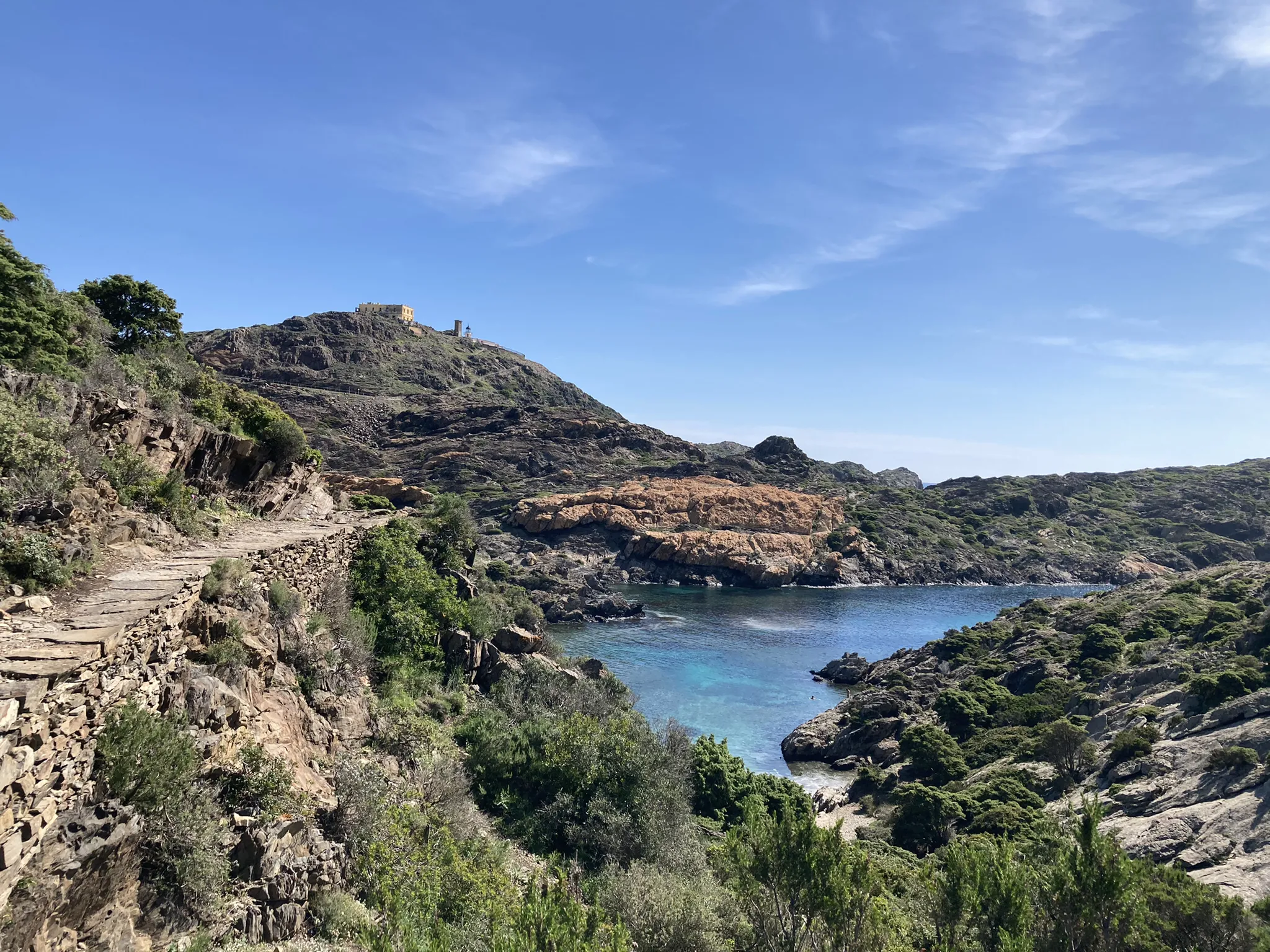
The paradise of the Costa Brava — Trail Running from Girona to Llançà
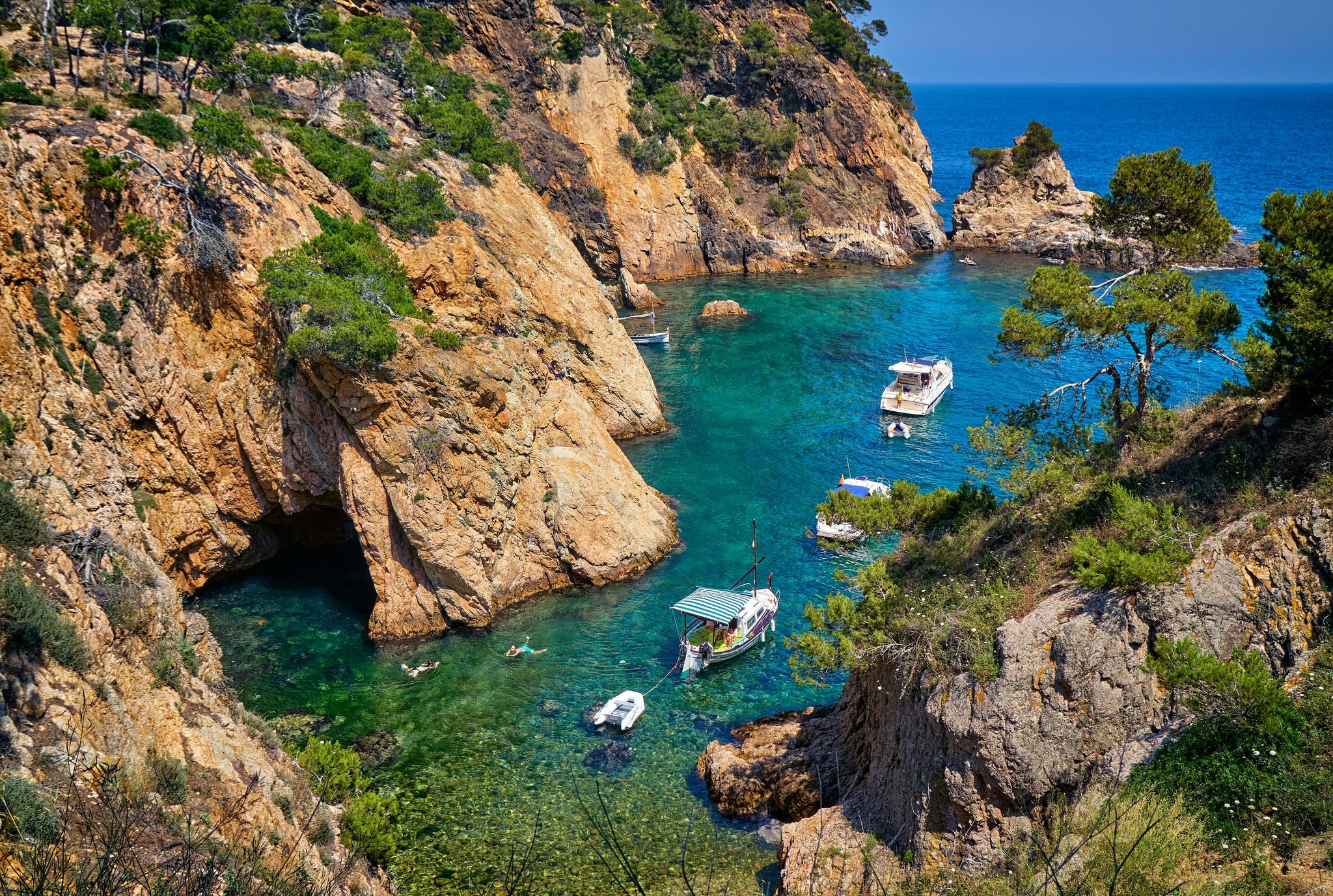
Costa Brava on foot from Girona – Camí de Ronda
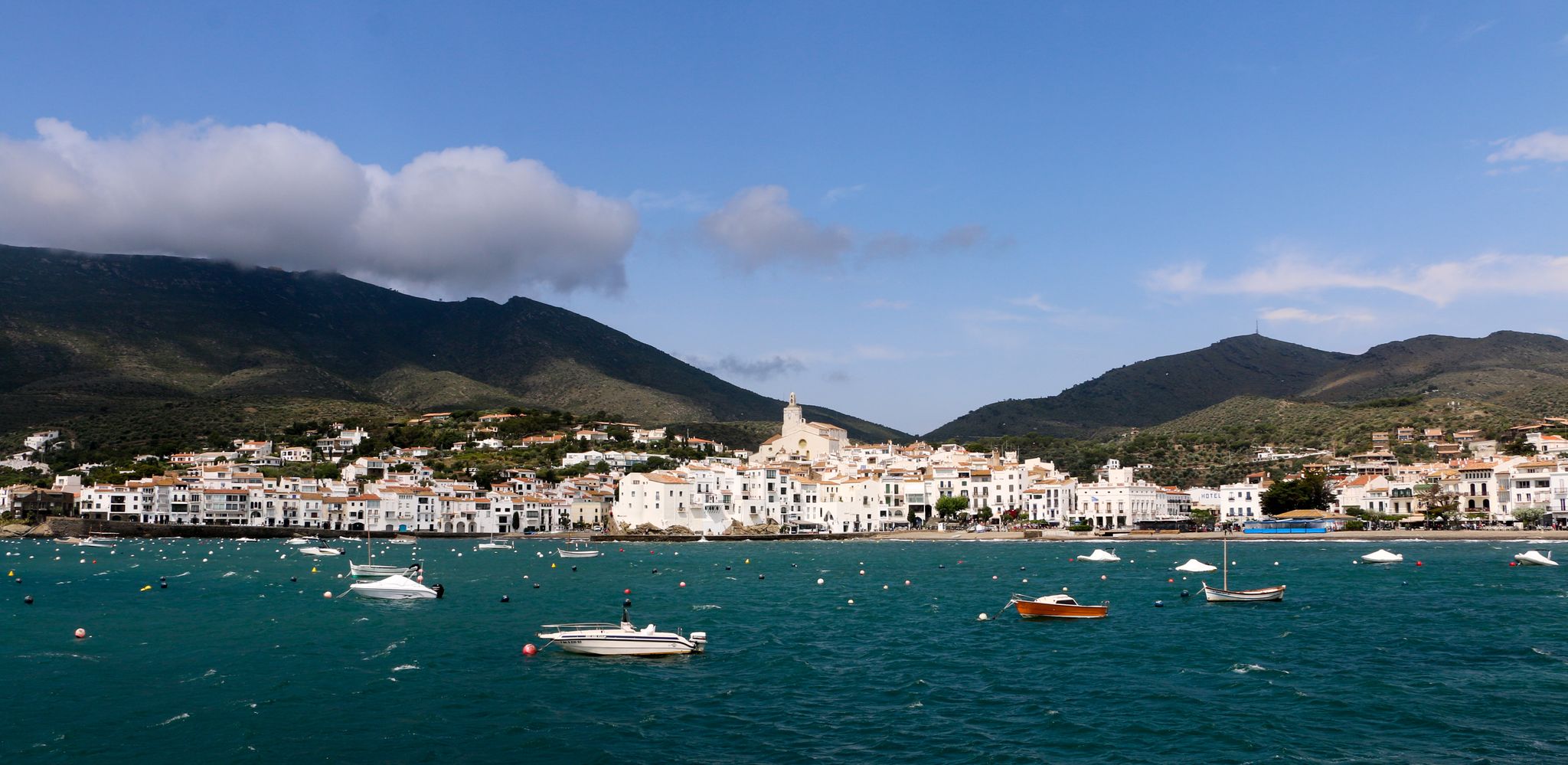
A journey through the Catalan Mediterranean – Tour of the Costa Brava
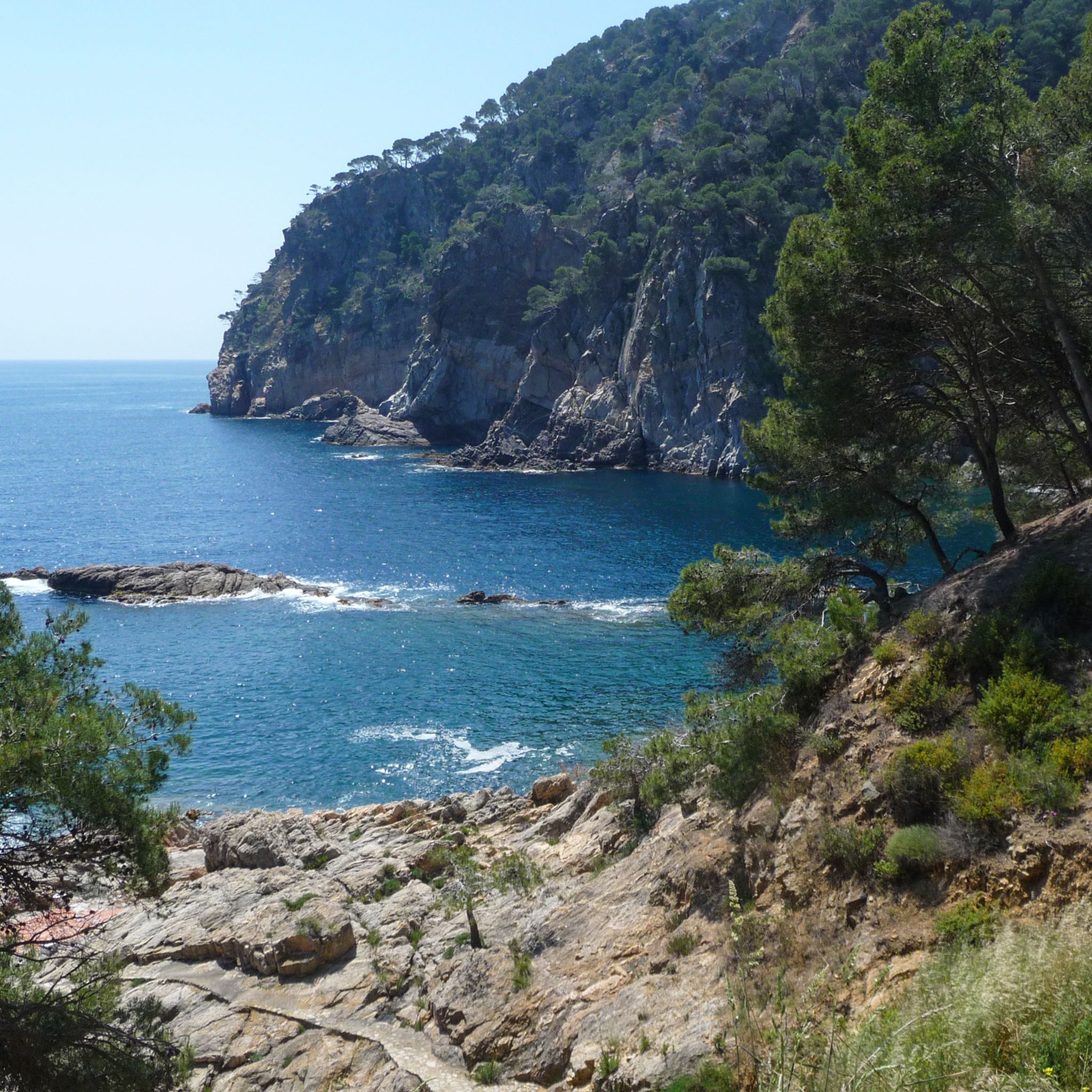
Hiking around Palafrugell
Road Cycling Routes around Palafrugell
Running Trails around Palafrugell
Cycling around Palafrugell
MTB Trails around Palafrugell
Gravel biking around Palafrugell
Other adventures around Palafrugell


Tips from the Community

Cala Cap Roig is a beautiful natural area that takes its name from the reddish rock formation that divides the beach in two.
7
0

This branch takes you to Castell beach, one of the few virgin beaches on the Costa Brava, surrounded by pine trees and dunes. A spectacular place, worth visiting.
0
0

Costa Brava beach whose name comes from the islet of Cap Roig that separates the beach into two coves. The rock formation has very characteristic reddish tones, basically due to the feldspar crystals that make up a large part of it. It is an ideal location for snorkeling.
3
1

This cove of thick, golden sand is located behind the marina of the Marina de Palamós marina, it is limited to the south by the port and to the north by islets known as Esculls d’En Roca. The cove has a length of 60 meters. by 25 wide, it is possible to arrive by car almost to the sand, and park either in the parking lot of the marina, or in an authorized area, before entering the beach itself. It does not have services, but due to the proximity of the Palamós Marina facilities, we will be able to access the services they offer, such as toilets, bars, nautical goods stores, etc. There are several diving centers that come to this point to start classes for new divers, or the boats that leave in the direction of the "Borees", a sunken ship a mile in front of the port, which is quite an attraction for those who they enter between the walls of his helmet.
0
1
Rock 18.24 m above sea level. that separates the Cales del Morro del Vedell and the Ports. A narrow passage between the rock and the cliff allows you to pass from one to the other, but you have to pay attention because there is a risk of falling stones.
0
1

The Platja de Castell is a long sandy beach with great hiking trails leading there. You can swim there great after you have done sports and need to cool down. So I can only recommend it...
2
1
Palamós's Fosca Beach owes its name to the large black rock that divides it into two parts, the Fosca beach and the Sant Esteve de la Fosca beach. This popular beach, which has a beautiful promenade that surrounds it as a ring road, hides a curious story that otherwise explains the origin of its name. Legend has it that the Greek goddess Pyrene came to this beach fleeing Geryon, the three-headed monster who sought her and who, being rejected by the beautiful goddess, burned the forests of the Pyrenees and murdered her father. Pyrene fled and looked for a place to hide, visited many beautiful corners of the Catalan coast, the beautiful beaches of the Gulf of Roses, the wonderful beach of Aiguablava de Begur, but finally chose this place, where he settled with his servants. Here he ordered his palace to be built, very close to the tip of Sant Esteve de Palamós, between the sea and the land, a place where he hoped that his beloved Heracles would know how to find it. The beautiful palace had lush gardens with abundant fountains and ponds which, combined with the fantastic situations of the beach, with fine and golden sand, blue backgrounds and pleasant waters, became their little paradise. Here he enjoyed the moonlight walks and baths, dinners and lunches under the olive trees and its wonderful surroundings. Nearby was a castle, the lord of which, on discovering the beauty and sweetness of Pyrene, satisfied her with gifts and supplications to conquer it. But after the goddess's continued rejection, one night she went mad and ordered the palace to be burned and her life ended. The palace was reduced to ashes and the stones of the ruins, they were disappearing after centuries and centuries of erosion by the sea and the winds, but it was a stubborn and hard rock, blackened by the fire of the fire, that went resisted all the inclement weather and endured as a witness to that terrible night. Even today we can see it in the same place, it is the dark (black) rock that gives its name to the beach, La Fosca.
1
1
Sa Foradada de Castell is a well-known 15 m marine arcade. long in the municipal term of Palamós. It is a rock bridge suitable for small boats to pass from side to side. The concavity does not exceed 15 meters of travel, while the width varies between 4 and 5 meters. Walking you can see it from the top of the cliff.
1
1
Frequently Asked Questions
What are some of the most popular natural monuments to visit in Palafrugell?
Among the most popular natural monuments in Palafrugell, visitors highly appreciate Cap Roig Cove, known for its distinctive reddish rock formation and excellent snorkeling opportunities. Castell Beach is also a favorite, offering fine sand, clear waters, and a natural setting within the Cap Roig natural interest area.
Are there family-friendly natural monuments in Palafrugell?
Yes, several natural monuments in Palafrugell are well-suited for families. Castell Beach and The Dark Rock of La Fosca Beach are both noted as family-friendly, offering safe environments for swimming and relaxation. The Cap Roig Botanical Garden, with its expansive grounds and diverse plant species, also provides an engaging experience for all ages.
What kind of natural features can I expect to see around Palafrugell?
Palafrugell's natural monuments showcase a diverse range of features. You'll find dramatic coastlines with secluded coves like El Golfet Beach, pristine sandy beaches such as Castell Beach, and unique rock formations like The Dark Rock of La Fosca Beach. Inland, the Massís de les Gavarres offers forested mountains with cork oaks and pines, providing a contrasting green landscape.
Are there hiking opportunities near these natural monuments?
Absolutely. The Camino de Ronda Coastal Path offers extensive hiking opportunities, winding along cliffs and connecting various coves and towns. For more inland exploration, the Massís de les Gavarres is a haven for hikers and cyclists. You can find various hiking routes around the area, including options like the S'Alguer Cove – Estreta Cove loop, by visiting the Hiking around Palafrugell guide.
What is the best time to visit the natural monuments in Palafrugell?
The best time to visit Palafrugell's natural monuments is generally during the spring (April-June) and early autumn (September-October). During these periods, the weather is pleasant for outdoor activities, and the crowds are typically smaller than in the peak summer months. Summer (July-August) is also popular, especially for beach activities, but can be very busy.
Can I find natural monuments that are accessible for people with reduced mobility?
Yes, Castell Beach is noted for offering amenities such as walkways for people with reduced mobility, making it a more accessible option among the natural monuments in the area.
Are there any natural monuments with historical significance?
Yes, Platja de Castell is not only a natural monument but also has historical significance, as it is located near the ruins of an ancient Iberian village. This blends natural beauty with historical intrigue, offering visitors a chance to explore both.
What activities can I do at Cap Roig Botanical Garden?
At the Cap Roig Botanical Garden, you can explore over 8,000 plant species from various Mediterranean climates, admire sculptures, and enjoy breathtaking panoramic views of the Mediterranean Sea as the terraced gardens cascade down to the coast. The garden also hosts the renowned Cap Roig Music Festival every summer. For more information on the garden, you can visit Visit Costa Brava.
What makes El Golfet Beach a unique natural monument?
El Golfet Beach, located south of Calella de Palafrugell, is unique for its picturesque cove, crystal-clear turquoise waters, and secluded atmosphere. It's surrounded by lush vegetation, rugged rocks, and distinctive reddish cliffs, making it an ideal spot for swimming, relaxing, and snorkeling. Access via the scenic Camino de Ronda adds to its charm.
Are there any challenging natural monuments or trails for experienced adventurers?
For those seeking a more challenging experience, El Morro del Vedell is categorized as challenging. While it's a rock formation, the nearby areas and coastal paths can offer more strenuous routes. The Massís de les Gavarres also provides various hiking and cycling routes with differing difficulty levels.
What kind of cycling routes are available near Palafrugell's natural monuments?
Palafrugell offers a variety of cycling routes, including road cycling options that can take you through scenic landscapes near natural monuments. Routes like the 'Climb to Romanyà de la Selva – Dolmen de la Cova d'en Daina loop' offer moderate to difficult challenges. You can explore more options in the Road Cycling Routes around Palafrugell guide.
What do visitors enjoy most about the natural monuments in Palafrugell?
Visitors particularly enjoy the pristine natural beauty, the clear waters perfect for swimming and snorkeling, and the opportunities for scenic walks along the coast. Many appreciate the tranquil atmosphere of secluded coves and the stunning panoramic views from various viewpoints. The blend of coastal and forested landscapes also receives high praise.
Can I bring my dog to the natural monuments and trails?
While specific regulations for each natural monument may vary, many outdoor areas and sections of the Camino de Ronda are generally dog-friendly, especially outside of peak season. It's always advisable to keep dogs on a leash and clean up after them. Check local signage for any restrictions at specific beaches or protected areas.
Are there running trails near the natural monuments?
Yes, there are several running trails in the vicinity of Palafrugell's natural monuments. You can find routes that take you along the coast or through inland areas. Examples include the 'Pedrosa Cove – Tamariu Beach loop' or the 'Calella de Palafrugell – Golfet Beach loop'. More running options are detailed in the Running Trails around Palafrugell guide.
Most popular routes around Palafrugell
Most popular attractions around Palafrugell

Get inspired with the komoot mobile app


Explore more
Extend your search for the best caves by checking out these guides of the top ones around Palafrugell:
