Top 8 Natural Monuments around Úbeda
Natural monuments around Úbeda are found within a landscape characterized by its "sea of olive trees" and its position on the Loma de Úbeda, a tableland between the Guadalquivir and Guadalimar riverbeds. This region, a UNESCO World Heritage site known for its Renaissance architecture, also features diverse geological formations and historical sites. The underlying natural history includes superimposed aquifers from different ages, contributing to the area's unique natural features.
Best natural monuments around Úbeda
- The most popular natural monument is…
Last updated: June 18, 2026
Bedmar
Highlight • Settlement
Translated by Google •
Tip by

Mogón Natural Pool
Highlight • Natural Monument
Translated by Google •
Tip by

Sign up now to discover places like this
Get recommendations on the best single tracks, peaks, & plenty of other exciting outdoor places.
Sign up for free
Rock-hewn Oratory of Valdecanales
Highlight • Cave
Its construction dates between the sixth and seventh centuries, and it is the only Visigothic hypogeum in southern Spain.
Translated by Google •
Tip by

Giribaile Cave Dwellings
Highlight • Cave
Translated by Google •
Tip by
Water trough
Highlight • Structure
Translated by Google •
Tip by

Sign up for free to discover even more natural monuments around Úbeda.
Sign up for free
Already have an account?
Start today with a free account
Your next adventure awaits.
Login or Signup

Tips from the Community

Currently, there is a sign informing that the water emanating from the fountain is "UNPOTABILITY", so it is not authorized for human consumption except for those horses that use it regularly.
20
0
At the entrance to the city of Baeza, a beautiful fountain-trough still stands. It was once used to provide water for animals arriving after farming tasks, quenching their thirst at the trough. It also contains several jets that were used to fill the jugs or pitchers used by residents for domestic chores.
20
0
Nothing, it's a pantomime created to win points, as we used to say in Andalusia, ni na de na!
0
0

The square marks the transition between the historic centre and the extensions that were realised from the 19th century onwards. The Plaza de la Constitución is surrounded by wide streets and buildings with an eclectic and modernist architectural style. In addition, important facilities such as the post office and the town hall are located near the square.
9
0
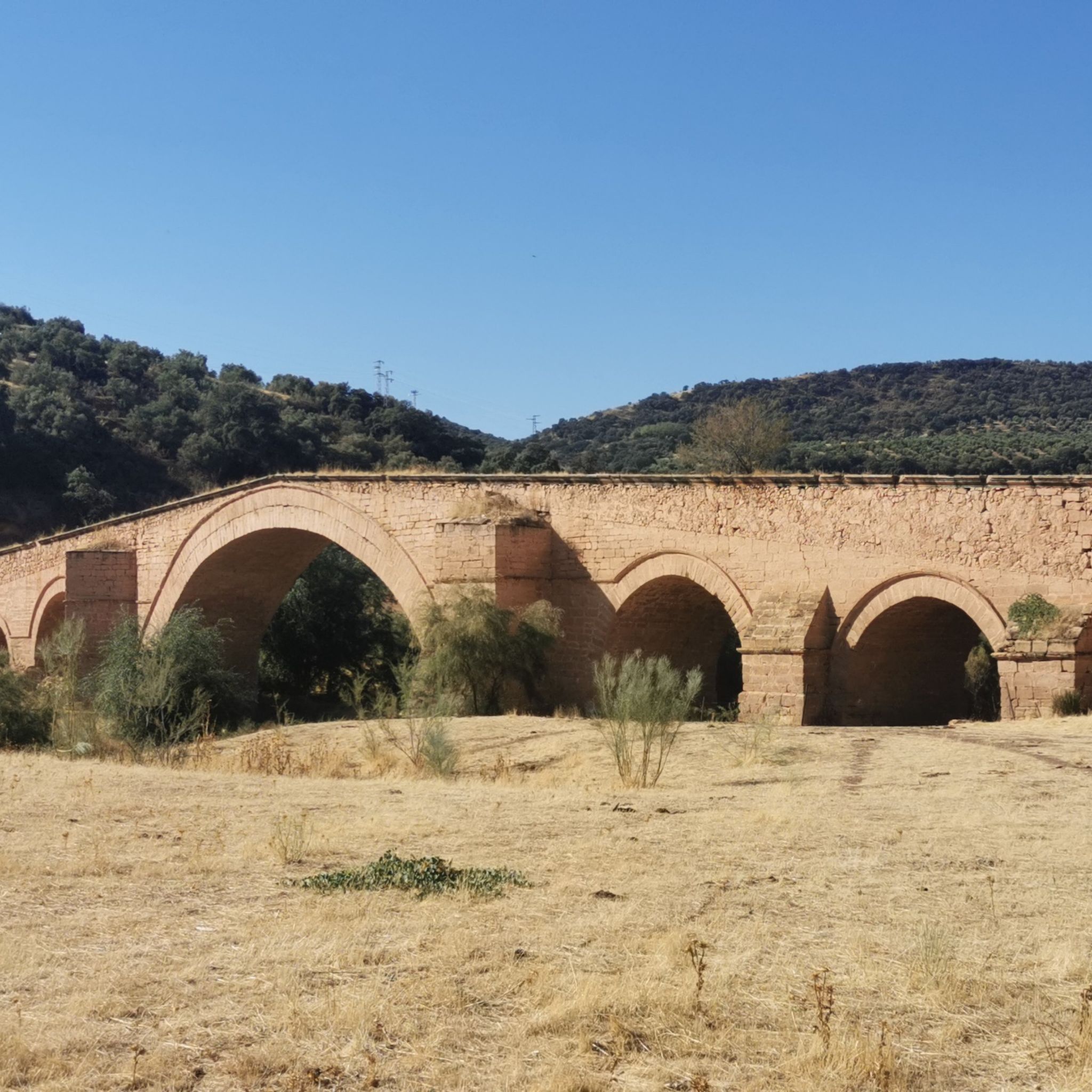
Bedmar y Garcíez is a municipality in the province of Jaén in Andalusia, Spain, created in 1975 by merging the villages of Bedmar and Garcíez. Historically, it has a rich history with prehistoric, Iberian, Roman and Moorish influences, and was a frontier area for a long time. Today, it is known for its olive oil production (Sierra Mágina Denomination of Origin) and is home to interesting monuments such as Renaissance churches and palaces, as well as ancient castles. The municipality is located in the beautiful natural setting of the Sierra Mágina Natural Park.
10
0
It is an ancient spring located at the entrance to the city, which served as a watering hole for animals returning or leaving for agricultural tasks. Nowadays it is almost a testimony of the past and although it has the sign of untreated water! It is natural water from a spring and therefore does not contain chlorine, which does not naturally mean that it cannot be drunk.
14
0

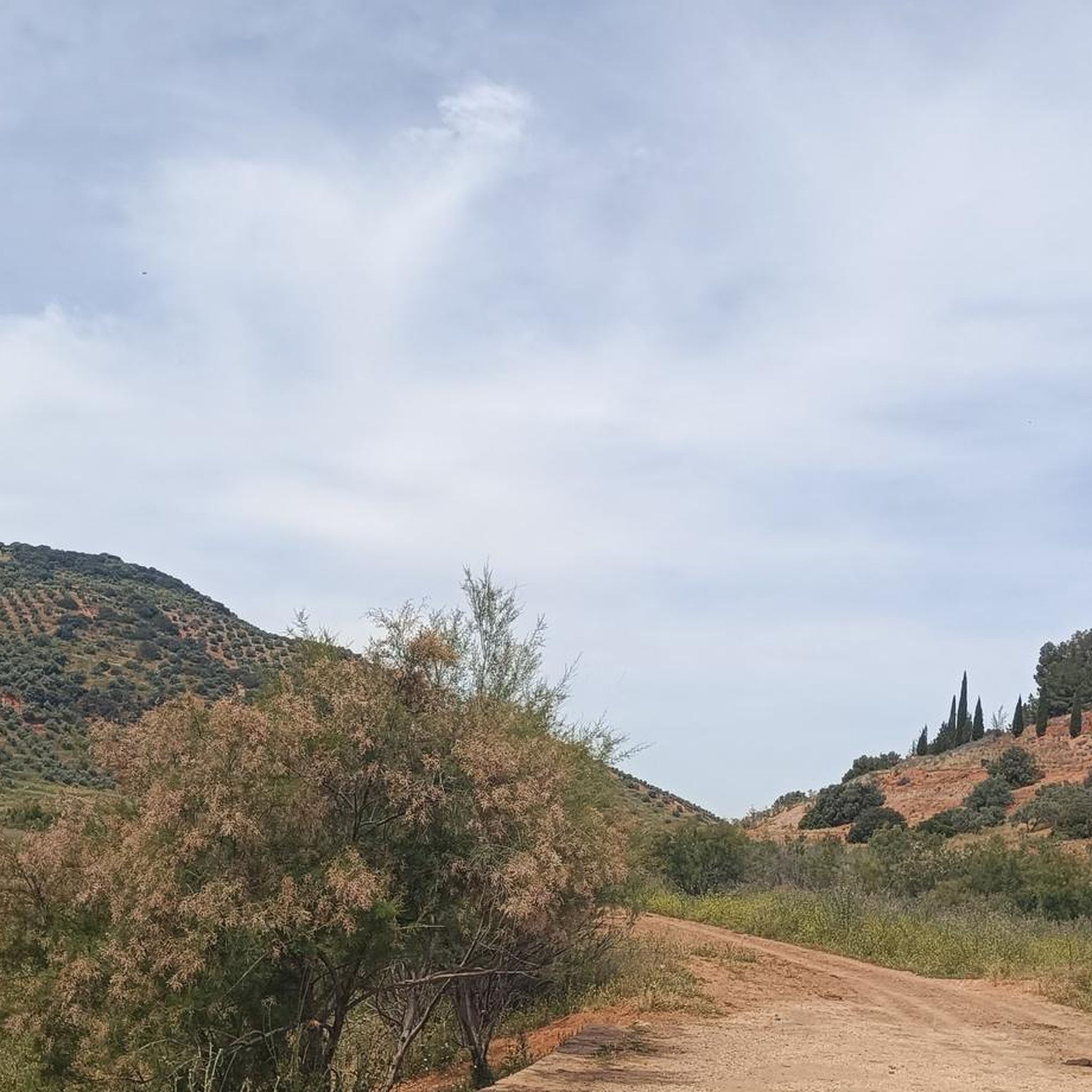
Small oasis on the banks of the Guadalquivir river, at the foot of the Sierra de las Cuatro Villas. Refreshing river water is captured to provide a beautiful natural pool.
1
0

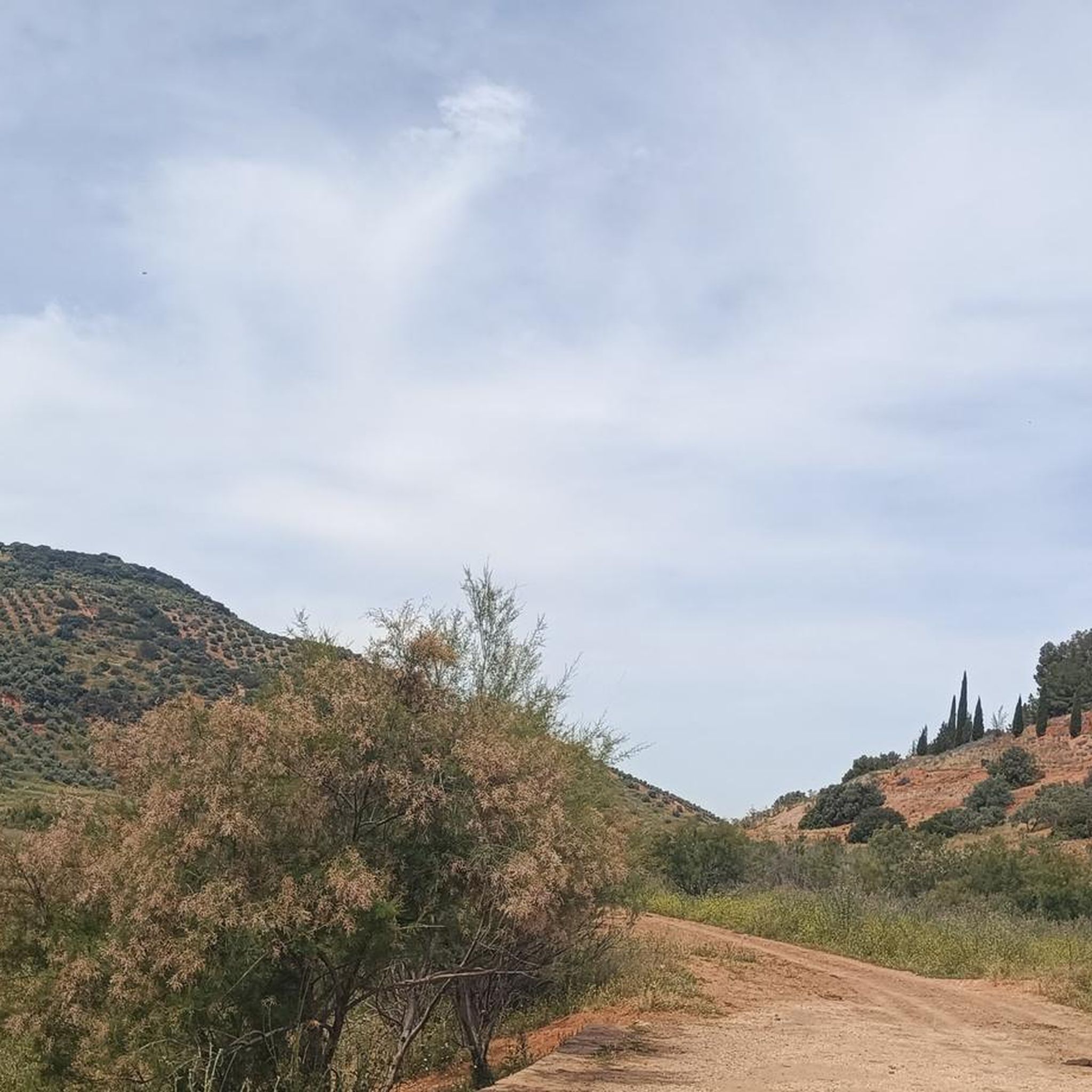
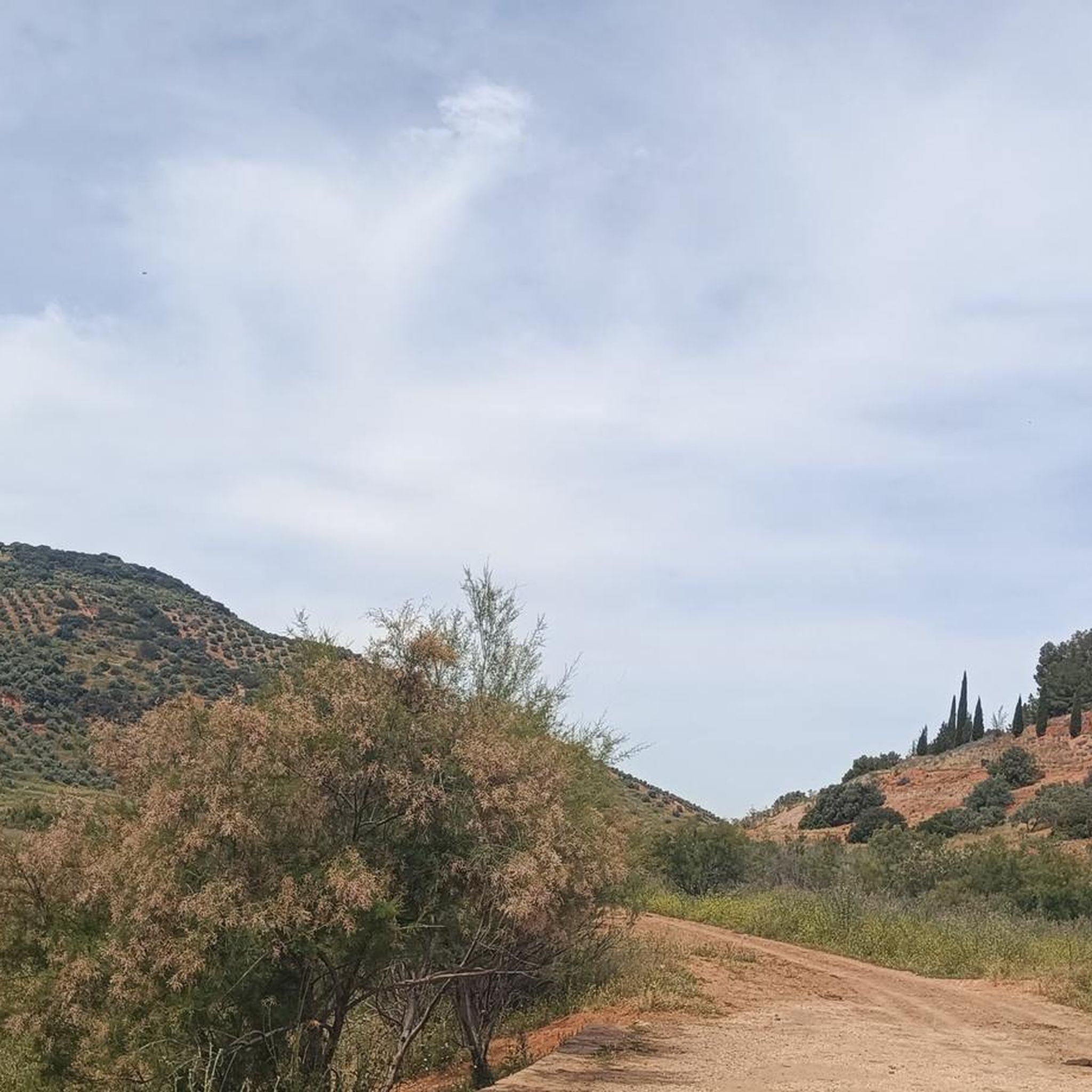
Vertical escarpment about 20 meters high in which you can see caves carved in the stone, windows, a sanctuary, a monastery or a hermitage, most likely, rooms where monks or hermits lived in the Visigothic or perhaps Mozarabic times. when the Muslims already dominated these lands but tolerated the existence of Christian communities.
2
0
Frequently Asked Questions
What unique historical natural monuments can I explore near Úbeda?
Near Úbeda, you can explore the Rock-hewn Oratory of Valdecanales, a Visigothic-origin hermitage carved into rock, dating back to the sixth and seventh centuries. It's the only Visigothic hypogeum in southern Spain. Another fascinating site is the Giribaile Cave Dwellings, where you can see caves carved into a 20-meter high escarpment, believed to have been inhabited by monks or hermits during Visigothic or Mozarabic times.
Are there any natural pools or refreshing spots around Úbeda?
Yes, the Mogón Natural Pool is a refreshing oasis located on the banks of the Guadalquivir River, at the foot of the Sierra de las Cuatro Villas. It's a natural pool formed by capturing river water, perfect for relaxation and swimming in a tranquil setting.
What are the best natural protected areas for nature lovers near Úbeda?
Just a short drive from Úbeda, you'll find the vast Sierra de Cazorla, Segura y Las Villas Natural Park. This is one of Spain's largest and most beautiful natural areas, offering lush forests, rivers, and diverse wildlife. It's a paradise for nature enthusiasts and hikers.
Are there family-friendly natural monuments to visit near Úbeda?
Absolutely. The Mogón Natural Pool is considered family-friendly, offering a pleasant spot for relaxation and swimming. Additionally, the broader Sierra de Cazorla, Segura y Las Villas Natural Park provides many opportunities for family outings, including easy walks and scenic spots.
What kind of outdoor activities can I do near these natural monuments?
The region around Úbeda offers various outdoor activities. For hiking, you can explore trails within the Sierra de Cazorla, Segura y Las Villas Natural Park, such as the recommended Borosa River route. There are also numerous hiking routes around Úbeda, which you can find in the Hiking around Úbeda guide. For cycling, consider the MTB Trails around Úbeda guide.
Are there any natural monuments with archaeological significance?
Yes, the Giribaile Cave Dwellings are a prime example. These caves, carved into a vertical escarpment, show evidence of human habitation during Visigothic or Mozarabic times, offering a glimpse into ancient human adaptation within a natural formation.
What is the geological context of the natural monuments around Úbeda?
The natural monuments around Úbeda are situated within a landscape characterized by the Loma de Úbeda, a tableland between the Guadalquivir and Guadalimar riverbeds. The region's underlying natural history includes superimposed aquifers from different ages (Triassic, Jurassic, and Miocene), contributing to the unique geological formations seen in sites like the cave dwellings and rock-hewn structures.
Can I find any historical facilities that are also considered natural monuments?
The Water trough at the entrance to Baeza, near Úbeda, is an ancient spring that served as a watering hole for animals. While primarily a historical facility, its natural water source and long-standing presence in the landscape give it a natural monument quality, reflecting the historical interaction between humans and the environment.
What kind of wildlife can I expect to see in the natural areas near Úbeda?
In the Sierra de Cazorla, Segura y Las Villas Natural Park, you can expect to encounter diverse wildlife. The park is known for its rich biodiversity, including various bird species, deer, and wild boars, making it an excellent spot for wildlife observation.
Are there any challenging hikes near the natural monuments?
While specific difficulty levels for routes directly adjacent to each monument vary, the Sierra de Cazorla, Segura y Las Villas Natural Park offers a range of trails, from easy walks to more challenging hikes. For a broader selection of challenging routes, you can consult the Hiking around Úbeda guide, which includes moderate and potentially more demanding options.
What makes the Borosa River route special within the Sierra de Cazorla Natural Park?
The Borosa River route, located within the Sierra de Cazorla, Segura y Las Villas Natural Park, is highly recommended for its breathtaking scenery. It features tracks and walkways over the river, tunnels, and climbs that lead to beautiful lagoons and waterfalls, offering a diverse and engaging hiking experience.
Most popular attractions around Úbeda

Get inspired with the komoot mobile app


Explore more
Extend your search for the best caves by checking out these guides of the top ones around Úbeda:
