Top 8 Natural Monuments around Palos De La Frontera
Best natural monuments around Palos De La Frontera include diverse landscapes shaped by its coastal proximity and historical significance. The region features unique hydrogeomorphological wetlands, extensive botanical gardens, and impressive coastal formations. These natural areas provide habitats for various flora and fauna, offering opportunities for observation and exploration.
Best natural monuments around Palos De La Frontera
- The most popular natural monuments is Cuesta Maneli Beach, a beach located within the Doñana Natural Park, known for its peaceful surroundings and…
Last updated: July 1, 2026
Monument to the Discovering Faith
Highlight • Monument
Translated by Google •
Tip by

Cuesta Maneli Beach
Highlight • Beach
Translated by Google •
Tip by
Sign up now to discover places like this
Get recommendations on the best single tracks, peaks, & plenty of other exciting outdoor places.
Sign up for free
Old Astur Saltworks
Highlight • Natural Monument
Translated by Google •
Tip by
Odiel Marshes
Highlight • Natural
Translated by Google •
Tip by
Centenary Pine of Parador de Mazagón
Highlight • Natural Monument
Translated by Google •
Tip by

Sign up for free to discover even more natural monuments around Palos De La Frontera.
Sign up for free
Already have an account?
Start today with a free account
Your next adventure awaits.
Login or Signup
Tips from the Community

The Monument to the Faith of the Discoverer, also known as the Columbus Monument, is one of the most representative symbols of the city of Huelva. It is located at Punta del Sebo, a natural setting where the Tinto and Odiel rivers meet, approximately 4 km from the city center.
9
0

Good route, but it needs some fine-tuning. Try optimizing it another day.
1
0

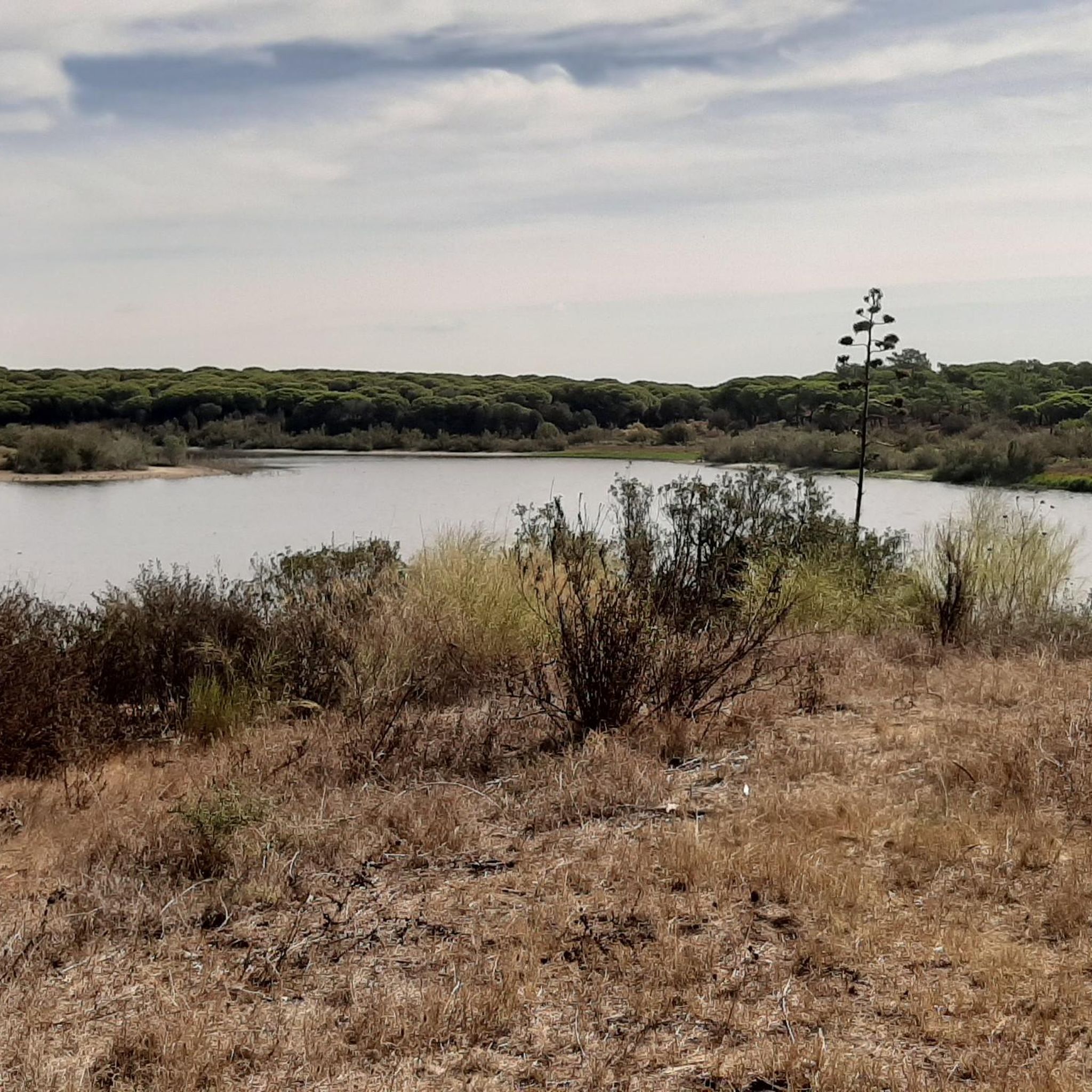
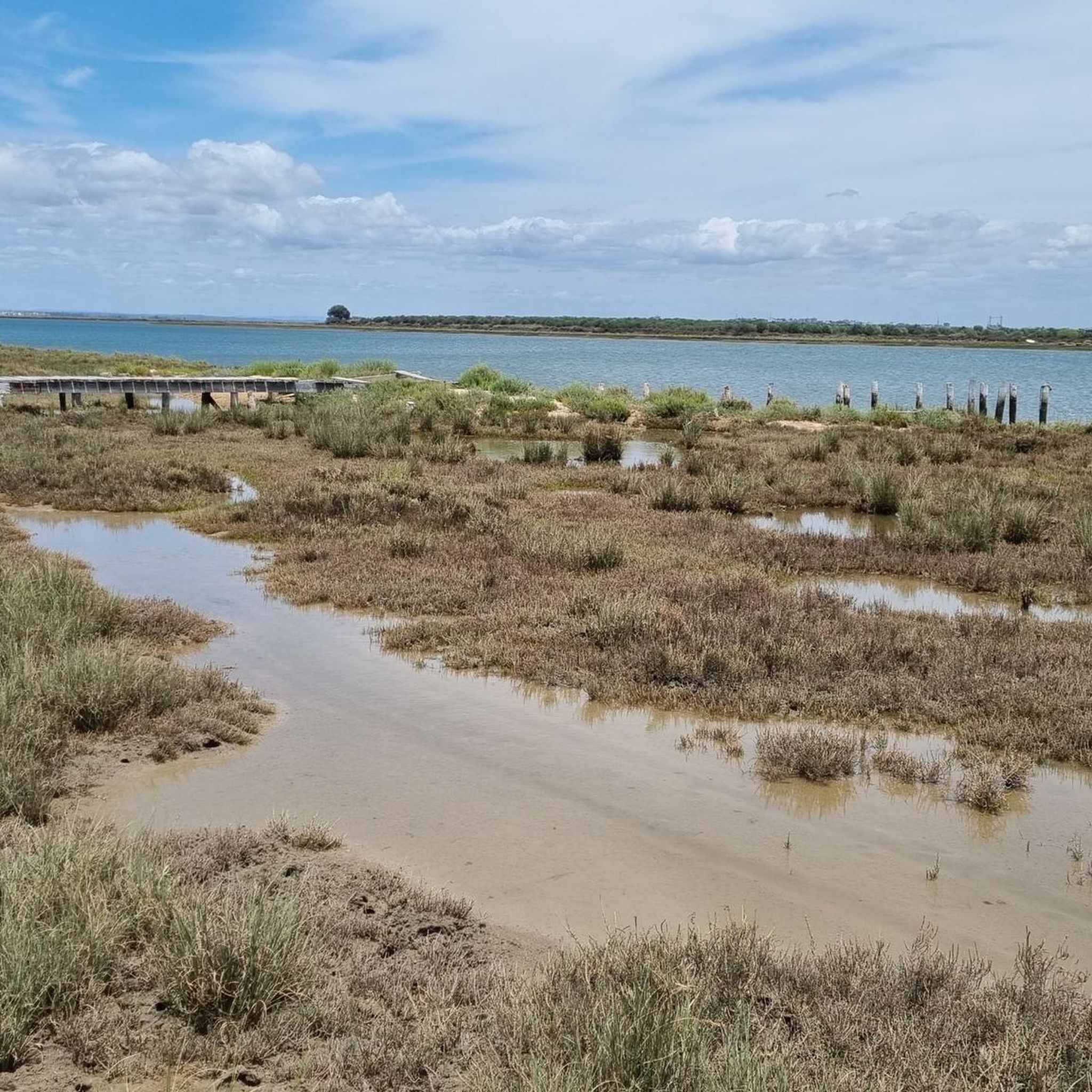
This natural area covers approximately 7,185 hectares and is known for its rich biodiversity and its importance as a breeding area and refuge for numerous bird species. Notable species include the Eurasian spoonbill, the flamingo, various ducks, grey and purple herons, and birds of prey such as the osprey. The area also has an interpretation center, birdwatching points, trails, and rest areas.
4
0
This area is known for its focus on aquaculture and environmental tourism. The salt flats were built in the 1920s by Antonio Sánchez Allende-Valledor. Today, the Salinas del Astur offer a variety of activities such as safe recreational fishing, hiking, birdwatching, and photography. You can also enjoy canoeing and observe a wide variety of birds in the Marismas del Odiel Natural Park.
4
0
It was designed by the American sculptor Gertrude Vanderbilt Whitney and donated to Spain by the United States in 1929. The sculpture, in Cubist style and inspired by Egypt, is 37 metres high and represents a Franciscan friar from the Monastery of La Rábida. This friar welcomed Christopher Columbus while he was planning his first voyage and awaiting confirmation of funding from the Spanish monarchs. The pedestal of the monument includes reliefs depicting Mayan, Aztec, Inca and Christian elements.
9
0

Pet-friendly beaches. Both Cuesta Maneli and Rompeculos beaches are pet-friendly, that is, beaches where our pets are tolerated.
6
0
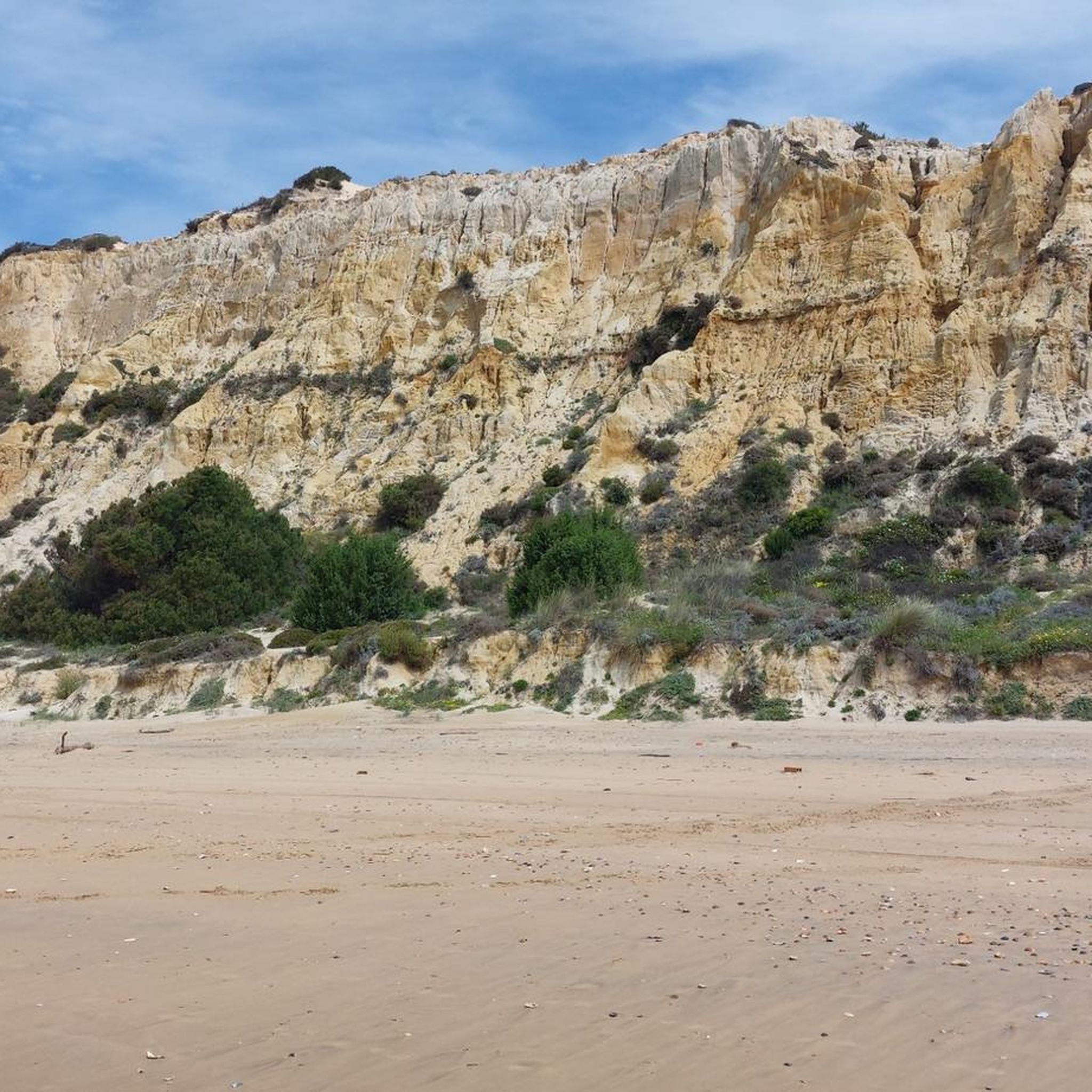
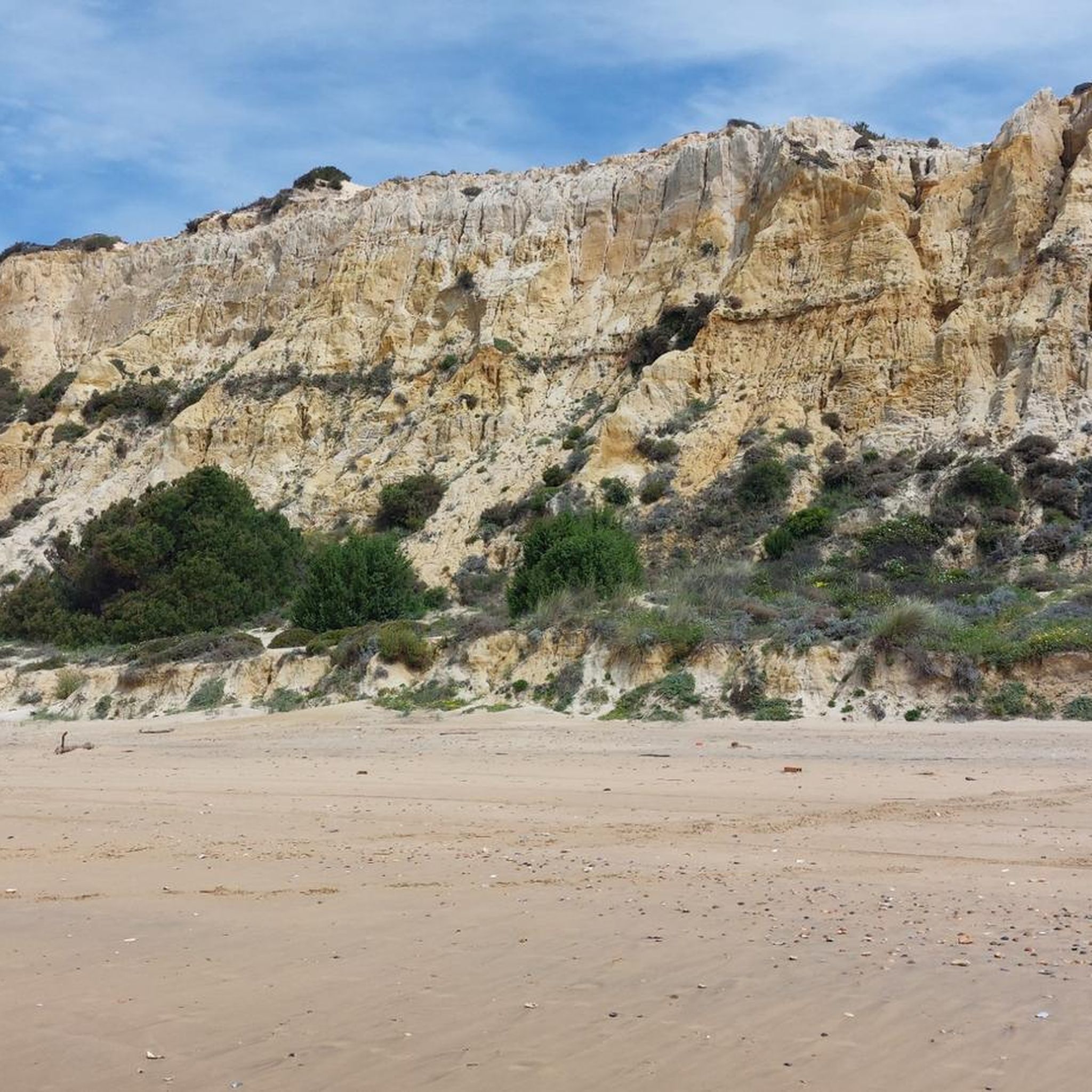
Cuesta Maneli Beach is a natural gem located on the Costa de la Luz, within the Doñana Natural Park, in the province of Huelva. This unspoiled beach is located between Mazagón and Matalascañas, and is known for its peaceful surroundings and natural beauty.
9
0
Frequently Asked Questions
What natural features can I explore in the Palos de la Frontera region?
The region around Palos de la Frontera offers a diverse range of natural features. You can explore unique hydrogeomorphological wetlands like the Paraje Natural de las Lagunas de Palos y Las Madres, which are vital habitats for migratory birds. There are also impressive coastal formations such as the fossil dunes and sandstone cliffs of El Asperillo within the Doñana Natural Park, and serene beaches like Cuesta Maneli Beach. The area also features extensive botanical gardens at the José Celestino Mutis Botanical Park, showcasing flora from around the world.
What kind of wildlife can I expect to see at the natural monuments?
The natural monuments around Palos de la Frontera are rich in biodiversity. At the Paraje Natural de las Lagunas de Palos y Las Madres, you can observe numerous migratory birds, including endangered species like the Squacco heron and the white-headed duck, as well as ospreys. The Odiel Marshes are a biosphere reserve known for Eurasian spoonbills, flamingos, various ducks, and herons. The broader Doñana Natural Park is a critical habitat for species like the Iberian lynx and Spanish imperial eagle, though these are rarer sightings.
Are there popular trails for exploring the natural monuments?
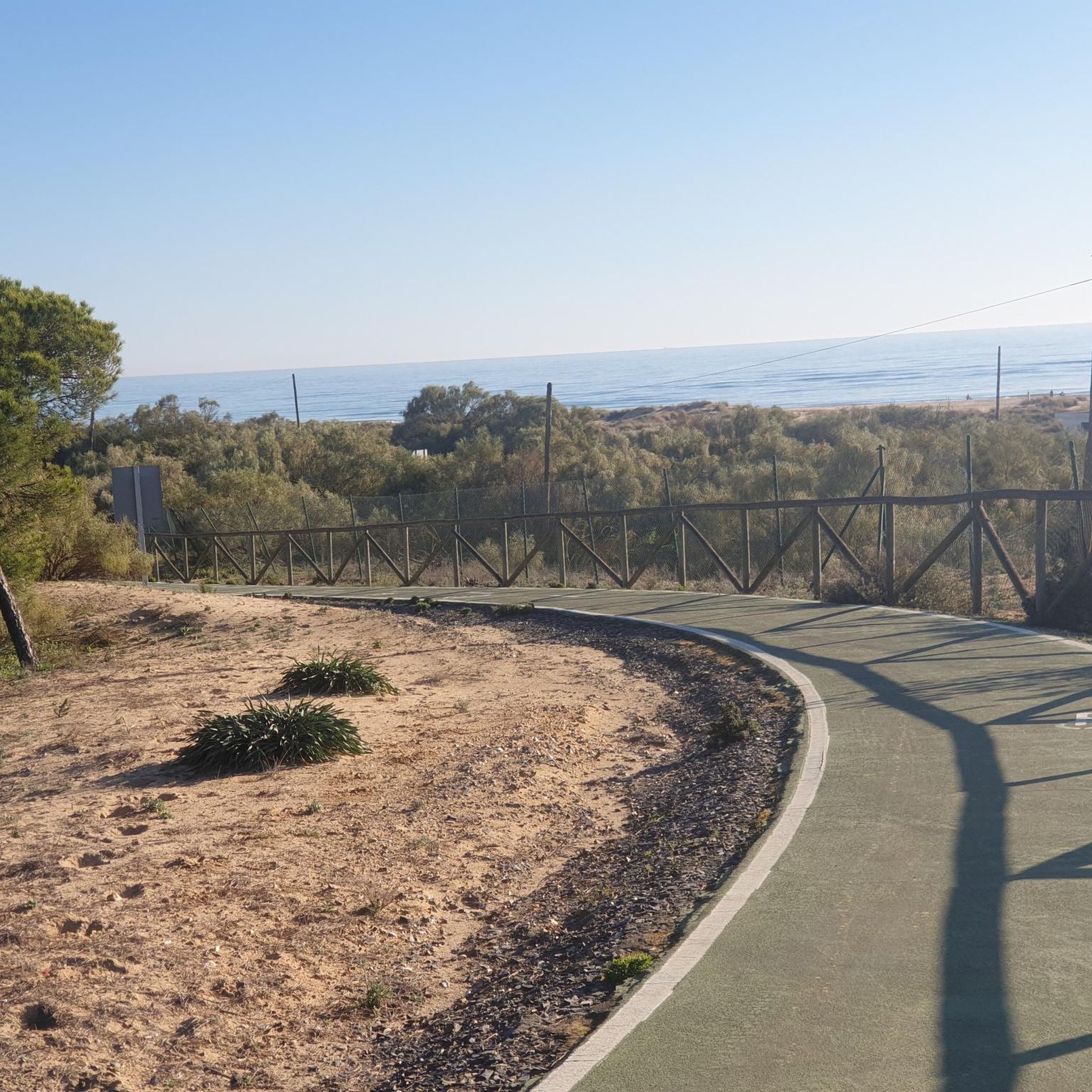
Yes, several natural monuments offer trails for exploration. The Paraje Natural de las Lagunas de Palos y Las Madres features a botanical trail with information panels. Within the Odiel Marshes, there are various trails and bike routes designed for nature observation. For a unique coastal walk, the path to Cuesta Maneli Beach is very picturesque.
What hiking opportunities are available near these natural monuments?
You can find several hiking opportunities in the vicinity. For instance, the Hiking around Palos De La Frontera guide lists routes like the 'Camino Verde Trail' and various loops around the Huelva Waterfront Promenade and Mazagón Beach, which are close to natural areas. These trails allow you to experience the diverse landscapes, from coastal views to marshlands.
Can I bring my dog to the natural monuments?
Some natural monuments are dog-friendly. For example, Cuesta Maneli Beach is explicitly mentioned as a pet-friendly beach where dogs are tolerated. It's always advisable to check specific regulations for other natural areas, as policies can vary, especially in protected zones like the Paraje Natural de las Lagunas de Palos y Las Madres or Doñana Natural Park.
When is the best time of year to visit the natural monuments?
The best time to visit the natural monuments around Palos de la Frontera generally depends on your interests. For birdwatching, spring and autumn are ideal due to migratory patterns. The José Celestino Mutis Botanical Park is beautiful year-round, with different flora blooming in various seasons. For coastal areas like Cuesta Maneli Beach and the El Asperillo Cliffs, spring and early summer offer pleasant weather for exploration, avoiding the intense heat of mid-summer.
Are there any wheelchair-accessible natural monuments?
While specific information on wheelchair accessibility for all natural monuments is limited, the José Celestino Mutis Botanical Park, with its well-maintained paths and design, is likely to offer more accessible sections. For other natural areas, especially those with trails through wetlands or coastal dunes, accessibility might be more challenging. It's recommended to check with local visitor centers for the most up-to-date accessibility information.
How much time should I allocate to visit the natural monuments?
The time needed varies greatly depending on the monument. You could spend a full day exploring the extensive Doñana Natural Park, including areas like the El Asperillo Cliffs. The Paraje Natural de las Lagunas de Palos y Las Madres might take a few hours for birdwatching and walking the botanical trail. The José Celestino Mutis Botanical Park can be enjoyed for 2-3 hours. Shorter visits, such as to Cuesta Maneli Beach or the Monument to the Discovering Faith, might only require an hour or two.
Is parking available at the natural monuments?
Parking is generally available at or near the main access points for many natural monuments. For instance, areas like the José Celestino Mutis Botanical Park and popular beaches often have designated parking facilities. For more remote natural areas or specific trailheads, it's advisable to check in advance, as parking might be limited or require a short walk to the entrance.
What outdoor activities can I do near the natural monuments?
Beyond hiking, the region offers various outdoor activities. You can find running trails, such as those listed in the Running Trails around Palos De La Frontera guide, including routes along the Huelva Waterfront Promenade. Gravel biking is also popular, with options like those in the Gravel biking around Palos De La Frontera guide. Birdwatching is a prime activity, especially in the wetlands and marshes. The Old Astur Saltworks also offer activities like safe recreational fishing and canoeing.
Are there any historical sites integrated with the natural monuments?
Yes, some natural monuments have historical significance or are located near historical sites. The Monument to the Discovering Faith, while a man-made monument, is set in a natural confluence of rivers and commemorates Christopher Columbus's voyages. The Old Astur Saltworks are historical industrial sites now focused on environmental tourism. The José Celestino Mutis Botanical Park is located within La Rábida, an area deeply connected to the Age of Discovery.
What should I bring when visiting the natural monuments?
When visiting the natural monuments, it's advisable to bring essentials like water, sun protection (hat, sunscreen), and comfortable walking shoes. For birdwatching, binoculars are highly recommended. If you plan to hike, consider bringing a small backpack with snacks. Always check the weather forecast before your visit and dress appropriately for the conditions.
Are there any unique natural monuments beyond the well-known ones?
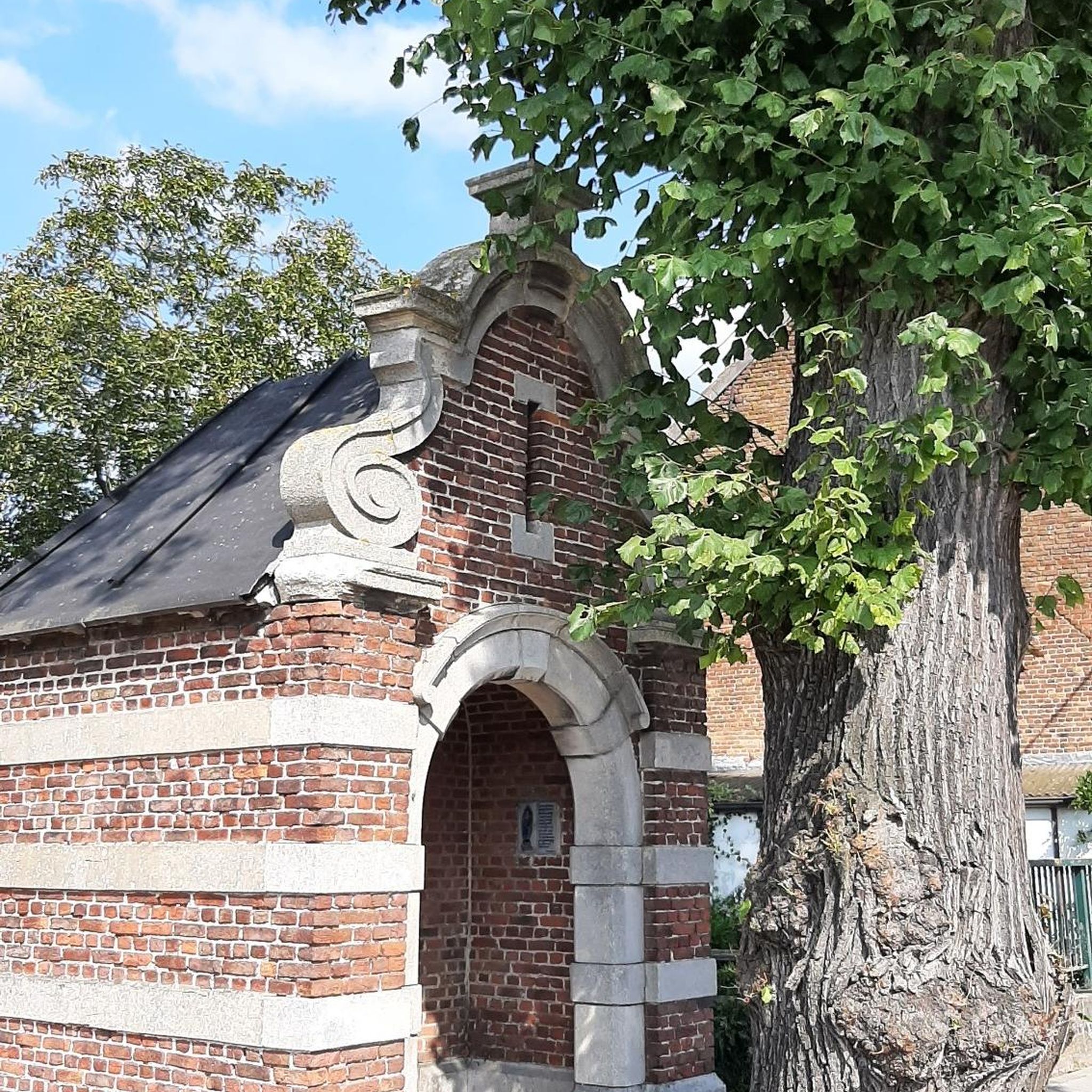
Beyond the prominent wetlands and coastal areas, the region also features unique natural elements like the Centenary Pine of Parador de Mazagón. This ancient Stone Pine, estimated to be 400 years old, stands as a natural monument with its impressive size and distinctive branches, offering a glimpse into the region's long-standing natural heritage.
Most popular routes around Palos De La Frontera
Most popular attractions around Palos De La Frontera

Get inspired with the komoot mobile app


Explore more
Extend your search for the best caves by checking out these guides of the top ones around Palos De La Frontera:
