Top 20 Natural Monuments around Chinchón
Best natural monuments around Chinchón include a diverse range of natural areas within the Community of Madrid, Spain. The region is characterized by its location in the Tagus-Jarama river basin, featuring expansive vineyards, olive groves, and significant wetlands. These natural features offer ecological importance and recreational opportunities for exploration.
Best natural monuments around Chinchón
- The most popular natural monuments is Birdwatching Hide at San Juan Lagoons, a viewpoint that offers a prime location for observing local fauna. This spot…
Last updated: June 18, 2026
Laguna Seca de las Esteras
Highlight • Lake
Translated by Google •
Tip by

The Chinchón Sinkhole
Highlight • Cave
Translated by Google •
Tip by

Sign up now to discover places like this
Get recommendations on the best single tracks, peaks, & plenty of other exciting outdoor places.
Sign up for free
Birdwatching Hide at San Juan Lagoons
Highlight • Viewpoint
Translated by Google •
Tip by

Jardín del Príncipe
Highlight • Natural Monument
Translated by Google •
Tip by

Chinescos Pond
Highlight • Lake
It is an artificial lake with three islets where …
Translated by Google •
Tip by
Sign up for free to discover even more natural monuments around Chinchón.
Sign up for free
Already have an account?
Start today with a free account
Your next adventure awaits.
Login or Signup

Other adventures around Chinchón

Tips from the Community

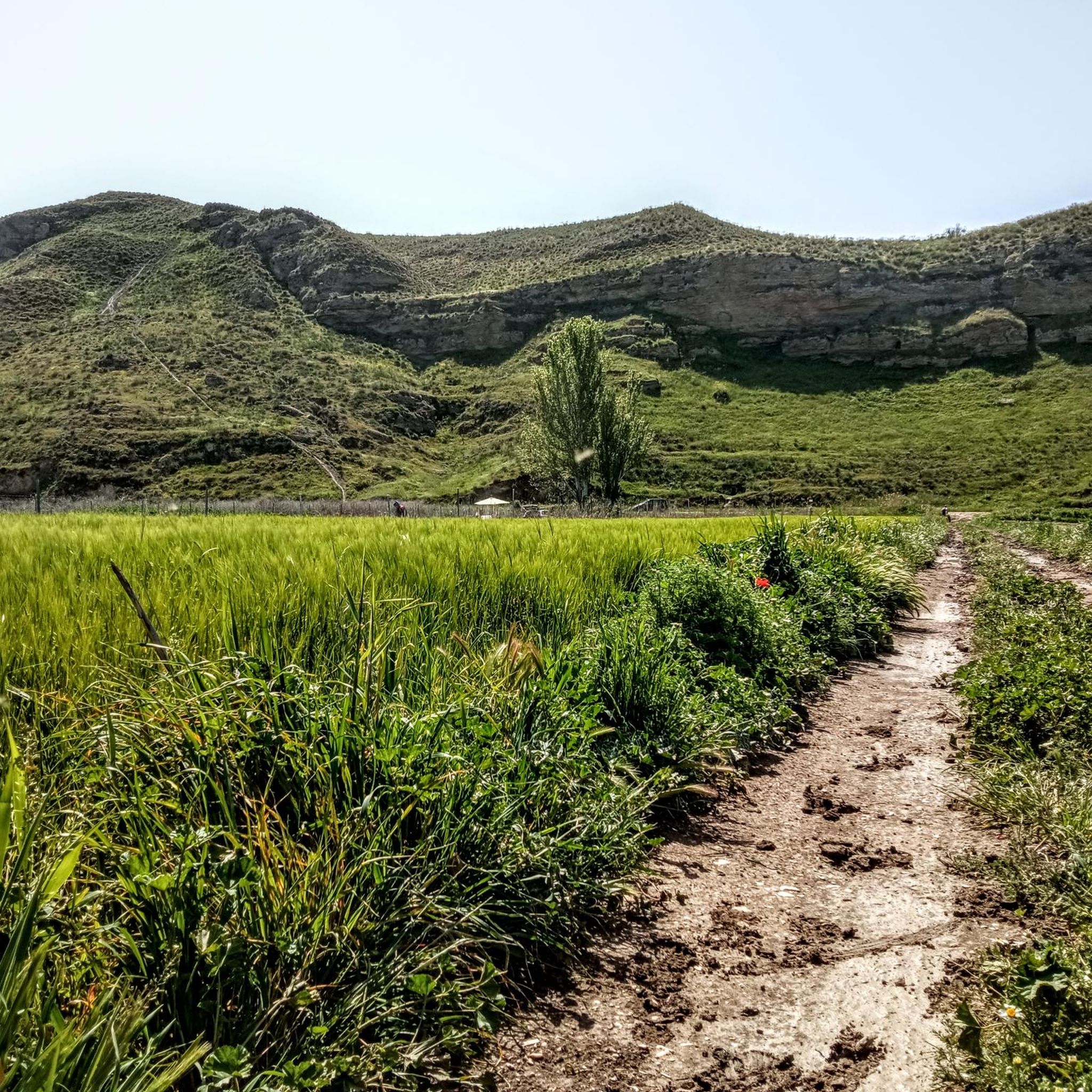
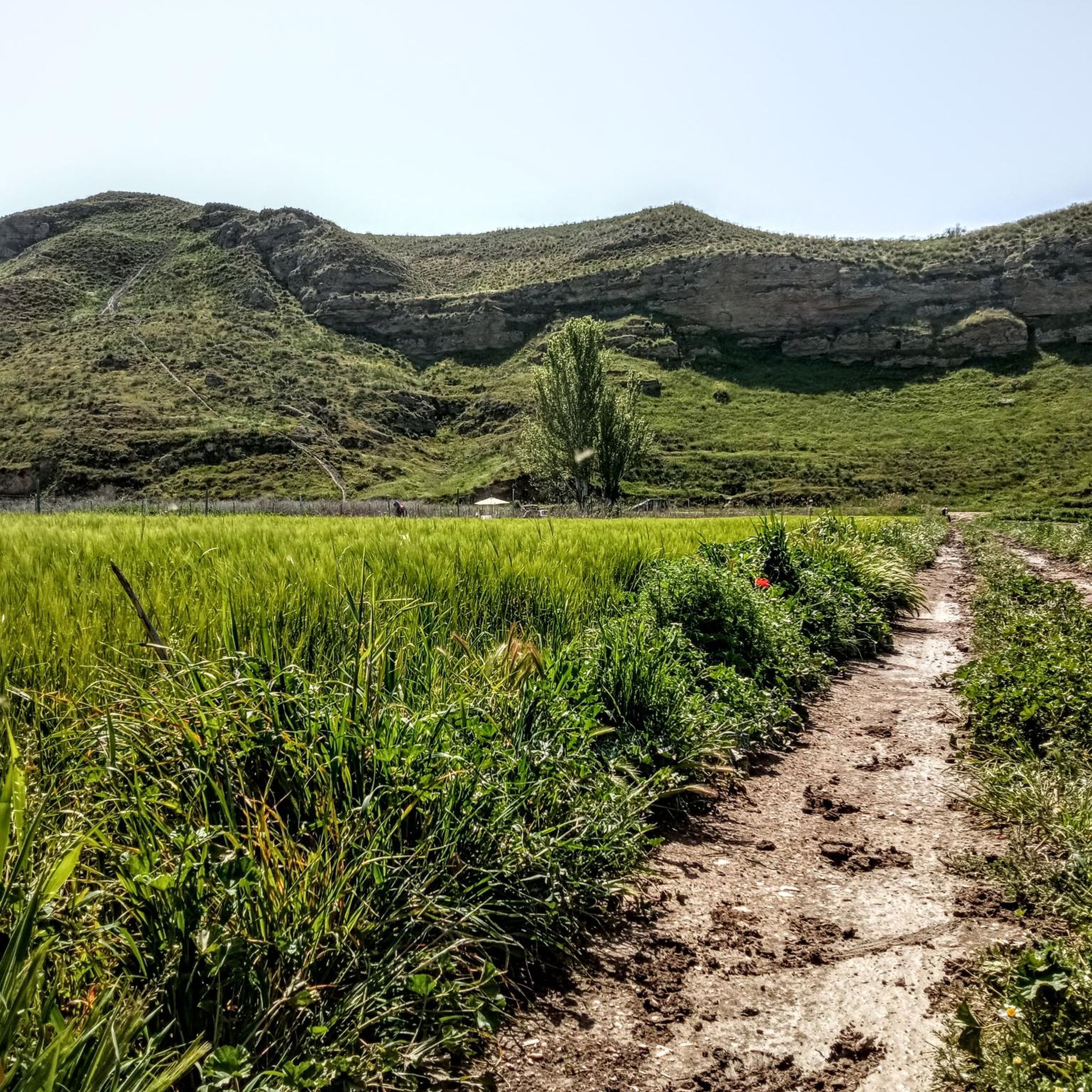
In spring and during the rainy season, the blue surface of the Esteras lagoon is an environmental jewel in the arid landscape of the rural moorland. The volume of water depends on rainfall and evaporation. During long periods of high temperatures, the water disappears and becomes a white salt lake with a noticeable crust of mineral salts. In this case, it is advisable not to enter the lake to closely observe the sodium sulphate crystals because it is a mud trap, the wetland is always under the salt.
0
0

The Garden of the Prince in Aranjuez, also known as the Garden of the Prince of Asturias, is a space of great beauty and historical relevance. The name is due to Charles IV, who ordered its creation when he still held the title of Prince of Asturias. This garden preserves previous elements, such as the Island's orchard. I hope you enjoy your visit to the Jardín del Príncipe in Aranjuez! 🏰🌳🌸
14
0

Huge garden where the monarchs walked surrounded by a splendid security fence adorned with stones and wrought iron in the purest royal style.
2
0

At this point on the path of La Blanca, at the height of the San Juan lagoons, there is a viewpoint frequented by bird lovers. It is a perfect point to see the fauna that inhabits this seasonal wetland.
0
0

The route enters the Cañada del Raso through the access to a gypsum factory, leaves the facilities on the right and passes through the Laguna Seca or Las Esteras wetland, a valuable lake ecosystem in a natural depression in the land that floods temporarily, creating a hypersaline wetland of great geological, botanical and faunal importance of high environmental value, a small wonder in the páramo landscape.
0
0

Impressive and wide park to the northeast of the Palace, of 150 hectares, delimited by the Tagus river, and that stands out for its botanical wealth.
5
1

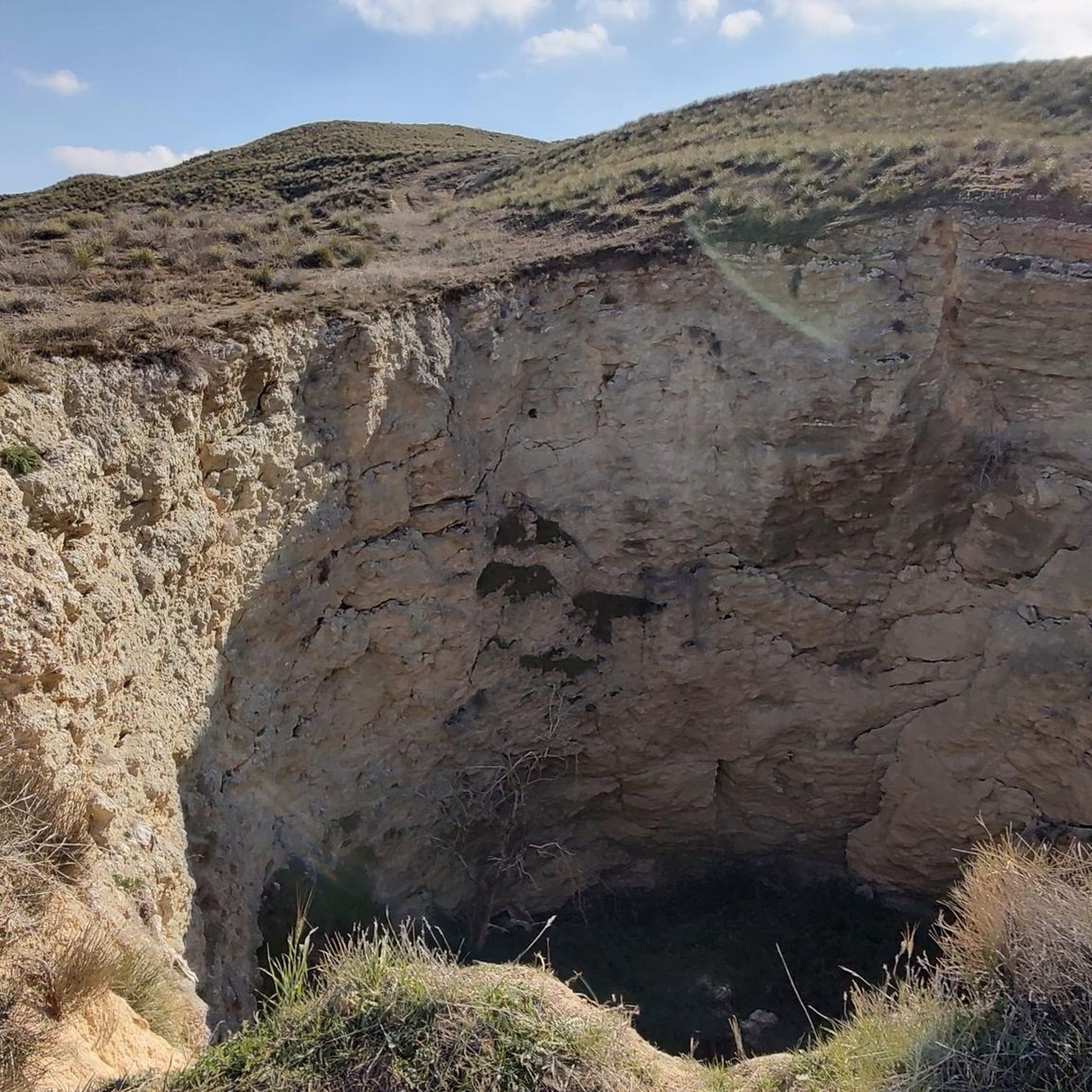
It's kind of scary to look out. Better do it with caution
0
0
You can find this place in the middle area of the Prince's Gardens, accessing through the Puerta de la Plaza Redonda. It is an artificial lake with three islets where you can see a Greek-style temple with Ionic columns that emulate being made of marble, which was built at the beginning of the 18th century by Juan de Villanueva, who was the architect of the Prado museum building.
10
0
Frequently Asked Questions
What are the most significant natural features to explore around Chinchón?
Chinchón is known for its diverse natural landscapes, including important wetlands and geological formations. The most notable is the Laguna de San Juan, a significant wetland and bird reserve. You can also find unique geological formations like The Chinchón Sinkhole, which offers a challenging route for hikers. The area also encompasses parts of the extensive Regional Park of the Southeast, providing varied natural environments.
Where can I go birdwatching near Chinchón?
The Laguna de San Juan is an excellent spot for birdwatching. It's a protected Fauna Refuge and one of the largest bird reserves in the Community of Madrid. You can visit the Birdwatching Hide at San Juan Lagoons, which is a perfect point to observe the diverse avian fauna inhabiting this seasonal wetland. It's especially rewarding during the rainy season when the lagoons are full.
Are there any unique lake ecosystems to visit in the Chinchón area?
Yes, you can explore Laguna Seca de las Esteras. This temporary hypersaline wetland is a valuable lake ecosystem within a natural depression. It showcases significant geological, botanical, and faunal importance, transforming into a white salt lake with a mineral crust during dry periods. It's a small wonder in the páramo landscape.
What kind of outdoor activities can I do near Chinchón's natural monuments?
Beyond exploring the natural monuments themselves, the region offers various outdoor activities. You can find numerous routes for cycling, including mountain biking, road cycling, and touring bicycle options. For example, there are challenging MTB routes like 'Old Bridge of Titulcia – Titulcia Main Square loop from Chinchón' and moderate road cycling routes such as 'Plaza Mayor de Chinchón – Plaza Mayor de Chinchón loop from Chinchón'. You can find more details on these activities in the MTB Trails around Chinchón, Road Cycling Routes around Chinchón, and Cycling around Chinchón guides.
Are there family-friendly natural monuments or areas to visit?
Yes, the Birdwatching Hide at San Juan Lagoons is considered family-friendly, offering a tranquil environment for observing wildlife. Additionally, the Jardín del Príncipe, while also a historical site, provides a beautiful and expansive natural setting suitable for families. The Chinescos Pond within the Prince's Gardens is another family-friendly spot with an artificial lake and islets.
What is the best time of year to visit the natural monuments around Chinchón?
The best time to visit often depends on your interests. For birdwatching at Laguna de San Juan, the rainy season (typically spring or autumn) is ideal as the wetlands are full, attracting more waterfowl. For hiking and general exploration, spring and autumn offer milder temperatures. During long periods of high temperatures in summer, some temporary wetlands like Laguna Seca de las Esteras may dry up, revealing salt crusts.
Are there any natural areas with historical significance near Chinchón?
Yes, the Jardín del Príncipe in Aranjuez is a space of great beauty and historical relevance. Created by Charles IV, it preserves elements like the Island's orchard and is known for its botanical wealth. Within these gardens, you can also find the Chinescos Pond, an artificial lake with a Greek-style temple built in the 18th century.
What kind of terrain can I expect on trails around Chinchón's natural monuments?
The terrain around Chinchón is quite varied. You can encounter challenging routes through unique geological features like The Chinchón Sinkhole. Other areas, particularly around the wetlands, might feature flat paths, but some routes can be very hard, involving significant elevation changes. The wider landscape includes hills and cliffs, as well as expansive vineyards and olive groves, offering a mix of easy walks and more strenuous hikes.
Is there parking available near the natural monuments?
While specific parking details for every natural monument are not always provided, areas like Laguna de San Juan typically have designated parking for visitors. For other natural areas or trailheads, it's advisable to check local signage or information specific to your chosen route. Chinchón itself has various parking options, and many natural areas are accessible from the town.
Are dogs allowed on trails and in natural areas around Chinchón?
While many natural areas in Spain are dog-friendly, specific rules can vary, especially in protected zones like the Laguna de San Juan Fauna Refuge or within the Regional Park of the Southeast. It's generally recommended to keep dogs on a leash to protect local wildlife and ensure a pleasant experience for all visitors. Always look for local signage regarding pet regulations at each specific location.
What are the wider natural landscapes surrounding Chinchón?
Chinchón is situated in the Tagus-Jarama river basin, characterized by expansive vineyards and olive groves that contribute to its scenic beauty. The Tajuña valley offers picturesque views, and the region's Mediterranean continental climate creates a landscape of strong contrasts. Beyond specific monuments, you can explore these wider natural landscapes through dedicated 'Nature Routes' that highlight opportunities for hiking and discovering historical trails.
Most popular attractions around Chinchón

Get inspired with the komoot mobile app


Explore more
Extend your search for the best caves by checking out these guides of the top ones around Chinchón:
