Top 17 Natural Monuments around Aranjuez
Best natural monuments around Aranjuez include a mix of cultivated royal gardens and protected natural areas. This region, designated a UNESCO World Heritage Cultural Landscape, features the Tagus and Jarama rivers, which shape its fertile valley and contribute to its diverse ecosystems. The area offers a blend of historical landscape design and untouched natural environments.
Best natural monuments around Aranjuez
- The most popular natural monuments is Birdwatching Hide at San Juan Lagoons, a viewpoint that offers a perfect point…
Last updated: June 18, 2026
Laguna Seca de las Esteras
Highlight • Lake
Translated by Google •
Tip by

The Chinchón Sinkhole
Highlight • Cave
Translated by Google •
Tip by

Sign up now to discover places like this
Get recommendations on the best single tracks, peaks, & plenty of other exciting outdoor places.
Sign up for free
Birdwatching Hide at San Juan Lagoons
Highlight • Viewpoint
Translated by Google •
Tip by

Jardín del Príncipe
Highlight • Natural Monument
Translated by Google •
Tip by

Chinescos Pond
Highlight • Lake
It is an artificial lake with three islets where …
Translated by Google •
Tip by
Sign up for free to discover even more natural monuments around Aranjuez.
Sign up for free
Already have an account?
Start today with a free account
Your next adventure awaits.
Login or Signup
Popular around Aranjuez

Ports, countryside and rivers – Tour of Madrid by road bike
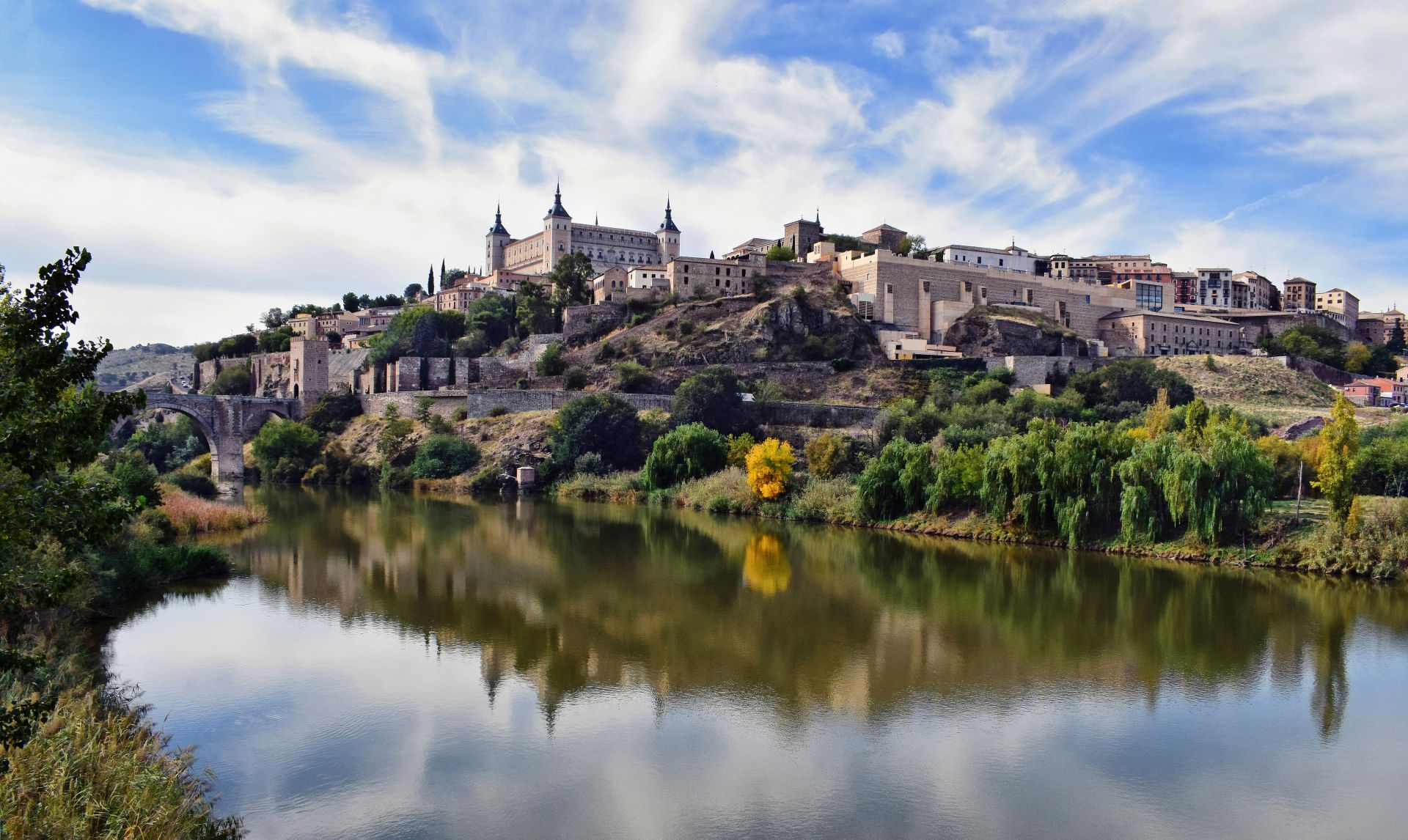
Albarracín to Toledo – Eastern Tagus Nature Trail
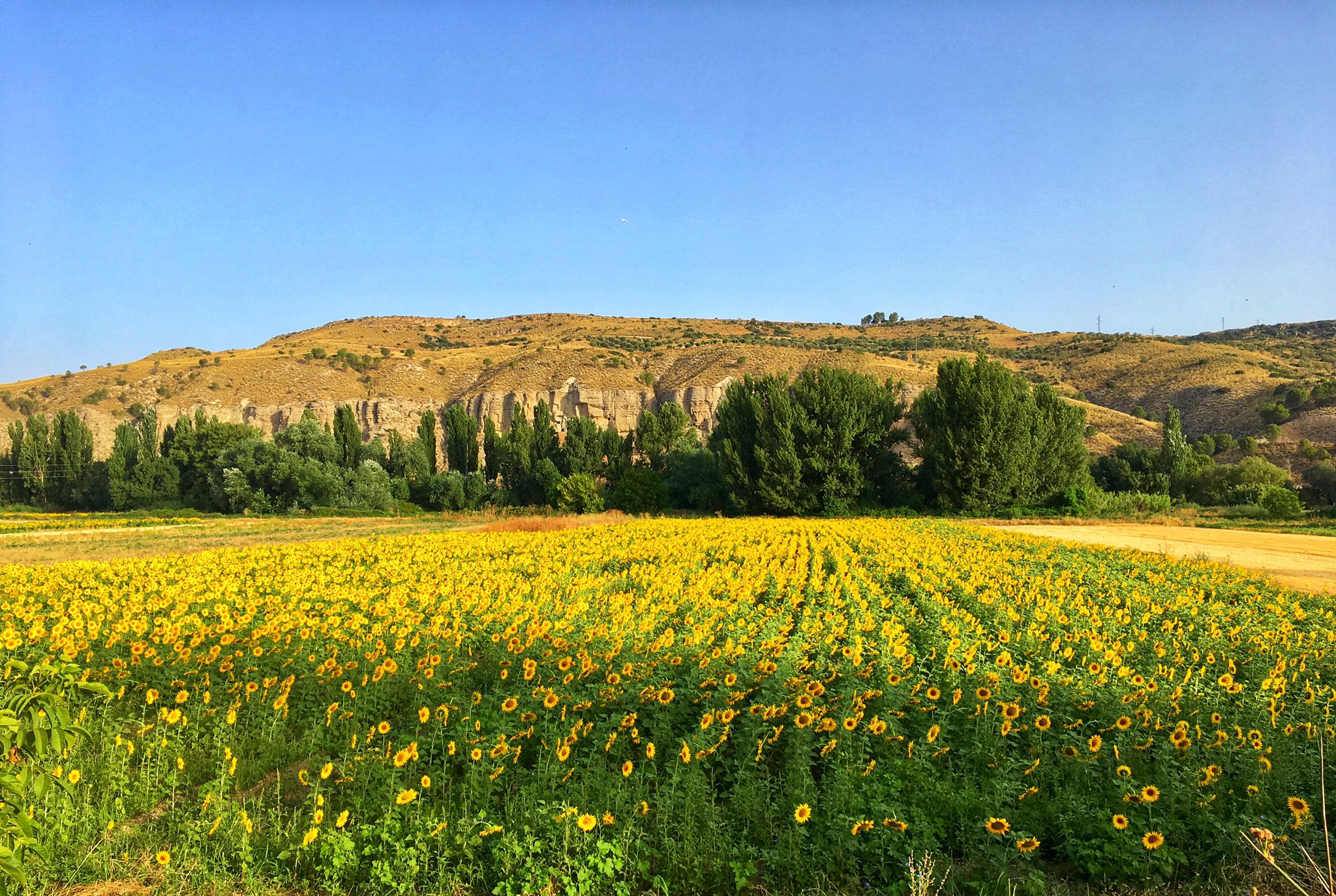
Palaces, rivers and fields — Las Vegas de Madrid gravel tour
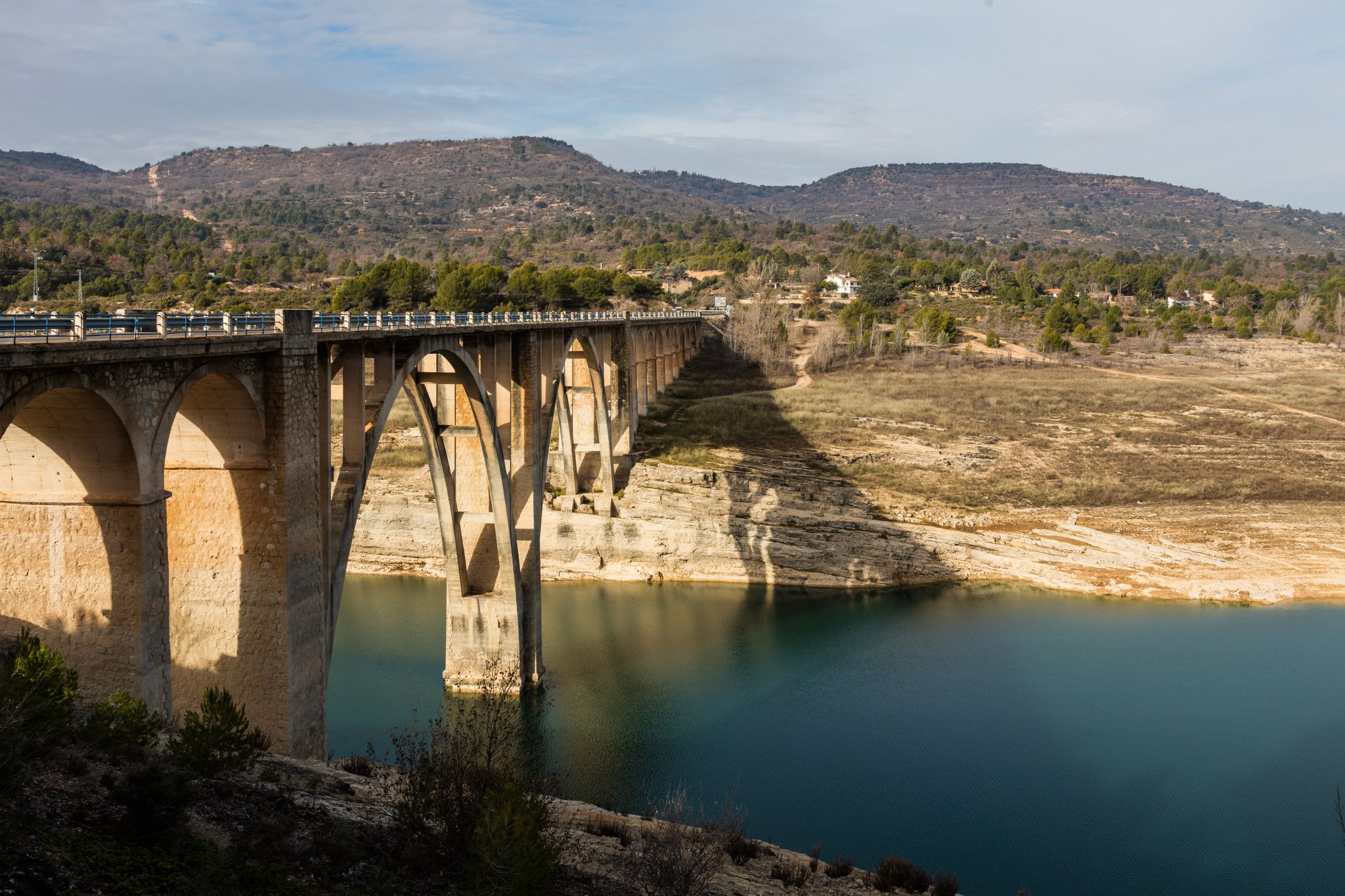
A journey on the Iberian Peninsula – Tagus Nature Trail
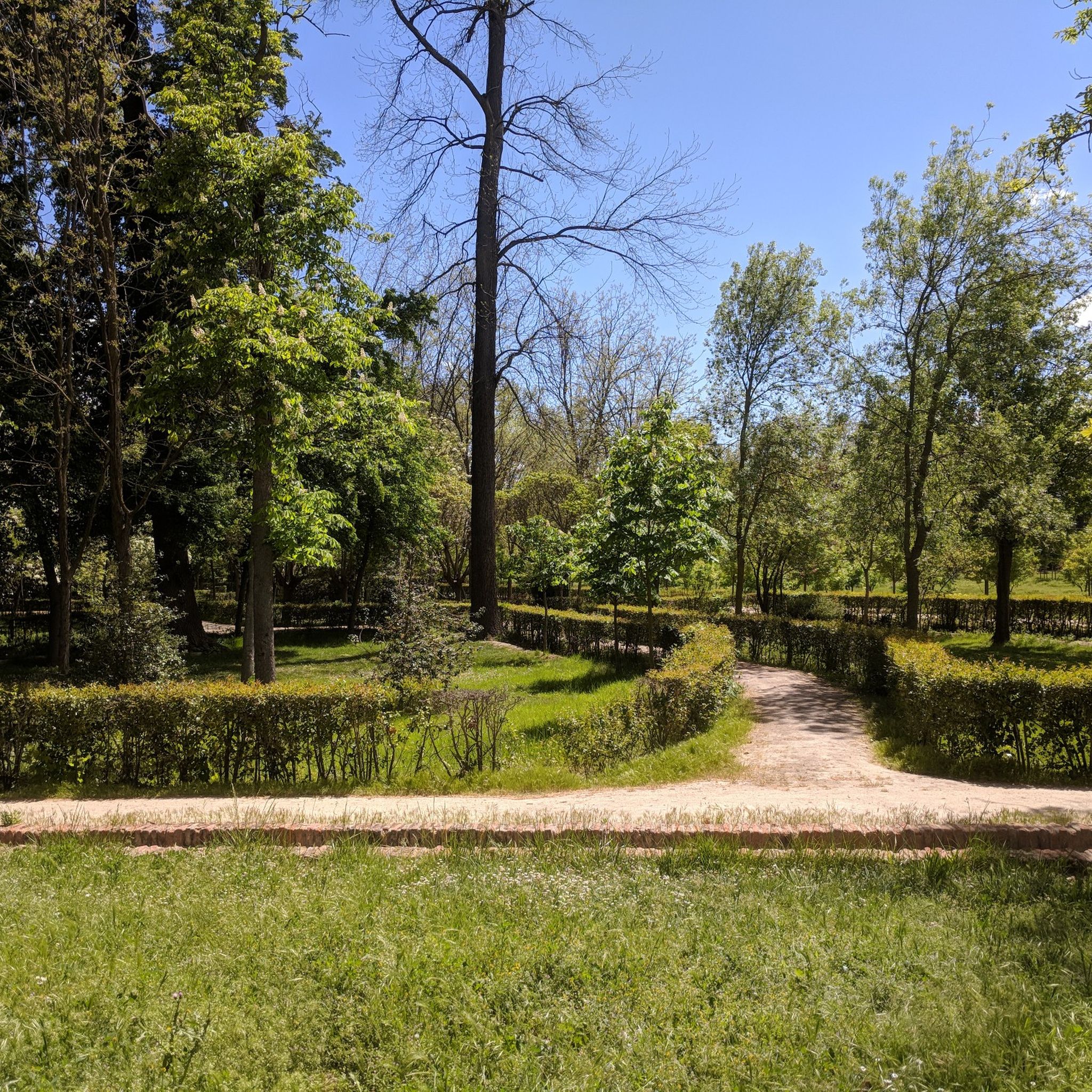
MTB Trails around Aranjuez
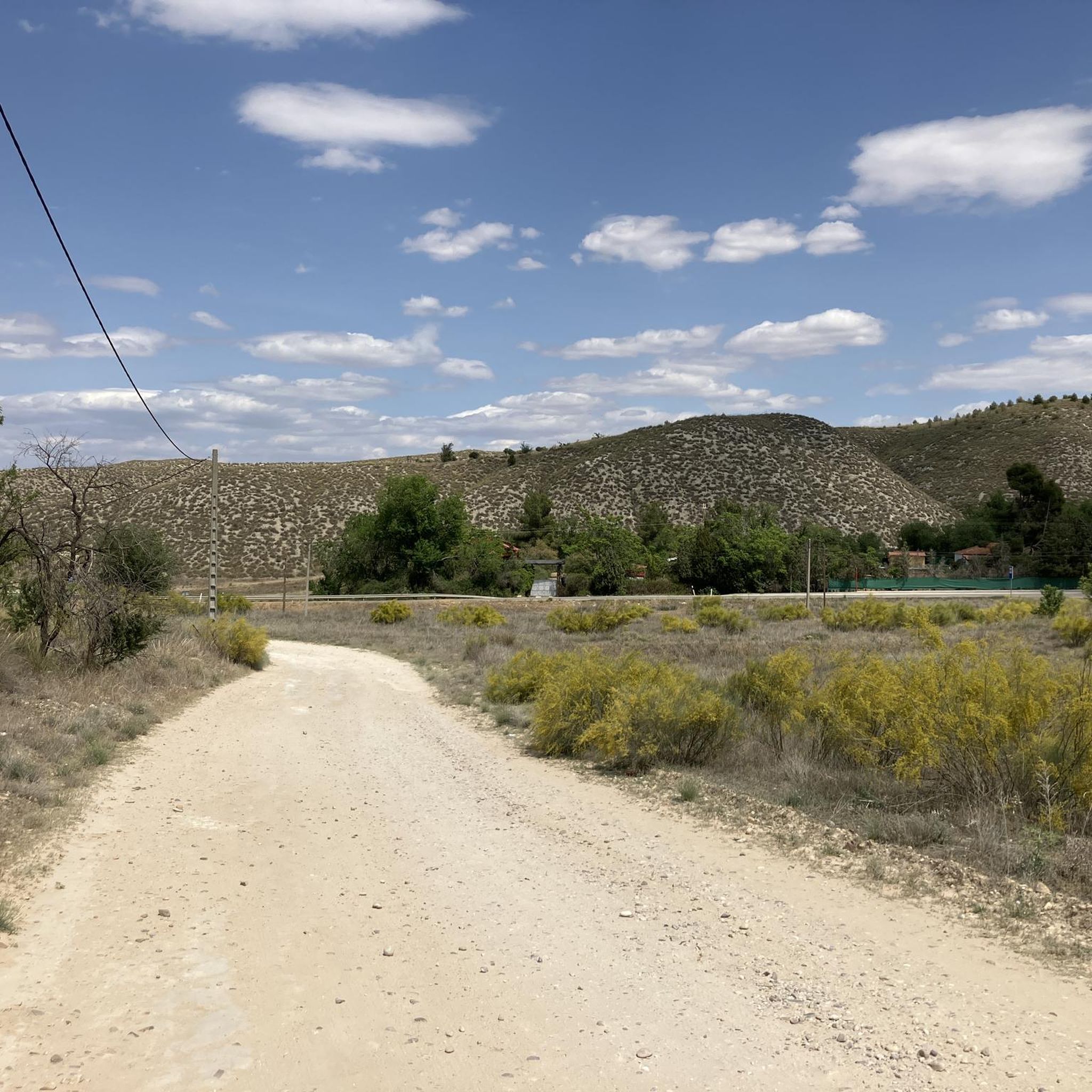
Running Trails around Aranjuez
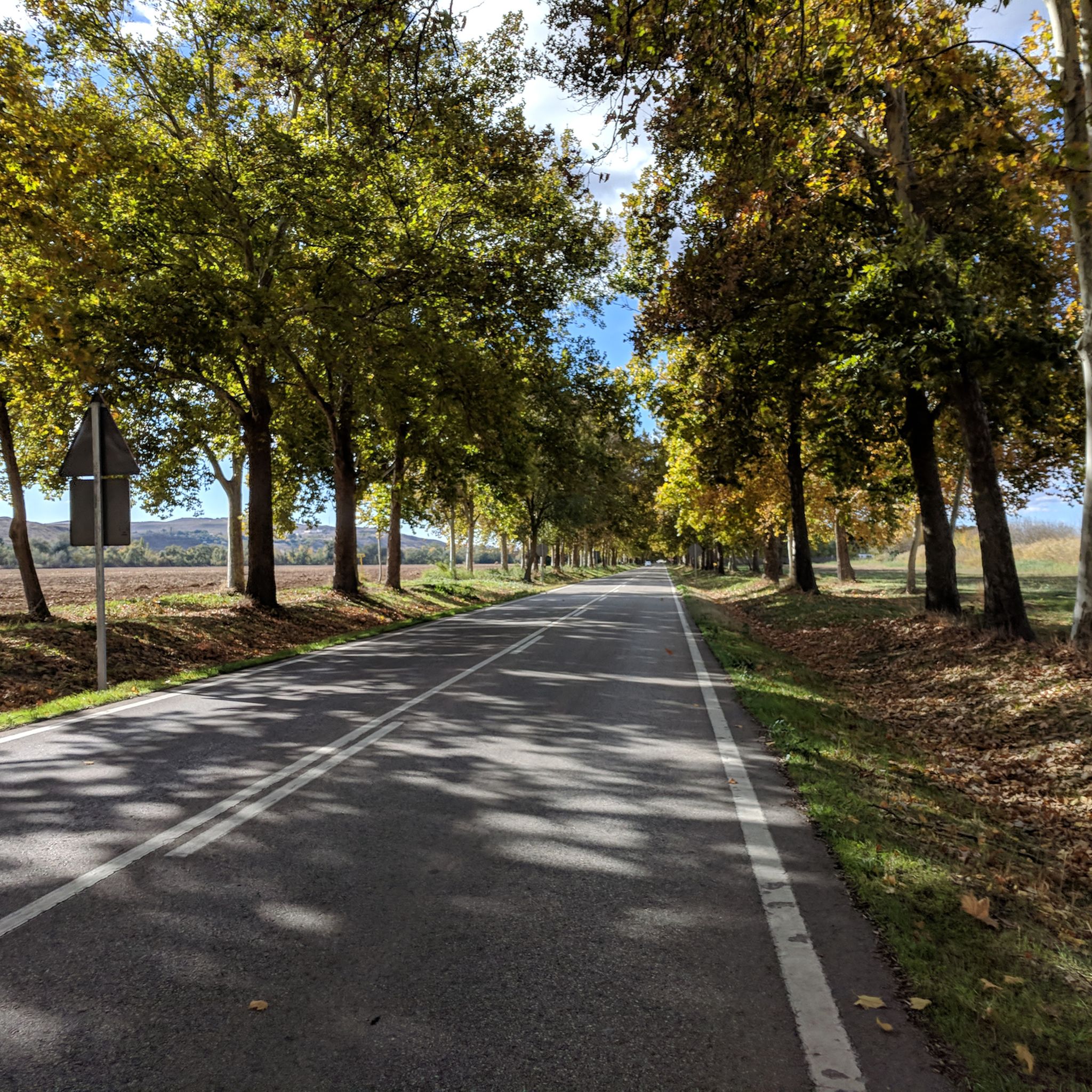
Cycling around Aranjuez
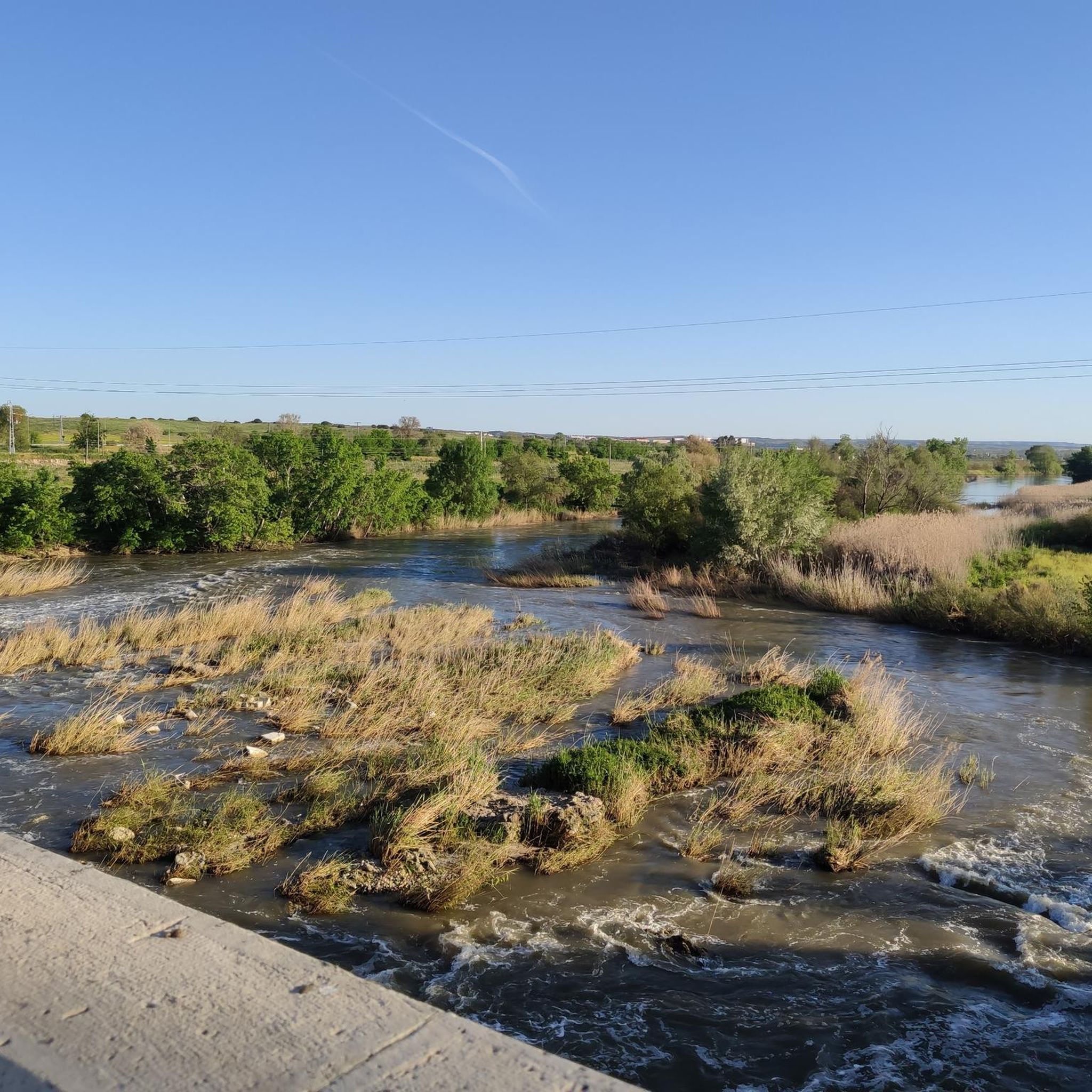
Hiking around Aranjuez
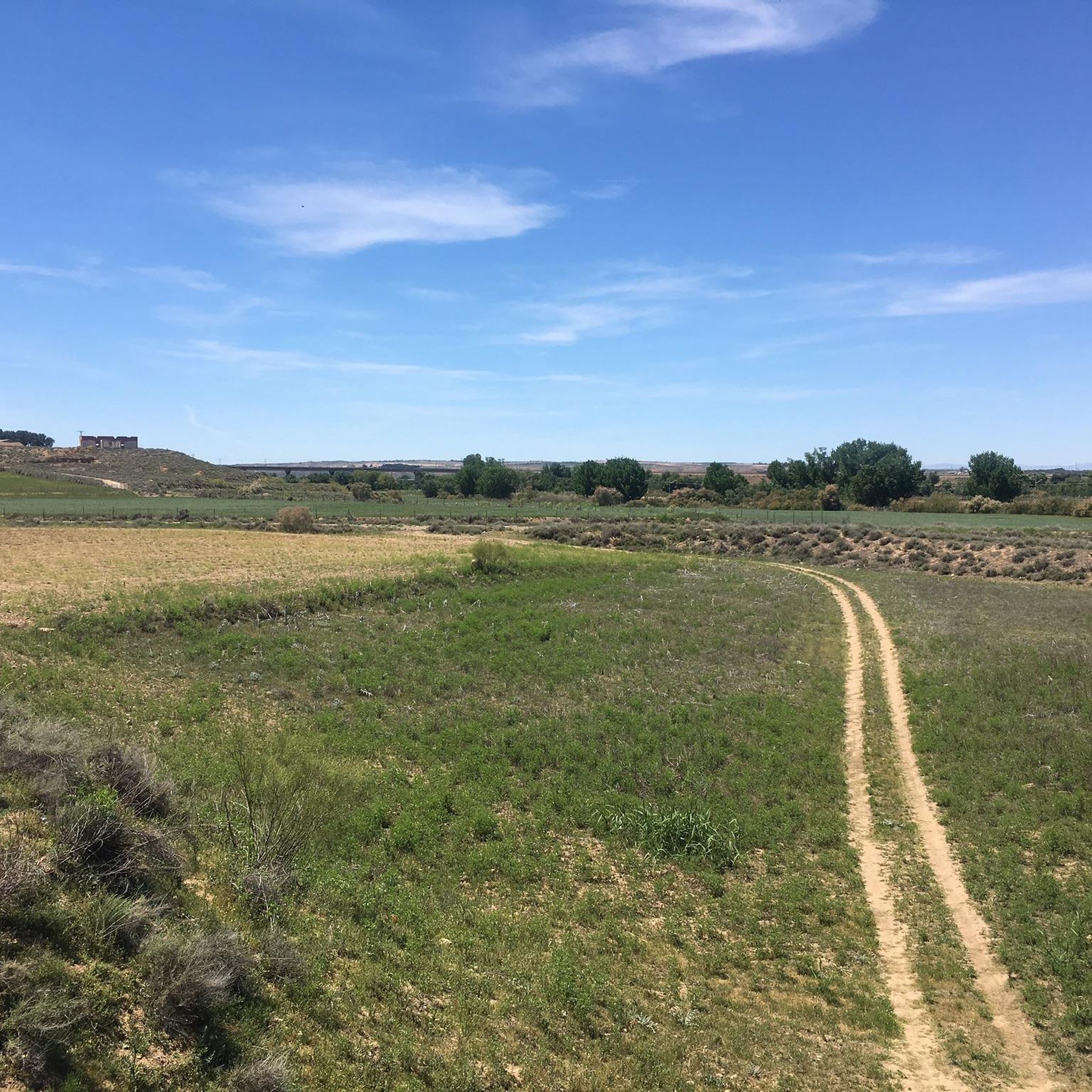
Road Cycling Routes around Aranjuez

Gravel biking around Aranjuez
Other adventures around Aranjuez


Tips from the Community

In spring and during the rainy season, the blue surface of the Esteras lagoon is an environmental jewel in the arid landscape of the rural moorland. The volume of water depends on rainfall and evaporation. During long periods of high temperatures, the water disappears and becomes a white salt lake with a noticeable crust of mineral salts. In this case, it is advisable not to enter the lake to closely observe the sodium sulphate crystals because it is a mud trap, the wetland is always under the salt.
0
0

The Garden of the Prince in Aranjuez, also known as the Garden of the Prince of Asturias, is a space of great beauty and historical relevance. The name is due to Charles IV, who ordered its creation when he still held the title of Prince of Asturias. This garden preserves previous elements, such as the Island's orchard. I hope you enjoy your visit to the Jardín del Príncipe in Aranjuez! 🏰🌳🌸
14
0

Huge garden where the monarchs walked surrounded by a splendid security fence adorned with stones and wrought iron in the purest royal style.
2
0

At this point on the path of La Blanca, at the height of the San Juan lagoons, there is a viewpoint frequented by bird lovers. It is a perfect point to see the fauna that inhabits this seasonal wetland.
0
0

The route enters the Cañada del Raso through the access to a gypsum factory, leaves the facilities on the right and passes through the Laguna Seca or Las Esteras wetland, a valuable lake ecosystem in a natural depression in the land that floods temporarily, creating a hypersaline wetland of great geological, botanical and faunal importance of high environmental value, a small wonder in the páramo landscape.
0
0

Impressive and wide park to the northeast of the Palace, of 150 hectares, delimited by the Tagus river, and that stands out for its botanical wealth.
5
1

It's kind of scary to look out. Better do it with caution
0
0
You can find this place in the middle area of the Prince's Gardens, accessing through the Puerta de la Plaza Redonda. It is an artificial lake with three islets where you can see a Greek-style temple with Ionic columns that emulate being made of marble, which was built at the beginning of the 18th century by Juan de Villanueva, who was the architect of the Prado museum building.
10
0
Frequently Asked Questions
What unique natural features can I explore in Aranjuez?
Aranjuez offers a blend of cultivated and wild natural features. You can explore the vast botanical wealth of the royal gardens, such as Jardín del Príncipe, or discover the ecological significance of wetlands like Laguna Seca de las Esteras, a temporary hypersaline wetland. For a more rugged experience, the unique geological formation of The Chinchón Sinkhole offers a challenging natural sight.
Are there family-friendly natural monuments in Aranjuez?
Yes, several natural monuments are suitable for families. The Jardín del Príncipe is a spacious park with botanical diversity, perfect for leisurely strolls. Within it, Chinescos Pond, with its artificial lake and Greek-style temple, is also a popular spot for families. Additionally, the Birdwatching Hide at San Juan Lagoons provides an engaging experience for all ages, especially during the rainy season when the wetlands are active.
What kind of flora and fauna can I expect to see in Aranjuez's natural areas?
The region boasts diverse flora and fauna. The royal gardens, particularly the Jardín del Príncipe, are known for their botanical wealth, featuring over 190 tree species. Along the Tagus and Jarama rivers, you'll find riparian forests and wetlands supporting various wildlife. The Birdwatching Hide at San Juan Lagoons is an excellent spot to observe local bird species, especially when the wetlands are full. For a more untouched natural environment, the El Regajal-Mar de Ontígola Natural Reserve protects various wild flora and fauna.
How do the natural monuments in Aranjuez connect with its history?
Aranjuez's natural monuments are deeply intertwined with its history, earning it a UNESCO World Heritage Cultural Landscape designation. The magnificent Gardens of Aranjuez, including the Jardín del Príncipe, Jardín de la Isla, and Jardín del Parterre, were conceived as extensions of the Royal Palace, showcasing centuries of landscape design and botanical experimentation. The Tagus and Jarama rivers were crucial for developing irrigation systems that sustained these gardens and the region's agriculture, attracting royalty for recreation and hunting.
Are there hiking trails near the natural monuments in Aranjuez?
Yes, Aranjuez offers various hiking opportunities. You can find trails that take you through the royal gardens and along the river systems. For specific routes, explore the Hiking around Aranjuez guide, which includes routes like the 'Jardín del Príncipe and Tajo Natural Trail Loop' and the 'Chinescos Pond – Alpajés Church (Aranjuez) loop'.
What outdoor activities can I do near these natural monuments?
Beyond exploring the natural monuments themselves, Aranjuez offers a range of outdoor activities. You can enjoy running on trails like the 'Apollo's Fountain – Jardín del Príncipe loop' (find more in the Running Trails around Aranjuez guide). Gravel biking is also popular, with routes such as the 'Castle of Oreja – Royal Palace of Aranjuez loop' available in the Gravel biking around Aranjuez guide. Boat trips along the Tagus River also provide a tranquil way to appreciate the landscape.
What is the best time to visit the natural monuments in Aranjuez?
The gardens and natural areas of Aranjuez are beautiful year-round, but spring and autumn generally offer the most pleasant weather for exploring. During spring, the gardens are in full bloom, and the wetlands are active, making it ideal for birdwatching at spots like the Birdwatching Hide at San Juan Lagoons. In summer, while warm, the shade of the gardens provides respite, and boat trips on the Tagus are enjoyable. Winter can be quieter, offering a different, serene perspective.
Are there any natural reserves or protected areas in Aranjuez?
Yes, Aranjuez is home to the El Regajal-Mar de Ontígola Natural Reserve. This protected area offers a more untouched natural environment compared to the formal gardens. It includes the Mar de Ontígola pond and is significant for its ecological value, protecting various wild flora and fauna species. It's a great place to observe local wildlife and appreciate the region's natural ecosystems beyond the designed landscapes.
What do visitors enjoy most about Aranjuez's natural monuments?
Visitors frequently appreciate the harmonious blend of nature and artistry found in the royal gardens, noting their historical significance, botanical diversity, and intricate designs with mythological fountains. The tranquility of the riverbanks and the opportunity for birdwatching at spots like the Birdwatching Hide at San Juan Lagoons are also highly valued. The sheer scale and beauty of places like the Jardín del Príncipe, with its impressive size and botanical richness, leave a lasting impression.
Can I find facilities like parking or cafes near the natural monuments?
The larger and more popular natural monuments, especially the royal gardens like the Jardín del Príncipe, are typically well-equipped with facilities. Given their proximity to the town of Aranjuez, you can expect to find parking options and cafes nearby. For more remote natural sites, it's advisable to check specific access details in advance.
What is the significance of the Tagus and Jarama Rivers to Aranjuez?
The Tagus and Jarama rivers are the lifeblood of Aranjuez, profoundly shaping its landscape and history. They created the fertile valley that allowed for the development of the region's agriculture and the magnificent royal gardens. Their waters facilitated an extensive irrigation system. The rivers, with their riparian forests and wetlands, also contributed to the area's rich biodiversity, making it an attractive location for royalty and a vital ecological corridor today.
Most popular attractions around Aranjuez

Get inspired with the komoot mobile app


Explore more
Extend your search for the best caves by checking out these guides of the top ones around Aranjuez:
