Top 7 Natural Monuments around Ontígola
Natural monuments around Ontígola offer a diverse landscape shaped by its unique geology and historical significance. The region features the Mar de Ontígola, a historic artificial lagoon, and the broader Reserva Natural El Regajal-Mar de Ontígola, recognized for its ecological value and biodiversity. The proximity of the Tagus River further contributes to the area's natural environment, including river valleys and geological formations like ravines and hills. These elements combine to create a varied natural heritage for exploration.
Best natural monuments…
Last updated: July 1, 2026
Laguna Seca de las Esteras
Highlight • Lake
Translated by Google •
Tip by

Jardín del Príncipe
Highlight • Natural Monument
Translated by Google •
Tip by

Sign up now to discover places like this
Get recommendations on the best single tracks, peaks, & plenty of other exciting outdoor places.
Sign up for free
Chinescos Pond
Highlight • Lake
It is an artificial lake with three islets where …
Translated by Google •
Tip by
Fuente de la Pajarita
Highlight • Natural Monument
Translated by Google •
Tip by
Villacabras Spring
Highlight • Natural Monument
Translated by Google •
Tip by

Sign up for free to discover even more natural monuments around Ontígola.
Sign up for free
Already have an account?
Start today with a free account
Your next adventure awaits.
Login or Signup
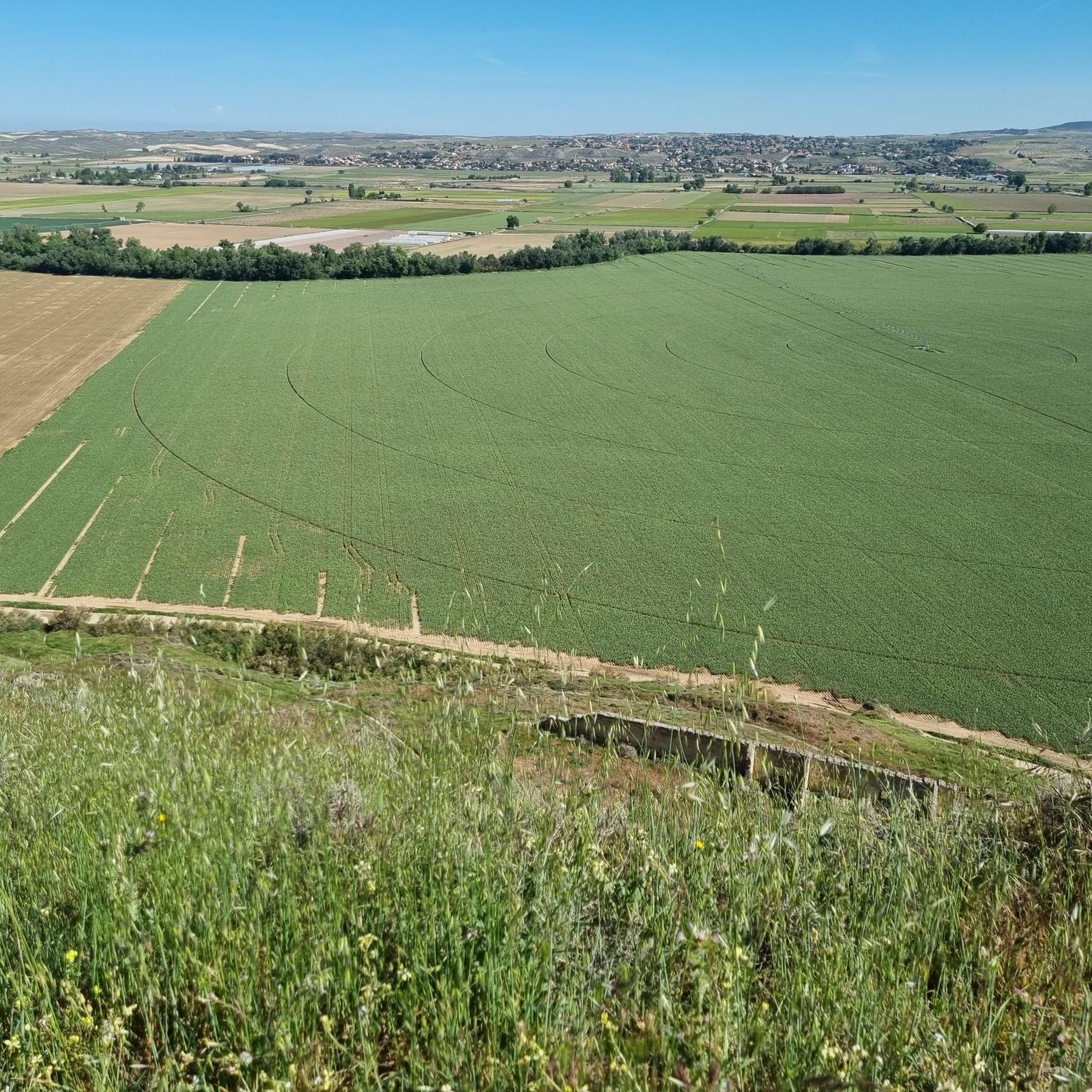

Tips from the Community

The Fuente de la Pajarita in Colmenar de Oreja is a historic fountain located on the old road to Aranjuez. This fountain has a spout that pours water into a box used as a watering trough for livestock. Although its flow is low, its waters are known for being very salty and, in the past, were used for medicinal purposes as a purgative.
6
0

In spring and during the rainy season, the blue surface of the Esteras lagoon is an environmental jewel in the arid landscape of the rural moorland. The volume of water depends on rainfall and evaporation. During long periods of high temperatures, the water disappears and becomes a white salt lake with a noticeable crust of mineral salts. In this case, it is advisable not to enter the lake to closely observe the sodium sulphate crystals because it is a mud trap, the wetland is always under the salt.
0
0
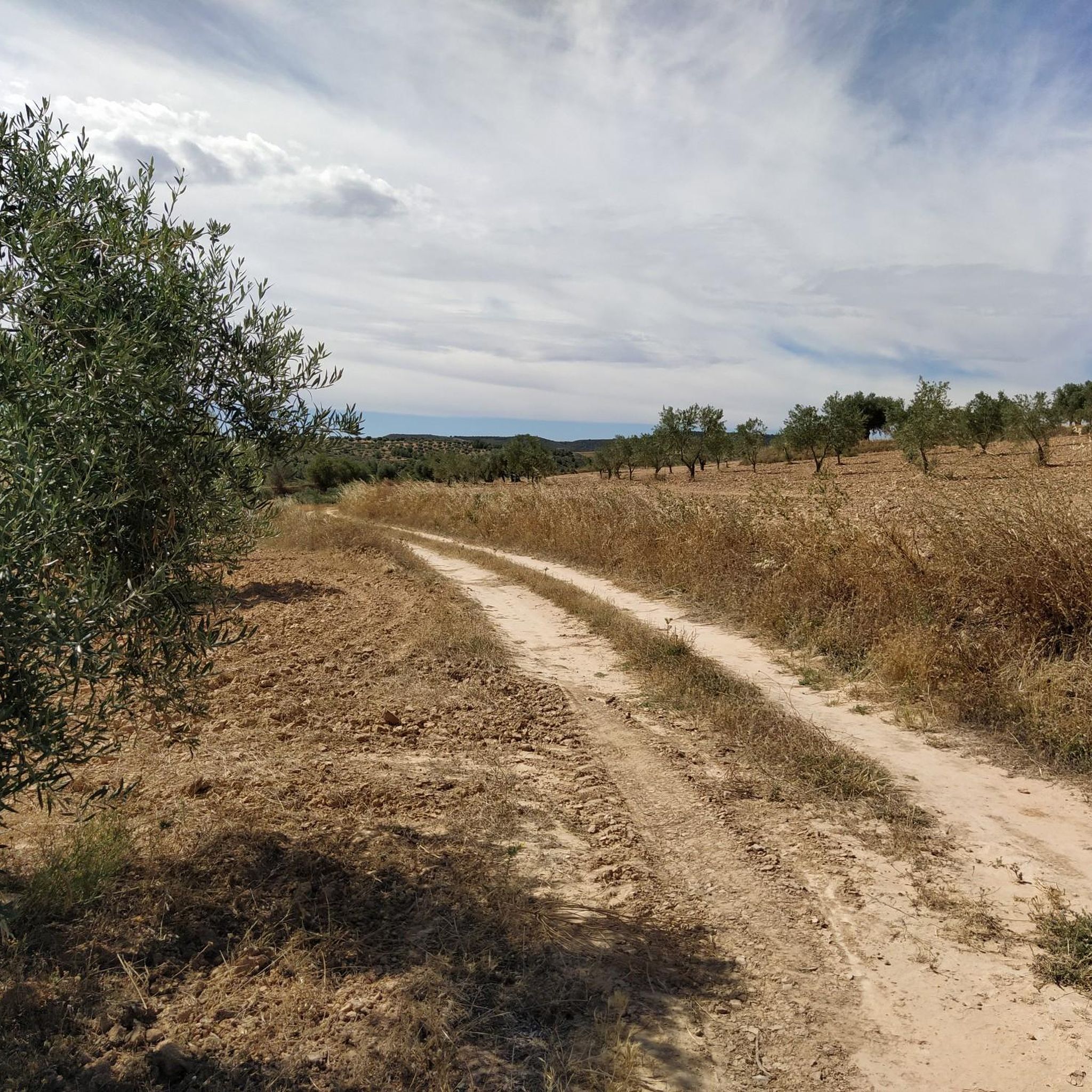
The medicinal waters from the Villacabras spring were marketed until the middle of the last century. Between 1880 and 1920, they were bottled in glass containers for the markets of Madrid and from there they were sent to various countries in Europe, especially France, which was the main consumer. The spring still has the basin, with a small wash basin, and an ingenious system for channelling the water to the different deposits and uses within the Pata ravine.
0
0
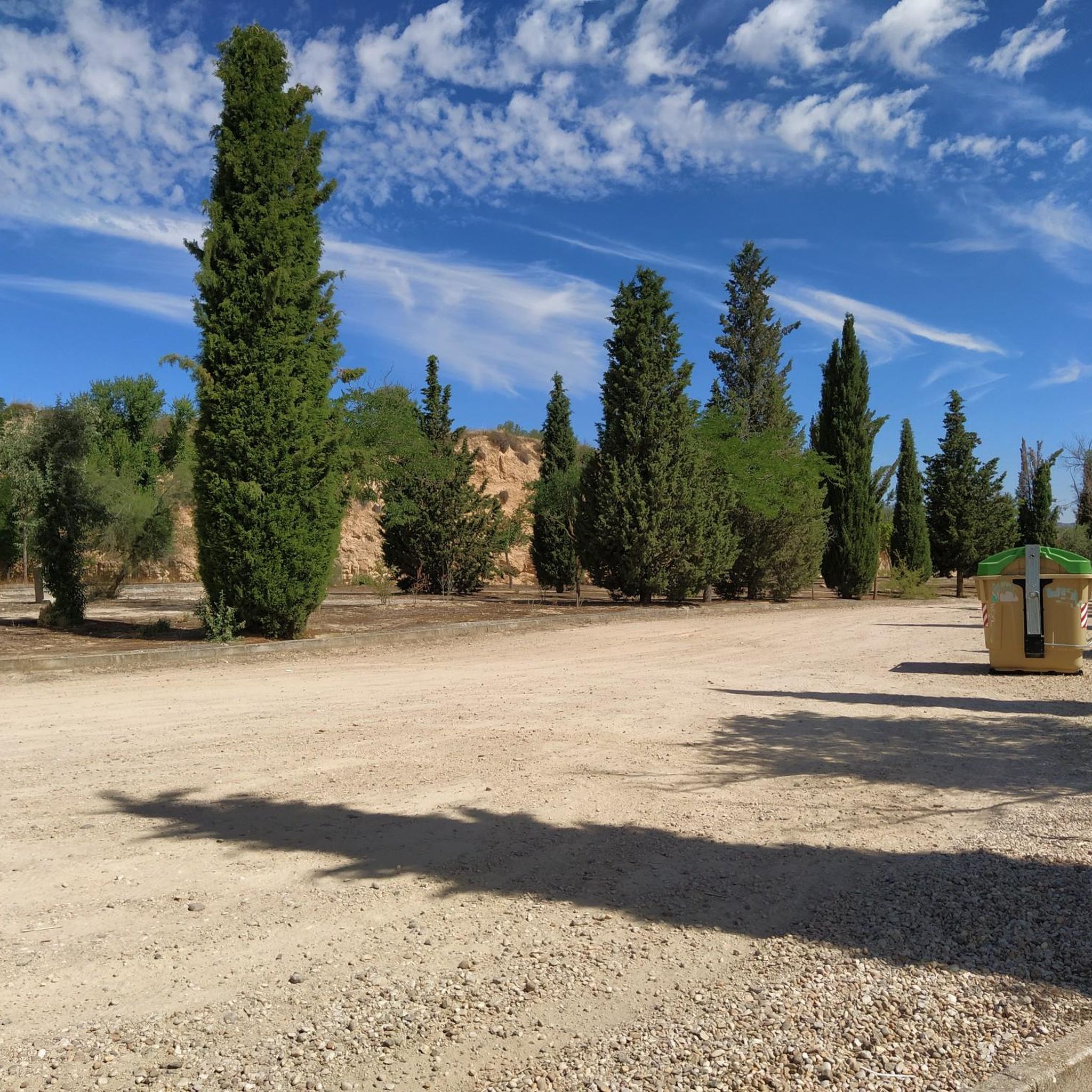
Brackish water spring on the old cobbled road of Aranjuez. It has a low-flow spout used in other times for its medicinal properties and a large pond used mainly as a watering trough for cattle and horses.
2
0

The Garden of the Prince in Aranjuez, also known as the Garden of the Prince of Asturias, is a space of great beauty and historical relevance. The name is due to Charles IV, who ordered its creation when he still held the title of Prince of Asturias. This garden preserves previous elements, such as the Island's orchard. I hope you enjoy your visit to the Jardín del Príncipe in Aranjuez! 🏰🌳🌸
14
0

Huge garden where the monarchs walked surrounded by a splendid security fence adorned with stones and wrought iron in the purest royal style.
2
0

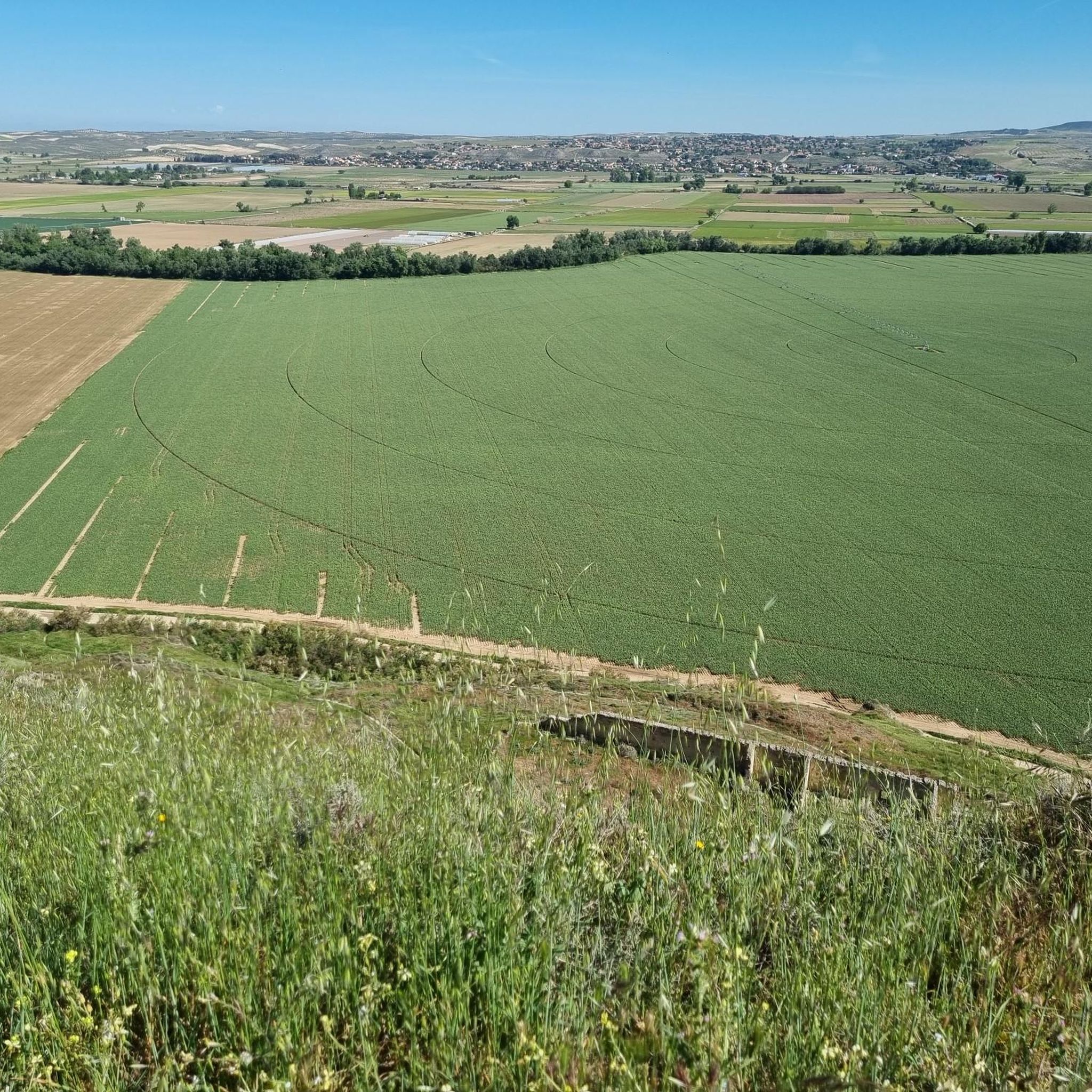
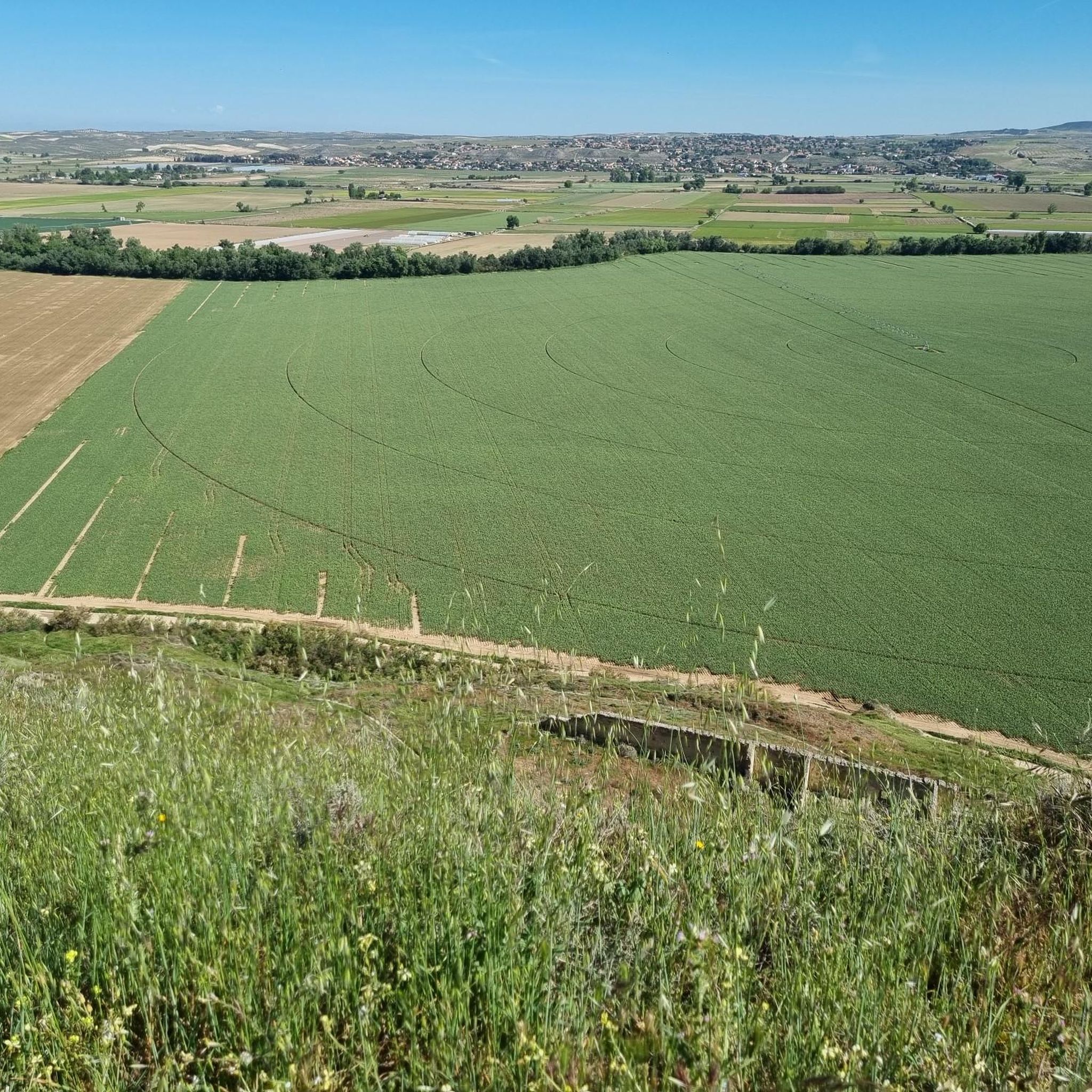
The route enters the Cañada del Raso through the access to a gypsum factory, leaves the facilities on the right and passes through the Laguna Seca or Las Esteras wetland, a valuable lake ecosystem in a natural depression in the land that floods temporarily, creating a hypersaline wetland of great geological, botanical and faunal importance of high environmental value, a small wonder in the páramo landscape.
0
0
Frequently Asked Questions
What unique natural features can I explore around Ontígola?
The region around Ontígola offers a diverse natural landscape. You can explore the historic artificial lagoon, Mar de Ontígola, known for its saline water and rich biodiversity. Another unique spot is Laguna Seca de las Esteras, a hypersaline wetland that temporarily floods. The area also features the scenic Tagus River valley with its riparian vegetation, and geological formations like barrancos (ravines) and cerros (hills).
What kind of wildlife can I observe in the natural monuments around Ontígola?
The Reserva Natural El Regajal-Mar de Ontígola is particularly known for its rich biodiversity. It's an important habitat for aquatic birds, with species like the Western Marsh Harrier, Little Egret, Eurasian Teal, and Purple Swamphen. The reserve is also internationally recognized for several species of endangered butterflies. Birdwatching is a popular activity, especially around the Mar de Ontígola.
Are there any historical natural monuments or sites with historical significance?
Yes, several natural monuments in the area have historical ties. The Mar de Ontígola itself is a historic artificial lagoon constructed in the 16th century under King Philip II. The Jardín del Príncipe is a space of great beauty and historical relevance, ordered by Charles IV. You can also find Fuente de la Pajarita, a historic spring on the old road to Aranjuez, and the ruins of the 10th-century Muslim-built Oreja Castle near the Tagus River.
What are some family-friendly natural monuments to visit?
For families, Chinescos Pond within the Prince's Gardens is a great option, featuring an artificial lake with islets and a Greek-style temple. The Jardín del Príncipe itself is a large, beautiful park with facilities. The Fuente de la Pajarita is also considered family-friendly, offering a glimpse into local history.
When is the best time to visit the natural monuments for nature observation?
For optimal birdwatching opportunities, the best time to visit the Mar de Ontígola and the surrounding reserve is during autumn and winter. During these seasons, you'll have a better chance of observing the diverse aquatic bird populations.
What outdoor activities can I do near Ontígola's natural monuments?
The area offers various outdoor activities. You can enjoy hiking along the Ruta del Mar de Ontígola for nature observation. For more active pursuits, there are numerous routes for mountain biking, running, and cycling. You can find detailed routes and guides for MTB Trails around Ontígola, Running Trails around Ontígola, and Cycling around Ontígola.
Are there any specific warnings or tips for visiting certain natural monuments?
When visiting Laguna Seca de las Esteras, especially during dry periods when the water disappears, it's advisable not to enter the lakebed. It can become a mud trap, despite appearing as a white salt lake with mineral salt crusts. The wetland is always under the salt, making it potentially hazardous.
Can I find any natural springs with unique properties?
Yes, the area features interesting springs. The Fuente de la Pajarita is a historic spring known for its brackish, or salty, water, which was historically used for medicinal purposes. Another notable spring is Villacabras Spring, whose medicinal waters were bottled and marketed until the mid-20th century, even reaching markets in Europe.
What is the difficulty level of trails near these natural monuments?
Many trails around Ontígola's natural monuments are suitable for various levels. The Ruta del Mar de Ontígola offers a pleasant walk for nature observation. Some routes, like those near Villacabras Spring, are described as having a medium difficulty. You can find a range of moderate to difficult routes for cycling and mountain biking, as well as easy to moderate running trails, in the nearby guides.
What do visitors enjoy most about the natural monuments around Ontígola?
Visitors appreciate the diverse natural features, from wetlands and lakes to historical gardens and riverine landscapes. The ecological value of areas like the Mar de Ontígola and the Reserva Natural El Regajal-Mar de Ontígola, with their rich bird and butterfly populations, is a major draw. The blend of natural beauty with historical significance, such as the 16th-century engineering of the Mar de Ontígola and the historical elements of the Jardín del Príncipe, also adds to the appeal.
Are there any traditional or unique cultural elements related to the natural landscape?
Yes, beyond the well-known natural reserves, the surroundings of Ontígola include traditional caves, some of which are still inhabited. These add a unique cultural and historical dimension to the natural landscape, showcasing a long-standing human connection with the environment.
Most popular attractions around Ontígola

Get inspired with the komoot mobile app


Explore more
Extend your search for the best caves by checking out these guides of the top ones around Ontígola:
