Top 20 Natural Monuments around Lloret De Mar
Best natural monuments around Lloret De Mar include a diverse range of coastal and inland features. The region is characterized by its rugged coastline, featuring numerous coves and beaches, alongside forested hills and elevated viewpoints. These natural areas offer opportunities to explore the Mediterranean landscape and its unique geological formations. The historic Camí de Ronda coastal path also connects many of these natural gems, providing access to various scenic spots.
Best natural monuments around Lloret De Mar
- The most popular…
Last updated: October 5, 2026
Trons Cove
Highlight • Beach
Translated by Google •
Tip by

Sa Palomera
Highlight • Viewpoint
Translated by Google •
Tip by
Sign up now to discover places like this
Get recommendations on the best single tracks, peaks, & plenty of other exciting outdoor places.
Es Codolar Cove
Highlight • Beach
Translated by Google •
Tip by
Puig de Cadiretes summit
Highlight • Summit
Translated by Google •
Tip by

Marimurtra Botanical Garden
Highlight • Natural
Translated by Google •
Tip by
Sign up for free to discover even more natural monuments around Lloret De Mar.
Already have an account?
Start today with a free account
Your next adventure awaits.
Popular around Lloret De Mar

Great multi-day treks near Barcelona
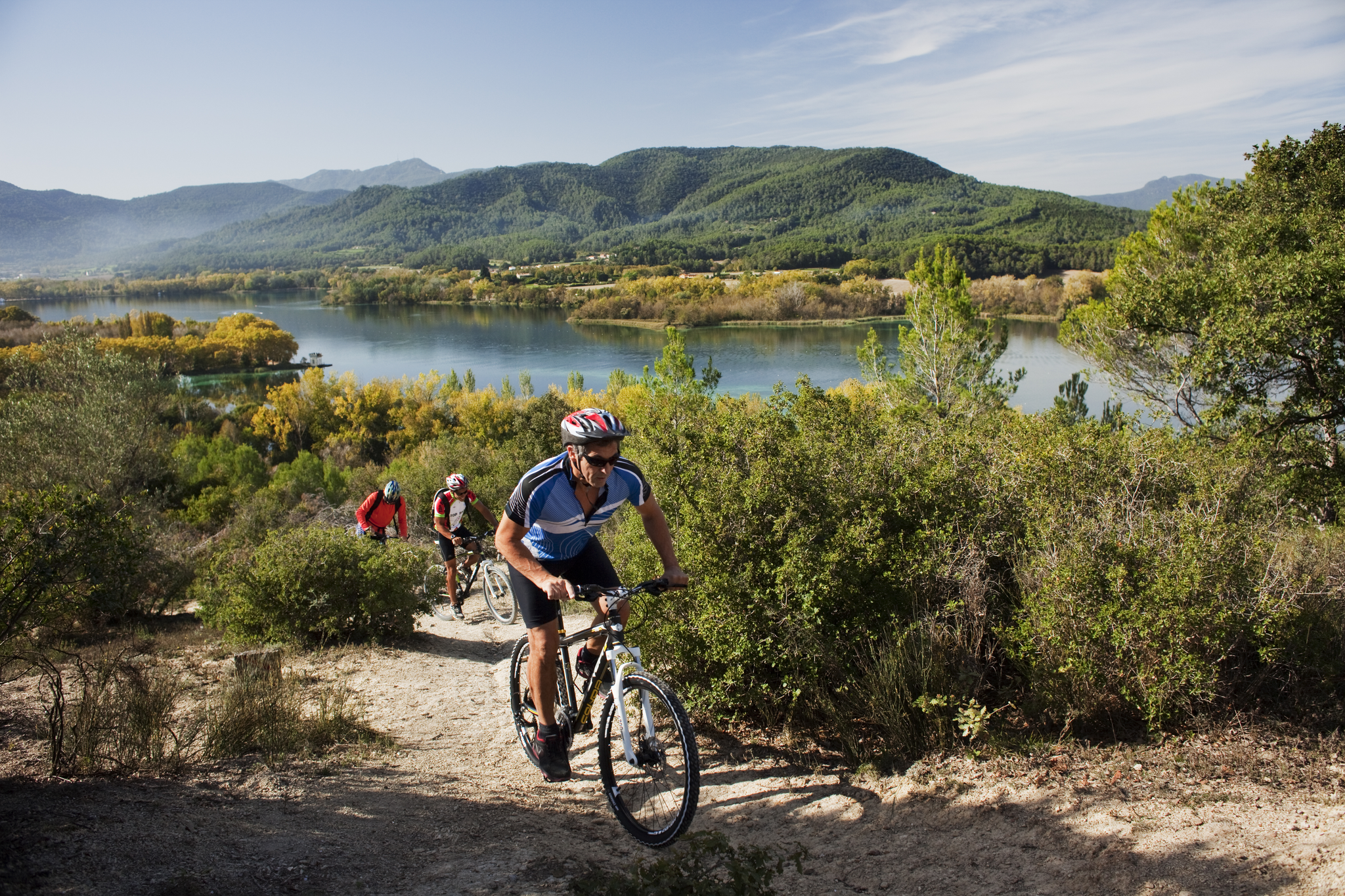
Discover Catalonia on a mountain bike
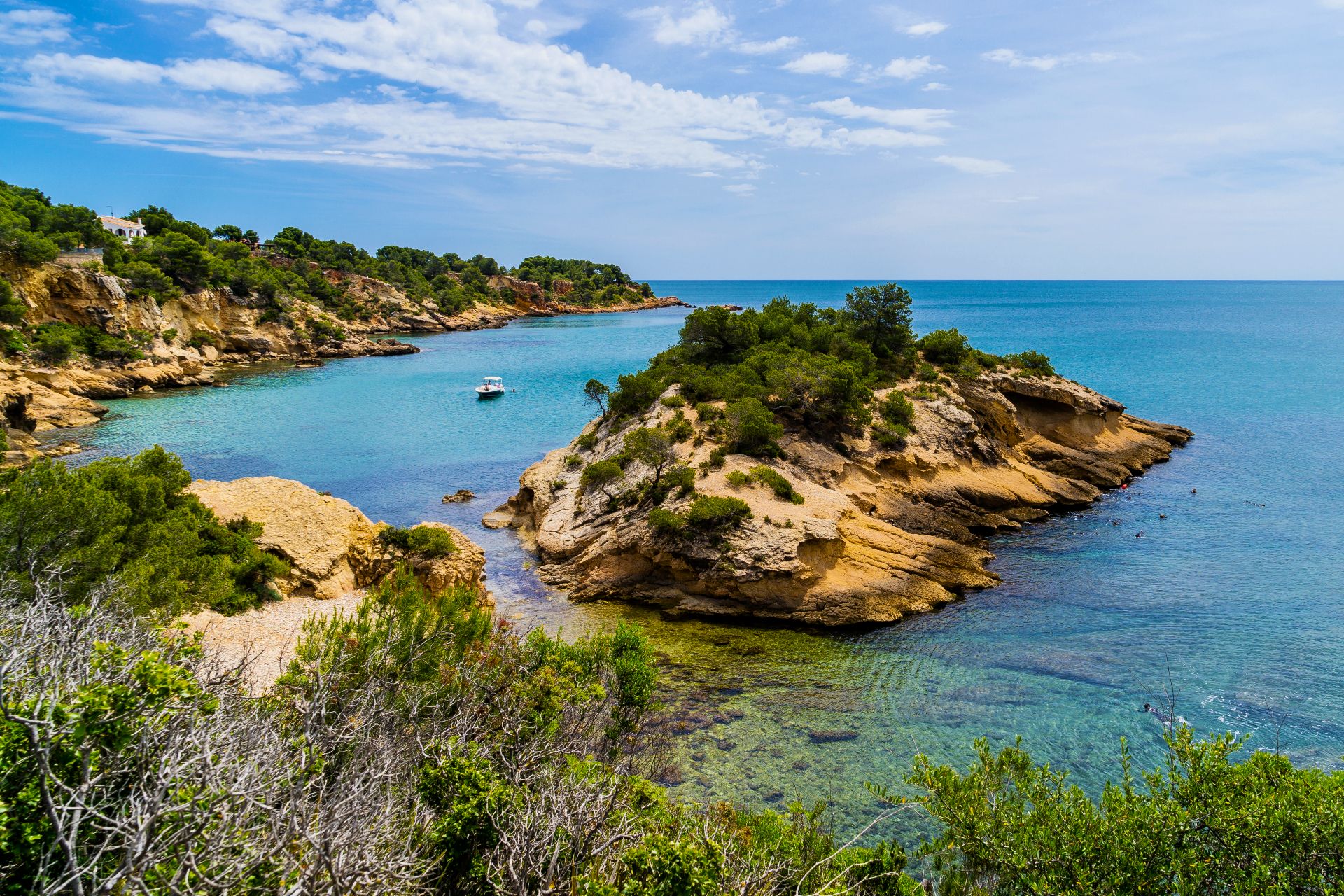
The Catalan coast on foot – Mediterranean Path (GR 92)
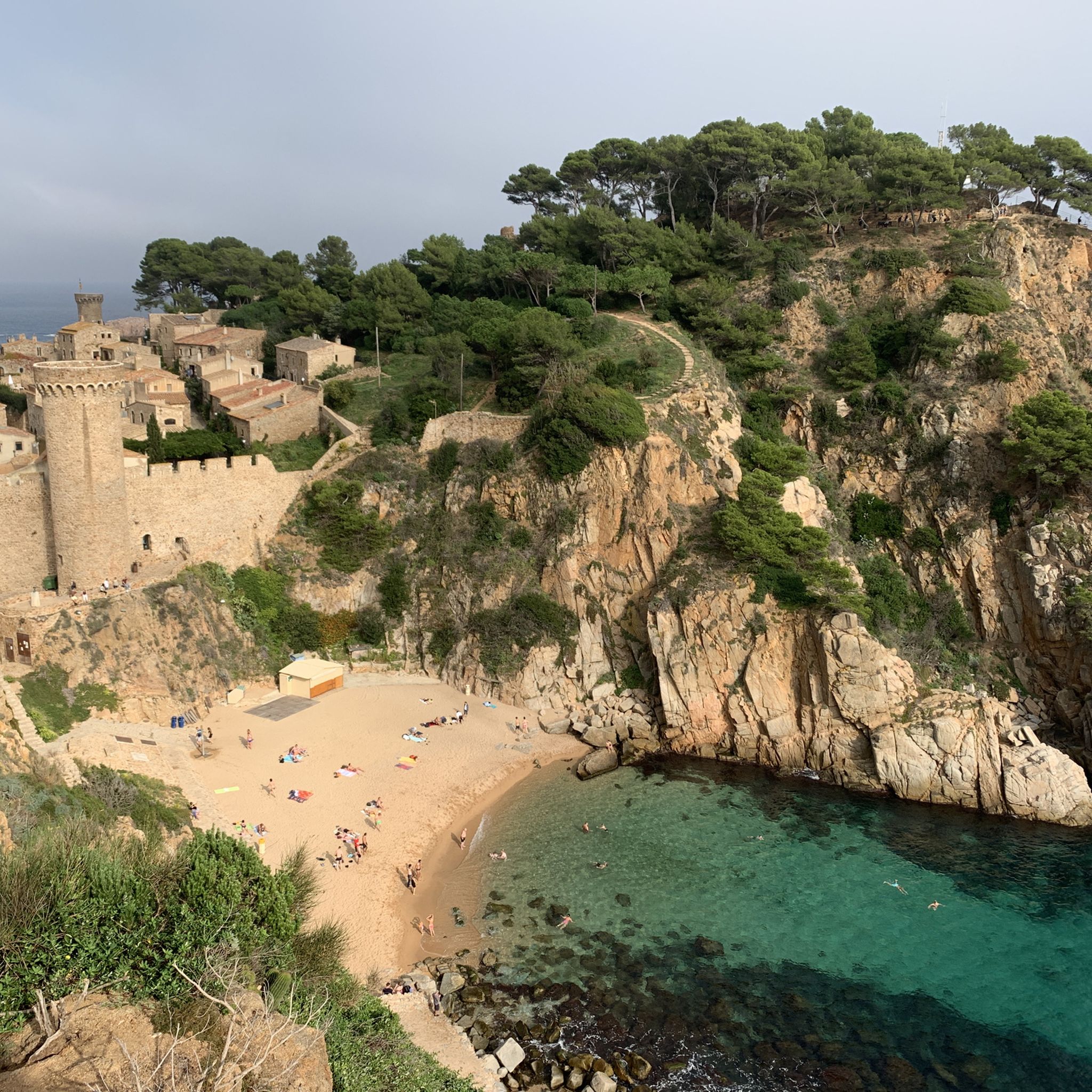
Hiking around Lloret De Mar
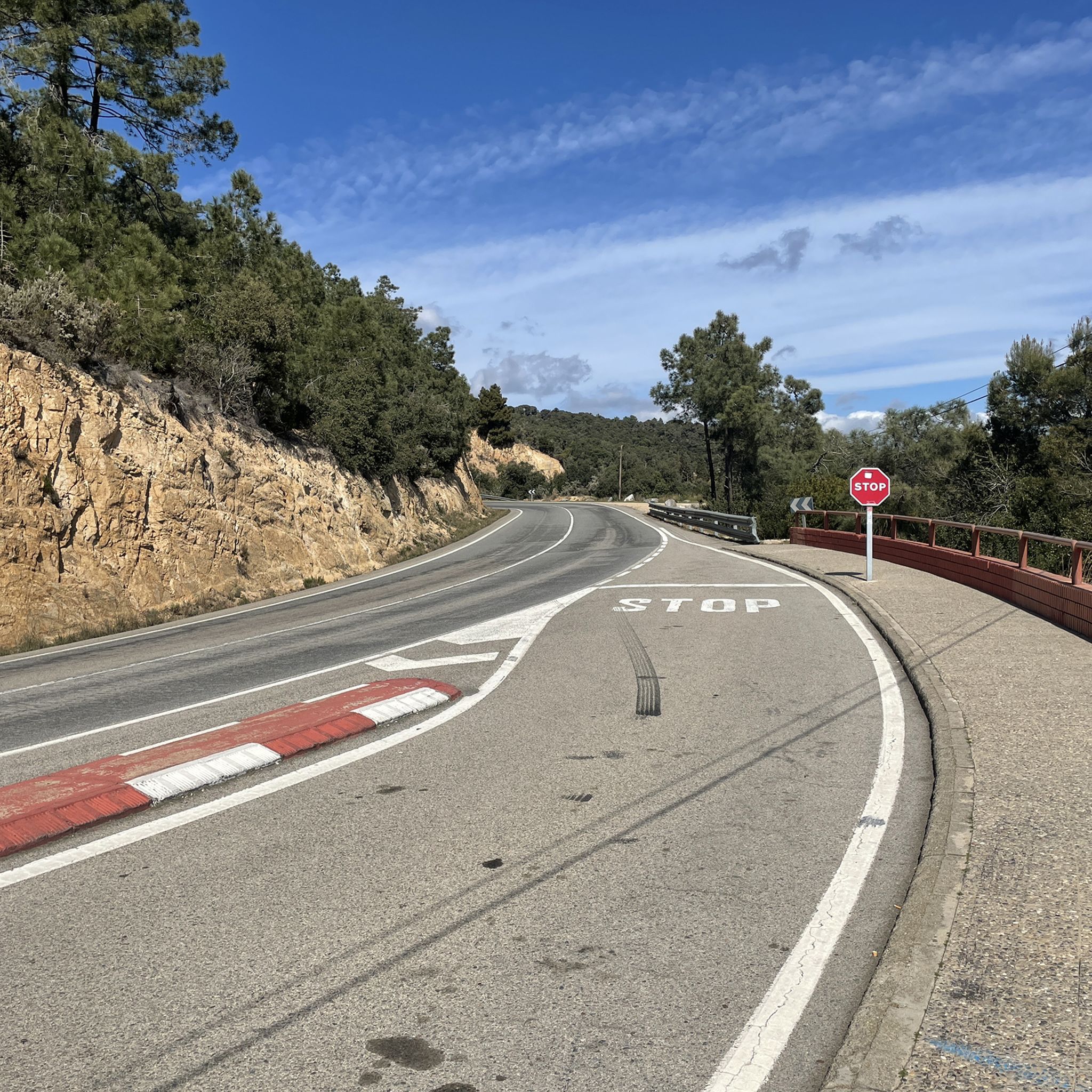
Road Cycling Routes around Lloret De Mar
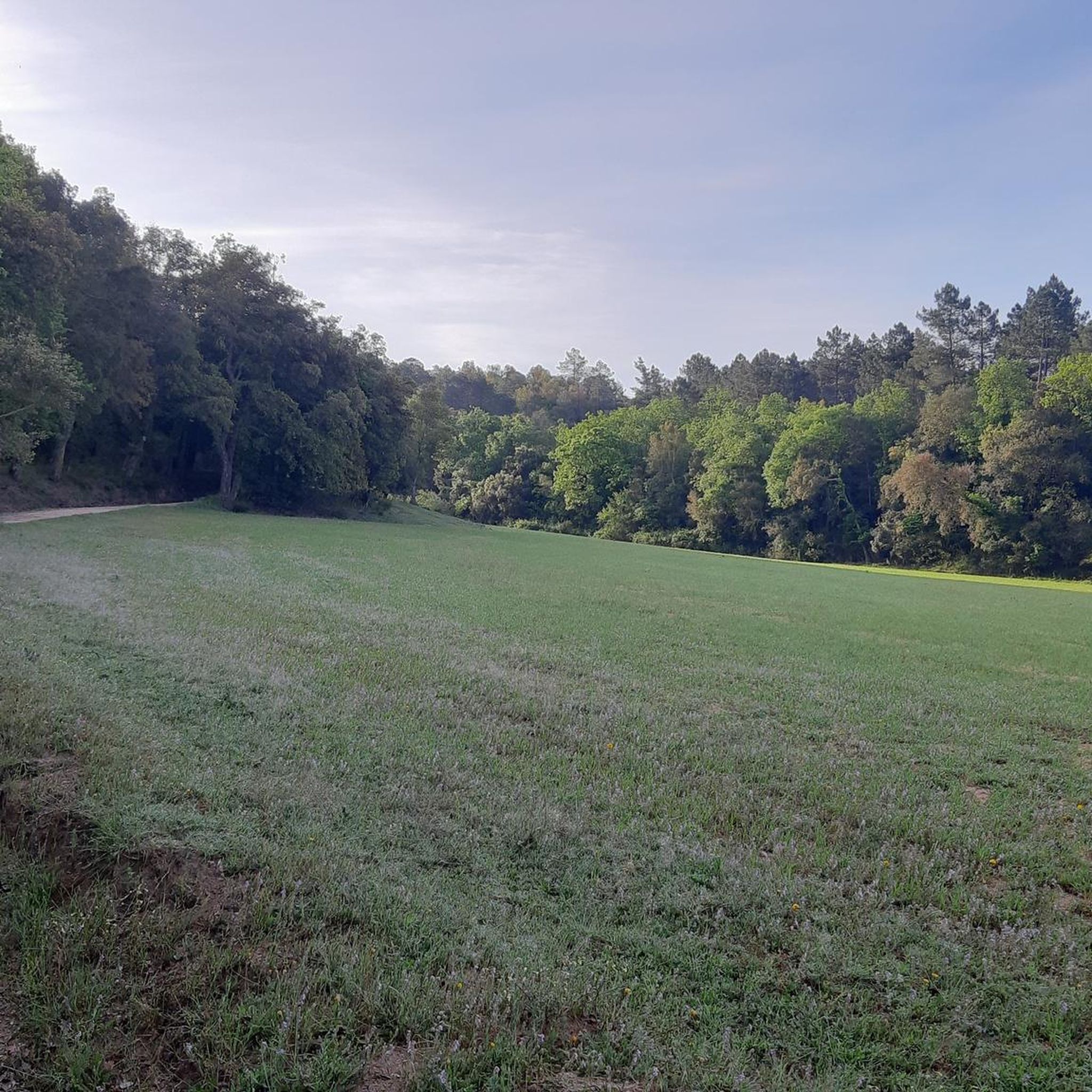
Running Trails around Lloret De Mar
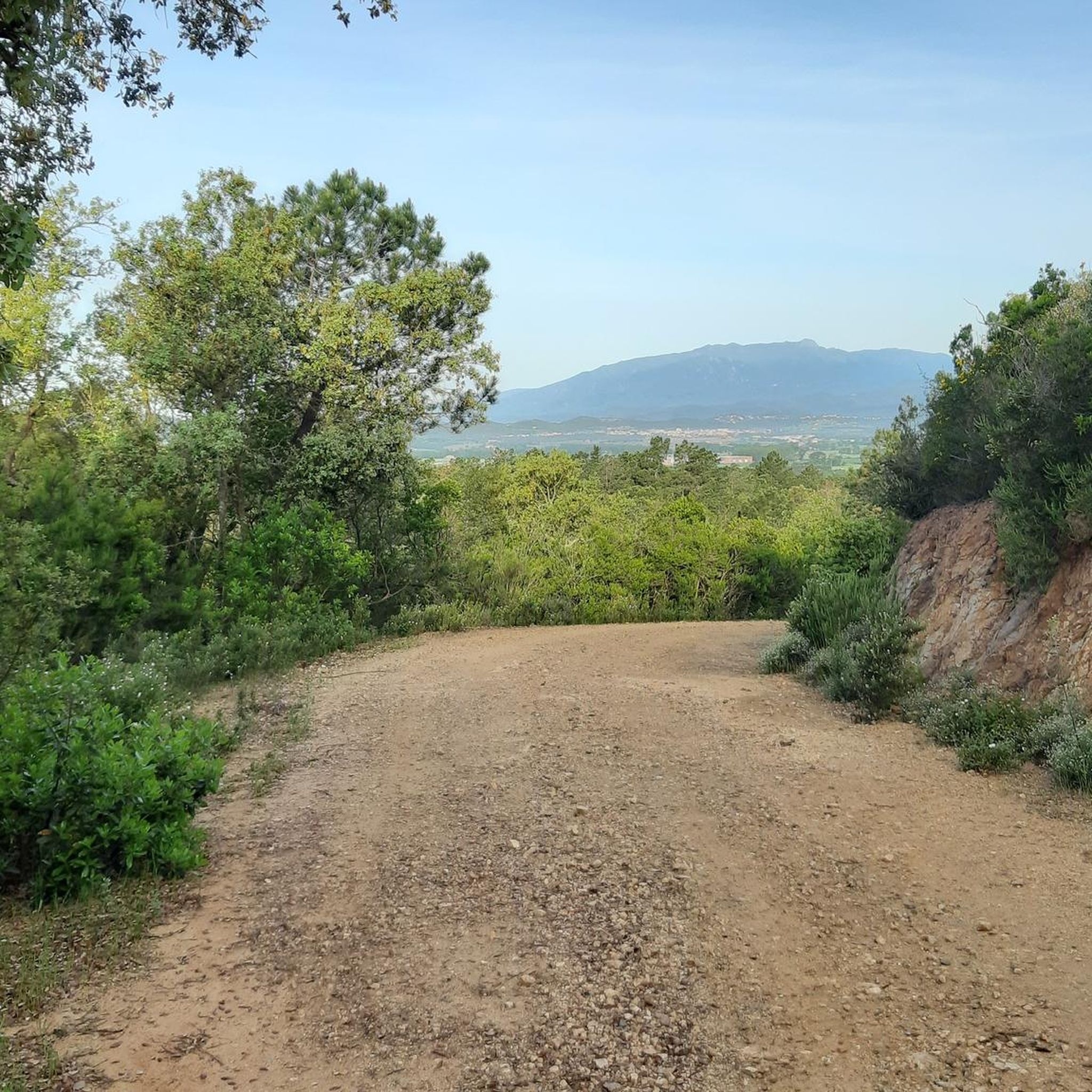
Cycling around Lloret De Mar
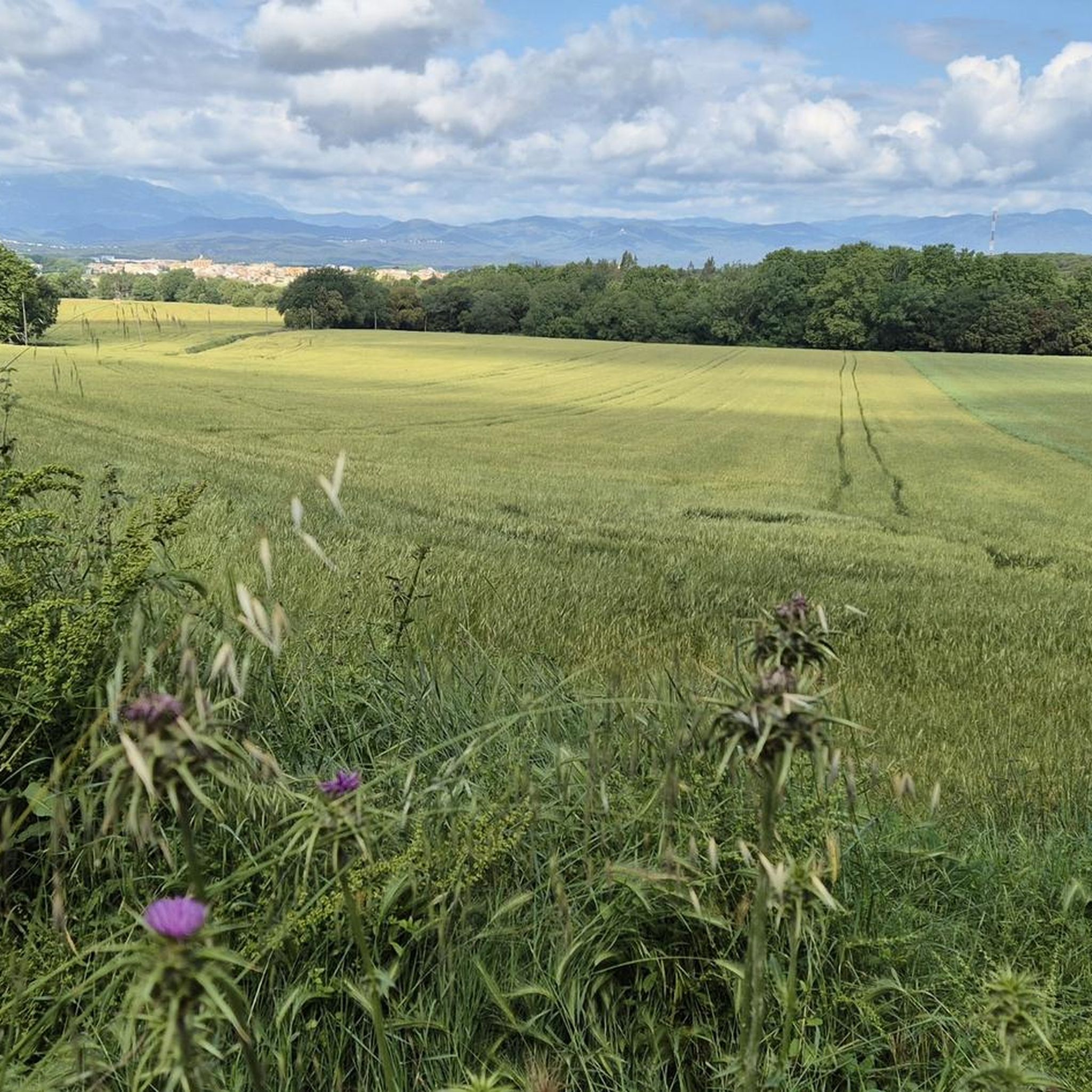
MTB Trails around Lloret De Mar

Gravel biking around Lloret De Mar


Tips from the Community

A magnificent, small bathing bay below the castle
0
0


Great not technical hike from Tossa de Mar, largely on a GR92 route. Peak offers great views.
0
0

I was there in mid-April and it was a great experience. Despite the large number of people, you could still enjoy everything in peace. It's probably different in the high season.
0
0

Beautiful, picturesque beach. The water is very clear and ideal for snorkeling. It is slippery because of the stones in the water, but that didn't bother me. You have peace and quiet here and can spend a wonderful day.
7
0

Beautiful Blanes beach. Unfortunately pretty empty in February
2
0

The small rocky island can be visited on foot from Blanes Bay. There are all sorts of shops and restaurants all around. And actually: This is roughly where the border between Costa Brava (towards the northeast) and Costa del Maresme (towards the southwest) runs.
4
0

Located in a privileged enclave, at the foot of the Vila Vella wall, in the historic center of Tossa de Mar, this small beach continues to be a starting point for fishermen and a place of passage for walkers on the coastal path. The name of Es Codolar comes from the term còdol, and means pebble or boulder. Indeed, Cala d'es Codolar is a mixture of sand with some pebbles in a splendid natural setting, hidden under the tower of the same name of Villa Vella, one of the three that crown this medieval fortification of great historical value. Since the cove is so close to the center of Tossa de Mar (the other two urban beaches are Playa Gran and Playa de la Mar Menuda) it is usually quite busy during the summer months. It must be remembered that Codolar is a small cove, about 80 meters long by only approximately 60 meters.
31
1
Frequently Asked Questions
What types of natural monuments can I explore around Lloret de Mar?
Around Lloret de Mar, you can explore a diverse range of natural monuments, including rugged coastal coves, sandy beaches, and elevated summits. These areas offer opportunities to experience the Mediterranean landscape, unique geological formations, and stunning viewpoints. Examples include rocky coves like Trons Cove, and prominent landmarks such as Sa Palomera and the Gateway to the Costa Brava.
Are there any natural monuments suitable for families with children?
Yes, several natural monuments around Lloret de Mar are family-friendly. Trons Cove is suitable for snorkeling in its clear waters, while Sa Palomera and the Gateway to the Costa Brava offers easy access to a viewpoint. Es Codolar Cove, located at the foot of Vila Vella wall in Tossa de Mar, is also a popular spot for families, though it can get busy in summer.
What are some of the best natural monuments for snorkeling or swimming?
For snorkeling and swimming, Trons Cove is highly recommended due to its clear water and rich seabed, making it ideal for observing marine life. Cala Banys, a picturesque rocky cove, is also excellent for snorkeling and fishing. Sa Caleta, with its clear, shallow seabed, is another great spot for underwater exploration and swimming.
Which natural monuments offer the best panoramic views?
For breathtaking panoramic views, head to Puig de Cadiretes summit, which stands 518 meters high in the Cadiretes Massif and offers expansive coastal vistas. Sa Palomera and the Gateway to the Costa Brava also provides a good viewpoint to see the town and the delta of the Tordera river.
Are there historical sites integrated with the natural monuments?
Yes, some natural monuments have historical significance. Es Codolar Cove is nestled at the foot of the Vila Vella wall in Tossa de Mar, a medieval fortification. Sa Caleta is overlooked by the medieval Castillo d'en Plaja and marks the beginning of the Camí de Ronda towards Tossa de Mar, passing by historical sites like the Iberian settlement of Turó Rodó.
What outdoor activities can I do near these natural monuments?
The area around Lloret de Mar offers various outdoor activities. You can explore cycling routes, such as those found in the Cycling around Lloret De Mar guide, or tackle mountain biking trails detailed in the MTB Trails around Lloret De Mar guide. Road cycling enthusiasts can find routes in the Road Cycling Routes around Lloret De Mar guide. The historic Camí de Ronda coastal path is also ideal for hiking and offers access to many natural spots.
Are there any easy walking trails to natural monuments?
Yes, the Camí de Ronda coastal path offers sections that are suitable for easy walks, providing access to various natural monuments and scenic views. Cala Banys is easily reachable on foot from Lloret Beach along this coastal trail. Many coves and viewpoints can be accessed with relatively easy walks, allowing you to enjoy the scenery without strenuous effort.
What is the best time of year to visit the natural monuments in Lloret de Mar?
The best time to visit the natural monuments in Lloret de Mar is typically during the spring (April to June) and early autumn (September to October). During these periods, the weather is pleasant for outdoor activities like hiking and swimming, and the crowds are generally smaller than in the peak summer months. The Mediterranean climate ensures mild temperatures, making it comfortable to explore.
How can I reach the natural monuments from Lloret de Mar using public transport?
While specific public transport routes to every natural monument may vary, many coastal natural monuments like Cala Banys and Sa Caleta are accessible on foot from central Lloret de Mar, often via the Camí de Ronda. For locations further afield, local bus services connect Lloret de Mar to nearby towns like Tossa de Mar, from where you can access other natural sites such as Es Codolar Cove.
Are there any hidden natural gems or less crowded spots?
Cala Banys is known for its serene atmosphere, offering a peaceful escape from the more bustling tourist areas of Lloret de Mar. Its rocky composition and clear waters make it a great spot for quiet relaxation and snorkeling away from the crowds. Exploring sections of the Camí de Ronda can also lead you to less frequented coves and viewpoints.
What do visitors enjoy most about the natural monuments in Lloret de Mar?
Visitors frequently praise the stunning views, clear waters, and tranquil atmosphere of the natural monuments. Many appreciate the opportunities for snorkeling and swimming in places like Trons Cove, while others enjoy the picturesque scenery and historical context offered by spots like Sa Caleta with its fishing boats and castle backdrop. The accessibility of many sites via coastal trails is also a highlight.
Most popular routes around Lloret De Mar
Most popular attractions around Lloret De Mar

Get inspired with the komoot mobile app


Explore more
Extend your search for the best caves by checking out these guides of the top ones around Lloret De Mar:
