Top 20 Natural Monuments around Maó
Best natural monuments around Maó highlight Menorca's unique geological and ecological significance. The island is designated a UNESCO Biosphere Reserve, characterized by diverse landscapes and rich biodiversity. The region features ancient metamorphic rocks in the north and younger calcareous formations in the south, contributing to varied natural environments. These areas offer opportunities to explore wetlands, dramatic coastlines, and historical sites integrated into the natural setting.
Best natural monuments around Maó
- The most popular natural monuments is s'Albufera des Grau Natural…
Last updated: June 18, 2026
s'Albufera des Grau Natural Park
Highlight • Forest
Translated by Google •
Tip by

Cales Coves Necropolis
Highlight • Historical Site
Translated by Google •
Tip by

Sign up now to discover places like this
Get recommendations on the best single tracks, peaks, & plenty of other exciting outdoor places.
Sign up for free
Sa Mesquida Beach
Highlight • Beach
Translated by Google •
Tip by
Talatí de Dalt Archaeological Site
Highlight • Historical Site
Due to the location near one of the main roads with parking, it is also often busy...
Translated by Google •
Tip by

Cala Rambles and Torre de Sa Torreta
Highlight • Beach
Translated by Google •
Tip by

Sign up for free to discover even more natural monuments around Maó.
Sign up for free
Already have an account?
Start today with a free account
Your next adventure awaits.
Login or Signup


Tips from the Community

Beautiful Taiolotic site, with beautiful remaining ruins, a "taialot" still present dominating the site and above all a superb "Taula", standing stone!
0
0

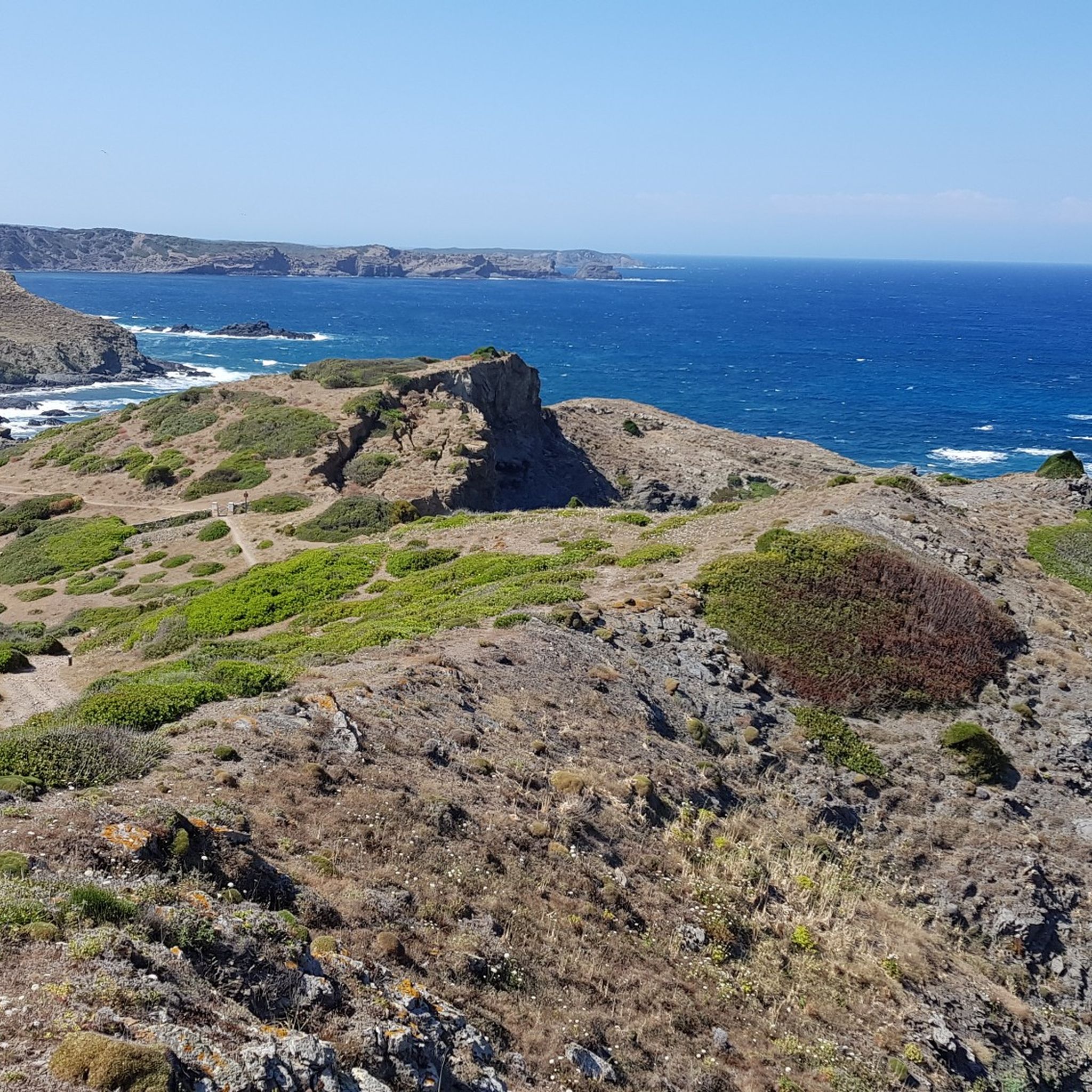
From here you have a very nice view
0
0

It is one of the most impressive prehistoric sites in Menorca, notable for its monumental table, one of the best preserved on the island, with an inclined slab resting on the central monolith. It dates from the Talayotic period (1000 BC) and has talayots, caves carved into the rock, houses, cyclopean walls and a ceremonial enclosure. Accessible by mountain bike or gravel, it is ideal for a cycle tour combined with other nearby sites such as Torre d'en Galmés or Naveta des Tudons. An essential place to discover the Talayotic history of Menorca. 🚴♂️
0
0

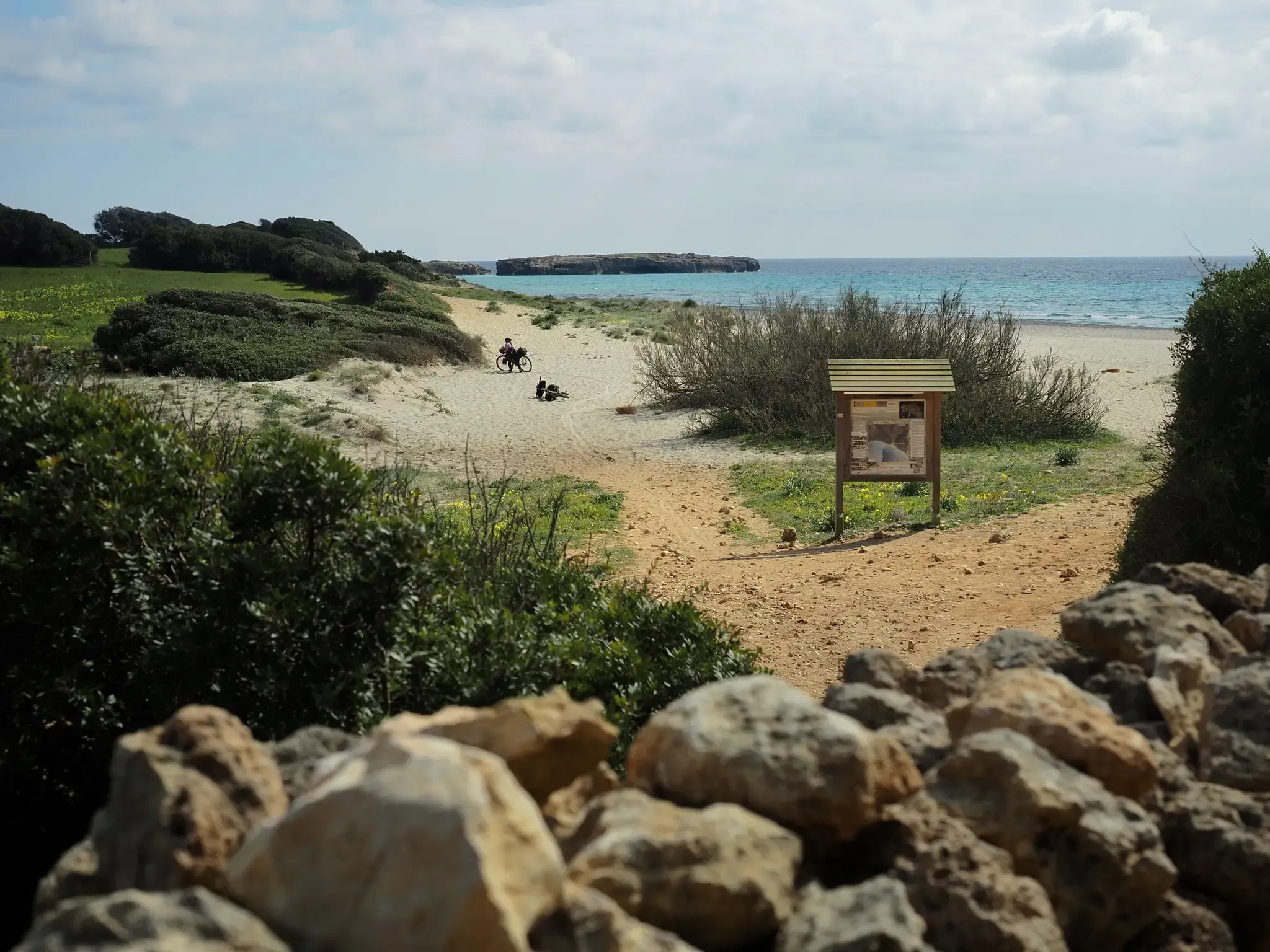
A quiet and beautiful stretch of beach. Just right for a break during the hike.
3
1
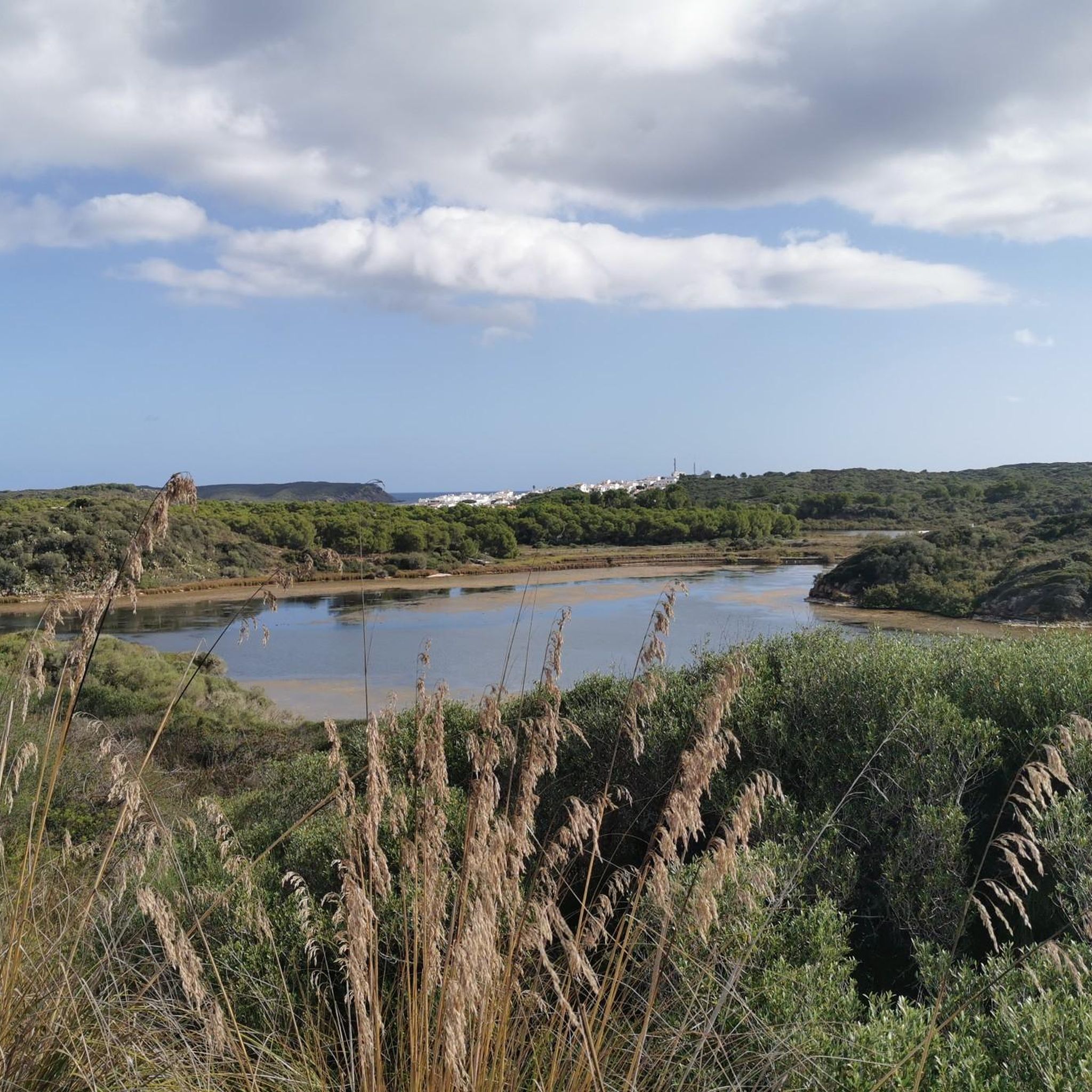
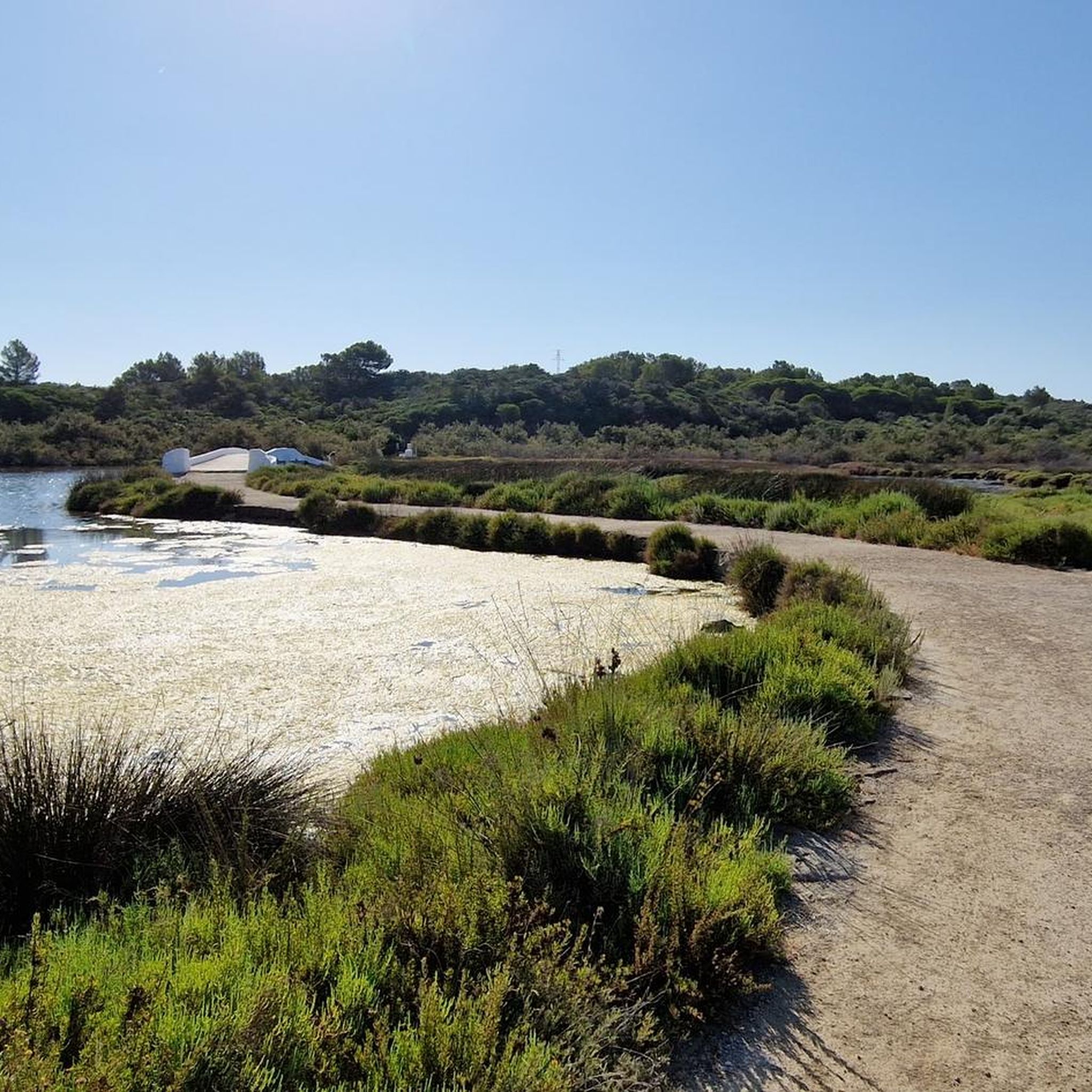
A wonderful nature reserve that is worth a visit!
2
0
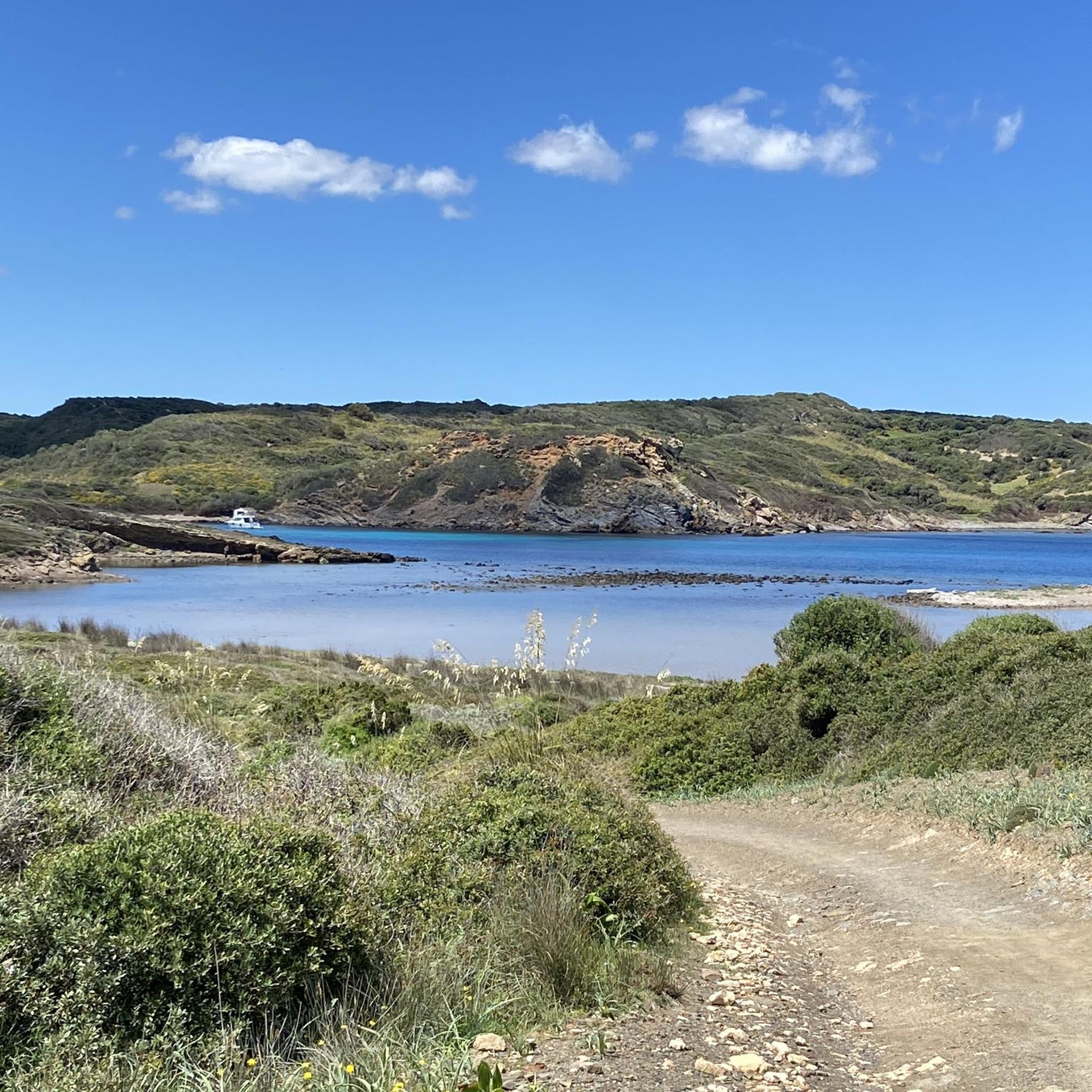
Near Sa mesquida, the only drawback is that it is always full of algae. Looking at the sea on the right hand side you have a house inhabited by a very nice girl and on the opposite side you have another one where you can bathe without algae. https://www.youtube.com/watch?v=pNt8nuDMtDQ La Cala de Sa Torreta or Cala Rambles according to the maps is a beach that even in the middle of August is quite empty, due to its difficult access and the large amount of algae in its sand. Cala Rambles is in the municipality of Maó and can only be accessed on foot (or by bike) or by sea. The beach is about 250 meters from end to end and more than 10 meters of sand that is usually covered with posidonia. This beach is in a protected area, included in the Albufera des Grau Natural Park, in the Natural Area of Special Interest Me-7 (ANEI Me-7) and in the Natura 2000 Network. As you can see, it is a very virgin.
0
0

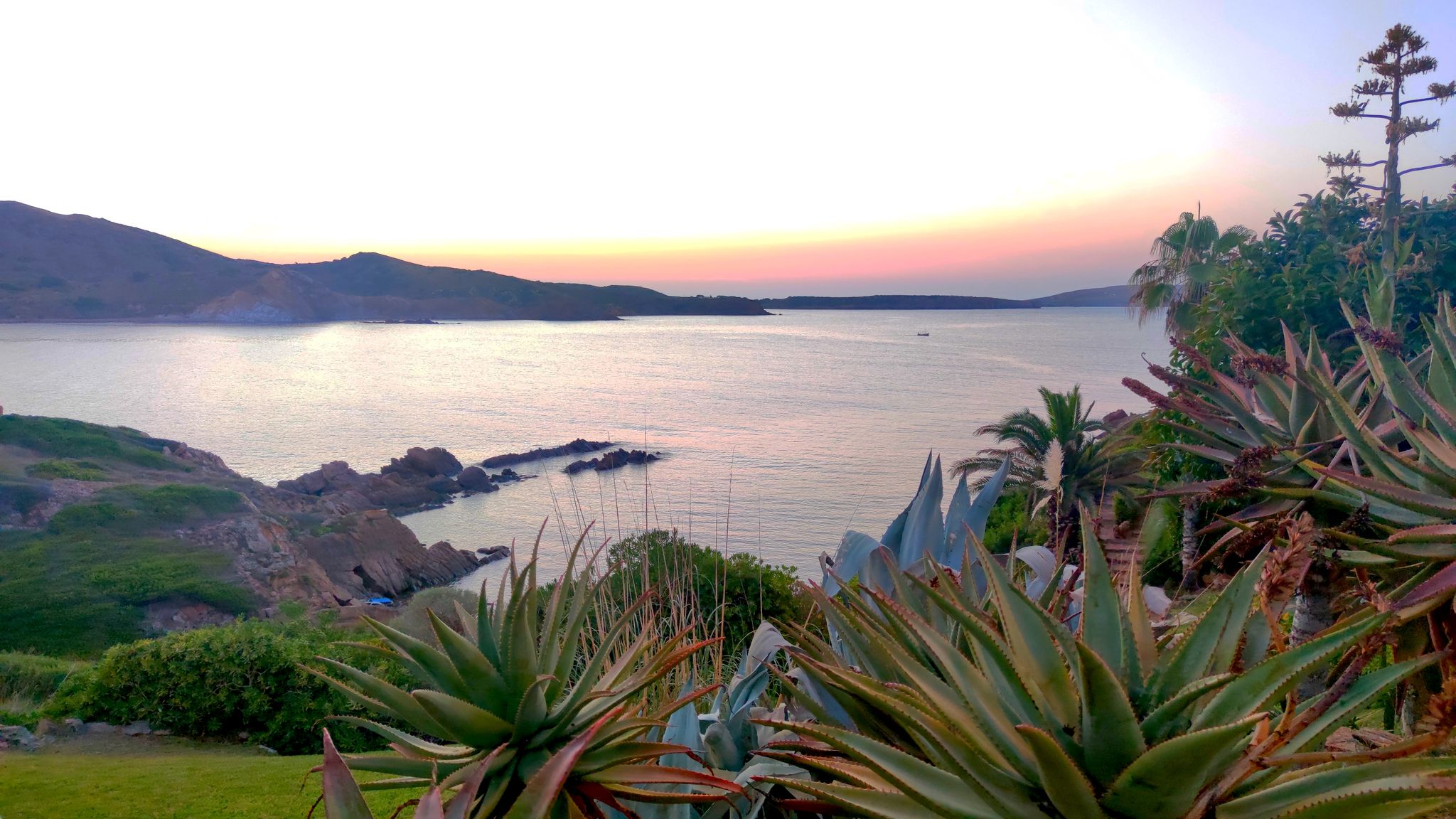
Magnificent cove where we were alone in the world!
1
0
A dream bay that you shouldn't miss!
5
1
Frequently Asked Questions
What are some unique natural monuments to explore near Maó?
Near Maó, you can explore the unique geological formations of the Cales Coves Necropolis, where ancient burial caves are carved into a natural bay. Another distinctive site is the area around Favàritx Lighthouse, known for its dramatic black slate rocks and 'lunar landscape' that contrasts with other parts of Menorca.
Are there family-friendly natural monuments around Maó?
Yes, several natural monuments are suitable for families. s'Albufera des Grau Natural Park offers easy marked routes and opportunities for birdwatching. Sa Mesquida Beach is a quiet stretch of sand within a nature reserve, perfect for a relaxing family visit. The Camí de Cavalls — Salines d'Addaia section is also noted as family-friendly, offering chances to see flamingos.
What kind of wildlife can I expect to see in the natural monuments near Maó?
The natural monuments around Maó, particularly s'Albufera des Grau Natural Park, are havens for wildlife. This park is especially known for its diverse bird species, including cormorants, herons, and fish eagles. The dunes near Sa Mesquida Beach also provide habitat for local wildlife, including large populations of cormorants and seagulls. In the Salines d'Addaia, you might spot flamingos, especially in winter.
What historical or archaeological sites are integrated into the natural landscape?
The region around Maó boasts several historical sites within its natural settings. The Cales Coves Necropolis features over 90 hand-dug burial caves set into a natural bay. Additionally, Talatí de Dalt Archaeological Site is a prehistoric settlement with accessible caves, offering a glimpse into Menorca's ancient past.
What outdoor activities can I do near these natural monuments?
The natural monuments around Maó offer various outdoor activities. You can explore the diverse ecosystems of s'Albufera des Grau Natural Park on its marked hiking routes. The wider area is excellent for cycling, with numerous MTB trails, road cycling routes, and gravel biking options that allow you to experience the island's varied landscapes.
Are there hiking trails suitable for different difficulty levels?
Yes, the natural monuments and surrounding areas offer trails for various abilities. For instance, s'Albufera des Grau Natural Park has three marked routes, some of which are suitable for easier walks. The extensive Camí de Cavalls coastal trail, which passes through many natural areas, offers sections ranging from easy strolls to more challenging hikes, allowing you to choose based on your fitness level.
What makes Menorca's natural monuments so significant?
Menorca's natural monuments are significant because the entire island is a UNESCO Biosphere Reserve. This designation highlights its unique geological diversity, with ancient metamorphic rocks in the north and younger calcareous formations in the south, creating varied ecosystems from wetlands to dramatic coastlines. Sites like s'Albufera des Grau Natural Park are central to this ecological importance.
What do visitors enjoy most about the natural monuments around Maó?
Visitors frequently praise the natural beauty and tranquility. Many find the hike to s'Albufera des Grau Natural Park extremely rewarding, appreciating the stunning views from lookout points. The Cales Coves Necropolis is often described as uniquely beautiful and close to nature, offering a dream-like bay experience. The quiet and beautiful stretch of Sa Mesquida Beach is also a favorite for a peaceful break.
Can I find amenities like cafes or restaurants near these natural monuments?
While the natural monuments themselves are often pristine and undeveloped, you can find amenities in nearby villages. For example, the village of Es Grau is located close to s'Albufera des Grau Natural Park and offers cafes and restaurants. For other sites, it's advisable to check the nearest towns or carry your own provisions, especially for longer excursions.
What is the best time of year to visit the natural monuments around Maó?
The best time to visit Menorca's natural monuments is generally during the spring (April to June) and autumn (September to October). During these seasons, the weather is pleasant for hiking and exploring, and the natural landscapes are vibrant. The summer months can be very hot and crowded, while winter offers a quieter experience but with cooler temperatures and some facilities potentially closed.
Are there any specific tips for visiting s'Albufera des Grau Natural Park?
When visiting s'Albufera des Grau Natural Park, take your time to explore its diverse ecosystems. There are three marked routes, two starting near the information center, which help you discover its rich wildlife. Guided tours are also available from the Rodríguez Femenías Park's guest center. Remember to bring binoculars for birdwatching and respect the natural environment, as it's a UNESCO Biosphere Reserve.
What should I bring for a trip to the natural monuments near Maó?
For a comfortable trip to the natural monuments near Maó, it's recommended to bring appropriate footwear for walking or hiking, sun protection (hat, sunscreen), plenty of water, and snacks. If you plan to visit historical sites like Talatí de Dalt Archaeological Site with accessible caves, a flashlight can be useful. For birdwatching, binoculars are a great addition.
Most popular attractions around Maó

Get inspired with the komoot mobile app


Explore more
Extend your search for the best caves by checking out these guides of the top ones around Maó:
