Top 13 Mountain Passes around Chía
Mountain passes around Chía are primarily located in the Aragonese Pyrenees, offering high mountain landscapes and challenging routes. This region, situated in the province of Huesca, Spain, features roads and trails that ascend to elevations of over 2,000 meters. The area is characterized by panoramic views of surrounding valleys and peaks, providing diverse terrain for outdoor activities.
Best mountain passes around Chía
- The most popular mountain passes is Collado de Sahún, a mountain pass that offers views of l'Aneto,…
Last updated: June 18, 2026
Collado de Sahún
Highlight • Mountain Pass
Translated by Google •
Tip by

Coll de Fadas
Highlight • Mountain Pass
Translated by Google •
Tip by
Sign up now to discover places like this
Get recommendations on the best single tracks, peaks, & plenty of other exciting outdoor places.
Sign up for free
Puerto de Ampriu
Highlight • Mountain Pass
Translated by Google •
Tip by

Sahún Pass / Sahún Col
Highlight • Mountain Pass
Translated by Google •
Tip by
Liri
Highlight • Settlement
Translated by Google •
Tip by

Sign up for free to discover even more mountain passes around Chía.
Sign up for free
Already have an account?
Start today with a free account
Your next adventure awaits.
Login or Signup
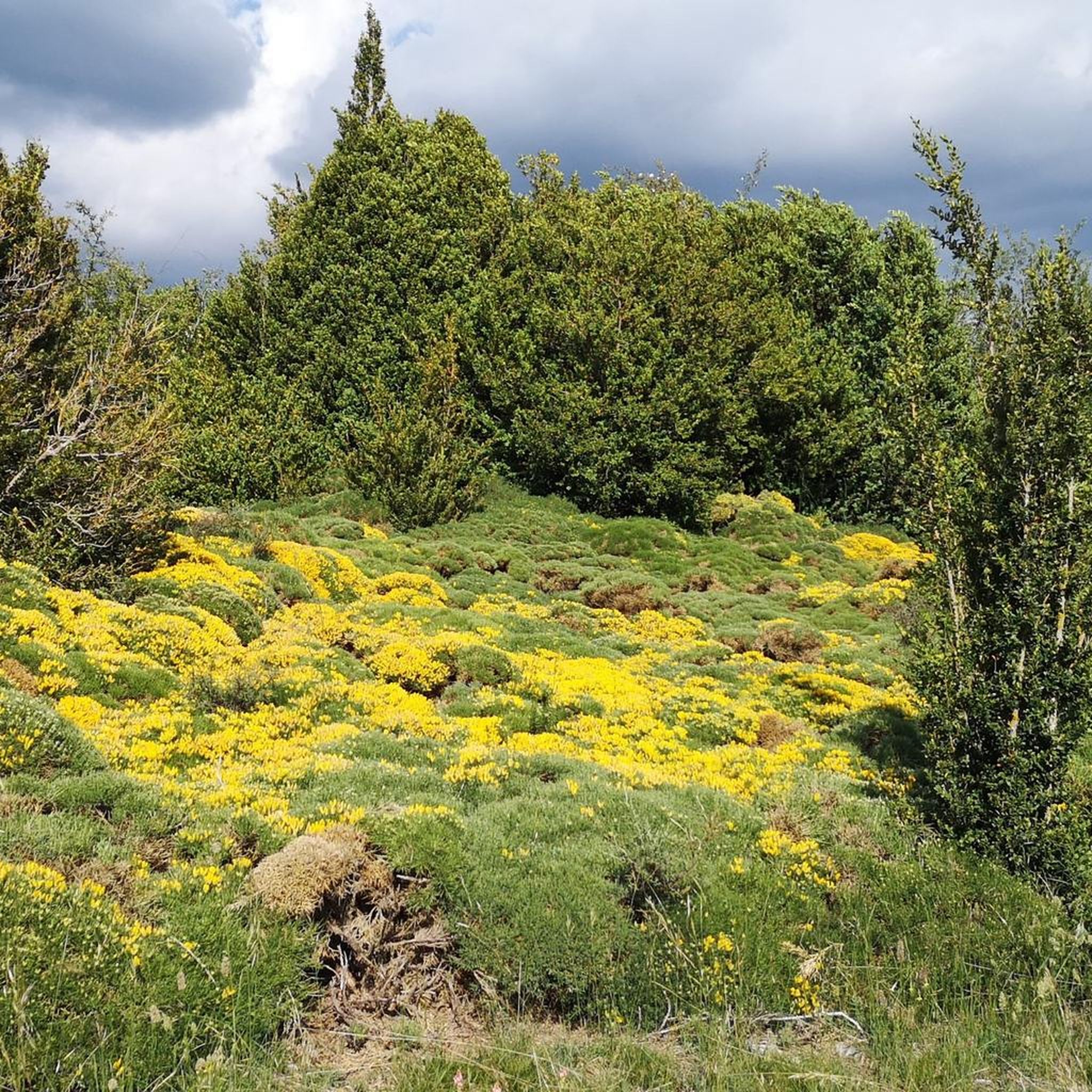
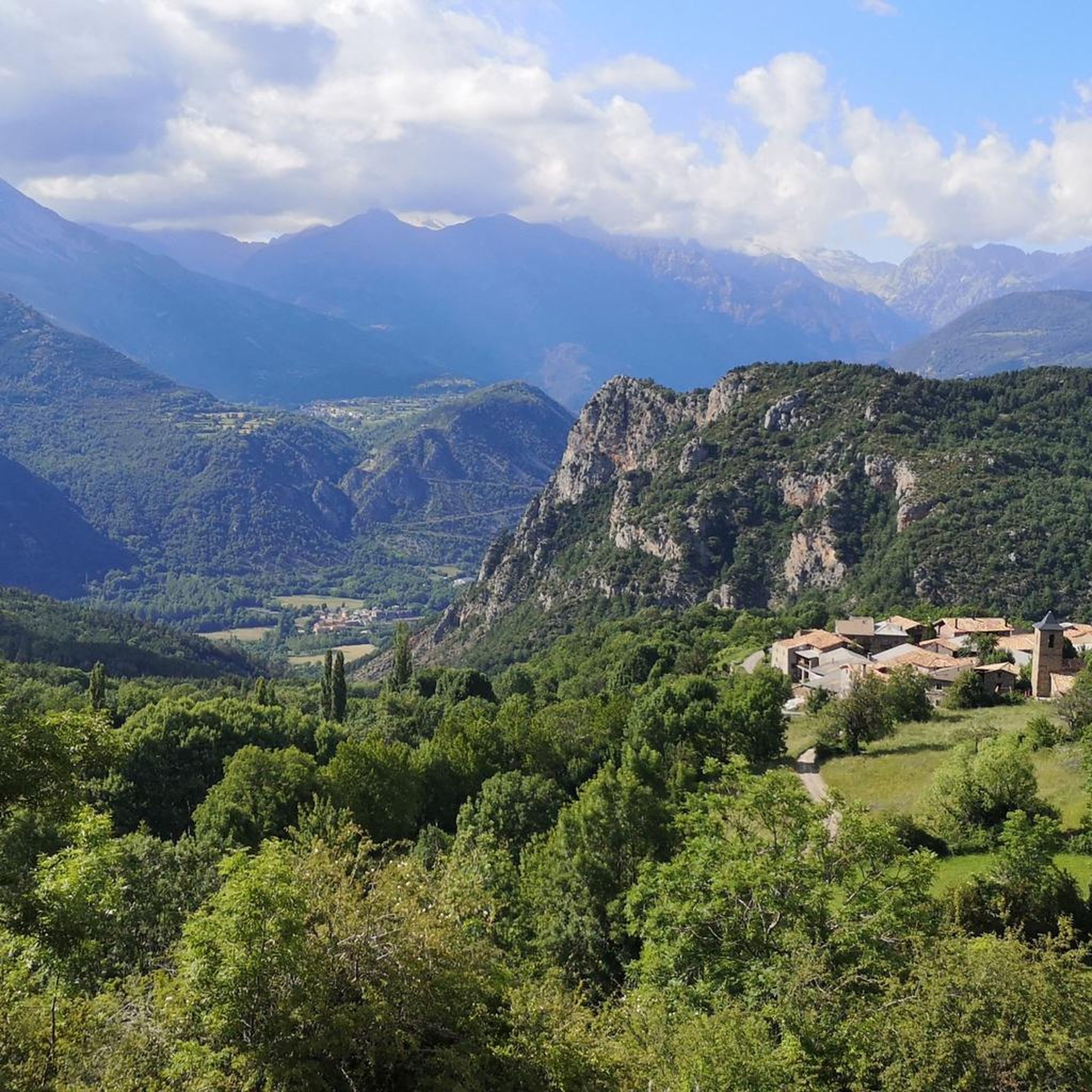
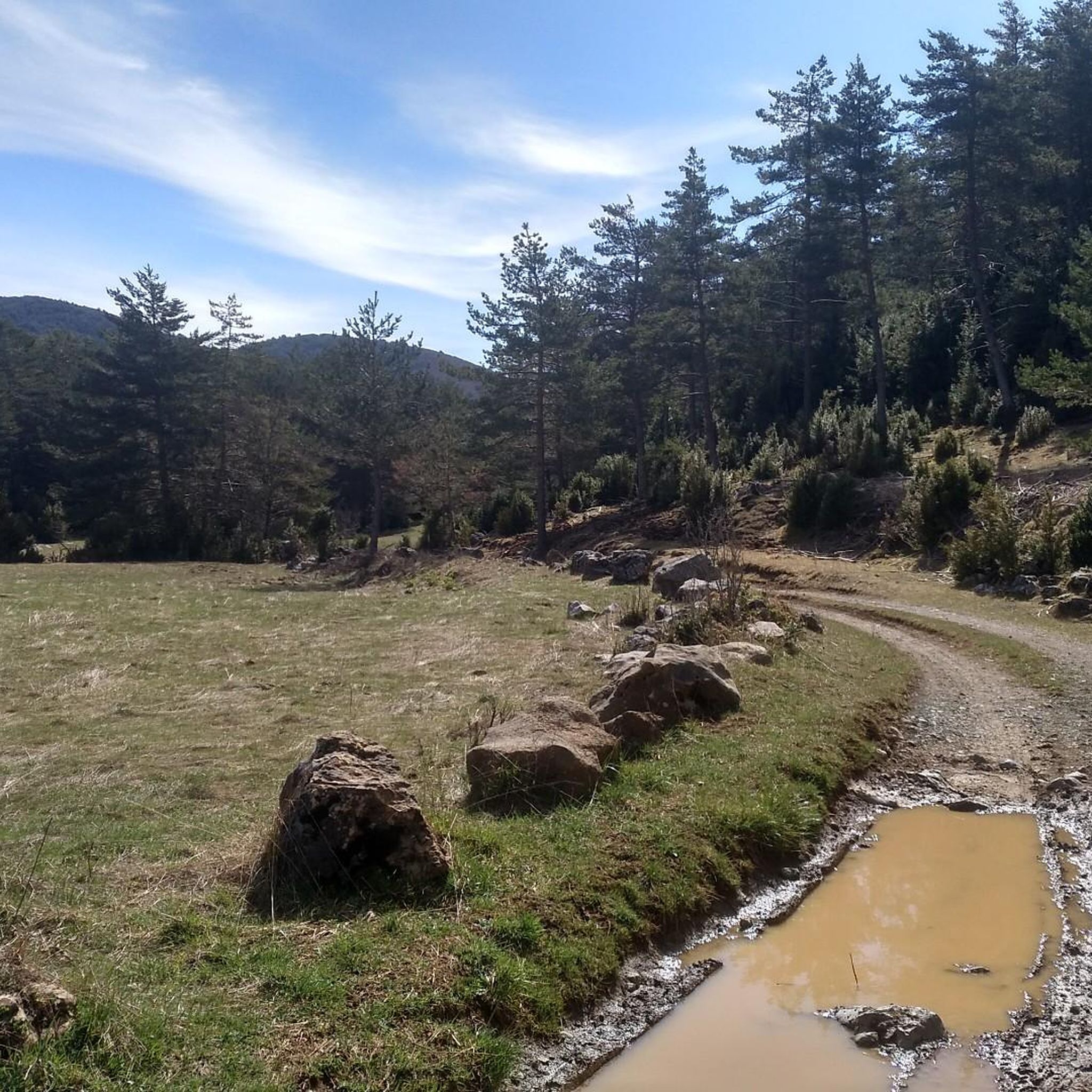
Tips from the Community

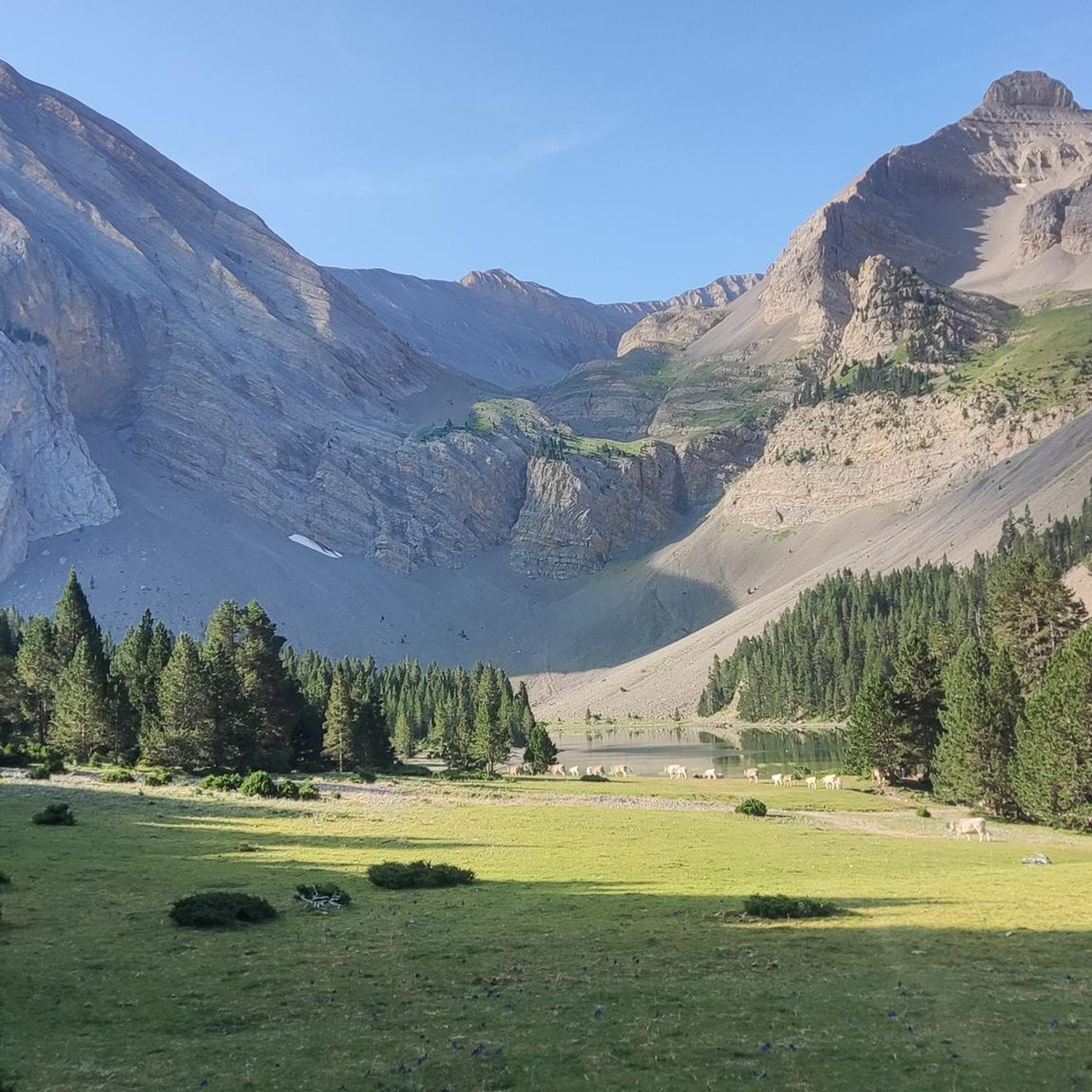
A legendary mountain pass in the Pyrenees. A crossing point between the Chistau and Benasque valleys, linking Sobrarbe and Ribagorza at an altitude of 2000m.
0
0

Parking at start of hike. Watch out for the high concrete edge.
0
0

Access is via forest tracks in good condition. Obviously, to reach 2000m it takes a little time but the reward is worth it: the views are magnificent over the valleys and peaks at 360 degrees. A delight !
1
0

This is the natural pass between the valleys of Chistau and Benasque. As such, it has been used for millennia and proof of this is the megalithic circle next to the track, which even then served to delimit border limits called "mugas".
0
0

The road that goes up from Sahún goes up through the port of Liri until reaching the town itself, with few houses but which maintains a spectacular view of the Castejón de Sos valley. The port has a length of almost 5 km and a maximum slope of 22%.
0
0
This is the natural pass between the valleys of Chistau and Benasque. As such, it has been used for millennia and proof of this is the megalithic circle next to the track, which even then served to delimit border limits called "mugas".
0
0
Impressive mountain pass in the Pyrenees of Huesca surrounded by peaks with 3,000 meters of altitude, it is located at 1,912 meters of altitude right on the ski slopes of Aramón Cerler.
2
0
Impressive mountain pass in the Pyrenees of Huesca surrounded by peaks with 3000 meters of altitude. It is located at 1912 meters, right on the ski slopes of Aramón Cerler.
0
0
Frequently Asked Questions
What are some of the most notable mountain passes around Chía?
The region around Chía, primarily in the Aragonese Pyrenees, offers several impressive mountain passes. Collado de Sahún is a popular choice, known for its demanding gravel track ascent to 2,020 meters and panoramic views of l'Aneto, Posets, and Monte Perdido. Another must-see is Puerto de Ampriu, located at 1,912 meters amidst 3,000-meter peaks near the Aramón Cerler ski slopes. Coll de Fadas also offers spectacular views over the Posets massif, presenting a challenging 'double col' route.
What kind of terrain and difficulty can I expect on these mountain passes?
The mountain passes around Chía are generally challenging. For instance, the route to Collado de Sahún is largely a gravel track, rough in sections, with a significant altitude difference making it quite demanding. The Pista de Chía, leading to Sahún Pass, is mostly unpaved with steep, narrow sections and gradients up to 25%. Many passes, like Grist Pass or Forqueta Pass, involve hard climbs, especially under direct sun. These routes are often suitable for experienced hikers, mountain bikers, or 4x4 vehicles.
What are the best times of year to visit the mountain passes around Chía?
The best times to visit are typically early summer or early autumn. During these periods, the weather is generally more stable, and the high mountain roads and trails are less likely to be blocked by snow. Snow can persist well into May or June at higher elevations, making spring challenging. Winter conditions can be severe, with many routes becoming impassable.
What natural features and views can I enjoy from the mountain passes?
The mountain passes offer stunning panoramic views of the Aragonese Pyrenees. From Collado de Sahún, you can see prominent peaks like l'Aneto, Posets, and Monte Perdido. Puerto de Ampriu is surrounded by peaks exceeding 3,000 meters. The Pista de Chía provides vistas of the Gistain and Benasque valleys. You might also encounter Pyrenean cows grazing in the higher altitudes, adding to the high mountain landscape experience.
Are there opportunities for mountain biking near the mountain passes?
Yes, the region is excellent for mountain biking. The Pista de Chía, leading to Sahún Pass, is considered one of the best high mountain routes in the Aragonese Pyrenees for mountain biking, ascending to 2,000 meters. You can find many challenging routes, such as the 'Best views of the Benasque Valley – Collado de Sahún loop from Chía'. For more options, explore the MTB Trails around Chía guide.
What hiking opportunities are available near these mountain passes?
There are numerous hiking opportunities. Passes like Grist Pass or Forqueta Pass are part of the trans-Pyrenean path (GR-11.2), connecting the Chistau and Benasque valleys. While many routes are challenging, there are also moderate options like the 'Castejón de Sos – Sesué Village loop from Castejón de Sos'. For a comprehensive list of trails, refer to the Hiking around Chía guide.
Can I go gravel biking in the Chía mountain pass area?
Absolutely. The area is well-suited for gravel biking, with routes like the Pista de Chía offering a mix of unpaved and concrete sections. You can find challenging gravel biking tours such as the 'Linsoles Reservoir – Benasque Village Center loop from Benasque'. For more gravel biking adventures, check out the Gravel biking around Chía guide.
Are there any historical aspects to the mountain passes around Chía?
Yes, some routes have historical significance. The track over Sahún Pass, for example, historically provided a shortcut of 65km between the Benasque and Bielsa Valleys, indicating its long-standing use as a passage through the mountains.
What amenities are available near the mountain passes, such as parking or cafes?
While the high mountain passes themselves are often remote, some, like Puerto de Ampriu, have parking facilities, especially being located near the Aramón Cerler ski slopes. For cafes, pubs, and accommodation, you would typically need to descend to nearby towns and villages in the valleys, such as Benasque or Chía itself, which offer more services for visitors.
What do visitors appreciate most about the mountain passes around Chía?
Visitors consistently highlight the stunning and beautiful views, particularly from passes like Collado de Sahún and Coll de Fadas. The challenging nature of the routes is also a major draw for adventurers seeking demanding ascents and rewarding experiences. The high mountain landscape and the sense of achievement after conquering a pass are frequently mentioned as key attractions.
Are there any permits required to access the mountain passes or trails?
Generally, specific permits are not required for accessing the mountain passes or public trails in the Aragonese Pyrenees. However, it's always advisable to check local regulations, especially if you plan to enter protected areas or engage in specific activities that might have restrictions. Always respect private property and environmental guidelines.
Most popular attractions around Chía

Get inspired with the komoot mobile app


Explore more
See even more epic mountain passes by checking out these guides around Chía:
