Top 9 Natural Monuments around El Cabaco
Best natural monuments around El Cabaco are found within the municipality of El Cabaco, in the province of Salamanca, Spain. This region features a diverse landscape, including the prominent Peña de Francia mountain and the unique Roman gold mining landscape of Las Cavenes. The area offers a blend of scenic beauty, historical significance, and outdoor activities. Visitors can discover significant natural landmarks that combine geological interest with cultural heritage.
Best natural monuments around El Cabaco
- The most popular natural monuments…
Last updated: June 18, 2026
San Marcos Lagoon
Highlight • Lake
Translated by Google •
Tip by

Peña de Francia
Highlight • Summit
Showing Translation
Tip by

Sign up now to discover places like this
Get recommendations on the best single tracks, peaks, & plenty of other exciting outdoor places.
Sign up for free
Peña Huevo
Highlight • Summit
Translated by Google •
Tip by
Ascent to Peña de Francia
Highlight (Segment) • Summit
Altitude: 1732m
Distance: 12km
Height difference: 720m
Average Slope: 6%
Translated by Google •
Tip by

Canchal de las Cabras Pintadas
Highlight • Historical Site
Translated by Google •
Tip by

Sign up for free to discover even more natural monuments around El Cabaco.
Sign up for free
Already have an account?
Start today with a free account
Your next adventure awaits.
Login or Signup
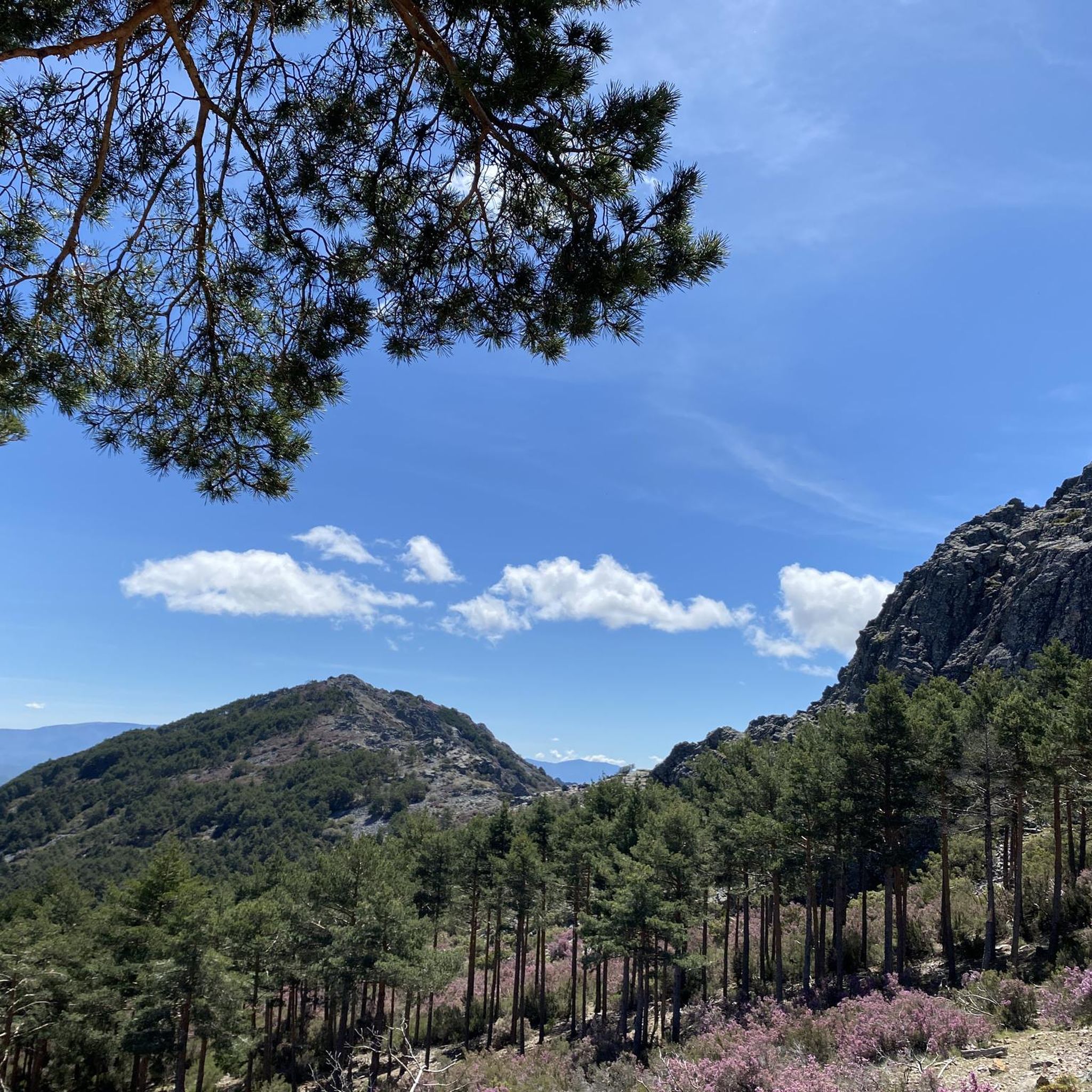
Tips from the Community

Impressive drawings are difficult to see, but the deer hunt is definitely decipherable.
5
1
Really such a top that stands out with over 1700 meters, offering a beautiful view all around.
12
0

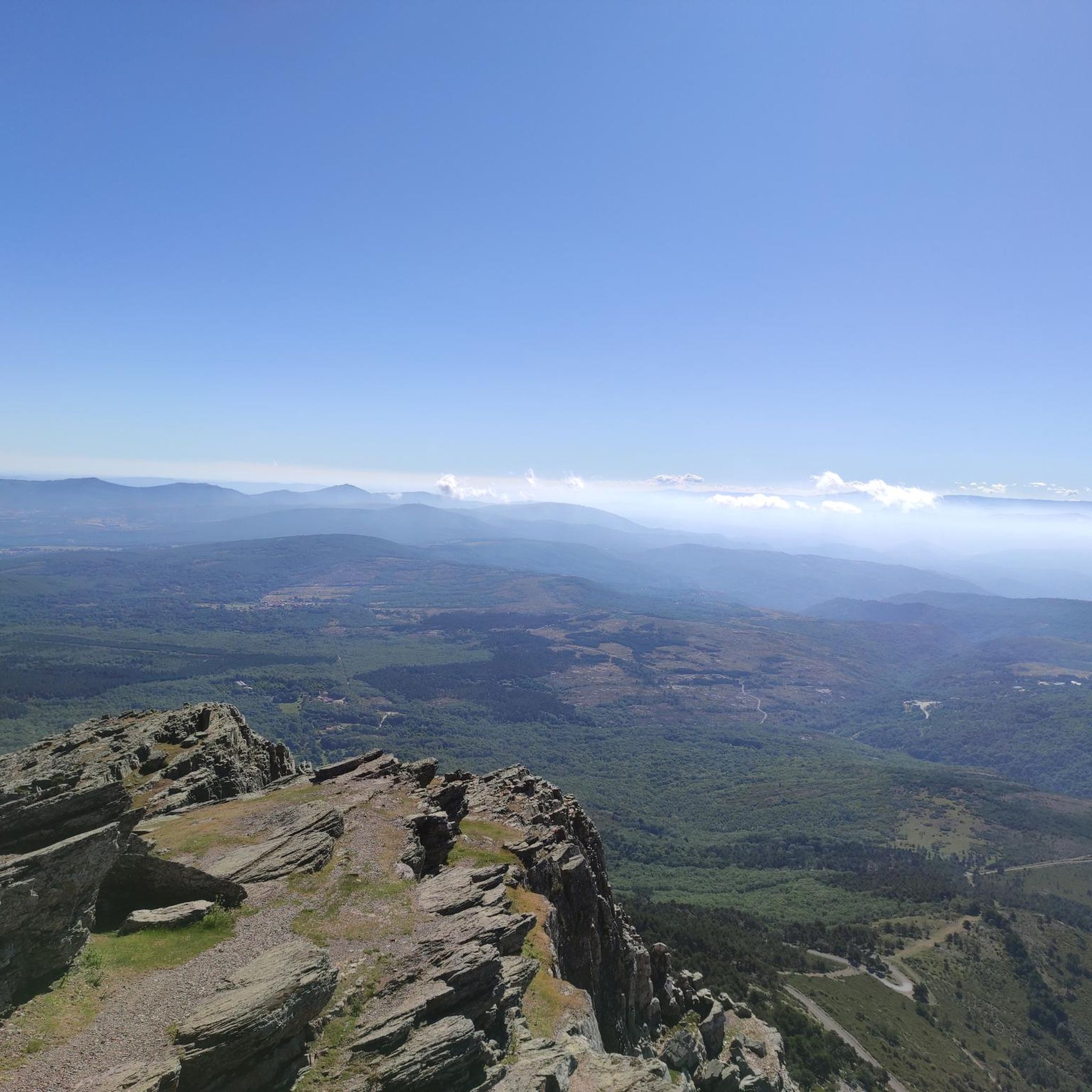
It offers spectacular views over the Sierra de Francia, the Sierra de Béjar, the Campo Charro region, northern Cáceres, and even the Serra da Estrela in Portugal. You can drive up via the SA-203 road (from La Alberca or El Cabaco), although it is often closed due to snow in winter. There are also hiking trails, such as the GR-10, starting from La Alberca.
5
0
La Peña de Francia is one of the most emblematic places in the province of Salamanca, located in the Las Batuecas-Sierra de Francia Natural Park, within the municipality of El Cabaco, about 81 km from Salamanca and near La Alberca.
4
0

There are 15 fields near La Alberca that hide remains of cave paintings. Although, as its name makes us think, the predominant figure in this field is goats, other animals and even human figures are also painted.
3
1

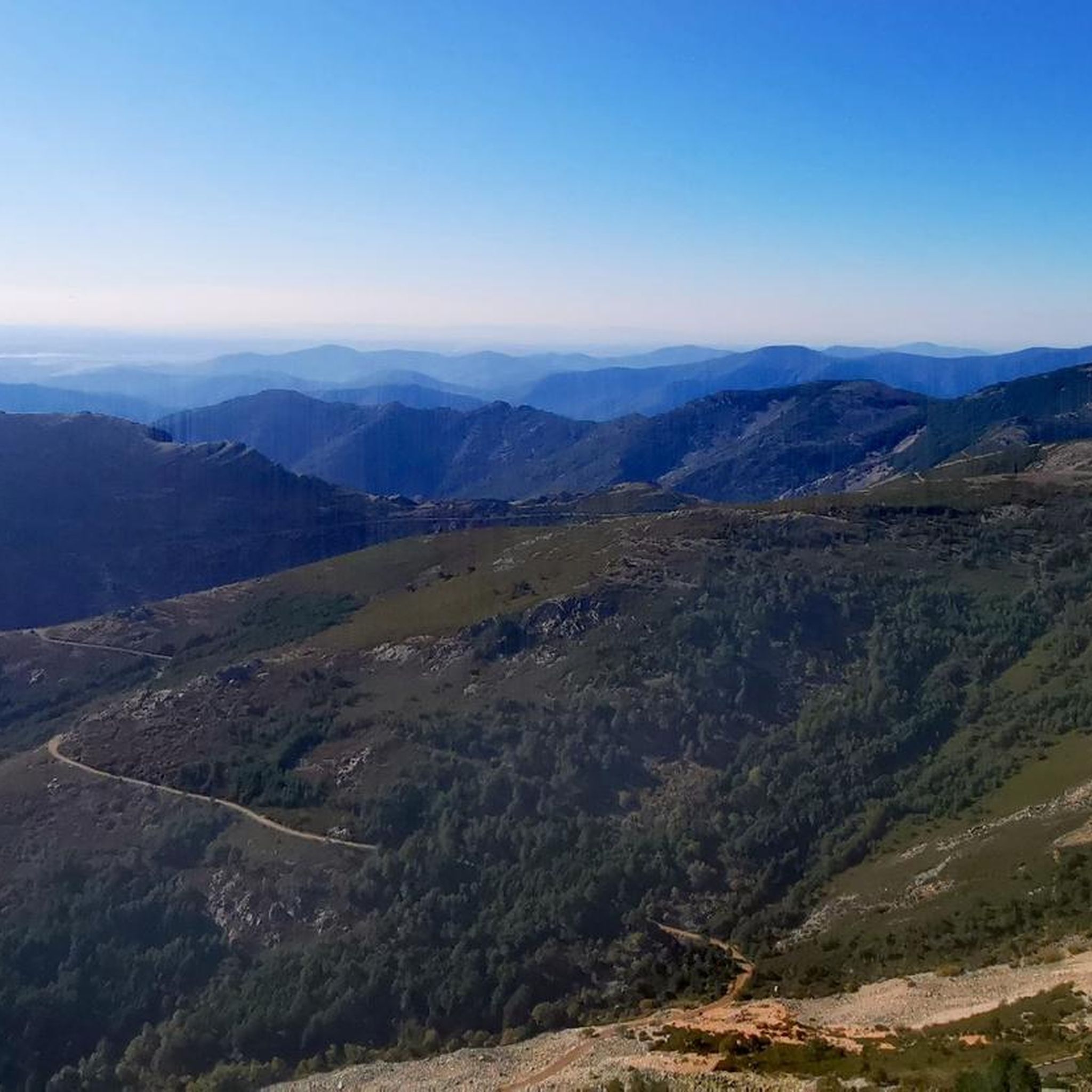
Peña de Francia is a peak known by many cyclists and is undoubtedly worth crowning. It gives its name to the wonderful Natural Park and with its 1,727 m high it offers you the best panoramic views in all directions. Take the time to take photos from the two viewpoints located next to the Sanctuary of Our Lady of Peña de Francia.
4
1

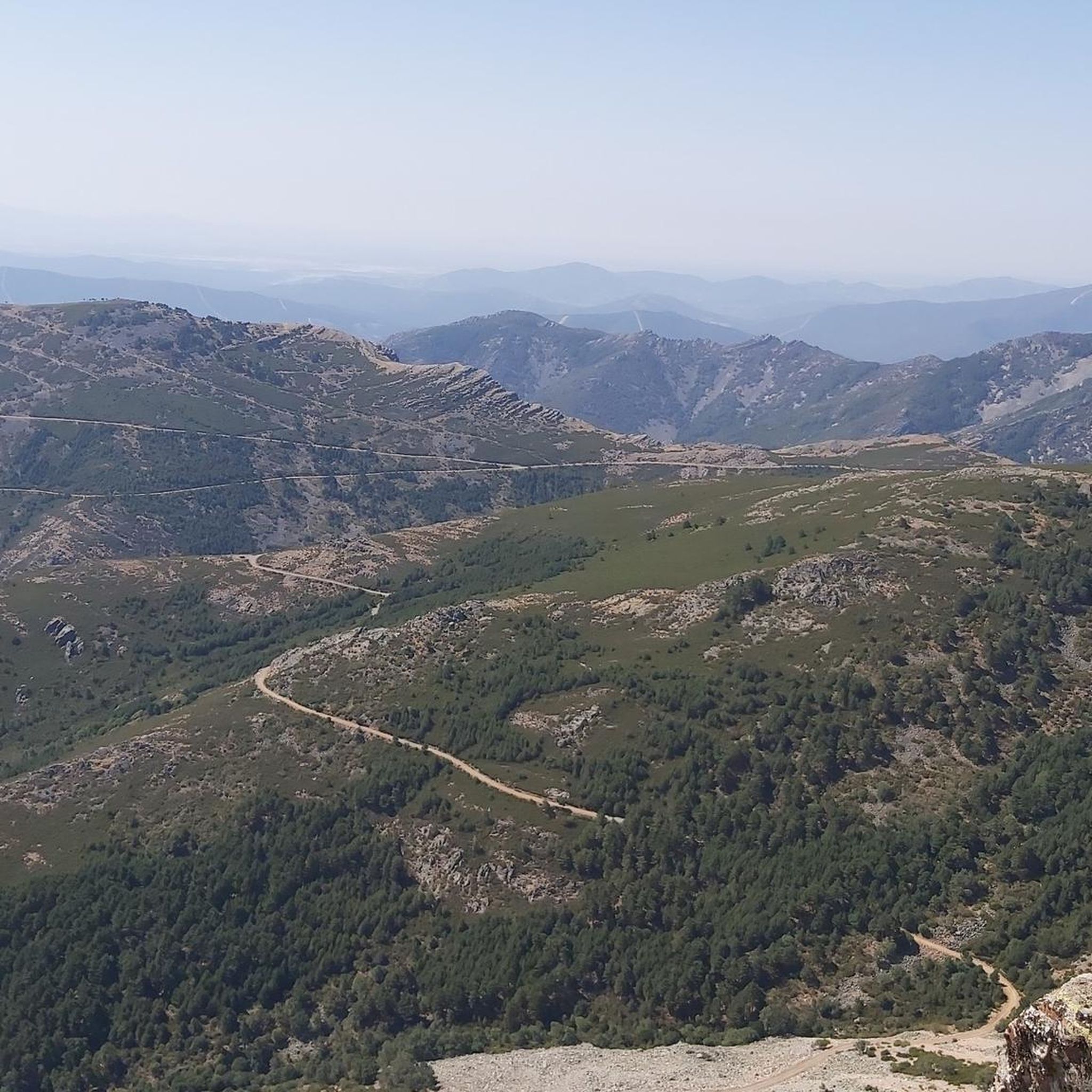
Undoubtedly the top to crown if you are in the area, not only does it give its name to the wonderful Natural Park, but at 1727 masl you will have the best panoramic views in all directions, the well-deserved reward for the physical effort to get here. It can be climbed through several alternative paths, some of great technical difficulty and with a lot of loose stone that I recommend to do on the way down. It is recommended to go up the track or road and enjoy the cool trialeras on the way down.
5
0
Not only does it give its name to the wonderful Natural Park, but its peak at 1,727 meters above sea level offers the best panoramic views in all directions. Right there, at the top, is the Sanctuary of Our Lady of Peña de Francia of the Dominican Order that is worth visiting. And of course, you cannot return without having taken the obligatory photos at the viewpoint and the Balcony of Santiago, two panoramic points par excellence. You can get here by several very picturesque paths and trails of varying difficulty.
5
0
Frequently Asked Questions
What are the most popular natural monuments to visit around El Cabaco?
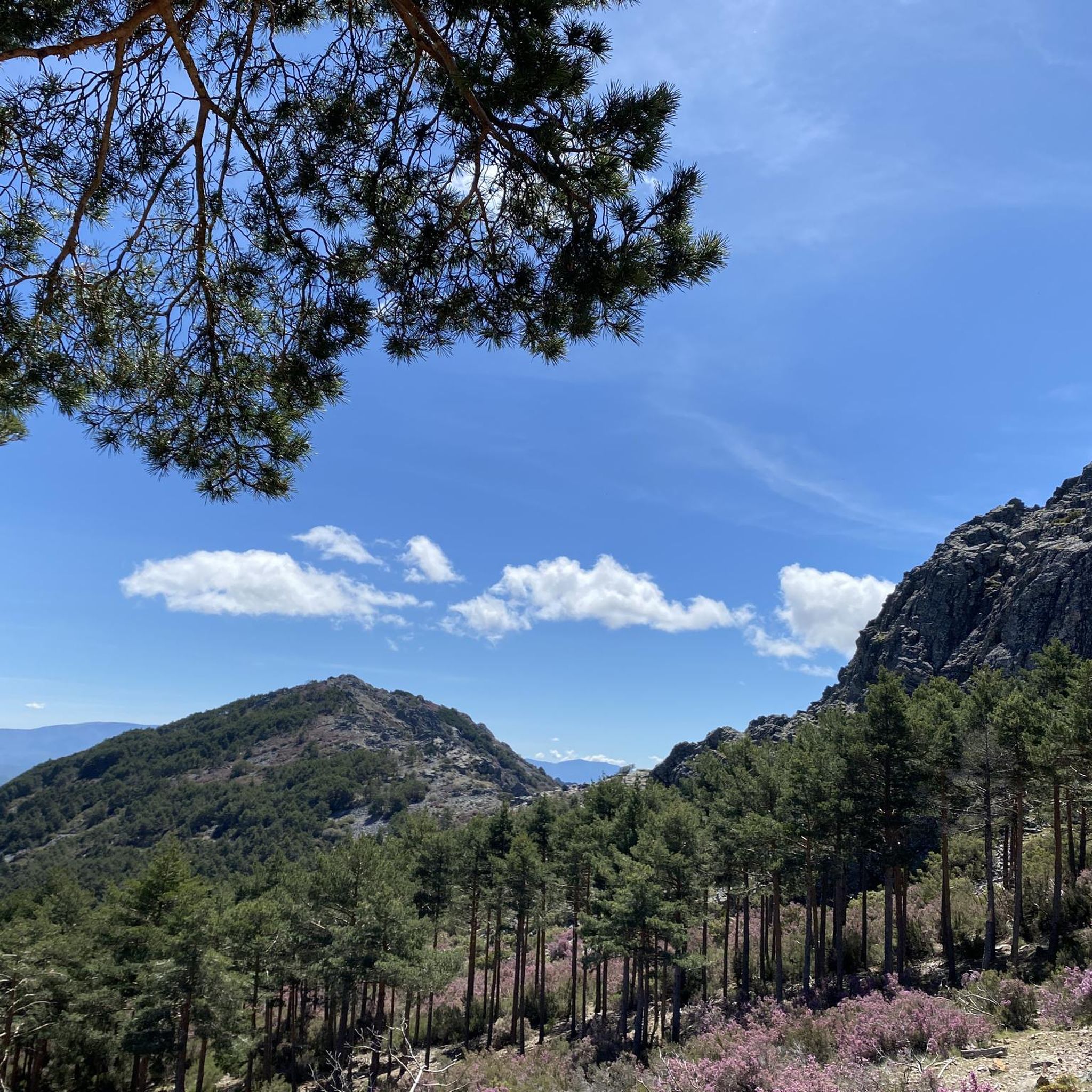
Visitors frequently enjoy the Ascent to Peña de Francia, a prominent mountain offering extensive panoramic views and a significant pilgrimage site. Another highly rated spot is Peña Huevo, known for its postcard-worthy views of the Batuecas and Sierra de Francia Natural Park.
Are there any natural monuments with historical significance in the El Cabaco area?
Yes, the area is rich in history. You can explore Canchal de las Cabras Pintadas, which features ancient cave paintings, primarily depicting goats, along with other animals and human figures. Additionally, the unique landscape of Las Cavenes, shaped by ancient Roman gold mining operations from the 1st and 2nd centuries AD, offers historical walking routes and an interpretation center.
What kind of views can I expect from the natural monuments?
From the summit of Peña de Francia, you can enjoy extensive panoramic views encompassing numerous towns, the vast plain of Campo Charro, the Gabriel y Galán reservoir, and even the city of Salamanca on clear days. Peña Huevo also offers spectacular vistas of the Batuecas and Sierra de Francia Natural Park. The Los Lobos Pass (1,499 m) provides a great viewpoint of the Agadon Valley.
Are there family-friendly natural monuments or walks around El Cabaco?
Yes, San Marcos Lagoon is a quiet, family-friendly paradise located just 4 km from La Alberca within the Sierra de Francia Park, surrounded by a wonderful natural landscape. Its serene environment makes it suitable for relaxed family outings.
What outdoor activities can I do near these natural monuments?
The region around El Cabaco offers various outdoor activities. You can find numerous hiking trails, such as the difficult 'Peña Carbonera y Peña Huevo - circular desde La Alberca' or the moderate 'Peña de Francia Ascent – Francia River loop from La Alberca'. For runners, there are routes like 'Laguna de San Marcos – running circular via the Camino de Las Raíces'. Cyclists can tackle challenging road cycling routes like 'Climb to Peña de Francia — circular from El Maíllo'. You can find more details on these activities in the Hiking around El Cabaco, Running Trails around El Cabaco, and Road Cycling Routes around El Cabaco guides.
What kind of wildlife can I observe near the natural monuments?
Around Peña de Francia, you can often observe mountain goats. The diverse ecosystems of the mountain, with pine trees at lower altitudes and high-mountain species like gorse and rowan trees higher up, support various local fauna.
What is the best time to visit the natural monuments around El Cabaco?
While specific seasonal advice isn't provided, the region's natural beauty, especially the panoramic views from peaks like Peña de Francia, are best enjoyed on clear days with good visibility. Spring and autumn generally offer pleasant temperatures for hiking and exploring.
Are there any natural monuments that are also pilgrimage sites?
Yes, Peña de Francia is a significant pilgrimage site, hosting the Sanctuary of Nuestra Señora de la Peña de Francia, a monumental complex with a monastery, chapels, and a guesthouse at its summit.
Where can I find information about Roman gold mining in the area?
The unique landscape of Las Cavenes, resulting from ancient Roman gold mining, offers marked trails to explore these historical traces. The Centro de Interpretación de la Minería del Oro de Las Cavenes (Interpretation Center of Roman Gold Mining of Las Cavenes) provides detailed information about the historical operations and their environmental impact.
What are some notable natural features besides mountains and lakes?
Beyond the prominent mountains and serene lakes, the region features unique geological formations like the scree slopes on Peña de Francia, formed by the erosion of quartzite rock. The Las Cavenes area also showcases a distinct landscape shaped by human intervention, with centenary chestnut trees and natural ponds amidst the mining traces.
Are there any trails that combine natural beauty with historical elements?
Yes, the walking routes through Las Cavenes combine natural elements like centenary chestnut trees and natural ponds with the historical traces of Roman gold mining. Interpretive panels along the trails explain the ancient extraction techniques, offering a blend of nature and history.
Most popular attractions around El Cabaco

Get inspired with the komoot mobile app


Explore more
Extend your search for the best caves by checking out these guides of the top ones around El Cabaco:
