Top 14 Natural Monuments around Zújar
Natural monuments near Zújar are characterized by a diverse landscape in the Granada province of Andalusia. The region features the prominent Cerro Jabalcón, the therapeutic Baños de Zújar hot springs, and the expansive Negratín Reservoir. This area is defined by dramatic ravines and badlands, offering a unique geological environment. Zújar provides a range of natural attractions for exploration.
Best natural monuments around Zújar
- The most popular natural monuments is Gorafe Desert Canyons, a canyon that features a unique landscape…
Last updated: October 18, 2026
Gorafe Desert Canyons
Highlight • Canyon
Translated by Google •
Tip by

Fountain of Health
Highlight • Natural Monument
Its origin was …
Translated by Google •
Tip by

Sign up now to discover places like this
Get recommendations on the best single tracks, peaks, & plenty of other exciting outdoor places.
Ojo de la Heredad
Highlight • Natural Monument
Translated by Google •
Tip by

Narváez Viewpoint
Highlight • Viewpoint
Translated by Google •
Tip by
Hoodoos of Cuevas del Campo
Highlight • Natural Monument
They are formed mainly in dry, arid and hot areas. We find them in different parts of the world, such as Cappadocia, Turkey or Bryce Canyon National Park …
Translated by Google •
Tip by

Sign up for free to discover even more natural monuments around Zújar.
Already have an account?
Start today with a free account
Your next adventure awaits.



Tips from the Community

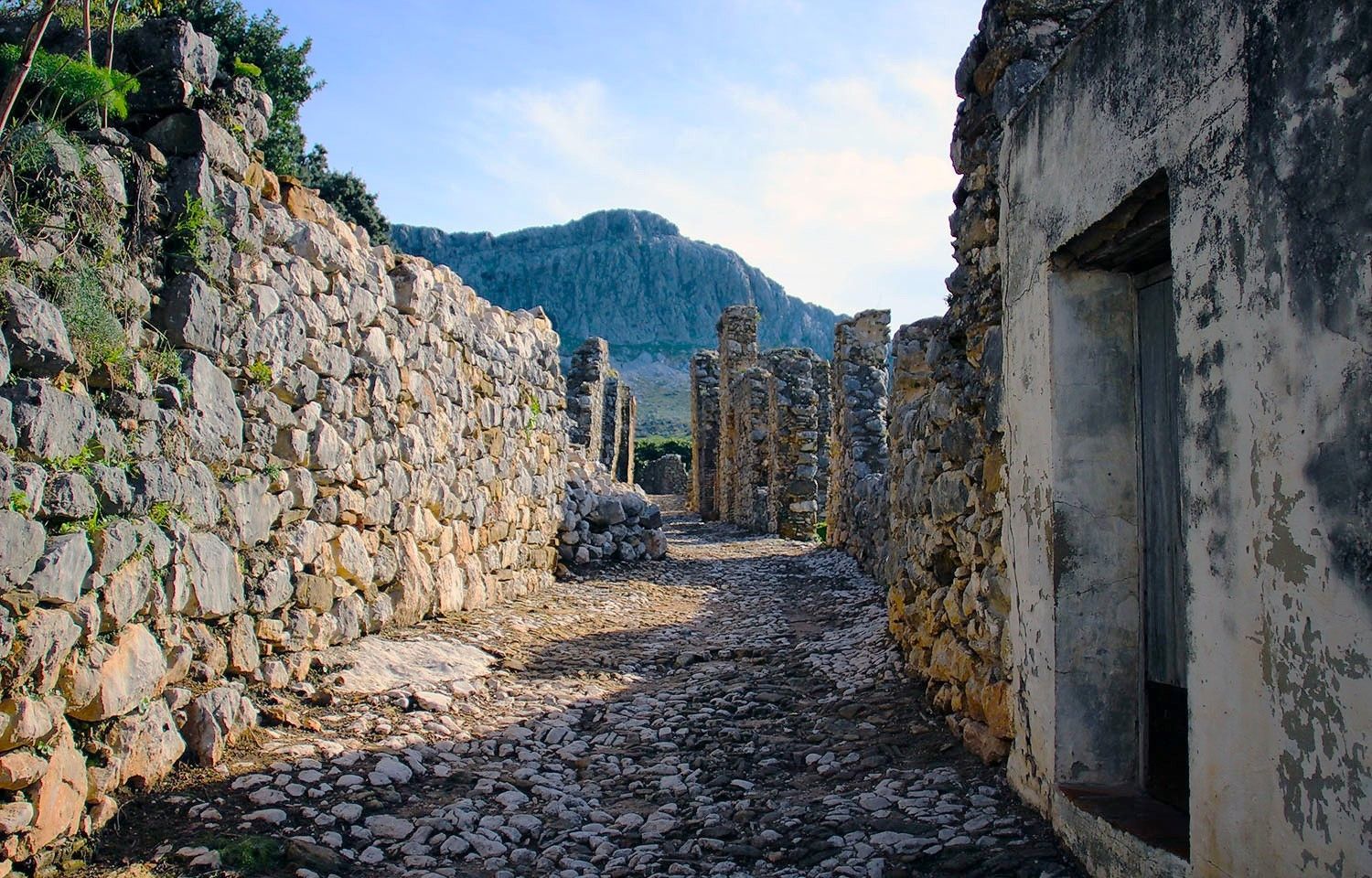
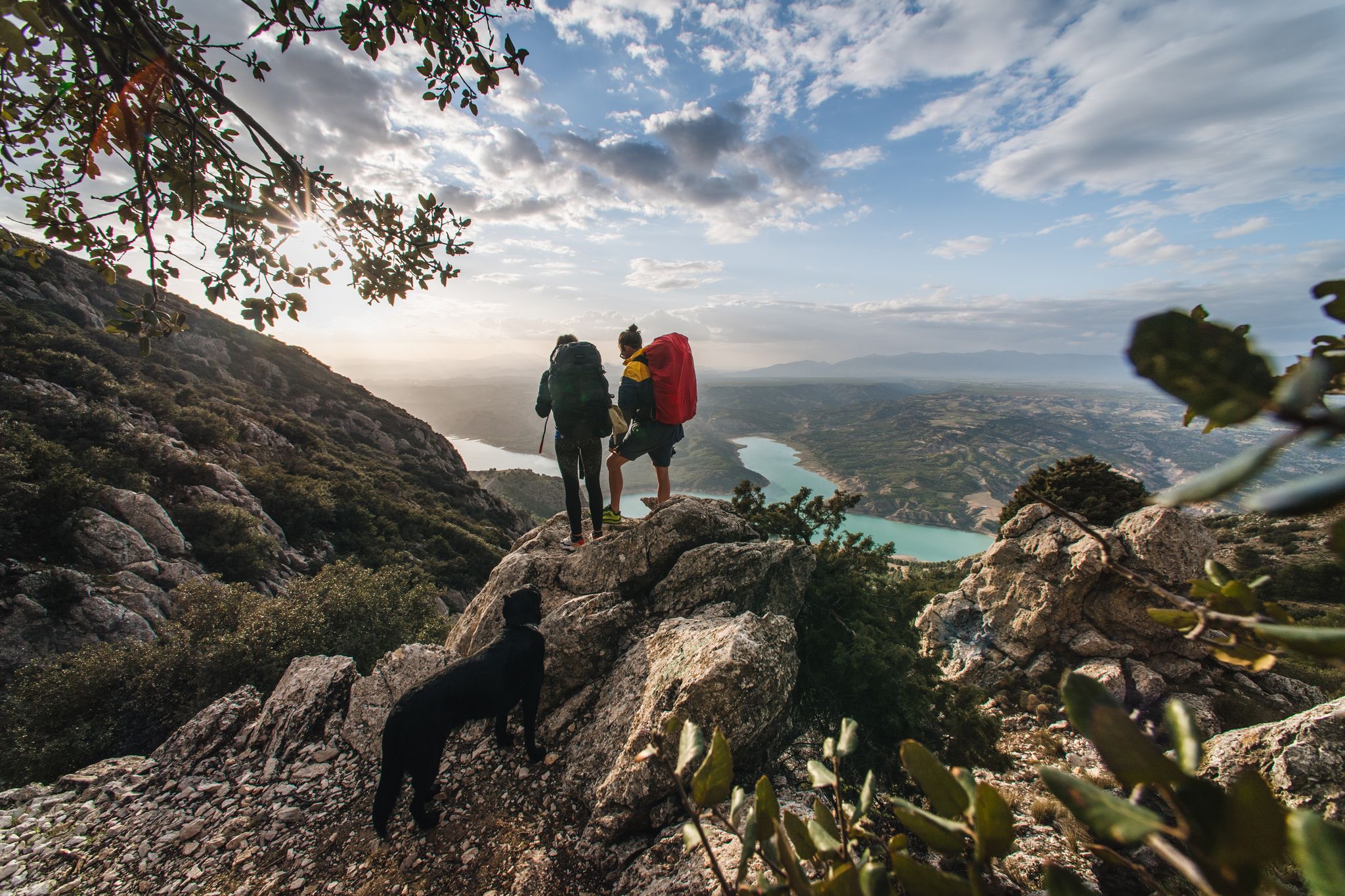
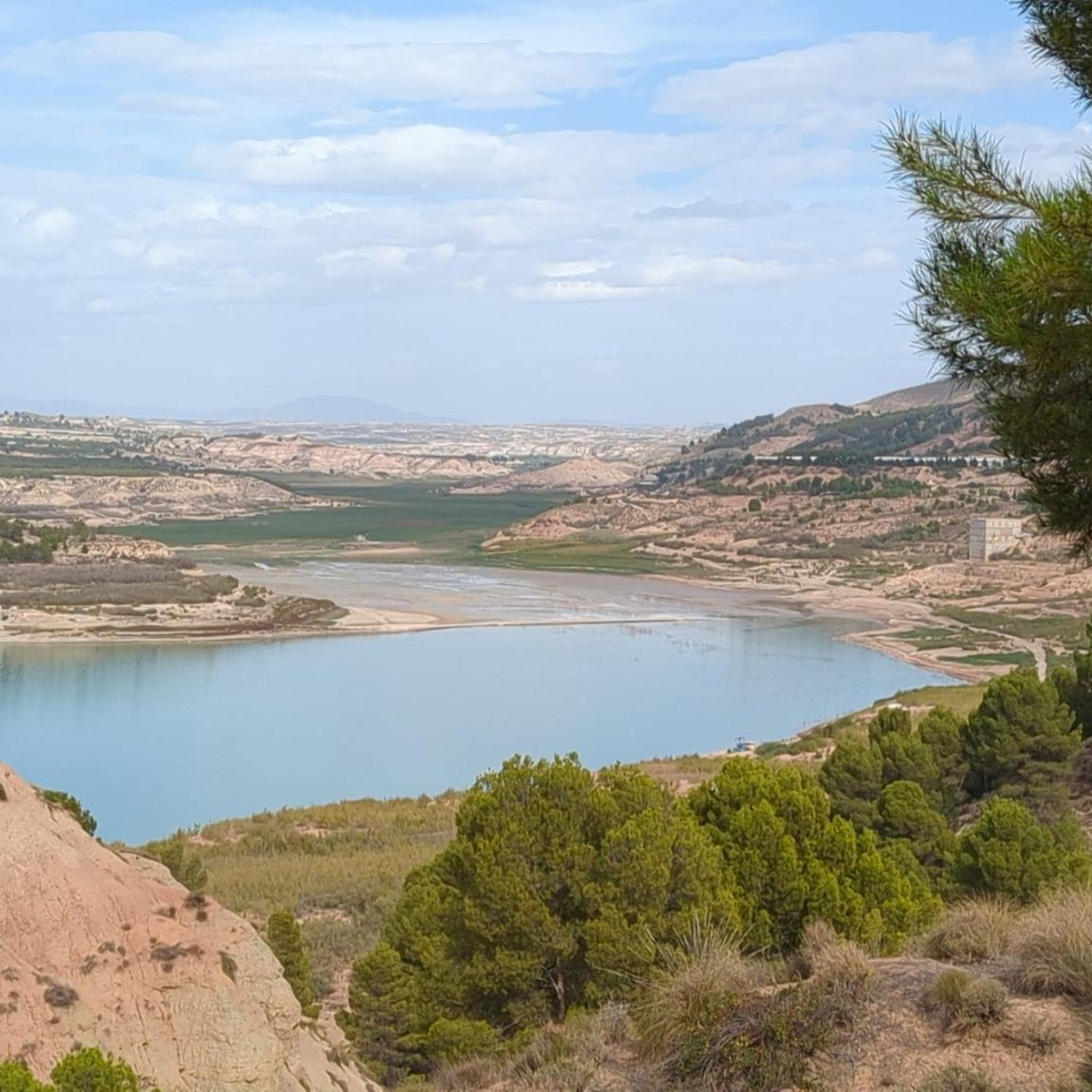
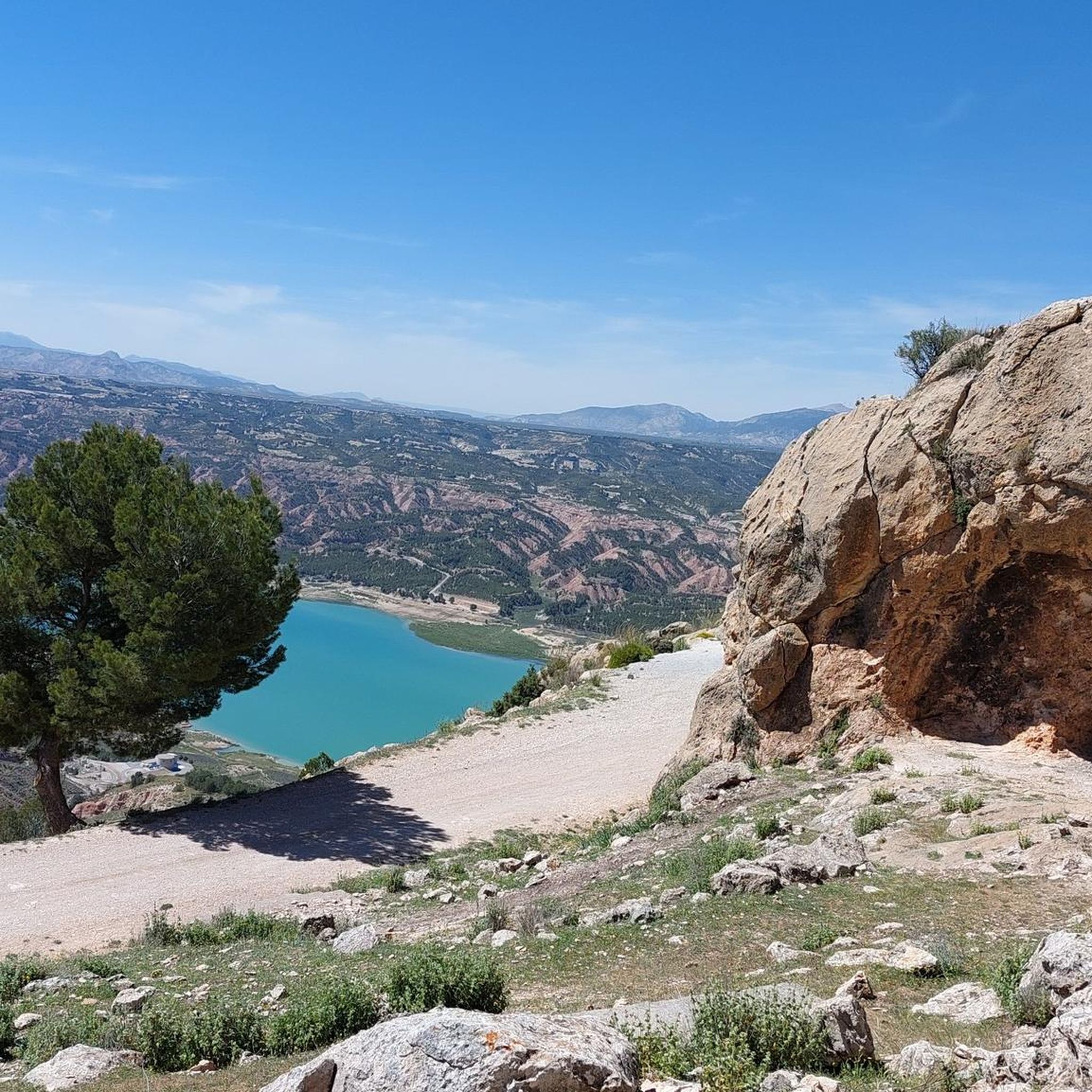
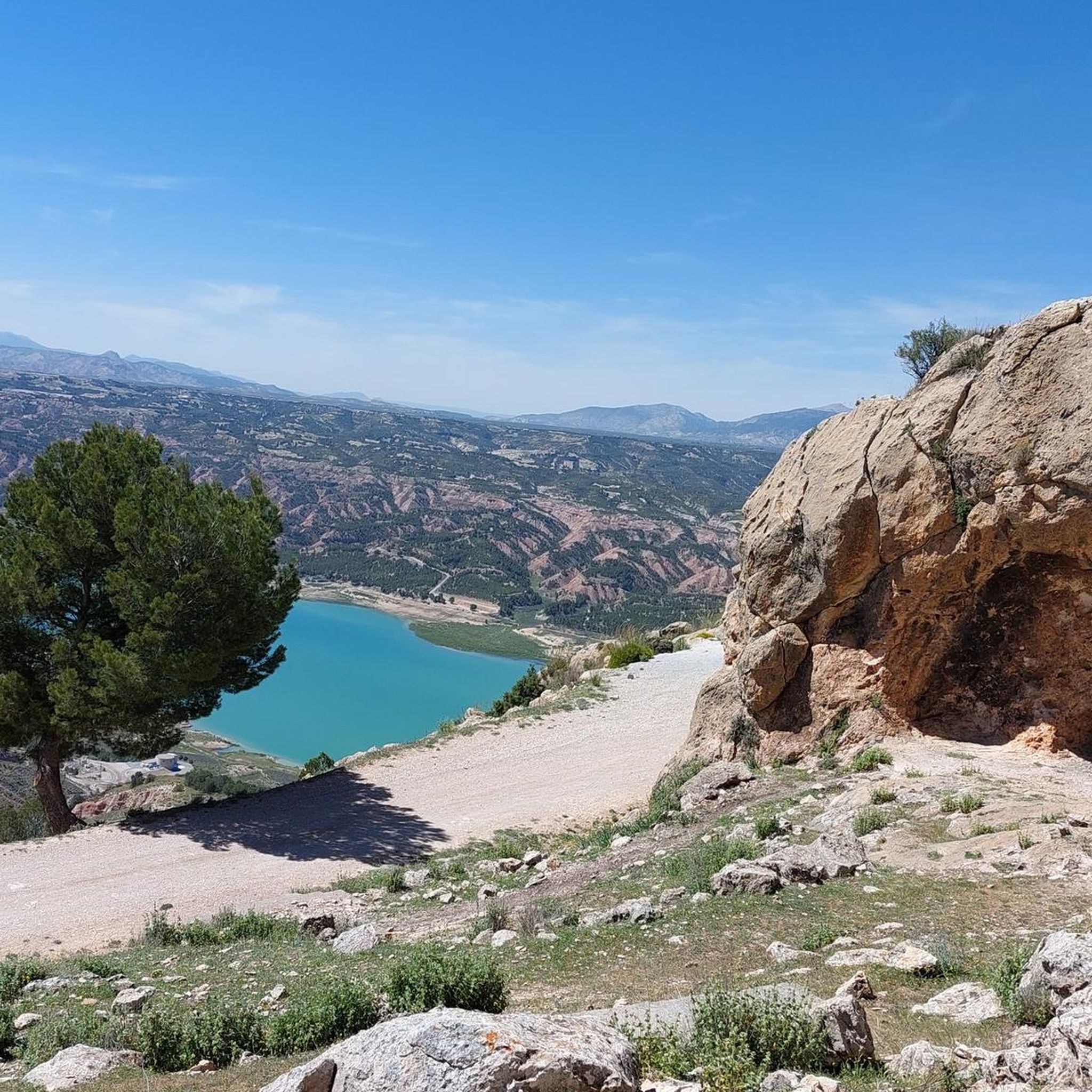
The 47 km loop is breathtaking for about half of the tour: mind-blowing views as far as the eye can see over 360°. Then in the second part, lots of roads that climb constantly... you have to be in good shape for this loop. The little extra: the tapas bar in the city center after that.
1
0

Stone chimneys. They are formed mainly in dry, arid and hot areas. We find them in different parts of the world, such as Cappadocia, Turkey or Bryce Canyon National Park (USA). In addition to Cuevas del Campo, in Spain these formations are also found in the Ebro Valley, in the Aragonese Alto Gállego, in the Campo de Daroca region (Biescas) and in the Las Nas Reale desert
8
0

Capricious nature that, in hundreds of thousands of years, has eroded a natural element of unmatched beauty.
1
0

La Fuente de la Salud is a charming place located in Baza. Legend has it that this was the place where Alfonso XI set up his camp. Its origin was due to the need to channel the spring that supplies the population. The Health Fountain was built by Francisco del Castillo in the 16th century, although local stonemason Alonso González Bailén also took part. It is located about 2 km northeast of Baza along the Virgen de la Salud path. If you are a lover of nature and history, the Fountain of Health and its surroundings are a perfect place to explore. Enjoy the beauty of Baza and its landscapes! 🌿🏞️
2
0
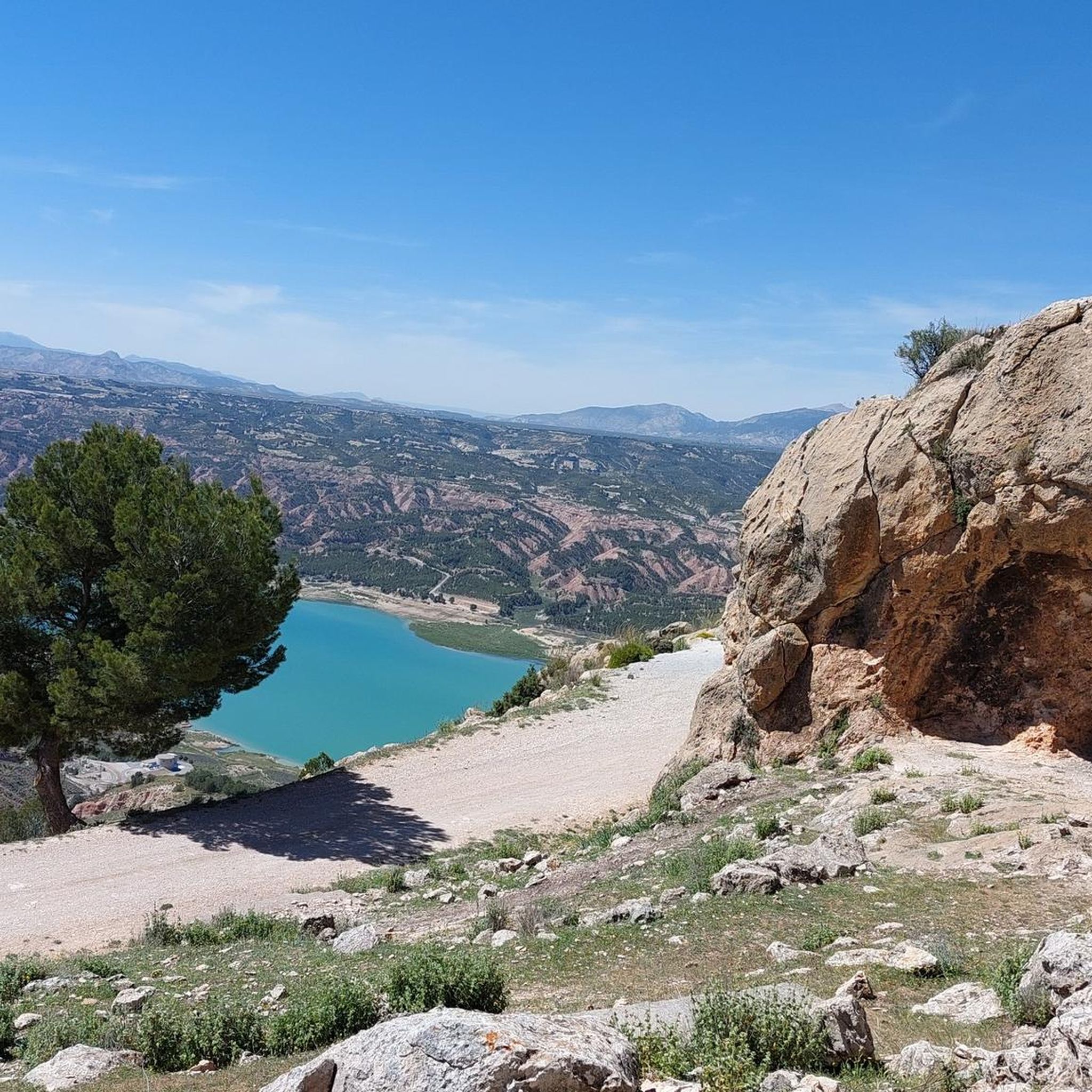
The Mirador de Narváez is an impressive place in the Sierra de Baza Natural Park. From the top, we can see the Hoya de Baza behind and the Morrón Alto forest surveillance booth. The Calar de Santa Bárbara, at 2271 meters, is the highest peak in the Sierra de Baza Natural Park.
3
0

The view is just mind-blowing! This is truly gravel riding paradise.
2
0

Singular arch of limestone rock formed by karstic dissolution. It also receives the names of Horro de la Heredad and Piedra Perforated. It is a very photogenic place.
2
0
To get here you will first have passed through almond and elm trees, and later through pine trees. Once up, there is a wide panoramic view of the area, with views of the highest peak in the Sierra de Baza Natural Park, the Calar de Santa Bárbara (2,271 m.) and the Hoya de Baza that contrasts with the greenery of this mountain range.
1
0
Frequently Asked Questions
What unique geological features can I find among the natural monuments around Zújar?
The Zújar region is rich in unique geological formations. You can explore the dramatic ravines and badlands, often referred to as the "Gorafe Desert Canyons," which offer a distinct arid landscape. Another impressive feature is Ojo de la Heredad, a natural arch formed in the limestone rock of Cerro Jabalcón. Additionally, the Hoodoos of Cuevas del Campo present fascinating stone chimneys, similar to those found in Cappadocia.
Where can I find panoramic viewpoints of the Zújar region's natural landscapes?
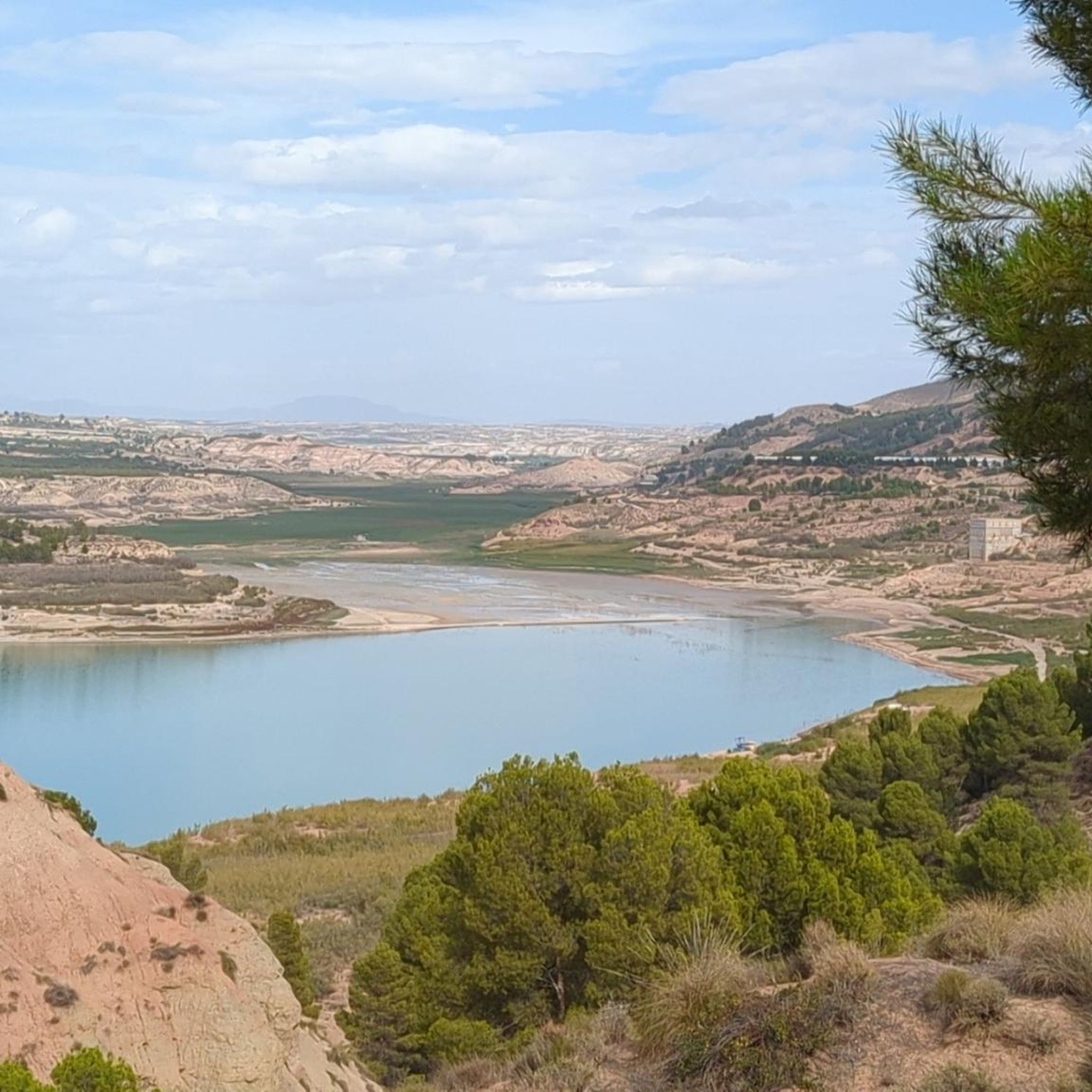
For breathtaking panoramic views, Cerro Jabalcón, rising to 1,492 meters, offers a 360-degree vista of the Hoya de Baza and the Negratín Reservoir. Another excellent spot is Narváez Viewpoint in the Sierra de Baza Natural Park, providing wide views of the Hoya de Baza and the highest peak, Calar de Santa Bárbara.
Are there any natural hot springs to visit near Zújar?
Yes, the Baños de Zújar are natural thermal pools fed by sulphurous hot waters from Cerro Jabalcón, maintaining a temperature of around 40 °C (104 °F). These mineral-rich waters are set against a stunning natural backdrop and are popular for relaxation and well-being year-round.
What outdoor activities can I do near the natural monuments around Zújar?
The region offers a variety of outdoor activities. The Negratín Reservoir is ideal for water sports like swimming, windsurfing, water skiing, canoeing, and kayaking, especially from spring to autumn. Cerro Jabalcón is a popular spot for paragliding and hang gliding, and its trails are great for hiking. The badlands and canyons, such as the Gorafe Desert Canyons, are excellent for gravel riding and mountain biking.
Are there hiking trails suitable for different skill levels near Zújar's natural monuments?
Yes, there are various hiking trails available. For example, the "Jabalcón 360 Loop Trail" is a moderate 12.8 km route. You can also explore the "Negratín Badlands loop" or the "Cathedrals of the Geopark loop," both moderate options. For more details on hiking routes, you can visit the Hiking around Zújar guide.
Can I go mountain biking or gravel riding in the natural monument areas?
Absolutely. The Gorafe Desert Canyons are particularly noted for offering great conditions for gravel riders and mountain bikers, though caution is advised after rain due to sticky clay. You can find several routes, such as the "Ojo de la Heredad — circular desde Zújar por Cerro Jabalcón" which is a moderate 20 km MTB trail. Explore more options in the MTB Trails around Zújar guide.
Are there family-friendly natural attractions around Zújar?
Yes, several natural attractions are suitable for families. The Fountain of Health is a charming historical and natural site. The Ojo de la Heredad natural arch is also considered family-friendly, offering an impressive geological sight that can be enjoyed by all ages.
What is the best time of year to visit the natural monuments around Zújar?
The best time to visit depends on your preferred activities. Water sports at the Negratín Reservoir are best enjoyed from spring to autumn. The Baños de Zújar hot springs are pleasant year-round due to their constant warm temperature. If exploring the badlands, it's advisable to avoid visiting after recent rains due to the sticky clay terrain.
Are there any historical or cultural sites integrated with the natural monuments?
Yes, the Fountain of Health is a notable example. This charming place in Baza has historical significance, with legends suggesting it was where Alfonso XI set up his camp. Built in the 16th century, it's a blend of natural spring and historical architecture, making it a perfect spot for those interested in nature and history.
What do visitors particularly enjoy about the natural monuments in Zújar?
Visitors frequently praise the unique landscapes, especially the gorges and ravines of the Gorafe Desert Canyons, which are described as "unbelievably brilliant" for cycling. The impressive Ojo de la Heredad natural arch is highly regarded for its geological interest and photogenic qualities. The panoramic views from spots like Narváez Viewpoint are also a major draw, offering stunning vistas of the surrounding natural park.
What kind of wildlife can I expect to see in the natural monuments around Zújar?
The diverse landscape around Zújar supports various wildlife. On Cerro Jabalcón, you might spot birds of prey, lizards, and snakes. The pine forests and arid areas provide habitats for different species adapted to the Mediterranean climate. The Negratín Reservoir also attracts various birdlife, especially migratory species.
Are there running trails available near the natural monuments?
Yes, there are several running trails. A popular option is the "Cerro Jabalcón – circular trail running from Zújar with views of the Negratín Reservoir," which is a difficult 12.5 km route. Other trails include the "Enchanted Forest of Las Higueras Trail" (moderate, 9 km) and the "Piedra del Baño loop from Embalse del Negratín" (difficult, 12.8 km). You can find more details in the Running Trails around Zújar guide.
Most popular attractions around Zújar

Get inspired with the komoot mobile app


Explore more
Extend your search for the best caves by checking out these guides of the top ones around Zújar:
