Top 20 Natural Monuments around Escorca
Best natural monuments around Escorca are found within the Serra de Tramuntana, a region in Mallorca designated as a UNESCO World Heritage Site. This area is characterized by dramatic landscapes and ecological diversity. Escorca's natural monuments showcase a landscape where human activity has shaped the environment over centuries. The region's rich biodiversity, including various endemic species, adds to its appeal for nature enthusiasts.
Best natural monuments around Escorca
- The most popular natural monuments is Rock Gateway on Sa Calobra Road…
Last updated: May 4, 2026
Old Olive Tree
Highlight • Natural Monument
Translated by Google •
Tip by

Camí de s'Arxiduc (Archduke's Trail)
Highlight • Trail
Translated by Google •
Tip by

Sign up now to discover places like this
Get recommendations on the best single tracks, peaks, & plenty of other exciting outdoor places.
Sign up for free
Cúber Reservoir
Highlight • Lake
Translated by Google •
Tip by

Ancient Olive Groves of the Serra de Tramuntana
Highlight • Natural
Translated by Google •
Tip by
Barranc de Biniaraix Stone Path
Highlight (Segment) • Trail
Translated by Google •
Tip by

Sign up for free to discover even more natural monuments around Escorca.
Sign up for free
Already have an account?
Start today with a free account
Your next adventure awaits.
Login or Signup
Popular around Escorca
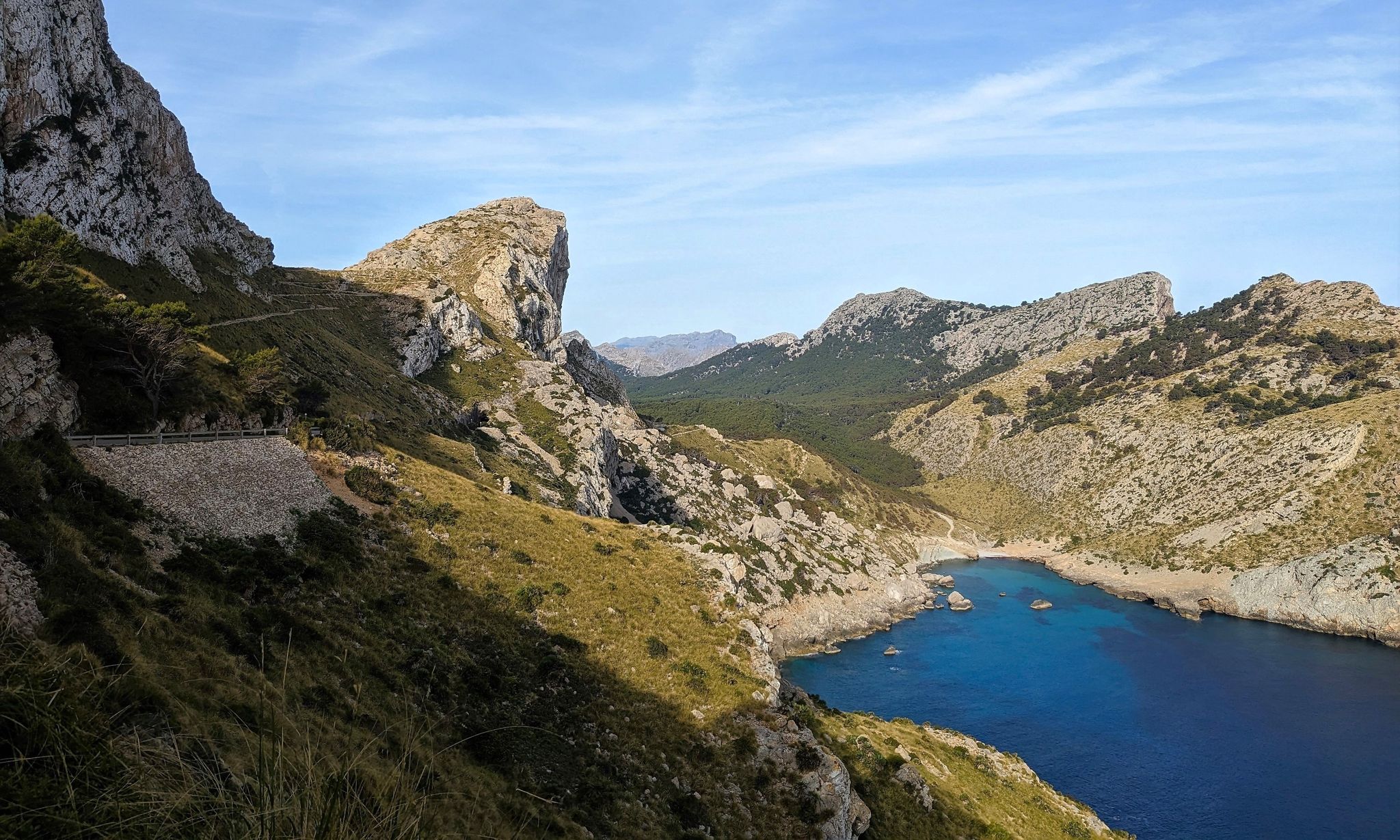
The island of calm – a week in Majorca
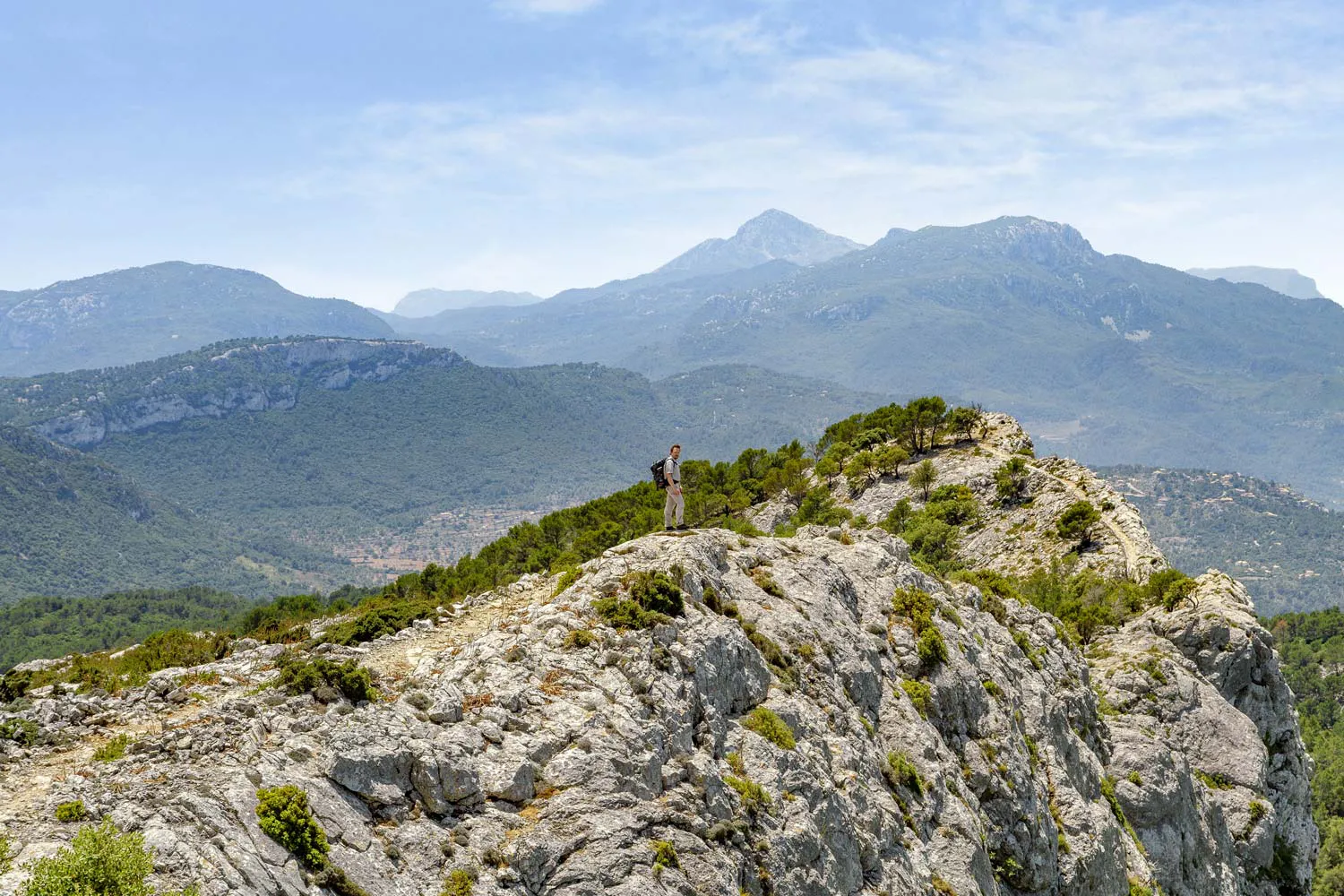
Stoney paths through the Tramuntana Mountains – Ruta de Pedra en Sec (GR221)
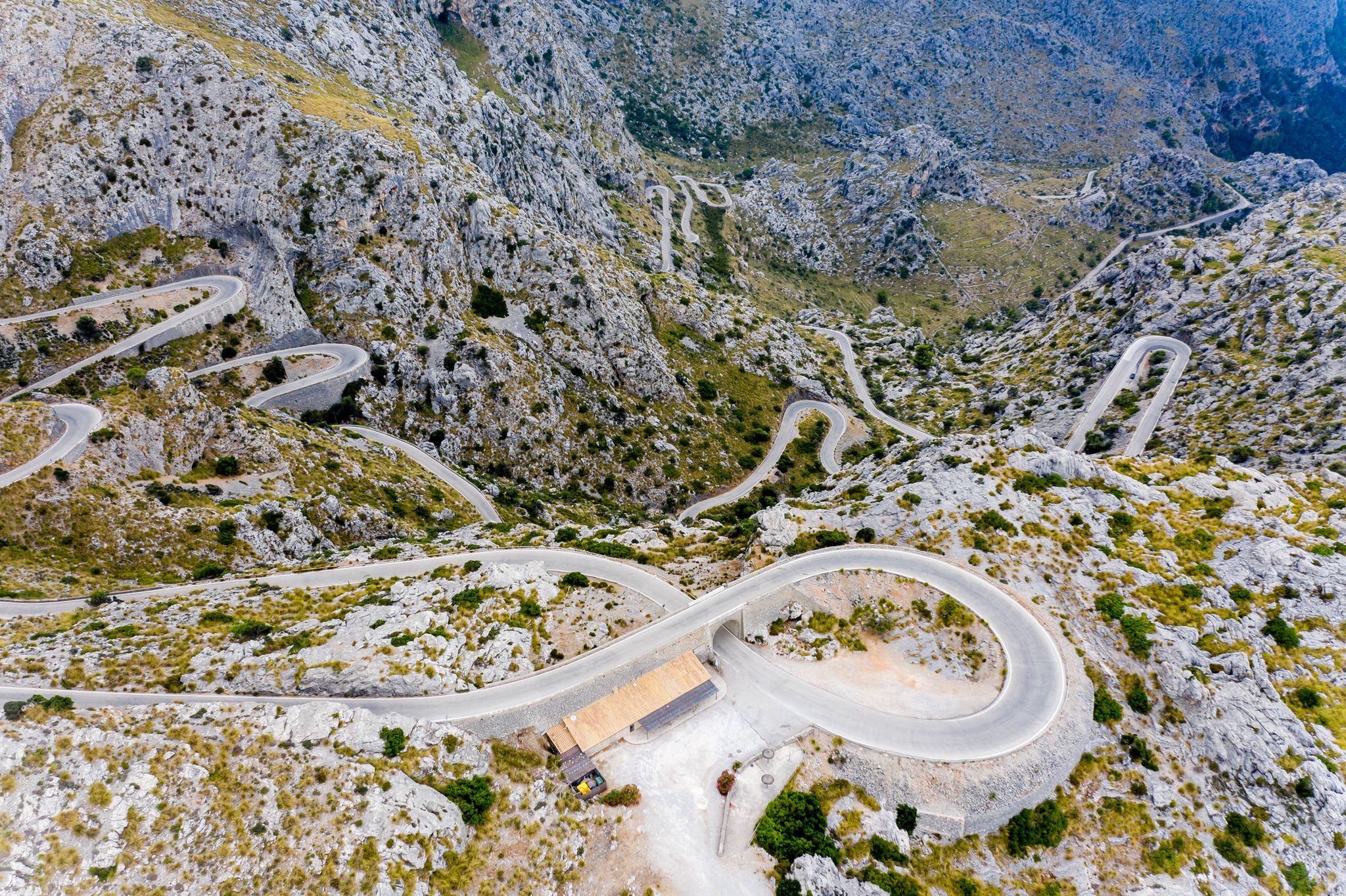
The island from above – the best climbs in Majorca
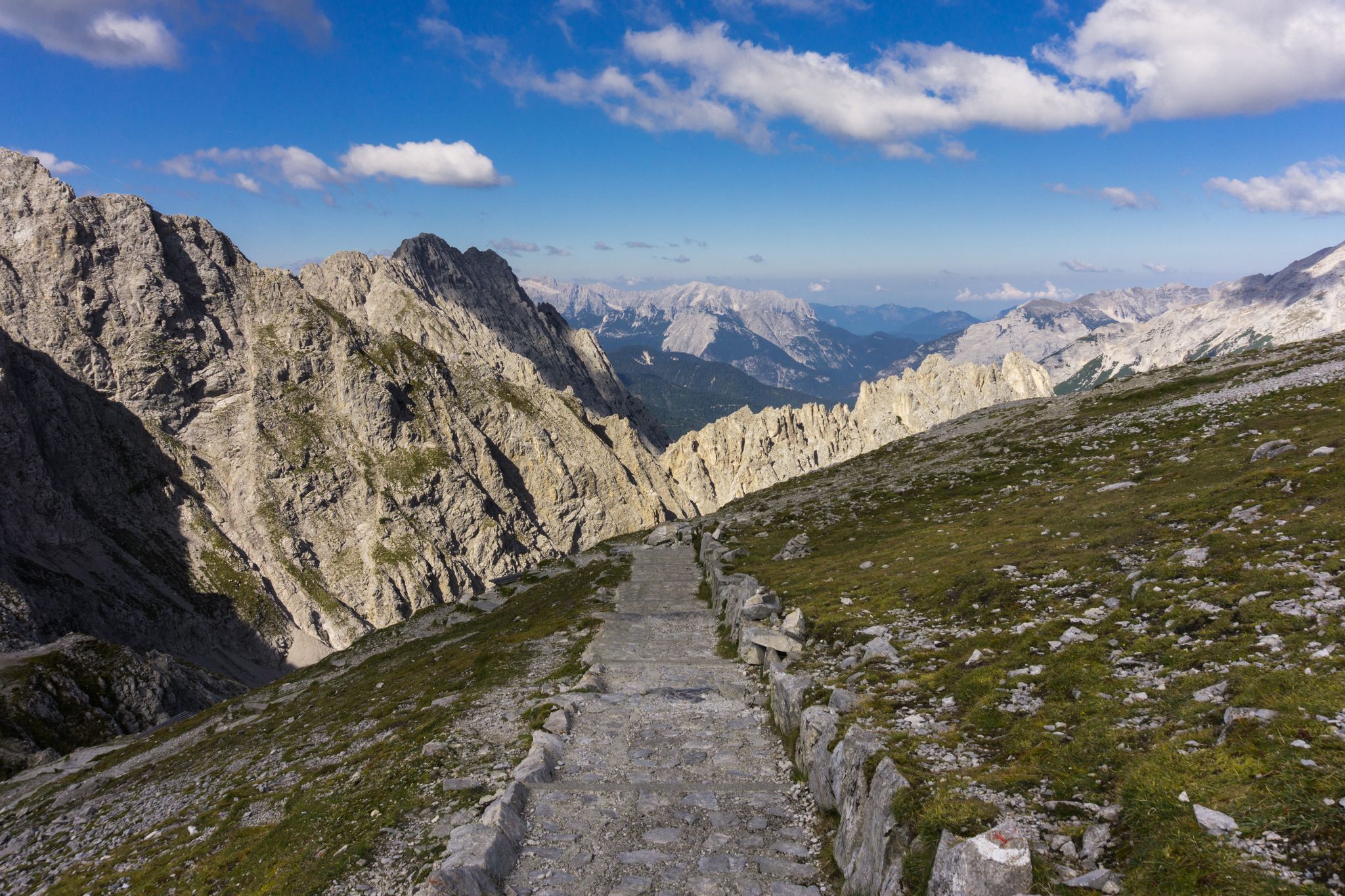
Las Cumbres Reinas de España — Spanish mountain trail races
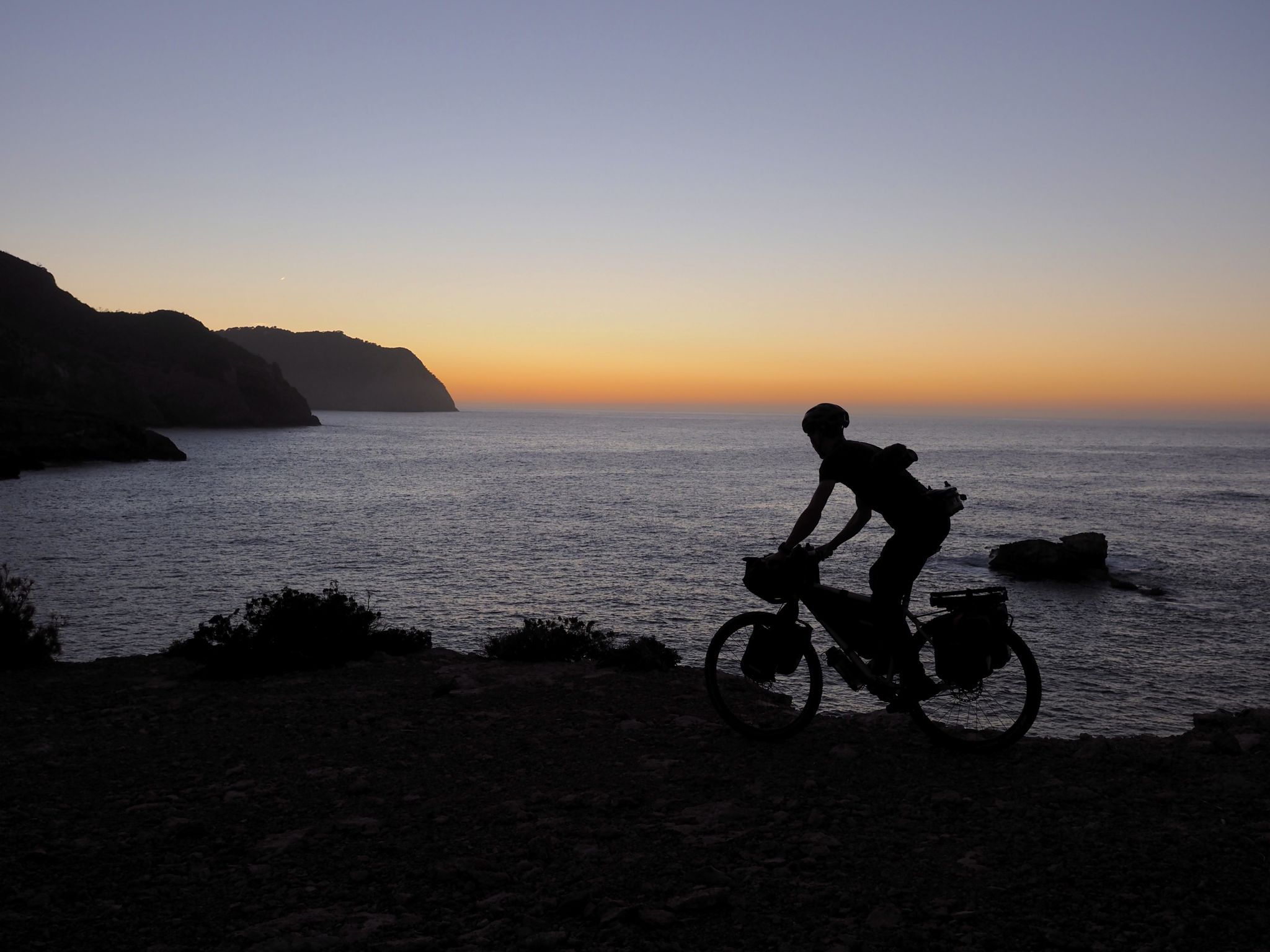
Island hopping in the Spanish Balearic Islands — the TransBaleares
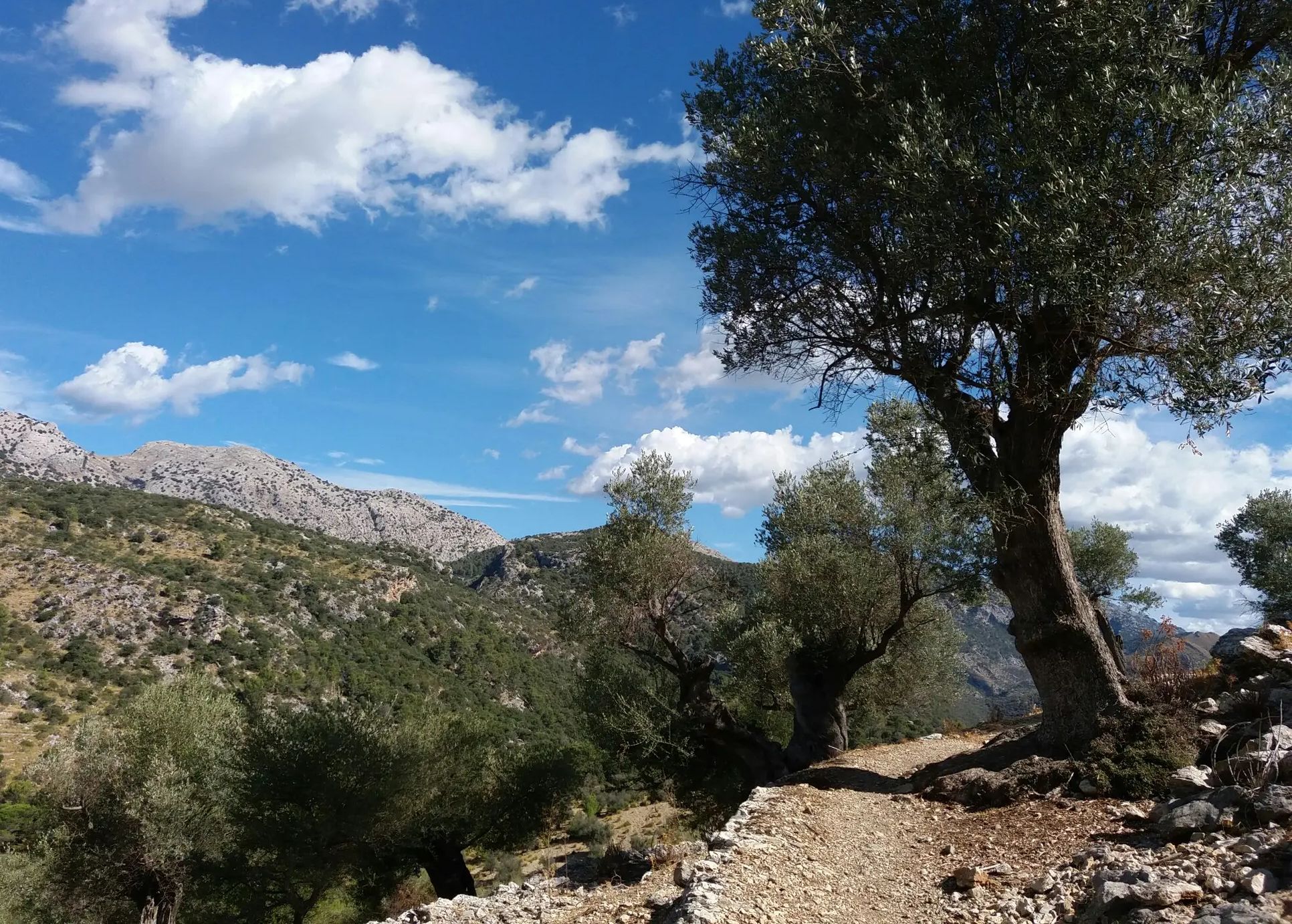
Mallorca with a difference — rocky peaks and lonely coastal paths
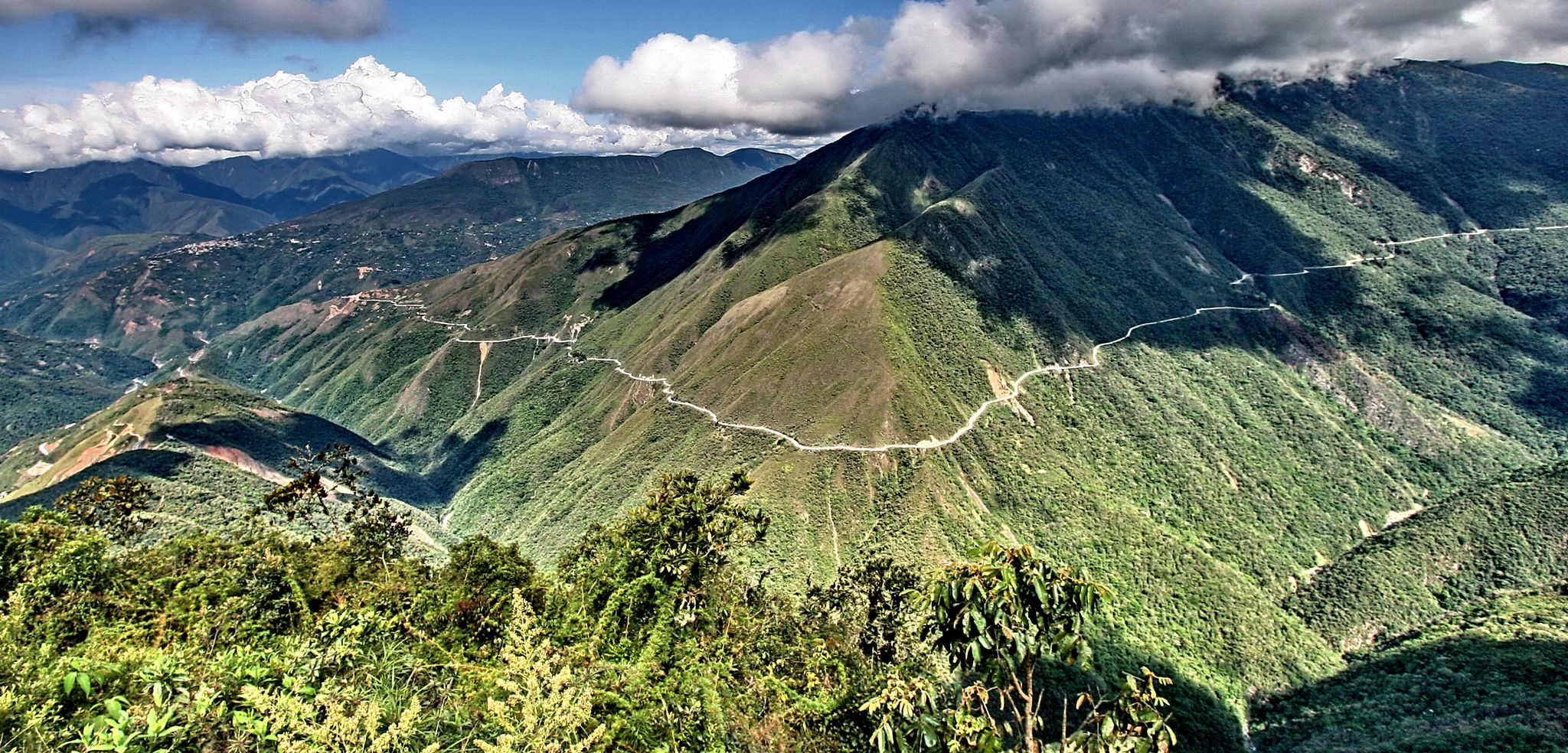
The world's most adventurous cycling passes
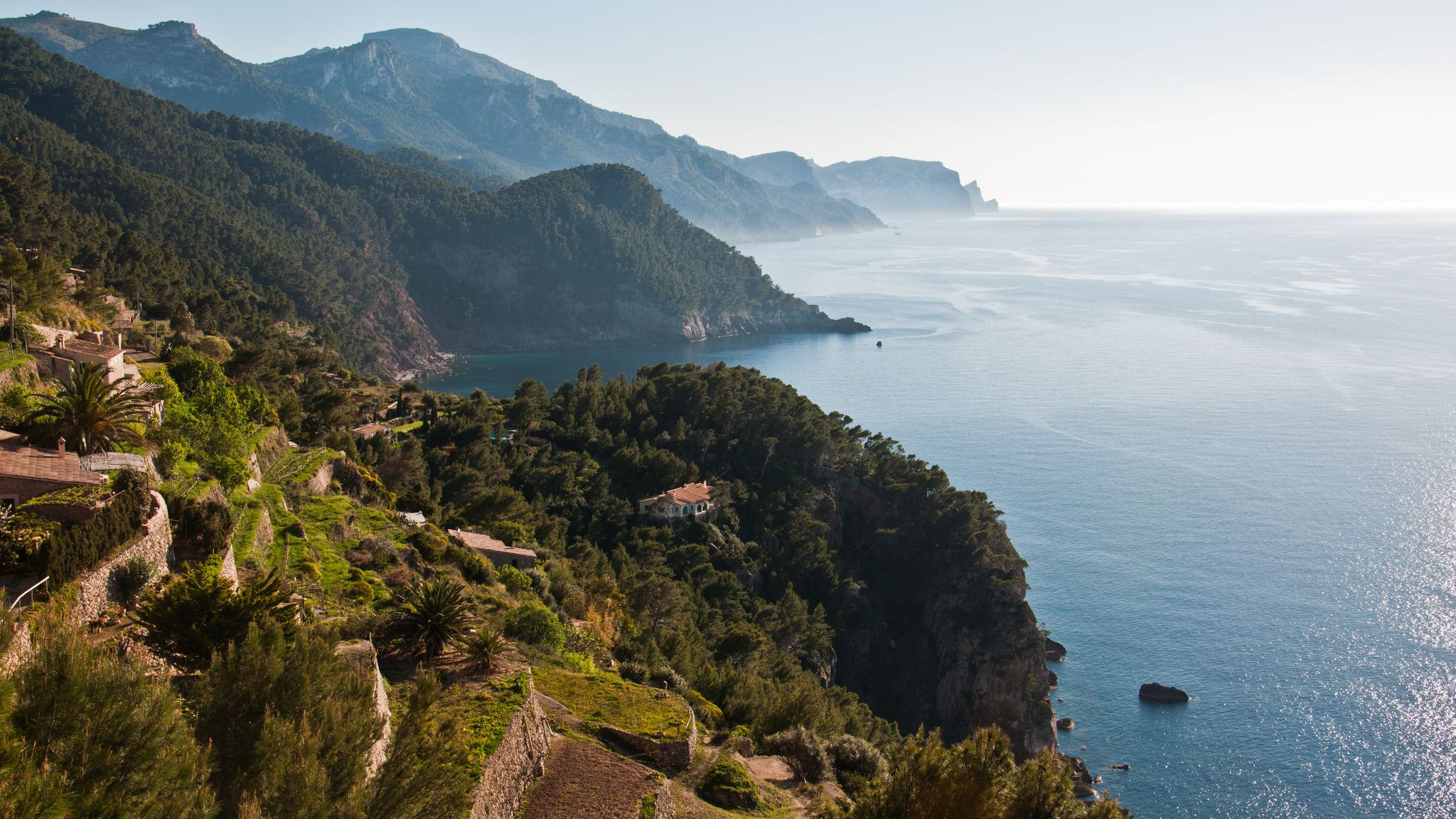
Mallorca – one island. Seven hikes.
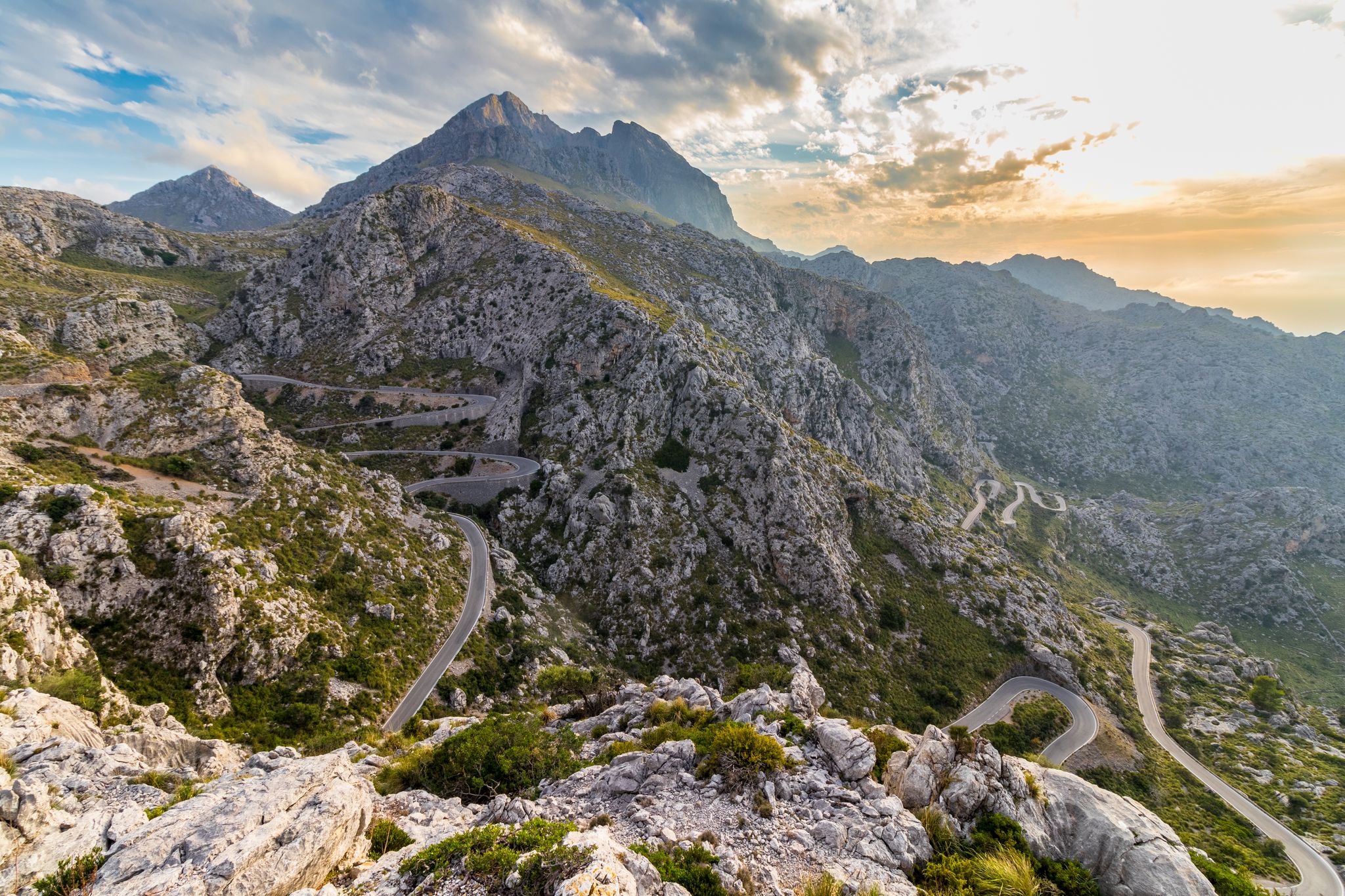
Mallorca's most beautiful passes
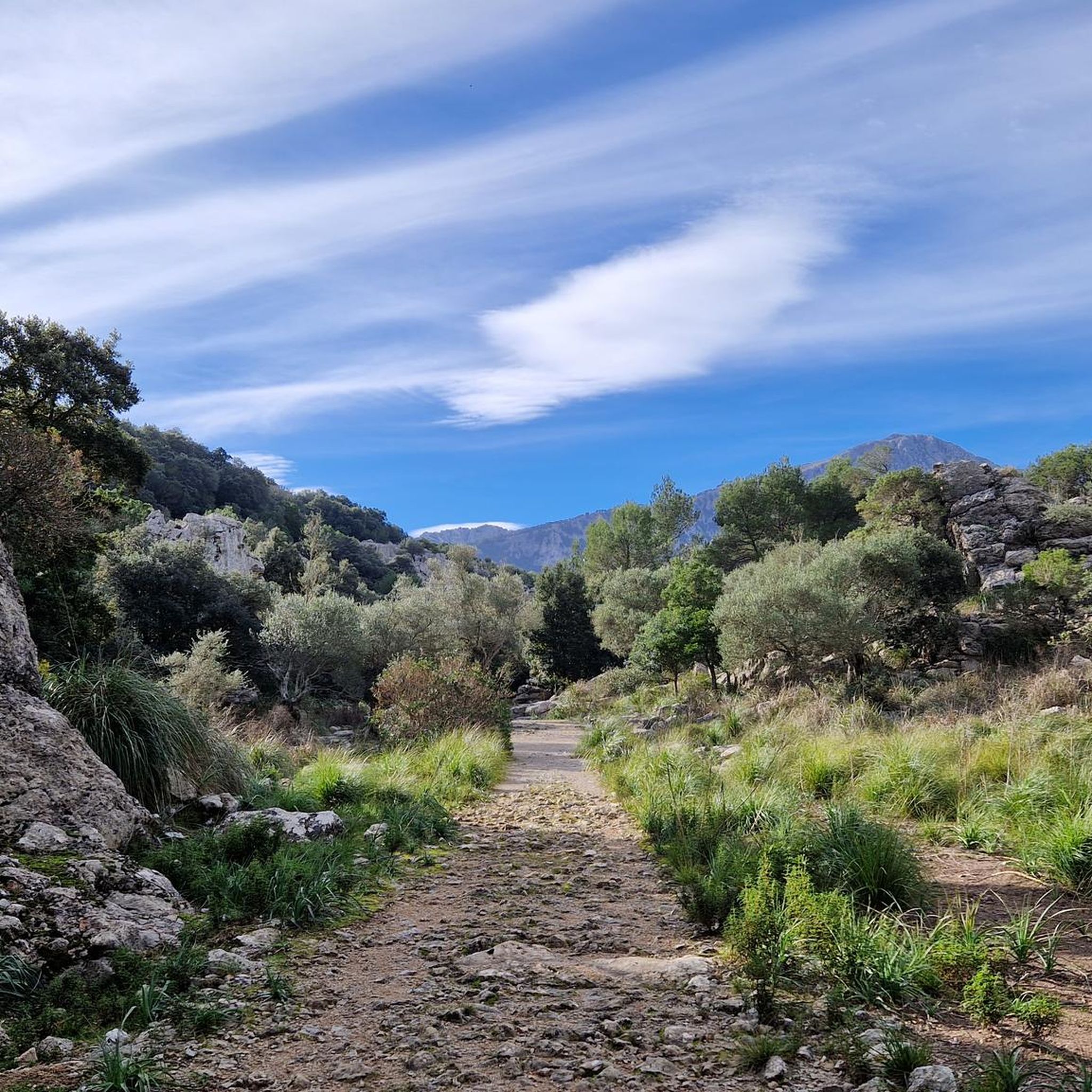
Hiking around Escorca
Other adventures around Escorca


Tips from the Community

The path through the old olive groves is simply wonderful to walk... but it gets very hot here in summer...
3
1
The path from Biniaraix up to the Cuber reservoir takes you through countless serpentines through a sometimes very narrow gorge... The ascent is mostly paved and the steps are not too high and therefore pleasant to walk on
2
0

Just follow the sign for Orange Juice and go up the stairs. There is fresh juice and you will be rewarded with a wonderful view
5
1

Great hike wonderful in September
1
1

Really a great place, although a bit hot in July
1
1

The area around the Cúber is a fenced nature reserve. You can park your car right at the beginning of the reservoir. There is another parking lot 200 meters up the road. Sheep, cows and donkeys live near the water and Mallorca's wild goats crawl on the mountain slopes. The view over the lake and the walls of the Tramuntana giants is uniquely beautiful.
4
1

The centuries-old olive trees in Mallorca, especially in the Tramuntana, were introduced by the Phoenicians a thousand years ago. The Romans expanded cultivation, and the Arabs later developed oil extraction. For a long time, the farmers in the Tramuntana lived off the "gold of the Sierra". Even the steepest slopes were terraced in order to use them for olive cultivation. The olive tree ensures its longevity through the bizarre shapes it assumes over time and is one of the longest-lived trees of all. Even at the age of several 100 years, it still bears fruit.
11
1
The centuries-old olive trees in Mallorca, especially in the Tramuntana, were introduced by the Phoenicians a thousand years ago. The Romans expanded cultivation, and the Arabs later developed oil extraction. For a long time, the farmers in the Tramuntana lived off the "gold of the Sierra". Even the steepest slopes were terraced in order to use them for olive cultivation. The olive tree ensures its longevity through the bizarre shapes it assumes over time and is one of the longest-lived trees of all. Even at the age of several 100 years, it still bears fruit.
11
3
Frequently Asked Questions
What unique natural monuments can I explore in Escorca?
Escorca, nestled in the Serra de Tramuntana, offers a variety of unique natural monuments. You can explore the dramatic canyon of Camí de s'Arxiduc (Archduke's Trail), known for its magnificent views, or witness the ancient agricultural heritage at the Ancient Olive Groves of the Serra de Tramuntana. Another impressive site is the Cúber Reservoir, Mallorca's largest, offering a serene panorama surrounded by mountains.
What kind of natural features can I expect to see in Escorca?
Escorca is rich in diverse natural features, from towering limestone canyons like Torrent de Pareis to the highest peak on Mallorca, Puig Major. You'll find ancient olive groves, large reservoirs such as Cúber Reservoir, and dramatic coastal formations like Cala de Sa Calobra. The region is part of a UNESCO World Heritage Site, showcasing a landscape shaped by both nature and centuries of human activity.
Are there any historical natural monuments in Escorca?
Yes, several natural monuments in Escorca have significant historical value. The Camí de s'Arxiduc (Archduke's Trail), for instance, was laid out in the 19th century by Archduke Ludwig Salvator. The Ancient Olive Groves of the Serra de Tramuntana feature trees that are hundreds of years old, testifying to the region's long agricultural history, dating back to Phoenician and Roman times. Additionally, the Barranc de Biniaraix Stone Path is a historic paved pilgrim way through a stunning gorge.
What is the best time of year to visit Escorca's natural monuments?
The best time to visit Escorca's natural monuments is generally during the spring (April-May) and autumn (September-October) months. During these periods, the weather is pleasantly mild, ideal for hiking and exploring, and the landscapes are particularly vibrant. Summer can be very hot, especially for strenuous activities, while winter can bring cooler temperatures and occasional rain.
Are there options for parking near Escorca's natural monuments?
Parking availability varies by specific natural monument. For popular areas like the Lluc Monastery, which serves as a gateway to many trails, there are designated parking facilities. For other sites, you might find smaller parking areas or need to park in nearby villages. It's advisable to research specific locations in advance, especially during peak season, as parking can be limited.
What outdoor activities can I do near Escorca's natural monuments?
Escorca offers a wide range of outdoor activities. You can embark on challenging hiking trails, including routes around the Cúber Reservoir or up towards Puig Major. The region is also popular for road cycling, with routes like the challenging climb to Coll dels Reis (Sa Calobra Road), and mountain biking, with trails around Lluc Sanctuary and Gorg Blau Reservoir.
Are there family-friendly natural monuments or activities in Escorca?
Yes, Escorca has options suitable for families. The Cúber Reservoir is a great choice, offering a comfortable path around the lake that is easy for all ages. While some trails are challenging, there are also easier walks. Always check the difficulty level of specific routes to ensure they are appropriate for your family.
Can I bring my dog to the natural monuments in Escorca?
Many natural areas and trails in Escorca are dog-friendly, especially if your dog is well-behaved and kept on a leash. However, specific rules can vary, particularly in protected areas or nature reserves. It's always best to check local regulations for each specific natural monument you plan to visit to ensure dogs are permitted.
Are any natural monuments in Escorca wheelchair accessible?
Due to the rugged and mountainous terrain of the Serra de Tramuntana, most natural monuments in Escorca, such as canyons and mountain trails, are not wheelchair accessible. However, some visitor centers or specific viewpoints might offer accessible facilities. It is recommended to contact local tourist information for detailed accessibility information on specific sites.
What should I bring when visiting natural monuments in Escorca?
When visiting Escorca's natural monuments, especially for hiking, it's essential to bring appropriate gear. This includes sturdy hiking shoes, plenty of water, sun protection (hat, sunscreen), and layers of clothing as weather can change. A map or GPS device is also recommended, along with snacks. For specific trails like the Camí de s'Arxiduc, surefootedness is required.
What do visitors enjoy most about Escorca's natural monuments?
Visitors frequently praise the breathtaking panoramic views, especially from trails like the Camí de s'Arxiduc. The unique geological formations, such as the dramatic gorges of Torrent de Pareis and the Barranc de Biniaraix Stone Path, are also highly appreciated. Many are captivated by the ancient olive groves and the serene beauty of the Cúber Reservoir, often encountering local wildlife like sheep and goats.
Are there any less crowded natural monuments in Escorca?
While popular sites like Torrent de Pareis and Sa Calobra can attract crowds, especially in peak season, Escorca's vast natural landscape offers opportunities to find quieter spots. Exploring some of the less-traveled sections of the Serra de Tramuntana or visiting during the shoulder seasons (spring or autumn) can lead to a more secluded experience. Early morning visits also help avoid the busiest times.
Where can I find more information about the natural heritage of Escorca?
For more detailed information about the natural heritage and protected areas of Escorca, you can visit the official tourism website for the region. Specifically, the nature section provides insights into the ecological richness and conservation efforts. You can find more information at visitescorca.com/en/nature/.
Most popular routes around Escorca
Most popular attractions around Escorca

Get inspired with the komoot mobile app


Explore more
Extend your search for the best caves by checking out these guides of the top ones around Escorca:
