Top 16 Natural Monuments around Santoña
Natural monuments around Santoña showcase the diverse landscapes of this coastal town in Cantabria, Spain. The area is defined by its significant wetlands, including the Santoña, Victoria and Joyel Marshes Natural Park, and prominent geological features like Monte Buciero. These natural formations provide varied ecosystems, from expansive marshes to rugged cliffs and forests. The region offers numerous points of interest for exploring its natural heritage.
Best natural monuments around Santoña
- The most popular natural monuments is Devil's Eye, a…
Last updated: October 5, 2026
Devil's Eye
Highlight • Natural Monument
Getting …
Translated by Google •
Tip by

La Ojerada Caves
Highlight • Cave
Translated by Google •
Tip by

Sign up now to discover places like this
Get recommendations on the best single tracks, peaks, & plenty of other exciting outdoor places.
Santoña Marshes
Highlight • Natural
Translated by Google •
Tip by

Solpico Summit
Highlight • Summit
Translated by Google •
Tip by

Lone Tree on the Way to Ojos del Diablo
Highlight • Natural Monument
Translated by Google •
Tip by

Sign up for free to discover even more natural monuments around Santoña.
Already have an account?
Start today with a free account
Your next adventure awaits.
Popular around Santoña
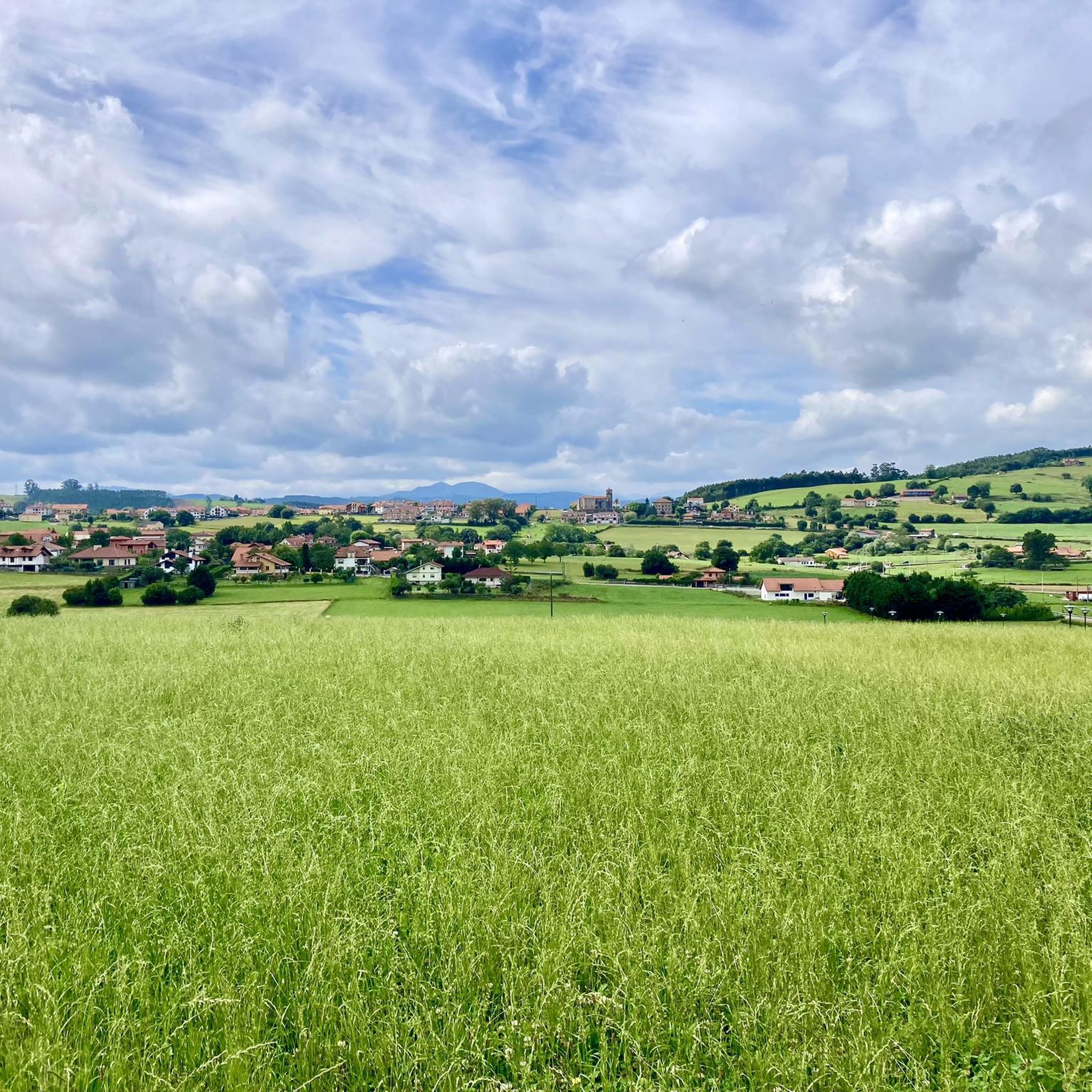
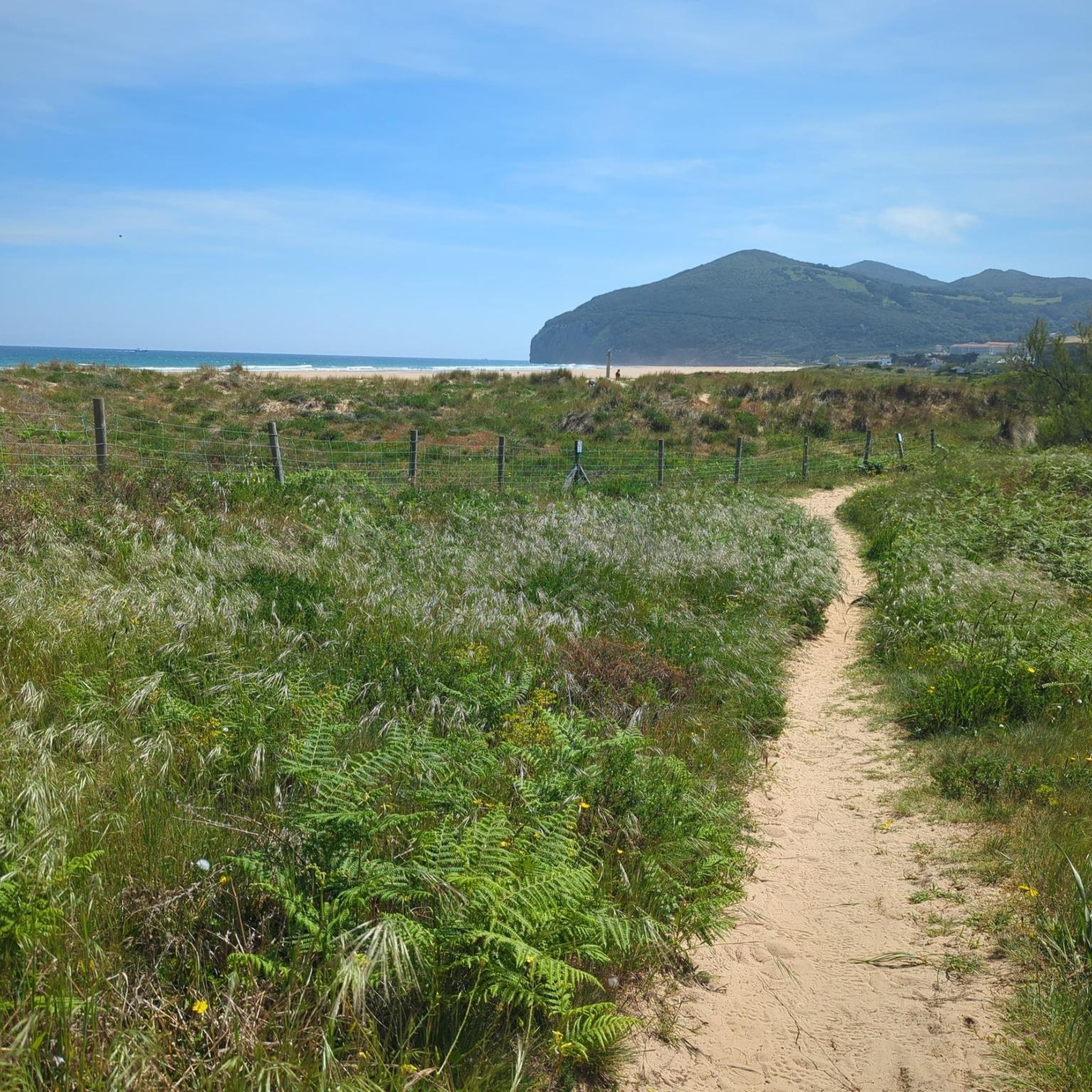
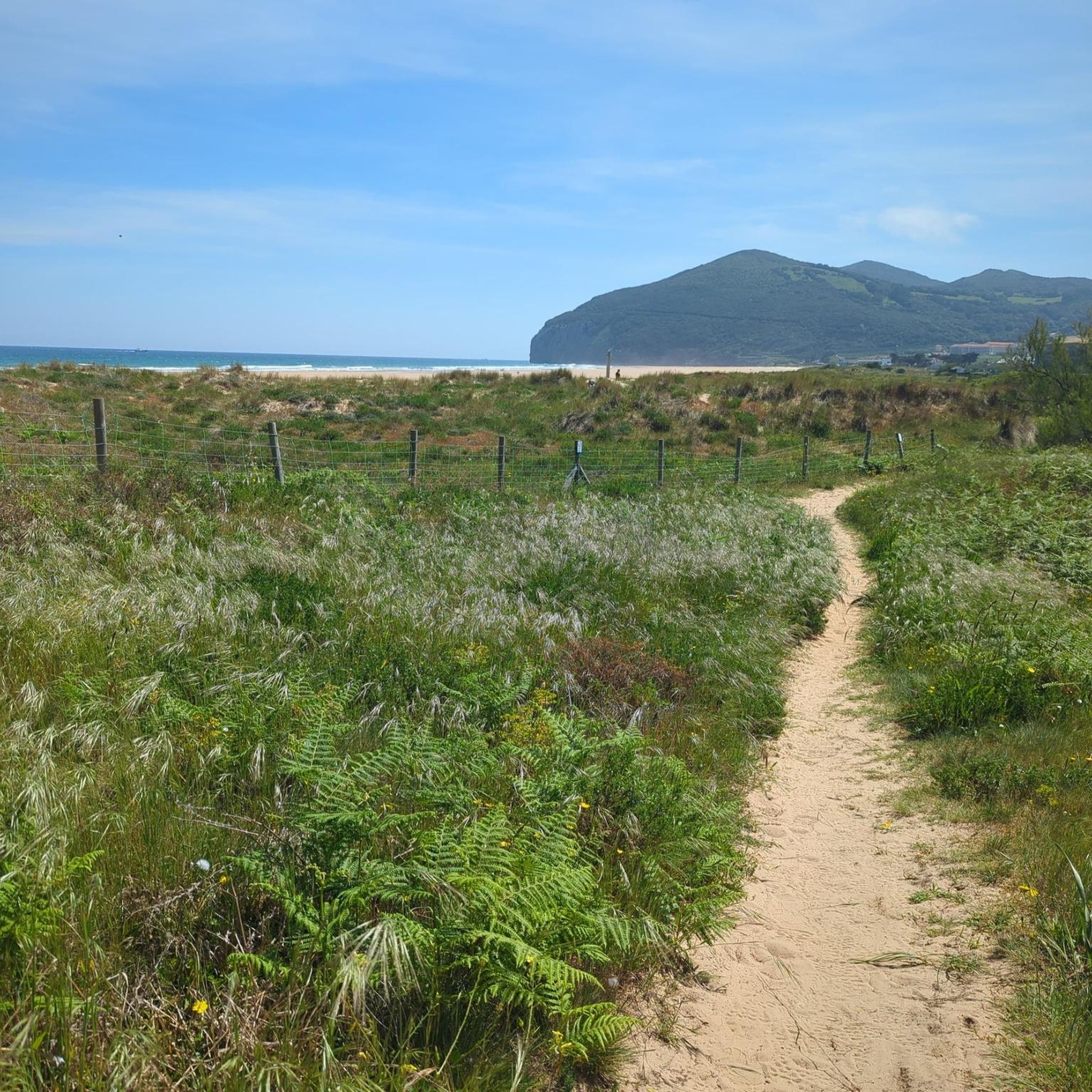
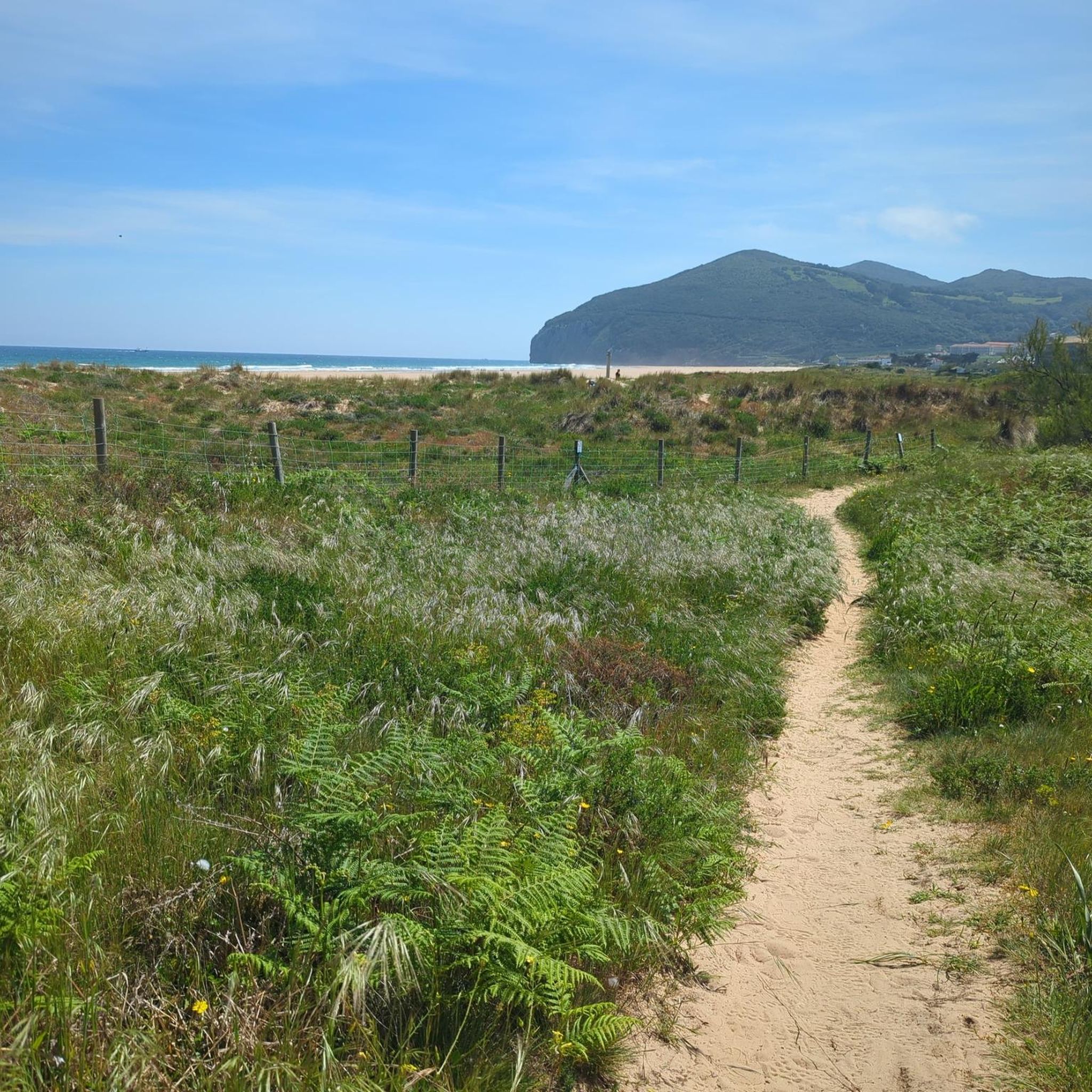
Other adventures around Santoña


Tips from the Community

A quirky, solitary tree that has found a place to root here and is successfully holding on to the slope. Coming from the south, you have already covered most of the way to the Ojos del Diablo, but a final steep climb still awaits.
0
0
The view through the devil's eye onto the coast at Sonabia is breathtakingly beautiful and rewards the strenuous journey here. The stone arch can be reached either via the coastal path between Sonabia and Villanueva or, less spectacularly, through the mountains to the south from a parking lot near the A8. An absolute postcard motif!
0
0

These caves always impress me.
0
0


Very good views. When there are strong waves, there is a small blowhole inside the Ojerada.
2
0

Place to visit without fail. Awesome
3
0

Frequently Asked Questions
What kind of natural landscapes can I expect to see around Santoña?
Santoña is characterized by diverse natural landscapes, including expansive wetlands like the Santoña, Victoria and Joyel Marshes Natural Park, prominent mountains such as Monte Buciero, rugged cliffs, lush forests, and scenic beaches. These areas support varied ecosystems, from crucial bird habitats to unique geological formations.
Are there family-friendly natural monuments around Santoña?
Yes, there are. For example, La Ojerada Caves are noted for being very close to a parking lot, making them easily accessible for visitors of all ages. The Santoña, Victoria and Joyel Marshes Natural Park also offers accessible areas and an Interpretation Centre that can be engaging for families.
Where can I go birdwatching in Santoña?
The Santoña, Victoria and Joyel Marshes Natural Park is a prime location for birdwatching, recognized as a Special Protection Area for Birds. Key areas include Puerto pesquero, Marisma de Bengoa, La Arenilla in Santoña, and Molino de Victoria in Noja. The Molino de Victoria, an old tidal mill, offers exceptional opportunities to observe birds, with cameras in nest boxes and feeders.
What hiking opportunities are available near Santoña's natural monuments?
The region offers numerous hiking opportunities. You can explore trails around Monte Buciero, including the challenging route to the Faro del Caballo. The Natural Park of the Marshes of Santoña, Victoria and Joyel also features trails. For more detailed routes, you can check the Hiking around Santoña guide, which includes routes like 'Monte Buciero: Lighthouses and Cliffs Trail'.
What is special about the Santoña, Victoria and Joyel Marshes Natural Park?
This expansive natural park is an ecological jewel, recognized as a Ramsar site and a Special Protection Area for Birds. It's a crucial winter refuge and migratory passage for over 130 species of birds. Beyond birdwatching, the park features diverse ecosystems including oak and European beech forests, scrublands, meadows, grasslands, beaches, and dunes, along with remnants of ancient tidal mills.
What can I expect when visiting Monte Buciero and the Faro del Caballo?
Monte Buciero offers stunning panoramic views of the Cantabrian Sea and the coast, with lush forests and cliffs. The iconic Faro del Caballo (Horse Lighthouse) is reached via a picturesque hiking route involving a descent of 685 steps, plus an additional 111 steps to reach the waters below, providing an adventurous experience and breathtaking vistas.
Are there any challenging natural monuments for experienced hikers?
Yes, for experienced hikers, the route to Devil's Eye is challenging but offers majestic panoramic views from a cliff framed by a natural rock window. Another challenging option is the climb to Solpico Summit, which provides very comforting panoramic views, though it requires some rock climbing near the top.
What is the best season to visit the natural monuments in Santoña?
The Santoña, Victoria and Joyel Marshes Natural Park is particularly significant during the autumn and winter months when migratory birds visit the area, making it ideal for birdwatching. Generally, spring and early autumn offer pleasant weather for hiking and exploring the coastal and mountain natural monuments.
Can I go running or cycling near the natural monuments?
Absolutely. The area around Santoña provides opportunities for both running and cycling. You can find routes that pass through or near the natural monuments. For running, check the Running Trails around Santoña guide, and for cycling, explore the Cycling around Santoña guide.
Are there any unique beaches among Santoña's natural monuments?
Yes, Piedra Pombera Beach in Noja is a notable natural monument. It's a small but beautiful beach presided over by a large, distinctive stone called Piedra Pombera, from which it takes its name, adding to its natural charm.
What kind of wildlife can I spot in the natural monuments area?
The Santoña, Victoria and Joyel Marshes Natural Park is a haven for wildlife, especially birds. You can spot over 130 species of birds, including mallards, herons, and egrets, particularly during migration periods. The park's diverse ecosystems also support various fish species like sea bass, red mullet, and Atlantic salmon.
How long does it take to hike Monte Buciero?
Hiking Monte Buciero can vary in duration depending on the specific route and your pace. A popular route, such as the 'Monte Buciero: Lighthouses and Cliffs Trail' mentioned in the Hiking around Santoña guide, is approximately 13 km long and can take several hours to complete, especially if you include the descent to Faro del Caballo.
Most popular attractions around Santoña

Get inspired with the komoot mobile app


Explore more
Extend your search for the best caves by checking out these guides of the top ones around Santoña:
