Top 19 Natural Monuments around Valdecuenca
Best natural monuments around Valdecuenca are characterized by unique geological formations and diverse ecosystems within the broader Serranía de Cuenca and Sierra de Albarracín regions. This area offers access to various natural attractions, including pine forests, rock formations, and significant wetlands. Visitors can explore a landscape shaped by natural processes, providing opportunities for outdoor activities. The region's natural beauty is well-suited for those seeking to experience varied natural environments.
Best natural monuments around Valdecuenca
- The most popular natural monuments is…
Last updated: August 11, 2026
Peñas Royas Viewpoint
Highlight • Viewpoint
Translated by Google •
Tip by

Laguna de Bezas
Highlight • Lake
It is located …
Translated by Google •
Tip by

Sign up now to discover places like this
Get recommendations on the best single tracks, peaks, & plenty of other exciting outdoor places.
Sign up for free
Cabrerizo Viewpoint
Highlight • Viewpoint
Translated by Google •
Tip by
Shelter of the Archer of the Enclosed Ravines
Highlight • Historical Site
Translated by Google •
Tip by
Balsa del Pinar
Highlight • Lake
Translated by Google •
Tip by

Sign up for free to discover even more natural monuments around Valdecuenca.
Sign up for free
Already have an account?
Start today with a free account
Your next adventure awaits.
Login or Signup
Tips from the Community

A small puddle that is under nature protection ;-)
0
0

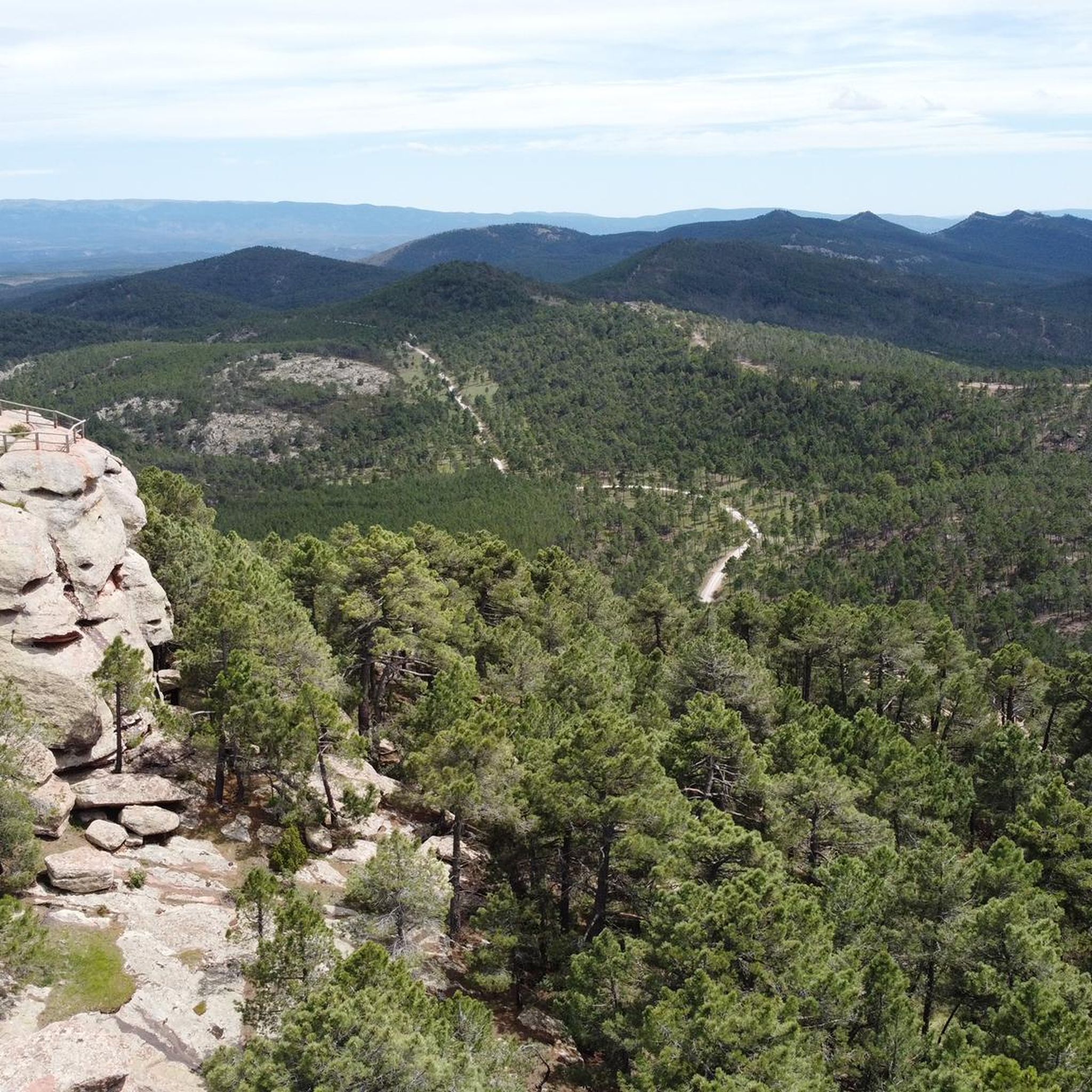
The Peñas Royas Viewpoint is one of the most spectacular spots in the natural surroundings of Albarracín, located within the Pinares de Rodeno Natural Park in the province of Teruel. It is located just a few kilometers from Albarracín's historic center.
4
0
Bezas Lagoon, located in the Sierra de Albarracín (Teruel province, Aragon), is a natural enclave of great beauty and ecological value. It is located very close to the village of Bezas, in an area of outstanding scenic value.
5
0

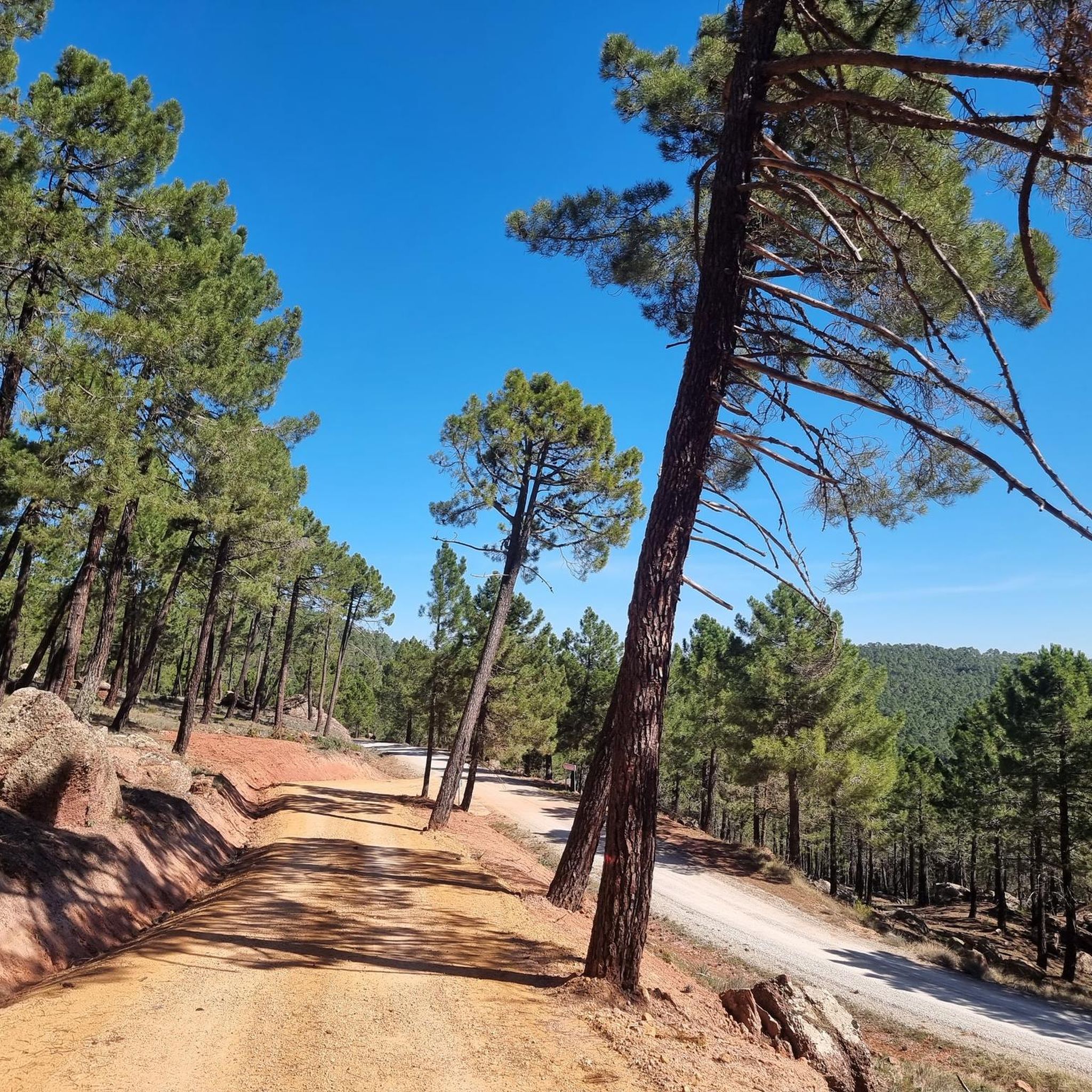
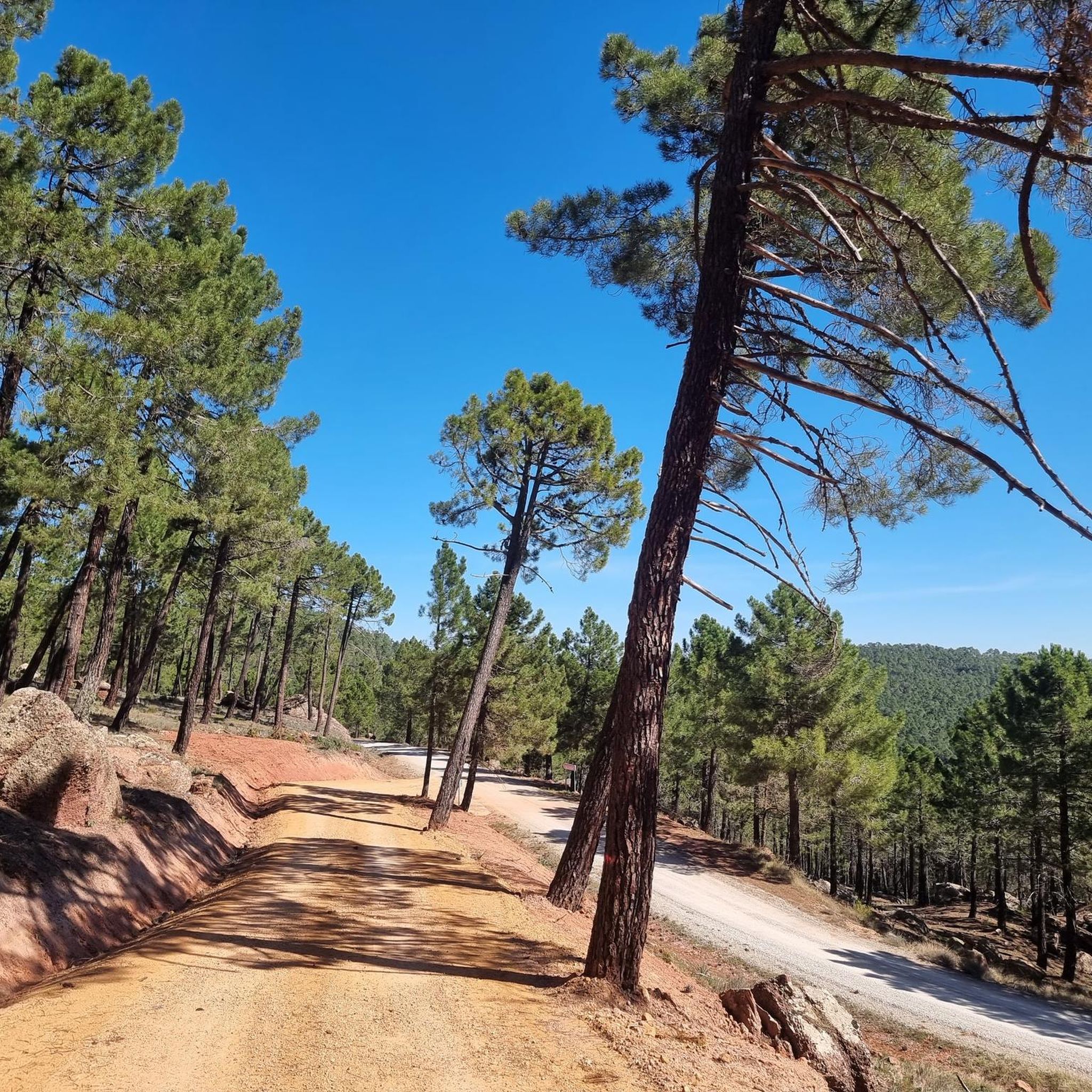
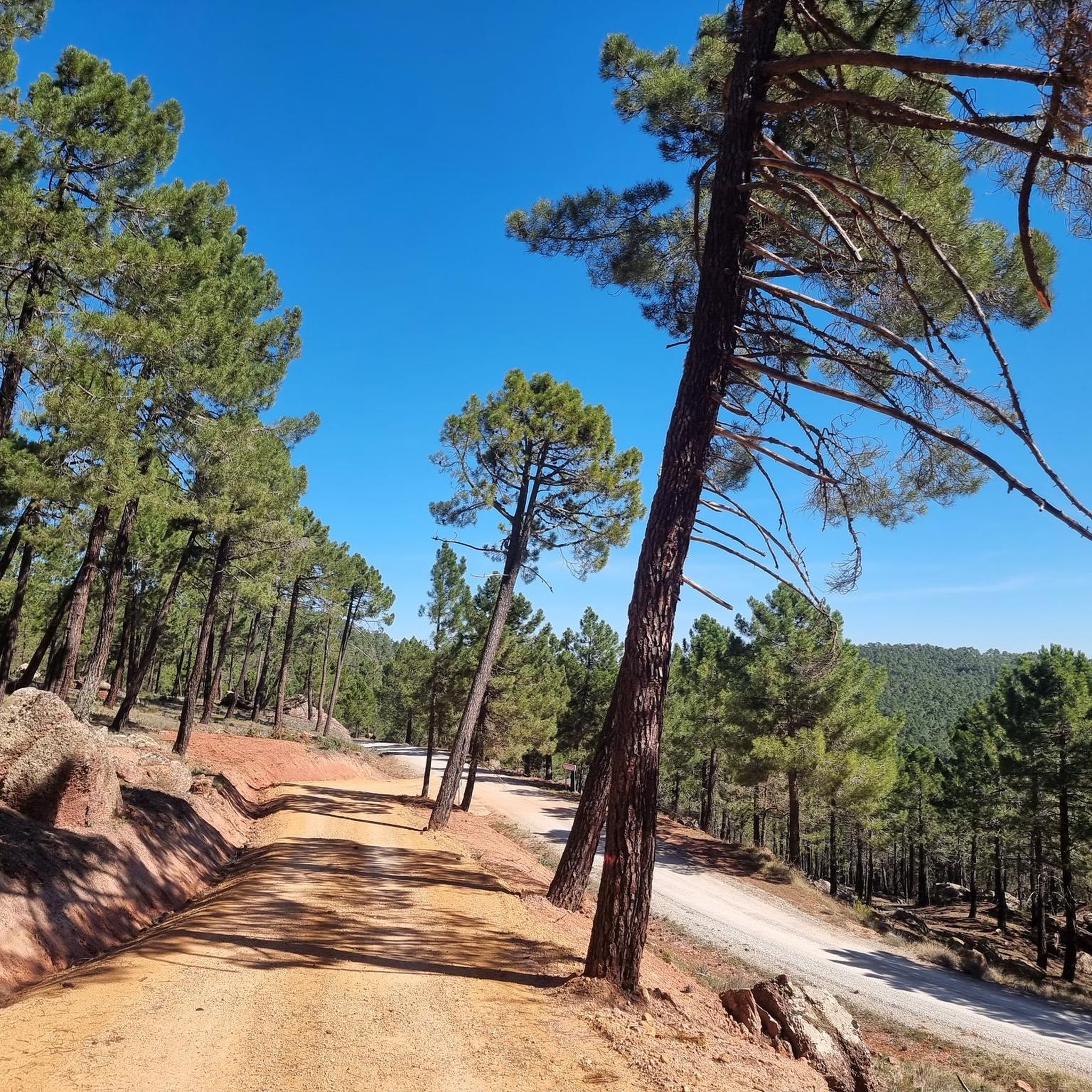
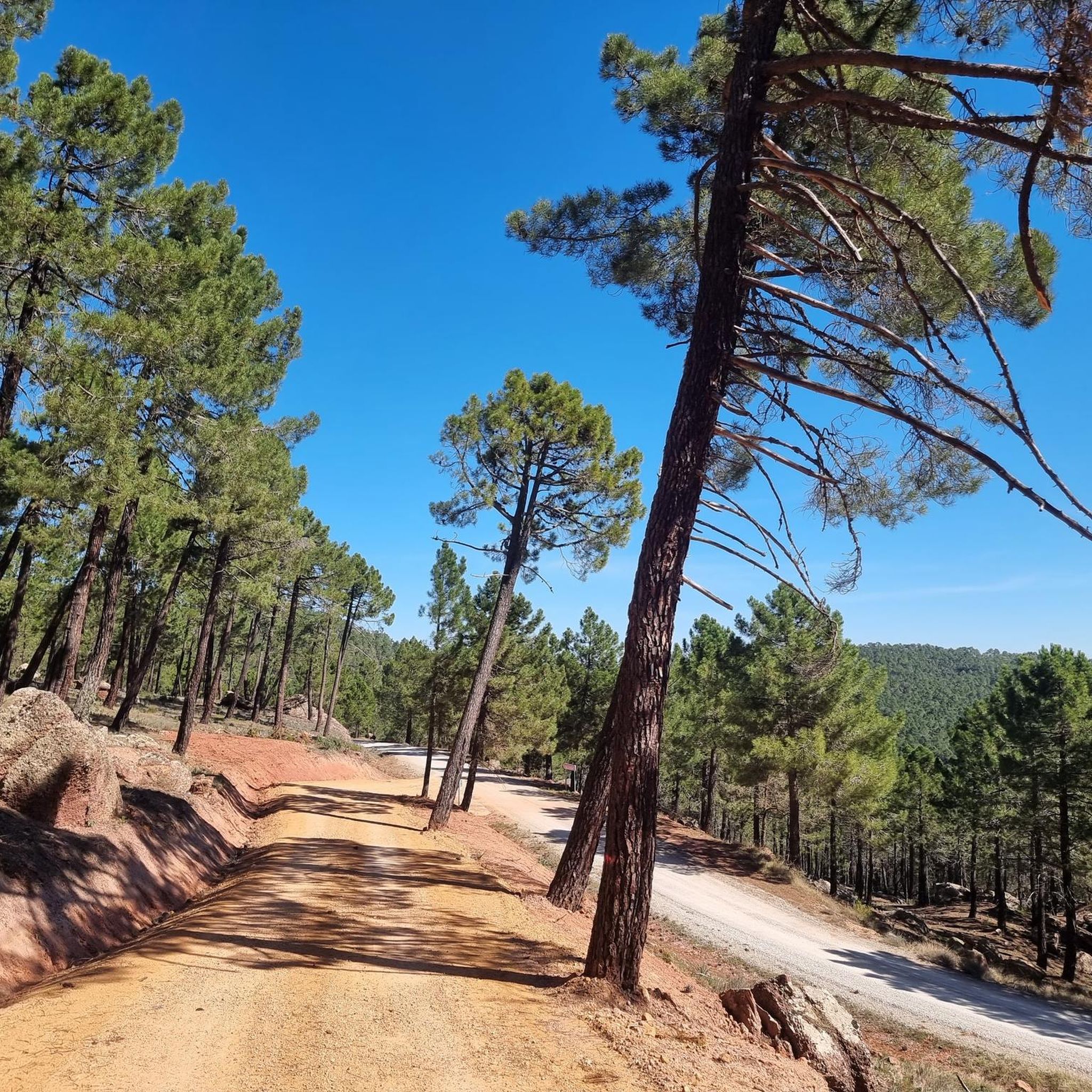
Beautifully situated, forest path easy to ride with a gravel bike.
0
0
This lagoon is surrounded by a leafy Rodeno pine, along with junipers, oaks, junipers and other natural elements. Its water level depends on snowmelt and rain, and together with the Bezas lagoon, it is one of the most important wetlands in the Sierra de Albarracín. If you are interested in taking a route, you can follow the Balsa botanical trail that will take you to Rubiales. Additionally, in Rubiales, you can connect with the GR 10, a long-distance trail that connects the Atlantic with the Mediterranean. I hope you enjoy this beautiful area! 😊
2
0

The access path to the viewpoint has been cemented. This makes access easier for people with mobility problems, but it loses the charm of the mountain path.
1
0


The Bezas lagoon is not only a place where you can stop to breathe fresh air, but also symbolizes the largest lagoon in the Sierra de Albarracín. It is located and forms part of the protected landscape of the Pinares de Rodeno. Depending on the season you are in, it will have more or less water.
2
0
Frequently Asked Questions
What unique geological features can I explore near Valdecuenca?
The region around Valdecuenca is rich in unique geological formations. You can visit Cabrerizo Viewpoint, which offers panoramic views of impressive rock formations with a characteristic reddish wine-red color, surrounded by rodeno pines. Another fascinating site is La Ciudad Encantada, located in the Serranía de Cuenca Natural Park, where wind, water, and ice have sculpted incredible rock formations over 90 million years, resembling various figures and objects. Additionally, the Natural Monument of Palancares and Tierra Muerta features numerous large circular sinkholes, known as Las Torcas, offering a unique karst landscape formed by the dissolution of limestone.
Are there any historical or cultural sites among the natural monuments?
Yes, the area combines natural beauty with significant historical sites. The Prado del Navazo Bulls Rock Shelter is a prominent site featuring Levantine Rock Art, with naturalistic representations of large bovids painted in a unique yellowish-white color. Another notable historical site is the Shelter of the Archer of the Enclosed Ravines, which contains ancient cave paintings depicting a hunting scene, a female figure, and various animals, estimated to date back 4500-7000 years BC.
What kind of natural landscapes can I expect to see?
The natural monuments around Valdecuenca offer a diverse range of landscapes. You'll find extensive pine forests, particularly in areas like Pinares del Rodeno, alongside unique rock formations. There are also significant wetlands and lagoons, such as Laguna de Bezas and Balsa del Pinar, which are important ecological enclaves. River canyons, like the one visible from El Ventano del Diablo, and unique geological formations like the travertine springs at the Birth of the Cuervo River, add to the varied natural beauty of the region.
Are there family-friendly natural monuments around Valdecuenca?
Many natural monuments in the area are suitable for families. The Cabrerizo Viewpoint offers easy access to stunning views. Both Laguna de Bezas and Balsa del Pinar are great for leisurely walks and enjoying nature. The Birth of the Cuervo River is also highlighted as perfect for family visits due to its beautiful waterfalls and diverse flora. La Ciudad Encantada, with its whimsical rock formations, provides a magical and engaging experience for all ages.
What is the best time of year to visit the natural monuments around Valdecuenca?
The region's natural monuments are beautiful year-round, but spring and autumn are particularly recommended. In spring, the landscapes are lush and green, and waterfalls like Cascada del Molino de San Pedro are often at their fullest. Autumn brings vibrant colors to the pine forests and surrounding vegetation, making it an ideal time for scenic walks and photography. Summer can be warm, but the higher altitudes offer cooler temperatures, while winter can be picturesque with snow, though some access might be limited.
What outdoor activities can I do near these natural monuments?
The area around Valdecuenca is perfect for various outdoor activities. You can enjoy cycling on routes like 'The Clays of Teruel – Albarracín loop from Bezas' or 'Pinares de Rodeno – Peña de la Cruz Viewpoint loop from Bezas', which are part of the Cycling around Valdecuenca guide. For running, consider trails such as 'Mirador del Alto de las Peñas – circular from Terriente' or 'Dornaque to Peña del Hierro Viewpoint Trail' found in the Running Trails around Valdecuenca guide. Mountain biking enthusiasts can explore routes like 'Montes Universales — vuelta desde el Camping Algarbe' or 'Cabrerizo Viewpoint – Albarracín loop from Dornaque' from the MTB Trails around Valdecuenca guide. Hiking is also popular, with trails leading to waterfalls, viewpoints, and unique geological sites.
Are there specific hiking trails to explore the natural monuments?
Yes, there are numerous hiking opportunities. For instance, the 'Ojos del Cabriel and Molino de San Pedro Waterfall Trail' is a moderate hike that allows visitors to discover the turquoise waters and stunning cascades of Cascada del Molino de San Pedro. You can also find signposted routes for exploring the unique karst landscape of Las Torcas, such as the one around the Torcas de Lagunaseca. The Pinares del Rodeno area, where the Cabrerizo Viewpoint is located, offers paths without significant technical difficulty, leading to scenic spots.
Where can I go birdwatching near Valdecuenca?
For birdwatching, Laguna de Uña is an excellent destination. This natural lagoon is a Wildlife Refuge known for its diversity of birds, especially wintering species and birds of prey. A path curves around the lagoon, making it easy to observe the local fauna. Additionally, from El Ventano del Diablo, you can often observe griffon vultures soaring above the Júcar River canyon.
Are there any natural monuments suitable for easy walks?
Absolutely. The path around Laguna de Bezas offers a serene and easy walk, allowing you to enjoy the ecological value and beautiful landscapes. Similarly, the Balsa del Pinar is surrounded by a leafy pine forest with accessible paths. The walk to the Cabrerizo Viewpoint is also considered an easy path without significant elevation changes, making it suitable for a relaxed outing.
What amenities are available near the natural monuments?
While Valdecuenca itself is a small municipality, the broader region offers some amenities. Near Balsa del Pinar, there is a small house where you can have a picnic or rest. Many natural monuments are located near villages like Bezas or Uña, which may offer basic services. For more extensive amenities, including cafes, pubs, and accommodation, you would typically find them in larger towns such as Albarracín or Cuenca, which are within reasonable driving distance of many of these natural sites.
Can I bring my dog to the natural monuments?
Many natural areas in Spain are dog-friendly, especially on trails and in open spaces, provided dogs are kept on a leash and owners clean up after them. While specific regulations for each natural monument should be checked, places like the Pinares del Rodeno and trails around the lagoons are generally welcoming to dogs. Always be mindful of local signage and wildlife, particularly in protected areas like Laguna de Uña, which is a Wildlife Refuge.
Most popular attractions around Valdecuenca

Get inspired with the komoot mobile app


Explore more
Extend your search for the best caves by checking out these guides of the top ones around Valdecuenca:
