Top 16 Natural Monuments around Llívia
Best natural monuments around Llívia are found in a Spanish enclave situated within the French Pyrenees, offering access to diverse natural features. The region is characterized by its high-mountain landscapes, glacial lakes, and significant river systems. Llívia's surroundings provide opportunities to explore mineral springs and traditional rural architecture. This area serves as a gateway to broader protected zones, showcasing varied ecosystems and geological formations.
Best natural monuments around Llívia
- The most popular natural monuments is Viver Lake, a lake…
Last updated: August 11, 2026
Summit of Pic Carlit
Highlight • Summit
Translated by Google •
Tip by

Viver Lake
Highlight • Lake
Translated by Google •
Tip by

Sign up now to discover places like this
Get recommendations on the best single tracks, peaks, & plenty of other exciting outdoor places.
Sign up for free
Lake Aude
Highlight • Lake
Translated by Google •
Tip by

Plà de Barrès River and Forest
Highlight • River
Tip by

Peak of the Moors
Highlight • Summit
Translated by Google •
Tip by
Sign up for free to discover even more natural monuments around Llívia.
Sign up for free
Already have an account?
Start today with a free account
Your next adventure awaits.
Login or Signup
Popular around Llívia



Tips from the Community


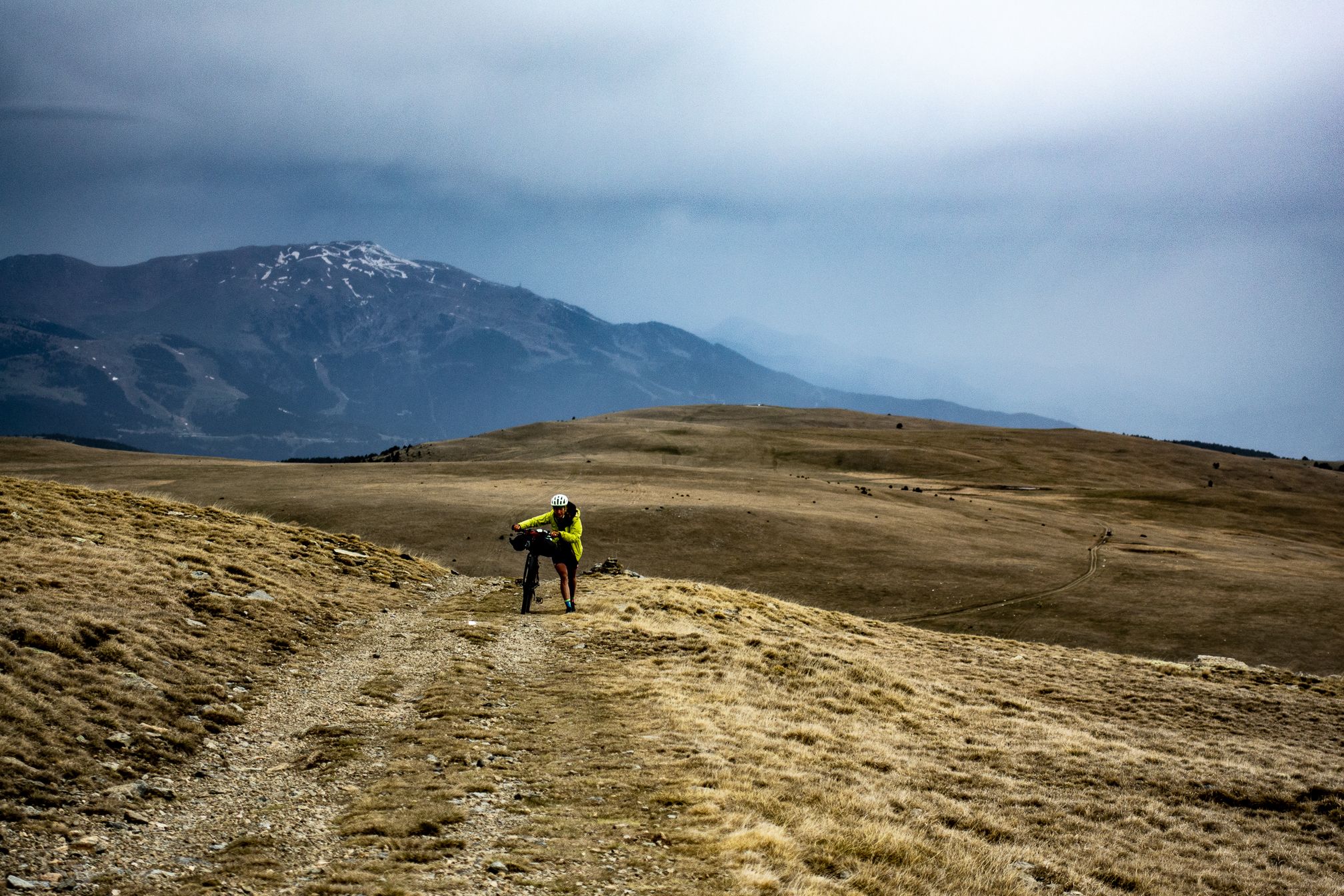
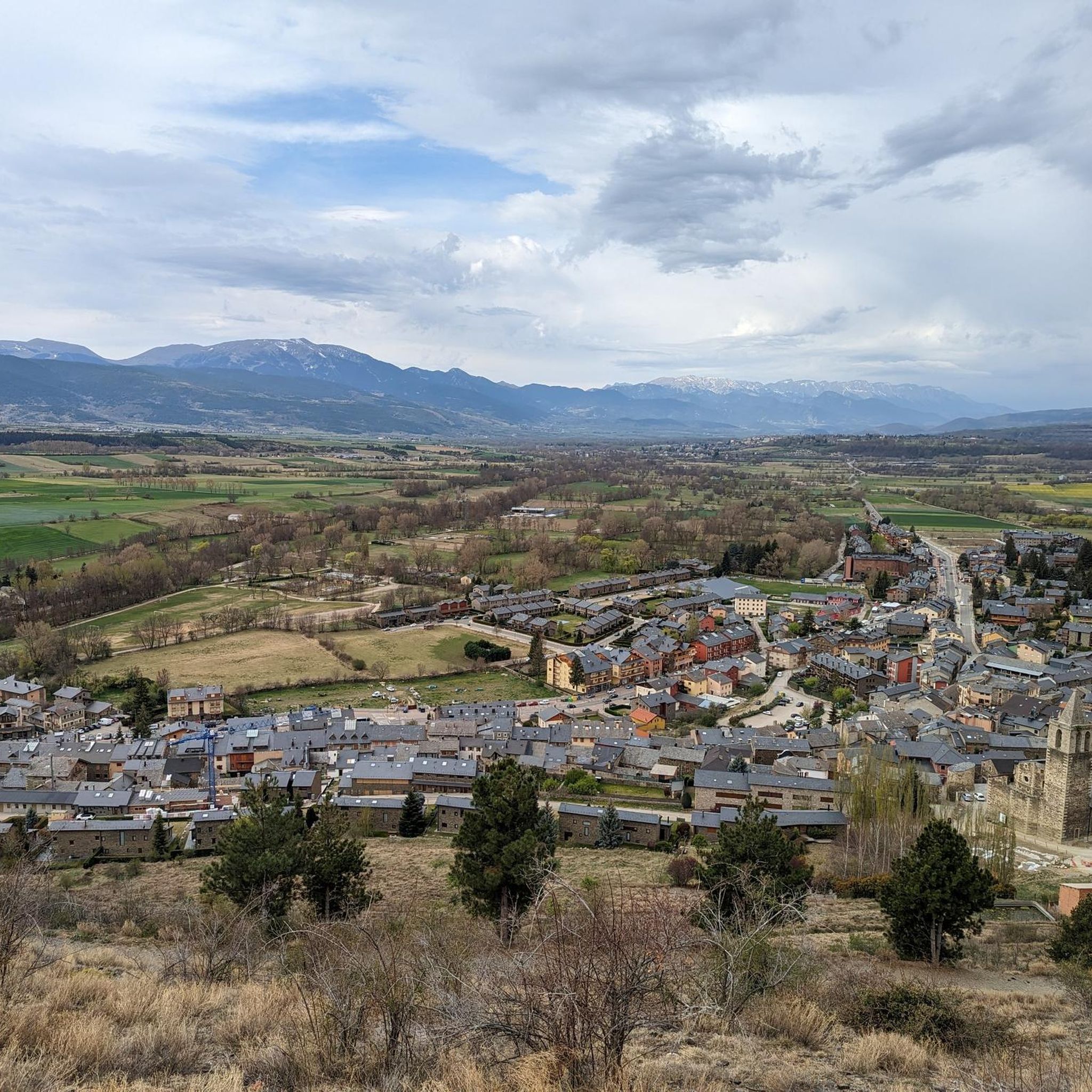
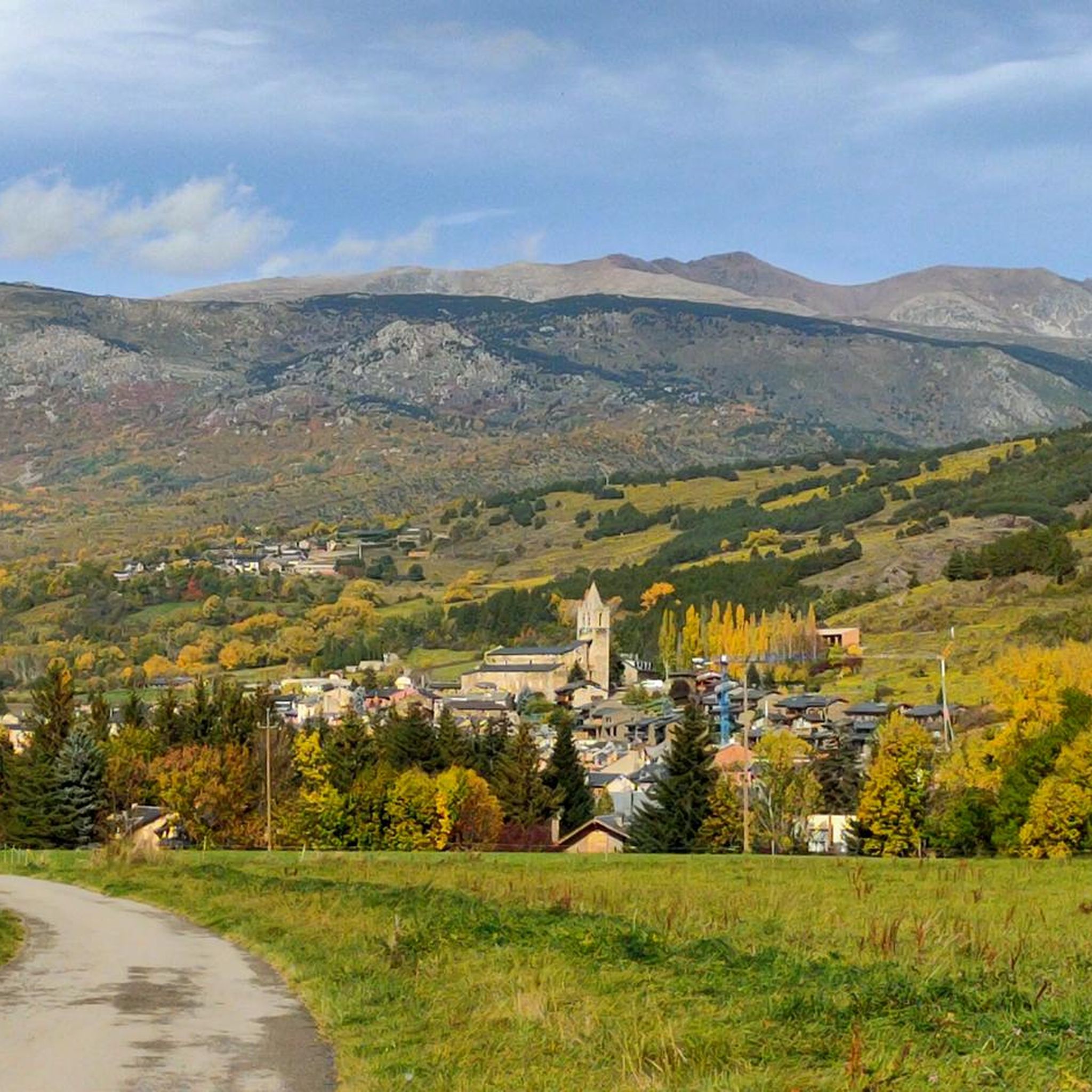
Carlit Peak is part of the Capcir granite massif, which is dotted with 27 lakes and small lakes in the Occitanie region, northwest of Font-Romeu. Its summit is located at 2921 meters, allowing you to observe an immense panorama (from Canigó to the Central Pyrenees).
1
2

just a magnificent hike to take in to take in the views 💕
0
0

Culminating at 2,921 meters, the peak of Carlit reigns within an exceptional natural environment. It offers wide panoramas over the valley and its countless lakes.
2
0
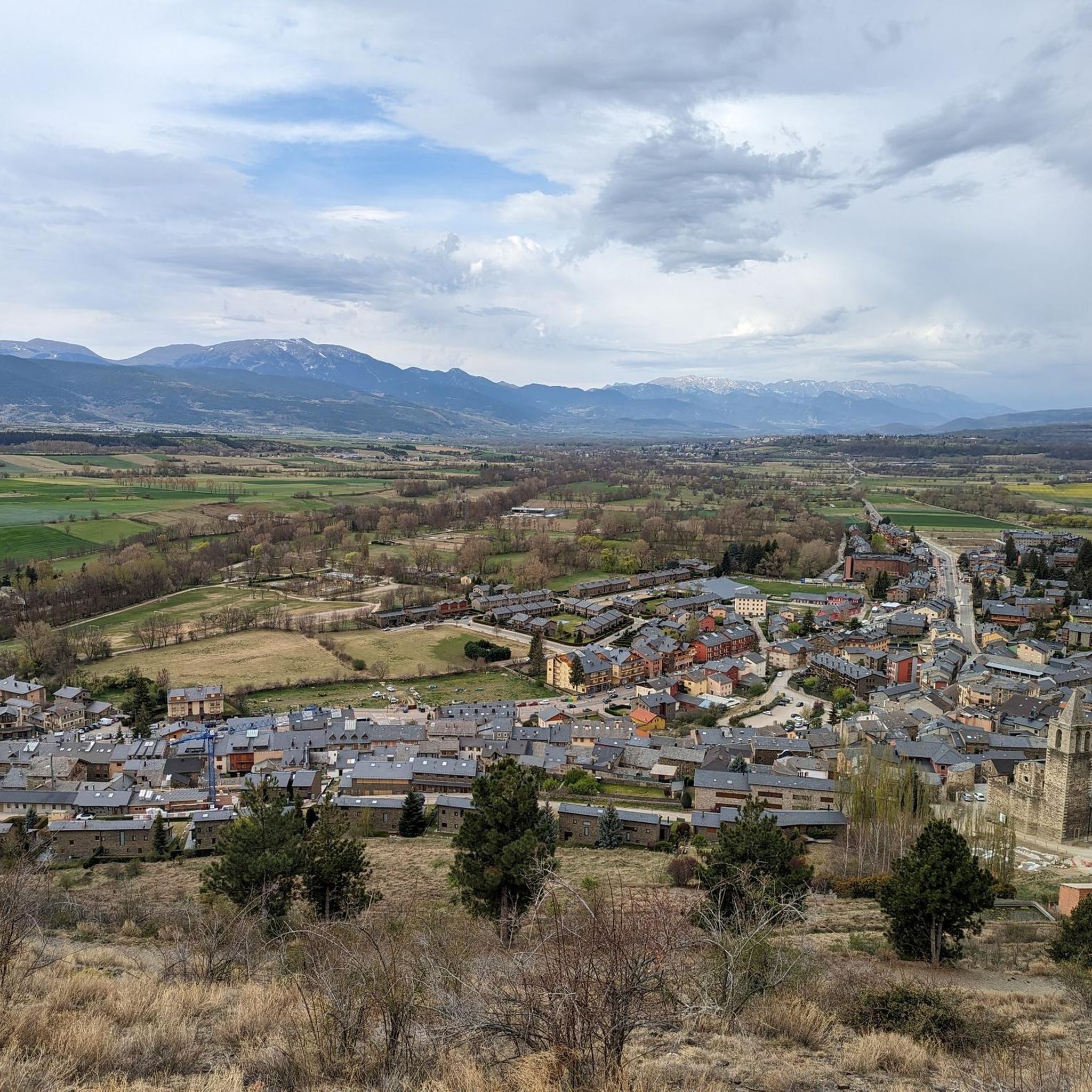
The Pic dels Moros culminates at 2,138 meters on the heights of Font-Romeu. Easy to access, it offers a remarkable panorama of the Pyrenees chain.
0
0
From the campsite along the river. Both sides possible, in winter pay attention to the ski slopes.
2
0


Very easy hike, you might encounter some snow, be ready for it. Its a highly transited so unless it snowed recently it will be compacted and icy. Not demanding at all and suitable even with kids probably.
1
0
Frequently Asked Questions
What are some of the most notable natural monuments to visit around Llívia?
The region around Llívia offers a diverse range of natural monuments. Highlights include the challenging Summit of Pic Carlit, which provides extensive panoramic views, and the tranquil Viver Lake, part of the Carlit ponds. You can also explore the serene Estany del Castellar, known for its clear waters and biodiversity, or the peaceful Plà de Barrès River and Forest.
Are there any family-friendly natural monuments in the Llívia area?
Yes, several natural monuments are well-suited for families. Viver Lake is known for its easy accessibility and is suitable even with kids. The Plà de Barrès River and Forest is perfect for family picnics and offers easy walks along the river.
What kind of hiking experiences can I expect near Llívia's natural monuments?
Hiking experiences vary from easy walks to challenging ascents. For instance, the path to Summit of Pic Carlit is considered challenging, especially the last 150m, but rewards with immense panoramas. Many lakes, like Viver Lake, offer very easy hikes. The region's high-mountain landscapes and glacial lakes provide diverse terrain for all levels.
Can I find natural springs with therapeutic properties around Llívia?
Yes, Llívia is known for its natural springs. An itinerary called 'Les Fonts' allows you to explore the therapeutic waters of the Sulfur (Sofre), Xàfec, and Iron (Ferro) springs. This easy walking route also passes by the Estahuja and Rocacanal streams, offering a chance to enjoy the natural environment and experience the reputed benefits of the mineral waters.
What are the best natural monuments for panoramic views?
For breathtaking panoramic views, the Summit of Pic Carlit is unparalleled. Culminating at 2,921 meters, it offers wide vistas over the valley and its numerous lakes, stretching from Canigó to the Central Pyrenees. Many of the high-altitude lakes, such as Estany del Castellar, also provide stunning mountain reflections.
Are there opportunities for wildlife spotting near Llívia's natural monuments?
Yes, the natural areas around Llívia, especially the higher alpine regions and protected parks, offer opportunities for wildlife spotting. Near Estany del Castellar, for example, you might spot native wildlife such as marmots and ibex. The broader Parc Natural de les Capçaleres del Ter i del Freser is home to chamois, marmots, and various bird species.
What is the best time of year to visit the natural monuments around Llívia?
The best time to visit largely depends on the activity. Summer (June to September) is ideal for high-mountain hiking and enjoying the lakes, though access to areas like Lac des Bouillouses might be restricted to bus service to manage tourism. Spring and autumn offer pleasant temperatures for walking and exploring the lower-altitude areas and springs, with vibrant flora in spring and rich colors in autumn. Winter can be beautiful for snowshoeing or winter hiking, but some areas may be challenging due to snow and ice.
How accessible are the natural monuments around Llívia?
Accessibility varies. Some areas like Viver Lake and Plà de Barrès River and Forest offer easy access. For higher-altitude sites like the Lakes of Les Bulloses, summer access might involve a bus service to manage tourist influx, ensuring a more preserved experience. Parking is generally available near trailheads, but it's advisable to check specific locations.
What other outdoor activities can I do in the Llívia region besides visiting natural monuments?
The Llívia region is excellent for various outdoor activities. You can find numerous routes for hiking, including easy loops like 'Llívia Castle Ruins' or more difficult ones like 'Llívia – Sulphur Spring loop'. There are also extensive options for cycling, ranging from easy to difficult routes. For more challenging adventures, explore mountain hikes, such as the demanding 'Peak Carlit loop'.
Can I explore river landscapes around Llívia?
Yes, the Segre River flows through Llívia and the Cerdanya region, offering beautiful natural environments. You can enjoy scenic walks along its banks and through the surrounding fields, providing panoramic views and a connection with the local landscape. The Plà de Barrès River and Forest is another excellent spot for riverside enjoyment.
What makes the Carlit Massif area special for nature lovers?
The Carlit Massif, home to Pic Carlit and numerous glacial lakes like Lac des Bouillouses and Viver Lake, is a natural site of great interest. It's characterized by stunning granite formations, high-mountain landscapes, and offers extensive hiking opportunities. The panoramic views from Pic Carlit are immense, making it a prime destination for those seeking dramatic alpine scenery.
Is it possible to visit a larger natural park from Llívia?
Yes, Llívia is situated near the foothills of the Carlit peak and within the broader Pyrenean context, providing access to the Parc Natural de les Capçaleres del Ter i del Freser. This extensive natural park features towering peaks, glacial cirques, U-shaped valleys, and diverse flora and fauna, ideal for hiking, mountaineering, and wildlife observation. You can find more information about this park on Wikivoyage.
What do visitors particularly enjoy about the natural monuments here?
Visitors frequently praise the stunning panoramic views, especially from high points like the Summit of Pic Carlit. The tranquility of alpine lakes such as Estany del Castellar and the easy, family-friendly walks along rivers and lakes like Viver Lake and Plà de Barrès River and Forest are also highly appreciated. The opportunity to connect with nature, whether through challenging hikes or relaxed picnics, is a common highlight.
Most popular routes around Llívia
Most popular attractions around Llívia

Get inspired with the komoot mobile app


Explore more
Extend your search for the best caves by checking out these guides of the top ones around Llívia:
